
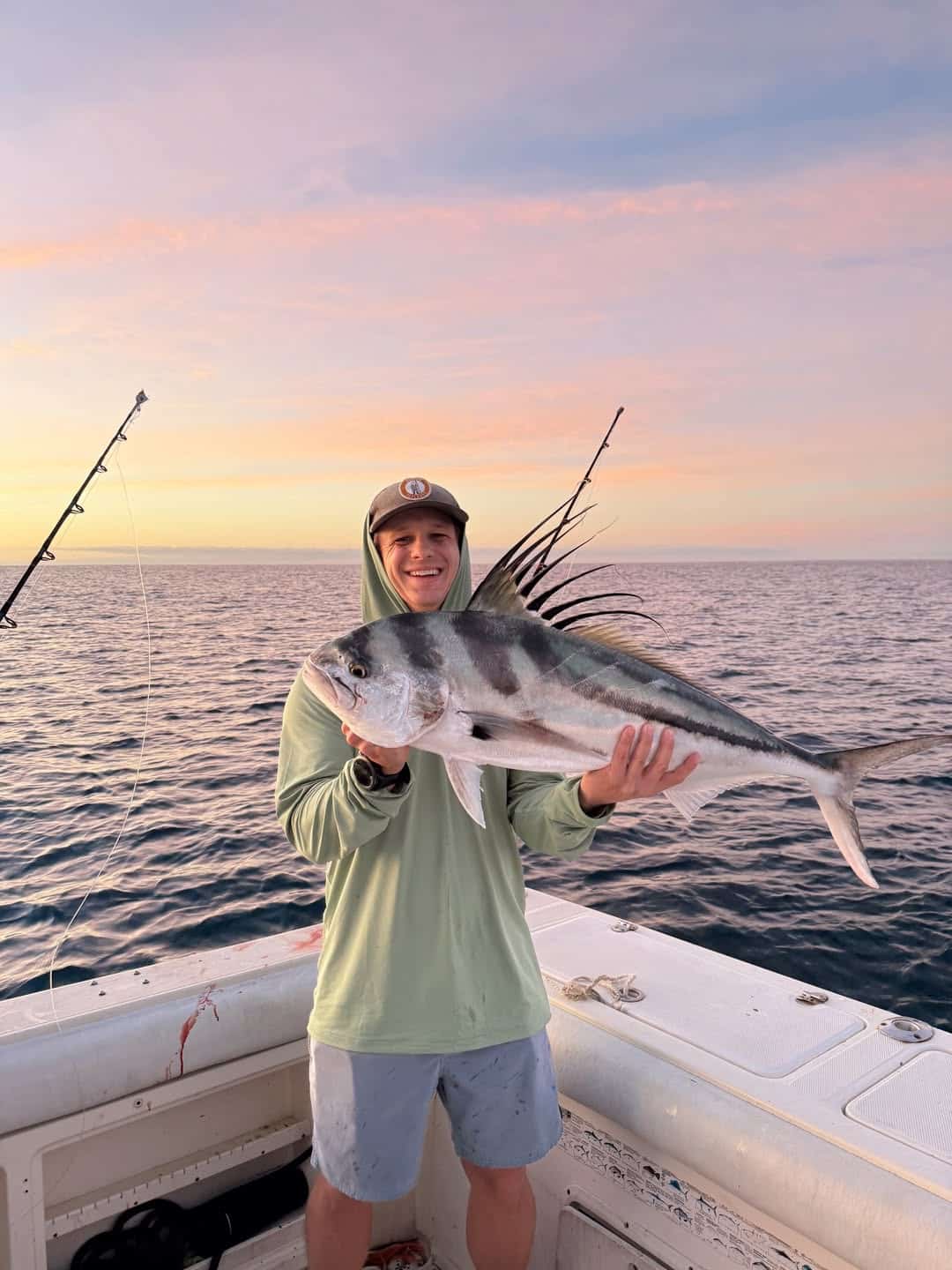
There’s nothing quite like hauling in a deep sea catch at sunrise – salt in the air, deck still wet, adrenaline still buzzing. And if you ask me, as someone who’s spent more time behind a grill than behind a desk, there’s only one proper way to honor that fish:
Fire.
Grilling is honest cooking. It doesn’t hide mistakes. It doesn’t mask flavor. It lets a fresh deep sea catch shine the way it’s supposed to – clean, briny, rich, and kissed with smoke.
Today, I’ll walk you through my go-to method. No fluff. No fussy chef theatrics. Just smart technique, a little fire management, and a few tricks you only learn after ruining a couple fish (we’ve all been there).
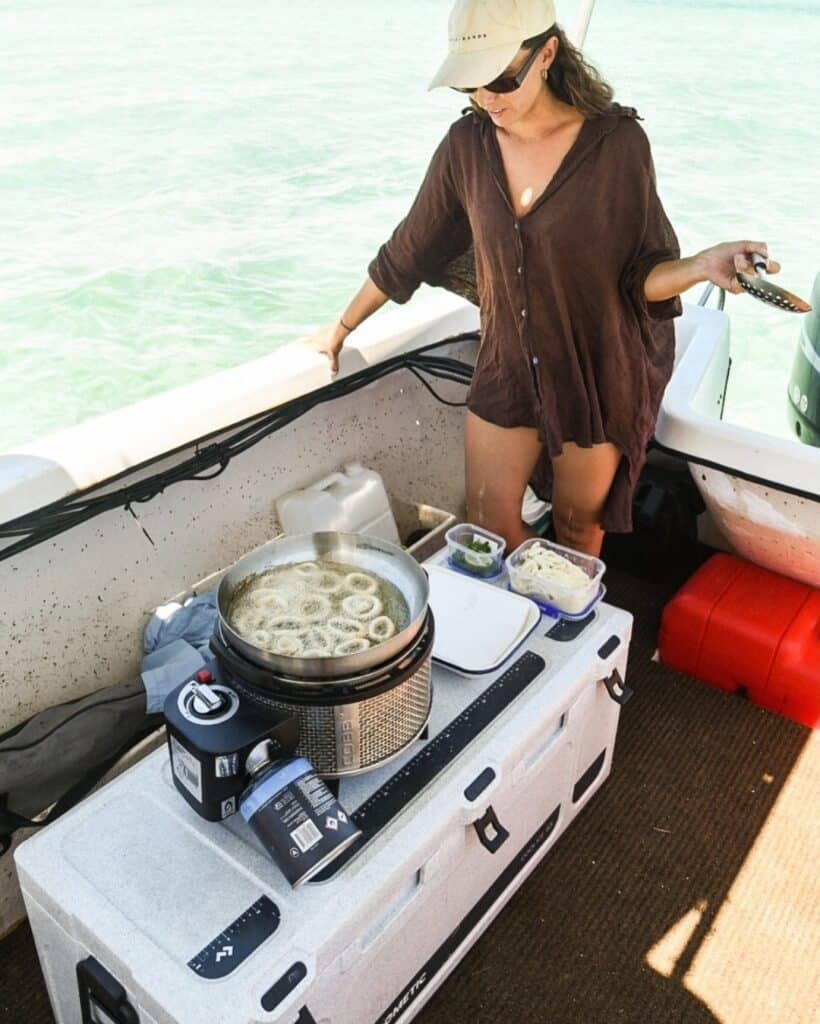
Why Fresh Deep Sea Fish Is Built for the Grill
Not all fish are created equal when it comes to grilling. Your typical deep sea catch – think tuna, mahi-mahi, snapper, grouper – has:
- Firm flesh that holds up to heat
- Natural oils that prevent drying
- Big, clean flavor that loves smoke
Fresh-off-the-boat fish behaves differently than grocery store fillets. It’s tighter. Cleaner. Almost sweet.
And here’s a truth bomb:
Ultra-fresh fish needs less seasoning, not more.
If you marinate it like chicken for six hours, I will personally come confiscate your grill tongs.
How to Tell If Your Deep Sea Catch Is Truly Fresh
You’d think if you caught it yourself, freshness is guaranteed. But here’s the thing – handling matters just as much as timing.
The clock starts ticking the second that fish hits the deck.
Look for:
- Clear, glassy eyes (not cloudy or sunken)
- Bright red gills
- Firm flesh that springs back when pressed
- A clean, briny smell – never “fishy”
Here’s a dockside truth:
Fish shouldn’t smell like fish.
The biggest mistake I see? Letting a beautiful deep sea catch sit in a warm cooler without proper icing. Fish should be layered with ice – not floating in meltwater. Drain plugs are your friend.
If you bleed larger fish like tuna immediately after landing, you’ll improve flavor and texture dramatically. It’s a small step that separates weekend anglers from serious seafood cooks.
Freshness isn’t luck.
It’s discipline.
The Science of Fire: Why High Heat Wins
Let’s talk heat – because this is where grilling becomes cooking instead of guessing.
A proper sear happens because of the Maillard reaction – that beautiful browning process that creates flavor compounds when protein meets high heat.
Translation?
Hot grill = better flavor.
When your deep sea catch hits 400–450°F grates, the exterior caramelizes while the inside stays moist. If the grill’s too cool, the fish releases water faster than it sears. That’s how you end up with pale, dry disappointment.
Another pro move:
Close the lid.
Grilling with the lid down turns your grill into a convection oven. Heat circulates evenly, cooking the fish from all sides.
Fire management isn’t macho – it’s strategic.
And once you understand the science, you stop fearing the flame and start controlling it.
Matching Wood Smoke to Your Catch
Smoke is seasoning – and not all smoke tastes the same.
If you’re cooking over charcoal or adding wood chunks, choose wisely. The wrong wood can overpower a delicate deep sea catch faster than you can say “ashtray.”
Here’s my rule of thumb:
- Mild woods (apple, alder) – Best for snapper, grouper
- Medium woods (cherry, pecan) – Great for mahi-mahi
- Bold woods (oak) – Stand up to tuna and swordfish
Avoid mesquite unless you want your fish tasting like a brisket impersonator.
The key phrase here?
Balance, not dominance.
You’re aiming for a whisper of smoke, not a punch to the face.
A small chunk goes a long way. Fish absorbs smoke quickly because it’s lighter in density than red meat.
When done right, smoke adds dimension – not distraction.
The Underrated Power of Dry Brining
Want restaurant-level flavor with almost no extra effort?
Try dry brining your deep sea catch.
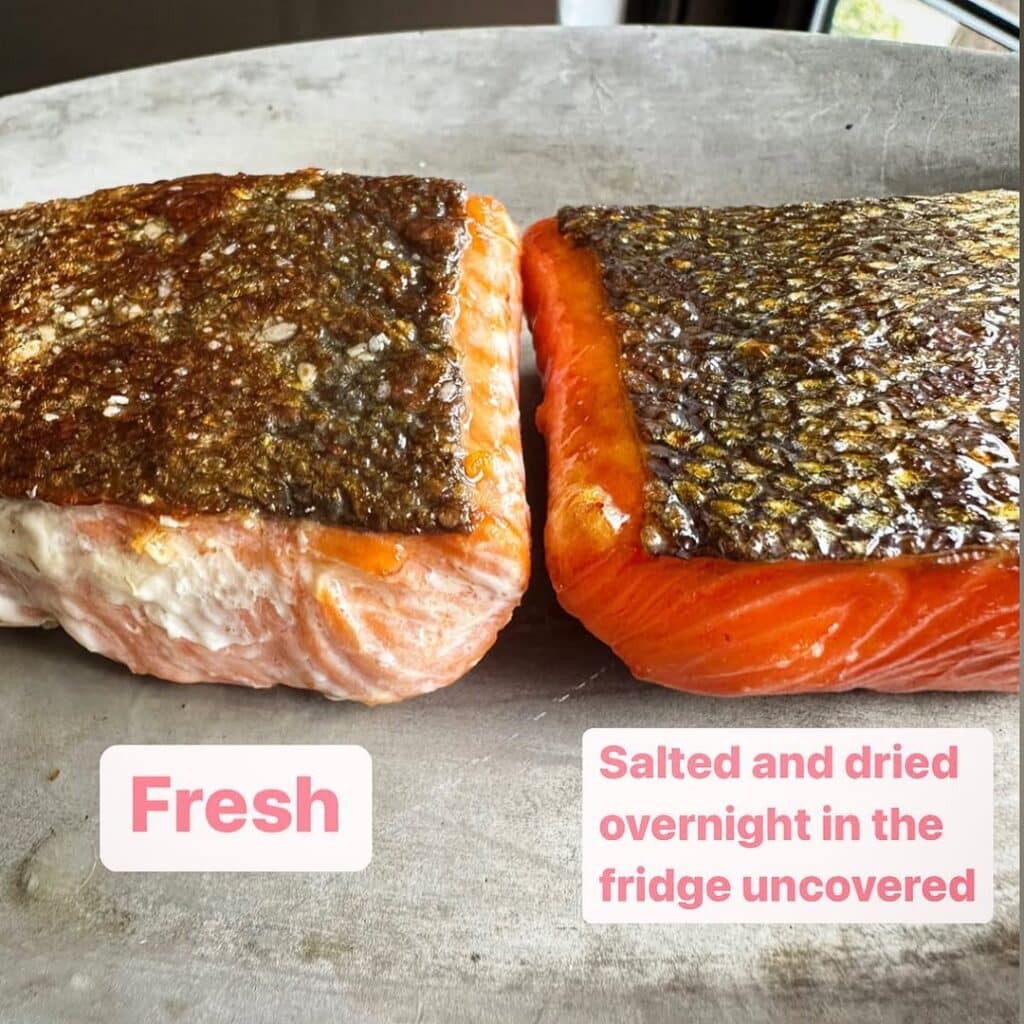
Instead of marinating, sprinkle kosher salt over the fish and let it rest uncovered in the fridge for 30–45 minutes before grilling.
Here’s why it works:
- Salt penetrates deeper than surface seasoning
- It enhances natural sweetness
- It improves moisture retention
And bonus:
It slightly firms the surface, helping with better grill release.
This technique is especially powerful for thicker cuts like tuna steaks or swordfish.
What you get is cleaner flavor, better texture, and more consistent seasoning throughout – without masking freshness.
It’s subtle. Professional. Intentional.
Once you try dry brining, marinades start feeling a little loud.
How to Avoid the #1 Fish Grilling Disaster
Let me save you from heartbreak.
The most common mistake with a deep sea catch?
Overcooking.
Fish continues cooking after it leaves the grill. That carryover heat can raise internal temperature another 5 degrees easily.
Pull it slightly before you think it’s done.
Look for:
- Slight translucency in the center
- Gentle flaking – not crumbling
- Moist sheen on the surface
If it flakes aggressively and looks chalky, it’s gone too far.
And here’s something most people won’t tell you:
It’s better to slightly undercook fish than overcook it.
You can always give it 30 more seconds on the grill.
You cannot undo dry.
Confidence on the grill means trusting your eyes – not just the clock.
Turning Your Deep Sea Catch Into a Showpiece
Food tastes better when it looks intentional. Period.
After grilling, don’t just toss your deep sea catch on a plate like it lost a bet.
Instead:
- Slice tuna against the grain
- Leave crispy skin facing up
- Finish with flaky sea salt
- Add fresh herbs for contrast
- Drizzle good olive oil right before serving
Presentation signals respect.
If serving whole fish, remove the backbone tableside – it’s easier than it sounds and wildly impressive. Guests love a little theater.
And here’s the truth:
When you treat fish like a centerpiece instead of an afterthought, people notice.
Grilling is primal.
But serving? That’s craftsmanship.
And when fire meets finesse, that’s when a simple catch becomes something unforgettable.
Pro Tips from a Grill-Obsessed Human
After years of cooking fish over flame, here’s what separates good from unforgettable:
1. Crisp Skin Trick
If you want crispy skin, press gently with a spatula for the first 30 seconds. This prevents curling and maximizes contact.
2. Don’t Over-Marinate
Acid (like lemon) will start cooking fish if left too long.
15–30 minutes max.
3. Grill Basket? Sometimes
If your fillets are delicate, use a fish basket. But honestly?
Properly preheated grates make it unnecessary most of the time.
4. Cedar Plank Option
For a slightly smoky, woodsy layer, grill on a soaked cedar plank. It’s subtle – not campfire-level – but beautiful.
5. Whole Fish? Even Better
If your deep sea catch is whole, score the skin and grill it intact. The bones help protect moisture. Plus, it looks impressive enough to make your neighbors suspicious of your cooking skills.
What to Serve With It
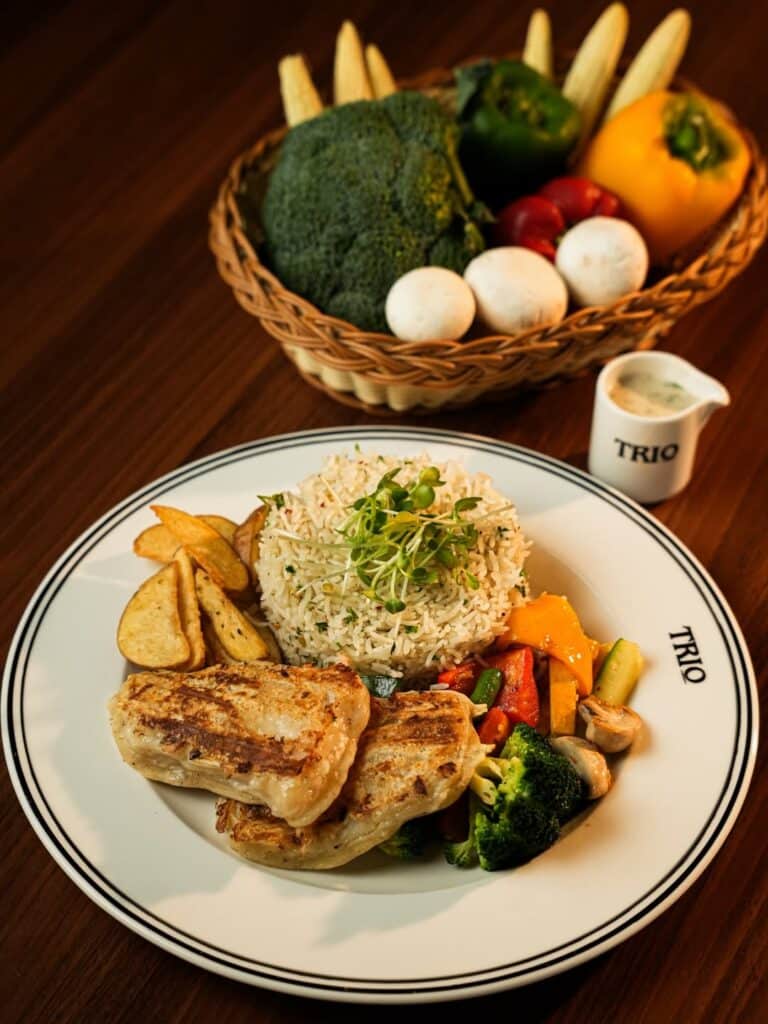
When the fish is this fresh, sides should support – not compete.
- Grilled asparagus or zucchini
- Citrus rice with herbs
- Simple arugula salad
- Garlic butter baby potatoes
And if we’re talking drinks?
A crisp white wine or cold lager does the trick.
But honestly, after a day offshore, even a paper plate and bare feet will do.
Storing Leftovers (If That Happens)
Store cooked fish in an airtight container for up to 2 days.
Reheat gently – low oven or lightly in a pan.
Or better yet:
- Flake it into tacos
- Toss into a salad
- Fold into scrambled eggs
Leftover deep sea catch might be the best breakfast you’ll have all week.
Final Thoughts: Fire Honors the Ocean
Cooking a deep sea catch isn’t about showing off. It’s about restraint.
It’s about knowing when to let the ingredient speak.
When to leave it alone.
When to trust the heat.
The grill gives you flavor you can’t fake – light smoke, caramelization, texture. It turns fresh fish into something primal and deeply satisfying.
So next time you bring one in from offshore, skip the heavy sauces. Skip the complicated techniques.
Light the fire.
Season simply.
Sear with confidence.
And remember:
If it was swimming yesterday, your job today is not to mess it up.
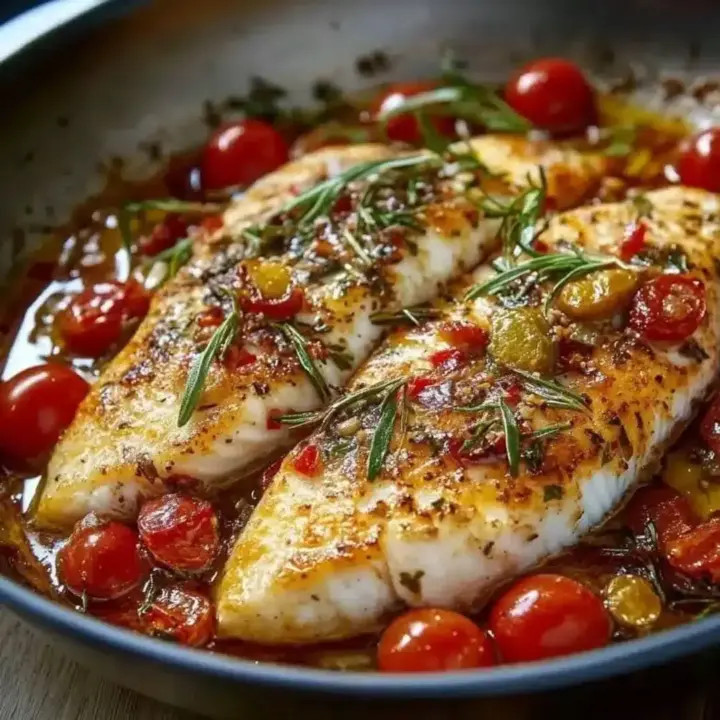
The Ultimate Grilled Deep Sea Catch Recipe
Image credit: @chef_zouheir
Ingredients
- 2–4 fillets or steaks (1–1.5 inches thick) from your deep sea catch
- 2 tbsp olive oil
- Juice of 1 fresh lemon
- 2 cloves garlic, finely minced
- Sea salt
- Fresh cracked black pepper
- Optional: chopped parsley, dill, or thyme
- Lemon wedges for serving
Instructions
Step 1: Respect the Fish
First rule of grilling a deep sea catch:
Dry fish sears. Wet fish steams.
Pat it dry with paper towels. Remove pin bones. Leave the skin on if it has it – that skin is your insurance policy against sticking.
Let it sit at room temperature for about 15 minutes. Cold fish straight from the fridge hitting hot grates tightens up fast. That’s how you get uneven cooking.
Step 2: Season Like a Professional
In a small bowl, mix:
- Olive oil
- Lemon juice
- Garlic
Brush lightly over the fish. Then season generously with salt and pepper.
Notice I said generously – not aggressively.
You’re not trying to bury the flavor of your deep sea catch. You’re enhancing it.
If the fish was swimming yesterday, it doesn’t need a spice cabinet thrown at it.
Step 3: Preheat Like You Mean It
Your grill should be running at 400–450°F (medium-high heat).
And here’s where amateurs slip up:
A dirty grill is a sticky grill.
Scrub those grates. Oil them lightly. Create two zones:
- Direct heat for searing
- Indirect heat in case things get too hot
Grilling fish is part cooking, part heat management chess match.
Step 4: The Sear – Where Magic Happens
Place the fish skin-side down first. Lay it away from you to avoid flare-ups.
Now here’s the hard part:
Do. Not. Touch. It.
Fish releases naturally when it’s ready. If you try to flip too early, it’ll tear and you’ll start negotiating with it like it’s a toddler.
General rule:
- About 4–5 minutes per side for 1-inch thick fish
- Roughly 8–10 minutes total per inch
You’re aiming for:
- Internal temp of 130–140°F
- Flesh that’s opaque
- Flakes easily with gentle pressure
If it resists the flip, wait 30 more seconds. Patience beats panic every time.
Step 5: Let It Rest (Yes, Even Fish)
Pull it off the grill and let it rest for about 5 minutes.
This allows juices to redistribute and keeps the fish from drying out the second you cut into it.
Finish with:
- Fresh lemon squeeze
- Chopped herbs
- A light drizzle of olive oil
Simple. Clean. Confident.
That’s how a deep sea catch should taste.
Featured image credit: @kesley_leroy
