
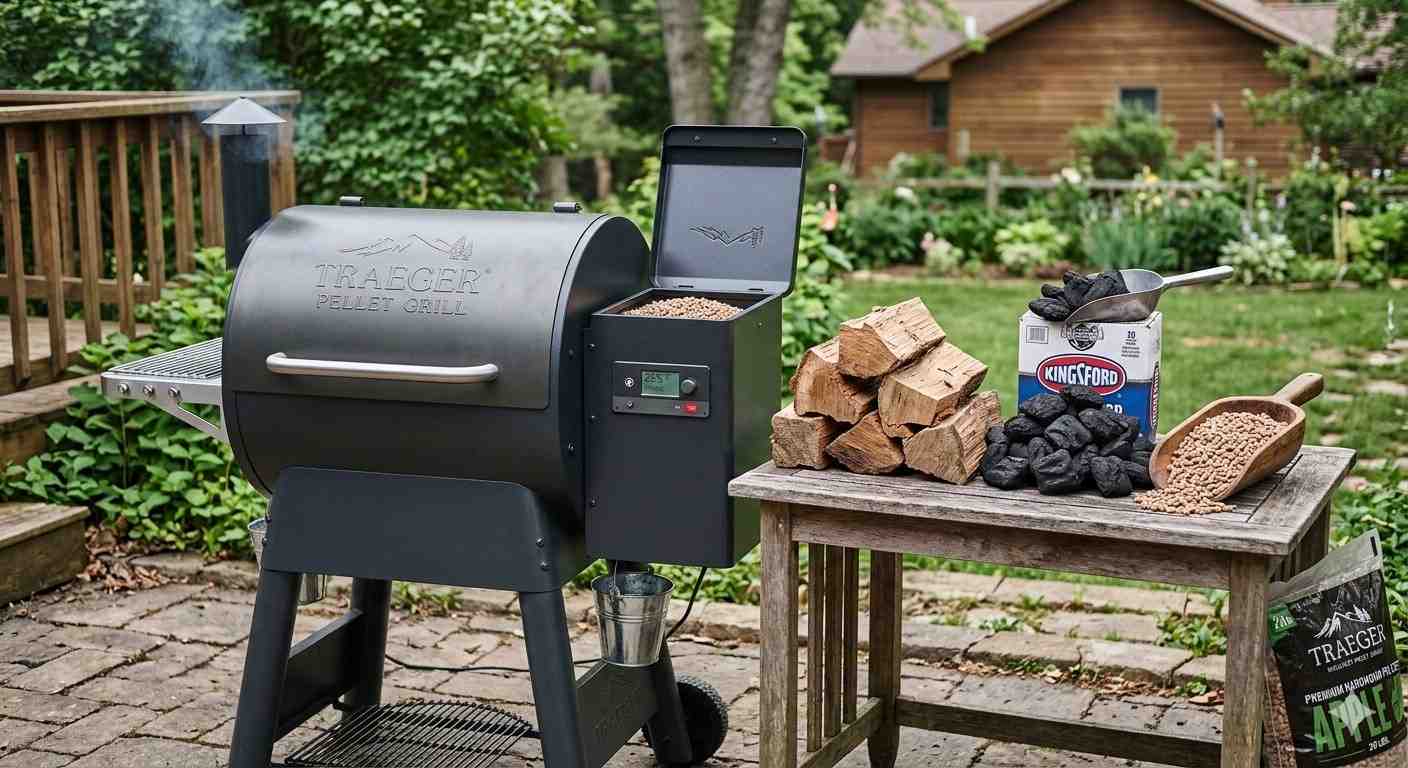
The Flavor Game Is Serious Business (But Fun Too)
Let me tell you something straight from the smoker pit – BBQ fuel is flavor chemistry in action.
You can cook the same brisket, the same rub, the same cut of meat… and end up with three totally different flavor personalities just by switching fuel.
That’s the magic of BBQ fuel.
Think of it like music:
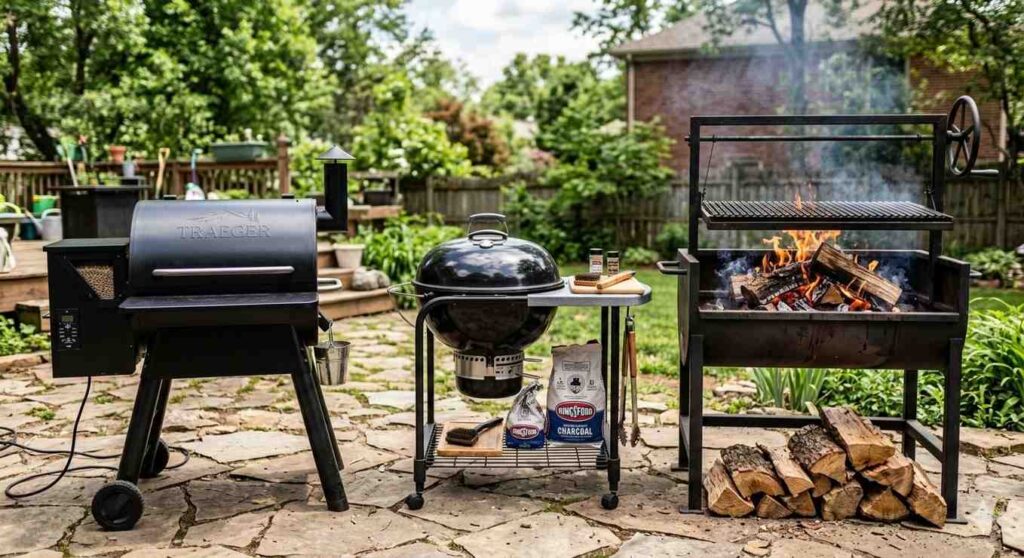
- Firewood = live jazz, unpredictable but soulful
- Charcoal = classic rock, reliable and bold
- Pellets = digital music streaming, clean, precise, and consistent
At the end of the day, good BBQ is about heat + smoke + patience + a little pitmaster swagger.
So let’s break down how each fuel changes your flavor destiny.
Firewood: The OG Flavor King of BBQ Fuel
Firewood is where barbecue started. Before fancy grills, smart thermometers, or your neighbor’s Wi-Fi smoker that sends push notifications when the ribs are done.
Firewood gives you:
- Strong smoke flavor
- Complex aroma layers
- Wild, natural BBQ character
Because firewood is basically nature’s seasoning stick.
The Science (Without Making You Fall Asleep)
Wood contains:
- Lignin → Creates that classic smoky aroma
- Cellulose → Helps fuel combustion
- Natural sugars → Slight caramelization notes (yum)
When wood burns slowly, it releases flavorful smoke compounds that stick to meat like barbecue gossip at a family reunion.
Best Flavor Woods (Pitmaster Favorites)
Some woods taste like heaven on meat. Others taste like you accidentally burned your camping chair.
Great Choices:
- Apple → Sweet, gentle smoke
- Cherry → Slightly fruity, beautiful color on meat
- Hickory → Bold, bacon-like punch
- Oak → Balanced, classic BBQ flavor
Aggressive Flavors (Use Carefully):
- Mesquite → Powerful, almost spicy smoke flavor
👉 Great for beef
👉 Can overpower chicken faster than loud karaoke night neighbors
Pros of Firewood
✔ Best flavor depth
✔ Authentic BBQ experience
✔ Great for slow smoking
Cons
✖ Requires skill to manage temperature
✖ Can make beginners sweat like they’re solving math finals
Pro pitmaster tip:
If your fire is producing white billowy smoke, that’s not flavor smoke. That’s sadness smoke.
You want thin blue smoke – like barbecue ninja smoke.
Charcoal: The Reliable Flavor Workhorse of BBQ Fuel
Charcoal is like that friend who always shows up on time, brings snacks, and never causes drama.
Two main types matter:
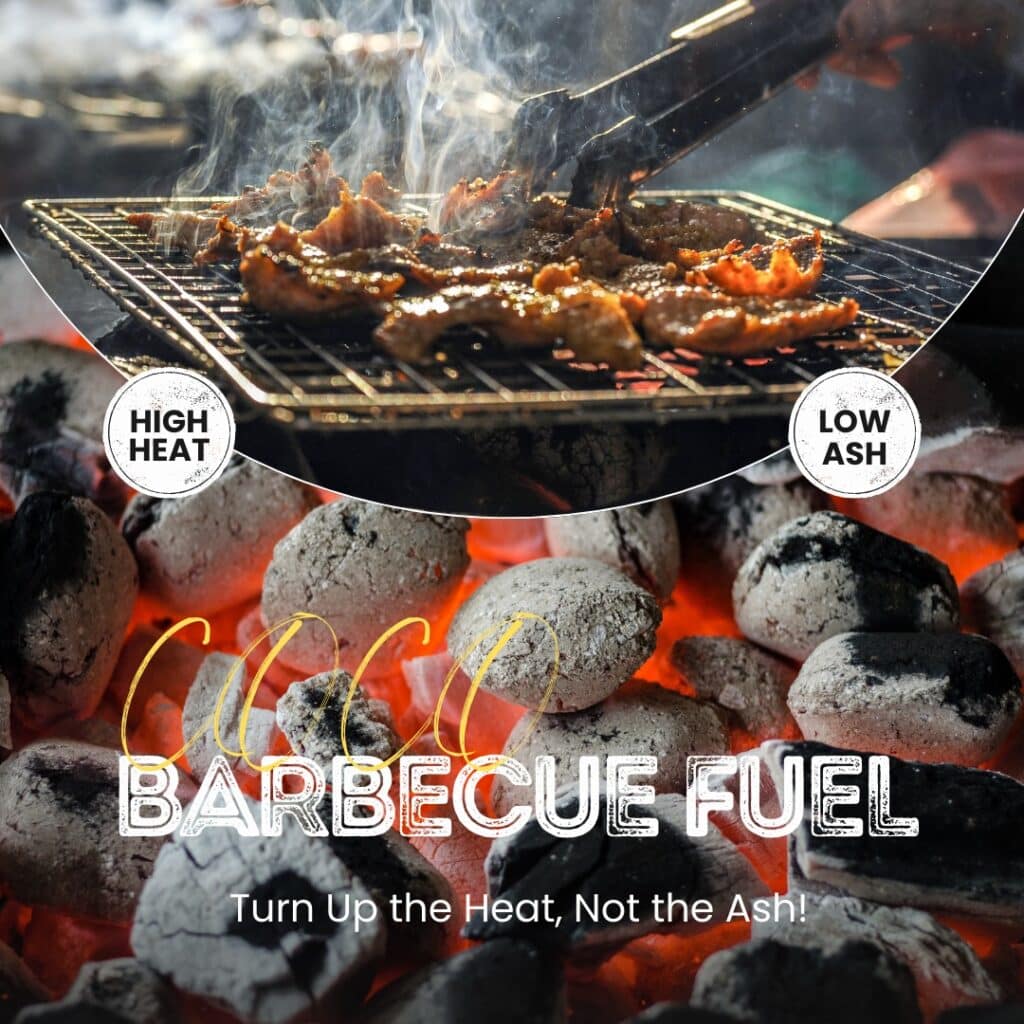
Lump Charcoal
Made from real wood burned in low oxygen conditions.
Flavor vibe:
- Cleaner smoke
- Slight natural wood flavor
- Faster heating
Pitmaster secret: Lump charcoal is like cooking with “compressed campfire memories.”
Briquettes
These are:
- Uniform
- Cheap
- Consistent
But they sometimes contain additives to help them hold shape.
Flavor personality:
- More neutral smoke taste
- Great for grilling, not heavy smoking
Flavor Impact
Charcoal alone = Clean BBQ flavor
Not overpowering. Not flashy. Just solid.
It’s like wearing a classic black t-shirt to a steak dinner – you can’t go wrong.
Heat Performance
Charcoal is excellent for:
- Searing steaks
- Burgers
- High heat grilling
If firewood is jazz, charcoal is rock music played with precision timing.
Pros
✔ Easy to manage
✔ Strong, steady heat
✔ Widely available
Cons
✖ Less complex smoke flavor than wood
Funny pitmaster truth:
Charcoal is what you use when you want BBQ results but still have time to watch the game.
Pellets: The Modern BBQ Fuel Superstar
Pellet grilling is like BBQ getting an upgrade from flip phone to smartphone.
Pellets are:
- Compressed sawdust
- Designed for consistent burning
- Used in automated pellet grills
How Pellet Grills Work
Pellet grills:
- Feed pellets automatically
- Maintain temperature digitally
- Make you feel like a BBQ genius without sweating over fire control
Honestly, pellet grills are the “set it and almost forget it” kings of BBQ fuel.
Flavor Profile
Pellets provide:
- Mild smoke flavor
- Very consistent cooking results
Many pellet brands offer flavor blends:
- Hickory + maple
- Apple + cherry
- Competition BBQ blends
Best Use Cases
- Ribs
- Chicken
- Pork shoulder
- Long smoking sessions when you want to sleep without nightmares about fire temperature drops
Pros
✔ Super convenient
✔ Very consistent cooking
✔ Beginner friendly
Cons
✖ Less intense smoke flavor
✖ Can feel a little “polite” for hardcore pitmasters
Pellet smoke is like a smooth jazz playlist. Nice. Clean. Relaxing. Maybe not wild enough for BBQ purists yelling at clouds.
Flavor Comparison: Which BBQ Fuel Wins?
Let’s be real – there is no universal winner. Just flavor personalities.
| Fuel | Flavor Intensity | Convenience | BBQ Style |
| Firewood | 🔥🔥🔥🔥 | Hard | Traditional smoking |
| Charcoal | 🔥🔥🔥 | Medium | Grilling + smoking |
| Pellets | 🔥🔥 | Very Easy | Modern smoking |
If BBQ was a sports team:
- Firewood = aggressive offense
- Charcoal = balanced team strategy
- Pellets = precision engineering
Heat Control & Cooking Performance
Heat management is where pitmasters separate from “I burned the chicken again” people.
Firewood Cooking
Best for:
- Authentic barbecue smoking
- Long cooking meats like brisket
Requires:
- Airflow control
- Constant attention
It’s like babysitting a fire that occasionally judges your life choices.
Charcoal Cooking
Excellent middle ground:
- Holds temperature longer than wood
- Easier to maintain than firewood
Great for weekend grilling heroes.
Pellet Cooking
Best for:
- Long slow cooks
- Busy cooks
- People who want BBQ but also want to answer emails
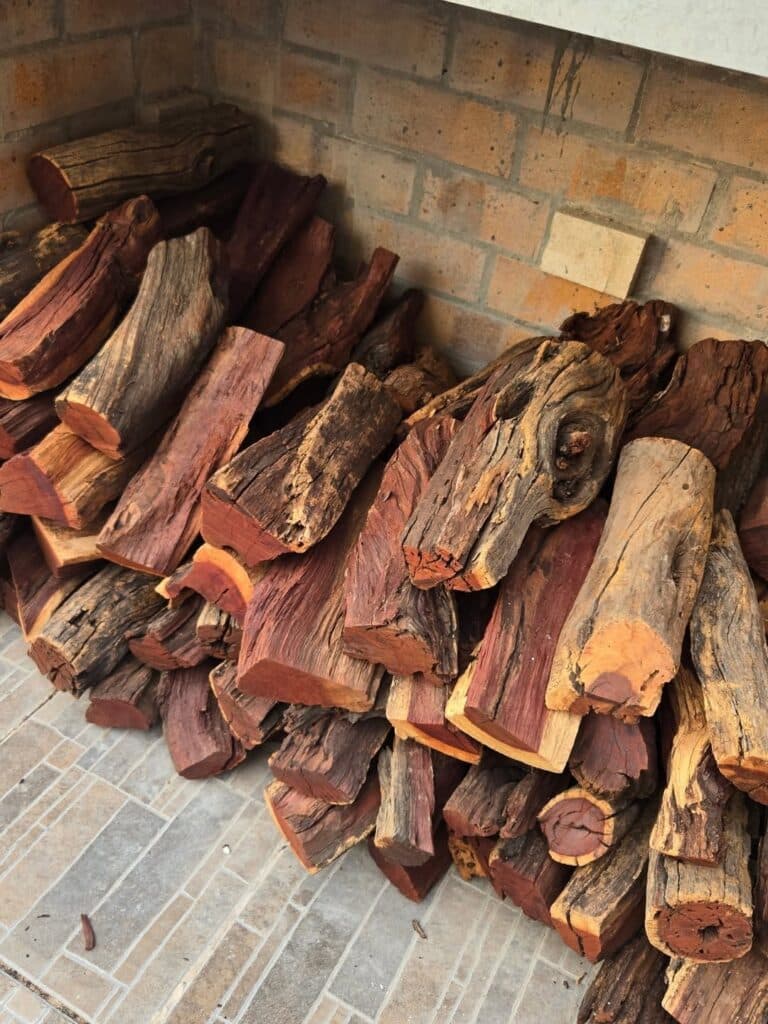
Seasoned vs. Green Firewood: Why It Matters
Not all firewood is equal. The type of wood you choose can make or break your BBQ flavor.
- Seasoned wood: Dried for months or years → burns hotter with cleaner smoke, perfect for flavor without bitterness
- Green wood: Freshly cut → high moisture, produces white, heavy smoke, can make ribs acrid or sooty
- Pitmaster tip: Split and air-dry wood before cooking for optimal flavor
- Matching wood to meat:
o Fruitwoods (apple, cherry) → delicate meats like poultry or fish
o Hardwoods (oak, hickory) → beef and pork shoulder for rich, layered smoke flavor
Even a single chunk of green wood can ruin a slow-smoked masterpiece. Choosing the right wood is like picking a key ingredient in a recipe – it sets the foundation for flavor.
BBQ Fuel Storage Hacks
Proper storage ensures your BBQ fuel performs consistently and produces the best smoke.
- Moisture is the enemy: Wet wood or damp pellets → poor smoke quality, unstable heat
- Charcoal: Keep in airtight bins, cool and dry
- Firewood: Elevated, ventilated storage; off the ground, covered on top but open sides for airflow
- Pellets: Vacuum-sealed bags or airtight containers → prevents clumping and mold
- Pro tip: Store small “smoke booster” chunks separately for extra flavor when using charcoal or pellets
Treat fuel like a fine ingredient – dry, clean, and ready to burn. Proper storage avoids “sooty meat syndrome” and ensures consistent flavor every cook.
Mixing Fuels for Custom Flavors
Layering smoke profiles creates complex, memorable BBQ flavors.
- Charcoal + wood chunks: Steady heat + sweet smoke
- Firewood + pellets: Hickory + fruitwood for multi-layered flavor
- Why it works: Different lignins and natural oils release at varying burn rates → smoky, sweet, savory notes
- Pitmaster wisdom: “The only thing better than one smoke flavor is two that don’t fight”
- Experiment safely: Start with small batches to discover signature fuel combos
Mixing fuels lets you customize your BBQ flavor like a composer layering notes in music – every combination offers a unique culinary fingerprint.
Fuel’s Role in Bark Formation
That crusty bark on brisket is not an accident – it’s a flavor and texture powerhouse influenced by your fuel.
- Firewood: Bold smoke compounds → caramelize rub
- Charcoal: Even heat → encourages Maillard reactions
- Pellets: Consistent temperature → uniform, well-cooked bark
- Balance matters: Too much soft smoke → bitter bark; too little heat → underdeveloped bark
Mastering bark requires heat + smoke balance. Pitmasters know: control the fuel, control the bark, and your BBQ instantly goes from “meh” to legendary.
The Environmental Impact of BBQ Fuel
Flavor isn’t the only consideration – eco-conscious BBQ matters.
- Firewood: Renewable, but must be sustainably sourced
- Charcoal: Lump → less chemical processing; Briquettes → may contain binders/fillers
- Pellets: Often eco-friendly, but production and shipping footprint matters
- Tips:
o Use local hardwoods or natural lump charcoal
o Recycle wood scraps for smoking → flavor + sustainability
Environmentally smart BBQ isn’t just good for the planet – it often produces cleaner, more natural-tasting meat without artificial off-notes.
The Impact of Fuel on Marinades and Rubs
Fuel affects how seasonings shine on meat.
- Strong woods (mesquite): Can overpower delicate herbs
- Lighter woods (apple, cherry): Complement sweet or fruity glazes
- Charcoal: Neutral → rub shines
- Pellets: Subtle smoke → enhances flavor without masking spices
- Pitmaster strategy:
o Hickory → brown sugar rubs
o Oak → savory dry rubs
o Apple → maple glaze
The right fuel-rub combo creates synergy, where smoke and seasoning dance instead of compete – elevating your BBQ from good to memorable.
Smoke Rings: Science and Fuel Influence
The pink smoke ring is a badge of low-and-slow mastery.
- Formed when nitric oxide from wood smoke reacts with meat myoglobin
- Firewood: Produces strong, vivid rings
- Charcoal: Requires wood chunks or chips to boost ring formation
- Pellets: Variable, depends on wood type and brand quality
- Pro tip: “Thin smoke ring? Blame the fuel, not your skill”
While it doesn’t change flavor, a smoke ring is a visual signal of proper technique – perfect for bragging rights on Instagram or at cookouts.
Fuel Cost vs. Value: Budgeting for BBQ
Your wallet deserves attention too. Not all fuel is equal in cost-effectiveness.
- Firewood: Cheap, but requires splitting, drying, storage
- Charcoal: Moderate, predictable burn times
- Pellets: Expensive upfront, but consistent and convenient
- Cost per hour of smoke matters: Don’t just compare per bag
- Pro tip: Mix fuels (charcoal + firewood chunks) → budget-friendly flavor hack
Investing in proper fuel ensures delicious, stress-free cooking. Cheap fuel that ruins ribs = false economy; smart choices = ROI in flavor and experience.
Safety Tips for Handling BBQ Fuel
Flavor is pointless if you’re hurt. Safe handling is key.
- Firewood: Splinters, sparks, heavy smoke → handle carefully
- Charcoal dust: Combustible → avoid inhaling, store safely
- Pellets: Can jam or clog automated feeders
- Tips:
o Store away from moisture & open flames
o Wear gloves when handling firewood
o Use long tongs for hot coals
o Ventilate areas to avoid smoke buildup
Safe fuel handling ensures fun, flavorful, accident-free BBQ, keeping weekends and meat intact.
Innovative BBQ Fuel Experiments
For adventurous pitmasters, thinking outside the box leads to signature flavors.
- Try different woods: Citrus → tangy smoke, Peach/Pecan → sweet & nutty
- Coffee wood chips: Subtle roast notes
- Vegetable smoking: Mixed wood-pellet combos for unexpected depth
- Experiment in small batches: Keep notes → track flavor successes
- Pitmaster mantra: “Best BBQ comes from curiosity, not conformity”
Your grill becomes a flavor laboratory, and each cook is a chance to surprise your taste buds and your guests.
Common BBQ Fuel Myths (Let’s Bust Them)
Myth #1: Charcoal always tastes better than wood
Nope. Flavor depends on cooking technique.
Myth #2: Pellets don’t produce real smoke flavor
Wrong. They just produce gentler smoke flavor.
Myth #3: More smoke = better flavor
Absolutely not.
Too much smoke = bitter food.
You want balanced smoke like a good whiskey finish, not a chimney fire festival.
How to Maximize Flavor Like a Pitmaster
Here’s where the real magic happens.
Use These Tricks:
- Mix fuels (charcoal + wood chunks = flavor magic)
- Add wood chunks instead of chips for longer smoke release
- Keep airflow steady
- Don’t open the grill every 2 minutes like it owes you money
Pro joke from the pit:
If you’re looking, you’re not cooking.
Choosing Your BBQ Fuel Personality
Choose based on your vibe:
Choose Firewood if you want:
- Traditional BBQ authenticity
- Maximum flavor intensity
Choose Charcoal if you want:
- Reliable grilling power
- Balanced flavor + convenience
Choose Pellets if you want:
- Modern cooking ease
- Consistent results every time
FAQs
1. Which BBQ fuel gives the most flavor?
Firewood generally offers the deepest, richest smoke flavor, especially hardwoods like hickory, oak, or fruitwoods. Charcoal provides a clean, balanced taste, while pellets deliver consistent but milder smoke.
The “best” fuel depends on your meat, cooking style, and flavor preference.
2. Can I mix different types of BBQ fuel?
Absolutely! Mixing fuels is a pitmaster’s secret to complex flavors. For example:
- Charcoal base + apple wood chunks → steady heat + sweet smoke
- Hickory firewood + fruitwood pellets → layered, rich flavor
Experiment in small batches to discover your signature BBQ combination.
3. How does BBQ fuel affect smoke rings?
Smoke rings form when nitric oxide from smoke reacts with meat myoglobin.
Firewood produces strong, vivid rings; charcoal may need wood chunks; pellets can generate rings depending on wood type and pellet brand. Smoke rings are visual proof of proper low-and-slow cooking.
4. What’s the best way to store BBQ fuel?
- Charcoal: airtight bins in a dry, cool spot
- Firewood: elevated, ventilated storage, off the ground, covered top but open sides
- Pellets: vacuum-sealed or airtight containers
Proper storage ensures consistent heat, smoke quality, and flavor for every cook.
5. Does BBQ fuel type matter for rubs and marinades?
Yes! Fuel interacts with seasonings:
- Strong woods (mesquite) → may overpower delicate herbs
- Light woods (apple, cherry) → complement sweet or fruity glazes
- Charcoal → neutral, lets the rub shine
- Pellets → subtle smoke enhances flavor without masking spices
Matching fuel to meat and rub creates perfect flavor synergy.
Final Thoughts: The Real BBQ Secret
Here’s the honest truth from the pit:
The best BBQ fuel isn’t about which one is best.
It’s about which one makes you want to cook more.
Because BBQ is:
- Community
- Patience
- Flavor experimentation
- And occasionally burning one hot dog while pretending it was intentional.
So go out there. Try different fuels.
Make mistakes. Learn. Eat well. Repeat.
Your perfect flavor is waiting – somewhere between smoke, heat, and barbecue confidence.
Featured image credit: Google Gemini
