
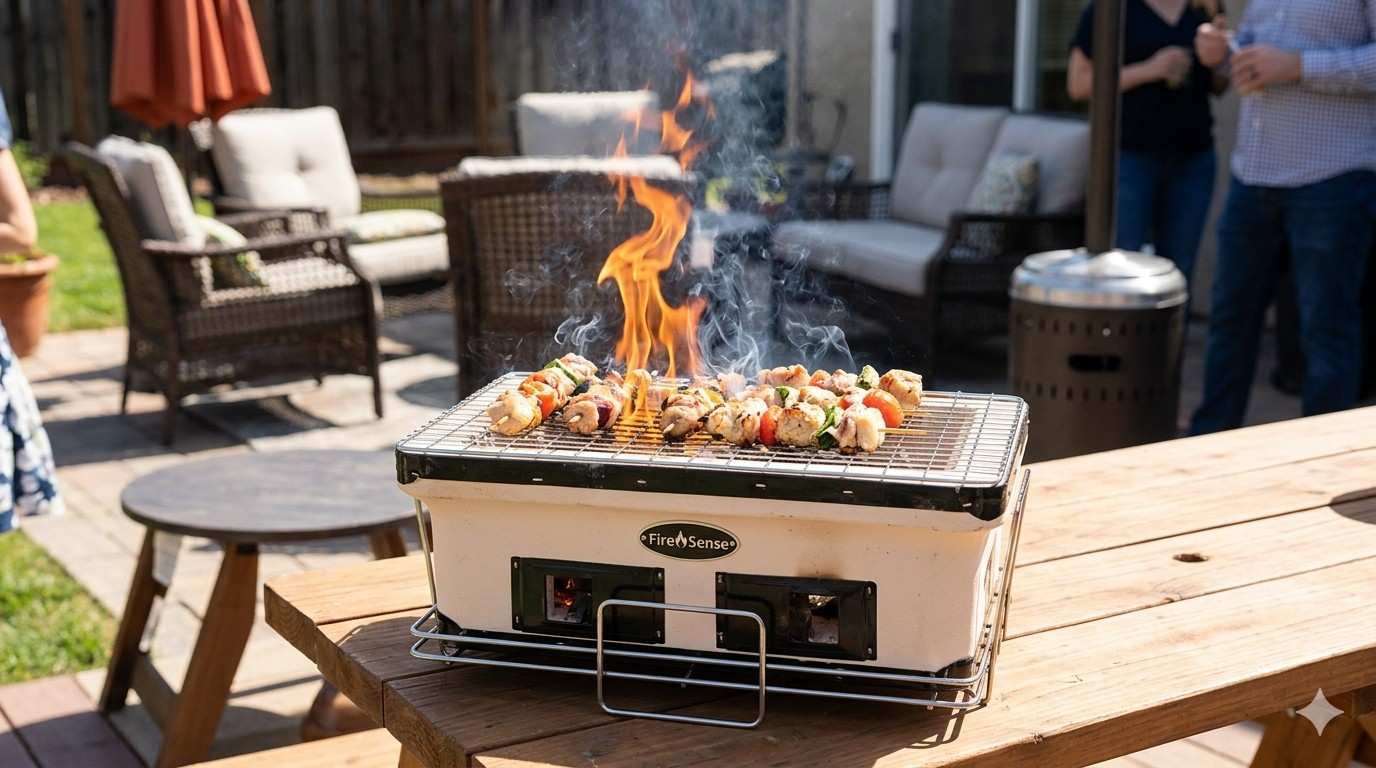
Let’s get one thing straight: picking a grill is like dating. Some are flashy, expensive, and high-maintenance, while others are rugged, reliable, and just want to cook you a steak. Today, we’re looking at Fire Sense grills.
If you’ve spent any time browsing for patio gear, you’ve likely seen the name. They aren’t trying to be a $5,000 professional rig that requires a dedicated gas line and a structural engineer.
They play in the “affordable luxury” and “ultra-portable” lanes. But is the price tag a bargain or a red flag?
As a pitmaster who has burnt enough eyebrows to know the difference between quality steel and a tin can, I’m breaking down the top 3 models to see if you should swipe right or keep scrolling.
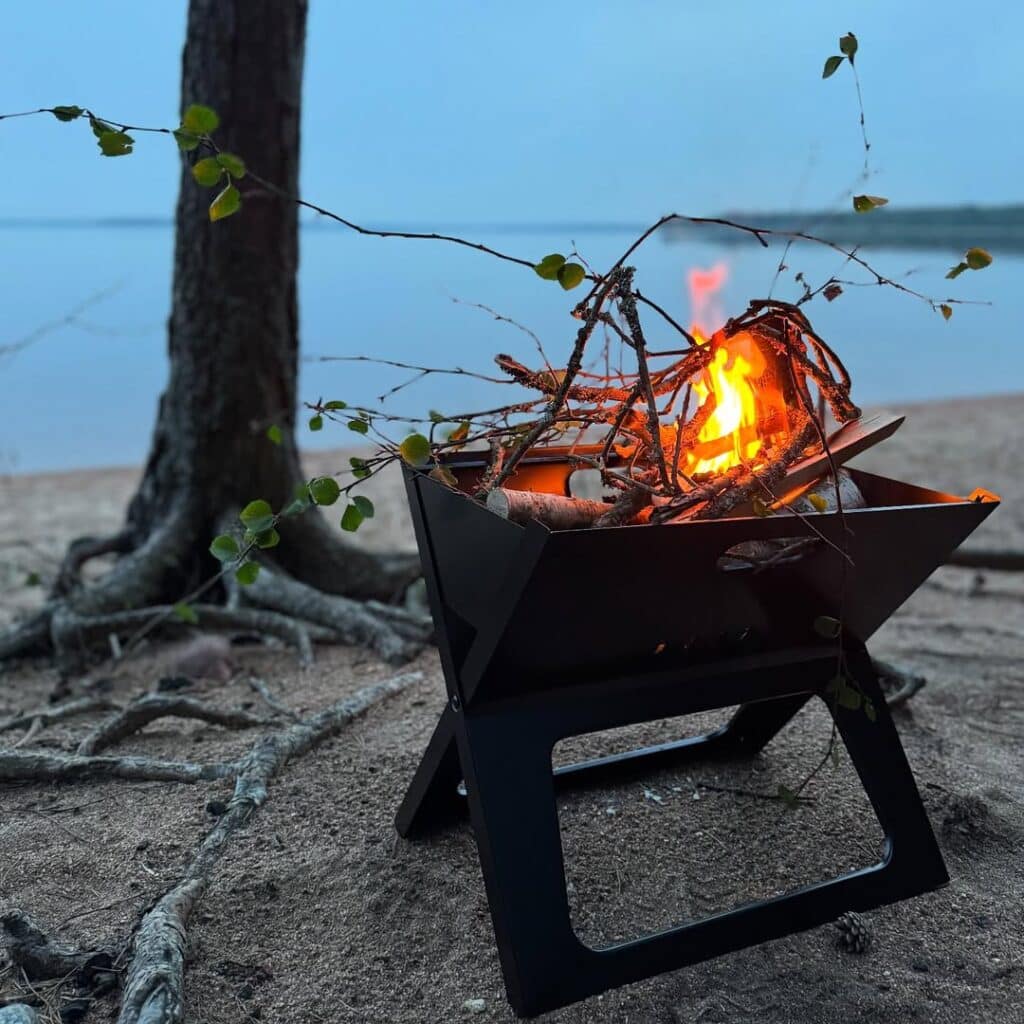
1. The Notebook Charcoal Grill: The Space-Saver
This is the grill that looks like a laptop but tastes like a brisket. It folds flat – and I mean flat. You could slide this into a bookshelf between your cookbooks.
- Key Insight: It’s built for the “minimalist griller.” If you live in a city apartment or have a trunk the size of a shoebox, this is your MVP.
- Pitmaster’s Take: The airflow is surprisingly decent because of the “V” shape, but don’t expect to slow-cook a pork shoulder here. It’s a high-heat hero for burgers and hot dogs.
- The Verdict: Smart Buy for tailgaters; Skip It if you’re hosting a family reunion.
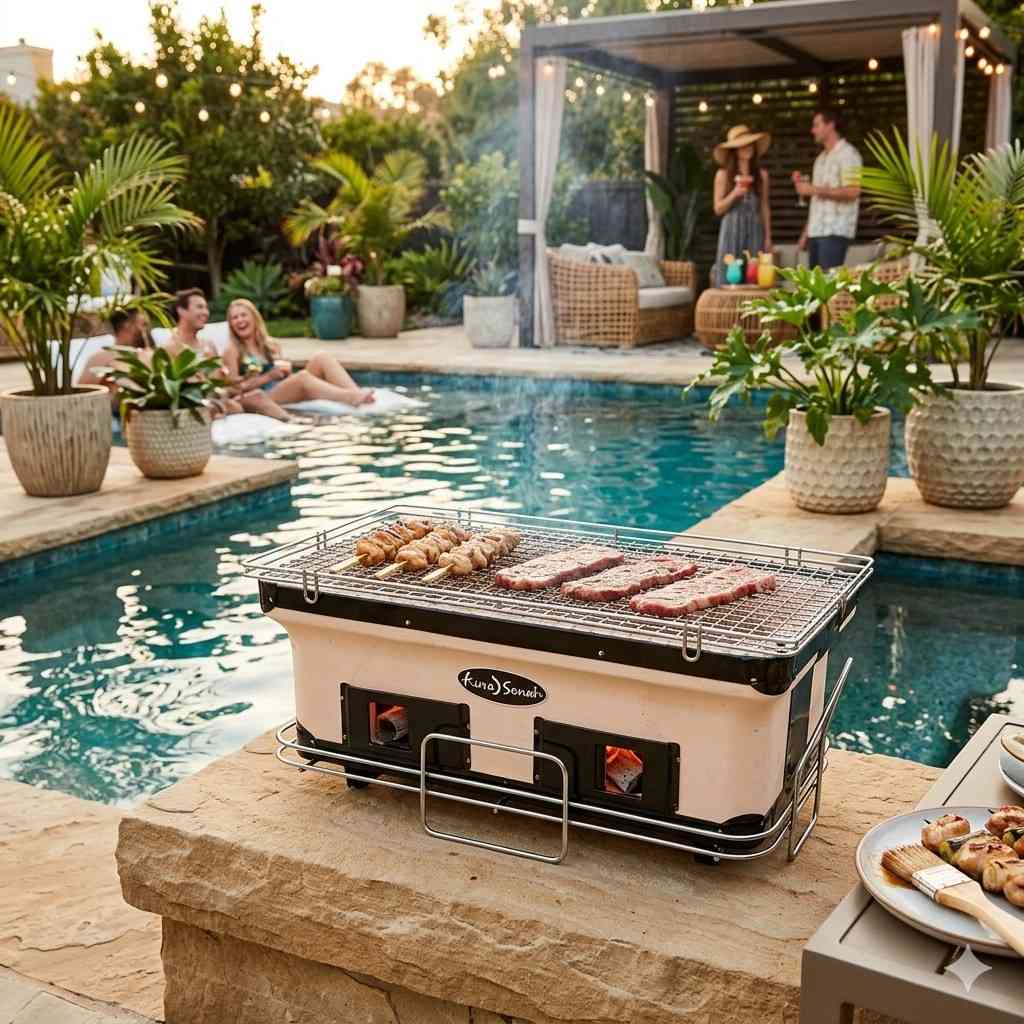
2. The Yakatori Charcoal Grill: The Tabletop Ceramic
If you want to feel like a pro chef in a Tokyo alleyway, this is it. It’s made of clay, designed to sit on a table, and meant for skewers.
- Key Insight: Ceramic is king for heat retention. It stays hot with very little charcoal.
- The “Aha” Moment: This isn’t for bulk cooking. It’s for “interactive dining.” You sit, you chat, you flip a shrimp, you sip a cold one.
- The Verdict: Smart Buy for foodies who love a vibe.
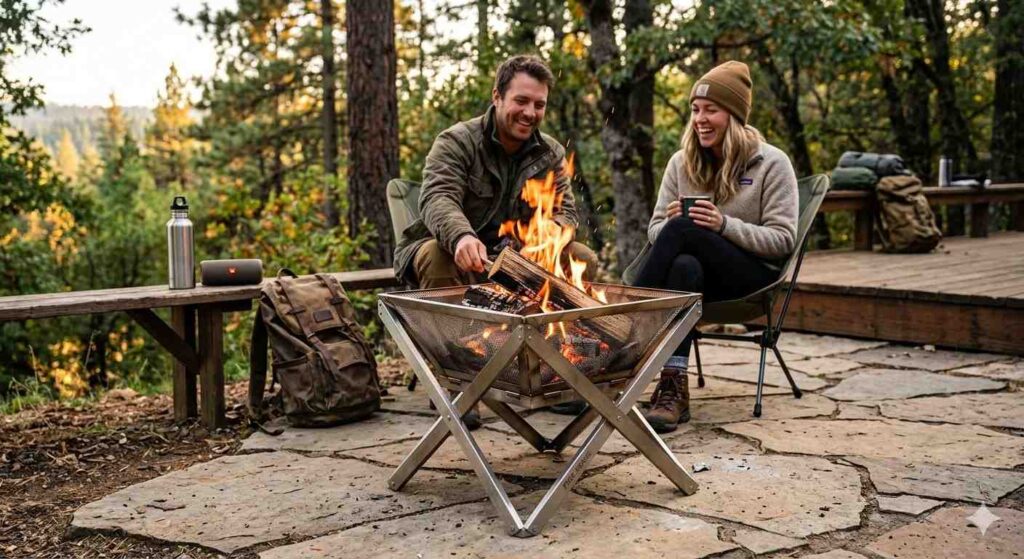
3. Fire Sense Stainless Steel Foldaway: The Rugged Traveler
If you want a grill that disappears when the party’s over, this is the one. It’s a slim, stainless steel “briefcase” that unfolds into a functional V-shaped charcoal trough in seconds.
- Key Insight: Portability is the primary feature here. When folded, it is less than an inch thick, making it the ultimate space-saver for a trunk, a balcony, or a gear bag.
- The “Aha” Moment: It’s surprisingly sturdy for something so thin. The way the sides lock into place creates a stable cooking surface that can handle more weight than you’d expect – think thick steaks, not just hot dogs.
- The Verdict: Smart Buy for campers, tailgaters, or anyone who lives in a small space but refuses to give up the flavor of real charcoal.
The Technical Breakdown: Does It Hold the Heat?
When we talk about Fire Sense grills, we have to talk about thermal retention.
Look, high-end grills are thick. They’re heavy. They hold heat like a cast-iron skillet. Fire Sense models use a lighter gauge steel. This makes them ultra-portable, but it also means they lose heat faster in the wind.
Pro Tip: If you’re grilling on a Fire Sense in the winter, find a windbreak. These grills are built for summer vibes, not sub-zero smoking sessions.
Airflow Mechanics: The Secret Sauce
A grill is basically just a controlled chimney. Fire Sense does a great job with vent placement. On the Notebook models, the oxygen flows in from the sides, creating a “jet effect” that gets your coals glowing red-hot in record time.
The Bad News: Because the metal is thinner, the vents can feel a little “fiddly.” Don’t force them; a little WD-40 on the sliders goes a long way.
Durability: Will It Last Until 2027?
Here is the plain-English truth: Fire Sense is not an “heirloom” brand. You aren’t going to leave this grill to your grandkids in your will.
- The Coating: They use a high-temp powder coat. It’s tough, but once it chips, the rust will move in like an unwanted houseguest.
- Maintenance: You must use a cover. If you leave a Fire Sense grill out in the rain, you’re asking for a short relationship. Treat it well, and it’ll give you 3–5 years of solid service.

The Pitmaster’s 10-Point Fire Sense Longevity Checklist
- The Post-Cook “Burn-Off”: After you pull your last burger, close the lid and let the vents stay open for 5–10 minutes. This carbonizes the grease, making it much easier to brush off once it cools down.
- Gentle Grate Care: Avoid heavy-duty wire brushes if your model has a porcelain coating. Instead, use a balled-up piece of aluminum foil or a nylon brush. It’s abrasive enough to clean but won’t chip the finish.
- The “Ash-Is-Acid” Rule: Never leave cold ash in the bottom of your charcoal grill, especially if it might get damp. Ash plus moisture equals a corrosive paste that eats through thin steel faster than you can say “barbecue.”
- Oil It Like a Skillet: After cleaning your grates, wipe them down with a high-smoke-point oil (canola or grapeseed). Think of it as seasoning your grill. This creates a moisture barrier that fights off rust.
- The WD-40 Polish: For the exterior of the folding Notebook grills, a light spray of WD-40 on a cloth works wonders. It helps maintain the shine and adds an extra layer of weather protection to the powder coating.
- Lube the Sliders: Fire Sense vents can get sticky. Every few months, apply a tiny drop of food-safe lubricant or high-heat oil to the sliding vents to keep your airflow control smooth.
- Inspect for “Orange Freckles”: If you see a tiny chip in the paint or a spot of surface rust, hit it with a bit of steel wool and some high-heat touch-up paint. Stopping rust early is the only way to win the war.
- Dry Before You Cover: It’s tempting to throw the cover on as soon as the grill is cool, but if there’s morning dew or leftover cleaning moisture, you’re just trapping a “rust sauna” inside. Bone-dry is the goal.
- Clear the Gas Ports: If you’re using the Deluxe Gas Tabletop, use a toothpick or a small paperclip to ensure the burner holes aren’t clogged with drippings. Even heating starts with a clear path for the fuel.
- The Off-Season Retreat: During the winter, don’t just leave your Fire Sense on the patio. These grills are lightweight for a reason – carry them into the garage or shed. Keeping them out of the snow will double their lifespan.
The “Smart Buy” vs. “Skip It” Summary
Who should buy it?
- The Apartment Dweller: If space is a luxury, the folding models are unbeatable.
- The Weekend Warrior: If you only grill five times a summer, why spend $1,000?
- The Traveler: If you want a grill that fits in a backpack or a small trunk.
Who should skip?
- The “Everyday” Cook: If you grill 4 nights a week, year-round, you’ll wear this out in 12 months.
- The Precision Addict: If you need your temp to stay at exactly 225°F for 14 hours, the vertical smoker might frustrate you.
Best 3 Alternatives to Consider
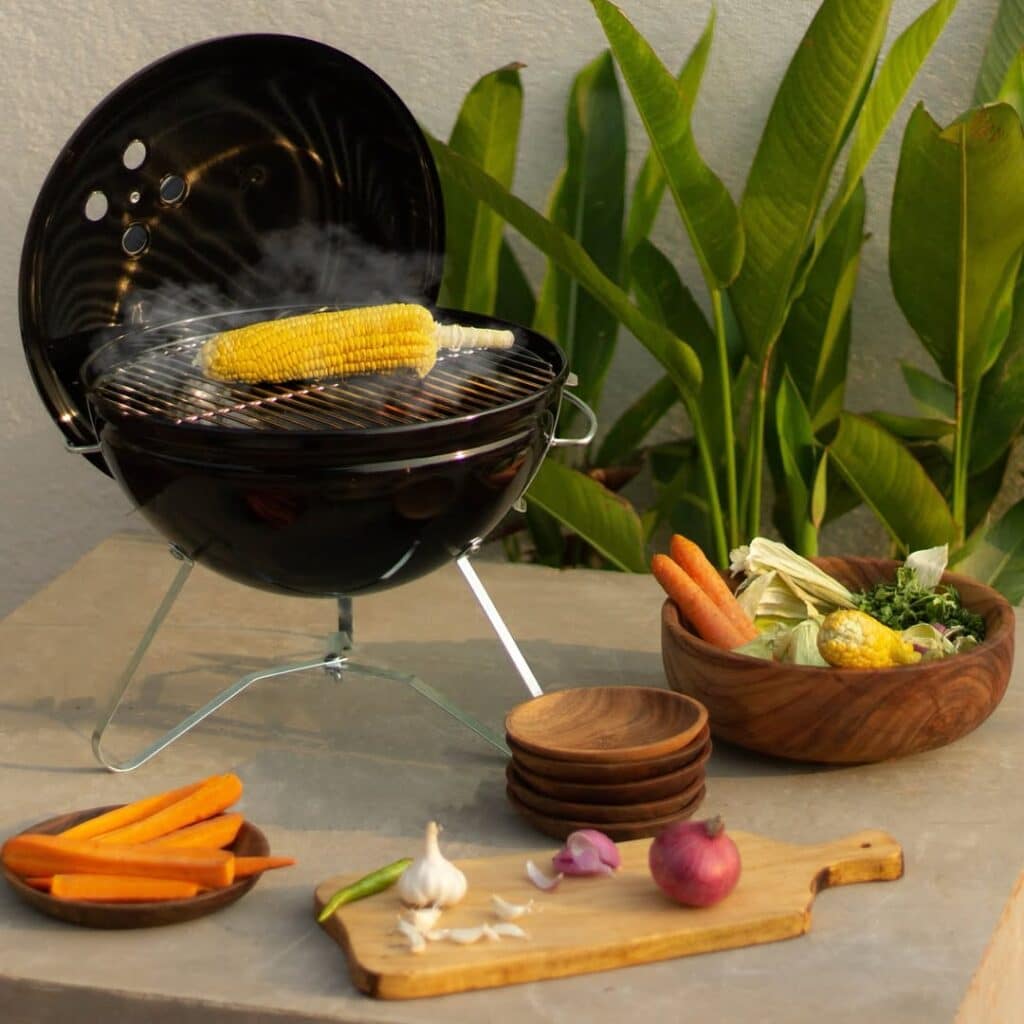
1. The “Indestructible” King: Weber Jumbo Joe (18-inch)
If Fire Sense is about “affordable luxury,” Weber is about “buy it once and keep it forever.” The Jumbo Joe takes the classic kettle design and squashes it into a portable frame.
- Why it’s a better buy: The porcelain-enameled lid and bowl are legendary for resisting rust. Unlike the thinner steel on some budget models, this thing can survive a rainy night on the deck without flinching.
- The Pitmaster’s Take: You get a massive 240 square inches of space—enough for a full rack of ribs if you cut them in half. Plus, the Tuck-N-Carry lid lock doubles as a holder so you don’t have to put your lid on the grass.
- Best For: The griller who wants a “mini-tank” that performs exactly like a full-sized kettle.
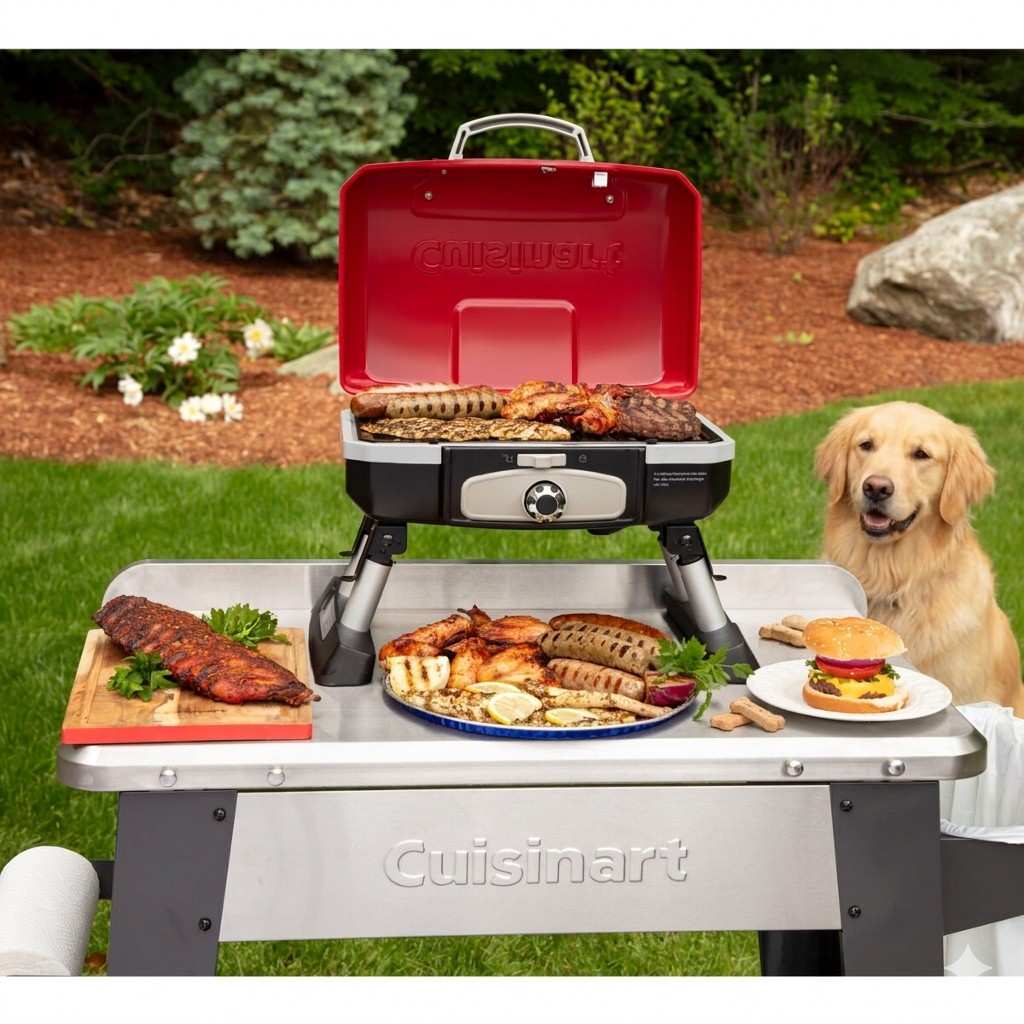
2. The Modern Workhorse: Cuisinart Petit Gourmet (CGG-180)
If you were looking at the Fire Sense gas models but wanted something that feels a bit more “engineered,” the Petit Gourmet is a standout. It looks like a high-end briefcase and performs like a patio staple.
- Why it’s a better buy: It features solid telescoping legs on many versions, meaning you don’t always need a table to cook. It’s also exceptionally fuel-efficient, squeezing every minute of heat out of those small 1lb propane canisters.
- The Pitmaster’s Take: It’s incredibly lightweight (around 17 lbs). While it doesn’t get “sear-your-soul” hot like a charcoal pit, it’s perfect for consistent, even heat on burgers and chicken breasts.
- Best For: Tailgaters and campers who prioritize quick setup and a clean trunk.
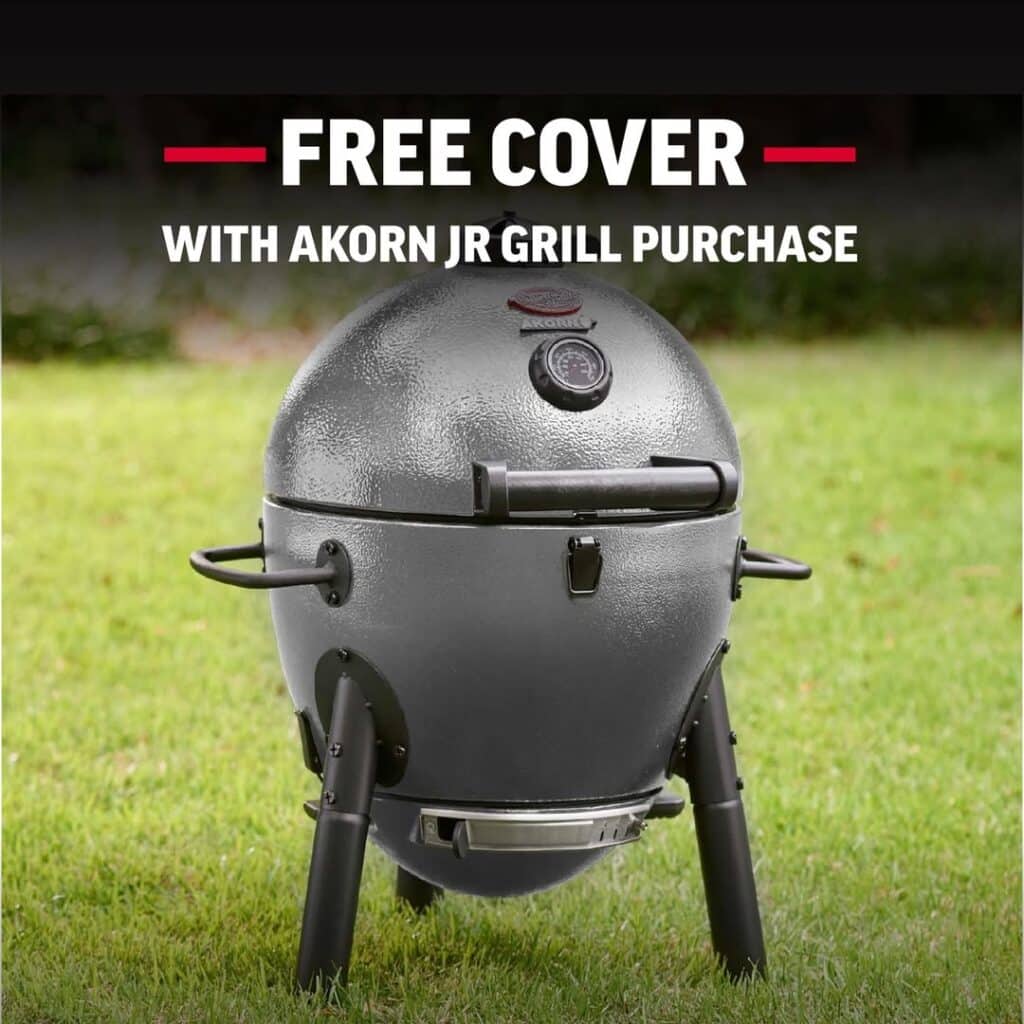
3. The Heavy Hitter: Char-Griller AKORN Jr. (Kamado Style)
If the Fire Sense Yakatori caught your eye because of its ceramic vibes, the AKORN Jr. is the logical “next level” upgrade. It’s a triple-walled insulated steel kamado.
- Why it’s a better buy: It offers insane temperature control. Because it’s insulated, you can hold a steady 225°F for a “low and slow” smoke, or crank it to 700°F to sear a steak. You can’t do that on a folding notebook grill.
- The Pitmaster’s Take: It’s heavier than the others, but the fuel efficiency is unmatched. A single chimney of charcoal can last for hours. It’s basically a professional smoker that happens to fit on a picnic table.
- Best For: The serious outdoor cook who wants to smoke meats on the go without the “luxury” price of a ceramic Big Green Egg.
FAQs
1. Is Fire Sense a good brand for beginners?
Absolutely. In the pitmaster world, we call these “gateway grills.” They are affordable, straightforward, and don’t require a steep learning curve.
If you’ve never grilled with charcoal before, a Fire Sense Notebook or Kettle is a low-risk way to learn fire management without dropping $500.
2. How long will a Fire Sense grill actually last?
If you leave it uncovered in the rain? One season. If you clean the ash out after every use, oil the grates, and keep it in a dry shed or under a high-quality cover?
You can easily get 3 to 5 years of solid service out of them. They aren’t “heirlooms,” but they aren’t “disposables” either.
3. Can I use wood chunks for smoking on these grills?
You can use small wood chunks for flavor on the larger models like the 22-inch Kettle or the Vertical Smoker.
However, I’d skip the heavy wood logs on the folding Notebook models; they aren’t designed for the intense, prolonged heat of a wood fire and might warp the thin steel.
4. Are Fire Sense grills “flare-up” prone?
Since many of these are compact, the food sits closer to the coals. To avoid a grease fire, keep a “safe zone” (a spot with no coals) on one side of the grill. If things get too flamey, just slide the meat over to the cool side for a minute.
5. How do I stop my Notebook grill from rusting?
High-heat paint is your best friend. If you notice a scratch or a chip in the black finish, hit it with a quick spray of grill-safe touch-up paint immediately. Also, never store it while it’s still damp from cleaning.
6. Can the Yakatori grill be used indoors?
Big fat no. Any charcoal grill – including the ceramic Yakatori – releases carbon monoxide. It’s strictly an outdoor-only vibe. It looks great on a patio table, but keep it out of the kitchen.
7. Where is the best place to buy replacement grates?
Fire Sense (Sensible Products) sells parts directly, but because many of their grills use standard sizes (like the 22-inch kettle), you can often find heavy-duty third-party stainless steel grates at your local hardware store that fit perfectly.
8. Is it worth buying the gas tabletop version over a charcoal one?
It depends on your “patience level.” If you’re a “get in, cook, and get out” person, the gas version wins.
If you’re a “flavor is everything” person, the charcoal models are the way to go. Gas is cleaner for your car trunk, though!
Final Verdict
Fire Sense grills aren’t trying to be the most expensive thing on the block – they’re trying to be the most convenient. For the price of a fancy dinner out, you can get a grill that opens up a world of backyard (or beach) cooking.
My Rating: 7.5/10. It’s a “Smart Buy” for 80% of casual grillers. Just keep it covered, keep it clean, and keep your expectations realistic.
Featured image credit: Google Gemini
