
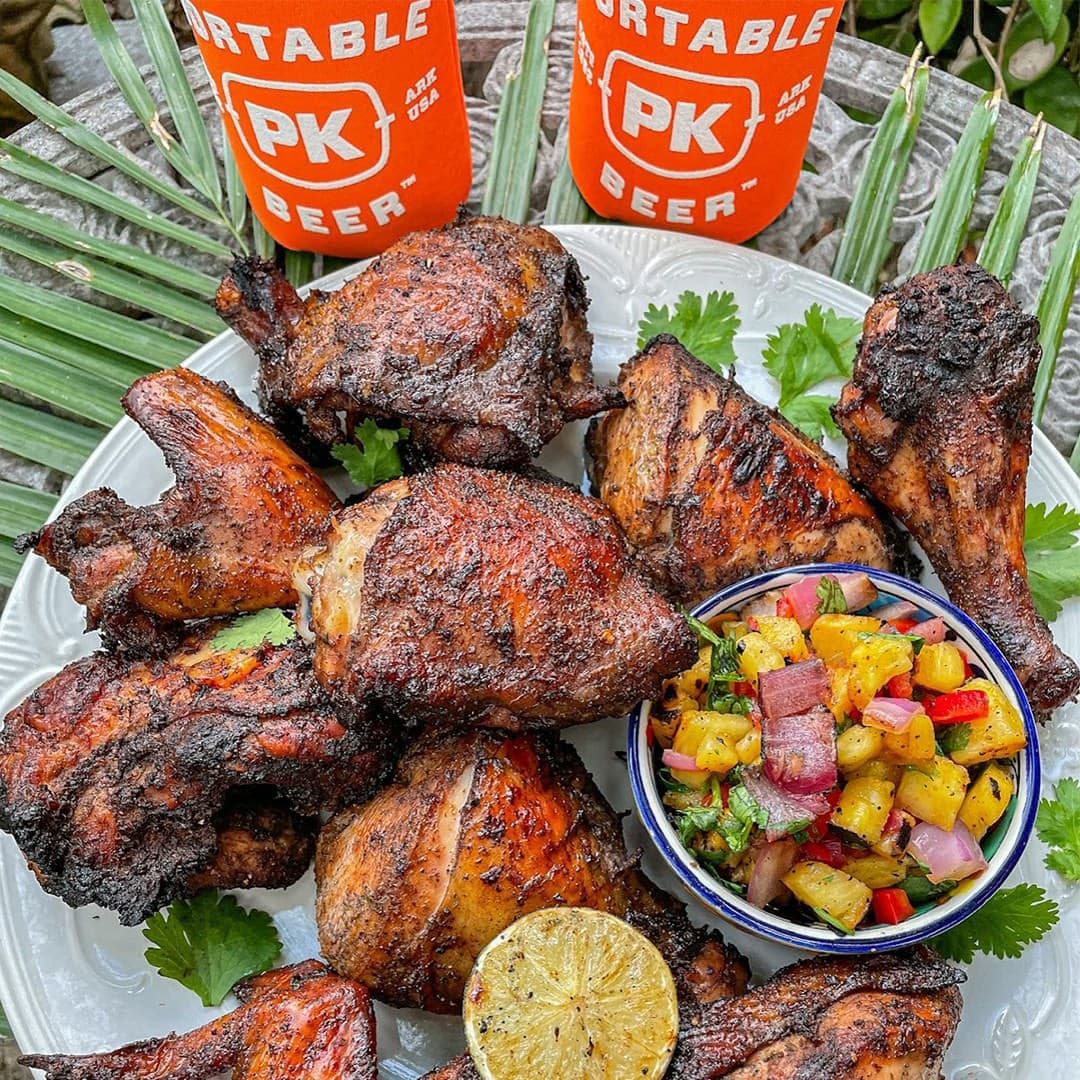
Caribbean jerk BBQ doesn’t ease you in – one bite and you’re fully committed; and if you felt your eyebrows lift, your nose tingle, and your soul say “Yeah, that’s it” – welcome to the club.
I’ve cooked BBQ for years. I’ve smoked briskets overnight, argued about ribs like it was a religion, and burned enough chicken skin to learn humility. But jerk BBQ? That’s different. Jerk doesn’t whisper flavor. It shows up loud, smoky, spicy, and unapologetic.
This isn’t just food. It’s history, survival, rebellion, celebration, and fire management all rolled into one.
So grab a cold drink, pull up a chair near the pit, and let’s break down Caribbean jerk BBQ – where it came from, what makes it special, and how you can cook it right without setting off your smoke alarm (or your family).
What Is Caribbean Jerk BBQ, Really?
Let’s clear something up right away.
Caribbean jerk BBQ is not just spicy chicken with hot sauce.
That’s like calling a pit-smoked brisket “beef with ketchup.” Technically incorrect and spiritually offensive.
At its core, jerk is a cooking method and a seasoning tradition, born in the Caribbean – especially Jamaica. It combines:
- Aggressive seasoning
- Long marination
- Smoke from aromatic wood
- Direct and indirect heat
The result? Meat that’s smoky, spicy, herbal, slightly sweet, and deeply savory all at once.
And while chicken gets most of the spotlight, traditional Caribbean jerk BBQ also includes pork, fish, goat, and even vegetables when done right.

The Origins of Caribbean Jerk BBQ: Cooking as Survival
Every great BBQ tradition starts with necessity. Jerk is no different.
Born from the need to preserve food, stay hidden, and survive harsh conditions, jerk cooking was built on resourcefulness and instinct.
Smoke was controlled, spices were aggressive, and nothing was wasted. What began as survival food eventually became one of the boldest and most influential BBQ styles in the world.
From the Taino People to the Maroons
Long before BBQ competitions and Instagram reels, the Taino people – the indigenous inhabitants of the Caribbean – were cooking meat over open fires using native woods.
One of those woods? Pimento, which gives us allspice.
Then history got ugly.
Enslaved Africans who escaped plantations in Jamaica – known as the Maroons – hid in the mountains. They needed food that:
- Lasted longer
- Could be cooked without revealing smoke plumes
- Packed intense flavor using limited ingredients
So they buried seasoned meat in pits, covered it with leaves, and cooked it slowly over smoldering pimento wood.
That’s not just cooking. That’s culinary resistance.
And that, my friends, is where Caribbean jerk BBQ was forged.
The Soul of Jerk: Spices That Don’t Mess Around
If American BBQ is about patience, Caribbean jerk BBQ is about balance under pressure.
Every spice has a job, and none of them are there to play it safe. Heat, sweetness, herbs, and smoke have to work together or the whole thing falls apart.
When jerk is done right, the fire grabs your attention – but flavor is what keeps you coming back.
The Holy Trinity of Jerk Flavor
There are three ingredients you do not mess with:
Scotch Bonnet Peppers
- Hotter than jalapeños
- Fruitier than habaneros
- Sweet, floral, and dangerous in the best way
Allspice (Pimento)
- Tastes like clove, cinnamon, and nutmeg had a meeting
- This is the backbone of jerk flavor
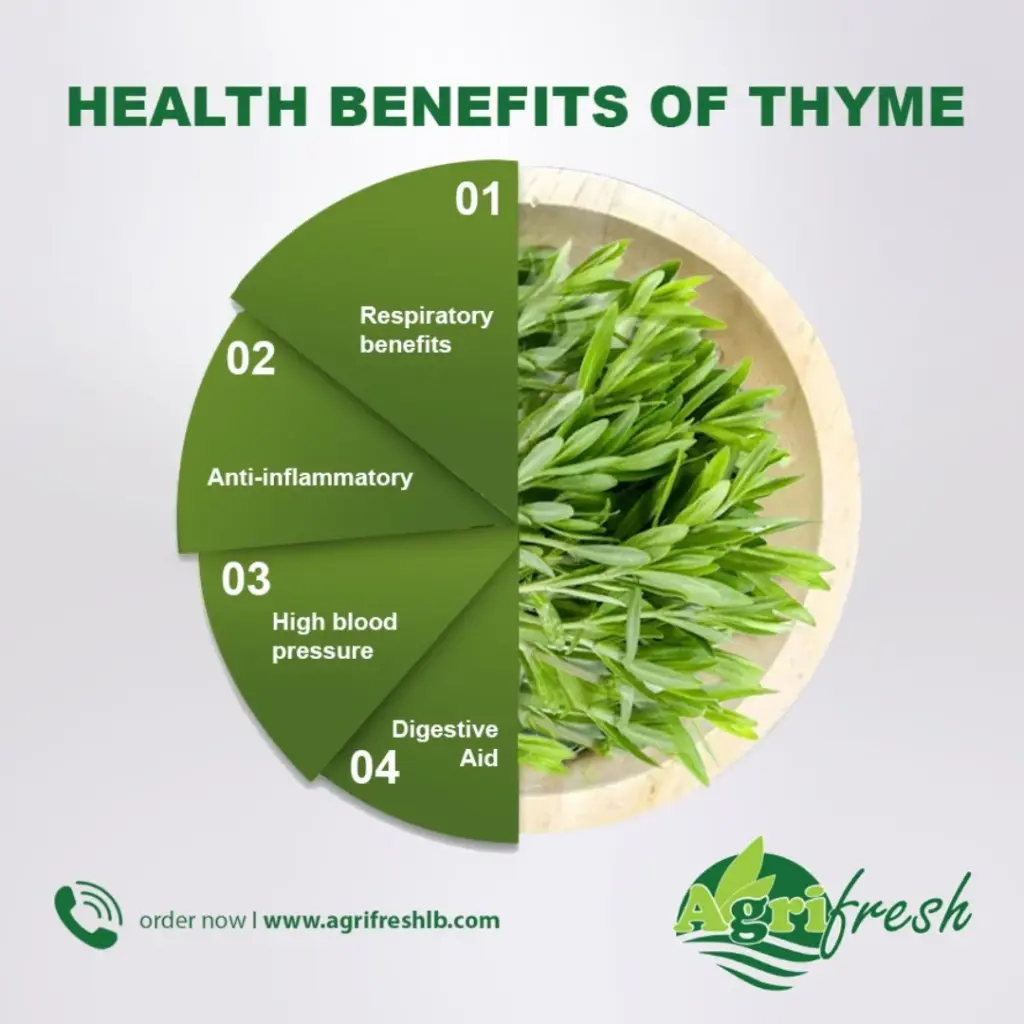
Fresh Thyme
- Earthy
- Herbal
- Brings everything back into balance
Miss one of these and you’re making spicy BBQ – not jerk.
Supporting Cast That Makes It Sing
- Scallions
- Garlic
- Ginger
- Brown sugar
- Lime juice
- Soy sauce (yes, really)
Together, they create layers of heat and aroma, not just mouth-burning spice.
Good jerk should make you sweat, smile, and reach for another bite – sometimes all at once.
The Chemistry of Caribbean Jerk BBQ Heat Explained
Caribbean jerk BBQ heat doesn’t punch you – it creeps up and takes over the room. That slow build comes from Scotch bonnet peppers, which deliver heat wrapped in natural sweetness and fruitiness.
Unlike sharp, one-note chili heat, jerk spice spreads evenly through fat, protein, and smoke. Marinades play a big role here, giving capsaicin time to bond with oils and penetrate deep into the meat.
Smoke then rounds off the edges, softening the fire without dulling it. The result is heat that lingers, evolves, and keeps you reaching for another bite instead of a glass of milk.
Good jerk makes you sweat without regret, and that balance is no accident – it’s chemistry, patience, and pit control working together.
Why Caribbean Jerk BBQ Is More Than “Just Spicy”
Here’s something rookies get wrong:
Jerk isn’t about pain tolerance. It’s about flavor architecture.
When done right, you taste things in waves:
- Smoky sweetness
- Herbal freshness
- Slow-building heat
- Savory depth
- A final peppery punch
If all you taste is fire, the pitmaster messed up.
Why Time Is the Most Important Ingredient in Caribbean Jerk BBQ
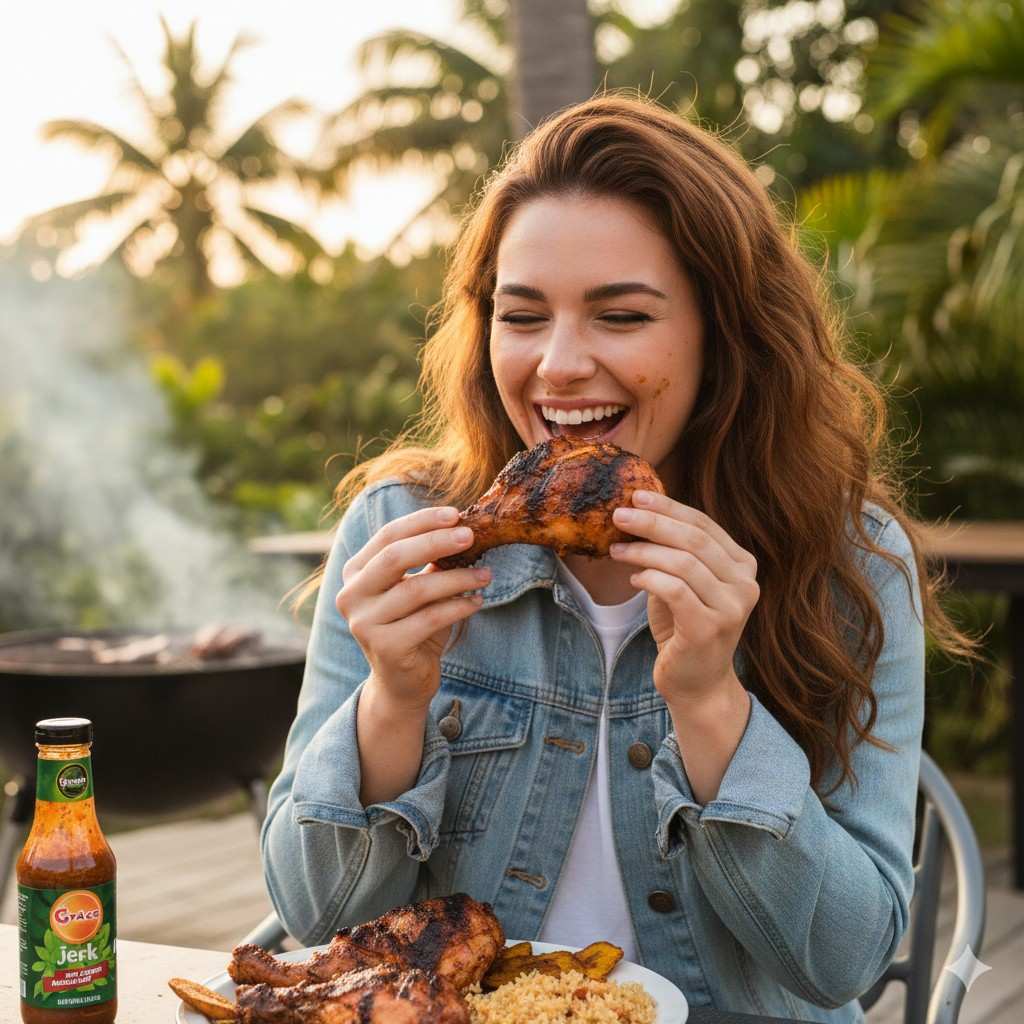
You can buy spices anywhere, but time is what turns Caribbean jerk BBQ into something unforgettable. A proper jerk marinade isn’t a quick dip – it’s an overnight commitment.
Hours allow salt, acid, and spice to break down muscle fibers and carry flavor deep into the meat.
Then comes the cook, where low heat and steady smoke do what rushing never can. Time tames raw heat, deepens aroma, and transforms tough cuts into tender ones. Skip it, and jerk tastes loud but shallow.
Respect it, and you get complexity that unfolds bite after bite. Jerk doesn’t reward shortcuts, and that’s part of its charm. The pit doesn’t care how hungry you are – it runs on its own clock.
Traditional Jerk Cooking Methods (And Why They Matter)
Traditional jerk cooking methods are the backbone of authentic Caribbean jerk BBQ, shaping its flavor long before the seasoning ever hits the meat.
Cooking over open pits and smoldering pimento wood creates a smoke that’s aromatic, not aggressive.
Low, steady heat allows spices to bloom instead of burn, while time does the real work. These methods aren’t old-fashioned – they’re deliberate, proven, and impossible to fake.
The Wood Makes the Message
Authentic Caribbean jerk BBQ uses pimento wood. That’s not optional – it’s identity.
Pimento smoke is:
- Light
- Sweet
- Aromatic
- Never bitter
If you can’t find it (and most of us can’t), mix:
- Allspice berries
- Bay leaves
- Apple or oak wood
It’s not perfect, but it gets you in the neighborhood.
The Role of Smoke in Jerk BBQ: Aroma Is Half the Flavor
Ask any pitmaster and they’ll tell you – smell is flavor’s opening act. In Caribbean jerk BBQ, smoke isn’t just heat transfer; it’s seasoning. Pimento wood smoke carries notes of clove, cinnamon, and sweetness that fuse directly with the spice blend.
Too much smoke and jerk turns bitter. Too little and it falls flat. The goal is a thin, steady stream that perfumes the meat without overpowering it. That balance is why traditional jerk pits burn slow and controlled.
When jerk hits the grill, the air should smell spicy before the food even touches your plate. That aroma is your first bite, and it sets expectations the flavor has to live up to.
Pits, Drums, and Improvised Genius
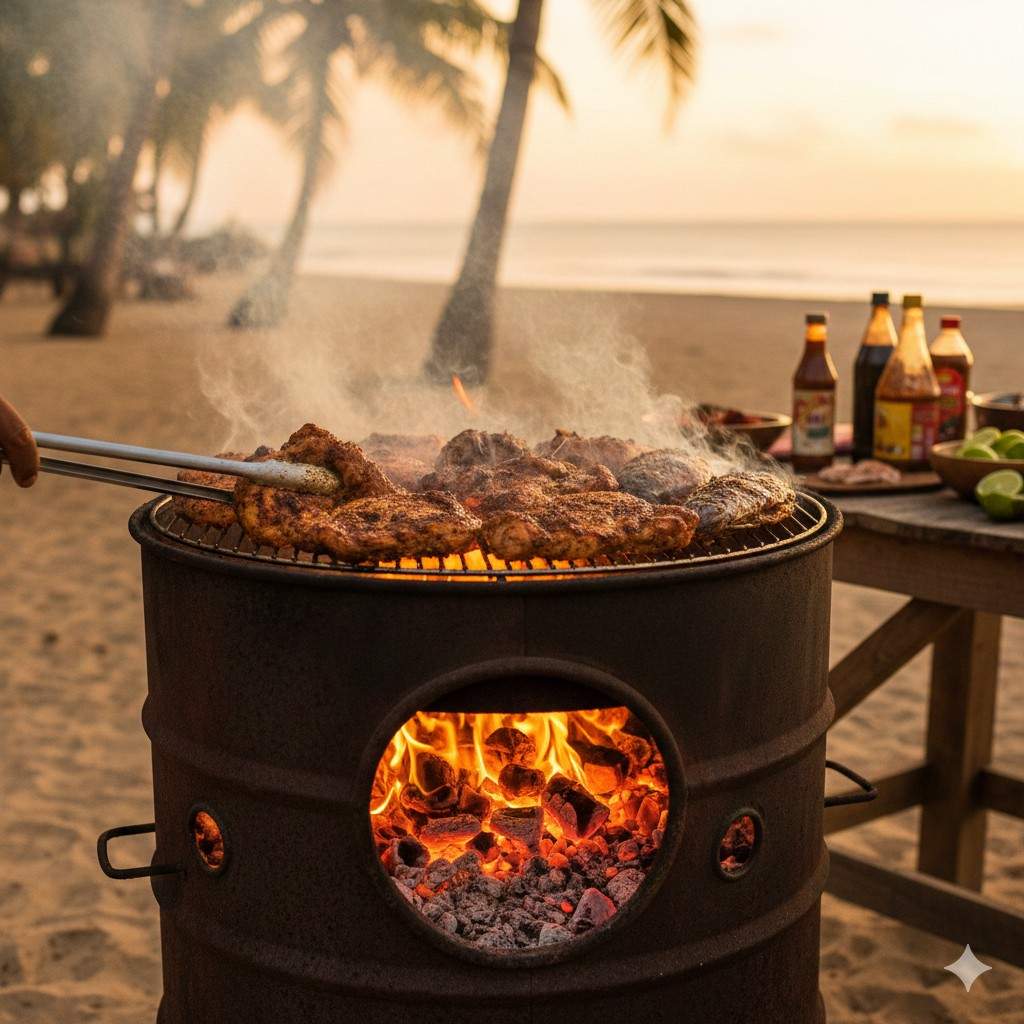
Traditional jerk is cooked:
- Over open pits
- In cut steel drums
- On roadside grills held together by experience and faith
Low heat, high smoke, long time.
This is BBQ that rewards patience but punishes shortcuts.
Caribbean Jerk BBQ vs American BBQ (Friendly Rivalry)
I love American BBQ. I make it for a living. But let’s be honest:
| Caribbean Jerk BBQ | American BBQ |
| Marinade-heavy | Rub-heavy |
| High heat + smoke | Low and slow |
| Wood-forward | Sauce-forward |
| Herbal heat | Sweet smoke |
Different styles. Same love for fire.
Classic Caribbean Jerk BBQ Recipes You Should Know
Classic Caribbean jerk BBQ recipes are the foundation of the entire tradition, the dishes that built its reputation long before food trends and social media got involved.
Jamaican jerk chicken leads the charge, marinated low and slow until smoke and spice sink deep into the meat.
Jerk pork follows closely, richer and heavier, built for long cooks and bold seasoning. Fish and seafood bring a faster, cleaner heat, proving jerk isn’t just about fire but balance.
Together, these recipes show why Caribbean jerk BBQ isn’t a gimmick – it’s a masterclass in flavor, patience, and respect for the pit.
1. Jamaican Jerk Chicken (The Gateway Jerk)
If jerk had a national anthem, this would be it.
Key Tips from the Pit:
- Marinate overnight (24 hours if you respect yourself)
- Score the meat so flavor gets deep
- Grill over indirect heat first, then finish hot
The skin should be smoky, blistered, and slightly charred – not burnt, not rubbery.
2. Jerk Pork Shoulder or Ribs
This is where jerk meets serious BBQ muscle.
- Pork shoulder loves long marination
- Ribs benefit from jerk seasoning without sugar at first
- Finish with a light glaze, not sauce
Pro tip: Pork fat carries jerk spice beautifully.
3. Jerk Fish and Seafood
Fast, fiery, and underrated.
Best choices:
- Snapper
- Mahi-mahi
- Shrimp
Marinate lightly. Grill hot. Eat immediately.
Fish doesn’t wait for anyone.
4. Vegetarian and Vegan Jerk (Yes, It Works)
Jerk flavor isn’t married to meat.
Great options:
- Jackfruit
- Tofu
- Cauliflower
- Mushrooms
The trick? Smoke and fat. Add oil and don’t rush it.
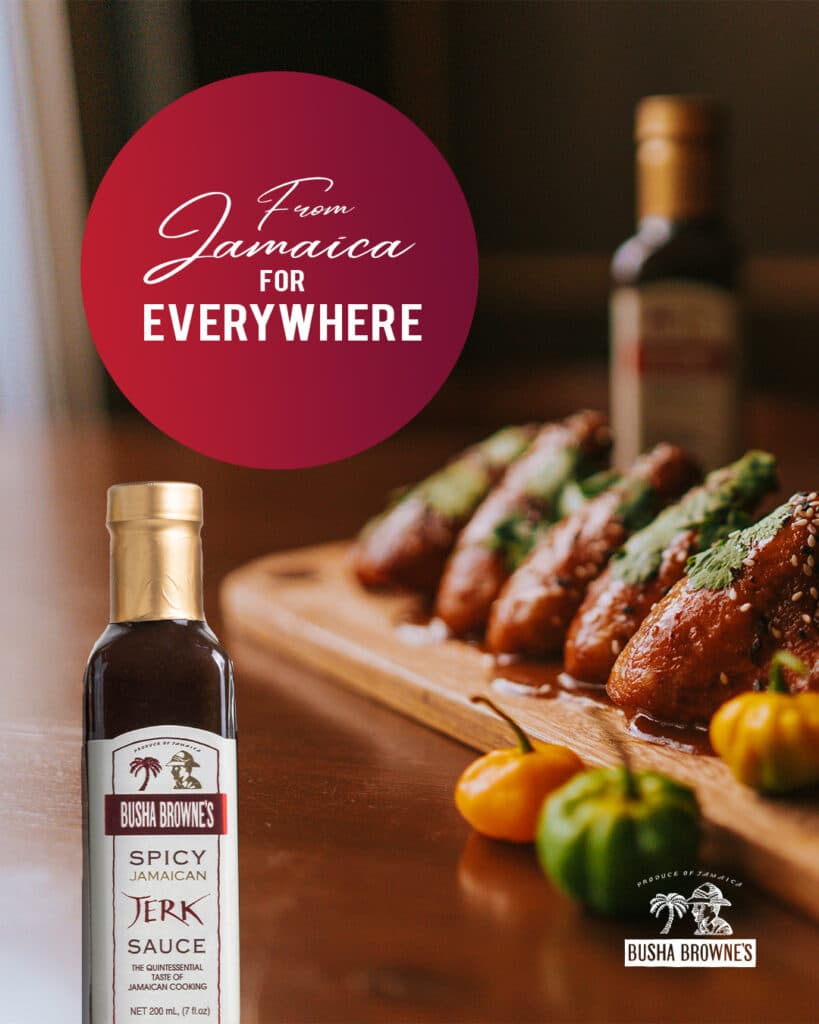
Jerk Sauce vs Jerk Marinade: A Common Confusion Explained
Let’s settle this once and for all – jerk is not a sauce-first BBQ style.
Traditional Caribbean jerk BBQ relies on thick, aggressive marinades, not sugary finishes brushed on at the end. The seasoning goes on early and stays there, soaking into the meat long before fire enters the picture.
Sauce, when used, is subtle and secondary. Drowning jerk in sweet glaze masks smoke, buries herbs, and turns heat into chaos. The real magic happens before the grill even heats up.
Jerk flavor is built, not painted on, and that distinction separates authentic jerk from backyard knockoffs. When you taste jerk done right, you won’t miss the sauce – you’ll understand why it was never the point.
How to Make Authentic Caribbean Jerk BBQ at Home
You don’t need a beach or a steel drum. You need intention.
What You Do Need
- A grill (charcoal preferred)
- A blender or mortar
- Patience
- Respect for spice
Ingredient Substitutions (Without Angering the Ancestors)
- Scotch bonnet → habanero (use less)
- Pimento wood → applewood + allspice berries
- Fresh thyme → dried (use half)
Common Mistakes I See All the Time
- Too much sugar (burn city)
- Not enough marinating time
- Cooking too hot too fast
- Treating jerk like a sauce instead of a process
Caribbean jerk BBQ rewards preparation.
The Cultural Heart of Caribbean Jerk BBQ
Jerk isn’t just food – it’s street culture.
In Jamaica, jerk stalls:
- Set up on corners
- Smoke all day
- Sell until they’re out
No menus. No substitutions. No apologies.
Jerk festivals are loud, smoky, joyful chaos.
Music, fire, laughter, and heat – on the plate and in the air.
That’s the spirit you want to channel when you cook it.
Is Caribbean Jerk BBQ Healthy?
Surprisingly? Yes – if you don’t drown it in sugar.
Benefits:
- Spices boost metabolism
- Herbs add antioxidants
- Grilling reduces excess fat
Just remember: Heat doesn’t cancel calories, no matter how much you sweat.
Why Caribbean Jerk BBQ Tastes Better Eaten Standing Up
There’s a reason the best jerk often comes wrapped in foil, eaten off a drum lid, with smoke in your clothes. Caribbean jerk BBQ was born as street food, meant to be eaten hot, fast, and fresh.
No white tablecloths. No waiting for plates to warm. Standing near the pit, heat in the air, spice still sizzling – that’s where jerk shines. Fat drips, smoke clings, and flavors hit harder when they’re fresh off the fire.
Jerk loses something when it gets too polished, and gains everything when it stays raw and real. Sometimes the best seat in the house is no seat at all – just you, the pit, and one unforgettable bite.
Frequently Asked Questions
1. What makes jerk BBQ different from other BBQ styles?
Jerk BBQ combines spicy marinades, aromatic smoke, and slow cooking, giving it a bold, layered flavor unique to the Caribbean.
2. Which meats are best for jerk cooking?
Chicken, pork, goat, fish, and even tofu or vegetables work great, depending on how long you cook and the spice blend.
3. Can I make jerk BBQ without pimento wood?
Yes! Substitute with applewood or oak plus allspice berries for similar smoky flavor.
4. How spicy is authentic jerk BBQ?
It’s medium to hot, with heat building gradually thanks to Scotch bonnet peppers – more about flavor than pure burn.
5. Do I need to marinate jerk meat overnight?
Ideally, yes. Marination lets the spices penetrate deeply, making the flavor rich and tender after cooking.
Why Caribbean Jerk BBQ Still Matters
After all these years behind the pit, here’s what I’ll tell you:
Caribbean jerk BBQ is one of the most honest cooking traditions on earth.
It came from hardship.
It survived through creativity.
And it still tastes like defiance and joy.
When you cook jerk, you’re not just grilling meat.
You’re keeping a story alive – one smoky, spicy bite at a time.
So light the fire. Respect the process.
And don’t be afraid to sweat a little.
That’s how you know you’re doing Caribbean jerk BBQ right.
Featured image credit: @pkgrills
