
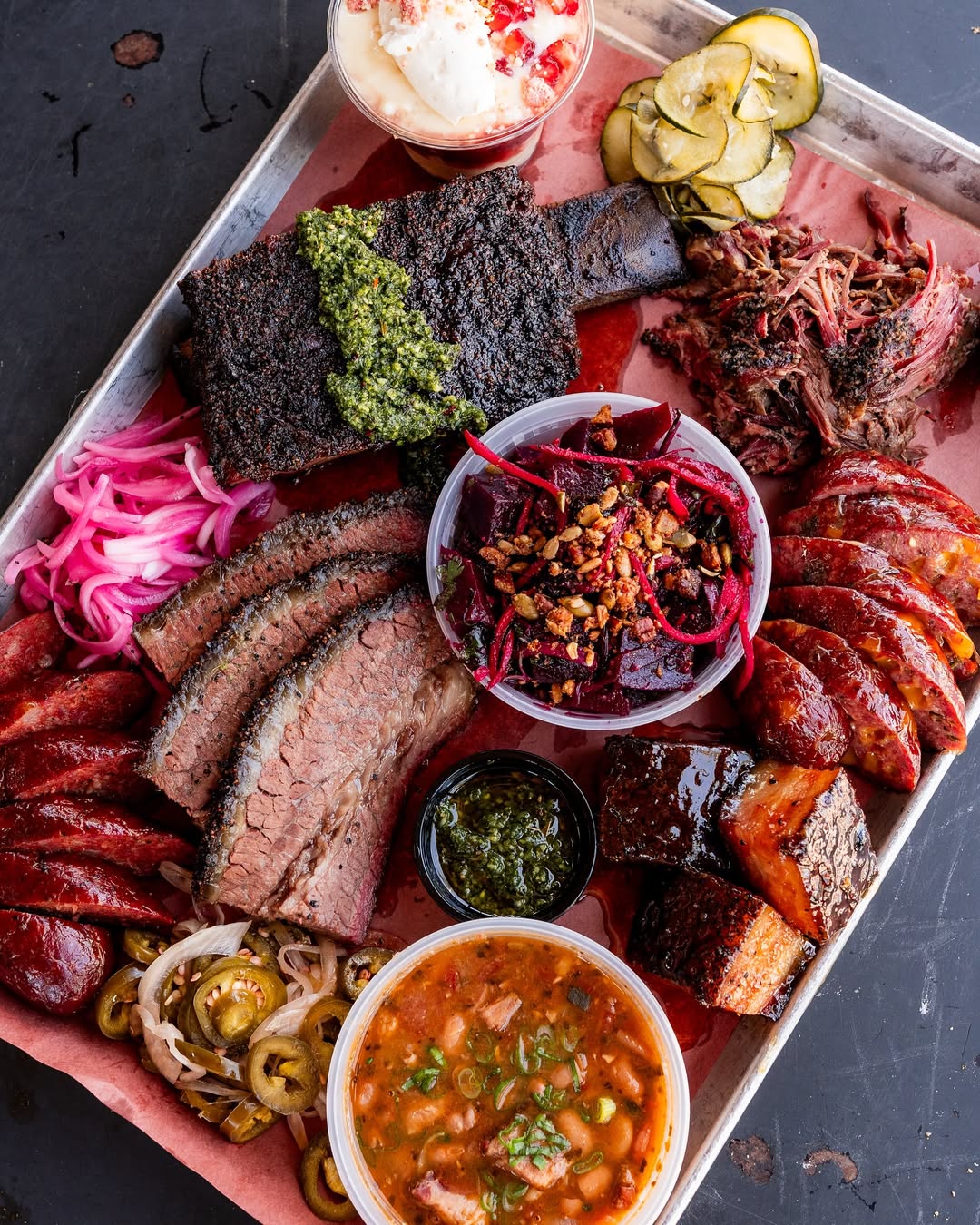
I’ve cooked barbecue on everything from competition smokers to rusty beach grills that wobble if you breathe too hard. And if there’s one thing I’ve learned traveling and cooking across borders, it’s this:
European BBQ is not one thing.
It’s a thousand fires, a thousand traditions, and more than a few strong opinions about how meat should be cooked.
If you’re expecting brisket clocks, bark debates, and sauce wars, Europe will surprise you. Across the continent, barbecue is less about domination and more about connection, timing, and letting fire do honest work.
This is European BBQ 101 – from the eyes of a pitmaster who respects smoke but also knows when to step back and let salt, flame, and good company do the heavy lifting.
What “Barbecue” Means in Europe (And Why That Matters)
Let’s clear the grill grates right away.
In most of Europe, “BBQ” means grilling, not low-and-slow smoking. That doesn’t make it lesser – it makes it different.
Here’s the mindset shift:
- Fire is visible, not hidden in a steel box
- Cooking is fast, social, and seasonal
- Flavor comes from ingredients, not rub layers stacked like tax codes
European BBQ is usually:
- Charcoal or wood-based
- Cooked over direct heat
- Built around shared meals, not solo pit duty at 3 a.m.
There are exceptions (and we’ll get to them), but across the continent, grilling is a communal ritual, not a competitive sport.
And honestly? Sometimes that’s refreshing.
Southern Europe: Fire, Simplicity, and Long Tables
Southern Europe understands fire the way an old pitmaster understands instinct – quietly, confidently, and without overthinking it.
This is where European BBQ strips itself down to the essentials: good meat, hot coals, and long tables filled with people who aren’t in a hurry to leave.
Across Spain, Portugal, Italy, and Greece, grilling isn’t treated like a performance or a technical challenge – it’s a social act, woven into daily life, festivals, and family gatherings.
The flames are visible, the seasoning is restrained, and the focus is always on letting ingredients speak for themselves.
In Southern Europe, barbecue isn’t about mastering the fire; it’s about sharing it, one plate at a time, while conversation stretches as long as the evening itself.
Southern Europe understands something pitmasters learn the hard way:
Great barbecue doesn’t need much – just respect.
Spain: Parrillas and the Power of Salt
In Spain, especially the Basque region, grilling borders on religion.
The parrilla is king. No lid. No gadgets. Just:
- Thick-cut beef
- Whole fish
- Hot coals
- Salt applied like confidence
A Spanish grillmaster doesn’t hide behind marinades. If the meat isn’t good, the grill won’t save it – and everyone knows it.
Key takeaway:
European BBQ often starts with quality ingredients, not clever techniques.
Also, nobody rushes. The fire burns down. The wine flows. The meat comes when it’s ready, not when the clock says so.
Portugal: Churrasco and Backyard Flames
Portugal brings the heat – literally.
Street-side churrasco joints and backyard grills pump out:
- Chicken piri-piri
- Pork ribs
- Sausages dripping fat onto open flames
Here’s the magic: controlled chaos.
The flames kiss the meat, flare up, get beaten back with a practiced flick of the wrist. Marinades matter here, but they’re balanced – vinegar, garlic, oil, heat.
If Spanish BBQ is minimalist jazz, Portuguese grilling is a lively neighborhood jam session.
Italy: Grigliata Is a Feast, Not a Course
In Italy, grilling isn’t the main event – it’s part of the celebration.
A grigliata mista might include:
- Sausages
- Pork chops
- Chicken
- Vegetables
- Bread grilled until just charred
Everything hits the fire in waves, timed so the table fills together.
Italian European BBQ philosophy:
Don’t show off. Feed people well.
And if you over-season? Someone’s nonna will notice.
Greece: Skewers, Smoke, and Celebration
Greek grilling leans on:
- Souvlaki
- Lamb
- Charcoal
- Citrus and herbs
The skewers aren’t fancy, but they’re efficient. Meat cooks evenly, fat drips, smoke rises, and someone is always arguing about football nearby.
Grilling here is tied to festivals, faith, and family. You don’t just eat – you participate.
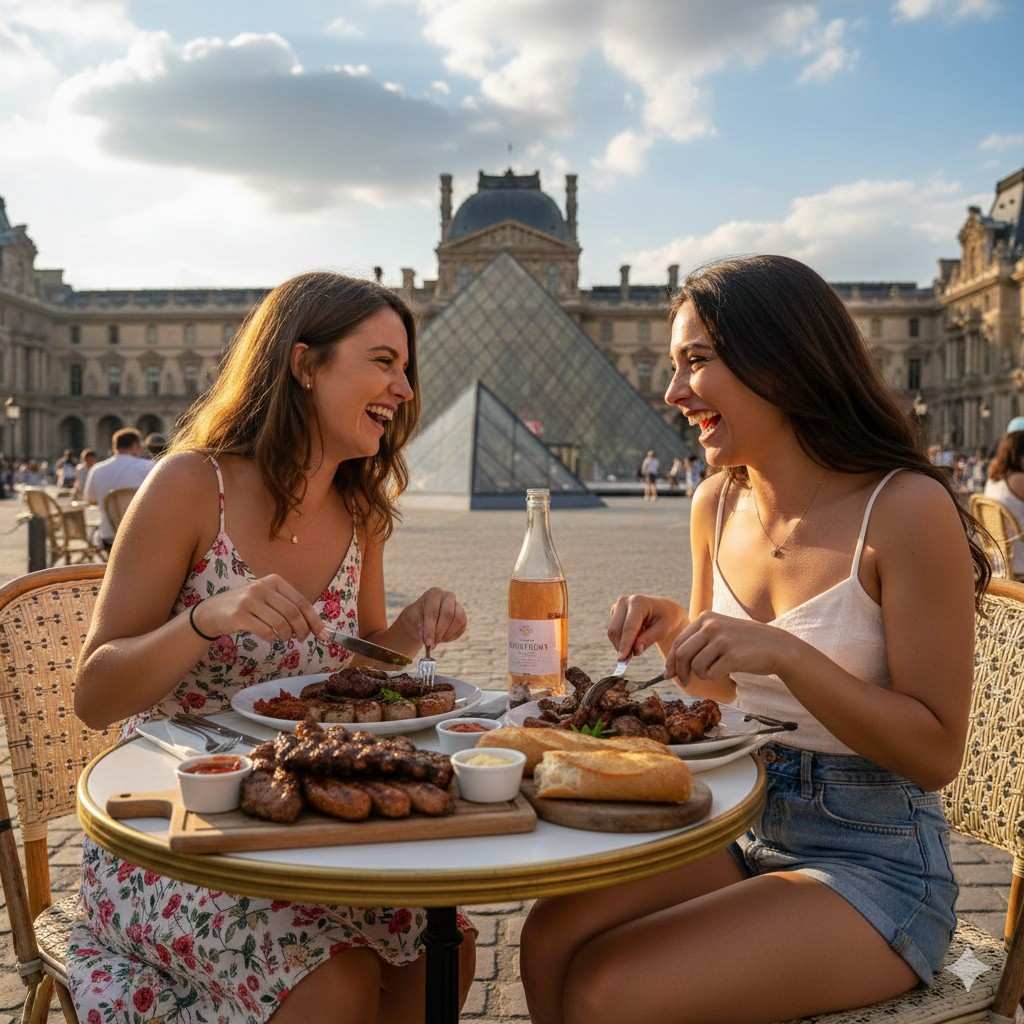
Western Europe: Technique Without the Drama
Western Europe approaches European BBQ the way a seasoned cook approaches a sharp knife – precise, confident, and without unnecessary flair. This is grilling that values control over chaos and flavor over spectacle, where technique matters but never becomes a performance.
From French planchas to relaxed backyard grills in Belgium and the Netherlands, the emphasis is on balance, timing, and knowing when not to interfere.
There’s no obsession with smoke clouds or grill theatrics here; the goal is clean heat, well-cooked food, and a table that fills without fuss.
It’s barbecue with manners – quietly efficient, deeply satisfying, and proof that you can cook great food over fire without turning it into a drama.
France: Flavor Before Smoke
French BBQ doesn’t chase smoke rings. It chases balance.
Plancha cooking is common:
- Flat steel surfaces
- High heat
- Minimal fat
Seafood, sausages, vegetables – everything gets space and attention.
A French grill cook tastes constantly. Adjusts constantly. Smoke is a background note, not the lead singer.
Key lesson for pitmasters:
Not every dish needs smoke to be memorable.
Belgium & The Netherlands: Casual, Social, and Beer-Driven
In Belgium and the Netherlands, grilling is relaxed and approachable.
Think:
- Backyard BBQs
- Portable grills
- Sausages, marinated meats, burgers
- Plenty of beer
This is European BBQ as social glue. No one’s scoring you. No one’s rushing you. The grill is just the excuse to hang out.
Central Europe: Hearty, Rustic, and Proudly Meaty
Central Europe doesn’t flirt with the grill – it commits to it. This is European BBQ at its most hearty and unapologetic, where the fire burns steady, the portions are generous, and meat is treated like the main character it’s meant to be.
Across Germany, Austria, Switzerland, and their neighbors, grilling leans into rustic traditions built around sausages, pork, and simple seasonings that have stood the test of time.
There’s a practical honesty to the way food hits the grate here: no flash, no shortcuts, just well-managed heat and flavors designed to satisfy after long days and cold evenings.
It’s barbecue meant to fuel conversation, appetite, and another round at the table – because in Central Europe, nobody grills small.
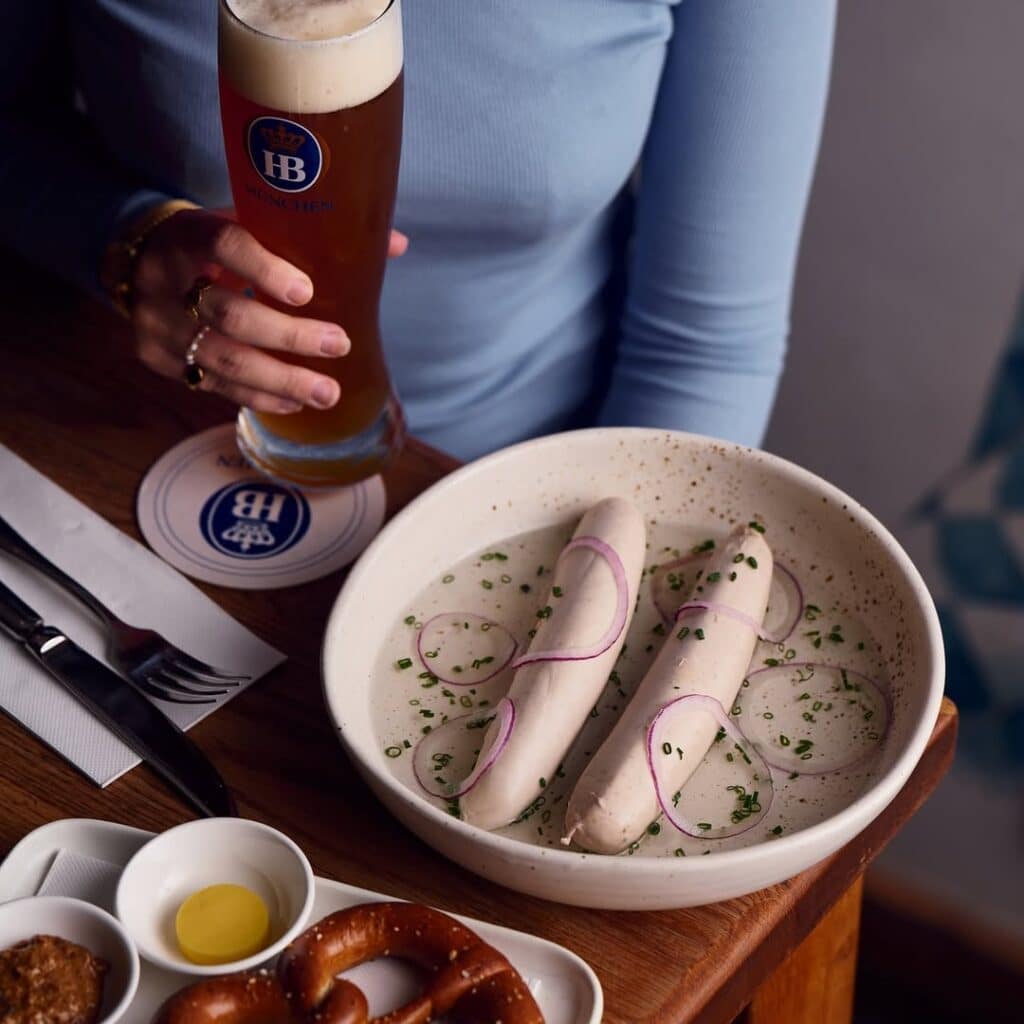
Germany: Wurst is a Lifestyle
Germany doesn’t complicate grilling. It perfects what it loves.
The grill is built for:
- Bratwurst
- Sausages of every region
- Pork steaks
- Mustard, bread, and beer
Public grilling areas are common, and rules are respected. Flames are managed. Sausages are turned with discipline.
German European BBQ rule:
Do it right. Do it consistently. Then have another beer.
Austria & Switzerland: Alpine Smoke and Seasonal Fire
Mountain regions grill when weather allows – and they make it count.
Wood smoke matters here. Local herbs matter. Cheese sometimes hits the grill, which always makes Americans nervous until they taste it.
This is seasonal grilling, deeply tied to climate and tradition.
Poland & Czech Republic: Marinades and Fire Pits
In Poland and the Czech Republic, grilling leans toward:
- Pork neck
- Kielbasa
- Garlic-heavy marinades
- Open fire pits
Smoke is welcomed, but it’s wild and rustic, not engineered.
You’ll see friends tending fires together, not one pitmaster guarding the flame like a dragon hoarding gold.
Northern Europe: Fire Meets Minimalism
Northern Europe treats fire with quiet respect, using it sparingly but with purpose. In this part of the world, European BBQ leans toward minimalism – less seasoning, fewer distractions, and a deep connection to nature that shapes how and where food is cooked.
Grilling often happens outdoors in forests, near lakes, or in backyards designed for calm rather than spectacle. Fish, sausages, and simple cuts meet open flames without much interference, letting smoke, heat, and fresh air do the work.
It’s barbecue that doesn’t try to impress – it just works, delivering clean flavors and a sense of balance that feels as intentional as the fire itself.
In Sweden, Norway, and Finland, grilling often happens:
- In forests
- Near lakes
- Over open flames
Fish, sausages, sometimes game meat – cooked simply, eaten outdoors.
There’s something humbling about European BBQ that doesn’t need walls, gadgets, or playlists. Just fire and quiet.
Denmark: Hygge on the Grill
Denmark blends modern design with old habits.
Clean grills. Thoughtful tools. Cozy settings.
Food is simple but intentional. Every detail matters, but nothing feels forced.
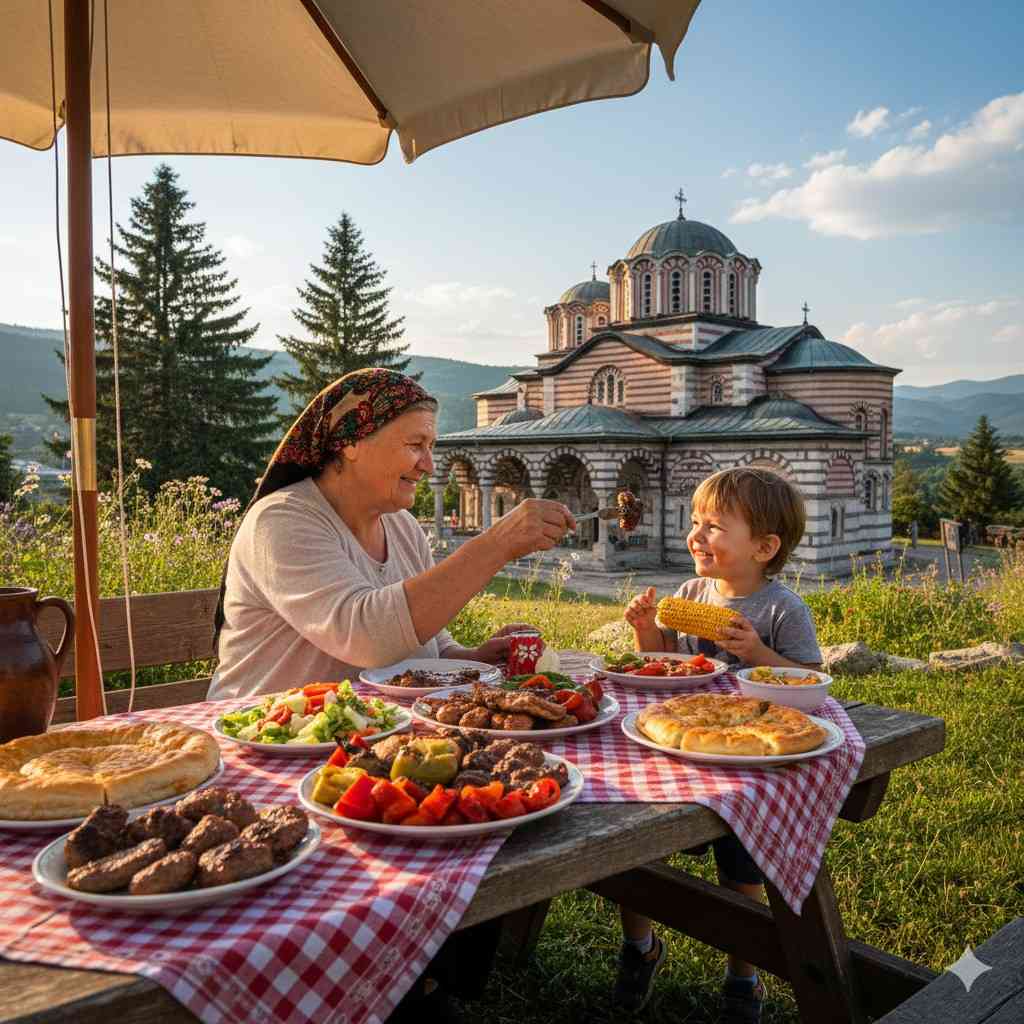
Eastern Europe & the Balkans: Smoke, Spice, and Street Energy
Eastern Europe and the Balkans bring a different kind of fire to European BBQ – one that crackles louder, smells bolder, and pulls people in from half a block away.
This is grilling with edge and attitude, shaped by street food culture, open flames, and flavors that don’t apologize for themselves.
Smoke hangs heavy in the air, spices hit with confidence, and meat is cooked close to the fire where fat drips and flare-ups are part of the show.
From bustling street grills to backyard fire pits packed with friends, barbecue here is energetic, communal, and unapologetically messy in the best way possible. It’s not about refinement – it’s about feeding crowds, fueling celebrations, and letting the fire speak loudly.
The Balkans: Ćevapi and Open Flames
Bosnia, Serbia, Croatia – this region grills like it means it.
Ćevapi sizzle over open flames, served with flatbread, onions, and yogurt-based sauces. No frills. No garnish nonsense.
Street grills pump smoke into the air, and nobody complains – because everyone’s hungry.
Key Balkan BBQ truth:
If it tastes good, that’s the rule.
Romania, Hungary, Bulgaria: Paprika and Pork
Paprika-heavy marinades, vinegar, garlic, and pork dominate here.
Grilling is tied to:
- Holidays
- Weddings
- Long outdoor gatherings
This is barbecue as celebration fuel.
Common European BBQ Tools, Cuts, and Techniques
If you’re used to American smokers, European BBQ setups will feel refreshingly bare.
Common Tools
- Open charcoal grills
- Fire pits
- Skewers
- Planchas
Common Cuts
- Sausages
- Pork neck
- Whole fish
- Lamb
Common Techniques
- Direct heat
- Frequent turning
- Minimal seasoning
- Cooking by feel, not thermometers
European BBQ trusts experience over equipment.
How European BBQ is Changing Today
Things are evolving.
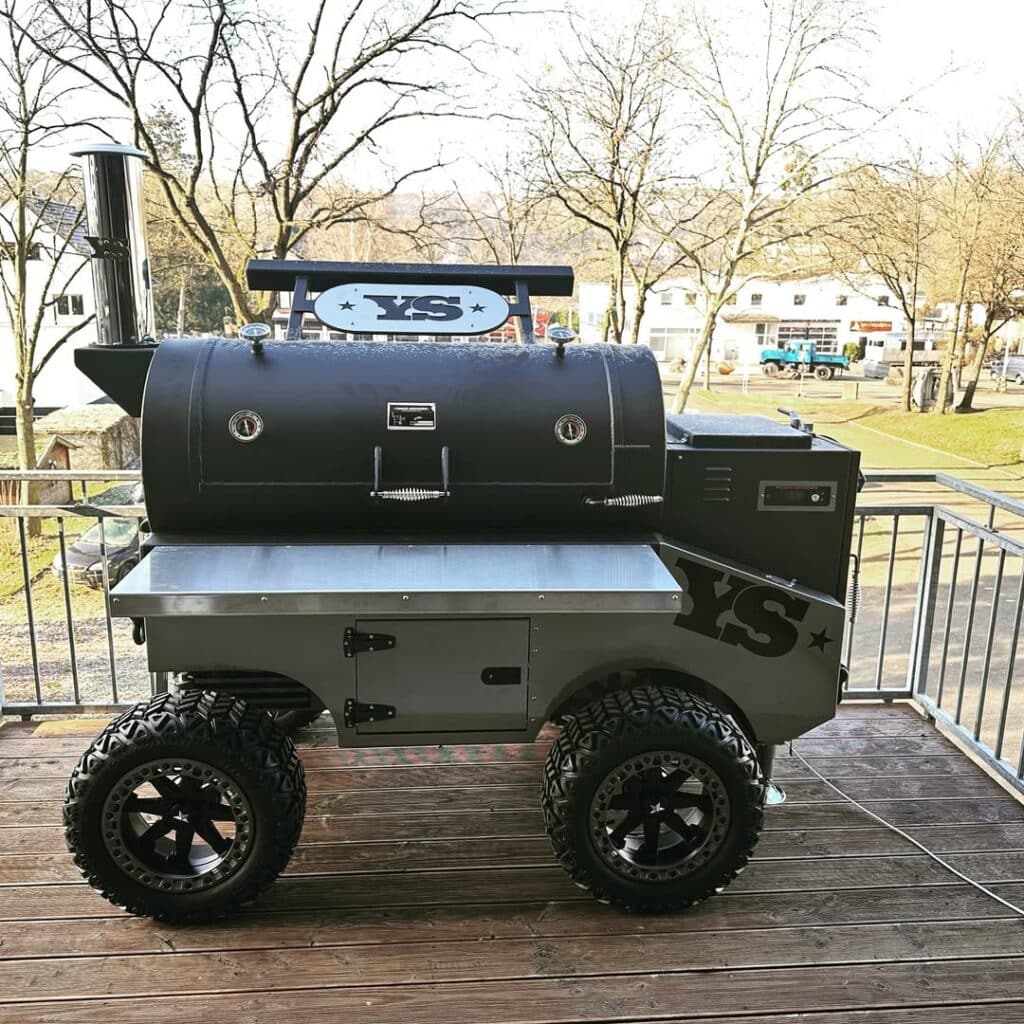
American-style low-and-slow BBQ has made its way into Europe. You’ll find:
- Smokehouses in Germany
- Brisket joints in the UK
- Competition BBQ teams across the continent
At the same time, Europeans are rediscovering old methods:
- Wood-fired cooking
- Regional cuts
- Traditional marinades
Urban grilling has adapted too – electric grills, shared spaces, sustainability concerns.
The result? A hybrid BBQ culture that respects tradition but isn’t afraid to experiment.
European BBQ: Frequently Asked Questions
1. What is European BBQ, exactly?
European BBQ refers to grilling traditions across Europe, not just one style. In most countries, BBQ means direct-heat grilling over charcoal or wood, often done socially and seasonally. It’s less about low-and-slow smoking and more about fire, timing, and quality ingredients.
2. How is European BBQ different from American BBQ?
The biggest difference is technique and philosophy.
- American BBQ focuses on low-and-slow cooking, heavy smoke, and large cuts
- European BBQ focuses on grilling, simplicity, and shared meals
European grilling relies on:
- Direct heat
- Fewer seasonings
- Shorter cook times
- Social, relaxed cooking environments
Neither is better – they’re just built for different cultures and climates.
3. Do Europeans use smokers?
Some do – but traditionally, smokers are not central to European BBQ.
Historically, Europeans:
- Grilled over open fire
- Used smoke for preservation, not flavor-forward cooking
Today, American-style smokers are becoming more popular in:
- Germany
- The UK
- Scandinavia
But they’re still the exception, not the rule.
4. What meats are most common in European BBQ?
European BBQ favors accessible, regional cuts, including:
- Sausages (bratwurst, kielbasa, ćevapi)
- Pork neck and pork chops
- Chicken (often marinated)
- Lamb
- Whole fish and seafood
Large beef cuts like brisket are less common outside specialty BBQ restaurants.
5. Why are sausages such a big deal in European grilling?
Because sausages are efficient, flavorful, and regional.
They:
- Cook evenly over direct heat
- Showcase local seasoning traditions
- Are perfect for social grilling
In many countries, sausages are the backbone of European BBQ culture, not a side dish.
6. What kind of fuel is typically used?
Most European BBQ relies on:
- Charcoal
- Wood embers
- Occasionally open fire pits
Gas grills exist, especially in urban areas, but traditionalists prefer charcoal for its heat control and flavor.
7. Do Europeans marinate their meat?
It depends on the region.
- Southern and Eastern Europe often use vinegar, oil, garlic, herbs, or paprika-based marinades
- Spain and parts of France rely on salt and technique instead of marinades
The common rule is balance – marinades enhance, not hide, the meat.
8. Is European BBQ usually done outdoors?
Yes – weather permitting.
European grilling is:
- Seasonal
- Often tied to holidays, festivals, and weekends
- Done in backyards, parks, beaches, forests, and shared public spaces
Public grilling areas are common in many countries, especially Germany and Scandinavia.
9. What tools are essential for European BBQ?
European BBQ keeps gear simple:
- Open charcoal grill or fire pit
- Tongs or skewers
- A brush or cloth for oiling grates
Thermometers, pellet grills, and complex setups are far less common.
10. Is European BBQ becoming more modern?
Yes – and it’s evolving fast.
Today you’ll see:
- American BBQ influence in urban areas
- Electric grills in apartments
- A revival of traditional fire cooking
- More focus on sustainability and local sourcing
Modern European BBQ blends old-world techniques with new-world tools.
11. Can you recreate European BBQ at home?
Absolutely.
Start by:
- Using charcoal instead of gas
- Cooking over direct heat
- Choosing simple seasonings
- Focusing on sausages, pork, chicken, or fish
- Cooking with people, not just for them
European BBQ is about the experience as much as the food.
12. What’s the biggest lesson pitmasters can learn from European BBQ?
Two things:
- You don’t need complexity to cook great food
- Barbecue is better when it’s shared
European BBQ reminds even seasoned pitmasters that fire is a tool – not the star – and good company matters as much as good meat.
Final Thoughts: A Continent United by Fire
If there’s one thing European BBQ teaches pitmasters everywhere, it’s this:
Barbecue doesn’t have to be loud to be meaningful.
Across Europe, grilling is about:
- Time together
- Honest fire
- Food that reflects place and people
It’s less about perfection and more about presence.
And sometimes, the best barbecue moment isn’t the bite – it’s the conversation that happens while the coals burn down.
That’s European BBQ. And it’s worth learning from.
Featured image credit: @interstellarbbq
