
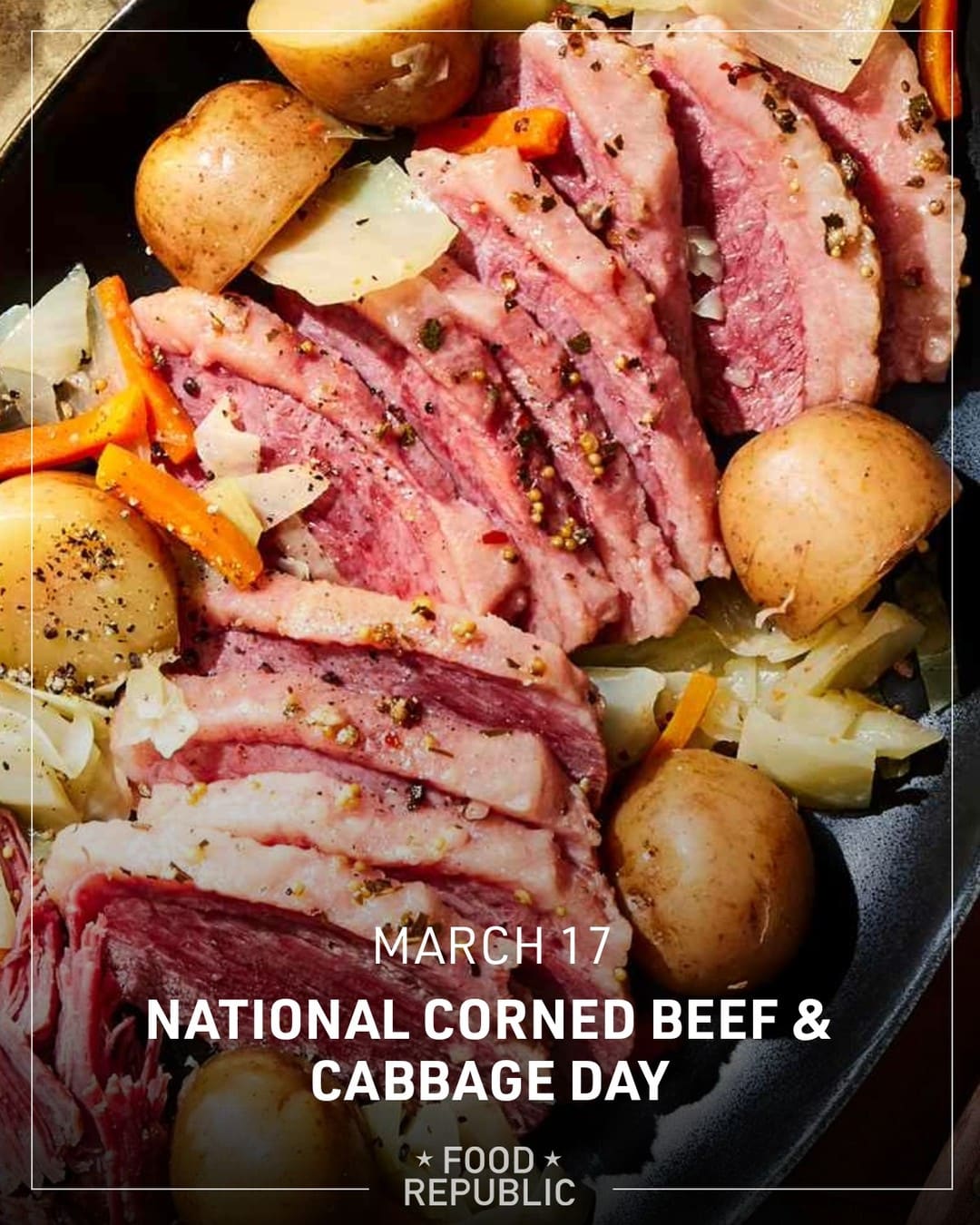
No sugarcoating it – corned beef and cabbage recipe has a bit of a reputation problem that people often misunderstand and judge.
For some, it conjures up memories of a grey, salty slab of meat swimming in a pot of soggy, sulfurous weeds. If that’s your trauma, I’m here to perform an exorcism on your taste buds.
As someone who has spent more time hovering over smokers and simmering pots than is probably socially healthy, I can tell you that this dish is actually a masterclass in texture and timing.
It’s the ultimate “set it and forget it” meal that, when done with a little bit of chef-logic, results in a brisket so tender it practically sighs when you touch it with a fork.
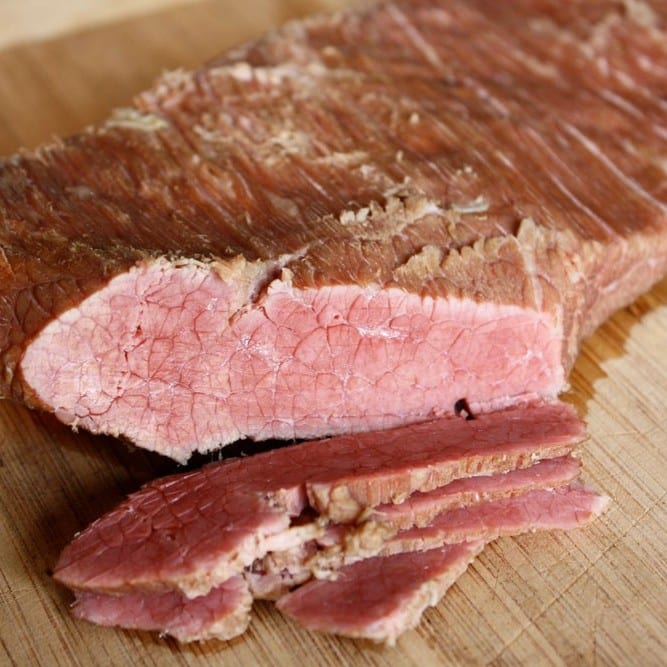
The Cut of the Matter: Flat vs. Point
Before you even turn on the stove, you have to win the battle at the grocery store. Most corned beef comes in two cuts: the Flat Cut and the Point Cut.
- The Flat Cut is the “supermodel” of the brisket world. It’s lean, uniform, and slices into those beautiful, clean rectangles you see in professional food photography.
- The Point Cut is the “rockstar.” It’s thicker, fattier, and—in my professional opinion—way more flavorful.
Pro Tip: If you want those perfect, TikTok-worthy slices for a sandwich the next day, go Flat.
If you want a melt-in-your-mouth dinner that makes you want to high-five the cook, go for the Point.
Just remember: fat equals flavor, and in a long simmer, that fat renders down to baste the meat from the inside out.
The Rinse: Don’t Skip This
When you pull that brisket out of the vacuum-sealed bag, it’s going to be covered in a thick, salty brine.
Give it a thorough rinse under cold water. I know, I know – we’re usually told not to wash meat because of the “bacteria splash zone” factor.
But in this case, you aren’t washing away germs; you’re washing away excess salt. If you skip this, your final pot liquor will be saltier than a pirate who just lost his treasure map.
Pat it dry, and you’re ready to build your flavor base.
The “Big Flavor” Strategy
Most people just dump the meat in a pot of water and walk away. We aren’t most people. To get that deep, aromatic profile, we’re going to layer our liquids and aromatics.
- The Spice Packet: Use the one that came in the bag, but don’t stop there. Add a few extra black peppercorns, two bay leaves, and a tablespoon of mustard seeds.
- The Liquid: Instead of plain tap water, use half beef broth and half water. If you’re feeling festive (or just want to cook like a chef), swap out 12 ounces of that liquid for a Guinness or any Irish Stout. The maltiness of the beer cuts through the salt and adds a gorgeous, dark complexity to the meat.
- The Aromatics: Throw in a halved onion (peel and all – it adds color!), four smashed garlic cloves, and a stalk of celery. These aren’t for eating; they’re the “supporting cast” that makes the beef the star.
The Low and Slow Simmer
Cooking corned beef and cabbage recipe is not a sprint; it’s a marathon where the finish line is a nap.
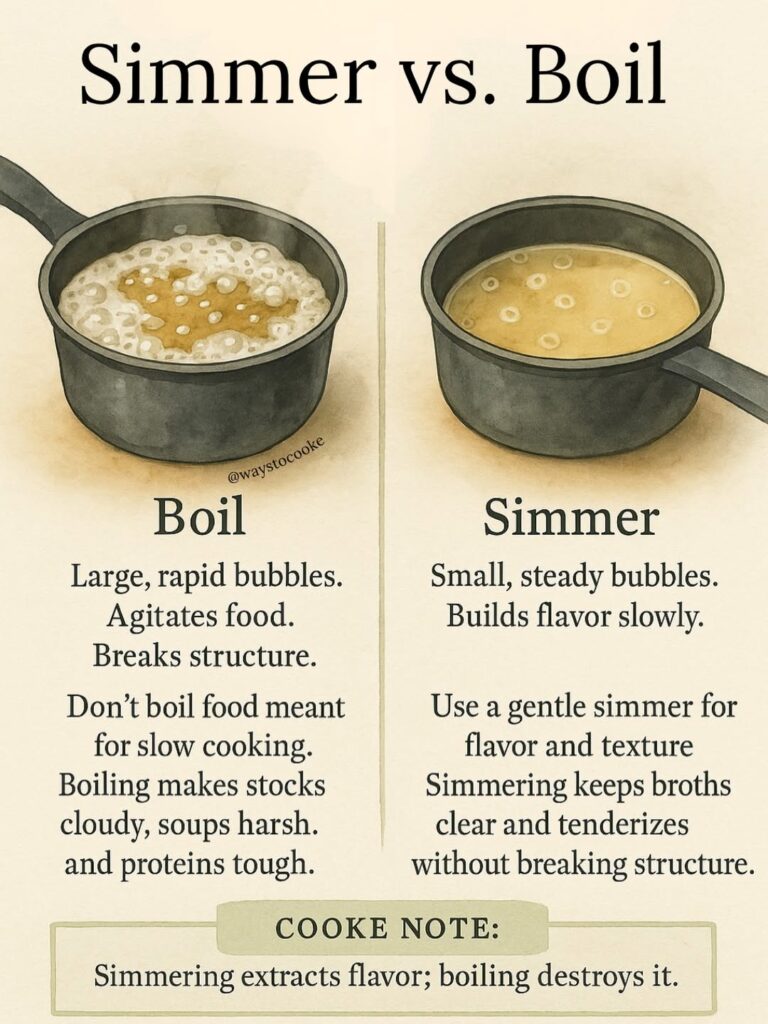
Place your brisket in a large Dutch oven, cover it with your liquid until it’s submerged by at least an inch, and bring it to a boil.
Once it hits a boil, immediately drop the heat to a low simmer. If you boil the meat the whole time, the muscle fibers will tighten up like a drumhead, leaving you with a tough, rubbery mess.
You want a gentle “burp” of bubbles every few seconds. Cover the pot and let it hang out for about 45 to 50 minutes per pound.
For a standard 3lb brisket, you’re looking at a roughly 2.5-hour nap for the cook.
The Vegetable Pivot of this Corned Beef and Cabbage Recipe
Here is where 90% of home cooks fail: they put the vegetables in at the beginning. Unless you enjoy eating potato purée and cabbage slime, timing is everything.
- Potatoes and Carrots: Add these in during the last 30 to 40 minutes of cooking. Use red potatoes (they hold their shape better) and thick-cut carrots.
- The Cabbage: This is the “diva” of the dish. It only needs about 15 to 20 minutes. Cut the head into thick wedges, keeping the core intact so the leaves don’t float away like confetti.
The Pitmaster Secret: When the meat is done (it should be “fork-tender,” meaning a fork slides in and out with zero resistance), pull the brisket out of the pot and let it rest on a cutting board for 15 minutes.
While the meat rests, crank the heat up slightly to finish the cabbage in that highly-concentrated, flavorful beef broth.
Slicing Against the Grain
If you take a beautiful, tender brisket and slice it “with the grain” (parallel to the muscle fibers), it will be chewy. It’s a tragedy I see all too often.
Look at the meat. You’ll see long lines running across it. Turn the meat so you are cutting perpendicular to those lines. By cutting through the fibers, you’re doing the hard work for your teeth, ensuring every bite is tender.
The Finish Line
Serve your corned beef and cabbage recipe on a big platter with a side of coarse grainy mustard or a quick horseradish cream (sour cream, horseradish, and a squeeze of lemon).
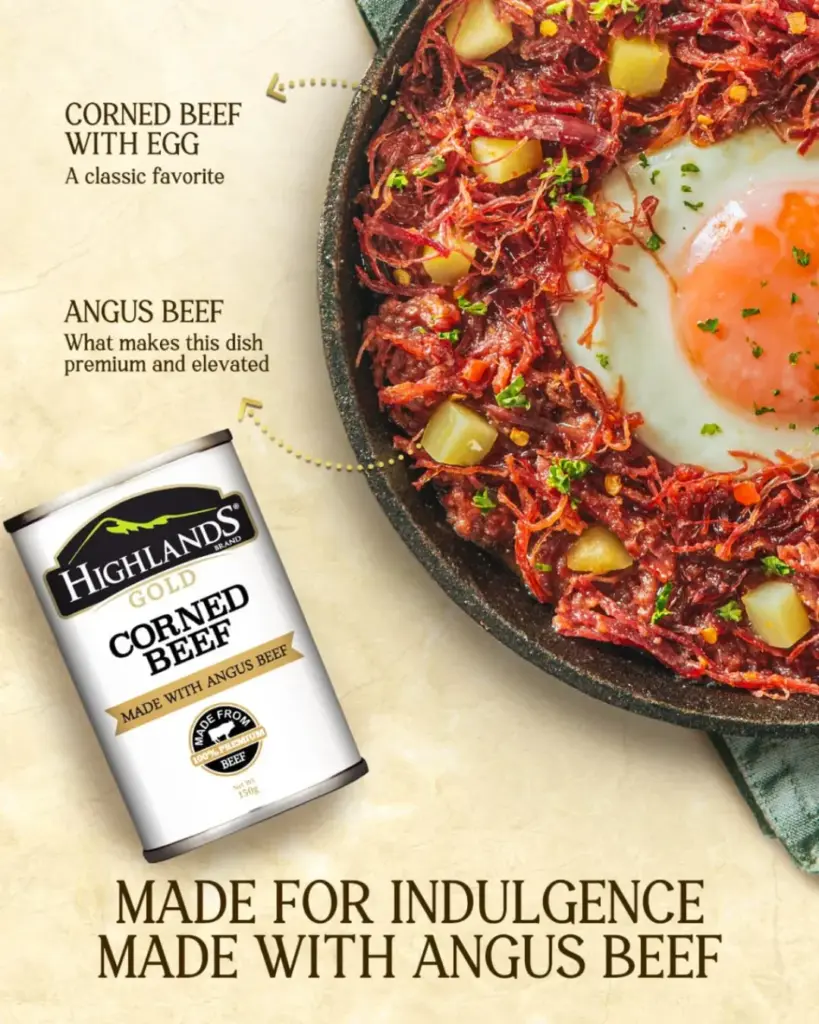
And hey, if you have leftovers, you’re halfway to the best Reuben sandwich of your life. But let’s be honest: with a recipe this easy and flavorful, “leftovers” are a statistical improbability.
Next Step: Would you like me to create a shopping list for this recipe, or perhaps a guide on how to turn the leftovers into a world-class Corned Beef Hash?
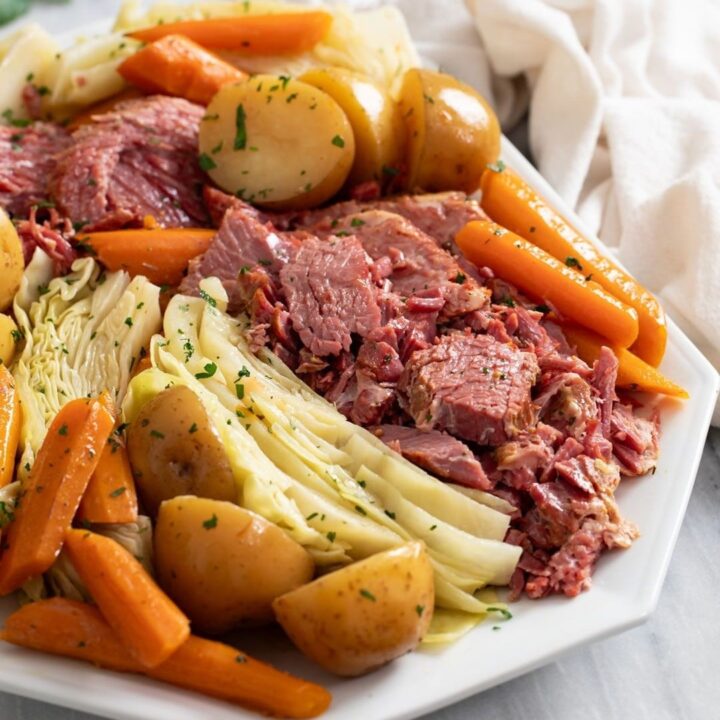
The "Big Flavor" Corned Beef and Cabbage Recipe
Image credit: @thecozycook
Ingredients
- The Main Event:
- 1 (3–4 lb) Corned Beef Brisket: Look for the "Point Cut" for maximum flavor, or "Flat Cut" for pretty slices. Ensure it comes with the spice packet.
- 1 head of Green Cabbage: Pick one that feels heavy for its size.
- 1 lb Red Potatoes: Keep them whole if they’re small; halve them if they’re huge.
- 4 Large Carrots: Peeled and cut into 3-inch chunks. Don't go too small or they’ll vanish.
- The Flavor Bath:
- 1 Yellow Onion: Peeled and cut into thick wedges.
- 4 cloves Garlic: Smashed (just hit them with the side of your knife).
- 1 bottle (12 oz) Irish Stout: Guinness is the gold standard here.
- 4 cups Beef Broth: Low-sodium is best so you can control the salt.
- 2 Bay Leaves: Fresh or dried.
- 1 tbsp Grainy Mustard: To be stirred into the cooking liquid.
Instructions
1. The Salt Reset
Remove the brisket from its packaging and rinse it thoroughly under cold running water. You aren't trying to scrub it; you're just washing away the excess "packing brine" so your final dish isn't a salt lick. Pat it dry with paper towels.
2. The Aromatics Foundation
In a large Dutch oven or a heavy-bottomed stockpot, place your onion wedges, smashed garlic, and the spice packet that came with the meat. If you have extra peppercorns or mustard seeds in the pantry, toss those in too.
3. Submerge and Simmer
Place the brisket on top of the onions, fat-side up. Pour in the bottle of stout and enough beef broth to cover the meat by at least an inch. Stir in the grainy mustard and drop in the bay leaves.
4. The "Low and Slow" Phase
Bring the liquid to a gentle boil over medium-high heat. As soon as it bubbles, reduce the heat to low. You want a very gentle simmer – think "lazy bubbles."
Cover the pot tightly. Cook for about 50 minutes per pound. For a 3 lb brisket, set your timer for 2.5 hours.
5. The Vegetable Introduction
Once your timer goes off, the meat should be starting to get tender. Add the potatoes and carrots to the pot, nestling them around the beef. Cover and cook for another 20 minutes.
6. The Cabbage Finale
Cut your cabbage into 8 thick wedges, leaving a bit of the core on each so they don't fall apart. Arrange the cabbage on top of the meat and veggies.
Cover and simmer for a final 15 to 20 minutes until the cabbage is tender but still has a slight "bite."
7. The Chef’s Rest
Transfer the beef to a cutting board. Let it rest for at least 15 minutes. This is the difference between juicy meat and dry meat. While it rests, use a slotted spoon to move the veggies to a warm serving platter.
8. Slice Against the Grain
Identify the direction of the muscle fibers (the "lines") in the meat. Use a sharp carving knife to slice across those lines into 1/4-inch slices.
The "Pitmaster" Serving Suggestion
Don't just serve it dry. Ladle a small amount of the cooking liquid (the "pot liquor") over the sliced meat and vegetables right before serving. It keeps everything moist and hits those savory notes one last time.
Featured image credit: @foodrepublic
