
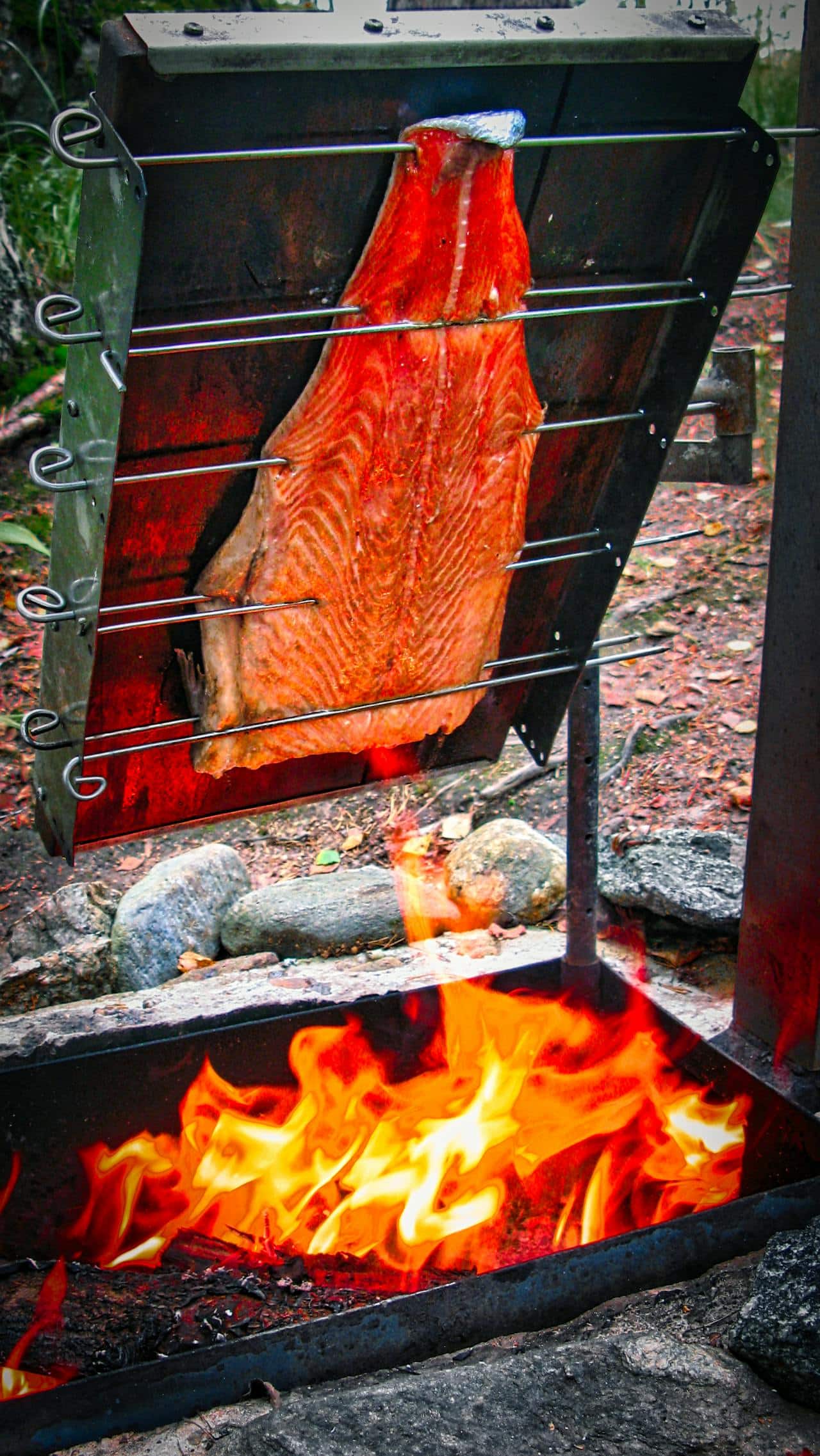
Most home cooks see a whole salmon and immediately think one thing: time to start filleting. Knife out, cutting board ready, YouTube tutorial on standby.
I get it. Filleting fish feels like the “proper” way to cook salmon.
But here’s the thing most chefs and pitmasters learn after years around the kitchen and the grill:
You don’t need to fillet salmon to cook it beautifully.
In fact, cooking salmon whole often produces better flavor, juicier meat, and a much easier cooking experience. The bones, skin, and structure of the fish do most of the work for you.
And the best part? Once it’s cooked, the meat slides right off the bones anyway, so all that careful filleting at the beginning turns out to be unnecessary effort.
Let’s walk through why stopping the filleting habit can actually make you a better cook, and I’ll show you my favorite way to roast a whole salmon that turns out perfect every time.
Why You Should Stop Filleting Salmon
I’ve spent plenty of time around smokers, grills, and restaurant kitchens, and one pattern always shows up: whole fish almost always tastes better than filleted fish.
There are a few reasons for that.
First, the bones and skin protect the meat during cooking. Salmon flesh is delicate, and when you remove that protection through filleting, the fish is more likely to dry out or cook unevenly.
When the fish stays whole, the skeleton acts like a natural heat buffer. The result is moist, tender salmon that almost bastes itself while cooking.
Second, you get deeper flavor. Bones, skin, and fat all contribute to the overall taste. It’s the same reason chefs cook chicken on the bone instead of boneless breasts whenever possible.
And finally, skipping the filleting step simply saves time. No special knife skills required, no fiddling with pin bones, and no stress about making perfect cuts.
You season the fish, roast it, and let the oven do the rest.
Not a bad deal.
Choosing the Right Whole Salmon
Buying a whole fish can intimidate people the first time. But once you know what to look for, it’s actually pretty simple.
At the fish counter, aim for a whole salmon between 2 and 4 pounds. That size fits comfortably in most ovens and feeds a small group.
Fresh salmon should have:
- Clear, bright eyes
- Shiny skin
- A clean ocean smell
If the fish smells strongly “fishy,” walk away.
Most fishmongers will happily gut and scale the salmon for you, which removes the only messy part. After that, you’re basically ready to cook.
You can leave the head on or off. Personally, I leave it on – it looks impressive on the table and adds flavor – but it’s purely optional.
The key takeaway: don’t let the idea of filleting scare you away from buying a whole fish. You don’t need to do it.
The Secret Advantage of Cooking Salmon on the Bone
One of the biggest reasons chefs avoid filleting salmon before cooking comes down to one simple advantage: bones equal flavor.
When salmon cooks with the skeleton intact, those bones gently release natural collagen, oils, and minerals into the surrounding meat. Think of it like cooking a steak on the bone versus boneless – the flavor simply runs deeper.
From a pitmaster’s perspective, the bones also act like a built-in heat shield.
Salmon is delicate, and high heat can dry it out quickly. But when the fish stays whole, the spine distributes heat evenly, preventing those dry, chalky patches that sometimes happen with thin fillets.
Here’s the funny part: people spend years mastering filleting techniques, when the fish itself already knows how to cook properly.
So when you cook salmon whole, you’re not taking a shortcut – you’re actually using one of the oldest cooking tricks in the book.
Whole Salmon Is Surprisingly Perfect for the Grill
Most people associate whole salmon with roasting in the oven, but here’s something many cooks miss: a whole salmon works beautifully on the grill or smoker.
In fact, this is where skipping filleting really shines.
When you place a whole salmon on a grill, the skin and bones create a natural barrier between the delicate flesh and the heat. Thin fillets often stick, break apart, or fall through the grates – but a whole fish stays intact.
A simple trick many pitmasters use is to grill salmon on a cedar plank. The plank gently smokes the fish while protecting it from direct heat. The result is subtle wood flavor, juicy meat, and crispy skin.
Cooking times stay similar to oven roasting – around 20 to 30 minutes depending on thickness.
The best part? When the fish comes off the grill, the aroma alone will convince everyone that filleting beforehand would’ve been a mistake.
Leftovers from a Whole Salmon Are a Chef’s Secret Weapon
Another underrated benefit of skipping filleting and cooking the fish whole shows up the next day: incredible leftovers.
When salmon cooks on the bone, it tends to retain more moisture, which means the leftover meat stays tender instead of drying out overnight in the fridge.
Professional kitchens love this because one roasted salmon can turn into several completely different dishes.
A few favorites include:
- Salmon cakes or croquettes
- Cold salmon salads
- Salmon pasta or risotto
- Smoked-style salmon spreads
There’s also a hidden bonus most people overlook. The leftover bones and head make an excellent fish stock.
Simmer them with onions, herbs, and peppercorns, and you’ll end up with a light seafood broth perfect for soups and chowders.
So when you skip filleting before cooking, you’re not just making dinner – you’re setting yourself up for two or three great meals afterward.
Tips for Perfect Whole Salmon
Cooking whole salmon becomes second nature after a few tries.
A few small tricks make it even better.
First, place vegetables under the fish. Sliced onions, potatoes, or asparagus soak up the juices and turn into an instant side dish.
Second, resist the urge to overcook. Salmon goes from perfect to dry faster than you think.
And third, don’t stress about presentation. Once you break into the fish, the meat separates easily and looks beautiful on a serving platter.
The real magic is realizing that skipping the filleting step actually makes the cooking process simpler.

How to Serve Whole Salmon
Whole salmon makes a great centerpiece for a table.
Serve it family-style with lemon wedges and fresh herbs. A few simple sides go perfectly with it:
- roasted potatoes
- grilled vegetables
- rice or couscous
- crisp green salad
It’s a dish that works equally well for a weeknight dinner or a weekend gathering.
And when guests see that whole fish come out of the oven, it always earns a few impressed looks.
Final Thoughts
Cooking salmon doesn’t have to start with filleting.
In fact, once you try roasting a whole fish, you may never bother with that step again.
Cooking salmon whole protects the meat, boosts flavor, and makes the process easier for the cook.
The bones act as insulation, the skin keeps everything juicy, and the finished fish practically serves itself.
So the next time you see a whole salmon at the market, don’t reach for your fillet knife.
Just season it, roast it, and let the fish do the work.
After all, sometimes the smartest cooking move is simply not filleting at all.
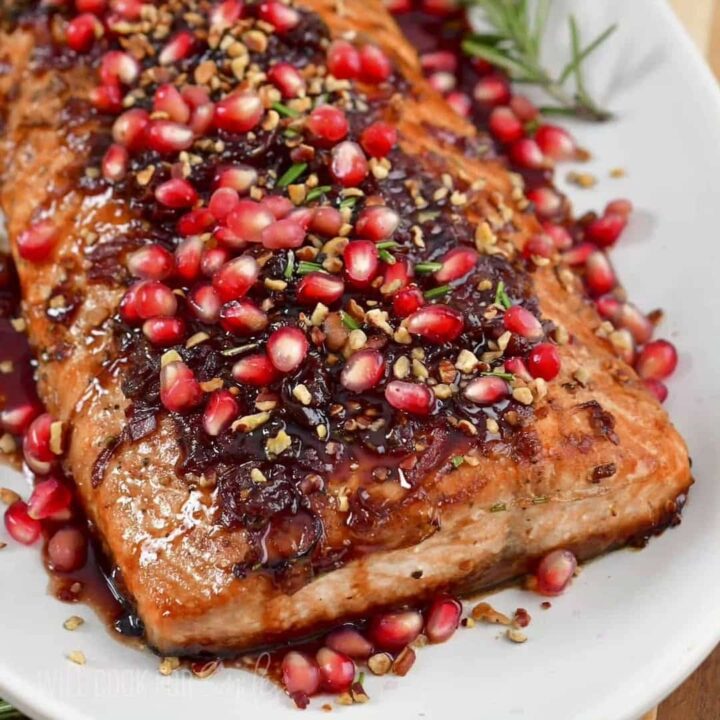
Whole Roasted Salmon Recipe
Image credit: @willcookforsmiles
Ingredients
- The beauty of cooking salmon whole is how simple the ingredients can be.
- You only need a few things to let the fish shine.
- Ingredients
- • 1 whole salmon (2–4 pounds), cleaned
- • 2 tablespoons olive oil
- • 1 lemon, sliced
- • 4 cloves garlic
- • Fresh herbs (dill, parsley, or thyme)
- • Salt
- • Black pepper
- Optional upgrades include a few pats of butter, chili flakes, or even a drizzle of honey.
- But honestly, salmon doesn’t need much help.
Notes
How to Cook Whole Salmon
Cooking a whole fish might sound intimidating, but the process is surprisingly straightforward.
1. Preheat the Oven
Set your oven to 375°F (190°C).
Line a baking sheet with parchment paper or foil. Trust me on this – cleanup will be a lot easier later.
2. Prepare the Fish
Pat the salmon dry with paper towels. This helps the skin roast nicely instead of steaming.
Drizzle the fish with olive oil and rub it over the entire surface. Season generously with salt and black pepper, both inside the cavity and on the outside.
Some cooks like to lightly score the skin with a knife. It’s optional, but it helps seasoning penetrate the fish.
And no – you still don’t need to start filleting.
3. Stuff the Salmon
Now comes the flavor.
Inside the cavity, place:
- Lemon slices
- Garlic cloves
- A handful of fresh herbs
As the fish cooks, the heat releases those aromas and infuses the meat.
It’s a classic chef trick that makes the whole kitchen smell incredible.
4. Roast the Salmon
Place the fish on the baking tray and slide it into the oven.
A good rule of thumb is about 10 minutes of cooking per inch of thickness.
For most whole salmon in the 2–4 pound range, that means 20–30 minutes.
During this time the skin will tighten slightly, the meat will firm up, and the natural oils will keep everything moist.
5. Check for Doneness
The salmon is ready when the flesh turns opaque and flakes easily with a fork.
If you’re using a thermometer, aim for 125–130°F in the thickest part.
Remember: the fish will continue cooking slightly after you remove it from the oven.
6. Serving Without Filleting
Here’s the moment that convinces people they never needed to start filleting in the first place.
Run a spoon or spatula along the backbone and gently lift the top layer of meat.
It separates cleanly from the skeleton.
Once that top layer is removed, you can lift out the entire backbone in one piece, leaving the rest of the meat behind.
Clean, simple, and zero knife work.
Featured image credit: Ville Aalto
