

I’ll let you in on a secret most barbecue guys won’t admit out loud: You don’t need fancy gear to make food taste incredible.
Some of the best cold smoking I’ve ever done happened without a smoker, without electricity, and once – don’t tell my wife – without much of a plan. Just smoke, patience, and a healthy respect for fire.
If you’ve ever tasted cold-smoked cheese and thought, “How is this even legal?” or tried smoked salmon so silky it felt like cheating, you’re already halfway obsessed.
The good news? You can cold smoke at home without owning a smoker, and once you learn the basics, it opens up a whole new flavor playground.
Let’s break it down.
What Is Cold Smoking (And Why People Love It)
Cold smoking is about flavor, not cooking.
That’s the simplest way to explain it.
Unlike hot smoking, where heat and smoke work together to cook meat, cold smoking keeps temperatures low – usually below 90°F (32°C). The food absorbs smoke slowly while staying raw or unchanged in texture.
Think of it as seasoning with smoke.
Cold smoking:
- Adds deep, complex smoky flavor
- Preserves delicate textures (cheese, fish, butter)
- Lets you smoke foods that would melt, dry out, or cook if exposed to heat
And yes, it feels a little magical the first time you do it right.
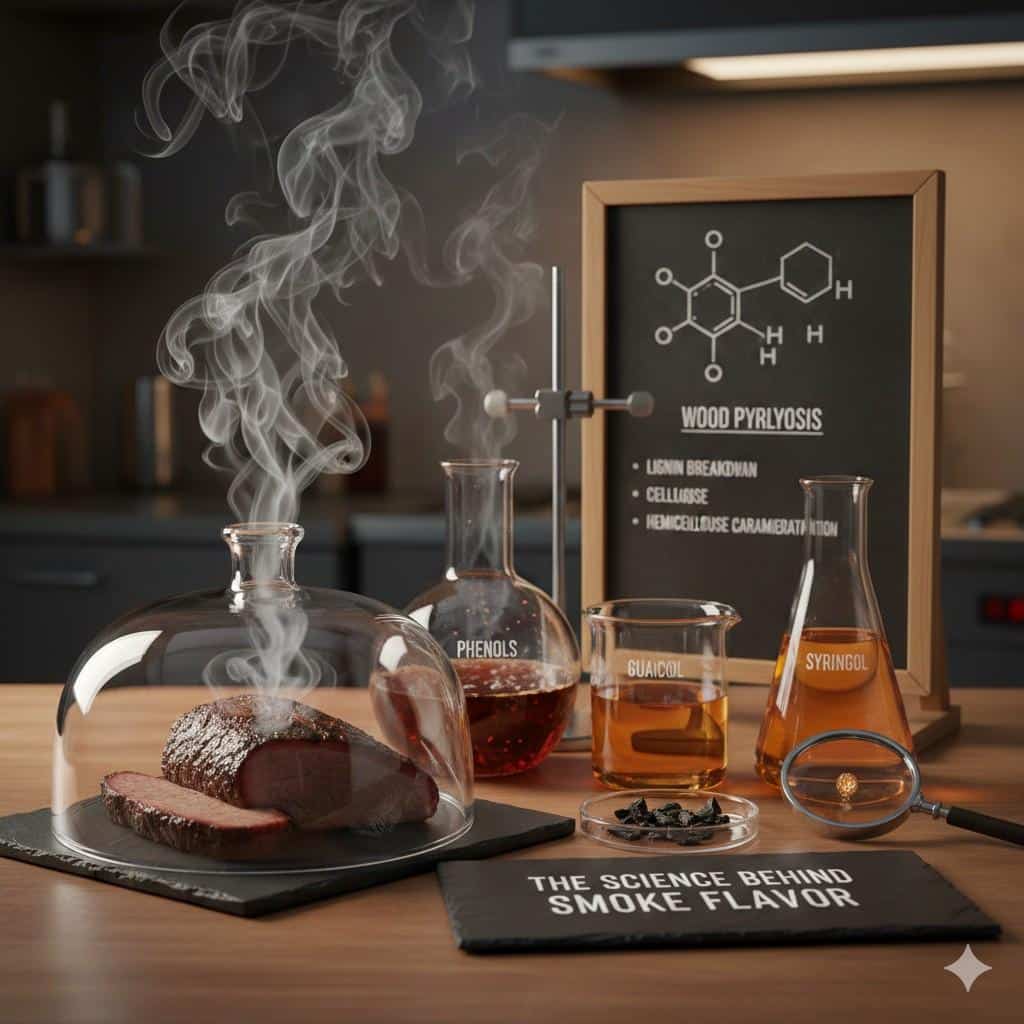
The Science Behind Smoke Flavor
Ever wondered why smoke tastes so good without touching heat? Smoke contains hundreds of compounds – phenols, aldehydes, and acids – that infuse food with complex aromas.
In cold smoking, these molecules gently cling to the surface, creating layers of flavor without altering texture. Think of it as seasoning your food at a molecular level.
- Phenols add sweetness and depth
- Aldehydes contribute smoky sharpness
- Acids enhance savory notes
The magic lies in time and exposure. Too little, and your cheese or fish is bland; too much, and it tastes bitter. Cold smoking gives you control over the intensity and lets you experiment with subtle flavor adjustments.
Understanding the science means you’re no longer guessing – you’re crafting smoke like a chef, not a gambler. Once you grasp it, each session becomes a culinary experiment with delicious results.
Cold Smoking vs Hot Smoking (Quick Reality Check)
Cold smoking adds smoke flavor without cooking by keeping temperatures low, making it ideal for cheese, fish, and delicate foods. Hot smoking uses both heat and smoke to fully cook food, delivering bold flavor and tender texture for meats like ribs, brisket, and chicken.
This is where beginners often get tripped up.
Hot smoking:
- Uses heat + smoke
- Cooks food
- Think brisket, ribs, chicken
Cold smoking:
- Uses smoke only
- Does not cook food
- Think cheese, cured fish, nuts
Here’s the pitmaster rule of thumb:
If you want smoke flavor anddinner, hot smoke.
If you want smoke flavor andfinesse, cold smoke.
They’re different tools for different jobs. Neither is better. They just shine in different ways.
Is Cold Smoking Safe? (Yes – If You Respect It)
Let’s address the elephant in the smokehouse.
Cold smoking can be unsafe if you don’t know what you’re doing.
It can also be completely fine when done correctly.
The main risk comes from temperature control and moisture. Bacteria love warm, damp environments, and cold smoking lives right near that danger zone if you’re careless.
Here’s how pitmasters stay safe:
- Keep temperatures below 90°F, ideally under 80°F
- Stick to foods that are safe to cold smoke
- Cure fish properly before smoking
- Refrigerate foods before and after
- Cold smoke for flavor, not preservation (unless you really know your stuff)
For beginners, cold smoking is about adding flavor, not making shelf-stable food. That’s an important mindset shift.
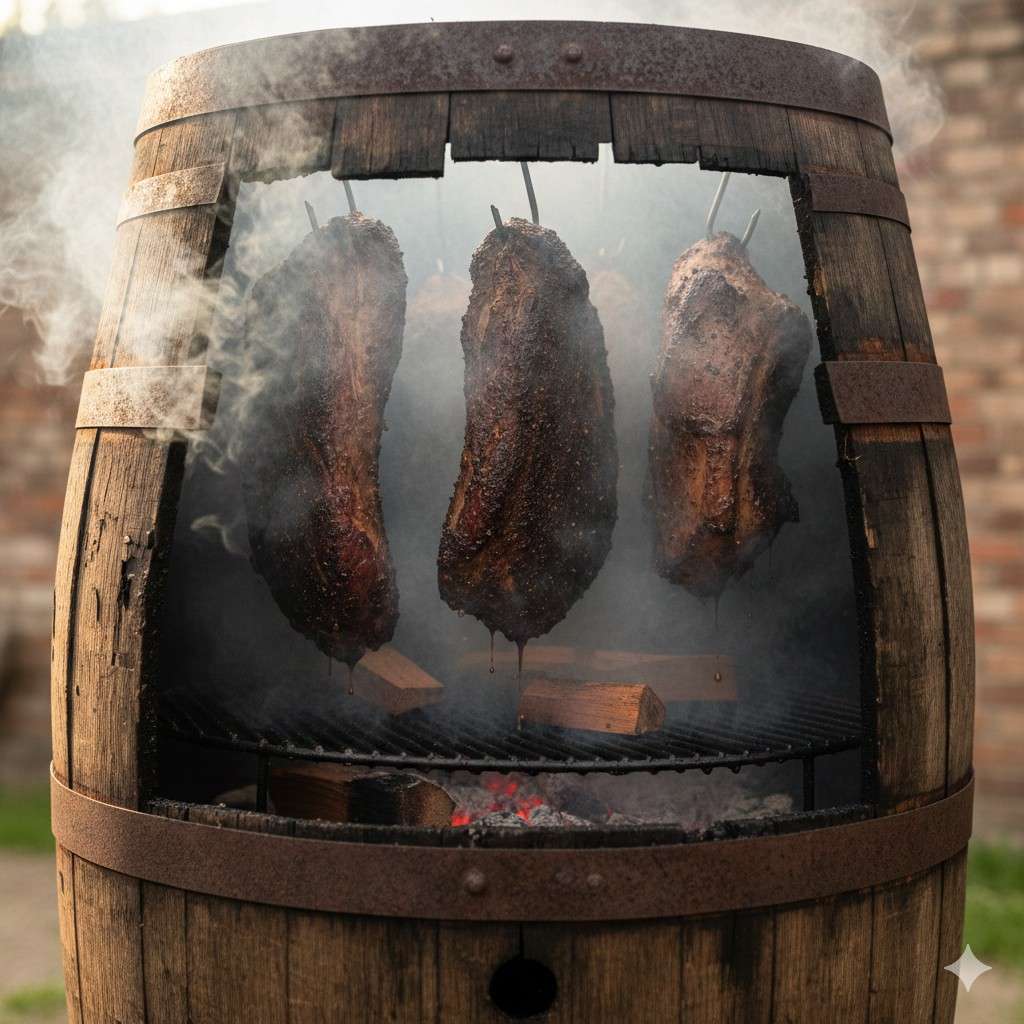
How Cold Smoking Works Without a Smoker
Cold smoking without a smoker is all about one simple trick: keeping the smoke while ditching the heat. By creating smoke away from your food and letting it drift in gently, you get deep smoky flavor without cooking, melting, or ruining delicate ingredients.
Here’s the fun part.
Cold smoking is all about separating smoke from heat.
You want smoke drifting gently over food – not blasting it like a jet engine.
You can do this with surprisingly simple setups.
The Basic Principle
- Smoke is generated away from the food
- Smoke travels into an enclosed space
- Heat dissipates before it reaches the food
That’s it. Everything else is just creativity.
Common No-Smoker Setups
- A grill with the fire on one side and food on the other
- A cardboard box or wooden crate with ventilation
- A smoke tube or pellet maze inside a closed grill
- A DIY ducting setup (for the truly committed)
I’ve cold smoked cheese in a kettle grill using nothing but a smoke tube and patience. It worked beautifully – and cost less than a takeout pizza.
Tools You’ll Actually Need (Not a Shopping List Trap)
You don’t need much, but what you do need matters.
Essentials:
- Wood chips, pellets, or sawdust
- A smoke tube, maze, or DIY smoke source
- A thermometer (this is non-negotiable)
- Cooling racks or mesh for airflow
- Some kind of enclosed space
Optional but helpful:
- Extra thermometer probe
- Ice pans for hot days
- Notebook to track times and results
Remember: Cold smoking rewards control, not complexity.
Choosing the Right Wood (This Matters More Than You Think)
When it comes to cold smoking, wood choice isn’t a background detail – it’s the main character. Because there’s no heat to mellow things out, the wrong wood can overpower your food fast, while the right one delivers clean, balanced smoke magic.
Cold smoking is gentle, which means wood flavor comes through clearly.
Mild woods are your friend.
Great choices:
- Apple
- Cherry
- Maple
- Alder
Stronger woods like hickory or mesquite can work – but go light. Cold smoke magnifies mistakes.
Pitmaster advice:
If you’re unsure, choose apple. It almost never ruins anything.
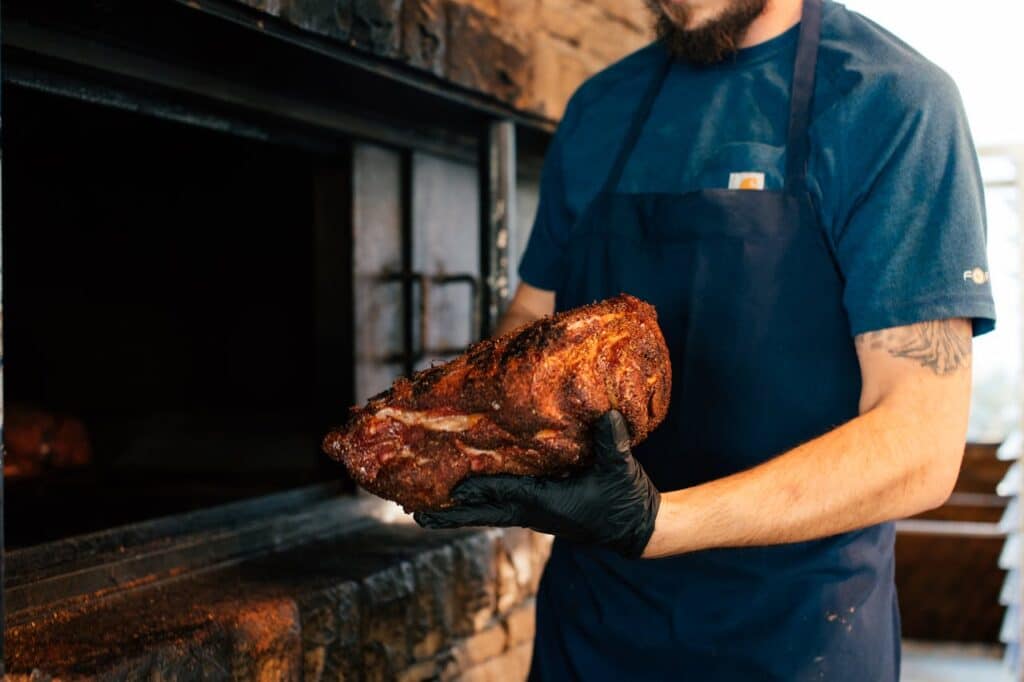
DIY Cold Smoking Setups That Actually Work
Not ready to splurge on a smoker? No problem. There are plenty of DIY cold smoking setups that deliver professional results with everyday gear. The principle is simple: generate smoke separately and guide it to your food without heat.
Some easy setups:
- Two-zone grill: fire on one side, food on the other
- Cardboard box smoker: ventilated, lightweight, portable
- Smoke tube in a covered pan: slow, controlled smoke for small batches
For the truly adventurous, you can even duct smoke from a kettle grill into a cooler. The key is airflow, temperature control, and patience.
These setups may look homegrown, but the results are impressively gourmet, and they teach you more about smoke behavior than a $1,000 smoker ever could.
Plus, it’s fun to brag about how you “invented” a smoker in your garage.
Cold Smoking Cheese (The Gateway Drug)
If cold smoking had a starter pack, cheese would be on the cover, front and center, smiling like it knows it’s about to change your life.
It’s forgiving, fast, and wildly rewarding – making it the perfect first step that hooks most pitmasters and sends them chasing smoke down a very tasty rabbit hole.
Best Cheeses to Start With
- Cheddar
- Gouda
- Monterey Jack
- Colby
- Mozzarella (low moisture)
Avoid soft cheeses at first. They’re drama queens.
How to Cold Smoke Cheese
- Cut cheese into blocks (more surface = more smoke)
- Chill it well before smoking
- Keep temps below 80°F
- Smoke lightly for 1–3 hours
- Wrap and rest in the fridge for 1–2 weeks
Here’s the magic most beginners miss:
Freshly smoked cheese tastes harsh.
Rested cheese tastes incredible.
That waiting period lets the smoke mellow and blend. It’s the difference between “campfire” and “wow.”
Cold Smoking Fish (Where Technique Really Matters)
Cold smoking fish is where the fun stops being casual and starts rewarding precision, because small details make a big difference. Get the cure, temperature, and timing right, and you’ll end up with silky, restaurant-level fish that tastes like pure smoke-kissed finesse.
Cold-smoked fish is elegant. It’s also less forgiving.
Best Fish for Cold Smoking
- Salmon
- Trout
- Arctic char
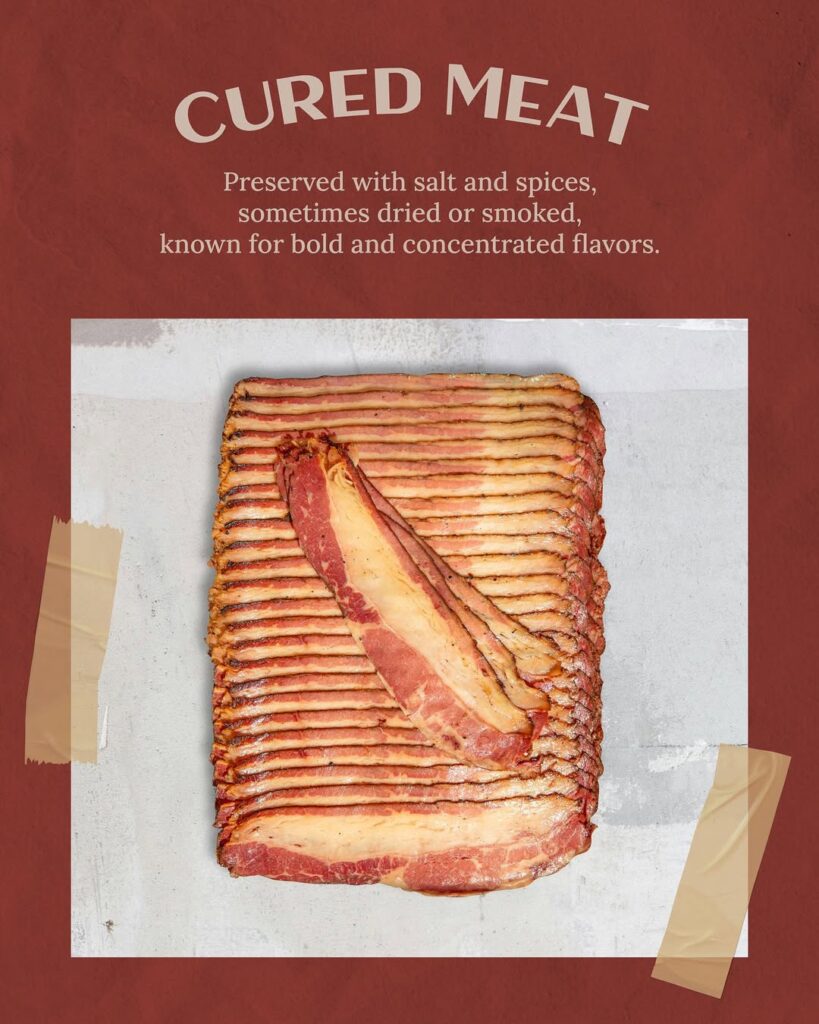
The Non-Negotiable Step: Curing
Fish must be cured before cold smoking. No shortcuts.
A basic cure:
- Salt
- Sugar
- Optional herbs and spices
Cure draws out moisture, improves texture, and makes the fish safer.
After curing:
- Rinse
- Pat dry
- Air-dry until a pellicle forms (that tacky surface)
That pellicle is smoke glue. Respect it.
Cold smoke fish at 70–80°F until lightly smoky. This is about finesse, not speed.
Other Foods You Can Cold Smoke (And Impress People With)
Once you get the hang of cold smoking, it’s surprisingly addictive, and you’ll start seeing opportunities everywhere.
From nuts and butter to salts, herbs, and even cooked meats, there’s a whole world of foods you can transform with smoke – and each one is a chance to wow friends and family with flavors they didn’t know existed.
Fantastic options:
- Butter (dangerously good)
- Nuts (almonds, pecans, cashews)
- Salt (smoked salt changes everything)
- Garlic
- Cooked meats (for added flavor, not cooking)
Cold-smoked butter on a steak is unfair to everyone else at the table.
The Role of Temperature and Humidity
Cold smoking isn’t just about smoke – it’s about control. Temperature and humidity dictate how smoke adheres, penetrates, and develops flavor.
- Temperature: Keep below 90°F, ideally under 80°F for cheese and delicate foods
- Humidity: Too dry, smoke won’t stick; too wet, you risk condensation and bacterial growth
Small tweaks make huge differences. A humid day may let smoke cling better, while a dry, windy afternoon could dry out cheese or fish. Pitmasters track conditions like weather nerds – thermometers and hygrometers become essential tools.
The takeaway: cold smoking is a science-meets-art practice. By observing and adjusting your environment, you maximize flavor and minimize risk, ensuring every batch hits that “wow” factor without surprises.
How to Layer Smoke for Complex Flavors
Once you’ve mastered the basics, it’s time to think like a flavor architect. Cold smoking isn’t just about sticking smoke on top – it’s about layering and balancing flavors over time.
- Start mild, with fruit woods like apple or cherry
- Gradually introduce stronger woods like oak or hickory for depth
- Experiment with combinations for subtle spice or sweetness
The idea is to build complexity without overpowering the food. Each layer adds nuance, creating a smoked profile that’s deep and satisfying, even in simple dishes like buttered fish or smoked nuts.
Think of it as painting with smoke: the right colors and textures elevate your food from “good” to “jaw-droppingly impressive.”

Cold Smoking on a Budget
Believe it or not, you don’t need a high-end smoker or pricey accessories to start cold smoking. Budget-friendly setups work just as well if you understand the principles.
- Use a cardboard box, cooler, or metal tray for your food chamber
- Make a homemade smoke generator with wood chips and foil
- Keep thermometers and racks simple – precision over fancy tools
The beauty of budget cold smoking is that it forces creativity and experimentation. You learn airflow, smoke intensity, and wood behavior faster than someone relying on expensive gadgets.
And when friends taste your results, they’ll never guess you did it on a shoestring budget. Best part? You can upgrade gear later, but the skills and flavor instincts you develop now are priceless.
Tracking Results and Developing Your Signature Smoke
Cold smoking is as much about learning and refining as it is about flavor. Keeping notes transforms each session into a roadmap for perfection.
Track:
- Wood type and combinations
- Duration of smoke exposure
- Temperature and humidity
- Resting and curing times
Over time, patterns emerge. You’ll know which woods pair best with certain cheeses, how long trout should stay in smoke, and when butter hits that magical flavor threshold. Eventually, you can develop a signature smoke profile – your personal flavor fingerprint.
Pitmasters live for this: that moment when friends taste your creation and say, “There’s something different here… what is it?” That’s your signature, crafted carefully, one smoky layer at a time.
Common Beginner Mistakes (We’ve All Made Them)
I’ve done every one of these. You might too.
- Letting temps creep too high
- Over-smoking delicate foods
- Skipping the resting period
- Poor airflow
- Using too much strong wood
Cold smoking punishes impatience. Slow down. The food will thank you.
Pro Tips for Better Cold Smoking Flavor
A few lessons earned the smoky way:
- Less smoke is more
- Short sessions beat marathon smokes
- Cold weather is your ally
- Take notes – future you will appreciate it
And remember:
You can always add more smoke.
You can’t take it away.
Frequently Asked Questions
Can you cold smoke indoors?
No. Full stop. Smoke belongs outside unless you enjoy explaining things to firefighters.
Does cold smoking preserve food?
Not by itself. Think flavor enhancement, not food storage.
Is cold-smoked food raw?
Often, yes. That’s why curing and refrigeration matter.
Do I need special equipment?
No. You need control, patience, and a thermometer.
Is Cold Smoking Without a Smoker Worth It?
Absolutely.
Cold smoking opens a whole new side of barbecue and food craft.
It’s slower. It’s quieter. It rewards curiosity more than brute force.
You don’t need a smoker.
You don’t need fancy gear.
You just need smoke, restraint, and a willingness to learn.
And once you taste your first properly rested cold-smoked cheese or silky smoked salmon, you’ll understand why pitmasters smile when the fire is barely burning.
Featured image credit: Google Gemini
