
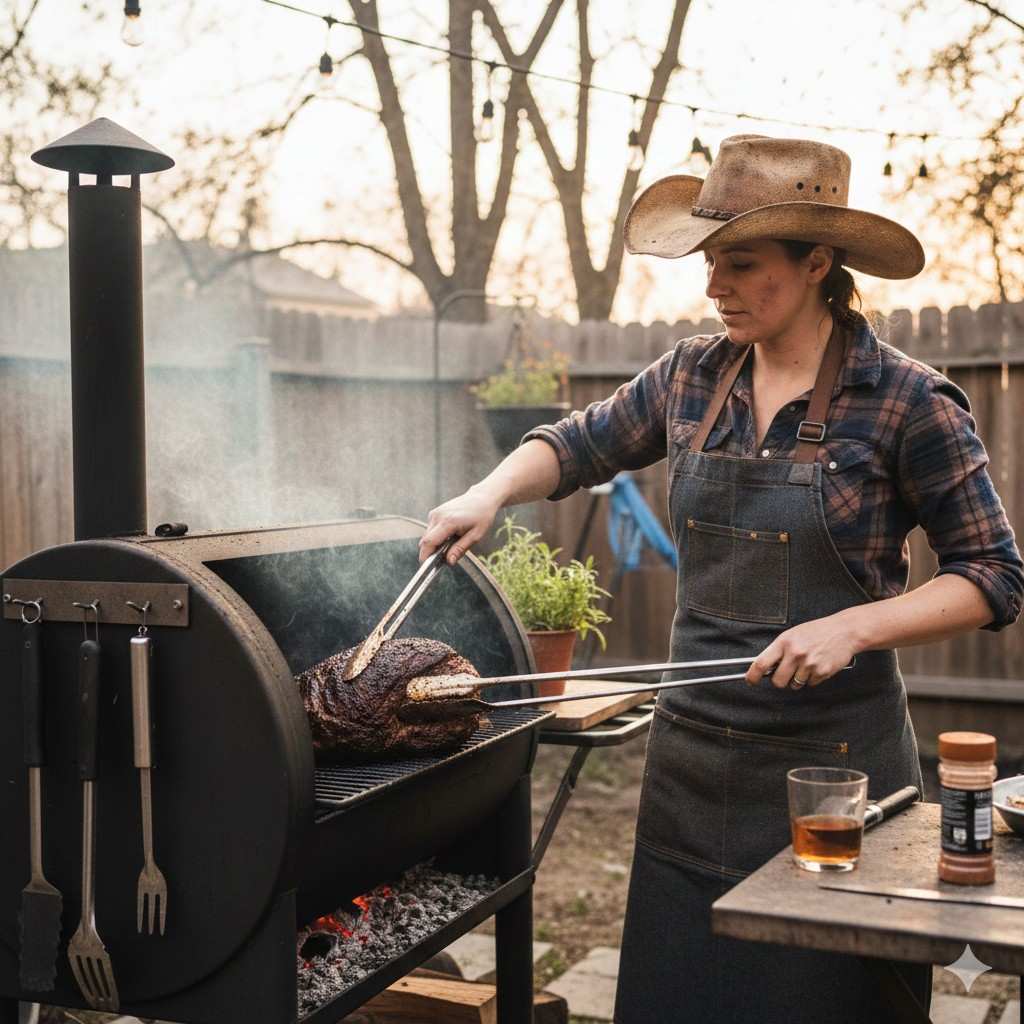
From the pitmaster’s cutting board to your dinner table
If you hang around barbecue pits long enough, you’ll hear a lot of chatter about brisket, ribs, and steaks that cost more than your electricity bill.
But the real workhorse of the beef world – the cut that quietly feeds families, fuels stews, and wins backyard cookouts – is the chuck roast.
I’ve cooked chuck roast in just about every way you can imagine: buried in a Dutch oven during a rainstorm, smoked overnight while babysitting a fire, rushed in a pressure cooker on a weeknight when guests showed up hungry.
Every time, it proves the same point:
Chuck roast isn’t fancy – but it’s honest, flavorful, and forgiving.
This article is your deep dive into where chuck roast comes from, why it tastes so good, and how to cook it so it eats like a much pricier cut. No culinary fluff. No butcher-shop mystery.
Just straight talk from someone who’s burned a few roasts so you don’t have to.
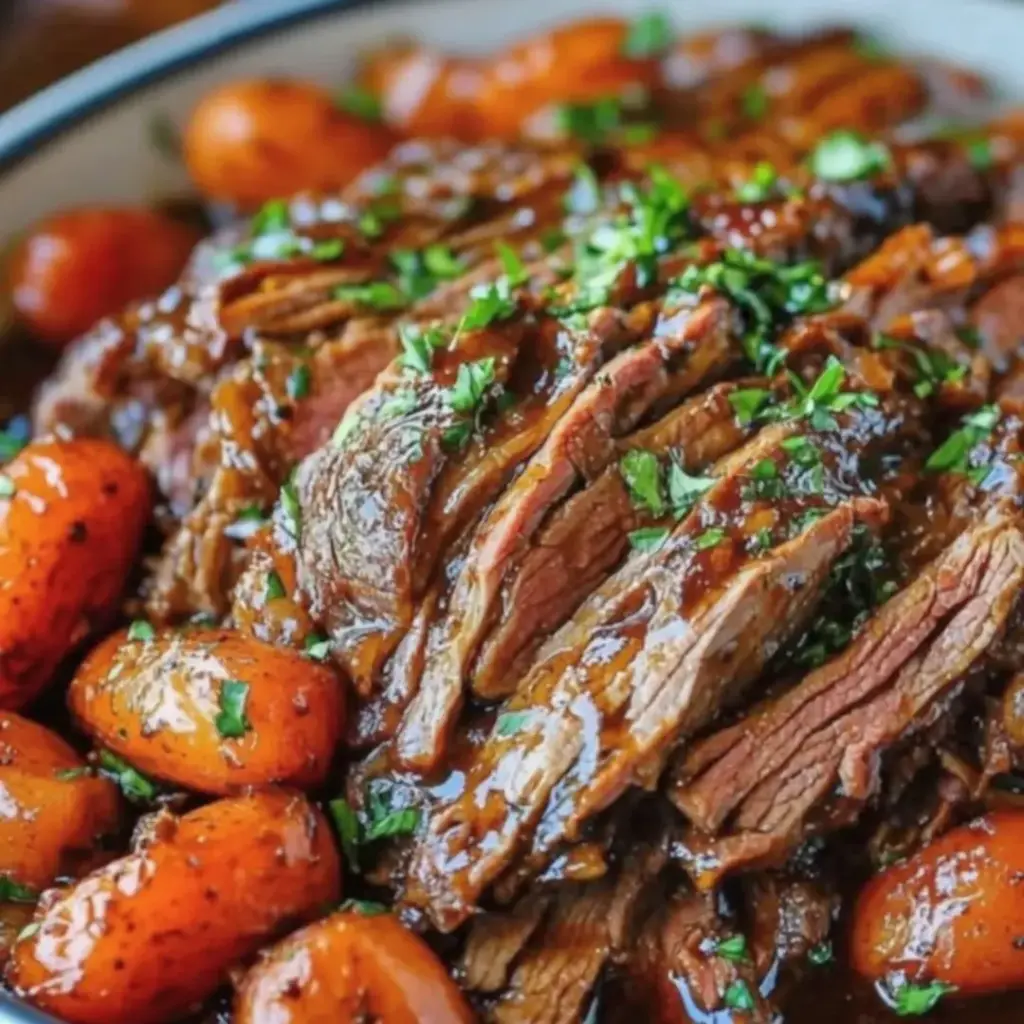
Where Chuck Roast Comes From (And Why That Matters)
Let’s start at the source – because location on the cow determines everything.
The Chuck Primal Cut
The chuck roast comes from the shoulder and upper neck area of the cow. This part of the animal does a lot of work. It lifts. It twists. It supports weight all day long.
That means:
- Lots of muscle
- Plenty of connective tissue
- Great beef flavor
- Not naturally tender
In other words, chuck roast is built like a pickup truck, not a sports car.
Common Chuck Roast Variations
When you’re standing at the meat counter, “chuck roast” can mean a few things:
- Chuck Eye Roast – Closest to the ribeye, slightly more tender
- Blade Roast – Has a seam of connective tissue that melts beautifully
- Shoulder or Arm Roast – Leaner, still flavorful, needs slow cooking
They all share one thing in common: they shine when cooked low and slow.
Key point: Chuck roast isn’t tough – it’s misunderstood.
Why Chuck Roast Has Such Big Flavor
If ribeye is buttery and filet is delicate, chuck roast is bold and beefy. This is the flavor pitmasters love, because smoke, seasoning, and time all have something to work with.
Natural Beefiness
Chuck roast has:
- Good marbling
- Dense muscle fibers
- Fat that renders instead of dripping away
That fat doesn’t just add richness – it carries flavor. It’s why chuck roast tastes like beef, not just protein.
Texture: From Tough to Tender
Raw chuck roast feels firm. That scares people. But once you cook it properly, magic happens.
Here’s the trick:
- The connective tissue is full of collagen
- Cook it slowly at moderate heat
- Collagen turns into gelatin
That’s the moment chuck roast goes from “chewy” to fork-tender and juicy.
Pitmaster rule: If chuck roast is tough, it just needs more time – not more heat.
Chuck Roast vs Other Popular Roasts
People always ask, “Why not just buy brisket?” Fair question.
- Chuck Roast vs Brisket
Brisket has two muscles and more fat, but chuck roast is easier, cheaper, and more forgiving.
- Chuck Roast vs Round Roast
Round is lean and dries out easily. Chuck has flavor insurance.
- Chuck Roast vs Rib Roast
Rib roast is tender but expensive. Chuck roast is the blue-collar hero.
Bottom line: Chuck roast delivers the best flavor-to-dollar ratio in the beef case.
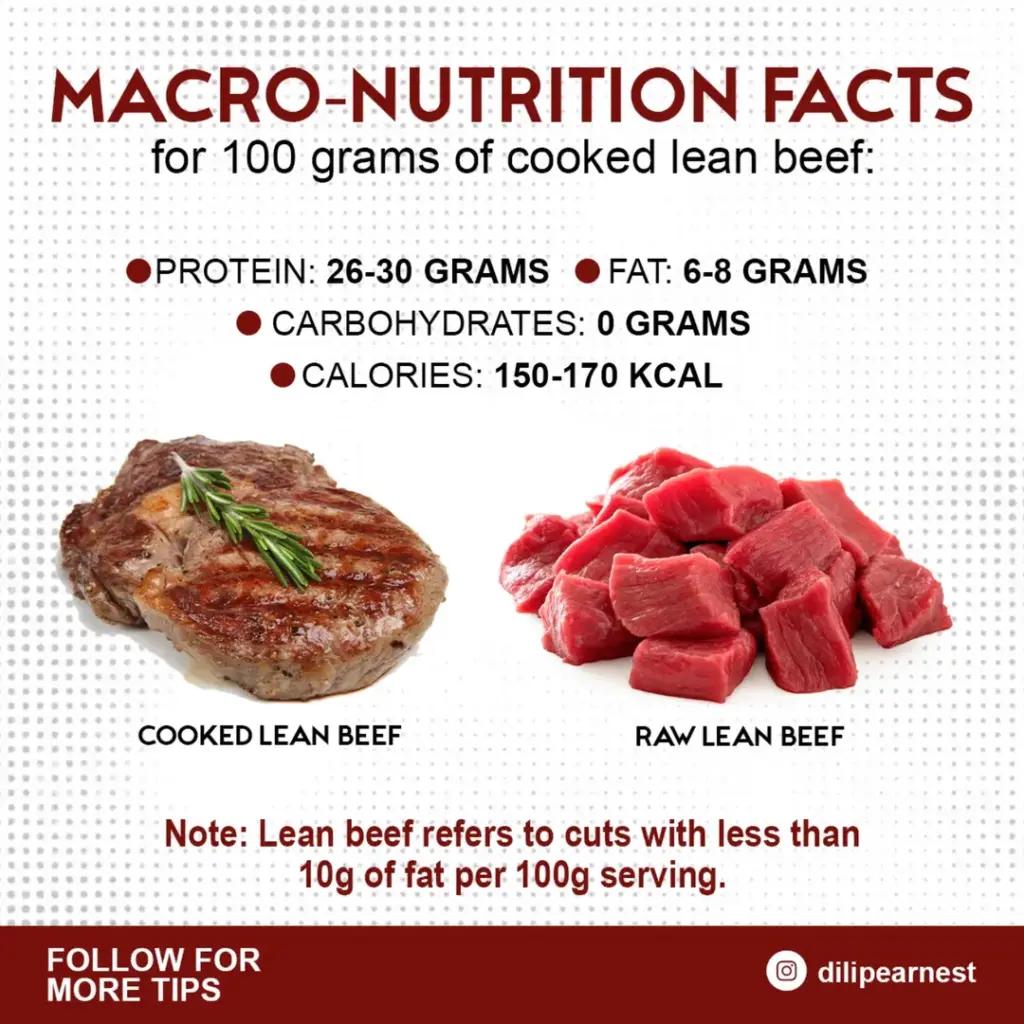
Nutritional Value of Chuck Roast
Chuck roast isn’t just tasty – it pulls its weight nutritionally.
- High-quality protein for muscle repair
- Iron and zinc for energy and immunity
- B vitamins for metabolism
Yes, it has fat – but that’s part of the deal. Fat equals flavor, and moderation is a cook’s responsibility, not the cow’s fault.
Grass-fed chuck roast tends to be:
- Slightly leaner
- More mineral-forward
- A bit firmer in texture
Grain-fed chuck roast:
- More marbling
- Richer mouthfeel
- More forgiving for beginners
The Best Cooking Methods for Chuck Roast
This is where chuck roast really earns its paycheck.
1. Braising: The Classic
If chuck roast had a home address, it would be a Dutch oven.
Braising means:
- Sear first for flavor
- Add liquid (broth, wine, beer)
- Cook covered, low and slow
After a few hours, the meat practically pulls itself apart. The liquid becomes sauce. The house smells like you know what you’re doing.
Best liquids:
Beef stock, red wine, tomato-based sauces, dark beer
2. Slow Cooker (Crockpot)
Chuck roast and slow cookers are old friends.
Set it in the morning. Forget it all day. Come home a hero.
Tips from the pit:
- Still sear the meat first
- Don’t drown it – too much liquid dilutes flavor
- Add vegetables halfway through so they don’t turn to mush
3. Oven Roasting (Low and Slow)
This isn’t high-heat roasting like a rib roast. This is controlled patience.
- Oven temp: 275–325°F
- Covered tightly
- Internal temp goal: 195–205°F
That range is where collagen fully melts. Anything lower and it stays chewy.
4. Pressure Cooker / Instant Pot
The cheat code.
You trade a little texture finesse for speed. In under two hours, you get tender chuck roast that shreds beautifully.
Perfect for:
- Weeknights
- Shredded beef tacos
- Sandwiches and meal prep
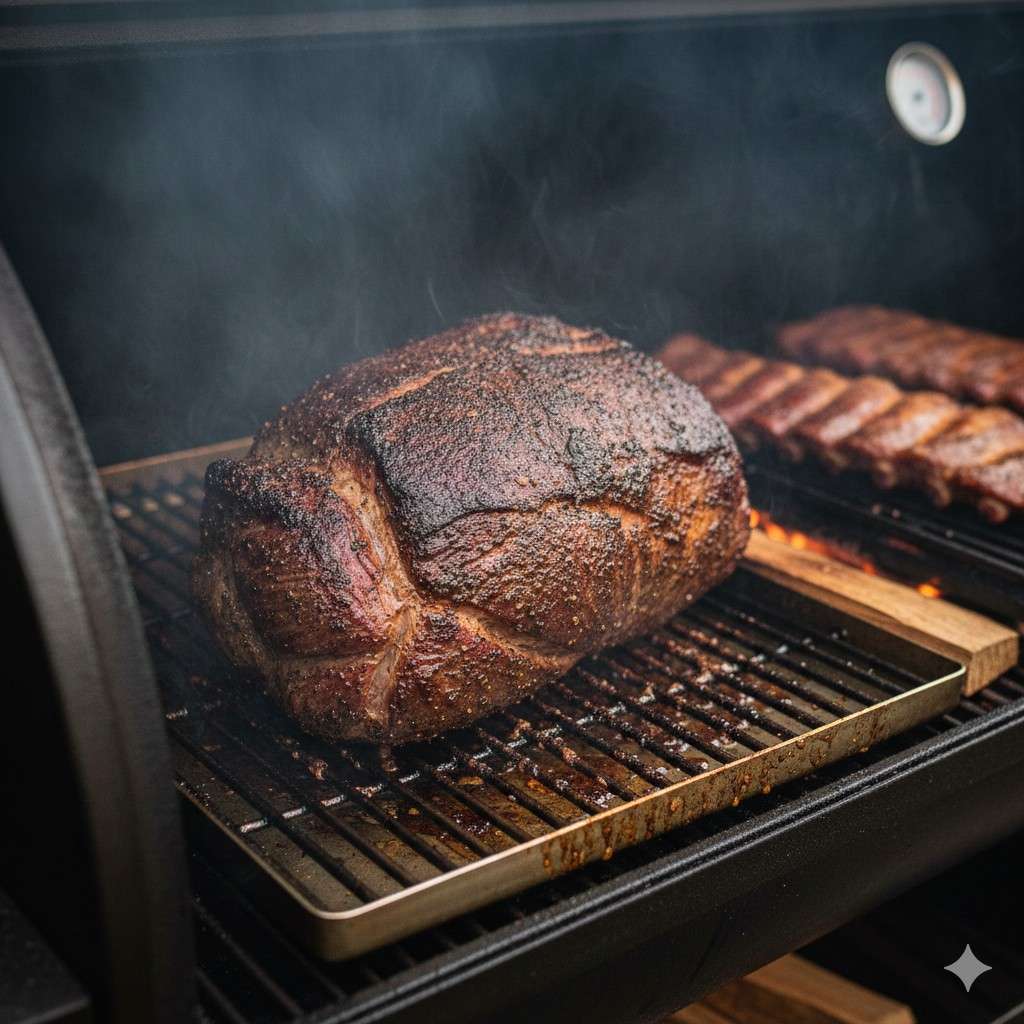
5. Smoking Chuck Roast
Now we’re talking pitmaster territory.
Chuck roast is one of the best beginner smoking cuts:
- More forgiving than brisket
- Takes smoke beautifully
- Handles long cooks well
Smoke it like brisket:
- 225–250°F
- Oak or hickory
- Wrap at the stall if needed
When it’s probe-tender, it’s done. No clock required.
Pit truth: Smoked chuck roast is brisket’s underrated cousin.
Seasoning Chuck Roast Like a Pro
Chuck roast doesn’t need fancy rubs. It needs respect.
Start simple:
- Salt (early, if possible)
- Black pepper
- Garlic
From there, you can build:
- Herbs for braising
- Chilies for shredding
- Coffee or cocoa for smoking
Marinades are optional. Chuck roast already has flavor – you’re just guiding it, not disguising it.
The Science of Collagen: Why Chuck Roast Loves Time
Here’s the part most recipes skip. Chuck roast is loaded with collagen, not fat. Collagen is the tough connective tissue that holds hardworking muscles together. When cooked fast, it fights back.
When cooked slow, it melts into gelatin, and that’s where the magic happens.
At around 160–180°F, collagen begins to loosen. Push past 190°F, and it fully transforms. This is why chuck roast seems stubborn at first and then suddenly turns buttery. That “stall” people complain about? That’s collagen breaking down.
Key takeaway: Chuck roast doesn’t get tender by chance – it gets tender by chemistry. Give it time, moisture, and patience, and it rewards you with deep flavor, silky texture, and rich mouthfeel that lean cuts can’t touch.
Resting Chuck Roast: The Step Everyone Rushes
You wouldn’t pull a cake out of the oven and slice it immediately. Same logic applies to chuck roast.
When chuck roast finishes cooking, its juices are still in motion. Slice too early, and they run out like kids at recess. Let it rest – at least 20–30 minutes – and those juices redistribute back into the meat.
For smoked or braised chuck roast, resting also allows:
- Gelatin to set slightly
- Fibers to relax
- Flavor to stabilize
Wrap it loosely in foil or leave it in the cooking vessel, lid cracked. The meat stays hot and gets better by the minute.
Pitmaster tip: Resting isn’t downtime – it’s the final cooking stage. Skip it, and you undo hours of good work.
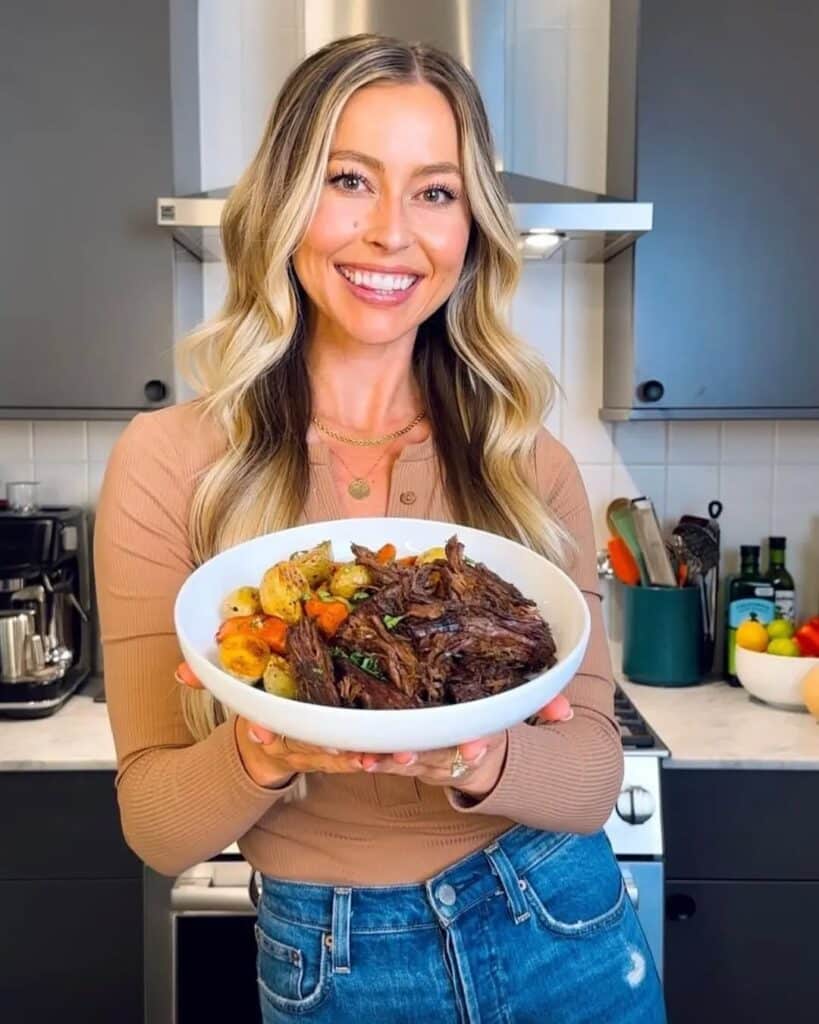
How Chuck Roast Handles Leftovers Better Than Most Cuts
Some meats die in the fridge. Chuck roast thrives there.
Because of its high gelatin content, chuck roast actually improves overnight. As it cools, the gelatin firms up, locking moisture inside. Reheat it gently, and it turns juicy all over again.
This makes chuck roast ideal for:
- Meal prep
- Batch cooking
- Next-day sandwiches
- Shredded beef bowls
The trick is reheating low and slow with a little moisture. Broth, gravy, or even a splash of water keeps it from drying out.
Key phrase to remember: Chuck roast is a second-day superstar. Few cuts reward you twice for the same cook.
Cutting Chuck Roast Correctly: Against the Grain Matters
You can cook chuck roast perfectly and still ruin it with a knife.
Chuck roast has long, clearly defined muscle fibers. Slice with the grain, and every bite feels like a tug-of-war. Slice against the grain, and those fibers shorten, making each bite tender.
How to spot the grain:
- Look for long lines running through the meat
- Rotate the roast if needed before slicing
- Don’t assume one direction – chuck roast can change grain mid-cut
For shredding, this matters less. For slicing? It matters a lot.
Pit rule: A sharp knife and the right angle can turn a good chuck roast into a great one.
Chuck Roast as a Budget Alternative to Premium Cuts
Here’s the dirty little secret of the meat world: Chuck roast can mimic expensive cuts when cooked correctly.
Smoked chuck roast can rival brisket. Braised chuck can eat like short ribs. Shredded chuck can stand in for barbacoa or pulled beef without anyone noticing.
Why? Because flavor comes from:
- Fat
- Time
- Technique
Not price tags.
Chuck roast lets home cooks practice advanced techniques without risking a $100 cut of beef. If you mess up, you learn. If you nail it, you win big.
Key phrase: Chuck roast is the thinking cook’s cut – maximum return, minimal risk.
Chuck Roast Across Cultures: A Global Workhorse
Chuck roast isn’t just an American comfort-food staple. Around the world, this cut – or its equivalent – shows up everywhere.
- In Mexico, it becomes barbacoa
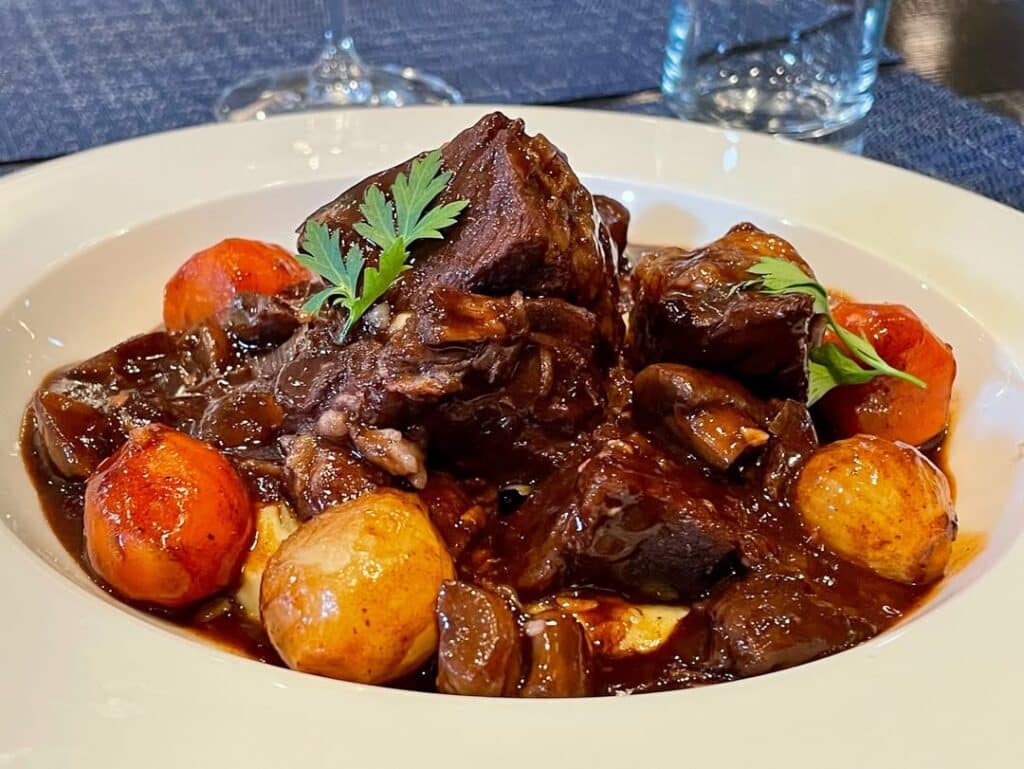
- In France, it stars in boeuf bourguignon
- In Korea, similar shoulder cuts are slow-braised with soy and aromatics
- In Italy, it simmers for hours in rich tomato sauces
Different flavors, same principle: slow cooking transforms tough muscle into luxury.
Seeing chuck roast through a global lens opens up new seasoning ideas and techniques. The cut stays the same – the personality changes.
When Chuck Roast Fails: How to Rescue It
Even experienced cooks miss sometimes. The good news? Chuck roast is forgiving – even after mistakes.
If it’s tough:
- Put it back on heat
- Add liquid
- Give it more time
If it’s dry:
- Shred it
- Mix with sauce or broth
- Turn it into tacos, stew, or hash
If it’s bland:
- Reduce the cooking liquid
- Finish with acid (vinegar, wine, citrus)
- Season at the end
Final pit truth: Chuck roast rarely fails completely – it just asks for a course correction.
How Salt Timing Changes Chuck Roast Texture
Salt isn’t just seasoning – it’s a tool.
Salt chuck roast early (12–24 hours ahead), and it:
- Penetrates deep into the meat
- Helps retain moisture
- Improves overall tenderness
Salt right before cooking, and you get surface flavor but less internal seasoning. Both work – but early salting gives you an edge.
This is especially important for large chuck roasts, where seasoning needs time to travel.
Avoid heavy salting mid-cook unless you’re adjusting sauce or liquid. At that point, the meat has already taken what it can.
Pit insight: Salt doesn’t just flavor chuck roast – it teaches it how to behave.
How to Pick the Best Chuck Roast at the Store
This part separates cooks from shoppers.
Look for:
- Good marbling (thin white lines throughout)
- Even thickness
- Firm, bright red meat
Skip:
- Large hard fat caps
- Grayish color
- Super-thin cuts
Bone-in chuck roasts add flavor but take longer. Boneless is easier and more predictable.
USDA Choice is the sweet spot. Prime is great but often unnecessary for chuck roast.

Common Chuck Roast Mistakes (I’ve Made Them All)
Let’s save you some pain.
- Cooking it too hot
Fast heat tightens muscle fibers.
- Pulling it too early
Tenderness happens after the stall.
- Under-seasoning
Chuck roast is thick – it needs confident seasoning.
- Cutting with the grain
Always slice against it unless you’re shredding.
Classic Dishes That Love Chuck Roast
Chuck roast is a team player.
- Pot roast that tastes like childhood
- Beef stew with body and depth
- Shredded beef for tacos and sandwiches
- Barbacoa that melts into tortillas
- Beef bourguignon that makes you feel fancy
Chuck Roast FAQs (Pit Edition)
Is chuck roast tough?
Only if you rush it.
Can you grill chuck roast?
Indirect heat, low and slow – yes.
Best internal temperature?
195–205°F for tenderness.
Can chuck roast be medium-rare?
Nope. Wrong cut. Wrong goal.
Why Chuck Roast Deserves Respect
Chuck roast is proof that great food doesn’t have to be expensive or complicated. It rewards patience, teaches technique, and feeds a crowd without showing off.
If you learn how to cook chuck roast, you’re not just learning a recipe – you’re learning how meat works.
And once you understand that?
You can cook just about anything.
Featured image credit: Google Gemini

I’m a competition Bbq’er and I really enjoyed this article. It raised my interest in using chuck in the art of cooking Bbq
Thanks Again
Mark Wheeler
The old Baster