

(Written from the smoke-stained perspective of a pitmaster who’s burned enough oak to know better)
BBQ Is Bigger Than Two States
Say “barbecue” out loud and watch what happens.
Someone yells Texas brisket.
Someone else fires back Carolina whole hog.
Then someone inevitably says, “California? That’s just grilling.”
I’ve heard it a thousand times – usually from someone who’s never stood next to a Santa Maria pit, watched red oak crackle, or sliced into a perfectly cooked tri-tip with juice running down their wrist.
Here’s the truth, straight from the pit:
👉 California BBQ is real BBQ.
👉 It has history, rules, signature cuts, and regional pride.
👉 And it doesn’t need Texas or Carolina’s permission to exist.
California BBQ isn’t about copying anyone else. It’s about open fires, bold beef, fresh ingredients, and a style that reflects the state itself – diverse, innovative, and a little rebellious.
Pull up a chair. I’ll show you how it works.
What Actually Defines a BBQ “Style”?
Before anyone starts waving a brisket like a badge of honor, let’s get one thing straight:
A barbecue style isn’t defined by one meat or one sauce.
A real BBQ style usually has:
- A signature cut of meat
- A preferred cooking method
- A traditional fuel source
- A regional flavor philosophy
- Cultural roots that repeat over generations
Texas has brisket.
Carolina has pork and vinegar.
Memphis loves ribs.
Kansas City likes everything… covered in sauce.
And California BBQ? It checks every box – just in a different way.
The Origins of California BBQ: Fire Before Sauce
Before the Pitmasters Came the Fire
Long before Instagram smokers and offset trailers, California was already cooking meat over open flames.
- Indigenous tribes used live fire cooking for game and fish.
- Spanish rancheros and vaqueros cooked beef over hardwood pits.
- BBQ wasn’t a restaurant – it was a community event.
This matters, because California BBQ was born from necessity and celebration, not competition trophies.
Enter the Central Coast Ranch Culture
By the late 1800s and early 1900s, ranching ruled California’s Central Coast. Beef was plentiful. Cooking had to feed crowds. And the solution was simple:
Big cuts of beef.
Live fire.
Minimal seasoning.
That’s not a trend.
That’s tradition.
Santa Maria–Style BBQ: The Backbone of California BBQ
If California BBQ has a capital city, it’s Santa Maria.
The Star of the Show: Tri-Tip
Let’s settle this right now:
Tri-tip is the defining cut of California BBQ.
It’s:
- A triangular muscle from the bottom sirloin
- Leaner than brisket, beefier than steak
- Cooked hot and fast compared to low-and-slow smoking
Why tri-tip?
Because ranchers needed:
- A cut that cooked evenly
- Fed a crowd
- Didn’t require a 14-hour babysitting session
And once you cook it right, you don’t forget it.
How Santa Maria BBQ Is Cooked
This is where people get confused.
California BBQ isn’t always smoked for half a day.
It’s often grilled over live fire – and that’s still barbecue.
Traditional setup:
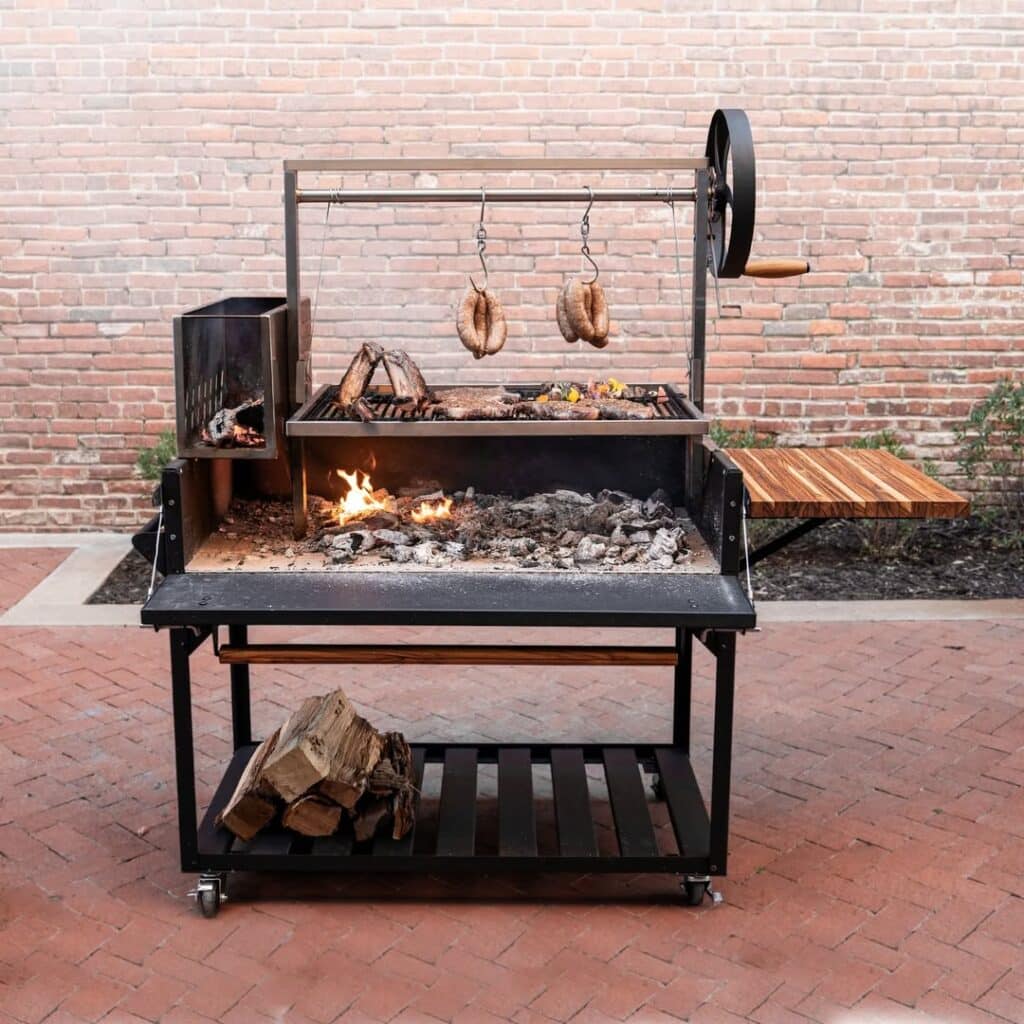
- Open pit
- Adjustable grate
- Direct heat from red oak
You raise or lower the meat to control doneness, not temperature dials or apps.
It’s hands-on.
It’s instinct-driven.
And it rewards experience.
Seasoning: Less Is the Point
Classic Santa Maria seasoning is almost boring on paper:
- Salt
- Black pepper
- Garlic
That’s it.
No sugar bombs.
No secret rub with 18 ingredients.
Why? Because California BBQ lets the beef and the fire do the talking.
The Wood That Makes California BBQ Taste Like California BBQ
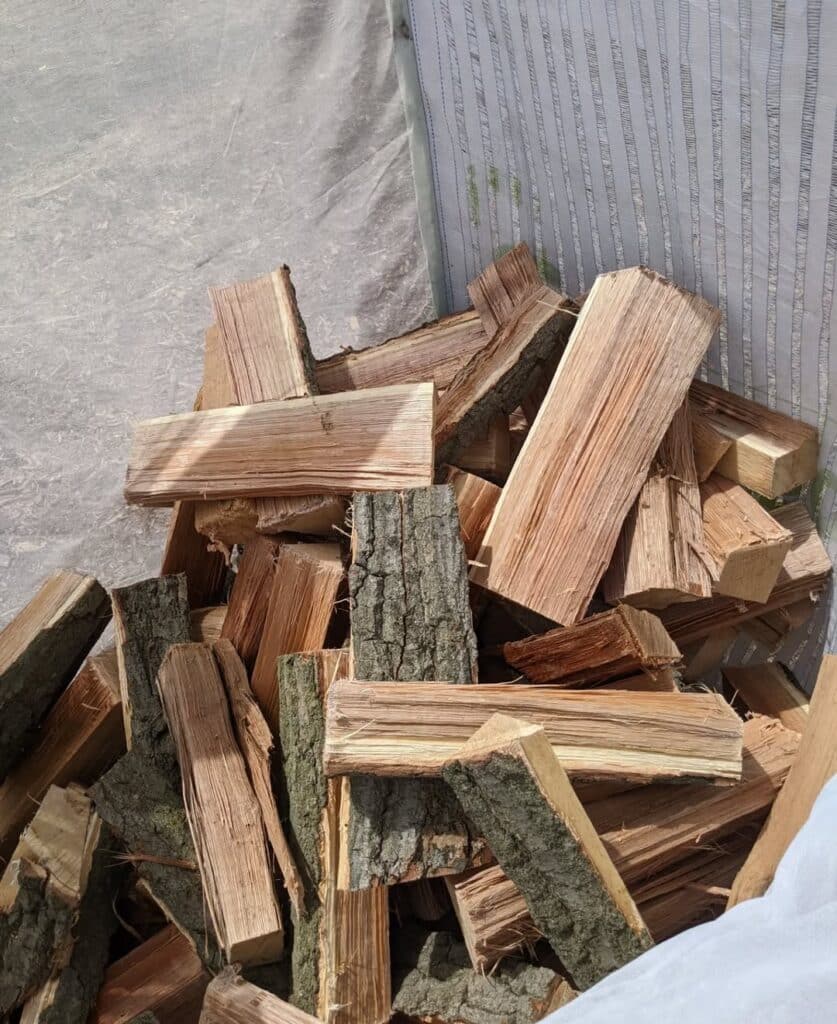
If Texas has post oak, California BBQ belongs to red oak.
Red oak:
- Burns hot
- Produces clean smoke
- Adds a mild, earthy flavor without bitterness
This isn’t optional.
Red oak is non-negotiable for authentic California BBQ.
Change the wood, change the flavor, change the identity.
Regional California BBQ Styles (Yes, Plural)
California is massive. Expecting one BBQ expression is like expecting one accent.
1. Central Coast BBQ
This is the classic:
- Santa Maria pits
- Tri-tip and top sirloin
- Pinquito beans
- Simple salads and bread
It’s community BBQ. Church fundraisers. Town festivals. Smoke drifting down Main Street.
2. Northern California BBQ
Up north, things get interesting:
- Wine country influence
- Farm-to-table ingredients
- Seasonal sides
- Lighter sauces, sometimes no sauce at all
This version of California BBQ treats meat like produce – quality first, technique second.
3. Southern California BBQ
This is where California breaks the mold completely.
You’ll find:
- Mexican marinades
- Korean short rib influence
- Asian spices
- Fusion that somehow still respects the fire
Is it traditional?
Yes – because California tradition includes cultural blending.
The California BBQ Philosophy: Fresh, Flexible, Flavor-Forward
Here’s the biggest difference most outsiders miss:
California BBQ isn’t obsessed with rules – it’s obsessed with results.
The mindset:
- Fresh ingredients matter
- Meat doesn’t need drowning in sauce
- Vegetables deserve grill time too
- BBQ can evolve without losing its soul
You’ll see:
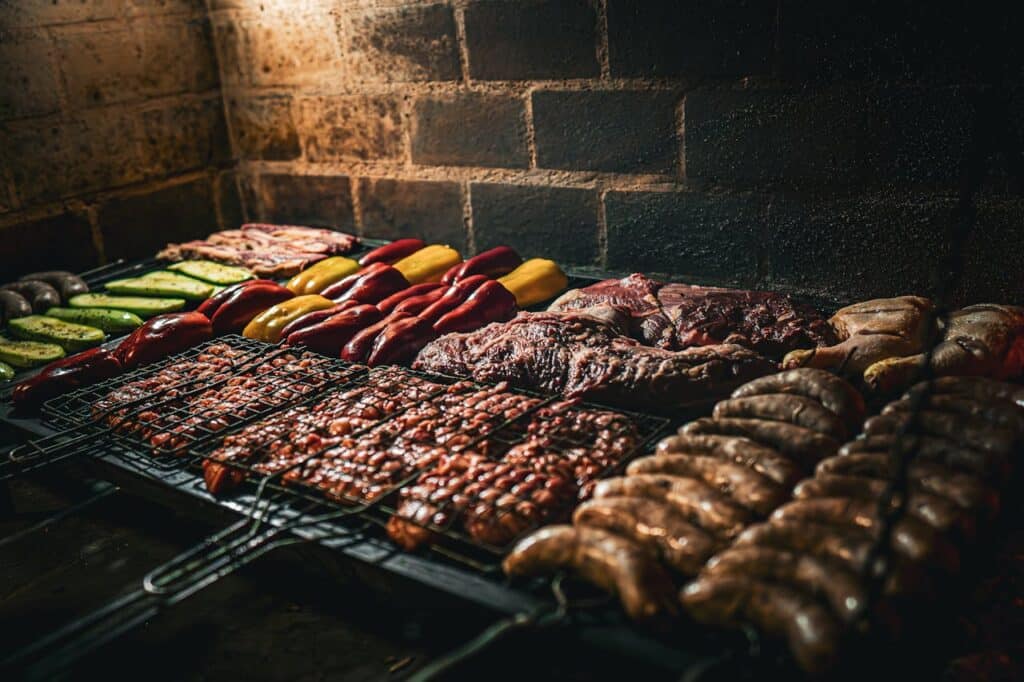
- Grilled vegetables alongside beef
- Chimichurri instead of thick sauce
- Citrus, herbs, and acidity balancing smoke
This doesn’t weaken BBQ.
It expands it.
California BBQ vs Texas & Carolina (No Trash Talk, Just Facts)
Let’s line them up without starting a war.
Meat
- Texas: Brisket is king
- Carolina: Pork rules
- California BBQ: Beef, especially tri-tip
Cooking Style
- Texas: Low and slow smoking
- Carolina: Whole hog and indirect heat
- California BBQ: Live fire grilling and controlled roasting
Sauce
- Texas: Optional
- Carolina: Essential
- California BBQ: Often unnecessary
Different doesn’t mean lesser.
It means regional identity.
Modern California BBQ: Where Tradition Meets Innovation
Today’s California pitmasters aren’t abandoning tradition – they’re building on it.
You’ll see:
- Santa Maria pits next to offset smokers
- Tri-tip smoked then finished over oak
- Pop-ups, food trucks, and chef-driven BBQ joints
Social media didn’t invent California BBQ.
It just finally gave it a microphone.
And guess what?
People are listening.
The Role of Community BBQs in California Culture
If you want to understand California BBQ, don’t start at a restaurant – start at a fundraiser.
On the Central Coast, BBQ isn’t a menu item; it’s a social contract. Churches, schools, and fire departments fire up Santa Maria pits to raise money, bring people together, and feed half the town in one afternoon.
These events shaped the style:
- Food had to be consistent
- It had to be affordable
- And it had to feed hundreds without drama
That’s why tri-tip and open-fire cooking became staples. No one had time for fragile techniques or fussy sauces. The pit had to work, rain or shine.
This community-first mindset is a defining feature of California BBQ – one rooted in generosity, not competition. It’s BBQ built to serve people, not impress judges.
California BBQ Sides: Why the Supporting Cast Matters
Here’s a hot take from the pit:
California BBQ sides actually pull their weight.
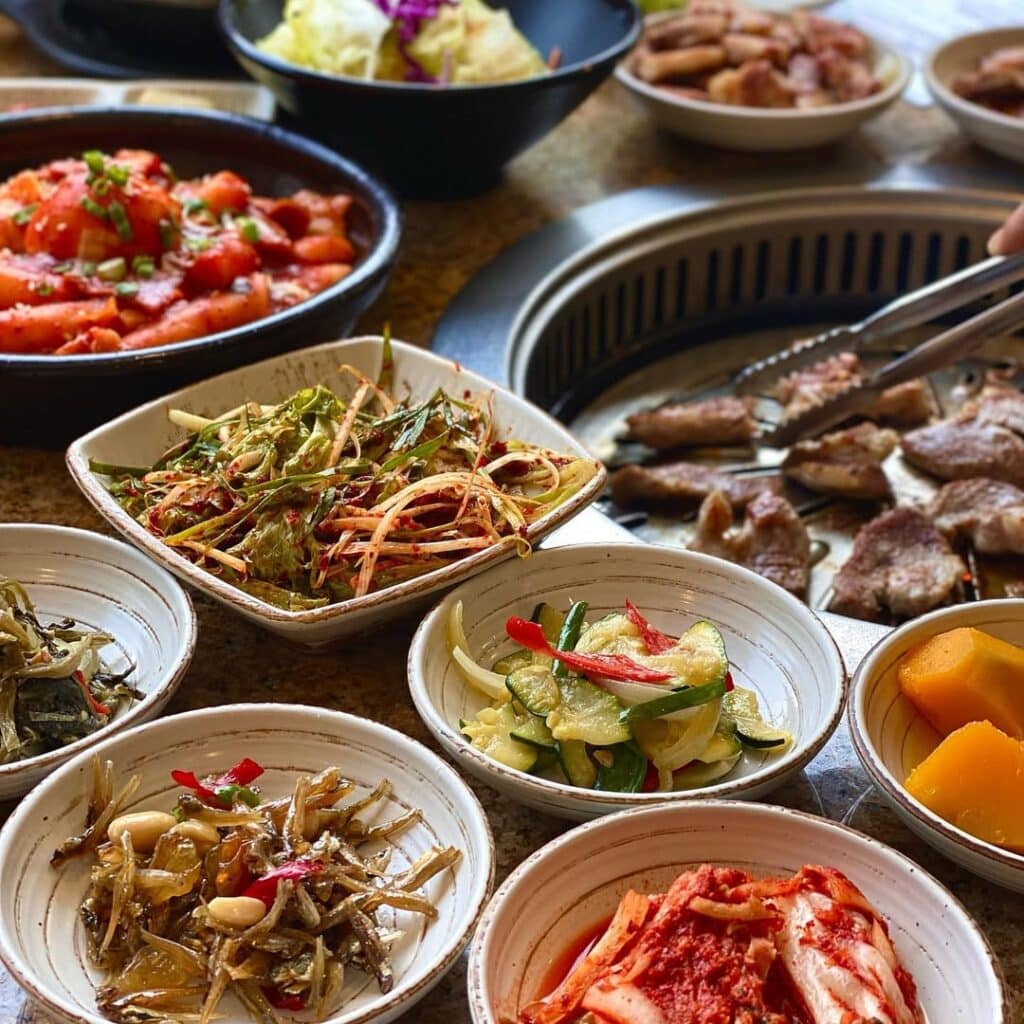
Instead of heavy, mayo-loaded classics, California leans toward:
- Grilled vegetables
- Fresh salads
- Beans with bite, not sugar
- Bread meant for soaking juices, not decoration
This reflects the state’s produce-first philosophy. When you’re surrounded by world-class vegetables, you don’t bury them under sauce – you grill them, season lightly, and let them shine.
Sides in California BBQ aren’t filler. They’re balance. They cut through smoke, reset the palate, and make the meat taste better.
Good BBQ feeds the whole plate. California just figured that out earlier than most.
How Weather Shapes California BBQ Techniques
Here’s something people never talk about:
California BBQ exists because the weather allows it.
Mild coastal climates mean:
- Open pits can run year-round
- Live fire cooking is practical, not seasonal
- Outdoor BBQ culture thrives without interruption
In colder or wetter regions, enclosed smokers became necessary. In California, the pit stayed open, visible, and interactive.
That’s why California BBQ feels more hands-on. You’re not hiding behind steel doors and thermometers – you’re reading flames, smoke, and meat in real time.
When the climate lets you cook outside almost every day, your BBQ style adapts. California’s did – and it shows in every crackle of red oak.
California BBQ and Wine: A Surprisingly Perfect Pair
Beer gets all the BBQ glory, but California BBQ has always played well with wine.
Especially on the Central Coast, where vineyards and ranches share the same land.
Why it works:
- Tri-tip pairs beautifully with bold reds
- Oak smoke complements barrel-aged wines
- Lighter sauces don’t clash with acidity
This isn’t fancy BBQ – it’s practical pairing. Ranchers drank what was local. Turns out, it worked.
Today, wine and California BBQ coexist naturally. No snobbery. No rules. Just flavor harmony.
Once you try tri-tip with a solid Central Coast red, going back to soda feels like a downgrade.
The Tools of the Trade: California BBQ Gear
Forget high-tech gadgets.
Traditional California BBQ relies on:
- Open pits
- Adjustable grates
- Shovels, hooks, and muscle memory
These tools force pitmasters to stay engaged. You don’t set it and walk away. You watch the fire, move the meat, and react.
Modern California pitmasters may use thermometers, but the soul remains old-school. The pit is open. The fire is visible. Mistakes are immediate.
This gear shapes the cook’s mindset: BBQ isn’t passive – it’s participatory. And once you cook this way, enclosed smokers feel like cheating.
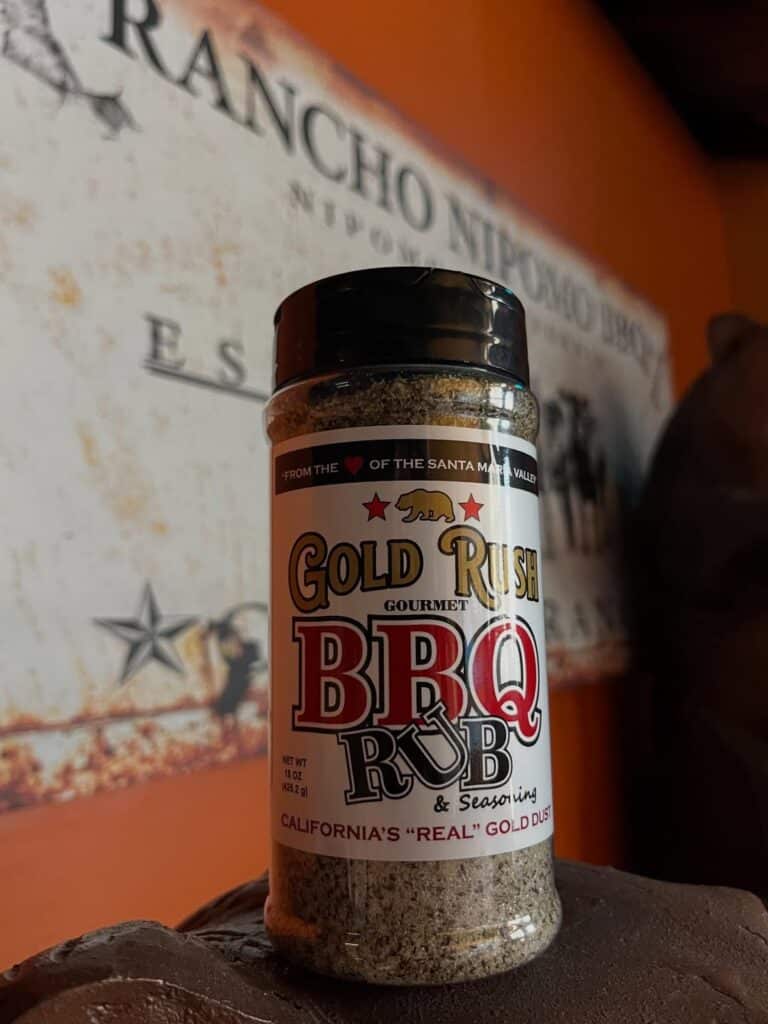
California BBQ Rubs vs Marinades
Here’s where California quietly breaks another rule.
While many BBQ styles obsess over dry rubs, California BBQ often favors marinades – especially in Southern regions.
Why?
- Cultural influence from Mexican and Asian cooking
- Leaner cuts benefit from added moisture
- Marinades build flavor without overpowering smoke
You’ll see:
- Garlic, citrus, and herbs
- Soy, vinegar, and spice blends
- Short marination times focused on enhancement, not masking
This approach keeps the meat front and center. Smoke still matters. Fire still matters. The marinade just supports the star.
California BBQ and Seafood: An Overlooked Connection
Most BBQ conversations stop at beef and pork. California didn’t get the memo.
With one of the longest coastlines in the country, California BBQ naturally includes seafood:
- Grilled fish over oak
- Smoked shellfish
- Whole fish cooked Santa Maria–style
Live fire works beautifully with seafood when you respect timing and heat. Quick cooks, clean smoke, no heavy sauces.
This coastal influence expands what BBQ can be – without losing authenticity.
If it touches fire and feeds people, it belongs in the BBQ conversation.
The Future of California BBQ
Here’s the good news:
California BBQ is just getting started.
Younger pitmasters are:
- Respecting Santa Maria roots
- Experimenting with technique
- Keeping fire at the center
Expect more:
- Hybrid cooking methods
- Ingredient-driven menus
- Regional pride without gatekeeping
California BBQ doesn’t need to “prove” itself anymore. It’s building quietly, confidently, and creatively.
And that’s the most California thing about it.
Common Myths About California BBQ (Let’s Clear the Smoke)
Myth #1: “It’s just grilling.”
Wrong. Live fire cooking over hardwood is barbecue by definition.
Myth #2: “There’s no history.”
Santa Maria BBQ dates back over a century.
Myth #3: “It’s not serious BBQ.”
Tell that to a pitmaster adjusting a grate over roaring red oak flames.
Why California BBQ Deserves Respect
California BBQ reflects the state itself:
- Diverse
- Ingredient-driven
- Unafraid to evolve
It doesn’t chase trophies.
It feeds communities.
It honors fire in its rawest form.
And if you’ve ever sliced a perfect tri-tip and heard the crowd go quiet for half a second?
Yeah. That’s BBQ.
Final Take: A Style All Its Own
Barbecue doesn’t belong to one state or one technique.
It belongs to:
- Fire
- Meat
- Time
- People who care enough to do it right
California BBQ stands on those same foundations – just with red oak under the grate and tri-tip on top.
So the next time someone says, “California doesn’t have real BBQ,”
Smile.
Hand them a plate.
Let the fire explain the rest.
Featured image credit: Google Gemini
