
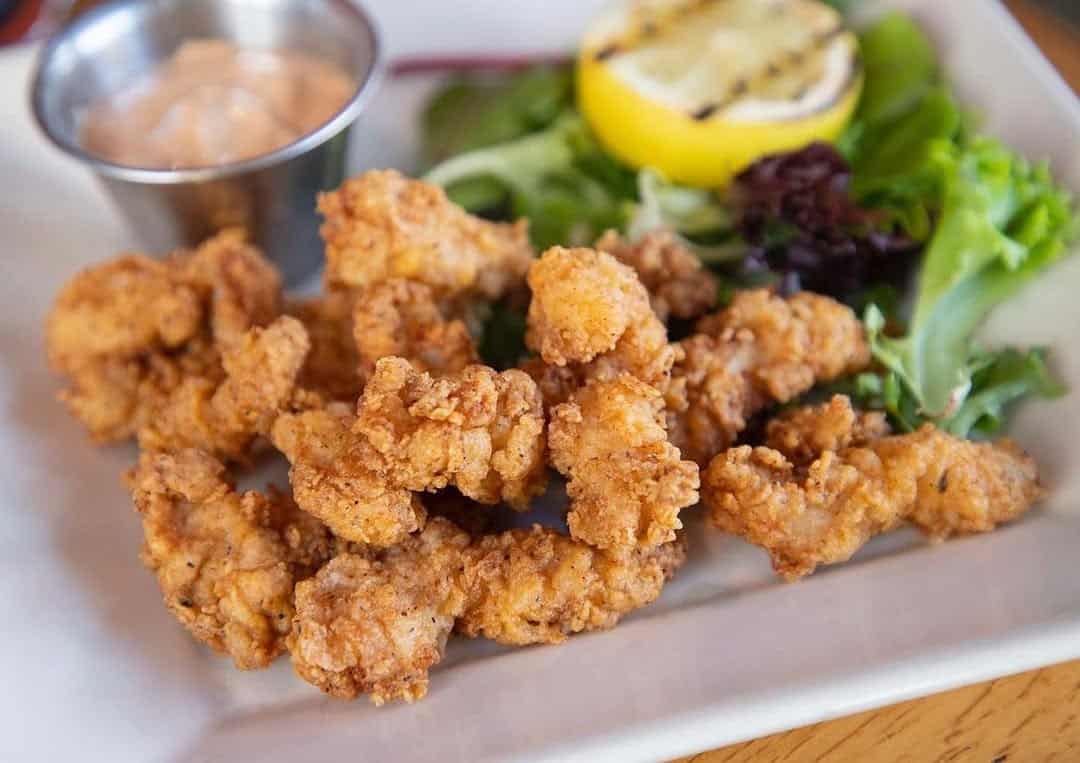
Where Smoke Meets Swamp
The first time I grilled alligator tail, I didn’t tell anyone what it was. I just sliced it up, seasoned it heavy, kissed it with smoke, and served it hot off the grate. The reactions went like this:
“This is good.”
“What is this?”
“…Wait, WHAT?”
That moment right there? That’s the Bayou in a nutshell.
Alligator tail is one of those ingredients that carries a lot of baggage – fear, curiosity, tall tales – but when you treat it right, it delivers clean flavor, tender texture, and serious grill credibility.
This isn’t shock food. It’s heritage food. And when you grill it properly, it earns its place next to brisket, ribs, and whole hog.
This article is about understanding alligator tail, respecting where it comes from, and learning how to grill it so it’s juicy, flavorful, and worthy of the Bayou’s reputation. No gimmicks. Just fire, seasoning, and know-how.
Bayou Cuisine: Why Flavor Always Comes First
If Bayou cooking had a mission statement, it would be this:
“Make it taste good with what you’ve got.”
Born from necessity and shaped by culture, Bayou cuisine blends French technique, African spice, Spanish influence, and Native American practicality. It’s bold without being reckless.
Spicy without being stupid. Everything has a purpose.
Key ideas that define Bayou flavor:
- Layered seasoning, not just heat
- Smoke and char as flavor tools, not accidents
- Fat and acid working together
- Food meant to be shared, not fussed over
Grilling fits perfectly into this mindset. You’re cooking over fire, outside, usually with friends nearby and music louder than it needs to be. Alligator tail belongs here – simple, honest, and fearless.
What Exactly Is Alligator Tail Meat?
Let’s clear something up right now.
Alligator tail is not weird meat.
It’s just unfamiliar meat.
The tail is the most worked muscle on the animal, which means:
- Lean protein
- Firm but tender when cooked right
- Mild flavor
If you’ve heard people say it tastes like chicken, fish, or pork – yeah, sort of. The real answer is this:
Alligator tail tastes like whatever you season it with.
That’s why Bayou flavors shine here. The meat absorbs marinades beautifully and takes smoke like it was born for it.
Why the tail?
- It’s the cleanest cut
- Minimal connective tissue compared to other parts
- Consistent texture for grilling
And no, it doesn’t taste muddy, swampy, or “wild” when sourced correctly. If it does, someone messed up long before it hit the grill.
Safety, Sourcing, and Sustainability (The Grown-Up Stuff)
Before we talk fire, we talk responsibility.
Modern alligator tail comes almost entirely from regulated farms or managed wild harvests, especially in Louisiana and Florida. These programs exist to:
- Protect wild populations
- Support local economies
- Ensure safe, inspected meat
When buying alligator tail:
- Look for USDA-inspected sources
- Avoid mystery meat from sketchy freezers
- Ask where it was raised or harvested
From a pitmaster’s perspective, farm-raised alligator tail is:
- More consistent
- Cleaner in flavor
- Easier to cook evenly
Bottom line: This is sustainable, legal, and safe when sourced properly.
Preparing Alligator Tail for the Grill
Here’s where most folks mess up.
Alligator tail is lean. That’s a gift and a curse. Treat it like chicken breast and blast it with heat, and you’ll end up chewing for sport.
Trimming and Cleaning
Most alligator tail comes pretty clean, but:
- Remove any silver skin
- Trim thick connective edges
- Pat dry before seasoning
This step alone improves tenderness by a mile.
Tenderizing (Yes, You Need To)
This is non-negotiable.
Good tenderizing options:
- Buttermilk soak
- Citrus-based marinades
- Mechanical tenderizing (light mallet work)
My rule?
If it didn’t soak or get worked, it’s going to fight back.
Cutting for the Grill
Best cuts for grilling:
- Medallions (even cooking, great char)
- Short steaks
- Skewered chunks for control
Uniform size matters more here than almost any meat I cook.
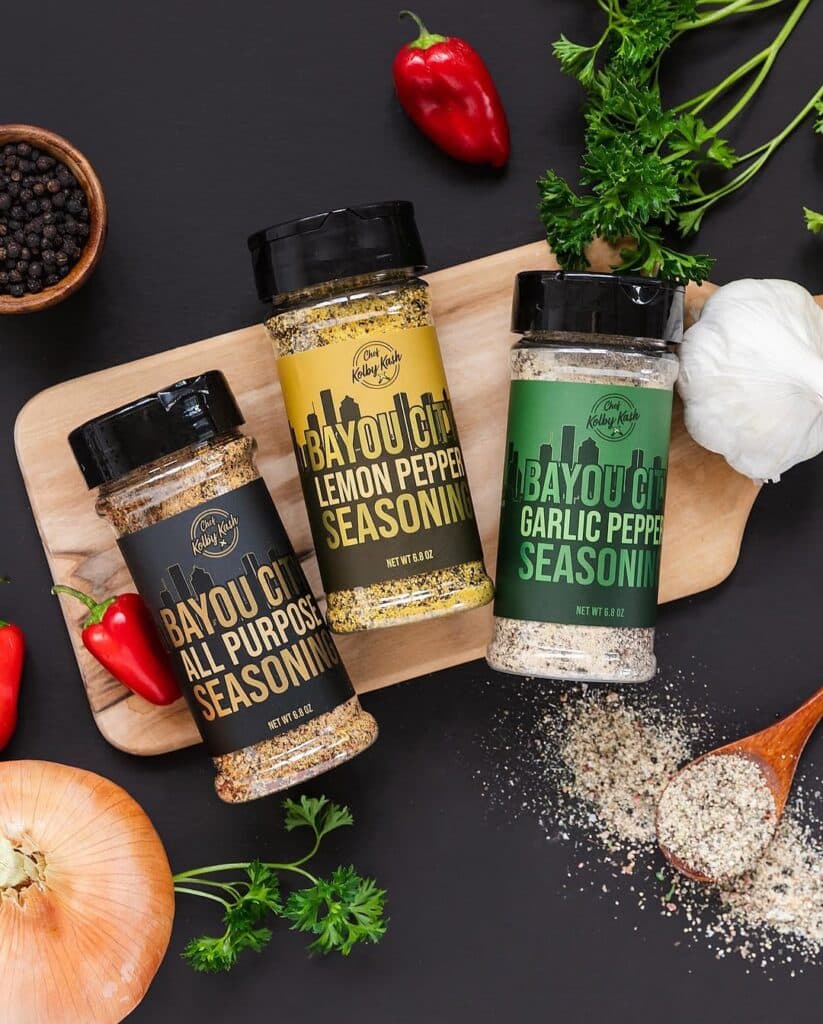
Bayou Seasoning: Letting Alligator Tail Shine
If you over-season alligator tail, it disappears. If you under-season it, it tastes like regret.
Classic Bayou Flavor Profile
Think:
- Paprika (smoked if possible)
- Garlic and onion
- Black pepper
- Cayenne (controlled, not reckless)
- Thyme and oregano
Dry rubs are great. Marinades are better. Combining both? That’s where magic happens.
Marinade Wisdom
A good marinade for alligator tail includes:
- Acid (lemon, vinegar, hot sauce)
- Fat (oil or melted butter)
- Salt early, spice later
Marinate for 2–6 hours. Overnight is usually too much unless it’s very mild.
And remember:
The goal is tenderness and flavor, not ceviche.
How to Grill Alligator Tail Without Ruining It
This is the heart of it. Pay attention here.
Grill Setup
- Medium-high heat
- Two zones: direct and indirect
- Charcoal preferred, gas acceptable
Wood chunks?
A little pecan or oak goes a long way. Don’t smoke it like brisket. You’re grilling, not slow-roasting.
Cooking Technique
- Start over direct heat
- Sear quickly for color
- Move to indirect heat to finish
Typical cooking time:
- 2–3 minutes per side, depending on thickness
Internal temp target:
- 150–155°F, then rest
If you wait for “well done,” congratulations – you’ve invented alligator jerky.
Pitmaster Rule
Pull it early. Let it rest. Trust the carryover.
Common Mistakes I See Every Time
Let’s save you some heartbreak.
Mistake #1: Overcooking
This is the big one. Lean meat doesn’t forgive.
Mistake #2: Too much acid
Marinades should support, not dissolve.
Mistake #3: Skipping the rest
Even five minutes makes a difference.
Mistake #4: Treating it like novelty food
Respect the meat. It knows when you don’t.
Serving Grilled Alligator Tail the Right Way
Alligator tail doesn’t need fancy plating. It needs good company.
Classic Bayou sides:
- Dirty rice
- Corn maque choux
- Slaw with vinegar bite
- Grilled vegetables with butter and spice
Sauces?
- Remoulade
- Garlic butter
- Hot sauce on the side, always optional
Serve it sliced, juicy, and confident. If someone asks what it is – tell them after the first bite. Trust me.
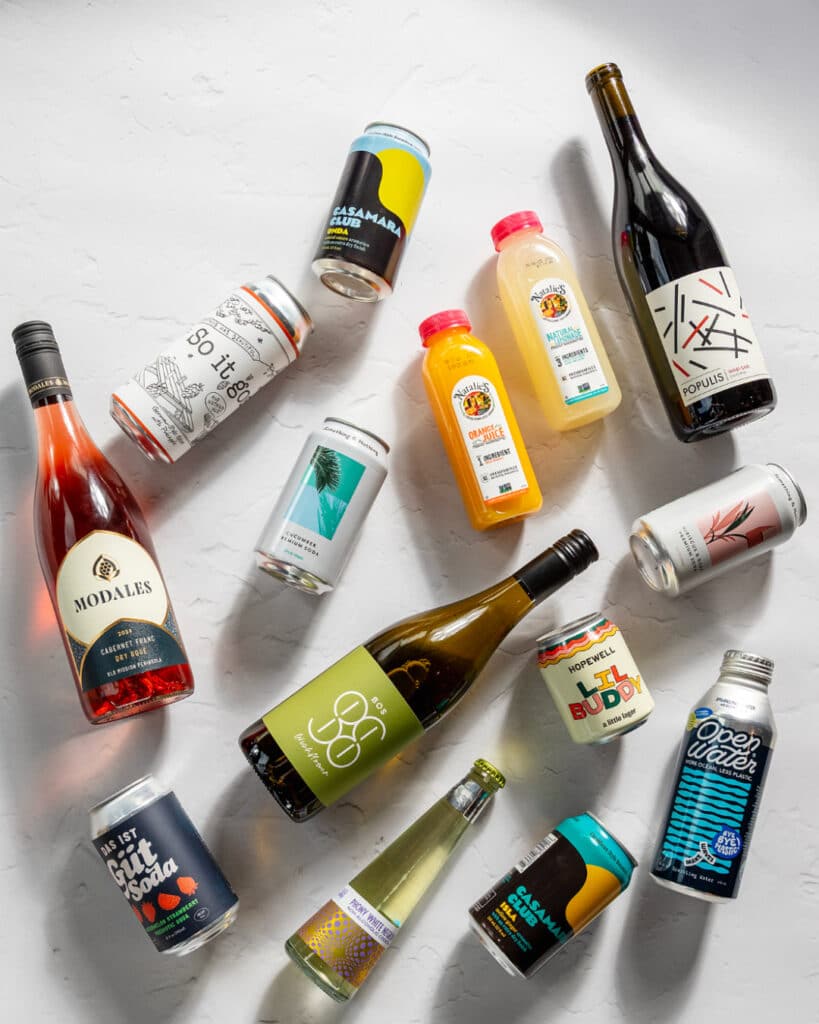
What to Drink With It
Beer wins here.
- Crisp lagers
- Light IPAs
- Wheat beers
Wine drinkers?
- Dry Riesling
- Unoaked Chardonnay
Non-alcoholic?
- Sweet tea
- Citrus soda
- Lemonade with bite
Why Alligator Tail Is Having a Moment
People are tired of boring protein.
They want:
- Regional food with history
- Sustainable alternatives
- Grill challenges that actually taste good
Alligator tail checks every box. It’s not about shock value. It’s about flavor, tradition, and doing something different without being dumb about it.
The Science of Texture: Why Alligator Tail Cooks the Way It Does
One reason alligator tail throws off first-timers is simple: it doesn’t behave like beef or pork. The muscle structure is different, and the grill doesn’t lie.
Here’s what’s happening under the hood:
- Long, tight muscle fibers
- Very low intramuscular fat
- No built-in margin for error
Translation? There’s no forgiveness. That’s why temperature control matters more than how fancy your seasoning blend is.
From a pitmaster’s point of view, this meat thrives on:
- Quick heat
- Short exposure
- Early pull and rest
Once those muscle fibers tighten too much, moisture is gone – and no sauce can bring it back.
Here’s the payoff: when cooked right, alligator tail delivers a springy, clean bite, closer to perfectly grilled scallops or firm fish than anything else.
Understanding this texture stops guesswork and puts you in control – because great grilling isn’t luck, it’s intention.
Smoke vs. Flame: When (and When Not) to Add Wood
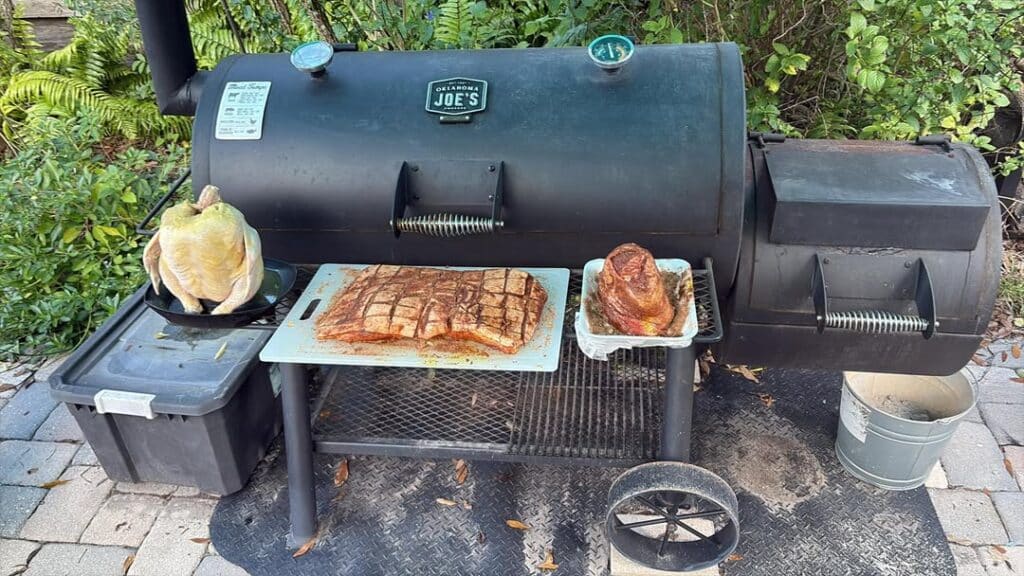
Let’s clear this up fast: alligator tail is not a heavy-smoke meat. Over-smoking it is like yelling in a quiet room—everyone notices, and nobody enjoys it.
Why restraint matters:
- Alligator tail absorbs flavor quickly
- Smoke turns bitter fast on lean meat
- Too much wood hides seasoning instead of enhancing it
What works best:
- Light smoke
- A small chunk of pecan or fruit wood
- Clean combustion only
As a pitmaster, I treat this meat like seafood. Smoke should whisper, not shout.
Add wood early, let it burn clean, and start cooking once the smoke turns thin and blue. That’s when the fire supports the Bayou spices instead of fighting them.
Think of smoke as:
- An accent
- A background note
- Never the main character
Backyard Crowd Reactions: Why Alligator Tail Is a Conversation Starter
Serving alligator tail at a cookout changes the energy instantly. It’s not just food – it’s a story on a plate.
What usually happens:
- People lean closer
- Questions start flying
- Phones come out
The secret weapon here is confidence. If you hesitate, they hesitate. Serve it like it belongs—because in the Bayou, it always has.
Once people realize it’s:
- Mild
- Tender
- Surprisingly familiar
Curiosity turns into enthusiasm fast. This is the kind of meat that breaks people out of food autopilot and reminds them grilling can still be fun, surprising, and social.
And when someone quietly goes back for seconds without asking what it is again?
That’s the real victory.
Alligator tail doesn’t shock people – it invites them.
Using Leftover Grilled Alligator Tail Without Drying It Out
Leftovers are rare, but when they happen, alligator tail needs respect. Reheat it wrong, and you’ll undo everything you did right on the grill.
The golden rule:
- Warm it – don’t recook it
Best methods:
- Low heat
- Added moisture
- Short exposure only
Great uses include:
- Quick sautés
- Wraps and flatbreads
- Tossing slices into warm rice or pasta at the very end
Never microwave it uncovered. That’s how good meat turns into gym equipment.
Cold leftovers shine too. Thinly sliced alligator tail works beautifully in:
- Cajun-style tacos
- Chopped salads
- Po’ boy sandwiches
Treat it like a premium protein. It already earned its grill marks.

Regional Bayou Traditions: How Families Pass Down Alligator Cooking
In many Bayou households, alligator tail isn’t trendy – it’s traditional. Recipes aren’t written down. They’re remembered.
Measurements usually sound like:
- “About this much”
- “Until it smells right”
- “You’ll know when it’s done”
Some families swear by:
- Vinegar-heavy marinades
Others won’t cook it without:
- Butter and herbs
What never changes:
- Respect for the meat
- No wasted motion
- Fast, confident cooking
These traditions matter because they remind us this isn’t novelty cuisine. Alligator tail has roots, tied to seasons, harvests, and community gatherings.
Every grill session keeps that story alive – whether you’re deep in Louisiana or firing up a backyard grill five states away.
Alligator Tail on Different Grills: Kamado, Flat-Top, and Open Pit
Not all grills treat alligator tail the same, and knowing your setup matters.
Kamado-style grills shine because they offer:
- Steady heat
- Precise airflow control
- Excellent moisture management for lean meat
Flat-tops bring:
- Maximum surface contact
- Fast, even searing
- Great results for medallions and quick cooks
Open-pit or Santa Maria-style grills?
- Incredible flavor
- Zero room for distraction
One missed moment, and the meat crosses the line.
The takeaway is simple: alligator tail adapts – but your grill defines your margin for error. Know your equipment, respect the fire, and the meat will reward you.

Teaching Kids and New Grillers to Respect Unfamiliar Meats
One of my favorite moments as a pitmaster is watching someone cook alligator tail for the first time – not just eat it, but understand it.
This meat teaches:
- Patience
- Awareness
- Restraint
You can’t rush it.
You can’t drown it in sauce.
You can’t ignore the fire.
For new grillers, it’s a lesson in:
- Watching color
- Feeling texture
- Smelling doneness
For kids, it’s something bigger – a reminder that food doesn’t just come from a store. It has a story, a place, and a process.
When taught with respect, alligator tail stops being intimidating. It becomes a gateway – to confidence, curiosity, and better cooking.
Frequently Asked Questions About Grilling Alligator Tail
What does an alligator tail taste like?
Alligator tail has a mild, clean flavor that easily takes on seasoning. Most people compare it to a cross between chicken and firm fish, but the truth is it tastes like whatever you cook it with. When grilled properly, it’s tender, juicy, and not “gamey” at all.
Is an alligator tail tough or chewy?
It can be – but only if it’s overcooked or poorly prepared. Alligator tail is very lean, which means it needs proper tenderizing, controlled heat, and short cook times. Treated right, it has a springy, clean bite, not a rubbery one.
Is it safe to eat an alligator tail?
Yes. Farm-raised and legally harvested alligator tail is safe when sourced from USDA-inspected suppliers and cooked properly. Like any meat, it should be handled with clean tools, kept cold before cooking, and brought to a safe internal temperature.
What is the best way to tenderize an alligator tail?
The most reliable methods include:
- Buttermilk or mild acidic marinades
- Light mechanical tenderizing
- Cutting across the grain into even pieces
Avoid aggressive acids or overnight soaks, which can break the meat down too much.
How long should I grill an alligator tail?
Most cuts cook fast – about 2 to 3 minutes per side, depending on thickness. The goal is to pull it at 150–155°F, then let it rest briefly. Overcooking is the fastest way to ruin it.
Can I smoke an alligator tail instead of grilling it?
It’s not recommended. Alligator tail is not a low-and-slow meat. Heavy smoke and long cook times dry it out quickly. If you want smoke flavor, use a light touch with clean-burning wood and grill it hot and fast.
What seasonings work best with an alligator tail?
Classic Cajun and Bayou-style seasonings work beautifully:
- Paprika
- Garlic and onion
- Black pepper
- Cayenne (moderate)
- Fresh or dried herbs
The key is balance – enhance the meat without overpowering it.
Can I reheat leftover grilled alligator tail?
Yes, but gently. Low heat and added moisture are essential. Warm it in a covered pan, wrap it before reheating, or add it to hot dishes at the very end. Never blast it in the microwave uncovered.
Is alligator tail sustainable to eat?
Yes. Modern alligator farming and managed harvesting programs are highly regulated and designed to protect wild populations. Buying from reputable suppliers supports sustainability and local economies.
Why is alligator tail popular in Bayou cooking?
Because it’s practical, flavorful, and local. Alligator tail has deep roots in Bayou tradition, where nothing is wasted and bold flavor matters. It’s not novelty food – it’s heritage food.
Is alligator tail good for beginners on the grill?
Surprisingly, yes – if you pay attention. It teaches:
- Heat control
- Timing
- Respect for lean meats
For new grillers willing to stay focused, alligator tail builds confidence fast.
Conclusion: Fire, Flavor, and a Little Courage
Grilling alligator tail isn’t about proving anything. It’s about curiosity, respect, and knowing your way around a grill.
When done right, it’s:
- Tender, not tough
- Flavorful, not funky
- Memorable, not gimmicky
The Bayou doesn’t care if you’ve cooked this before. It only cares if you cook it right.
So fire up the grill. Season with confidence. Pull it early. And if someone hesitates before taking that first bite?
Just smile.
They’re about to learn something new.
Featured image credit: @uleletampa
