

Let’s face it: chicken can be boring. You season it, you cook it, you hope for juicy perfection… and end up with dry, flavorless meat that even a generous drizzle of hot sauce can’t save.
But here’s the good news: it doesn’t have to be that way.
With the right chicken marinade, you can turn a plain chicken breast into something that makes everyone at the table raise an eyebrow – and maybe even a toast.
This isn’t just about taste. A good marinade tenderizes, infuses flavor, and adds juiciness in ways plain salt and pepper can only dream of.
And the best part? It’s simple. You don’t need fancy ingredients or hours of prep. Just a few smart choices, a little patience, and some love.
Why a Marinade Changes Everything
If you’ve ever wondered why some grilled chicken tastes like it belongs in a five-star restaurant while yours is… well, sad, the secret is in the marinade. Marinating works on two levels:
- Flavor infusion: The mix of acids (like lemon or vinegar), oils, and seasonings penetrates the meat, so every bite is packed with flavor.
- Tenderizing magic: Acidic ingredients break down proteins just enough to make your chicken tender, not mushy.
Think of it like a spa day for your chicken. It comes out relaxed, juicy, and ready to impress.
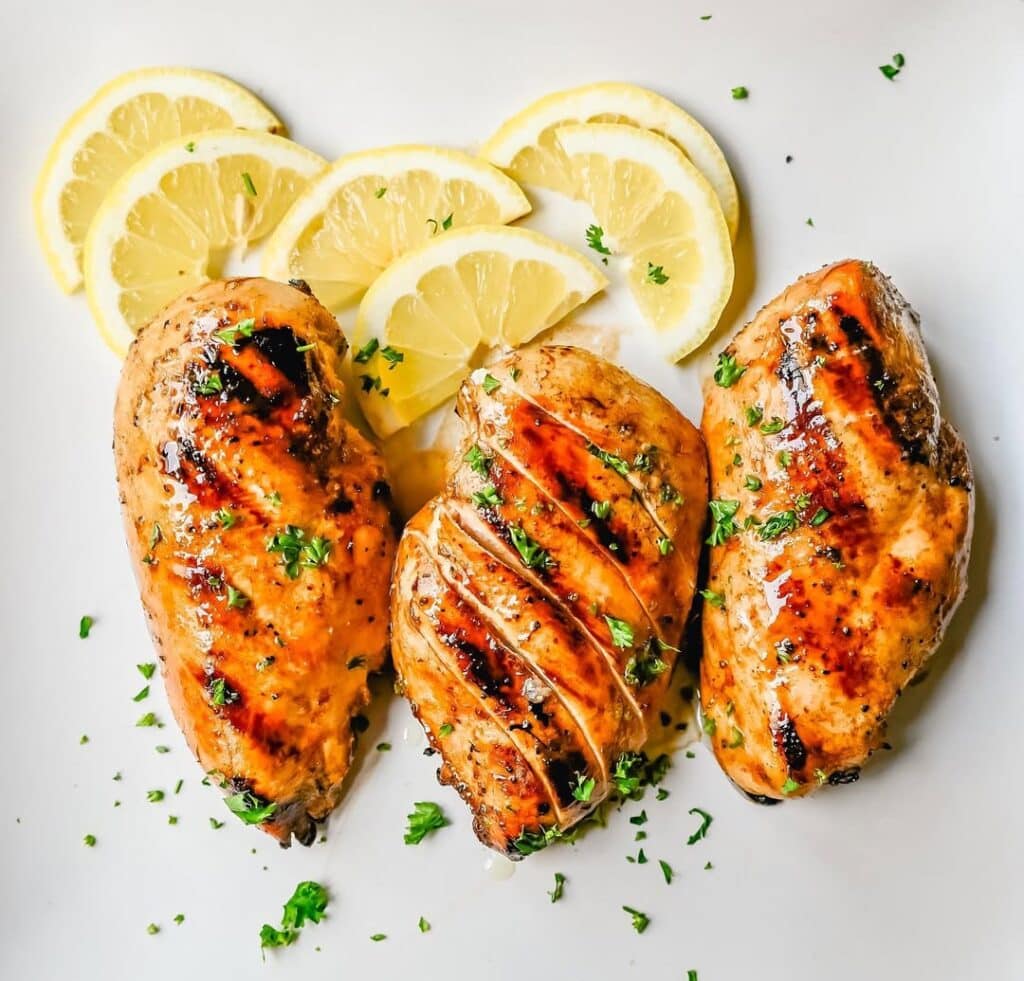
The Science of Marinating: How Flavor Actually Gets Into Chicken
Ever wondered why a chicken marinade works? Here’s a bit of kitchen science made simple. Marinades rely on osmosis and protein breakdown to infuse flavor.
Acids like lemon juice and vinegar partially break down proteins, making the meat tender, while oil-based ingredients help flavor compounds stick to the chicken surface.
Salt is essential – it draws moisture into the meat, creating a natural brine effect. Meanwhile, aromatic herbs and spices penetrate slowly, flavoring each bite without overpowering.
Timing matters: short marinades (30–60 minutes) give subtle flavor; longer ones (2–4 hours) produce deep taste – but don’t overdo acidic ingredients, or you’ll end up with mushy chicken.
Understanding this science means your marinade isn’t guesswork anymore – it’s a strategic flavor weapon, giving you juicy, aromatic chicken every single time.
Beyond Lemon: Creative Acids for Your Chicken Marinade
When it comes to a chicken marinade, acids are your secret weapon. They tenderize the meat and make flavors stick like magic. Most people default to lemon or vinegar, but the world is full of flavor-packed alternatives.
Orange juice, pineapple juice, yogurt, or even kombucha can add a surprising depth of flavor. Pineapple and papaya contain natural enzymes that break down proteins for ultra-tender chicken, while yogurt adds creaminess and subtle tang.
Even a splash of balsamic vinegar or apple cider can give your marinade a sophisticated twist without complicating prep. The key is balance: too much acid can “cook” the chicken like ceviche, so stick to short marinating times when using stronger acids.
Experimenting with unusual acids isn’t just about flavor – it’s about creating a marinade that’s uniquely yours, keeping every bite juicy, tender, and downright addictive.
Spice It Up: Herbs and Seasonings That Transform Chicken
A chicken marinade isn’t just about oils and acids – it’s the herbs and seasonings that make your dish unforgettable. Fresh garlic, ginger, and citrus zest deliver immediate punch, while smoked paprika, cumin, or coriander bring warm, complex notes.
Don’t underestimate fresh herbs like rosemary, thyme, or tarragon; they release aromatic oils that elevate the flavor from “meh” to memorable. You can even experiment with global spice blends like za’atar, harissa, or Cajun seasoning to give your chicken a worldly twist.
Pro tip: crush dried herbs slightly to release more aroma, and always add delicate herbs like basil or parsley at the end of cooking to keep their freshness intact.
With the right combination, your chicken marinade becomes a flavor powerhouse that will impress friends, family, and anyone daring enough to judge your kitchen prowess.
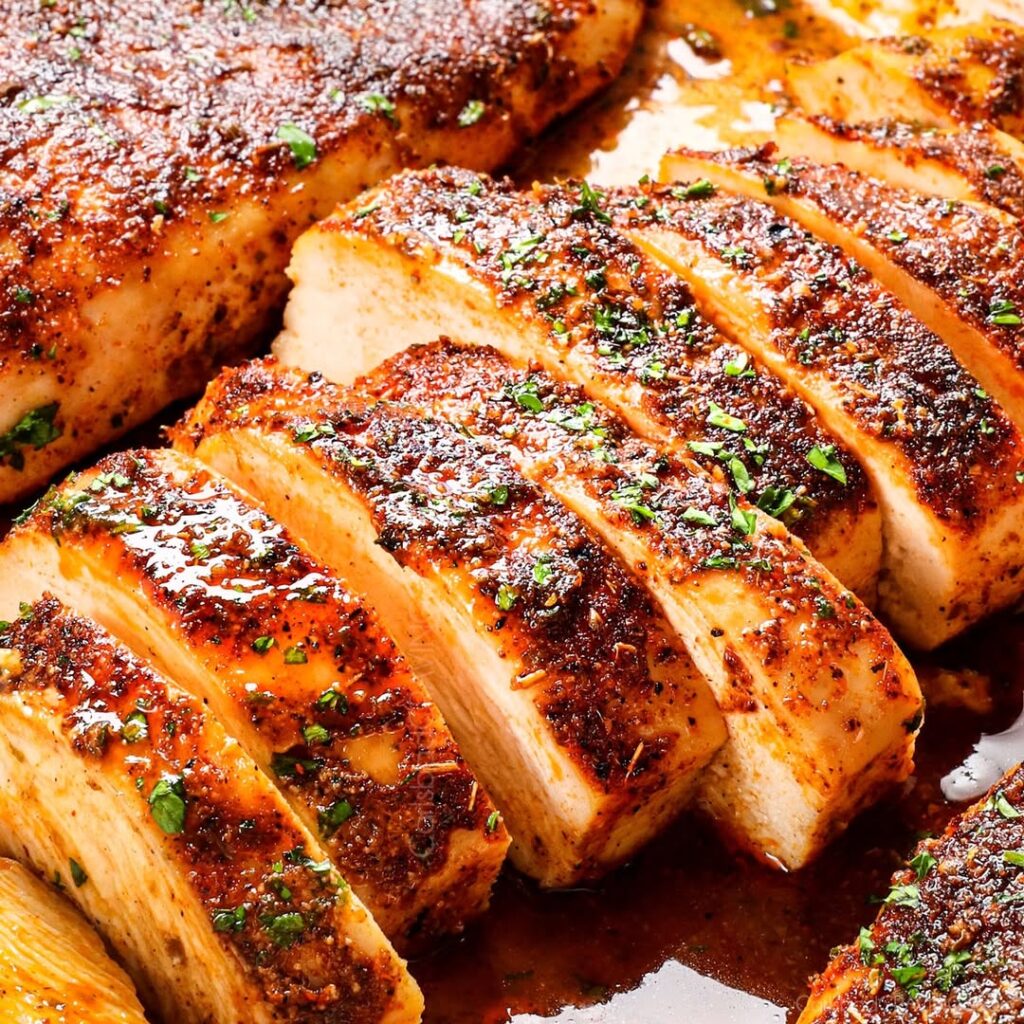
Grilling vs. Baking: Cooking Your Marinated Chicken Right
A killer chicken marinade deserves proper cooking to shine. How you cook it matters as much as the marinade itself. Grilling gives smoky charred edges and crisp skin, perfect for summer barbecues.
Baking is forgiving, giving even heat for juicy, tender chicken, especially for breasts. Pan-searing creates a golden crust while locking in moisture – a quick weeknight favorite. No matter the method, internal temperature is key: aim for 165°F to ensure safety without drying out your chicken.
Quick tip: rest the chicken for 5–10 minutes before slicing to let juices redistribute. By matching your cooking style with your marinade, you’re not just cooking – you’re curating a flavor experience that hits every bite with the perfect balance of tenderness, juiciness, and seasoning.
Chef’s Tips for Maximum Flavor
- Adjust your marinade based on chicken cut: thighs can handle longer marinating, breasts less so.
- Boost flavor with aromatics: a splash of soy sauce, grated ginger, or zest from citrus adds complexity.
- Reuse leftover marinade as a sauce – but boil it first to kill any raw chicken germs. Safety first.
- Always pat chicken dry before searing or grilling; it makes a huge difference in texture.
Serving Suggestions
A good chicken deserves good company. Here’s how to serve it like a pro:
- Sides: Roasted vegetables, garlic mashed potatoes, or a fresh green salad.
- Grains: Quinoa, rice pilaf, or even a simple couscous.
- Sauces: Drizzle with leftover marinade (cooked), chimichurri, or a squeeze of fresh lemon.
- Drinks: A crisp white wine, a light beer, or a sparkling water with lime.
Presentation tip: Slice across the grain and fan the chicken on the plate. Looks fancy, takes two seconds.
Leftover Magic: Repurposing Marinated Chicken
Here’s a secret every home chef should know: a great chicken marinade doesn’t end at dinner.
Leftovers can be transformed into entirely new meals. Slice cooled, marinated chicken over a crisp salad, toss it into tacos with avocado and lime, or stir-fry with seasonal veggies for a quick lunch. Even shredded, it works beautifully in sandwiches, wraps, or pasta dishes.
You can also cook the leftover marinade and drizzle it over rice or roasted vegetables as a quick sauce. This isn’t just smart cooking – it’s flavor recycling, making your hard work stretch farther while keeping meals exciting.
With a versatile marinade and a little imagination, your chicken goes from dinner star to multi-meal champion, keeping taste buds happy and your weeknight meals far from boring.
Common Mistakes to Avoid
- Over-marinating acidic blends; chicken can become mushy.
- Skipping the pat-dry step – wet chicken never sears properly.
- Cooking too fast or too slow: too high burns the outside, too low dries it out.
Avoid these, and your chicken will come out tender, juicy, and full of flavor every time.
Flavor That Sticks
No more boring chicken dinners. With this chicken marinade, you’re not just cooking – you’re creating juicy, flavorful, show-stopping chicken that makes everyone ask for seconds.
Experiment with herbs, spices, and citrus to make it your own, and say goodbye to bland chicken forever.
Your friends, family, and taste buds will thank you. And who knows? You might just start getting calls for dinner invitations.

The Ultimate Chicken Marinade Recipe
Image credit: Google Gemini
Ingredients
- 1/4 cup olive oil – helps the marinade cling and keeps chicken moist.
- Juice of 1 lemon – brightens flavor and tenderizes.
- 2–3 cloves garlic, minced – because garlic makes everything better.
- 1 tsp smoked paprika – adds a subtle smoky warmth.
- 1 tsp honey – balances the tang and gives a slight caramelization when cooked.
- 1 tsp Dijon mustard – tang and depth in a single swipe.
- Salt & freshly ground black pepper, to taste
- Optional extras: chili flakes for heat, fresh herbs like rosemary or thyme for aroma, or soy sauce for umami.
- Pro tip: fresh herbs pack more punch, but dried ones work if you’re in a pinch.
Instructions
How to Make This Chicken Marinade Work
Here’s where I stop talking and start showing. Follow these steps and you’ll never tolerate bland chicken again:
1. Prep the Chicken
Pat it dry with a paper towel. Moisture is flavor’s enemy – it dilutes the marinade. For thicker pieces, you can score shallow cuts in the meat so the marinade penetrates evenly.
2. Whisk the Marinade
In a bowl, combine olive oil, lemon juice, garlic, paprika, honey, mustard, salt, and pepper. Smell it. Seriously, that aroma is your dinner calling.
3. Marinate the Chicken
Place chicken in a zip-lock bag or shallow dish, pour over the marinade, and rub it in. Timing matters: 30 minutes is enough to perk up the flavor, but 2–4 hours is better. Overnight works too – just don’t go beyond 24 hours or the acid will start “cooking” the meat like ceviche.
4. Cook to Perfection
- Grill: Medium-high heat, 6–8 minutes per side for breasts, until internal temp hits 165°F.
- Oven: Preheat to 400°F, bake 20–25 minutes.
- Stovetop: Medium heat, 6–8 minutes per side, sear first for a golden crust.
Tip: Don’t overcrowd the pan. Chicken needs space to cook evenly and develop a nice sear.
5. Rest Before Serving
Let the chicken sit for 5–10 minutes after cooking. This keeps juices inside. Slice and serve immediately, or let it shine cold in a salad for lunch the next day.
Featured image credit: @chef_zouheir
