
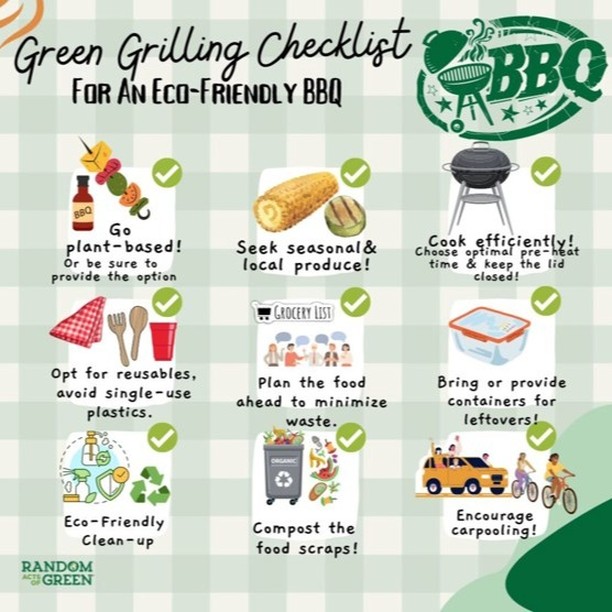
When people talk about saving the planet, they don’t usually picture a pitmaster standing over a smoker at 6 a.m., sipping coffee, and rubbing down a brisket like it’s a sacred relic.
But here we are.
Because yes – you can love barbecue and still be environmentally responsible. In fact, bbq & sustainability isn’t just possible. It’s the future of outdoor cooking.
Today, we’re breaking down how to grill and smoke amazing food while being kind to the planet. No guilt trips. No holier-than-thou lectures.
Just real, practical, pitmaster-tested advice you can use on your next cook.
Why Sustainability Matters in BBQ (and Why Pitmasters Should Care)
Barbecue has a bigger environmental footprint than most folks realize.
We’re talking about:
- Fuel use (charcoal, wood, propane – oh my)
- Meat sourcing (some farms good, some… not so good)
- Packaging waste (plastic trays and butcher paper piling up)
But here’s the good news:
Sustainable BBQ doesn’t mean sacrificing flavor. It means cooking smarter.
A pitmaster isn’t just a cook – we’re caretakers of ingredients, heat, smoke, and time. Caring about sourcing and waste is just another part of the craft.
And frankly, good sustainability habits tend to lead to better-tasting food anyway.
Eco-Friendly Fuels: What to Use (and What to Skip)
The heart of BBQ is fire.
So let’s start with how to fire things up… without burning the planet down.
Lump Charcoal vs. Briquettes
Key point:Not all charcoal is created equal.
Lump Charcoal
Made from real wood, burns hotter and cleaner, less ash, and often produced from renewable hardwoods or reclaimed lumber. Choose lump charcoal labeled “sustainably sourced” or FSC-certified.
Briquettes
Cheaper but often filled with binders, fillers, and mystery dust. Not the worst offender, but look for brands that use natural binders and offer transparency about sourcing.
Pitmaster tip:
If the bag doesn’t tell you exactly what’s in it, assume you don’t want it.
Propane and Natural Gas
Surprise – propane is actually one of the cleaner-burning BBQ fuels in terms of carbon output.
If you’re grilling on weeknights or doing fast cooks, propane is a practical and relatively eco-friendly choice.
Just don’t brag about it around your stick-burner friends. You’ll get that look.
Wood: The Soul of Low and Slow
If you want the deepest flavor, wood is your friend.
But choose wisely:
- Pick local hardwoods like oak, pecan, hickory, apple, or cherry.
- Avoid mass-produced, heavily processed wood chunks.
- Never burn construction scraps – paint, glue, and nails don’t taste great.
Best practice:
Use locally harvested wood from sustainable tree trimmers or storm fall. Yes – your neighbor’s downed oak branch can become your next brisket’s best friend.
Pellets
Pellet grills are efficient and burn clean. The key is to avoid artificial binders or flavored pellets made with oils.
Stick to 100% hardwood, food-grade pellets.
Buying Ethical, Sustainable Meat (Without Breaking the Bank)
This is where sustainability gets interesting – and where pitmasters can make the biggest impact.
What Makes Meat “Ethical”?
Look for these terms (and understand them clearly):
- Pasture-raised – Animals live on open land, not confined barns.
- Grass-fed / Grass-finished – Cattle eat natural forage; lower carbon footprint.
- Certified Humane – Strict welfare standards.
- Local farm or cooperative – Shorter supply chain, fresher product.
Why It Matters
Animals raised on pasture:
- Require fewer industrial resources
- Contribute less methane
- Are often healthier
- Produce better-tasting meat (richer flavor, cleaner fat)
As a pitmaster, I can tell you straight:
Ethically raised animals just cook better.
Cost: The Elephant in the Room
Ethical meat costs more. No argument there. But you can stay sustainable without taking out a loan.
Here’s how:
1. Use “secondary cuts”
The best BBQ cuts (brisket, ribs, pork shoulder) are already secondary cuts, meaning:
- Cheaper
- Less demand
- More sustainable by default
It’s like the planet saying, “Slow-cook this fatty thing instead of the filet.”
And we said, “Deal.”
2. Buy in bulk from local farms
Many farms sell:
- Quarter cows
- Half hogs
- Bulk chicken packs
It’s cheaper per pound and cuts out massive supply chains.
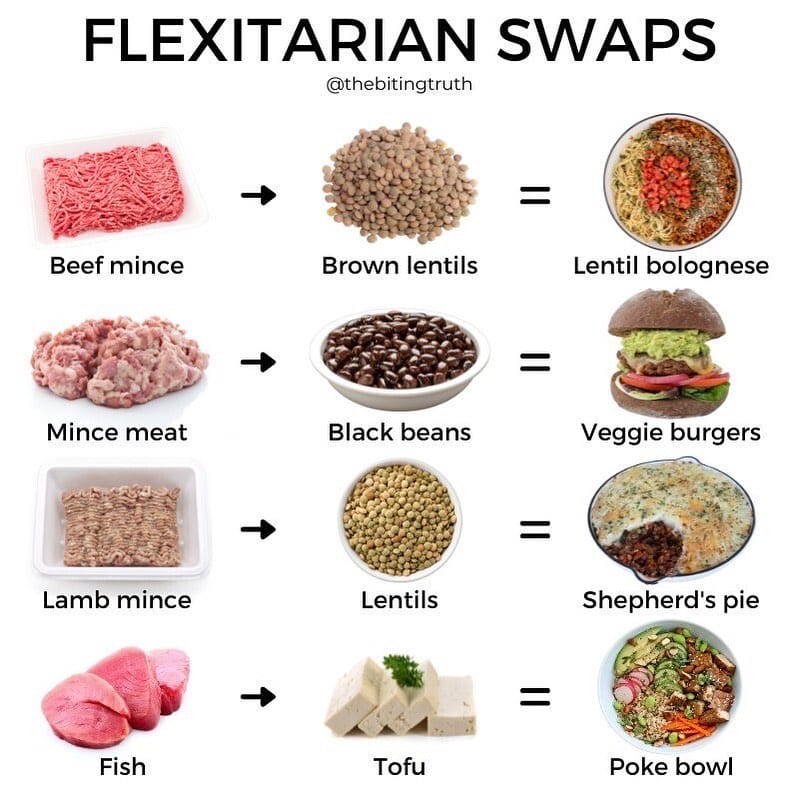
3. Try plant-forward sides
You don’t need a mountain of meat on every plate.
Good BBQ is about balance: smoke, seasoning, texture, and fresh sides.
Corn, slaw, and grilled vegetables are all low-waste and high-flavor.
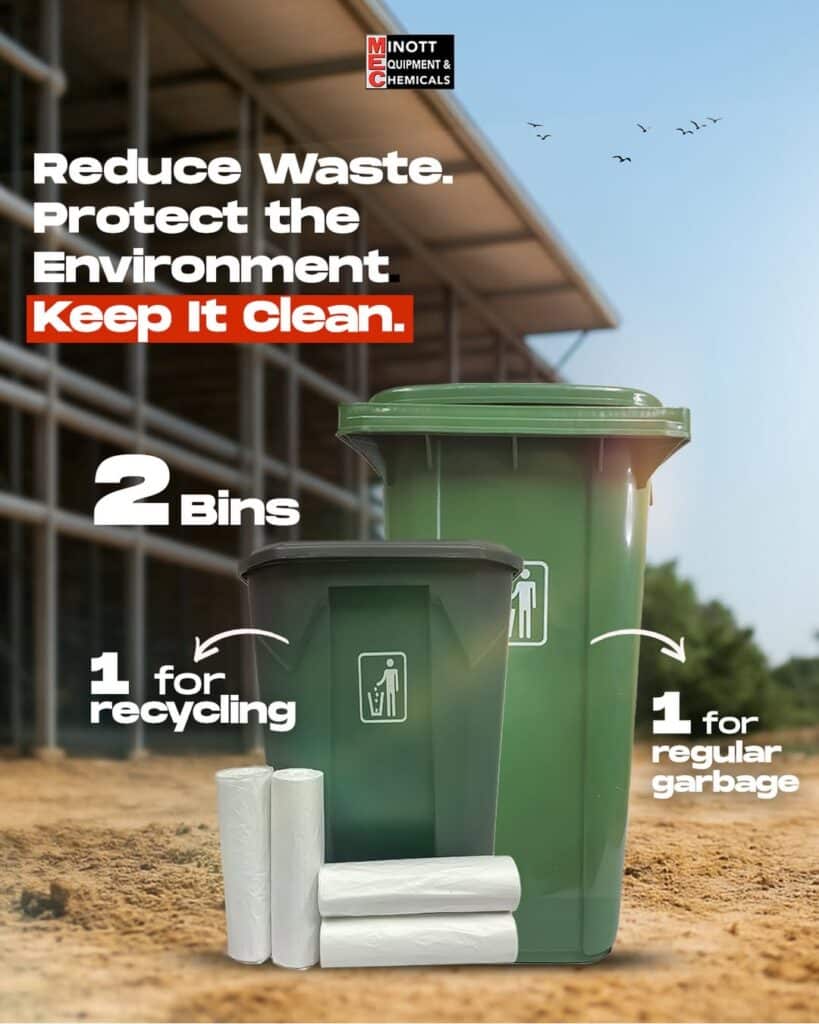
4. Reducing Waste: Smarter Prep, Smarter Storage, Smarter Cleanup
Let’s talk trash – literally.
Minimize Packaging
- Bring reusable bags to the butcher.
- Ask for butcher paper instead of plastic trays.
- Buy spices in bulk (you don’t need 14 tiny jars of paprika).
Use the Whole Cut
You can use leftover trimmings for:
- Stock
- Sausage
- Tallow
- Burnt ends
- Chili
- Breakfast hash (your future self will thank you)
Important phrase:Nothing from a good animal should go to waste.
Reuse Your Heat
If your smoker is still running hot after a brisket, throw in:
- Vegetables
- Beans
- A tray of potatoes
- Nuts for smoked snacks
You already paid for the fuel. Make it count.
Composting Scraps
Fruit wood ash? Veggie scraps? Old rubs past their prime? Into the compost they go.
Just don’t compost meat scraps unless you enjoy raccoons hosting midnight raves in your backyard.
Environmentally Friendly Cleanup
- Switch to biodegradable grill scrapers
- Avoid harsh chemicals – use vinegar, heat, or steam
- Save foil when possible (you don’t need a new sheet every hour)
Water Conservation: The Secret Sustainability Factor Nobody Talks About
Nobody thinks about water when they think BBQ…
Except pitmasters. Cleaning smokers, soaking wood, brining, washing cutting boards – it adds up fast.
Here’s how to cut down:
Reuse Rinse Water
Final rinse water can be reused to:
- Clean outdoor tools
- Rinse off deck or patio
- Water plants (if no soap is in it)
Dry Brining > Wet Brining
Wet brining wastes gallons. Dry brining wastes zero. And it tastes better. That’s what we call a win-win.
Use spray bottles instead of soaking wood
You don’t need to soak wood chunks (myth alert). Spritz flavor? Sure. Buckets of water? No.
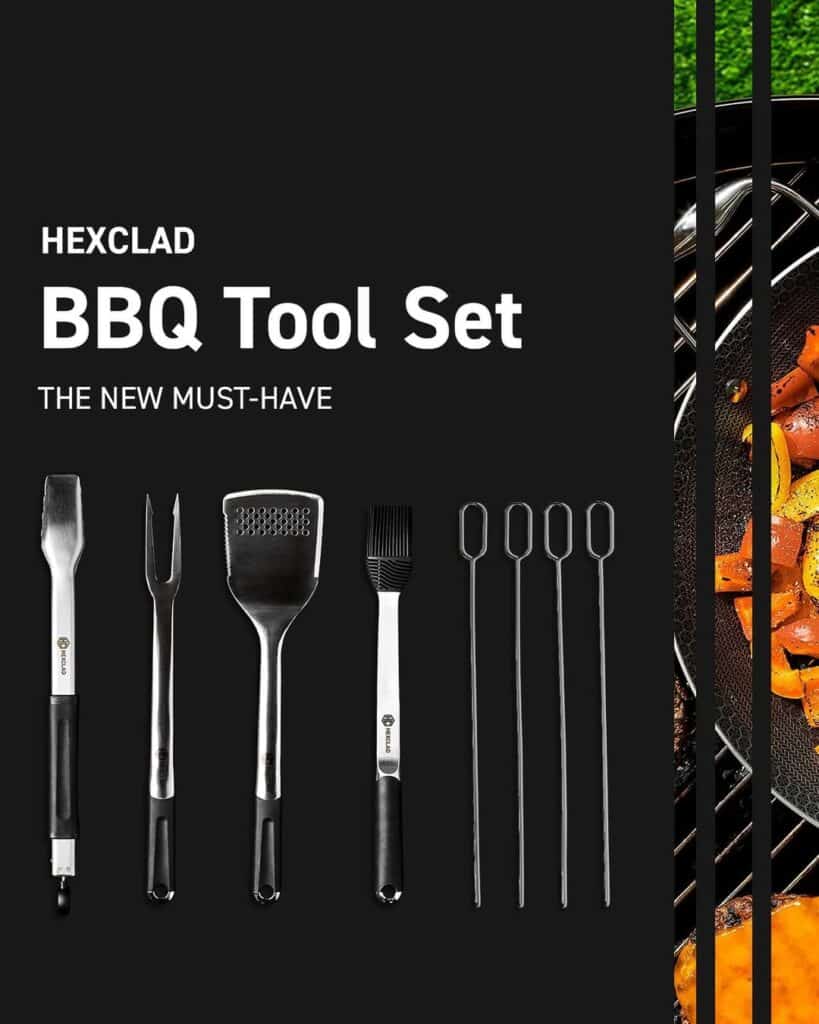
Sustainable Gear and Equipment Upgrades (That Actually Make a Difference)
You don’t need to throw away your grill and buy a futuristic solar-powered smoker that looks like a spaceship.
Just upgrade smartly.
Stainless Steel Over Cheap Coatings
It lasts longer, resists rust, and doesn’t shed micro-particles into food.
Cast Iron Tools
They last forever. I have a cast iron pan older than some of my nephews.
Replace Disposable Items
- Use washable silicone mats instead of 10 feet of foil.
- Choose reusable meat probes over laminated one-use thermometers.
- Ditch plastic plates for enamel or stainless steel.
Buy One Good Knife
A sharp knife reduces food waste, cuts bones cleaner, and doesn’t need replacement every year.
Plant-Forward BBQ: Not Vegetarian… Just More Balanced
“Plant-forward” doesn’t mean abandoning meat – it means adding more vegetables that love smoke.
Try:
- Smoked mushrooms
- Grilled squash
- Charred corn
- Smoked tomatoes (game changer)
- Wood-fired onions
- Fire-roasted peppers
Why It Matters
- Plants require fewer resources
- They stretch your meal
- They add color, freshness, balance
- Guests will think you’re fancy and sophisticated (we won’t tell them how easy it is)
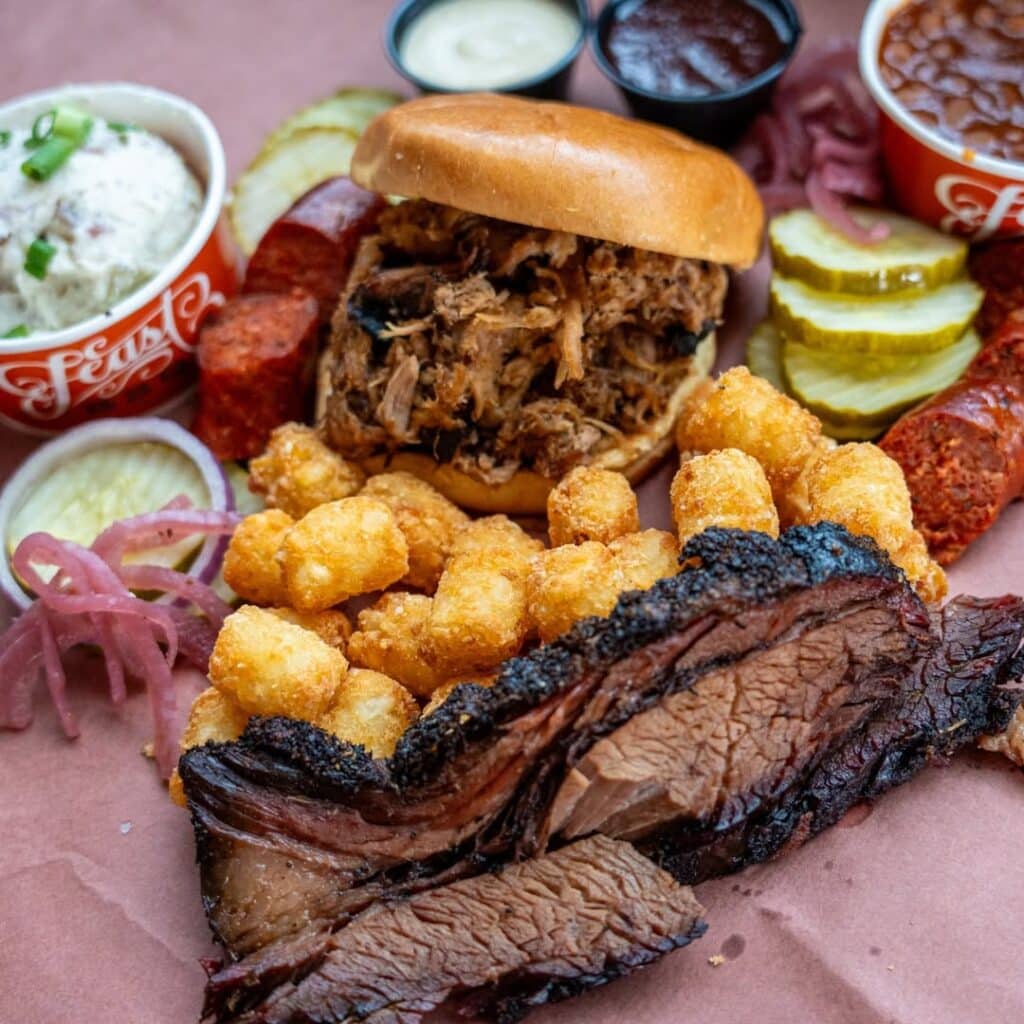
Leftover Alchemy: Turning Yesterday’s BBQ Into Tomorrow’s Meals
One of the greenest things you can do is stop throwing away perfectly good barbecue.
Here’s how to reuse leftovers like a pro:
Brisket
- Tacos
- Fried rice
- Grilled cheese
- Chili
- Hash
Pulled Pork
- Sliders
- Pizza topping
- Nachos
- Egg rolls
- Breakfast burritos
Chicken
- Salads
- Curries
- Soups
- Sandwiches
Key point:Leftovers aren’t scraps – they’re ingredients.
Sourcing Local and Seasonal Ingredients
This is the secret weapon of sustainable cooking.
Why Local Matters
- Less transport
- Lower emissions
- Fresher produce
- Supports small farmers
Why Seasonal Matters
- Higher quality
- Less energy used in growing
- Cheaper
- Naturally pairs with weather (summer peaches taste like summer peaches for a reason)
Seasonal BBQ Pairings
- Summer: corn, peppers, peaches
- Fall: squash, pumpkins, apples
- Winter: root vegetables, citrus glazes
- Spring: asparagus, fresh herbs
Hosting a Low-Waste BBQ Gathering
You don’t need to be “the eco guy” who lectures guests while they eat ribs. Just host smarter.
1. Use Real Dishes
Enamel plates + stainless forks = zero waste.
2. Make a “mini-side bar”
Guests take what they’ll actually eat. Less food thrown out.
3. Use drink dispensers, not individual bottles
One jug of tea replaces 12 bottles.
4. Encourage leftovers-to-go
Bring containers or ask guests to bring their own. You’ll be everyone’s favorite host AND you’ll waste less.
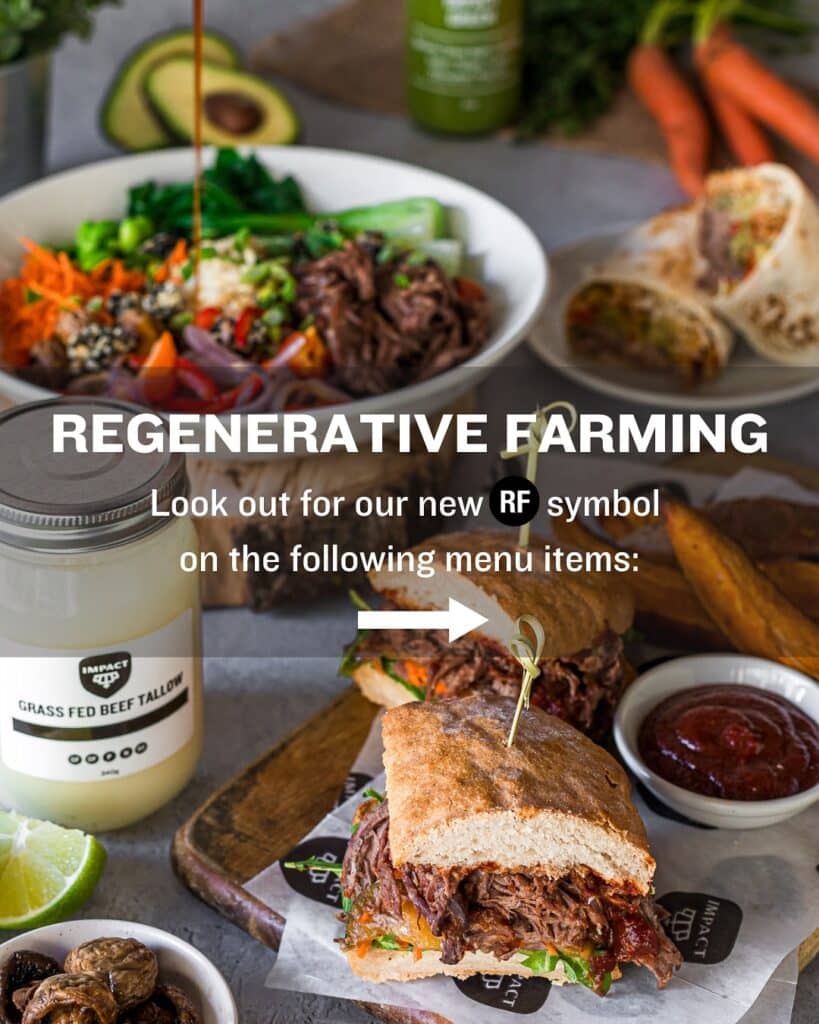
The Future of BBQ & Sustainability
BBQ is evolving. Pitmasters are embracing:
- Regenerative agriculture
- Locally sourced firewood
- Compostable packaging
- Hybrid electric smokers
- Better waste management
It’s not about being perfect – it’s about being better every cook.
Because when you think about it, barbecue is already rooted in sustainability. Historically, BBQ was the art of making the most out of tough cuts and limited fuel.
In a way, we’re just returning to our roots.
Frequently Asked Questions About BBQ & Sustainability
1. Is sustainable BBQ more expensive?
Not necessarily. Yes, ethical meat can cost more, but secondary cuts like brisket, ribs, pork shoulder, and chicken thighs are already budget-friendly and perfect for BBQ.
Plus, buying local, buying in bulk, and reducing waste lowers the total cost of cooking.
Think of it like this: you’re paying a little more for meat, but wasting far less of it.
2. Does eco-friendly fuel affect the flavor of BBQ?
Absolutely – but in a good way.
Sustainably sourced lump charcoal and clean-burning hardwoods produce purer smoke, cleaner heat, and richer bark. Cheap charcoal and mystery briquettes can add off-flavors.
Better fuel = better food. Mother Nature approves, and so do your tastebuds.
3. What’s the most eco-friendly fuel for BBQ?
If we’re ranking by sustainability and flavor:
- Local hardwood (best flavor, renewable when sourced responsibly)
- Sustainably sourced lump charcoal
- Wood pellets (efficient and clean-burning)
- Propane (not romantic, but surprisingly low-emission)
The real villain is low-quality, mass-produced charcoal that uses fillers, chemicals, and non-renewable wood.
4. What are the easiest ways to reduce waste at a BBQ?
Start simple:
- Use reusable plates, forks, and cups
- Buy meat wrapped in butcher paper, not plastic trays
- Turn leftover trimmings into stock, tallow, or sausage
- Portion sides so food doesn’t become “midnight raccoon buffets”
- Send guests home with leftovers in reusable containers
Small tweaks save a mountain of trash.
5. Does sustainable meat really taste different?
Yes – in the best possible way.
Pasture-raised, grass-fed, and ethically raised animals develop:
- Better marbling
- Cleaner, richer fat
- Deeper, more distinct flavor
Once you cook a pasture-raised brisket, you can taste the difference in every slice. It’s like upgrading from standard-definition TV to 4K.
6. Are pellet grills eco-friendly?
Pretty much, yes.
Pellet grills burn efficiently, produce clean smoke, and use fuel made from compressed wood waste.
Just make sure the pellets are 100% hardwood with no oils or flavor additives.
7. Do I have to stop using foil or butcher paper to be sustainable?
Nope. No need to go full caveman.
Just use less when possible, and reuse foil sheets if they’re still in good shape. Butcher paper is biodegradable, so it’s already a decent option.
8. Is soaking wood chips actually necessary?
No.
Not for flavor. Not for smoke. Not for sustainability. It mostly just wastes water and delays combustion by a few minutes.
If you want moisture, spritz your meat – not your wood.
9. How can I make plant-forward BBQ without losing the “BBQ soul”?
Easy: smoke your vegetables like they’re VIP guests.
Try:
- Smoked mushrooms
- Grilled squash
- Charred corn
- Smoked onions & tomatoes
- Flame-roasted peppers
Vegetables absorb smoke even better than meat… and people notice.
10. What’s the biggest sustainability mistake most backyard cooks make?
Waste.
The average backyard BBQ tosses:
- Half-used charcoal
- Food scraps
- Excess sides
- Single-use plates
- Foil mountains
- Plastic packaging
The easiest fix? Cook intentionally. Use only what you need. And give leftovers a second life.
11. What’s the single best thing I can do to make my BBQ more sustainable?
Buy better ingredients and use all of them.
That alone cuts waste, improves flavor, and supports better farming practices.
12. Will sustainable BBQ make me a better pitmaster?
Yes – because sustainability forces you to:
- Choose better fuel
- Treat ingredients with respect
- Use the whole animal
- Plan cooks more intentionally
These aren’t just green habits – they’re classic pitmaster habits. Sustainable BBQ isn’t just good for the planet…
It makes your food better too.
Sustainable BBQ Isn’t a Trend – It’s Good Cooking
You don’t need to overhaul your life.
Just make small, consistent changes:
- Choose better fuel
- Source better meat
- Reduce waste
- Cook smarter
- Respect ingredients
That’s sustainable.
That’s delicious.
That’s barbecue.
And if someone asks why you’re suddenly so eco-friendly, just smile and say:
“I’m not saving the planet, I’m just making better food.”
Funny how those two things go hand in hand.
Featured image credit: @randomactsofgreen
