
Listen, I get it. If you told the old-school pitmasters of thirty years ago that “salad bowls” would be the hottest thing at the backyard cookout, they’d probably have checked your forehead for a fever.
Back then, a “vegetable” was just a side of coleslaw or a lonely pickle spear sitting next to a three-pound brisket.
But times change, and frankly, so do our waistlines. We’ve entered a new era of outdoor cooking where the smoke meets the sprout. I’m talking about BBQ salad bowls. These aren’t your typical “bowl of wet lettuce” situations.
These are heavy-hitting, flavor-packed, charred-to-perfection meals that respect the craft of the flame while keeping things vibrant.
As a pitmaster, I’ve learned that the grill isn’t just for meat – it’s a high-heat flavor factory for everything from romaine hearts to radishes.
Let’s dive into how you can build a bowl that actually satisfies.
Redefining the Backyard Cookout
We need to address the elephant in the garden: the “salad” stigma. For too long, salads have been the obligatory, boring guest at the party. They were the consolation prize for the person who didn’t want a burger.
BBQ salad bowls flip that script.
The magic lies in the contrast of temperatures and textures. You take a bed of crisp, cold greens and top it with steaming, grill-marked vegetables and a protein that’s been kissed by hickory smoke. It’s a sensory roller coaster.
This isn’t just about health; it’s about culinary balance.
The heavy, fatty notes we love in BBQ need acidity and freshness to shine. Without a bit of green, a BBQ plate is just a monologue. With a salad bowl, it becomes a conversation.
The Anatomy of a Perfect BBQ Bowl
A great bowl is built like a skyscraper. If the foundation is weak, the whole thing collapses into a soggy mess by the time you reach the bottom.
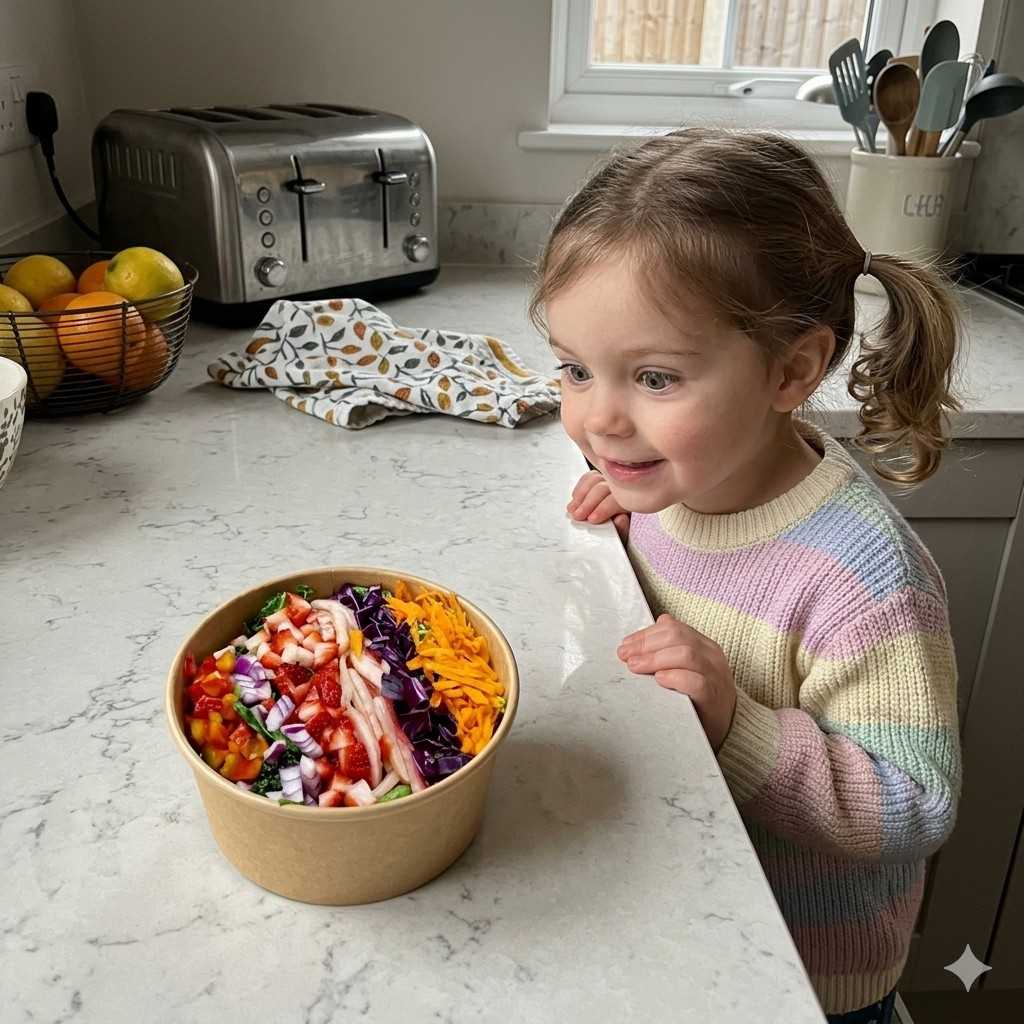
The Foundation: Choosing Greens with Backbone
Forget Iceberg. It’s basically crunchy water and it wilts the second it sees a grill. You need greens with “heft.”
- Kale: If you massage it with a little olive oil and lemon, it becomes tender and can stand up to heavy toppings.
- Romaine: Believe it or not, you can grill the lettuce itself. A quick sear on a Romaine heart adds a nutty sweetness you can’t get any other way.
- Shredded Cabbage: It’s the unsung hero. It stays crunchy for hours, even under the heat of a fresh-off-the-grill steak.
The Bulk: Grains and Hearty Additions
To make this a meal, you need substance.
I’m a big fan of charred corn sliced right off the cob. It adds a pop of sweetness. Quinoa, farro, or even smoked chickpeas provide the earthy “base” that makes a bowl feel like dinner rather than a snack.
The Texture and the “Zip”
You need a “crunch factor.” Think smoked almonds or sunflower seeds.
Finally, you need “the zip.” This usually comes from something pickled – red onions, jalapeños, or even pickled watermelon rinds. Acidity cuts through the smoke like a hot knife through butter.
Master the Grill: Vegetables as the Star
If you think grilling vegetables is just throwing a bell pepper on the grates and hoping for the best, we need to talk. Vegetables are more temperamental than a brisket at 3:00 AM.
The Best Veggies for Charring Not all produce is created equal.
Zucchini and yellow squash are classic, but they have high water content.
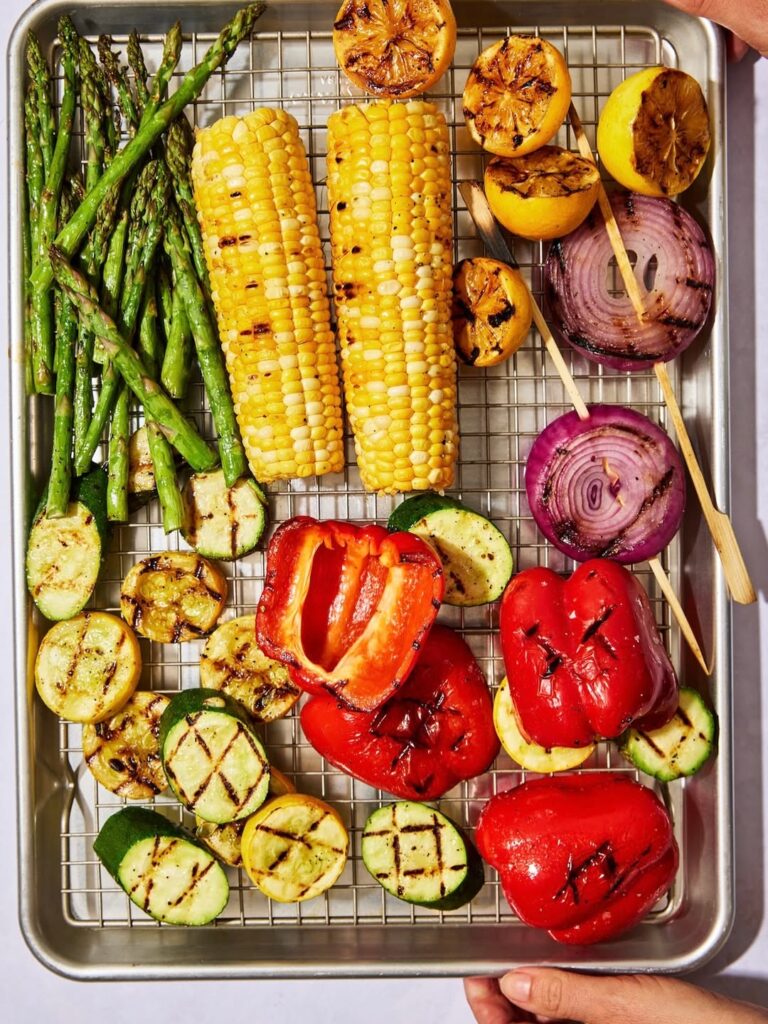
You want high heat and short times to avoid “mush factor.” Asparagus is the ultimate grill companion – it turns sweet and snappy in minutes. Red onions become mellow and candy-like when the edges get those black, crispy bits.
Advanced Grilling Techniques
- The Direct Sear: This is for your hearty items like cauliflower steaks or thick onion slices. You want the grates screaming hot. The goal is “char,” not “incineration.”
- The Foil Pack: For delicate things like cherry tomatoes or sliced mushrooms. Toss them in the foil with garlic, butter, and herbs. They’ll steam in their own juices while soaking up the ambient smoke of the grill.
- The Skewer: The best way to manage small items. Pro tip: Double-skewer your veggies so they don’t spin around when you try to flip them. There is nothing more frustrating than a mushroom that refuses to turn over.
The Golden Rule of Seasoning
Salt after, not before. Salt draws out moisture. If you salt a zucchini ten minutes before it hits the grill, it’s going to sweat, and instead of searing, it will steam.
Brush with oil, hit the grill, and season once those beautiful grill marks have formed.
Smoky Dressings: The Liquid Gold
The dressing is the glue that holds the BBQ salad bowl together. If you use a store-bought, fat-free Italian dressing on a BBQ bowl, a pitmaster somewhere loses their tongs.
How to Emulate Smoke Without a Fire
You can’t always smoke your oil (though if you have a cold smoker, go for it). For the rest of us, we use “cheats”:
- Smoked Paprika (Pimentón): This provides a deep, earthy red color and a mellow wood-fire flavor.
- Chipotle in Adobo: These are smoked jalapeños, and they bring both heat and a rich, vinegary smoke.
- Liquid Smoke: Use it sparingly. A single drop goes a long way. It’s like cologne – too much and you’ll ruin the party.
Three Signature Dressing Profiles
- The Smoky Vinaigrette: Blend charred lemon juice, honey, Dijon mustard, and smoked paprika. It’s light, bright, and perfect for seafood-based bowls.
- The Creamy BBQ Ranch: Take your standard ranch and whisk in a tablespoon of your favorite thick BBQ sauce and a pinch of cumin. It’s nostalgic but elevated.
- The Umami Miso-Char: Grill some scallions until they are blackened. Blend them with white miso paste, rice vinegar, and sesame oil. This is a game-changer for tofu or steak bowls.
Protein Pairings: Beyond the Basic Chicken
Chicken breast is fine, but we can do better. We’re at a BBQ; let’s act like it.
The Meat Tier
If you’re going for beef, look at Flank or Skirt steak. These cuts are thin, meaning they cook fast and develop a massive amount of surface crust.
Slice them thin against the grain. They are the “MVP” of the BBQ salad bowl world.
For pork, try charred carnitas-style pork shoulder. If you have leftovers from a weekend smoke, crisp them up in a cast-iron pan on the grill. The “bark” (that dark, flavorful outer layer) provides a phenomenal texture against soft greens.
The Seafood Tier
Cedar-planked salmon is a classic for a reason. The woodsy aroma infuses the fish without it falling apart on the grates. Alternatively, chili-lime shrimp skewers provide a quick, snappy protein that feels light but satisfying.
The Plant-Based Tier
Don’t sleep on Halloumi cheese. It’s the “squeaky cheese” that you can actually grill. It doesn’t melt away; it just gets warm and crispy. For vegans, smoked firm tofu is a blank canvas.
Press it, marinate it in soy and liquid smoke, and grill it until it has a “leather-like” exterior and a creamy interior.
Assembly & Presentation: Building the Layers
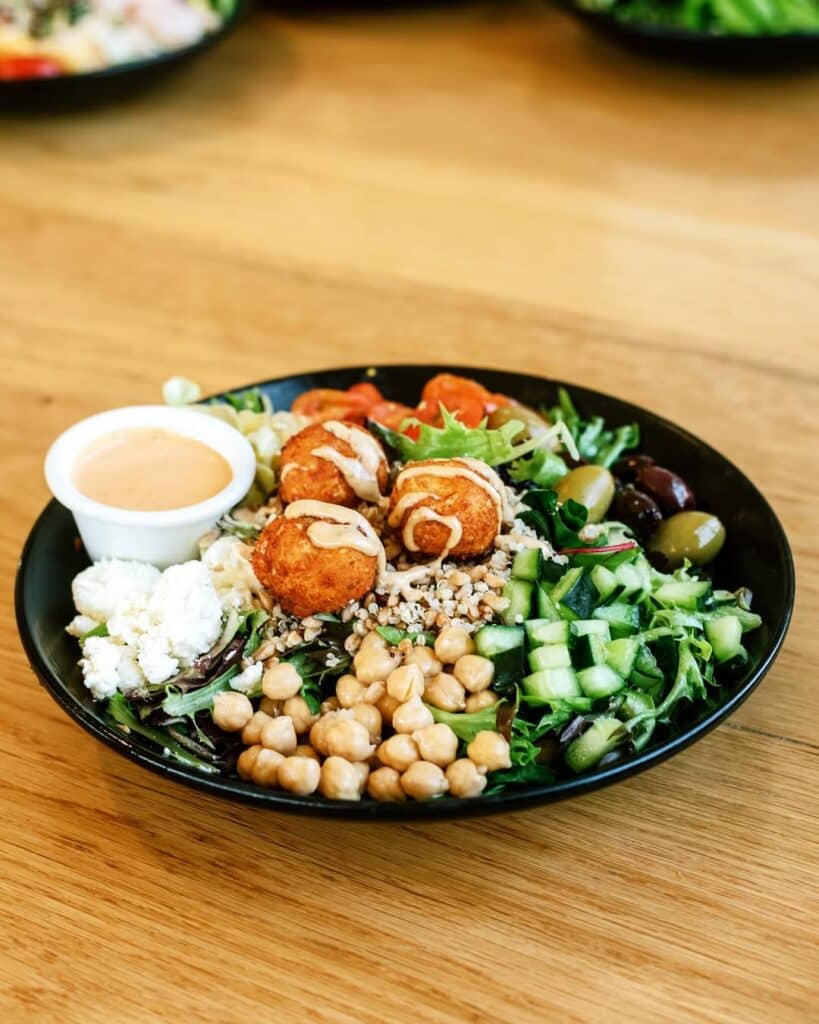
We eat with our eyes first. If you just toss everything in a bowl like a laundry basket, it won’t be as appetizing.
The “Deconstructed” Look is your friend. Group your ingredients.
Put the greens on the bottom, then arrange the grilled peppers in one section, the corn in another, and the protein in the center. It makes the bowl look abundant and intentional.
Temperature Management is the secret sauce. You want the greens cold, the dressing room temperature, and the protein warm – not boiling hot. Let your steak rest for five minutes before slicing it onto the salad.
If you put meat straight from the flame onto lettuce, you’re just making “lettuce soup.”
Seasonal Variations: A Bowl for All Times
BBQ isn’t just for July 4th. You can adapt the BBQ salad bowl concept all year round.
- Summer: Go for the Peach and Burrata Bowl. Grill halved peaches until caramelized, serve over arugula with prosciutto and a balsamic reduction. It’s summer on a plate.
- Fall: Try a Grilled Butternut Squash Bowl. Cube the squash, grill it in a basket, and pair it with kale, toasted pecans, and a maple-cider vinaigrette.
- Winter: Yes, you can grill in the snow. Charred Brussels Sprouts with pomegranate seeds and smoked goat cheese make for a festive, hearty winter bowl.
The Smoke-Infused Crunch: DIY BBQ Croutons and Toppers
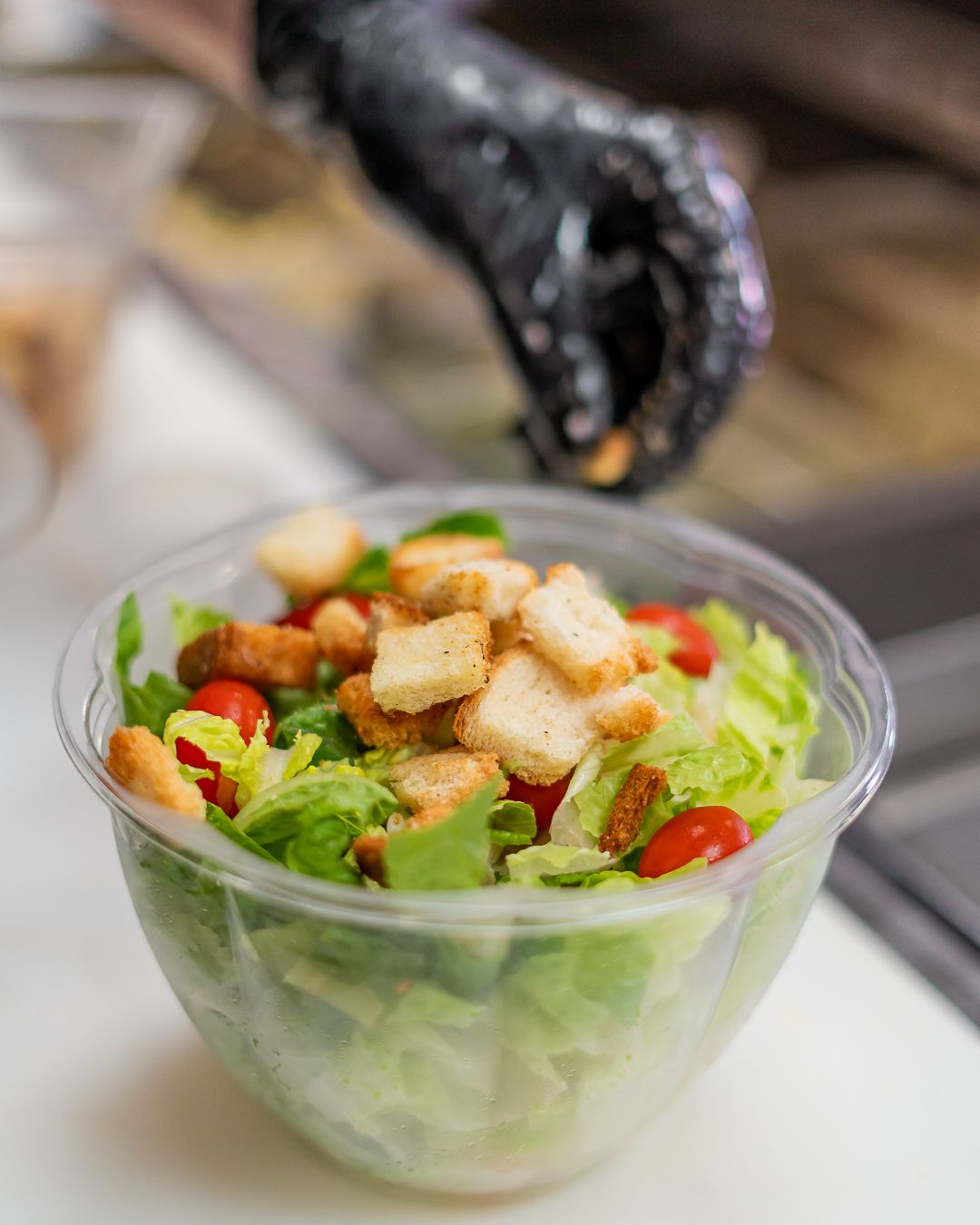
Most people reach for a bag of stale, store-bought croutons, but a pitmaster knows that the audible crunch is what keeps a vegetable-forward bowl from feeling “one-note.”
To elevate your BBQ salad bowl, try these two smoky toppers:
- Sourdough Smoked Nuggets: Use hand-torn sourdough chunks tossed in melted clarified butter and a hit of your signature dry rub. Place them in a perforated grill basket over indirect heat until they become golden, jagged nuggets of joy.
- Pop-Smoked Chickpeas: Pat chickpeas bone-dry, toss with smoked sea salt and cumin, and roast them on the cool side of the grill until they pop like savory popcorn.
The Science of the “Cold-Smoke” Rinse
Here’s a trick that will make your guests think you’re a culinary wizard. You aren’t actually cooking the lettuce – you’re perfuming the greens to bridge the gap between the chilled base and the charred toppings.
- The 60-Second Rule: While your protein rests, place your bowl of hardy greens (like kale or shredded Brussels) inside the grill or smoker.
- The Setup: Keep the lid closed and the heat off.
- The Result: The residual smoke clings to the moisture on the leaves, giving the bowl a ghostly campfire aroma without wilting the structure. Aim for a whisper of hickory, not a punch in the face.
Smart Storage: The “Mason Jar” BBQ Meal Prep
BBQ salad bowls are the ultimate meal-prep champions, but only if you understand moisture layering. To avoid the “soggy salad” sadness during a fast-paced work week, build your jar from the bottom up:
- The Base Layer: The dressing goes in first so it doesn’t touch the delicate items.
- The “Armor” Veggies: Follow with items that don’t mind a marinade, like pickled onions, radishes, or grilled corn.
- The Hearty Middle: Layer your sliced protein and charred peppers next.
- The Attic: Place your greens at the very top, far away from the liquid.
- The Serving: When you’re ready to eat, give it a violent shake to distribute the smoky goodness.
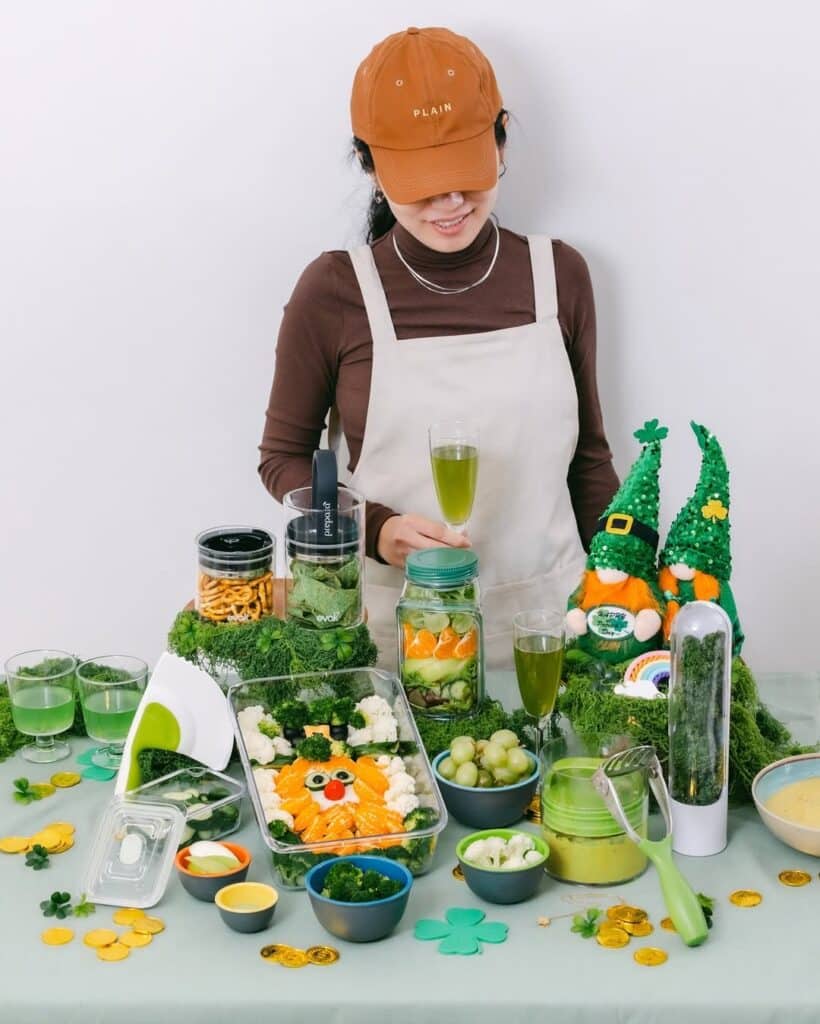
The Tool Kit: Essential Gear for the Salad-Bound Pitmaster
You wouldn’t trim a brisket with a butter knife, so don’t approach your veggies without the right kit. Precision is what separates a backyard hobbyist from a bowl-building pro.
- Fine-Mesh Grill Basket: This is non-negotiable for getting a high-heat sear on cherry tomatoes or sliced okra without losing them to the charcoal gods.
- 7-inch Santoku Knife: The scalloped edge prevents starchy veggies like grilled potatoes or squash from sticking to the blade, allowing for perfectly uniform slices.
- Digital Thermometer: Overcooking a steak is a sin, but overcooking a delicate piece of tuna or a thick cauliflower steak is a tragedy. Hit your temps every time.
Frequently Asked Questions
Can I make BBQ salad bowls ahead of time?
Absolutely. In fact, BBQ salad bowls are better for meal prep than traditional salads because grilled vegetables hold their texture longer than raw ones.
Just remember the “Mason Jar” rule: keep your smoky dressings at the bottom and your greens at the very top. If stored this way, a bowl will stay crisp and delicious for up to three days in the fridge.
What are the best “hearty” greens that won’t wilt?
When you’re adding warm, charred proteins to a bowl, you need greens with some backbone.
- Kale and shredded cabbage are the gold standard because they actually tenderize slightly under the heat rather than turning into mush.
- If you prefer Romaine, keep the leaves whole or in large chunks to maintain that satisfying crunch.
How do I get a smoky flavor if I’m using a gas grill?
You don’t need a wood-fired offset smoker to get that signature BBQ taste.
- Use a smoker box filled with hickory or applewood chips on one of your burners.
- Alternatively, lean into “smoky shortcuts” in your dressing, such as smoked paprika (Pimentón), chipotle in adobo, or a high-quality smoked sea salt.
Is there a trick to grilling small vegetables without losing them?
There is nothing more tragic than a perfectly seasoned asparagus spear falling through the grates.
- Invest in a fine-mesh grill basket or a perforated grill topper.
- For items like cherry tomatoes or mushrooms, double-skewering them (using two parallel skewers) prevents them from spinning, making it much easier to get an even char on both sides.
What is the best protein-to-veg ratio for a balanced bowl?
To keep it a “salad bowl” and not just a “steak with a garnish,” aim for a ratio of 2:1 (Vegetables to Protein).
Use a palm-sized portion of your grilled protein (about 4–6 ounces) and surround it with a vibrant mix of charred corn, peppers, and leafy greens. This ensures you feel full without the “meat sweat” coma.
The New BBQ Standard
The days of feeling like you need a nap for three business days after a BBQ are over.
By mastering BBQ salad bowls, you’re proving that outdoor cooking can be sophisticated, balanced, and – dare I say – healthy, without sacrificing an ounce of that smoky soul we crave.
It’s about the char on the corn, the snap of the asparagus, and the zing of a smoky ranch.
So, next time you fire up the pits, grab a head of Romaine and some peppers along with that steak. Your guests (and your heart) will thank you.
Featured image credit: @nakedq
