
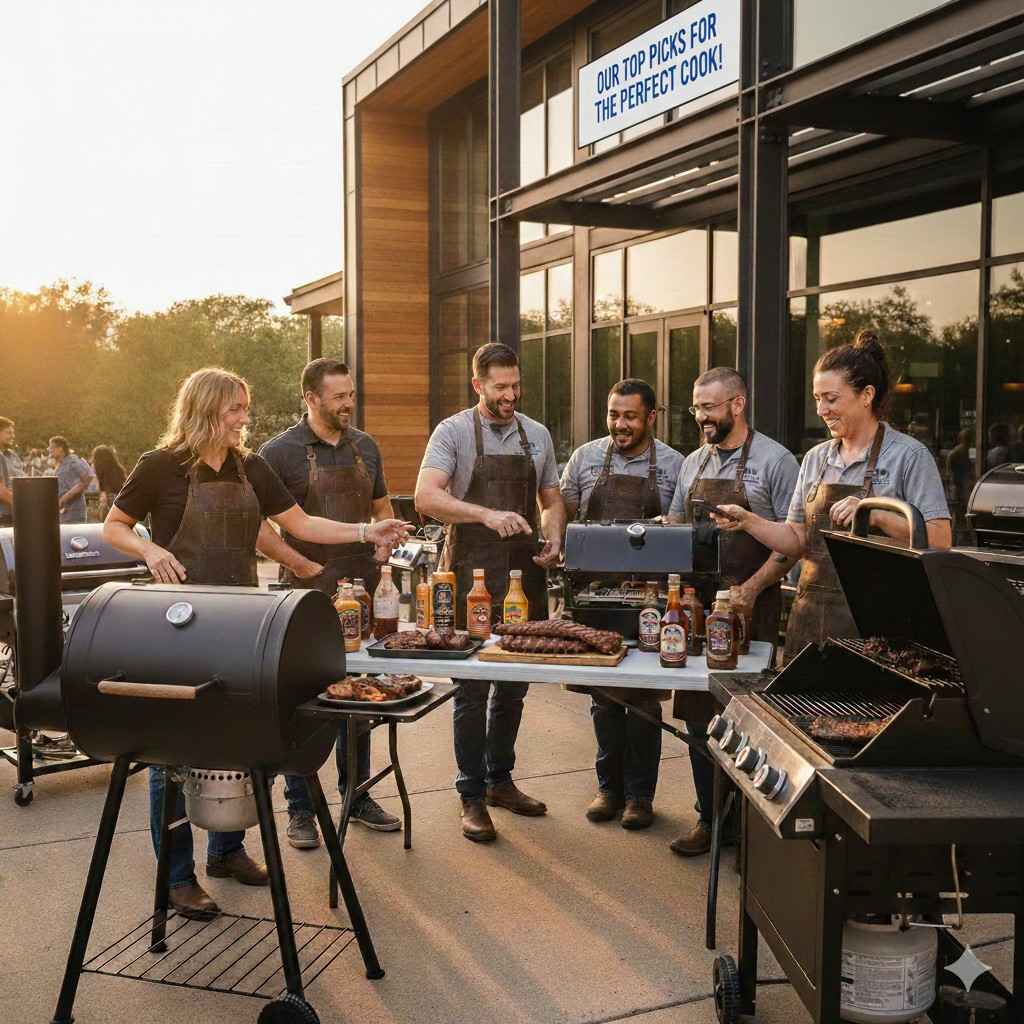
I’ve been cooking barbecue long enough to know one hard truth: the grill doesn’t make the pitmaster – but a bad grill can ruin good barbecue fast.
I’ve cooked on rusted hand-me-down kettles, competition-grade monsters that weigh more than a motorcycle, and everything in between. I’ve burned ribs, nailed briskets, and learned the hard way that not all grills are created equal – no matter what the marketing says.
This guide is about BBQ grill brands pitmasters actually recommend, not because they’re trendy, but because they hold heat, manage airflow, and survive real-world cooking. These are grills that have been tested, trusted, and cursed at – and still earned respect.
If you’re serious about grilling – whether it’s backyard weekends or competition dreams – this list will save you time, money, and disappointment.
How These BBQ Grill Brands Were Tested & Judged
Before we talk brands, let’s talk standards. Pitmasters don’t judge grills the way catalogs do.
We care about:
- Temperature control over hours, not minutes
- Build quality you can feel when you lift the lid
- Flavor output, not flashy features
- Consistency cook after cook
These BBQ grill brands were evaluated through:
- Long low-and-slow cooks (brisket, pork shoulder)
- High-heat searing tests
- Fuel efficiency over extended sessions
- Feedback from backyard cooks and competition pitmasters
- Years of real use – not showroom demos
No paid placements. No brand favoritism. Just grills that earned their spot.
Quick Reality Check Before You Buy a Grill
Here’s something beginners don’t hear enough:
The “best” grill doesn’t exist – only the best grill for how you cook.
Some pitmasters love tending a fire like a camp ritual. Others want to set temps, crack a beer, and let technology do the work. Both are valid. What matters is choosing a brand that matches your style.
Now let’s get to the grills that pitmasters keep coming back to.
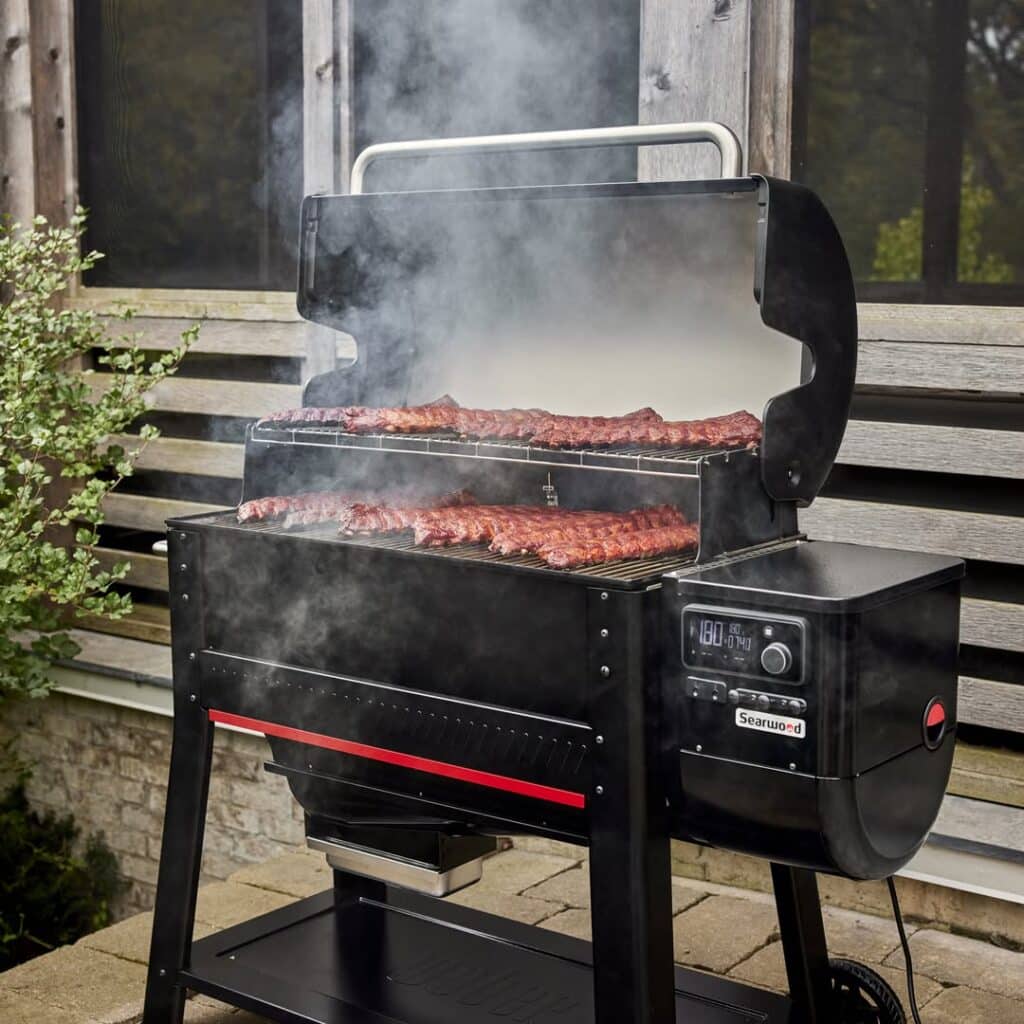
1. Weber – The Benchmark for Dependability
If BBQ grill brands were pickup trucks, Weber would be the one that starts every time.
I’ve owned multiple Webers over the years, and they all had one thing in common: they just worked. No drama. No weird airflow issues. No surprise flare-ups.
Why pitmasters trust Weber
- Rock-solid heat control
- Excellent airflow design
- Parts are easy to replace – even years later
Weber grills don’t chase trends. They focus on fundamentals. And in barbecue, fundamentals win.
Best for: Backyard cooks, beginners, and pitmasters who want consistency without fuss
Watch out for: Less innovation compared to newer brands
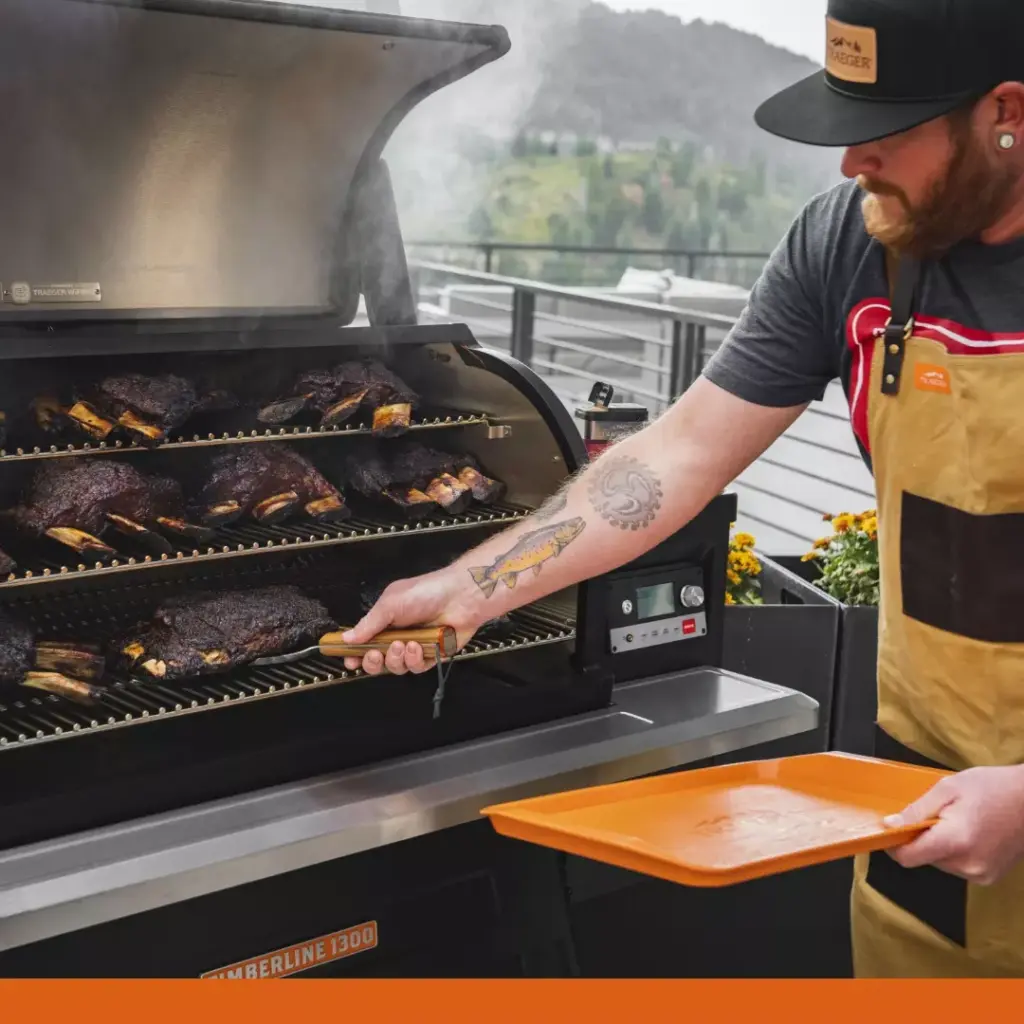
2. Traeger – Pellet Grilling That Changed the Game
Pellet grills used to get side-eyed by old-school pitmasters. Then Traeger showed up and said, “What if smoking didn’t require babysitting?”
I’ll admit it – I was skeptical. Then I cooked overnight brisket without losing sleep.
Why pitmasters recommend Traeger
- Set-it-and-forget-it temperature control
- Clean, consistent smoke flavor
- Easy learning curve
Traeger grills won’t replace fire management purists, but they’ve earned respect by producing repeatable, competition-quality results.
Best for: Busy pitmasters, beginners, pellet-grill fans
Watch out for: Less direct searing without add-ons
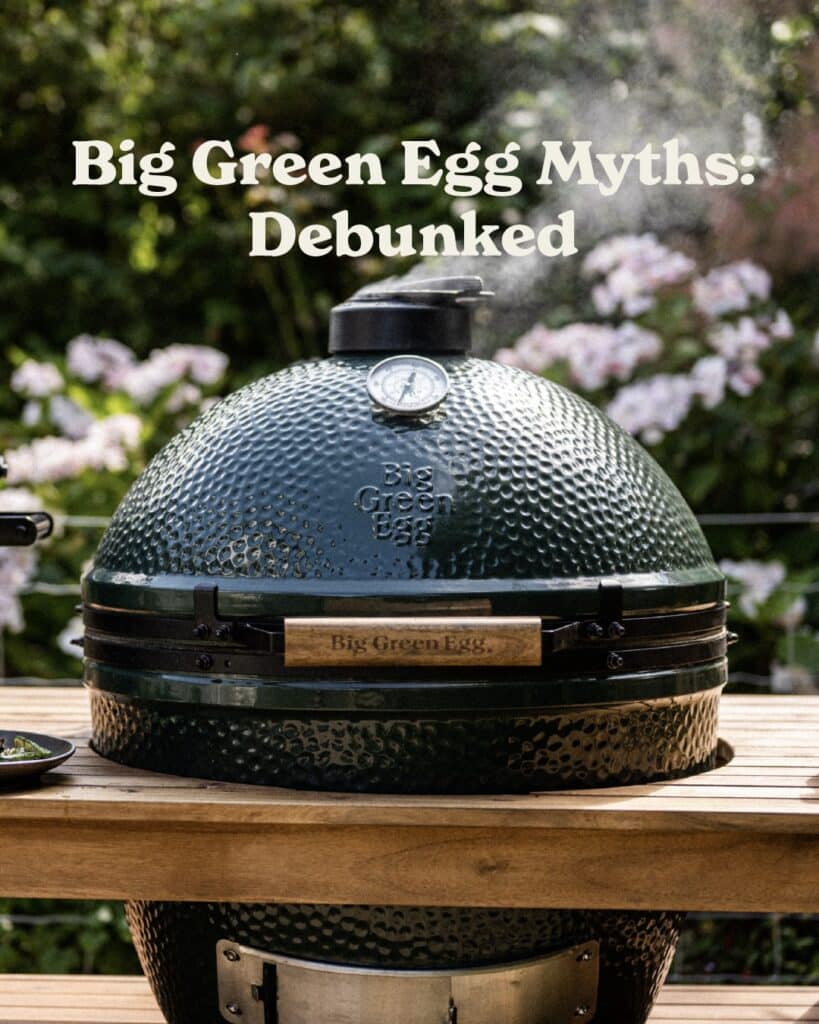
3. Big Green Egg – Ceramic Powerhouse
Cooking on a Big Green Egg feels like cheating – in a good way.
The first time I locked in temperature for 12 hours straight without touching a vent, I knew why pitmasters swear by it.
Why pitmasters love Big Green Egg
- Unmatched heat retention
- Massive temperature range
- Exceptional fuel efficiency
Ceramic kamado grills aren’t cheap, but they’re built for decades, not seasons.
Best for: Low-and-slow cooks and high-heat searing
Watch out for: Heavy weight and premium pricing
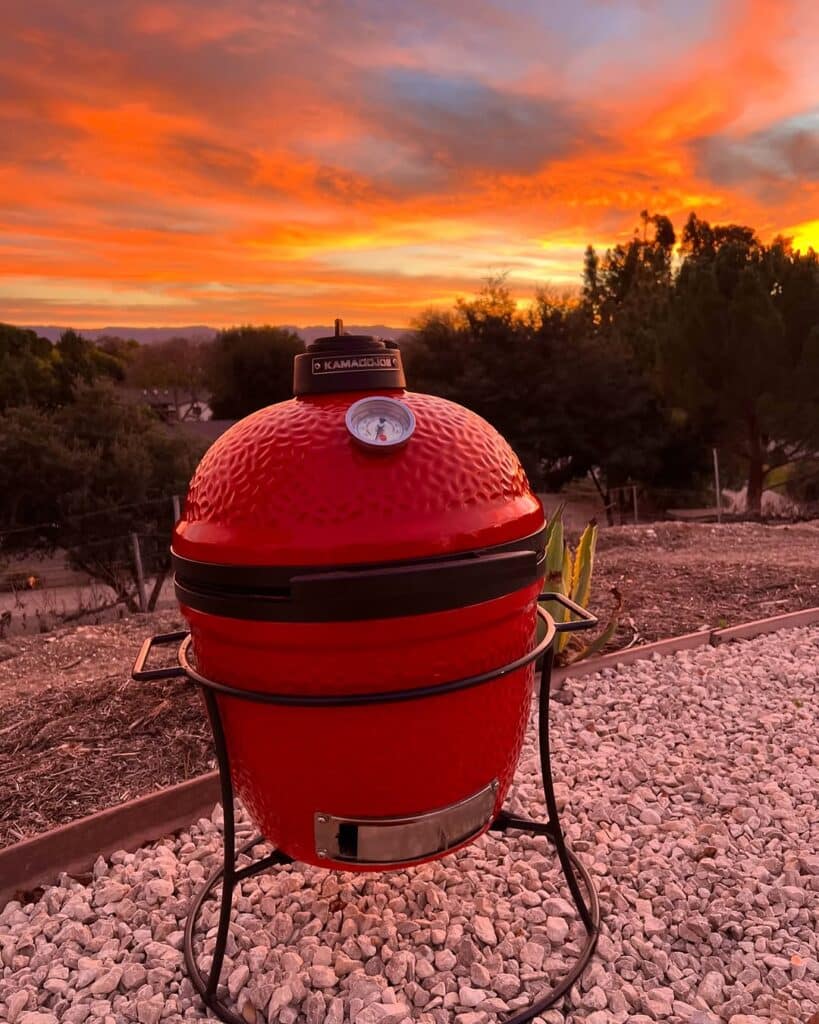
4. Kamado Joe – The Innovator’s Kamado
If Big Green Egg is tradition, Kamado Joe is evolution.
Kamado Joe looked at ceramic grilling and asked, “How do we make this easier?” Then they actually did it.
Why pitmasters recommend Kamado Joe
- Divide & Conquer cooking system
- Improved airflow controls
- Better accessory ecosystem
It’s one of the most thoughtfully designed grills I’ve cooked on.
Best for: Advanced pitmasters who want flexibility
Watch out for: Still heavy and not portable
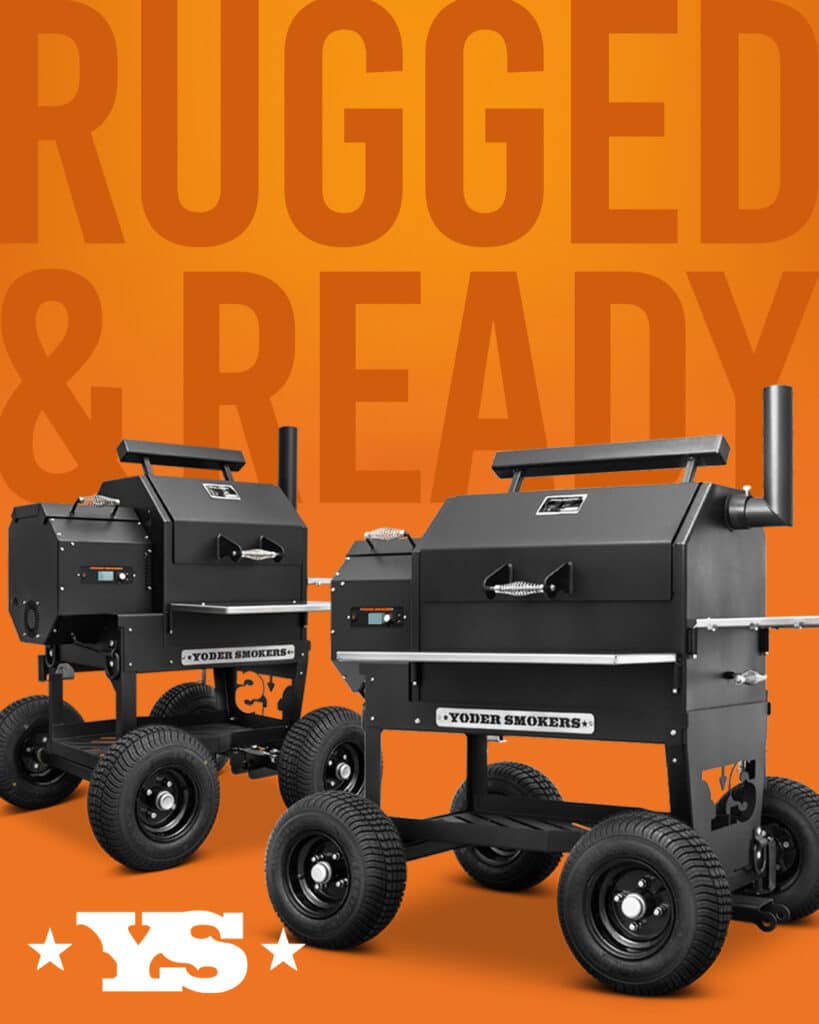
5. Yoder Smokers – Competition-Grade Muscle
Yoder smokers are built like tanks – and cook like precision instruments.
When pitmasters start competing seriously, Yoder often enters the conversation.
Why pitmasters trust Yoder
- Heavy-gauge steel construction
- Excellent pellet smoke output
- Rock-solid temperature stability
These grills aren’t subtle. They’re serious tools for serious cooks.
Best for: Competition cooks and hardcore enthusiasts
Watch out for: Price and weight
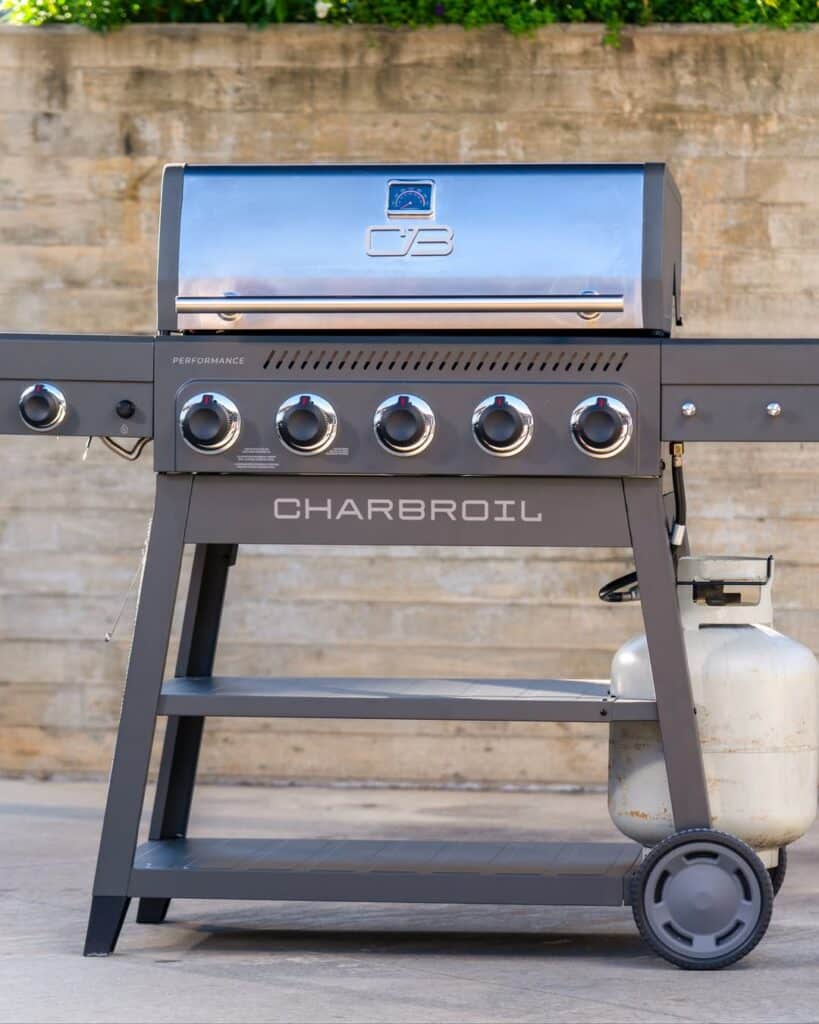
6. Char-Broil – Strong Value for Everyday Grilling
Char-Broil doesn’t get enough respect in pitmaster circles – but it should.
Not every cook needs a $2,000 grill. Char-Broil offers solid performance at approachable prices.
Why pitmasters recommend Char-Broil
- Reliable heat output
- Widely available replacement parts
- Simple, functional design
It’s proof that good barbecue doesn’t require luxury gear.
Best for: Budget-conscious grillers
Watch out for: Shorter lifespan than premium brands
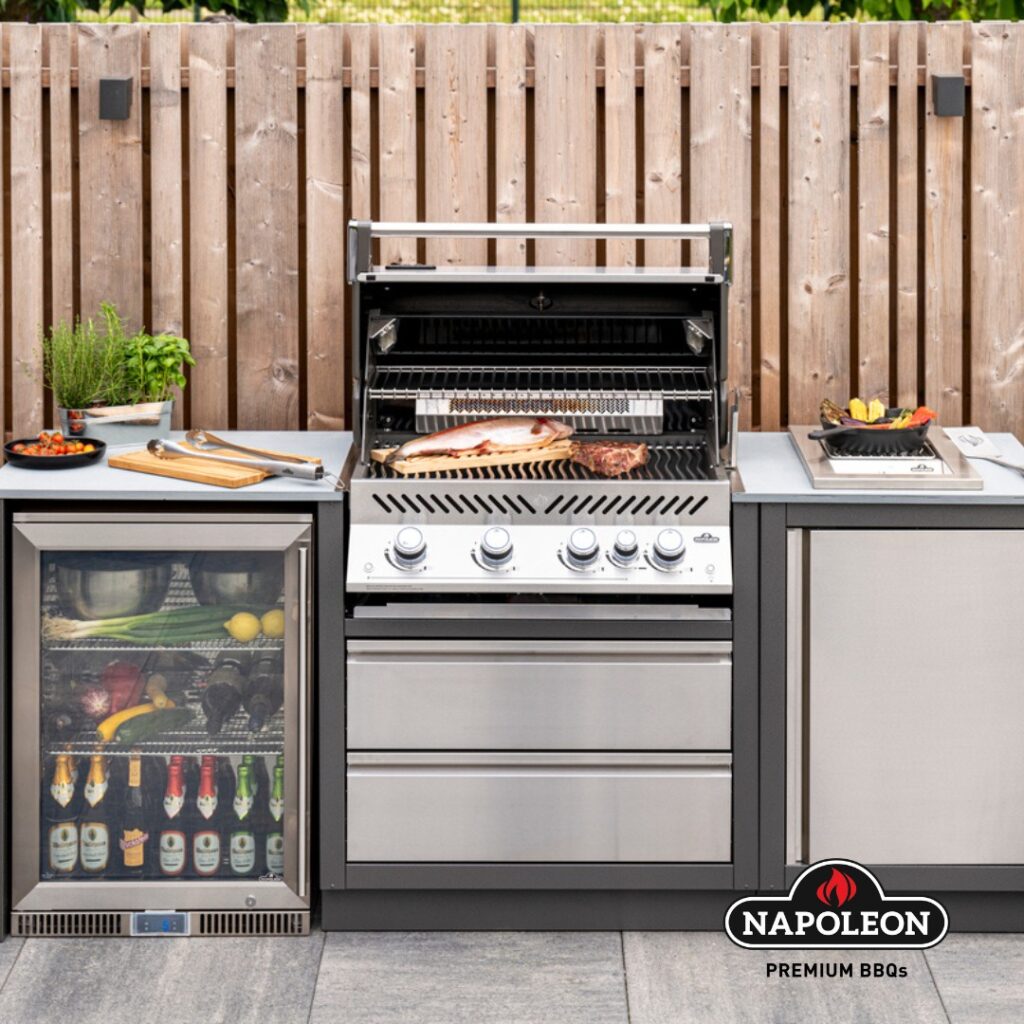
7. Napoleon Grills – Precision Meets Power
Napoleon grills feel engineered – and I mean that as a compliment.
From infrared burners to tight temperature control, these grills are designed for cooks who want power and finesse.
Why pitmasters recommend Napoleon
- Exceptional searing capability
- High-quality stainless construction
- Precise gas control
If you love steakhouse-level results, Napoleon delivers.
Best for: Gas grill enthusiasts and high-heat cooks
Watch out for: Higher price point
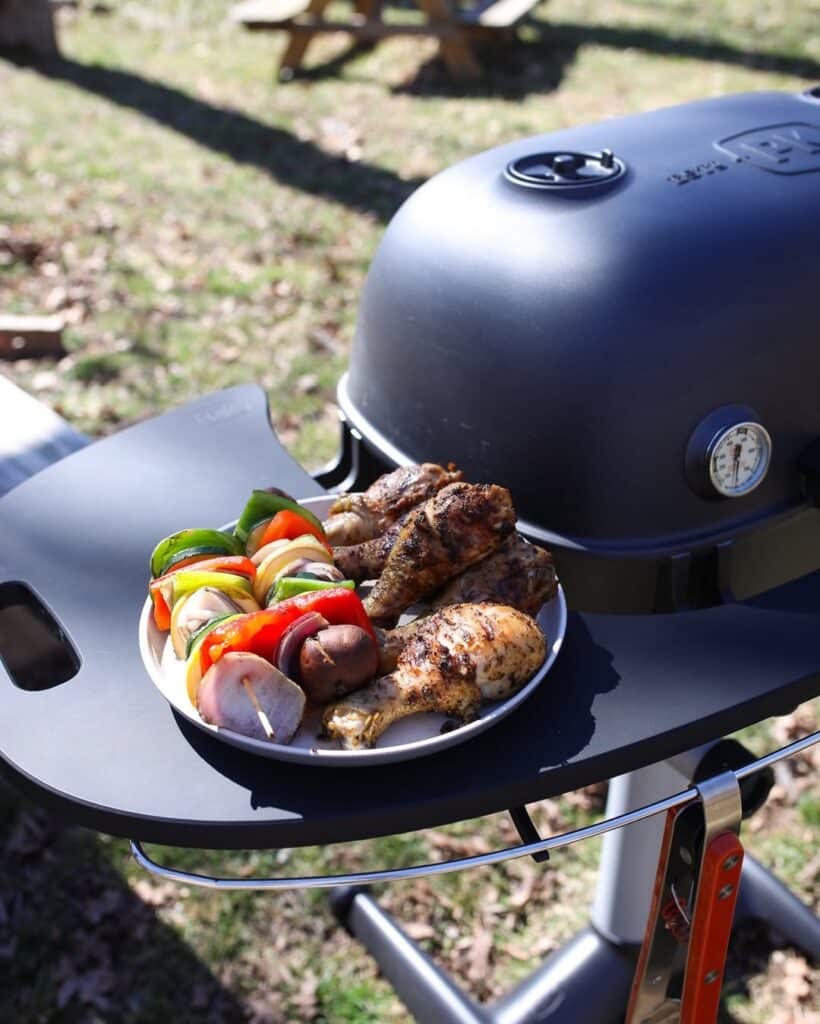
8. PK Grills – The Charcoal Purist’s Favorite
PK Grills are a little quirky – and pitmasters love them for it.
The cast aluminum body and capsule shape create remarkably efficient airflow.
Why pitmasters recommend PK Grills
- Excellent direct and indirect heat zones
- Rust-proof construction
- Strong smoke control
Once you cook on one, you get it.
Best for: Charcoal purists
Watch out for: Limited availability
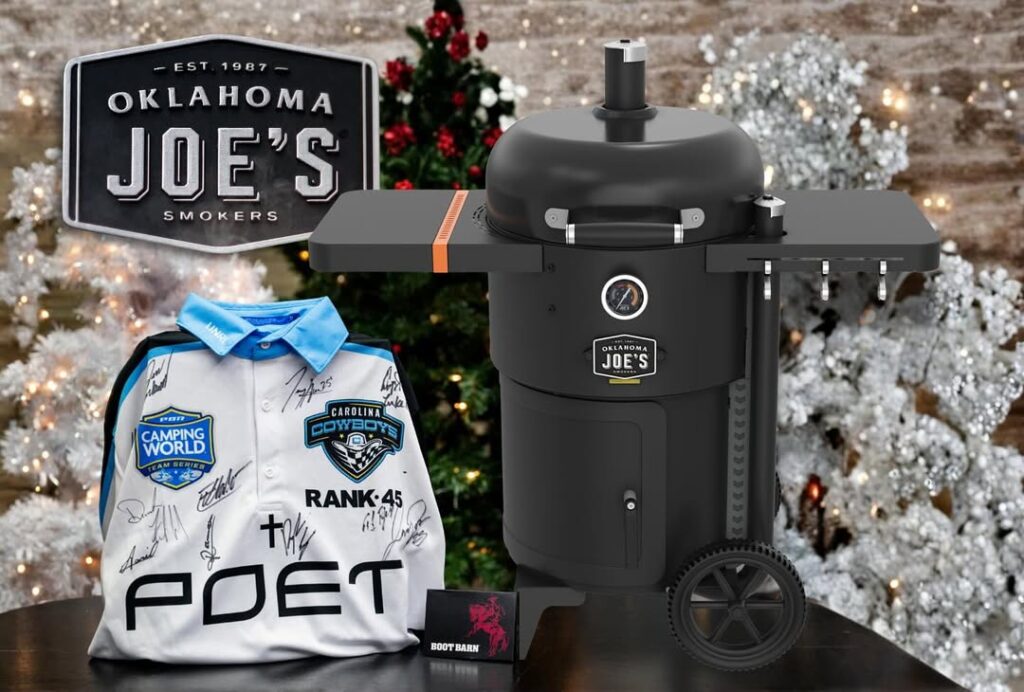
9. Oklahoma Joe’s – Old-School Offset Smoking
Oklahoma Joe’s is about tradition. No shortcuts. No automation.
If you want to learn fire management the hard way – this is the brand.
Why pitmasters respect Oklahoma Joe’s
- Authentic offset smoker design
- Deep, wood-fired flavor
- Thick steel construction
These grills teach patience – and reward it.
Best for: Traditional BBQ lovers
Watch out for: Requires hands-on attention
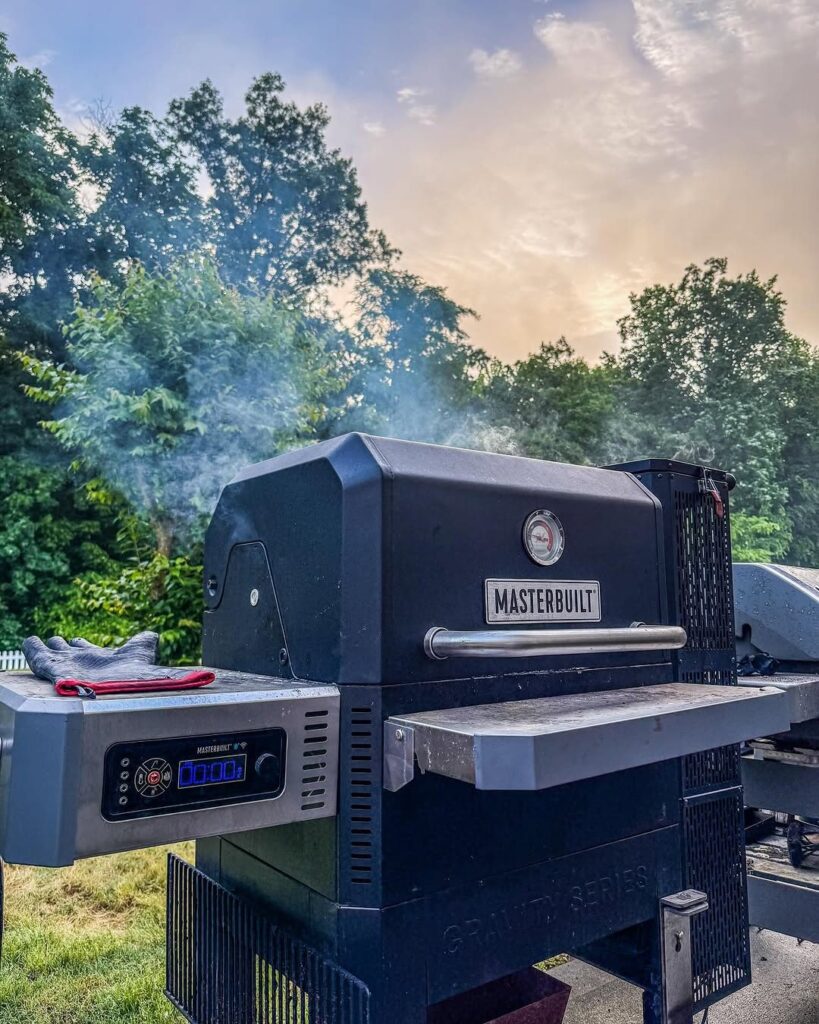
10. Masterbuilt – Tech-Savvy Smoking for Beginners
Masterbuilt flipped the script with gravity-fed charcoal and digital controls.
It’s one of the easiest ways to produce consistent smoked meat without sacrificing flavor.
Why pitmasters recommend Masterbuilt
- Smart temperature management
- Great entry point into smoking
- Consistent results
Tech-forward doesn’t mean soulless – Masterbuilt proves that.
Best for: Beginners and tech-friendly cooks
Watch out for: Electronics require maintenance
How to Choose the Right BBQ Grill Brand for You
Choosing among BBQ grill brands isn’t about chasing hype. It’s about matching the grill to your habits.
Ask yourself:
- Do I enjoy managing a fire or avoiding it?
- Am I cooking weekly or occasionally?
- Do I value convenience or tradition?
- What flavors do I chase most?
The right grill feels natural to use. If you fight it, you won’t enjoy cooking on it.
Why Grill Weight Matters More Than Most People Think
Most buyers look at size and BTUs. Pitmasters quietly check weight first. Heavier grills usually mean thicker metal, better heat retention, and fewer temperature swings. A lightweight grill heats fast – but it also loses heat fast, especially in wind or cold weather.
I’ve cooked on flimsy lids that felt like soda cans. Every lid lift dumped heat like money falling out of your pocket. A heavier grill recovers faster and stays steady longer, which means more forgiving cooks and better bark.
That’s why many trusted BBQ grill brands invest in steel thickness before flashy features. If a grill feels solid when you open the lid, chances are it’ll cook solid too.
The Role of Airflow: The Secret Sauce Behind Great BBQ
Airflow is the difference between fighting your grill and working with it. Pitmasters obsess over vents, dampers, and chimney placement because fire needs oxygen – and too much or too little ruins everything.
Good airflow gives you:
- Stable temperatures
- Cleaner smoke
- More predictable cooking times
Bad airflow leads to dirty smoke, bitter flavors, and constant temperature chasing. That’s why experienced pitmasters pay attention to how air enters and exits the grill – not just how hot it gets.
The best BBQ grill brands design airflow intentionally, not as an afterthought. When airflow is right, cooking feels calm instead of chaotic.
Fuel Flexibility: Why Being Locked Into One Fuel Can Backfire
Some grills do one thing beautifully. Others give you options. Pitmasters value fuel flexibility more than most buyers realize.
Charcoal gives flavor. Wood gives depth. Pellets give convenience. Gas gives speed. Being locked into one fuel limits how – and what – you cook.
I’ve had cooks where charcoal was perfect… and others where pellets saved the day. Grills that allow hybrid cooking or easy fuel switching offer long-term versatility.
Many modern BBQ grill brands are moving toward adaptable designs, and for good reason. Your cooking style will evolve. Your grill should be able to evolve with it.
Maintenance Reality: The Stuff No One Talks About
Every grill looks good on day one. Pitmasters think about day 300.
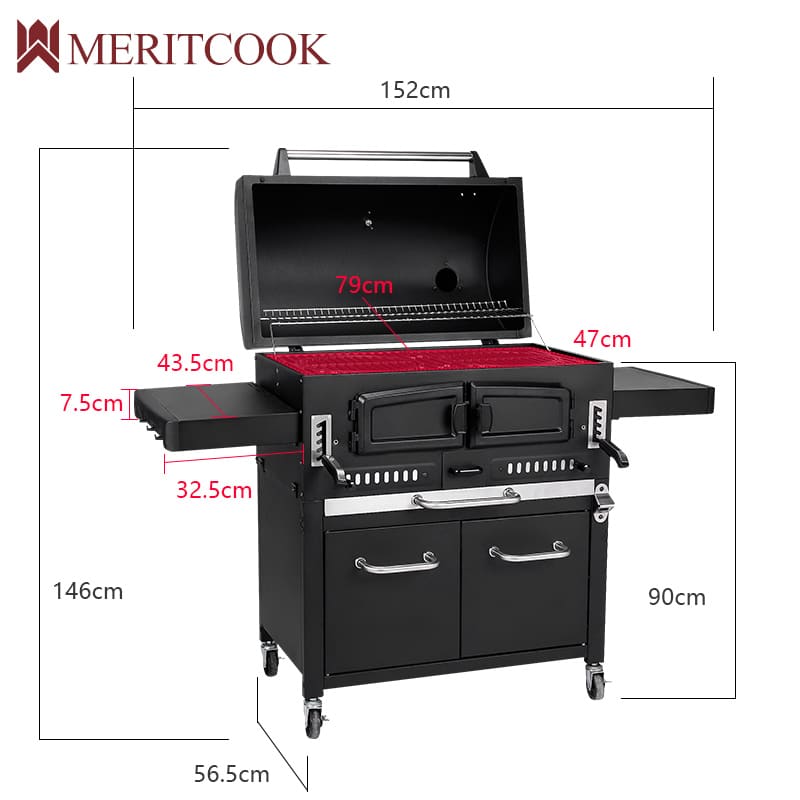
Ash buildup, grease traps, burner access, and interior cleaning matter more than glossy photos. A grill that’s easy to clean gets used more often. One that’s a chore collects dust.
Look for:
- Removable ash systems
- Accessible grease management
- Simple interior layouts
The best BBQ grill brands design for long-term ownership, not just first impressions. If maintenance feels manageable, you’ll cook more – and better – over time.
How Weather Affects Grill Performance (And Which Brands Handle It Best)
Cold, wind, rain – weather exposes weak grills fast. Thin metal struggles to hold heat. Poor seals leak smoke. Electronics panic.
Pitmasters who cook year-round care deeply about insulation, lid fit, and weather-resistant components. Ceramic grills shine in cold climates. Heavy steel holds heat in wind. Well-sealed lids prevent temperature crashes.
If you grill in unpredictable conditions, this matters. Some BBQ grill brands are built for perfect weather. Others are built for real life.
A grill that performs in bad weather earns permanent backyard status.
Replacement Parts: The Long-Term Cost Nobody Calculates
Here’s an uncomfortable truth: every grill breaks eventually. Burners fail. Thermometers lie. Gaskets wear out.
Pitmasters choose BBQ grill brands that offer:
- Easy-to-find replacement parts
- Long-term parts availability
- Reasonable pricing
Nothing kills a grill faster than a $20 part you can’t buy anymore. Brands like Weber built loyalty by supporting grills decades after purchase.
When evaluating a grill, ask yourself: Will I still be able to fix this five years from now? If the answer is no, keep shopping.
Learning Curve: Some Grills Teach You Faster Than Others
Not all grills are equal teachers. Some forgive mistakes. Others punish them brutally.
Beginner-friendly grills:
- Recover heat quickly
- Respond predictably to adjustments
- Provide visual feedback
Advanced grills offer more control – but demand skill. Neither is better. It depends on where you are in your BBQ journey.
Smart pitmasters choose BBQ grill brands that match their current skill level while leaving room to grow. A grill that teaches you confidence is worth more than one that intimidates you.
Pride of Ownership: Why Loving Your Grill Actually Matters
This might sound soft – but it’s real. Pitmasters cook better on grills they enjoy owning.
When you’re proud of your grill, you:
- Cook more often
- Experiment more
- Take better care of it
Some BBQ grill brands nail this emotional connection. The lid feel. The sound it makes closing. The way it looks after a long cook.
Barbecue is technical – but it’s also personal. A grill that excites you will always produce better food than one that feels like a chore.
Common Grill Buying Mistakes Pitmasters See All the Time
Even experienced cooks mess this up:
- Buying too big “just in case”
- Ignoring airflow design
- Choosing brand name over cooking style
- Overpaying for features you won’t use
A simpler grill used well beats a fancy grill used poorly.
Frequently Asked Questions About BBQ Grill Brands
What bbq grill brands do pitmasters use the most?
Pitmasters don’t all use the same grill, but certain BBQ grill brands show up again and again. Weber is common for its reliability, Traeger for pellet cooking convenience, Big Green Egg and Kamado Joe for ceramic performance, and Yoder for competition-grade builds.
What matters isn’t the logo – it’s consistent temperature control, strong airflow, and durability over long cooks.
Are expensive BBQ grill brands actually worth it?
Sometimes – if you’ll use what you’re paying for. Higher-end grills usually offer thicker materials, better seals, and longer lifespan. But an expensive grill won’t automatically make better barbecue.
A well-used mid-range grill can outperform a premium model if it matches your cooking style and gets regular use.
Which BBQ grill brand is best for beginners?
Beginners benefit from grills that are forgiving and predictable. Pellet grills like Traeger or gravity-fed models from Masterbuilt offer easy temperature control.
Weber kettles are also excellent teachers because they respond clearly to airflow adjustments without overwhelming you with features.
Is charcoal better than pellet or gas?
Each fuel has strengths. Charcoal offers classic smoke flavor and high-heat searing. Pellets provide consistency and convenience. Gas excels at speed and weeknight cooking. Pitmasters often own more than one grill because no single fuel does everything best.
How long should a quality grill last?
A well-built grill from a reputable BBQ grill brand can last 10–20 years with proper care. Longevity depends on metal thickness, maintenance, weather exposure, and availability of replacement parts.
Regular cleaning and simple upkeep go a long way.
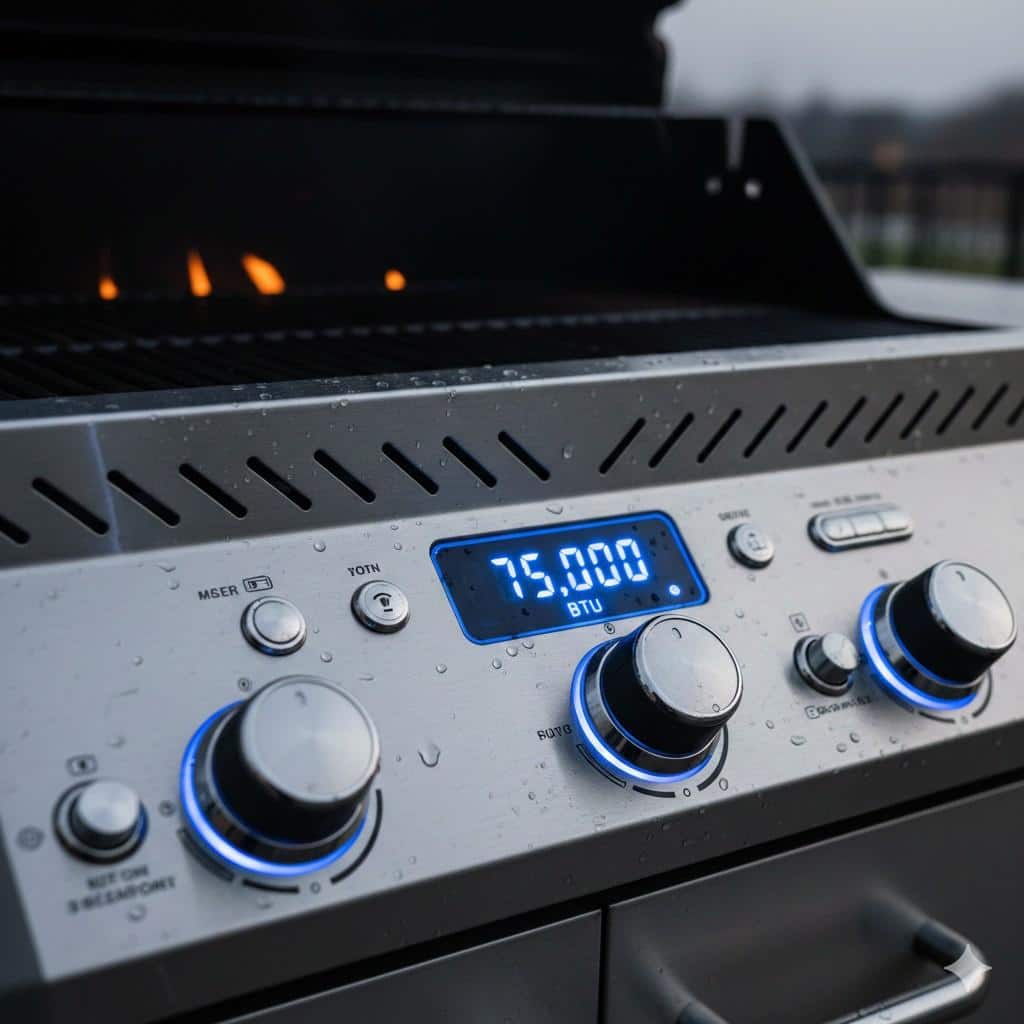
Do pitmasters care about BTUs?
Not nearly as much as marketing wants you to think. Pitmasters focus on heat retention, airflow, and control, not raw output numbers. A grill that holds heat well will outperform a higher-BTU grill that leaks heat constantly.
What’s the biggest mistake people make when buying a grill?
Choosing a grill for how they aspire to cook instead of how they actually cook. The best BBQ grill brands fit your habits, your time, and your patience level – not just your wish list.
Final Verdict: Pitmaster Truth Time
After years behind the firebox, here’s my honest take:
- Best overall reliability: Weber
- Best pellet grill: Traeger
- Best ceramic grill: Big Green Egg / Kamado Joe
- Best competition-grade: Yoder
- Best budget option: Char-Broil
- Best tech-forward smoker: Masterbuilt
The best barbecue doesn’t come from owning everything. It comes from knowing your grill and respecting the process.
Pick a brand that fits how you cook – and then cook the hell out of it.
Featured image credit: Google Gemini
