
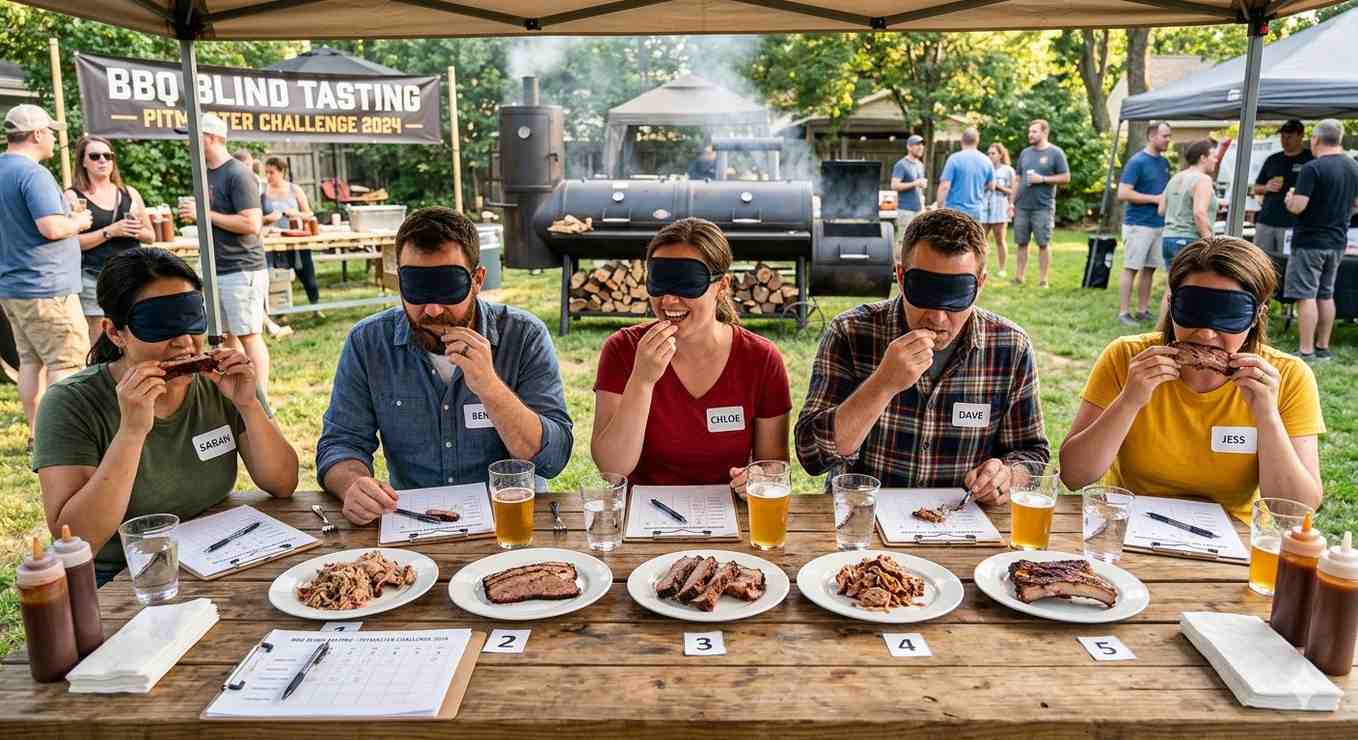
There’s a moment at every backyard cookout when someone proudly declares, “This is the best BBQ sauce ever made.” Usually it’s followed by a heated debate, a few raised eyebrows, and someone else saying, “Nah, mine’s better.”
That’s when I like to pull out my favorite pitmaster trick: a BBQ blind tasting.
Now the labels disappear. The bragging rights disappear too. Suddenly nobody knows if they’re tasting a famous sauce brand or something your cousin whipped up in a blender after three beers and a late-night cooking show binge.
And that’s where the fun begins.
A BBQ blind tasting turns an ordinary cookout into something closer to a backyard flavor laboratory. Guests slow down. They pay attention. They compare smoke, sweetness, tang, and spice like they’re judges at a barbecue competition.
More importantly, it gets people talking.
After years behind a smoker, I’ve learned something surprising: people are terrible at guessing their favorite BBQ flavors when the label disappears.
That’s why hosting a tasting like this is such a blast.
By the time the plates are cleared, you’ll have discovered new flavors, started a few friendly arguments, and probably crowned an unexpected winner.
Let’s fire up the pit and walk through how to host a BBQ blind tasting the right way.
What Is a BBQ Blind Tasting?
A BBQ blind tasting is exactly what it sounds like.
You serve several barbecue items – sauces, rubs, meats, or smoke styles – without telling anyone what they are.
No brand names.
No recipe hints.
No pitmaster bragging.
Just numbered samples and honest taste buds.
The idea comes from wine and whiskey tastings where professionals judge flavor without knowing the label. Without that bias, people focus on the actual flavor instead of reputation.
And barbecue? Well, barbecue is perfect for it.
Smoke, fat, spice, sweetness, acidity – all those layers make it a playground for tasting.
I’ve seen guests swear they hate vinegar sauce… right before voting it their favorite.
I’ve watched die-hard brisket fans pick smoked chicken as the winner.
And the best part?
Everyone laughs when the results come out.
Because the BBQ blind tasting reveals the truth: taste buds don’t care about labels.
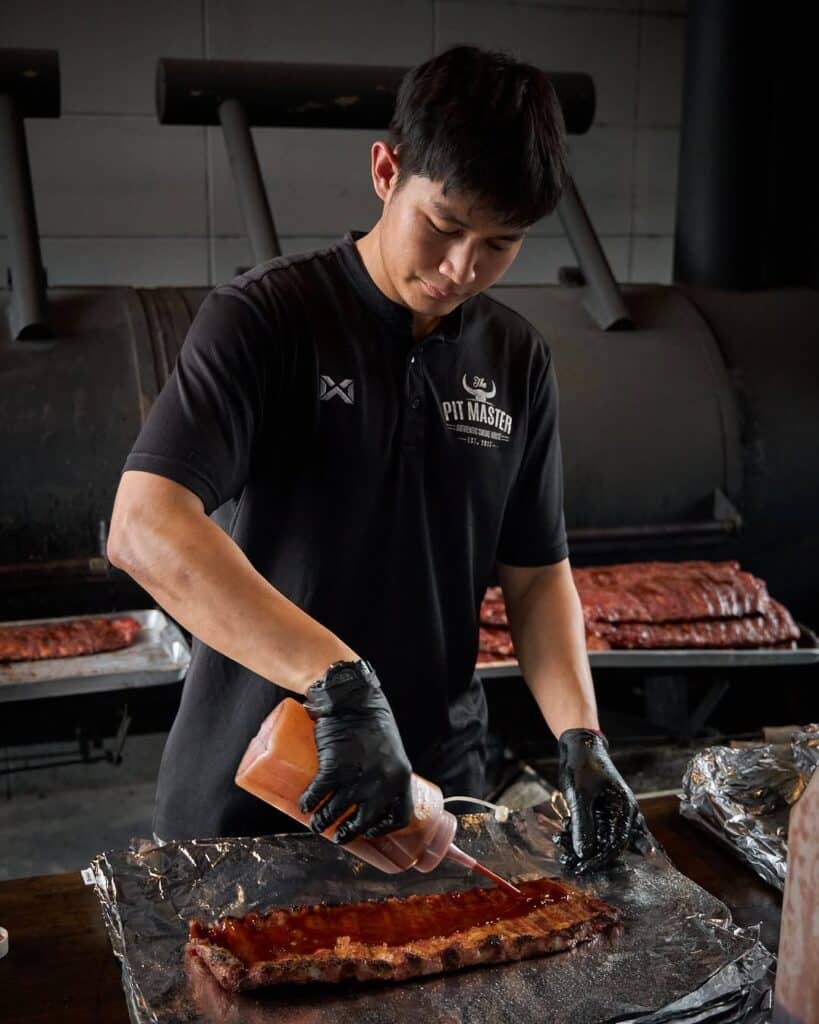
Why Every Pitmaster Should Host a BBQ Blind Tasting
A cookout feeds people.
A BBQ blind tasting entertains them.
There’s a big difference.
Instead of standing around waiting for food, guests become part of the experience. They compare flavors, debate their favorites, and start talking like amateur BBQ judges.
Suddenly the backyard feels like a barbecue competition.
The other reason pitmasters love this format?
It’s educational.
You start noticing things like:
- how smoke flavor changes meat
- how sweetness balances spice
- how different sauces behave with different cuts
It’s the fastest way to train your palate without turning the party into a cooking class.
And trust me, people remember this kind of cookout.
Years later someone will still say:
“Remember that blind BBQ test where the cheap sauce won?”
That’s backyard history right there.
Planning the Perfect BBQ Blind Tasting
Like good barbecue, a good tasting starts with patience and preparation.
You don’t need a complicated setup, but a little planning makes the event run smoothly.
The first decision is what you want to taste.
Some hosts go all-in with meat. Others focus on sauces or rubs. Personally, I like keeping things simple for the first round.
The magic number is four to six samples.
Any more than that and people’s taste buds start waving the white flag.
Flavor fatigue is real. After six smoky bites, everything starts tasting like… smoke.
Pick one category and let it shine.
For example:
A BBQ sauce tasting works beautifully because the same meat can carry multiple flavors.
A dry rub tasting highlights spice blends.
A smoke wood tasting teaches guests how different woods influence flavor.
Keeping the category focused helps guests actually compare what they’re tasting.
Think of it like a lineup.
Each sample deserves its moment on the stage.
The Secret to Flavor Flights
The real trick behind a good BBQ blind tasting is something borrowed from breweries and whiskey bars.
Flavor flights.
A BBQ flavor flight simply means several small samples served side by side for comparison.
Instead of a full plate, guests receive a series of tasting bites.
That small format makes people slow down and notice details.
You can build flights around all kinds of barbecue themes.
One of my favorites is the BBQ sauce flight.
You line up sauces from different regions – sweet Kansas City style, tangy Carolina vinegar, spicy Texas sauce, maybe the famous Alabama white sauce.
Same meat.
Different sauces.
Suddenly guests realize how wildly barbecue flavor can change.
Another great option is the dry rub flight.
This one surprises people the most.
Serve identical chicken wings seasoned with different rubs – sweet, peppery, spicy, maybe a coffee rub.
People start picking up subtle flavors they’d normally miss.
Then there’s the smoke wood flight, which is a pitmaster’s favorite experiment.
Smoke the same cut of meat using different woods like hickory, apple, cherry, and mesquite.
Guests quickly learn that smoke isn’t just smoke.
It has personality.
Mesquite punches you in the face.
Applewood whispers politely.
Hickory sits somewhere in the middle like a seasoned pit boss.
Setting Up the Blind Tasting Table
Now we get to the fun part.
The reveal is coming later, but first we have to hide the evidence.
In a BBQ blind tasting, anonymity is everything.
Each sample gets a number instead of a name.
Little paper cups, tasting plates, or butcher paper squares work perfectly.
Just write:
Sample 1
Sample 2
Sample 3
…and so on.
No clues allowed.
Not even a wink from the pitmaster.
Portions should be small – one or two bites each.
The goal isn’t to fill people up.
The goal is to help them taste carefully.
I also recommend placing the samples in order from mild to bold.
Start gentle.
End powerful.
Otherwise that spicy rub will bulldoze every flavor that comes after it.
And don’t forget the unsung heroes of tasting events: palate cleansers.
A few simple foods reset the taste buds between samples.
Water works.
Crackers work.
Pickles are surprisingly perfect because the acidity wipes smoke and fat off the palate.
Without palate cleansers, everything eventually blends into one big smoky blur.
Guiding Guests Through the Tasting
Here’s where the pitmaster becomes the host, referee, and comedian all at once.
At the start of the BBQ blind tasting, I like to give guests a quick pep talk.
Nothing fancy.
Just a reminder to slow down.
Good barbecue deserves attention.
I encourage everyone to start with the aroma.
Yes, smell your food.
Barbecue smoke carries incredible scent. Sometimes the aroma alone reveals the wood or seasoning.
Then take a small bite.
Not a giant bite.
This isn’t a rib-eating contest.
Let the flavors develop.
Notice the sweetness.
Notice the heat.
Notice the smoke lingering at the back of the throat.
People start describing flavors in hilarious ways.
Someone always says something like:
“This one tastes like campfire and maple syrup.”
And honestly… that’s not wrong.
Encourage guests to talk about what they taste.
Those conversations are half the fun.
The Big Reveal
Once every sample has been tasted, it’s time to tally the votes.
This is where a simple scorecard helps.
Guests can rate things like flavor, aroma, and overall favorite.
Then the moment arrives.
The reveal.
You flip over the cards and announce what each sample actually was.
This moment never gets old.
The fancy brand sometimes loses.
The homemade sauce sometimes wins.
And somebody always groans because they accidentally picked the sauce they claimed to hate five minutes earlier.
That’s the beauty of a BBQ blind tasting.
It cuts through assumptions and lets flavor speak for itself.
Pairing BBQ With the Right Drinks
Great barbecue deserves a great drink partner.
Pairing beverages with barbecue isn’t about being fancy.
It’s about balance.
Smoky meats love drinks that refresh the palate.
Beer is a natural choice.
A crisp lager works beautifully with ribs because it washes away the sweetness and fat.
An IPA stands up nicely to spicy chicken thanks to its bold bitterness.
Then there’s bourbon.
Brisket and bourbon are basically old friends.
The smoky meat and caramel notes in the whiskey play off each other like a well-rehearsed band.
For guests who prefer non-alcoholic drinks, iced tea and lemonade are backyard classics.
Their brightness cuts through heavy barbecue flavors.
And honestly, nothing feels more Southern than sweet tea and smoked pork.
Pitmaster Tips for a Better BBQ Blind Tasting
After hosting more tastings than I can count, I’ve learned a few practical lessons.
First, keep the portions small.
Big portions overwhelm the palate and the stomach.
Second, don’t overload guests with spice.
Too many spicy samples will numb taste buds faster than you think.
Third, use consistent meat cuts.
If you’re testing sauces, keep the meat the same so the sauce becomes the star.
And finally, take small breaks between tasting rounds.
Five minutes of conversation gives everyone time to reset their taste buds.
Barbecue rewards patience.
Tasting is no different.
Turning Your Tasting Into a Backyard Event
Once you’ve hosted one BBQ blind tasting, you’ll probably want to do it again.
And again.
The format is flexible enough to turn into a full backyard event.
You can add a scoreboard.
Create playful categories like:
- Best Smoke
- Most Surprising Flavor
- Crowd Favorite
Some hosts even encourage guests to bring their own sauces or rubs.
Suddenly the tasting becomes a friendly competition.
Every backyard pitmaster wants to see their creation win.
And honestly, bragging rights are the best prize in barbecue.
How Lighting and Environment Affect a BBQ Blind Tasting
Here’s something most people don’t think about during a BBQ blind tasting: the environment actually changes how food tastes.
Professional tasting rooms use neutral lighting and minimal distractions for a reason. Bright colors, loud music, and strong smells can influence what people think they’re tasting.
In the backyard, that means keeping the setup simple. Avoid placing tasting plates near the smoker where heavy smoke might overwhelm the aroma of the food. The goal is to let guests focus on flavor, texture, and aroma without outside interference.
Lighting also matters more than you’d expect. Under dim lighting, people tend to rely more on smell and taste rather than appearance. That’s perfect for a blind tasting experience, because the focus shifts completely to flavor.
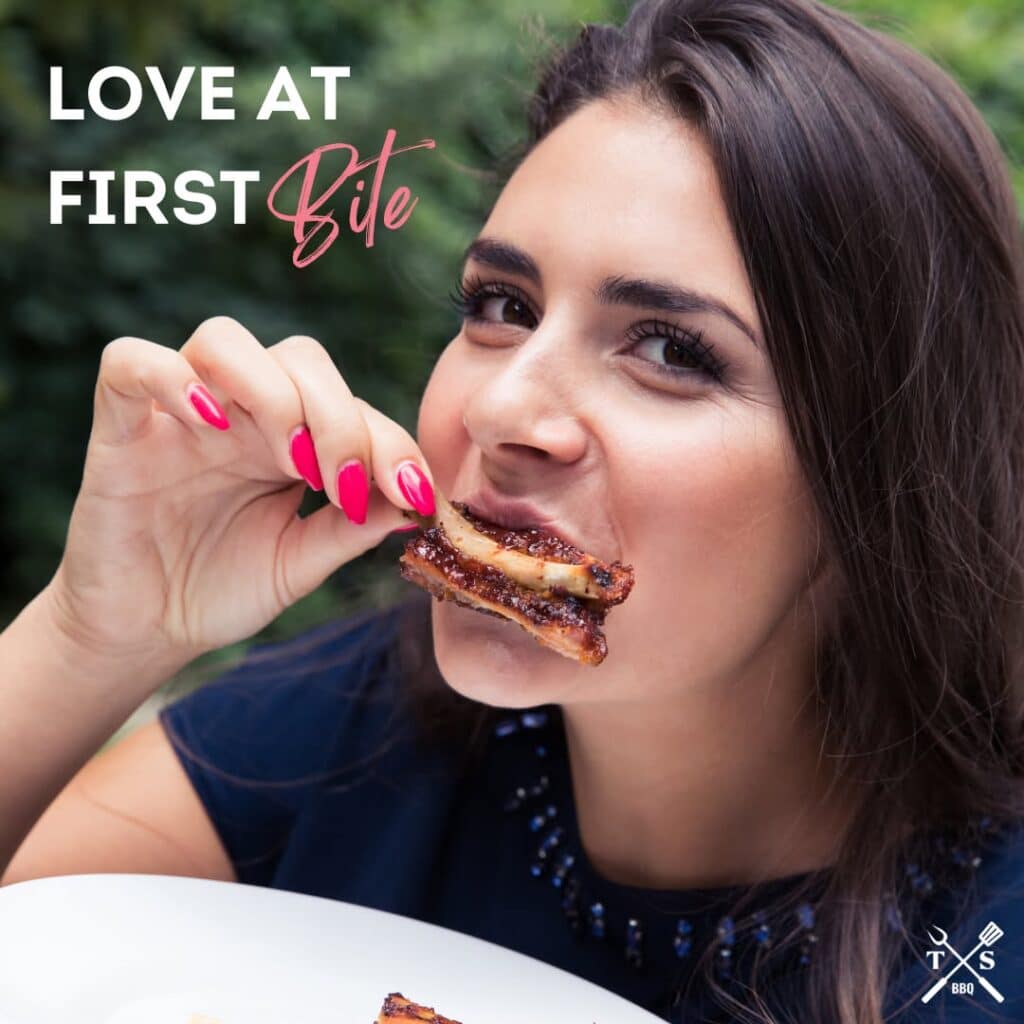
The takeaway is simple: create a calm tasting space where the barbecue can speak for itself. When distractions disappear, guests start noticing subtle notes like caramelized sweetness, smoke depth, and spice balance they might otherwise miss.
Training Your Taste Buds Like a BBQ Judge
A BBQ blind tasting isn’t just a party trick – it’s also one of the best ways to train your palate.
Professional barbecue judges follow a simple process when evaluating food, and backyard pitmasters can do the same.
First comes appearance, even in a blind setting.
The texture of the bark, the shine of a sauce, and the color of the smoke ring all tell part of the story. Next comes aroma, which is often the first real clue about smoke wood, seasoning, and sweetness.
Then comes the most important step: the bite.
Judges pay attention to balance. Does the sweetness overpower the meat? Is the spice too aggressive? Does the smoke linger pleasantly or dominate everything else?
With practice, guests start picking up details they never noticed before. Suddenly someone is saying things like, “I’m getting brown sugar, black pepper, and hickory smoke.”
Congratulations. Your friends just became amateur BBQ judges.
Building the Ultimate BBQ Blind Tasting Scorecard
A good BBQ blind tasting scorecard turns casual opinions into something more structured – and a lot more fun. Instead of guests simply saying “I like this one,” the scorecard encourages them to think about specific qualities.
Start with a few simple categories.
Aroma measures the smell of the barbecue.
Flavor balance looks at sweetness, acidity, spice, and smoke.
Texture evaluates tenderness and mouthfeel.
Overall enjoyment captures the final verdict.
Keep the scoring system easy. A scale from 1 to 5 works perfectly and avoids turning the event into a math exam.
You can also add a playful category like “Most Surprising Flavor.” This often leads to unexpected winners and great conversations.
The beauty of a scorecard is that it encourages guests to slow down and really taste what’s on their plate. By the end of the BBQ blind tasting, people often discover their favorite sample wasn’t the one they expected.
The Psychology Behind Why Blind Tastings Surprise People
One of the funniest moments in any BBQ blind tasting happens during the reveal. Someone inevitably learns their “favorite sauce” wasn’t actually their favorite.
This happens because of expectation bias.
When we see a brand name or a familiar bottle, our brain already decides how it should taste. If we believe a sauce is premium, we’re more likely to think it tastes better – even before taking a bite.
Blind tasting removes that influence completely.
Without labels, guests judge food based only on flavor, aroma, and texture. That’s why unexpected winners appear so often.
The same psychology explains why cheap wines sometimes beat expensive ones in blind competitions.
Barbecue works the same way.
The BBQ blind tasting format levels the playing field. Homemade sauces compete with store brands. Backyard rubs challenge professional blends.
And in the end, only one thing matters: which sample actually tastes the best.
Hosting a Family-Friendly BBQ Blind Tasting
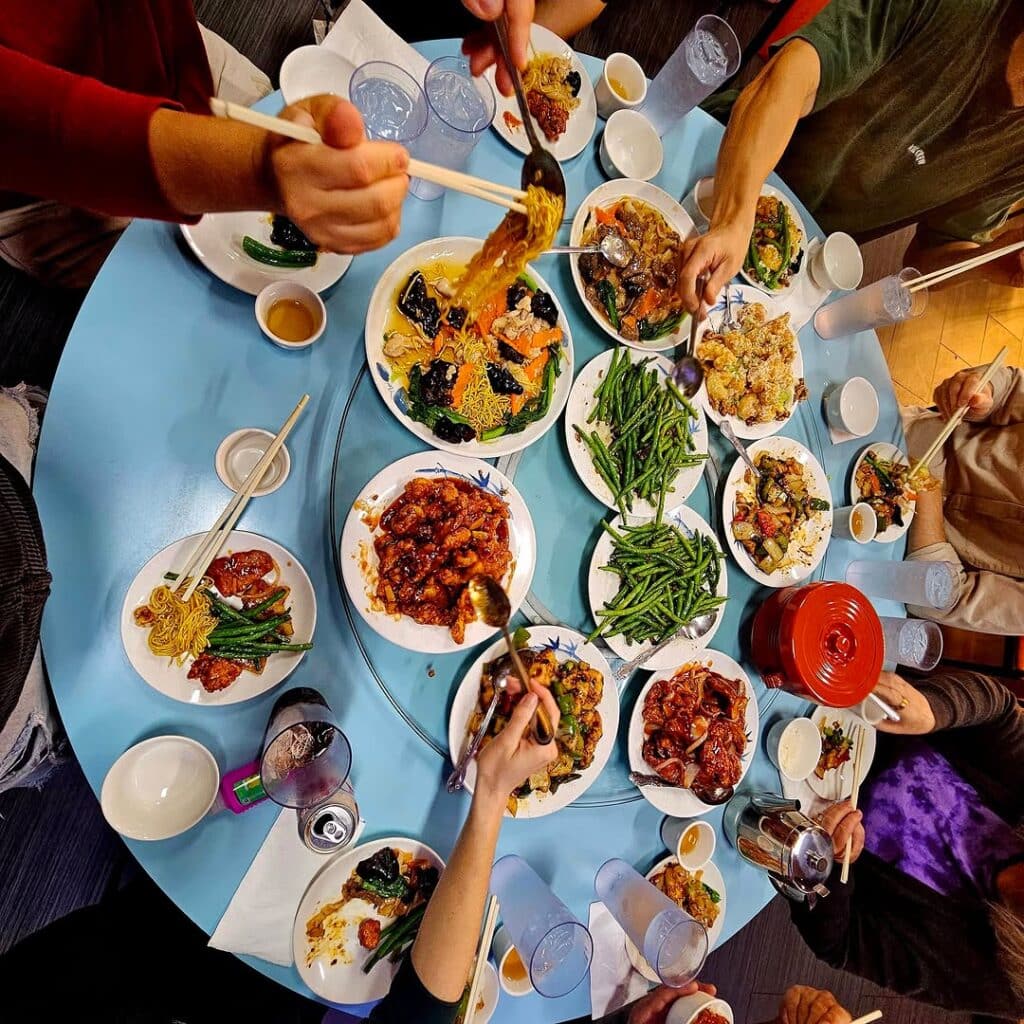
A BBQ blind tasting doesn’t have to be an adults-only event. In fact, kids often make the best tasters because they’re brutally honest about what they like.
To make the experience family-friendly, keep the flavors approachable. Focus on milder sauces, lightly smoked meats, and simple rubs. Kids tend to enjoy sweet barbecue flavors, so include samples with honey, brown sugar, or maple notes.
You can also turn the tasting into a fun guessing game. Ask younger guests to guess things like which sample is the sweetest, which one is the smokiest, or which sauce they’d put on a burger.
Instead of scorecards, kids can vote with stickers or colored tokens.
The result is a lively and interactive cookout where everyone participates.
And don’t be surprised if the youngest guest ends up choosing the winning sample. Kids might not know barbecue terminology, but they definitely know what tastes good.
Frequently Asked Questions
1. What is a BBQ blind tasting?
A BBQ blind tasting is an event where barbecue items—sauces, rubs, meats, or smoke styles—are served without revealing their names or brands. Guests taste numbered samples, focusing solely on flavor, aroma, and texture, just like in professional wine or whiskey tastings.
2. Why host a BBQ blind tasting?
Blind tastings make a cookout interactive, entertaining, and educational. Guests actively compare flavors, debate favorites, and notice subtle differences in smoke, sweetness, spice, and acidity. It’s also a fun way to train your palate and discover new flavor combinations.
3. How many samples should I serve?
For the best experience, serve four to six samples per tasting round. More than that can overwhelm guests’ taste buds and lead to flavor fatigue. Focus on one category—sauces, rubs, or smoke woods—to make comparisons easier.
4. What types of tastings work best?
- Sauce flight: Serve the same meat with different regional sauces (Kansas City, Carolina, Texas, Alabama white).
- Dry rub flight: Use the same cut of meat with various spice blends (sweet, spicy, peppery, coffee rub).
- Smoke wood flight: Smoke the same meat with different woods (hickory, apple, cherry, mesquite) to highlight distinct smoke flavors.
5. How should I set up the tasting table?
- Number each sample instead of naming it.
- Serve small portions (1–2 bites) to avoid palate overload.
- Place samples from mild to bold to prevent strong flavors from dominating.
- Include palate cleansers like water, crackers, or pickles between samples.
- Keep the tasting area calm and free of strong distractions or overpowering smoke.
6. How do I guide guests through the tasting?
Encourage guests to:
- Smell each sample before tasting.
- Take small bites and notice sweetness, heat, smoke, and spice.
- Discuss flavors with others—conversation is part of the fun.
- Rate each sample using a simple scorecard for flavor, aroma, texture, and overall enjoyment.
7. How do I reveal the results?
After tasting, tally votes or scorecards and announce what each numbered sample actually was. Guests are often surprised when their favorite isn’t what they expected—this is the highlight of a blind tasting.
8. What drinks pair best with barbecue?
- Beer: Crisp lagers refresh the palate; IPAs stand up to spicy BBQ.
- Bourbon: Complements smoked brisket with caramel and smoke notes.
- Non-alcoholic: Iced tea or lemonade balance rich and smoky flavors.
9. Any tips for a better BBQ blind tasting?
- Keep portions small and manageable.
- Avoid overwhelming spice in consecutive samples.
- Use consistent meat cuts for sauces or rubs.
- Take breaks between rounds to reset taste buds.
- Consider playful scoring categories like “Most Surprising Flavor” or “Crowd Favorite.”
10. Can kids participate?
Yes! Keep flavors mild and approachable, and turn the tasting into a guessing game. Kids can vote with stickers or tokens instead of scorecards. They often provide honest and surprisingly accurate feedback.
11. How does a blind tasting train your palate?
By focusing on appearance, aroma, and flavor without bias, guests learn to notice subtle differences in sweetness, spice, smoke, and texture – just like professional BBQ judges. Over time, taste buds become more discerning.
12. Why are blind tastings so surprising?
Expectation bias often makes us prefer familiar brands or premium labels. Removing labels allows flavor to speak for itself, leading to unexpected winners and fun, memorable moments.
13. How can I turn this into a full backyard event?
- Add a scoreboard or playful awards.
- Invite guests to bring their own sauces or rubs.
- Offer multiple rounds or themed flights (smoke, sauce, rub).
- Create a casual, interactive atmosphere that encourages tasting and conversation.
Turn BBQ Blind Tasting into a Glamour Event
A BBQ blind tasting reminds us why barbecue is so much fun in the first place.
It’s not just about cooking meat.
It’s about sharing food, discovering flavors, and enjoying a few laughs along the way.
When the labels disappear, people start trusting their taste buds again.
And that’s where barbecue shines.
You don’t need a competition smoker.
You don’t need a secret sauce recipe passed down through five generations.
All you need is good food, curious friends, and a willingness to taste something new.
So the next time someone says they’ve found the best barbecue flavor ever, smile and say:
“Great. Let’s put it to the test.”
Then fire up the smoker and host your own BBQ blind tasting.
Just be ready for surprises.
Because in barbecue, the flavor always has the final word.
Featured image credit: Google Gemini
