
Spend enough time around a smoker and you’ll hear it all – rules passed down like sacred scripture. “Never flip more than once.” “Sear to lock in juices.” “More smoke, more flavor.”
Sounds convincing. Even sounds wise.
But here’s the truth: a lot of these so-called rules are just barbecue myths that refuse to die.
I’ve stood over pits at 3 a.m., ruined perfectly good briskets, and learned the hard way that great barbecue isn’t about tradition – it’s about understanding what actually works.
This isn’t about calling anyone wrong. It’s about leveling up.
Because once you separate myth from truth, everything changes:
- Your meat gets juicier
- Your bark gets better
- Your confidence goes way up
So grab a drink, pull up a chair, and let’s bust some myths the right way.
Why Barbecue Myths Stick Around
Barbecue is part cooking, part culture, and part storytelling.
And storytellers love certainty.
The problem? Not everything that sounds right is right.
A few reasons these myths stick:
- They’ve been repeated for generations
- People confuse coincidence with cause
- BBQ forums and social media recycle outdated advice
Key truth: Barbecue rewards understanding, not blind rule-following.
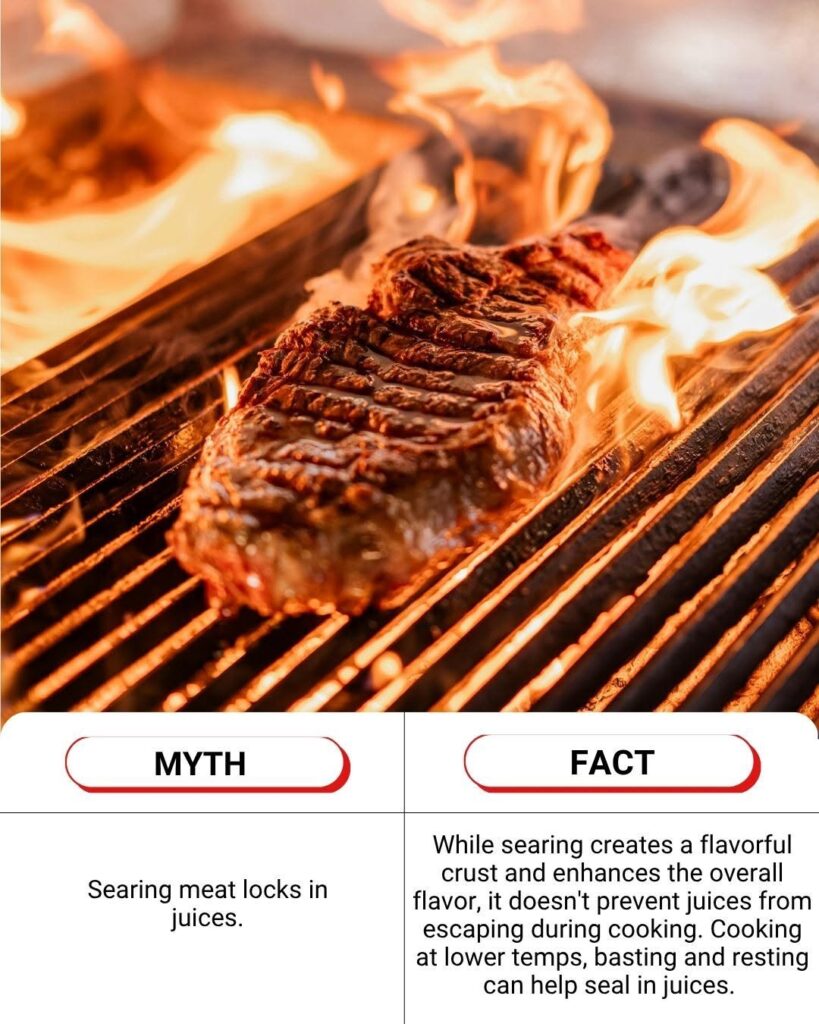
Myth #1: Searing Meat Seals in Juices
This one just won’t quit.
The claim
Sear the meat first and you “lock in” all that juicy goodness.
The truth
Searing does NOT seal in juices.
What it does do is create flavor. Big, bold, beautiful flavor.
That crust? That’s the Maillard reaction – a fancy way of saying heat transforms proteins and sugars into deliciousness.
What actually works
- Sear for flavor, not moisture
- Cook to the right internal temperature
- Let the meat rest
Key takeaway: Juiciness comes from proper cooking – not from sealing anything.
Myth #2: Meat Must Be at Room Temperature Before Cooking
You’ve probably heard this one from someone very confident.
The claim
Let meat sit out so it cooks evenly.
The truth
It barely makes a difference.
A thick steak sitting out for 30 minutes might rise… a few degrees. That’s it.
Meanwhile, you’re flirting with food safety.
Better approach
- Cook straight from the fridge
- Focus on even heat and proper technique
Key takeaway: Your grill controls temperature – not your countertop.
Myth #3: More Smoke Equals Better Flavor
Ah, the beginner’s trap.
I’ve been there. We all have.
You load up the wood, choke the vents, and think: “This is gonna be amazing.”
It won’t be.
The truth
Too much smoke ruins barbecue.
Dirty smoke = bitter, harsh, almost chemical flavor.
What you want is clean smoke:
- Thin
- Light
- Almost invisible
Pitmasters call it “thin blue smoke.”
How to get it right
- Keep airflow steady
- Don’t overload your fire
- Use dry, quality wood
Key takeaway: If your smoke looks like a tire fire, your meat will taste like one.
Myth #4: Opening the Lid Ruins Everything
“Lookin’ ain’t cookin’.”
Sure. But let’s not turn it into a superstition.
The truth
Yes, opening the lid lets heat out.
But no, it doesn’t destroy your cook.
What matters
- Frequent peeking = temperature swings
- Occasional checks = totally fine
Smart pitmaster move
Open with purpose:
- Check color
- Check bark
- Check internal temp
Then close it and let the pit do its job.
Key takeaway: Control your curiosity – but don’t cook blind.
Myth #5: Sauce Early, Sauce Often
If you’ve ever burned barbecue sauce, you already know where this is going.
The truth
Most sauces contain sugar. Sugar burns.
Apply it too early and you’ll get:
- Bitter crust
- Sticky mess
- Regret
What works better
- Cook meat first
- Add sauce in the final stage
- Let it set – not burn
Key takeaway: Sauce is a finish line move, not a starting move.
Myth #6: Charcoal Is Always Better Than Gas
This one starts arguments faster than politics at a family reunion.
The truth
It depends.
Charcoal:
- Rich, smoky flavor
- More hands-on control
Gas:
- Convenient
- Consistent
- Great for beginners
What actually matters
The cook matters more than the fuel.
I’ve had amazing barbecue off gas grills – and terrible food off expensive charcoal setups.
Key takeaway: Master your tool before you judge someone else’s.
Myth #7: Low and Slow Is the Only Way
Low and slow is legendary for a reason.
But it’s not the only way.
The truth
Different cuts need different strategies.
Low and slow:
- Brisket
- Pork shoulder
Hot and fast:
- Chicken
- Steaks
- Some ribs
Pitmaster perspective
Cooking is about control, not dogma.
Key takeaway: Use the method that fits the meat – not the myth.
Myth #8: Flip Meat Only Once
This one sounds scientific. It’s not.
The truth
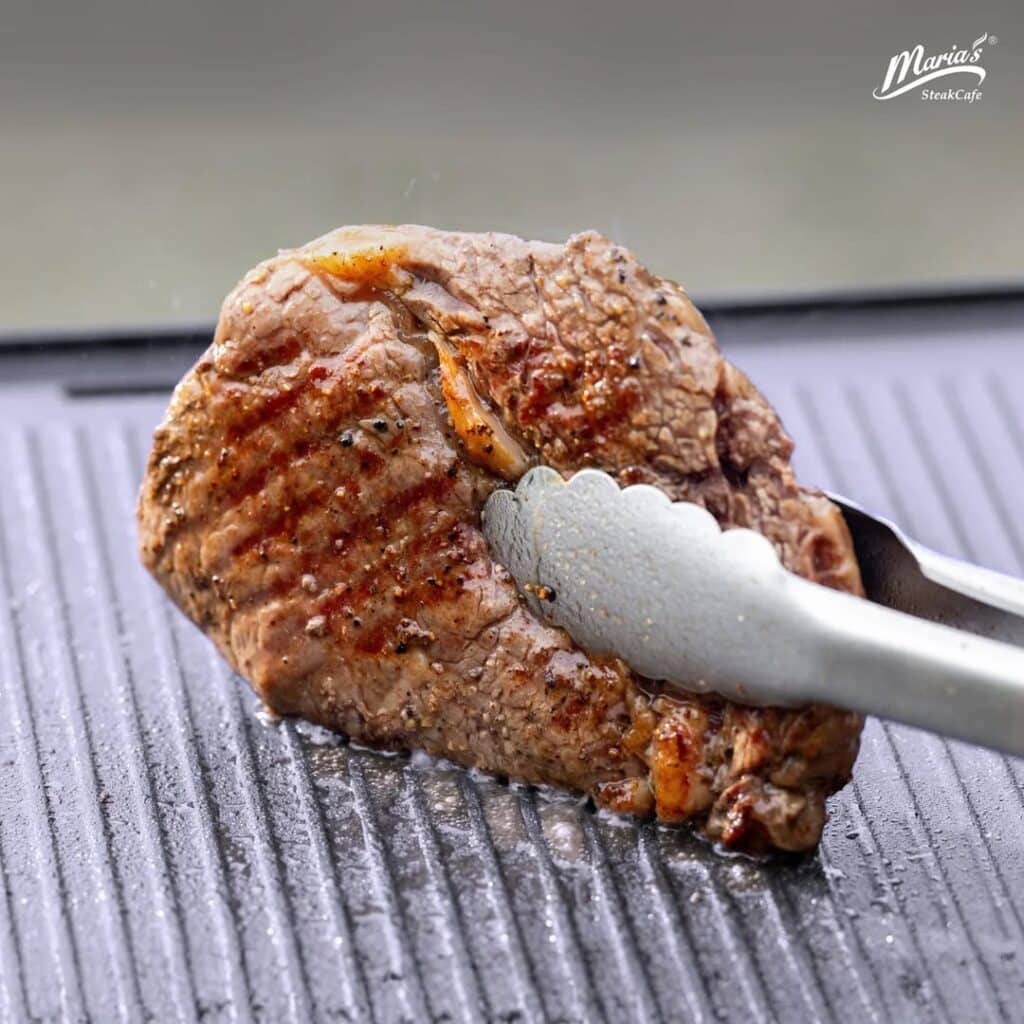
Flipping multiple times can actually cook meat more evenly.
Less time sitting on one side = more even heat distribution.
What to do instead
Flip when needed:
- Every 30–60 seconds for steaks
- As required for larger cuts
Key takeaway: Your meat doesn’t care about rules – it cares about heat.
Myth #9: Pink Meat Means It’s Undercooked
Let’s talk about the famous smoke ring.
The truth
That pink layer? It’s not raw meat.
It’s a chemical reaction between smoke and the meat’s surface.
What really matters
Internal temperature. Always.
- Use a thermometer
- Trust the numbers, not the color
Key takeaway: Color can lie. Temperature doesn’t.
Myth #10: Marinades Penetrate Deep Into Meat
This one sounds logical. It isn’t.
The truth
Marinades mostly stay on the surface.
They add flavor – but don’t soak deep into the meat.
Better alternatives
- Brining for moisture
- Injection for deep flavor
- Dry rubs for bark
Key takeaway: Flavor depth comes from technique – not just soaking.
Myth #11: You Need Expensive Equipment to Make Great BBQ
Let me save you some money right now.
Great barbecue doesn’t come from expensive gear – it comes from skill.
I’ve seen folks drop thousands on shiny smokers, only to turn out dry ribs. Meanwhile, someone with a beat-up drum smoker is quietly making magic.
The truth?
Fire control beats fancy features every time.
High-end pits can help with consistency, sure. But they won’t:
- Fix bad temperature control
- Teach you airflow
- Save an overcooked brisket
What actually matters:
- Understanding your heat zones
- Managing fuel properly
- Learning your equipment inside out
Key takeaway: A skilled pitmaster with a simple grill will outperform a beginner with expensive gear – every single time.
Myth #12: Grill Marks Mean Better Flavor
Ah yes, the Instagram special.
Those perfect crosshatch grill marks look amazing. No argument there.
But here’s the truth:
Grill marks don’t equal better flavor – they equal partial flavor.
You’re only browning the lines that touch the grates.
Everything in between? Missing out.
If you want real flavor:
- Go for a full crust
- Maximize surface contact
- Let the entire surface develop that rich, browned exterior
This is why many pitmasters prefer:
- Flat-top griddles
- Cast iron surfaces
Key takeaway: Grill marks look cool – but a full sear tastes better.
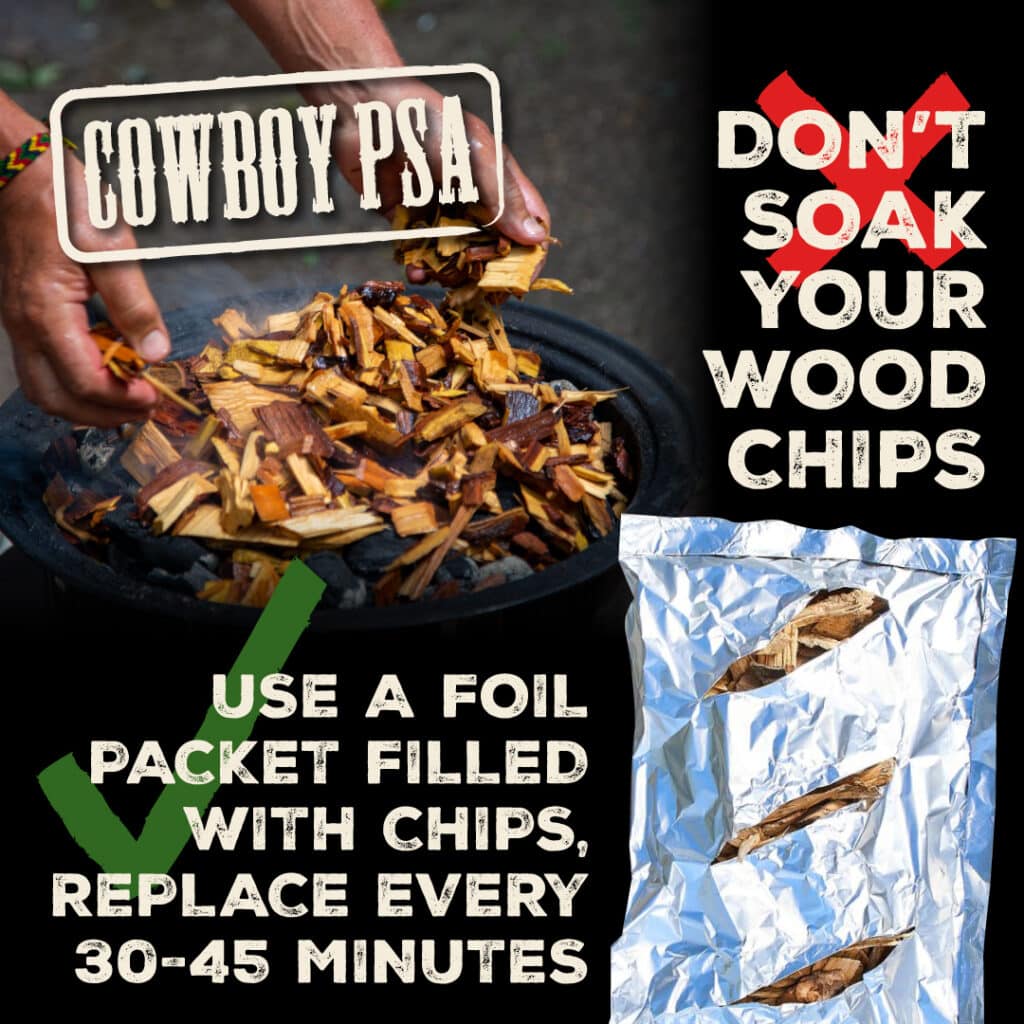
Myth #13: You Should Always Use the Same Wood for Consistency
Consistency is important – but rigidity isn’t.
The myth
Pick one wood and stick with it forever.
The truth
Different woods create different flavor profiles – and that’s a good thing.
Think of wood like seasoning:
- Hickory = bold, bacon-like
- Apple = sweet and mild
- Mesquite = strong and earthy
Using the same wood every time can actually limit your cooking.
Great pitmasters:
- Match wood to meat
- Blend woods for complexity
- Adjust based on the cook
Key takeaway: Don’t lock yourself into one flavor – build a flavor toolkit.
Myth #14: Bigger Cuts Always Taste Better
There’s something satisfying about cooking a massive brisket or rack of ribs.
But bigger doesn’t always mean better.
The truth
Quality beats size – every time.
A huge cut:
- Takes longer to cook
- Is harder to manage
- Can dry out if mishandled
Meanwhile, a smaller, well-selected cut:
- Cooks more evenly
- Is easier to control
- Can deliver incredible flavor
What matters more:
- Marbling
- Freshness
- Proper trimming
Key takeaway: Don’t chase size – chase quality and control.
Myth #15: You Can’t Over-Rest Meat
Resting meat is essential – but yes, you can overdo it.
The myth
The longer you rest, the better.
The truth
Resting too long can cool your meat and kill the texture.
What you want:
- Juices redistributed
- Meat still warm and appetizing
What you don’t want:
- Lukewarm brisket
- Mushy bark
Better approach
- Rest based on size
- Keep it loosely wrapped
- Use a warm holding environment if needed
Key takeaway: Rest with intention – not indefinitely.
Myth #16: All Salt Is the Same in BBQ
Salt is salt… until it’s not.
The truth
Different salts behave differently in barbecue.
Table salt:
- Fine
- Easy to overuse
- Dissolves quickly
Kosher salt:
- Coarse
- Better control
- Preferred by pitmasters
Sea salt:
- Varies in texture
- Adds subtle complexity
Why this matters:
- Salt size affects coverage
- Coverage affects flavor balance
Key takeaway: The type of salt you use can make or break your seasoning.
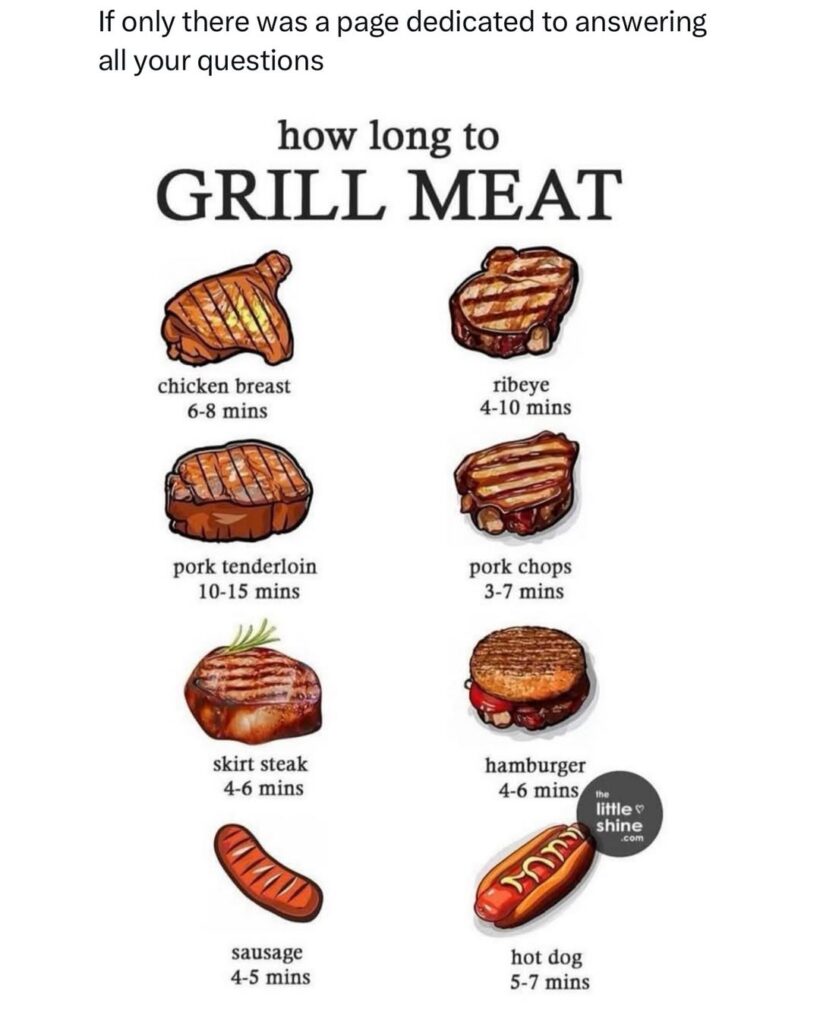
Myth #17: You Should Always Cook Meat Straight Over Direct Heat
Fire is exciting. Flames look cool.
But direct heat isn’t always your friend.
The truth
Indirect heat is where real barbecue happens.
Direct heat:
- Great for searing
- Fast cooking
Indirect heat:
- Even cooking
- Better control
- Essential for larger cuts
Think of it like this:
- Direct heat = sprint
- Indirect heat = marathon
Great BBQ often uses both.
Key takeaway: Master the balance between direct and indirect heat.
Myth #18: BBQ Is Just About the Meat
This one hurts a little – but it needs to be said.
The truth
Great barbecue is a full experience – not just protein.
The meat might be the star…
…but everything else matters too:
- Rubs and seasoning
- Smoke profile
- Texture and bark
- Even the sides you serve
A perfectly cooked brisket with no balance? Forgettable.
A well-rounded plate? Memorable.
Key takeaway: Barbecue isn’t just cooking meat – it’s crafting an experience.
Essential Truths Every Pitmaster Should Know
Let’s cut through the noise.
These aren’t myths. These are fundamentals.
1. Temperature is everything
Control your heat, control your outcome.
2. Use a thermometer
Guessing is for amateurs.
Precision is power.
3. Rest your meat
This is where juices redistribute.
Skip it, and you lose flavor.
4. Fire management is a skill
Airflow, fuel, timing – it all matters.
5. Patience beats shortcuts
Good barbecue takes time. Great barbecue takes understanding.
Pro Tips to Elevate Your Barbecue Game
Let me give you a few things I wish someone told me early on:
- Learn your pit like it’s your car
Every grill has quirks
- Keep notes
Temps, times, wood types
- Don’t chase perfection – chase consistency
- Trust your senses
Look, smell, feel
And most importantly…
Don’t be afraid to mess up.
That’s where the real learning happens.
Frequently Asked Questions (FAQ)
1. Does searing meat really lock in juices?
No – and this is one of the most common barbecue myths out there.
Searing creates flavor, not moisture retention. That crust you love comes from the Maillard reaction, not some magical sealing effect. Juiciness depends on proper cooking and resting, not searing.
2. What is the best temperature for barbecue?
It depends on what you’re cooking, but low and slow typically means 225°F to 275°F (107°C to 135°C).
That said, not everything belongs in that range. Chicken and steaks often benefit from higher heat.
Key tip: Control matters more than the exact number.
3. How do I know when my meat is done?
Forget color – use a meat thermometer.
Internal temperature is the only reliable way to know doneness:
- Brisket: ~195–205°F
- Pork shoulder: ~195–205°F
- Chicken: 165°F
Key truth: Temperature beats guesswork every time.
4. What’s the difference between grilling and barbecue?
This gets mixed up a lot.
- Grilling = high heat, fast cooking (steaks, burgers)
- Barbecue = low heat, slow cooking with smoke (brisket, ribs)
Both are great – but they’re not the same thing.
5. Why does my barbecue taste bitter?
That’s usually a smoke problem.
Bitter flavor comes from dirty smoke, which happens when:
- Airflow is restricted
- Wood isn’t burning cleanly
- Fire is smoldering instead of burning
Fix it with clean, thin blue smoke.
6. When should I apply barbecue sauce?
Late in the cook.
Most sauces contain sugar, and sugar burns easily.
Apply sauce in the final stage so it:
- Caramelizes slightly
- Doesn’t burn
Pro tip: Think of sauce as a finishing touch, not a base layer.
7. Is charcoal better than gas for barbecue?
Not automatically.
Charcoal gives you a stronger smoke flavor, while gas offers convenience and control.
A skilled pitmaster can make great food on either.
Key takeaway: It’s not the fuel – it’s how you use it.
8. Do marinades really penetrate meat deeply?
No – they mostly stay on the surface.
Marinades add flavor, but they don’t soak deep into the meat.
For deeper flavor:
- Try brining
- Use injections for large cuts
9. Why is my barbecue dry?
Usually one of three things:
- Overcooking
- Not enough fat or marbling
- Skipping the resting phase
Key fix: Monitor internal temperature and always let your meat rest before slicing.
10. What’s the secret to great barbecue?
There’s no single secret – but there are fundamentals:
- Control your fire
- Use a thermometer
- Be patient
- Learn from every cook
And most importantly…
Question the “rules.”
Because a lot of them are just barbecue myths in disguise.
Final Thoughts
Barbecue is full of passion, pride, and – let’s be honest – a lot of stubborn ideas.
Some of those ideas help.
A lot of them don’t.
By breaking down these barbecue myths, you’re not just learning techniques – you’re building intuition.
And that’s what separates a cook from a pitmaster.
So next time someone tells you there’s only one “right” way to barbecue…
Smile. Nod.
Then go cook it better.
Featured image credit: @bbqdepot
