
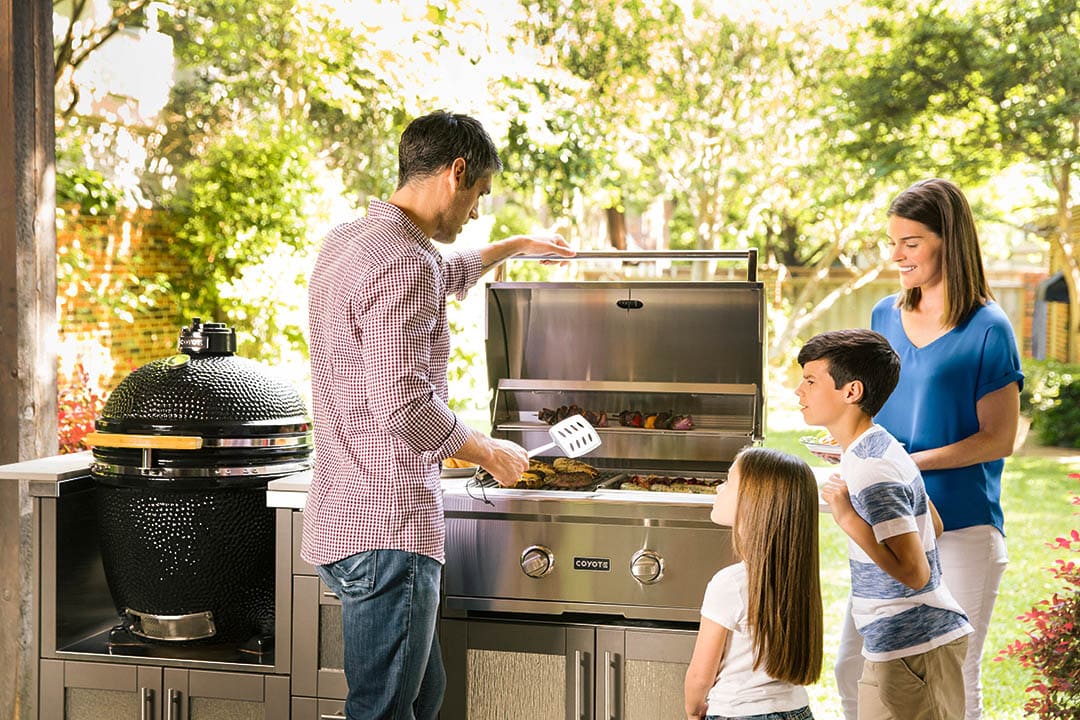
Welcome to the inner circle. If you’re reading this, you’ve likely spent your fair share of Sunday afternoons hovering over a hot grate, beer in hand, wondering why that $50 brisket ended up with the texture of a discarded work boot.
Don’t sweat it. We’ve all been there.
The difference between a “guy who grills” and a true backyard pitmaster isn’t the price tag on the ceramic smoker. It’s the mastery of fire, physics, and a few unconventional grilling tricks that the pros usually keep whispered behind the smoke stack.
Today, we’re pulling back the curtain. We are going deep into the smoke with the enlightenment of pure, unadulterated BBQ wisdom.
Grab an apron. It’s about to get messy.
The Foundations of Fire: The Physics of Flavor
Before we talk about meat, we have to talk about fire. Fire is a living thing. If you treat it like a light switch, you’ve already lost.
1. Two-Zone Mastery: The “Safety Net” Strategy
Most rookies spread charcoal across the entire bottom of the grill like they’re paving a driveway. Stop doing that. The most important of all grilling tricks is the Two-Zone Setup. Pile your coals on one side; leave the other side empty.
This creates a “Sear Zone” and a “Safety Zone.”
If your chicken starts dripping fat and creates a grease fire that looks like a special effect from a Michael Bay movie, you simply slide the meat to the cool side. You aren’t “quitting” – you’re managing thermodynamics.
2. Cold Meat, Better Smoke
You’ve probably heard people say you should let meat sit on the counter to reach room temperature before grilling. That is a myth, and a dangerous one at that.
Smoke particles are attracted to cold, moist surfaces. This is due to a phenomenon called thermophoresis.
When you pull a brisket straight from the fridge and put it in the smoker, the temperature differential allows the smoke to “stick” better, resulting in that deep, mahogany smoke ring that makes your neighbors jealous.
Plus, it keeps the internal temp lower for longer, giving the fat more time to render.
3. The Lumberyard Rule: Density Matters
Not all wood is created equal. If you’re using softwoods like pine or cedar for smoking, stop immediately – unless you enjoy the taste of turpentine and regret.
Pitmaster Secret: Match your wood density to your meat. Heavy hitters like Hickory and Mesquite have high oil content and punch through the beefiness of brisket.
For delicate proteins like pork or poultry, go with Fruitwoods (Apple, Cherry, Peach).
Cherry wood, in particular, is the “cheater’s wood” because it provides a gorgeous reddish hue that makes even an average rib look like a competition winner.
4. Blue Smoke vs. White Soot
If your smoker looks like a steam engine chugging up a hill, you’re doing it wrong. That thick, billowing white smoke is “dirty.” It’s full of creosote, which tastes like an ashtray.
You want Thin Blue Smoke. It’s almost invisible to the eye but carries a sweet, campfire aroma. This happens when your fire is getting enough oxygen to burn efficiently. If you see white clouds, open your vents.
Oxygen is the seasoning you didn’t know you needed.
Preparation Hacks: Beyond the Rub
You can’t fix a bad prep job with a good sauce. The magic happens in the kitchen hours before the fire is lit.
5. The Dry Brine Revolution
Forget wet brines. Submerging a turkey in a bucket of salt water just makes the meat “watery.” Instead, use a Dry Brine.
Salt the meat heavily 12–24 hours before cooking. Salt is the only molecule small enough to actually penetrate the muscle fibers. It denatures the proteins, allowing them to hold onto their own natural juices during the cook.
The result? Meat that is seasoned from the inside out, not just on the surface.
6. The Binder Secret: Mayo is King
To get your dry rub to stick, you need a binder. Most people use mustard because it’s tradition. The real secret? Mayonnaise.
Mayo is an emulsion of oil and egg. The oil helps conduct heat to the surface for a better crust, and the proteins in the egg help create a “glue” for your spices.
Don’t worry – the “mayo flavor” vanishes completely under the heat, leaving behind only a legendary bark.
7. Aerodynamic Trimming
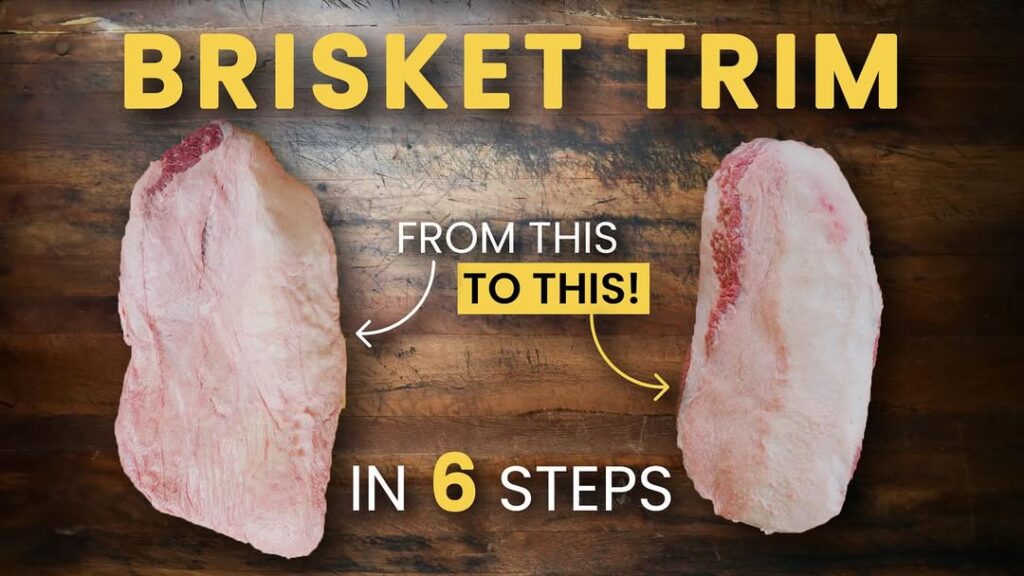
A brisket isn’t just a hunk of meat; it’s an obstacle for airflow. If you have “flaps” of meat hanging off, they will burn and turn into charcoal nuggets before the rest of the meat is done.
Pro Tip: Trim your meat into a smooth, aerodynamic shape. This allows the smoke to glide over the surface evenly. Think of your pork butt like a sports car – rounded edges lead to a faster, more even finish.
8. The Room Temp Myth (Part II)
Let’s double down on this. It takes a four-pound roast nearly five hours to reach room temperature safely. In that time, you’re just growing a science project of bacteria on the surface.
Cook it cold. It’s safer, it’s easier, and it yields a better crust.
Professional Tool Shortcuts
You don’t need a $4,000 trailer pit, but you do need to know how to manipulate the tools you have.
9. The Leaf Blower Method
Starting a charcoal chimney can be slow. If you want those coals screaming hot in three minutes instead of twenty, grab a leaf blower or a battery-powered hairdryer.
By forcing oxygen directly into the base of the chimney, you turn it into a localized forge. It’s loud, it’s dramatic, and it makes you look like a mad scientist.
Just watch out for flying sparks – keep the kids and the dog at a distance.
10. The Foil Boat
Everyone knows the “Texas Crutch” (wrapping meat in foil). But the downside is that it steams the meat and ruins your crispy bark.
The Trick: Use the Foil Boat.
Wrap only the bottom and sides of the meat, leaving the top exposed to the smoke.
This allows the bottom to braise in its own rendered fats (staying juicy) while the top continues to develop a crunchy, dark bark. It’s the best of both worlds.
11. The Ice Water Calibration
Is your grill’s built-in thermometer telling you it’s 250°F? It’s lying. Most “hood thermometers” are off by as much as 50 degrees.
The Fix: Stick your digital probe into a glass of crushed ice and a little water. It should read exactly 32°F ($0^\circ C$). If it doesn’t, you need to account for that offset during your cook.
Precision is the hallmark of a master.
12. The Cast Iron Heat Sink
Cheap grills struggle to hold heat, especially on windy days. To fix this, place two or three heavy cast iron skillets or unglazed firebricks on the bottom rack (away from the coals).
These act as thermal mass.
They soak up the heat and radiate it back steadily. When you open the lid to check your meat, the air temp drops, but the “heat sinks” help the grill recover its temperature almost instantly.
During the Cook: The Pitmaster’s Intuition
This is where the “art” meets the “science.”
13. The Spritz Science
Spritzing isn’t just about moisture; it’s about tackiness. When you spray your ribs with apple juice or cider vinegar, you are cooling the surface slightly and adding sugars.
This creates a sticky surface that captures more smoke particles. However, don’t start spritzing until the rub has “set.” If you touch the rub and it comes off on your finger, it’s too early.
Wait for the crust to form, then start the mist.
14. “If You’re Lookin’, You Ain’t Cookin’”
Every time you lift the lid, you lose about 15 minutes of cooking time. But more importantly, you destroy the humidity levels inside the cook chamber.
BBQ is a humid process. The moisture in the air prevents the meat’s surface from drying out too fast. When you lift the lid, that humid air escapes, and your meat starts to “stall” (where the temperature stops rising).
Trust your probes and leave the lid alone.
15. The Reverse Sear Strategy
For steaks, forget the old “sear it first” rule. Searing creates a gray band of overcooked meat under the surface.
Instead, use one of the most effective grilling tricks in the book: The Reverse Sear. Cook the steak on the “cool side” of the grill until it reaches about 115°F internally.
Then, and only then, move it to the screaming hot coals for 60 seconds per side. You get a perfect edge-to-edge pink interior with a crust that looks like it came from a high-end steakhouse.
16. The Fat Cap Strategy: Up or Down?
This is the great debate. Here is the truth: Fat does not “melt into the meat.” Meat is 75% water; oil and water don’t mix.
The fat cap should face the heat source. If the heat is coming from the bottom, fat side down.
The fat acts as a heat shield, protecting the delicate muscle fibers from drying out. If you’re using a offset smoker where heat comes from the top, fat side up. It’s about protection, not “basting.”
The Finished Product: The Final 10%
The cook is over, but the work isn’t done. This is where most people fail at the finish line.
17. The “Fake Cambro” Rest
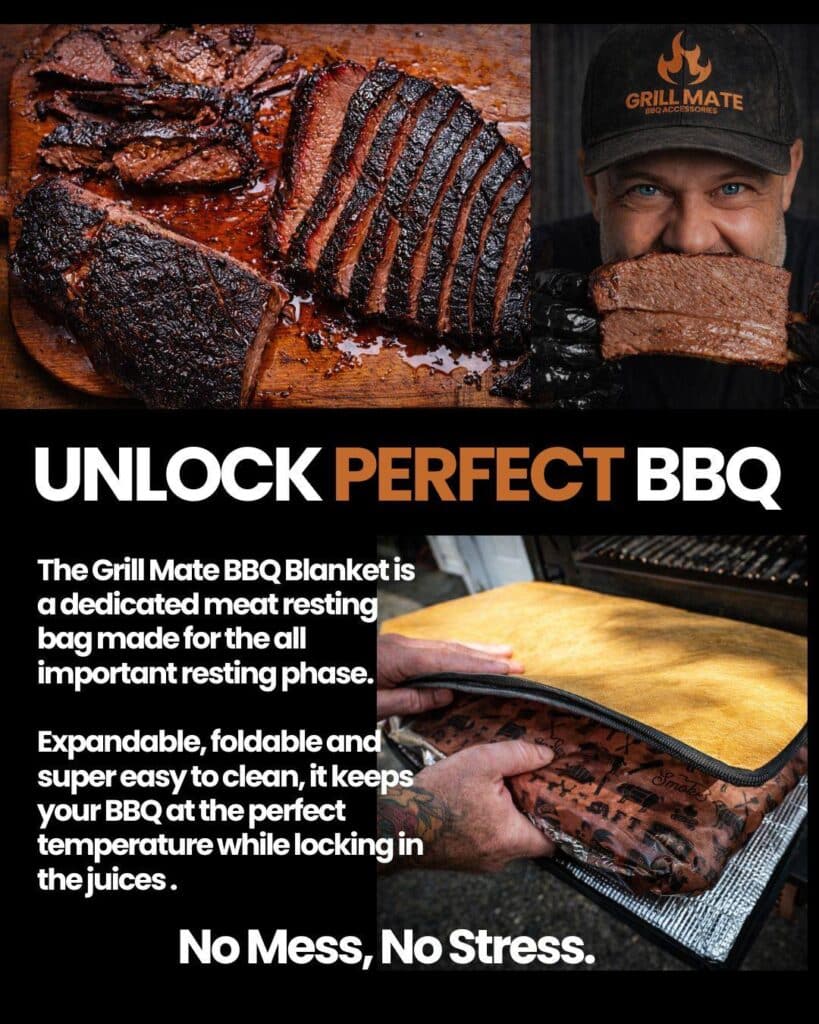
If you take a brisket off the grill and slice it immediately, you have just wasted 12 hours of work. The juices will flood the cutting board, leaving the meat dry.
The Secret: Take a plastic cooler, line it with old towels, and place your wrapped meat inside.
This is a “Fake Cambro.” It allows the meat to undergo a prolonged rest, where the connective tissues continue to break down into gelatin. A four-hour rest in a cooler can turn a “good” brisket into a “life-changing” one.
18. Tallow Injection
Ever wonder how pros get that “greasy in a good way” texture? They inject. Specifically, they inject rendered beef tallow.
Before the rest, some pitmasters will pour warm tallow over the brisket or inject it into the flat. This mimics the fat content of a Wagyu cow, providing a luxurious mouthfeel that a standard Choice-grade brisket simply can’t achieve on its own.
19. Slicing Against the Grain
You could do everything right and still have “tough” meat if you slice it wrong.
Muscle fibers are like bundles of rubber bands. If you slice with the bands, they stay long and chewy. If you slice across them, you’re cutting them into tiny, short segments that fall apart in your mouth.
Pitmaster Secret: On a brisket, the grain changes direction halfway through. You have to turn the meat 90 degrees when you hit “the point.” Always look for the grain before you bark it up.
20. The Board Sauce
Sometimes, the meat needs a little extra help. Instead of dumping heavy BBQ sauce on top, try a Board Sauce.
Chop some parsley, garlic, and butter on your cutting board. Slice the hot meat directly onto that mixture. The residual heat melts the butter and creates a fresh, vibrant “sauce” right there on the board. It’s elegant, rustic, and incredibly flavorful.
21. The Post-Cook Seasoning
Heat kills the “bright” notes in spices. Pepper loses its bite, and herbs lose their zing.
The Final Trick: Hit your meat with a very light dusting of “finishing rub” or flaky sea salt right after slicing. This provides a pop of flavor that hasn’t been muted by 10 hours of smoke.
It’s the culinary equivalent of turning up the volume on a great song.
The Humidifier Hack: Water Pans
Many backyard cooks overlook the importance of ambient humidity inside the cook chamber. When you’re cooking low and slow, the dry heat can wick moisture away from the meat faster than it can render.
The solution is the Water Pan Strategy. By placing a pan of hot water directly over the coals or under the meat, you create a humid microclimate that offers several key benefits:
- Evaporation Control: Slows the surface drying process, helping you manage the dreaded “stall.”
- Smoke Adhesion: Creates a tacky surface that helps smoke particles “stick” to the protein.
- Thermal Ballast: The water absorbs heat spikes, keeping your grill’s temperature rock-steady.
This simple addition prevents your expensive brisket from turning into a dry, leathery brick before the fat has a chance to soften and render.
The Coffee-Rub Chemistry
If you want a bark that is dark, crusty, and deeply complex, you need to look beyond sugar and salt.
Enter the Java Crust. Adding finely ground espresso or dark roast coffee to your dry rub does more than provide an earthy flavor; it initiates a scientific reaction that transforms the meat’s surface:
- Natural Tenderizing: Coffee tannins help soften tough muscle fibers.
- Surface Breakdown: The acidic profile of the bean helps dismantle stubborn surface proteins.
- The Maillard Boost: Coffee compounds undergo a unique reaction at high heat for a professional, mahogany finish.
The bitter-to-savory contrast cuts right through the heavy richness of fatty meats like beef ribs or pork shoulder without leaving a caffeine buzz.
The “Hanging” Advantage
For those using vertical smokers or drum grills, the secret to the most even cook possible is Vertical Hanging.
Most people default to laying meat flat on a grate, which creates “hot spots” where the metal touches the muscle. By using stainless steel meat hooks, you unlock the power of Convectional Cooking:
- 360-Degree Airflow: Heat and smoke swirl around the food with zero obstructions.
- Self-Basting: Rendering fats drip down the length of the cut, keeping it moist naturally.
- Increased Capacity: Hang multiple slabs of ribs to feed a small army without overcrowding.
It’s the closest you can get to a professional “pit-style” result in your own backyard, ensuring every inch of the meat receives equal attention from the fire.
The Sugar-Burn Threshold
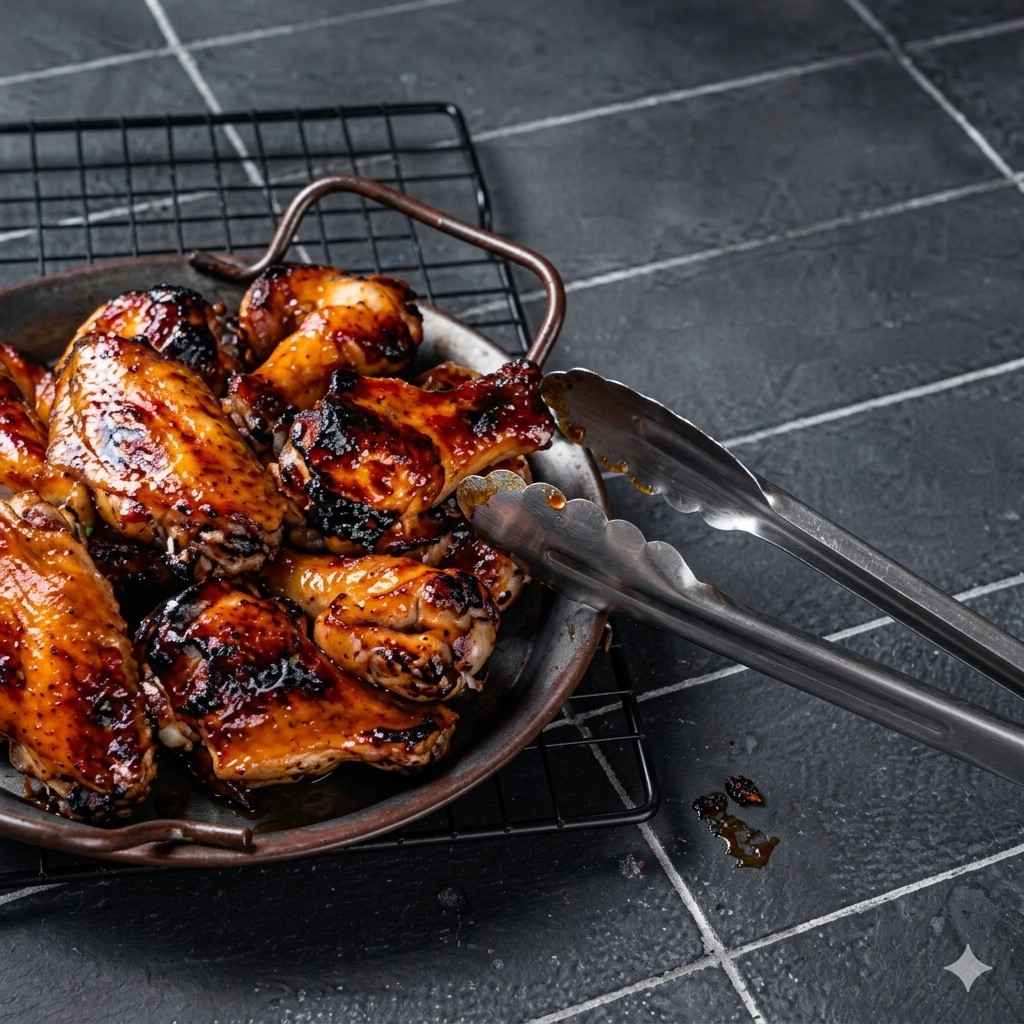
One of the most common rookie mistakes is applying a sugar-heavy rub too early. Sugar begins to carbonize and burn at approximately 350°F ($177^\circ C$). If you’re searing over direct flames, that sweet rub will turn into a bitter, blackened mess. Master the Late-Stage Glaze with these rules:
- Low & Slow Only: Use brown sugar or maple rubs only if staying between 225°F and 250°F.
- Savory Foundation: If you plan to sear, start with a salt, pepper, and garlic base.
- The 15-Minute Rule: Apply sugar-based sauces only in the final minutes of the cook.
This strategy ensures a glistening, caramelized sheen rather than a charred, acrid coating that ruins the flavor of your hard work.
The “Wobble” Test for Doneness
Forget the clock; BBQ is finished when the connective tissue says it is. While thermometers are essential, the pro’s secret for brisket and pork butt is the Physical Wobble.
These tactile cues tell you the meat is ready to melt in your mouth, regardless of what the digital screen says:
- The Jiggle: Tap the brisket; it should vibrate and shake like a heavy bowl of Jell-O.
- The Bend Test: Lift a slab of ribs from one end; the surface should “crack” under its own weight.
- Collagen Conversion: These signs prove the tough connective tissue has finally transformed into silky gelatin.
Patience is a virtue, and learning to “feel” the meat’s readiness is the hallmark of a true master pitmaster.
The Charcoal Stacking “Snake”
If you hate waking up every hour to add fuel to your kettle grill, you need to master the Snake Method.
Instead of a chaotic pile, arrange unlit briquettes in a semi-circle “fuse” around the edge of the grill. This creates a controlled burn that is perfect for long, uninterrupted smokes:
- Strategic Stacking: Overlap briquettes like scales and place wood chunks along the top.
- The Slow Burn: Light only one end to create a fire that travels slowly down the line.
- Endurance: Provides consistent, low-intensity heat for up to 12 hours without intervention.
It’s the ultimate “set it and forget it” trick for the backyard enthusiast who actually wants to enjoy their Saturday sleep while the grill does the heavy lifting.
The Umami Injection: Mushroom Broth
While beef tallow is a classic, the “umami bomb” secret of competition circuits is Dried Shiitake Broth.
By rehydrating dried mushrooms and injecting the strained liquid, you flood the meat with natural glutamates. This liquid preparation offers a sophisticated flavor profile:
- Flavor Multiplication: It makes beef taste “beefier” without a distinct mushroom flavor.
- Internal Hydration: Keeps the center of thick-cut roasts moist during long cooks.
- The Savory Profile: Combine with Worcestershire sauce for a deep, professional-grade punch.
This method prevents the dreaded dry center and will have your guests wondering why your BBQ tastes so much more intense than the local smokehouse.
Troubleshooting & FAQ: The “Oh No” Manual
Even pros have bad days. Here’s how to pivot when things go sideways.
How to Fix “The Stall”
You’re at 160°F and the temperature hasn’t moved in two hours. You’re panicking because the guests are arriving in 60 minutes.
The Fix: This is evaporative cooling – the meat is “sweating.” Wrap it tightly in foil (the Texas Crutch). This stops the evaporation and forces the internal temp to climb. It’s a “break glass in case of emergency” move that saves the day.
The Over-Salted Disaster
If you went too heavy on the rub and the meat is a salt bomb, don’t toss it.
The Fix: Serve it with an un-salted component. A vinegar-based slaw with zero salt or a creamy, sweet potato mash can balance the palate. Also, a sweet BBQ sauce can help mask the saltiness through contrast.
Cleaning Without the Danger
Wire grill brushes can drop metal bristles that end up in your burger (and then your throat). That’s a bad Saturday.
The Fix: Use a balled-up piece of aluminum foil held with tongs. It’s abrasive enough to scrub the grates but won’t leave behind deadly slivers.
Or, use half an onion – the acidity and moisture help steam off the gunk while adding a little “seasoning” for the next cook.
The Path to the Perfect Bark
At the end of the day, these grilling tricks are just tools in your belt. The real secret of a backyard pitmaster? Patience.
BBQ is one of the few things in the modern world that you cannot hurry.
You can’t “force” a brisket to be tender, and you can’t “command” a fire to behave. You have to listen to the meat, watch the smoke, and enjoy the process.
The best cooks aren’t the ones with the fancy gadgets; they’re the ones who have failed the most times and learned exactly why. So, go out there, fire up the coals, and don’t be afraid to make a few mistakes.
Just make sure you have a cold drink and a good thermometer by your side.
Now, go show that grill who’s boss.
Featured image credit: @completehomeconcepts
