
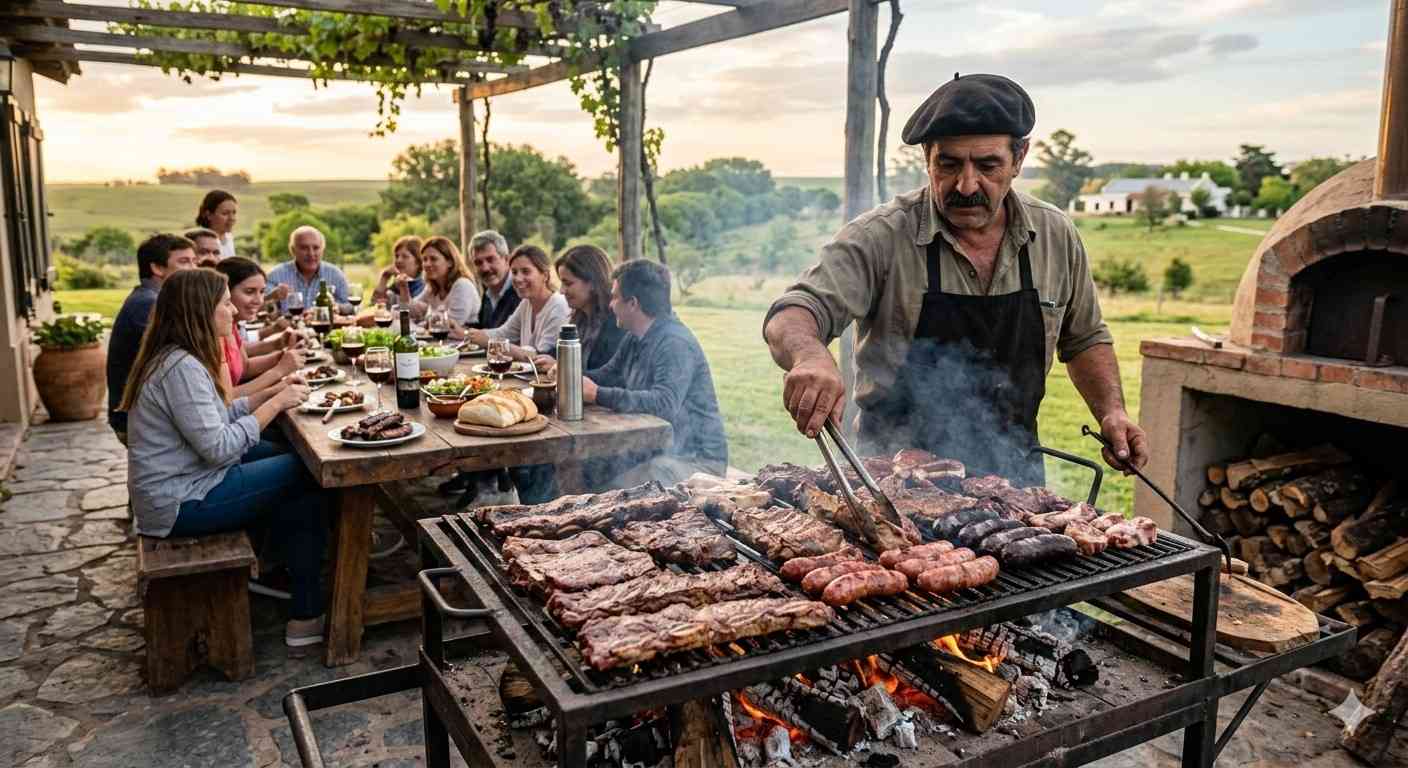
Gather friends around a grill, hold a drink, and breathe in the smoky scent of meat. That relaxed moment reflects the spirit of Argentinian Asado, a tradition built on sharing food, stories, and time together.
In Argentina, Argentinian Asado isn’t just barbecue. It’s a ritual. It’s a slow afternoon. It’s the grill master (the asador) tending the fire like a quiet conductor while everyone else hangs around waiting for the next round of meat.
And here’s the good news: you don’t need a fancy parrilla grill, custom iron cross, or a backyard built for cattle ranching to do it properly. A basic charcoal grill, a little patience, and good meat will get you surprisingly close to the real thing.
As someone who’s spent more weekends than I can count hovering over hot coals, I’ll tell you a secret most beginners don’t realize:
Great asado is about fire control and patience – not equipment.
Let’s fire it up.
What Makes Argentinian Asado Different
The first thing to understand about Argentinian Asado is that it’s not about aggressive grilling or heavy marinades. If you’ve ever seen barbecue competitions where meat is drowning in rubs and sauces, forget that for a moment.
Traditional Argentinian Asado is beautifully simple.
The core principles are:
- Quality meat
- Salt
- Live fire
- Slow cooking
That’s it.
The technique is closer to roasting meat near fire than blasting it over flames. The goal is steady heat, gentle smoke, and time.
I once heard an Argentinian grill master say, “If the fire is exciting, the meat will suffer.”
He meant that big flames are the enemy. What you want are glowing coals quietly doing their job.
The Simple Equipment You Actually Need
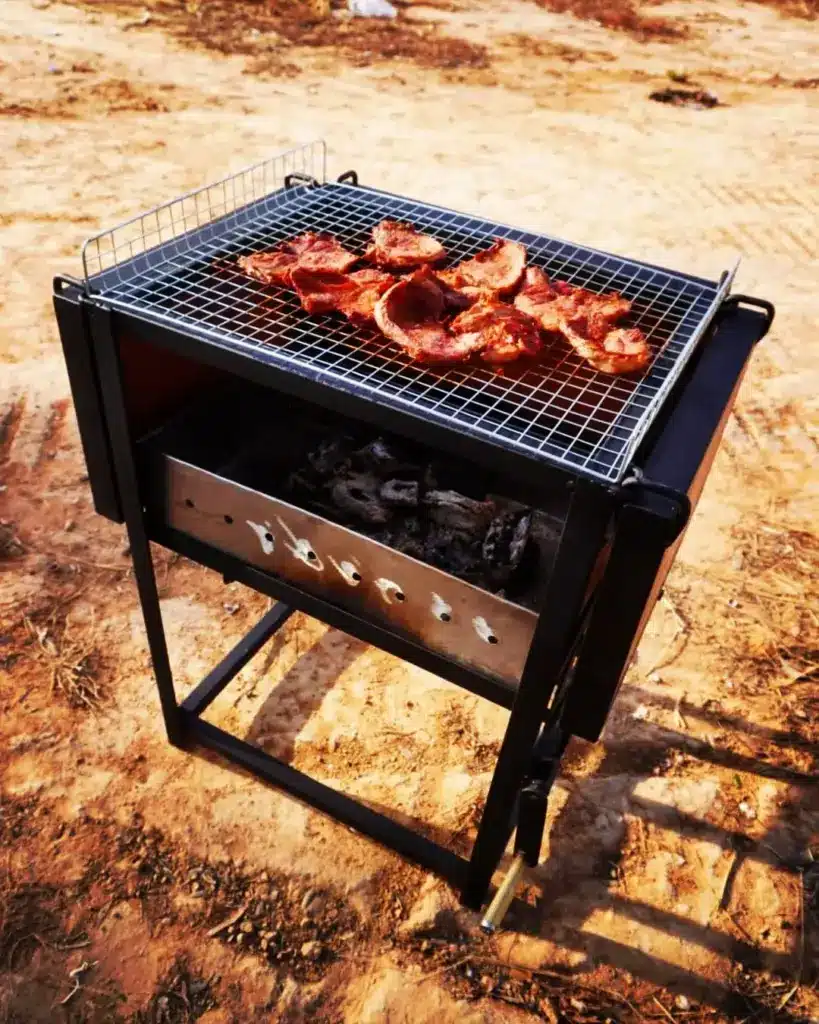
You’ll see photos of traditional Argentine parrillas with adjustable grates and built-in coal trays.
They’re beautiful – but they’re not required for making Argentinian Asado at home.
Here’s what works perfectly well:
1. A charcoal grill
A kettle grill is ideal, but any grill that holds charcoal works.
2. A sturdy grill grate
That’s your cooking surface. Nothing fancy.
3. Long tongs
Trust me, eyebrows grow back slowly.
4. A chimney starter (optional but helpful)
This gets your charcoal burning evenly.
That’s basically it.
I’ve cooked fantastic Argentinian Asado over nothing more than a campfire and a grill grate balanced on bricks. The fire doesn’t care how expensive your grill is.
Choosing the Best Meat for Argentinian Asado
One thing Argentina does very well is beef. The good news is you can still capture the spirit of Argentinian Asado using cuts from your local butcher.
Traditional choices include:
- Short ribs (Asado de Tira)
- Chorizo sausage
- Flank or skirt steak
If you can’t find the exact Argentine cuts, don’t worry. Excellent substitutes include:
- Ribeye
- Sirloin
- Skirt steak
- Thick beef ribs
The important thing is fat and flavor. Lean cuts tend to dry out over long grilling sessions.
And when it comes to seasoning, keep it simple.
Coarse salt is the classic seasoning for Argentinian Asado.
That’s it.
No marinade. No complicated rub. Just salt applied right before cooking.
The Argentinian Asado Recipe (Backyard Version)
Let’s walk through a simple Argentinian Asado recipe that works on almost any grill.
Ingredients
- 2–3 pounds beef short ribs or flank steak
- 2–3 chorizo sausages
- 2 tablespoons coarse salt
- Chimichurri sauce for serving
That’s all you need.
Step 1: Build the Right Fire
Start your charcoal about 30–40 minutes before cooking.
The coals are ready when they’re mostly covered with white ash and glowing red inside.
This is the moment beginners often rush, and rushing is the enemy of Argentinian Asado.
You want steady heat, not raging flames.
Step 2: Create Two Heat Zones
Push most of your coals to one side of the grill.
This creates:
- A hotter zone for finishing and searing
- A cooler zone for slow cooking
Traditional Argentinian Asado is cooked mostly over moderate indirect heat, not directly over the hottest coals.
Step 3: Salt the Meat
Right before the meat hits the grill, season generously with coarse salt.
This simple seasoning is one of the signatures of Argentinian Asado. It draws out flavor without overpowering the beef.
If someone reaches for garlic powder and paprika, politely move their hand away from the spice rack.
This is not that kind of barbecue.
Step 4: Start with the Chorizo
Place the sausages on the cooler side of the grill.
Let them cook slowly for about 20–25 minutes, turning occasionally.
As they heat up, they’ll release a smoky aroma that tells everyone nearby something good is happening. In Argentina, this moment usually attracts neighbors like moths to a flame.
Step 5: Grill the Beef Low and Slow
Place your ribs or steak on the cooler side of the grill.
This is where patience becomes your best cooking tool.
Cook the meat slowly, turning occasionally, for 30–45 minutes depending on thickness.
You’re not trying to sear immediately. You’re letting the meat warm gently and develop flavor.
This slow approach is one of the defining characteristics of Argentinian Asado.
Step 6: Finish Over Higher Heat
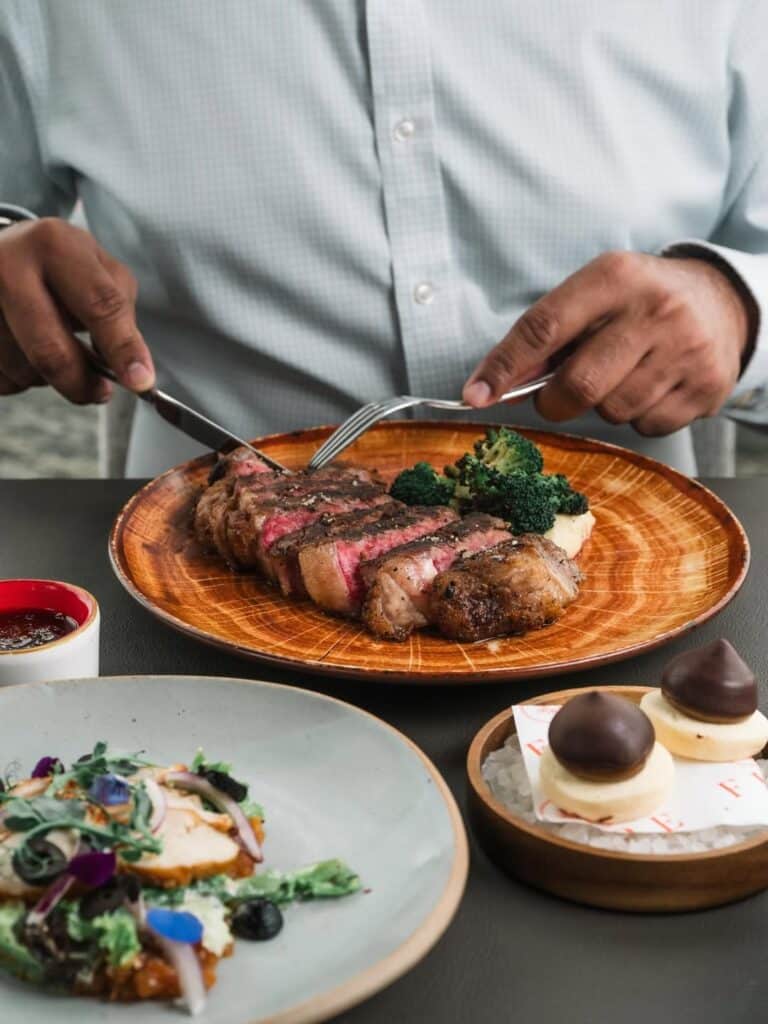
Once the meat is nearly cooked, move it closer to the hotter coals.
Now you can create a beautiful crust.
A couple minutes per side is usually enough.
The outside becomes crisp and caramelized while the inside stays juicy – exactly what Argentinian Asado aims for.
Step 7: Let the Meat Rest
Pull the meat off the grill and let it rest for 5–10 minutes.
This lets the juices settle back into the meat.
Cut it too early and those juices run out faster than guests when the beer runs dry.
Quick Chimichurri Sauce
No Argentinian Asado feels complete without chimichurri.
It’s bright, herbal, and perfect with grilled meat.
Mix together:
- 1 cup chopped parsley
- 3 cloves minced garlic
- ½ cup olive oil
- 2 tablespoons red wine vinegar
- ½ teaspoon chili flakes
- Salt to taste
Let it sit for about 10 minutes before serving.
Spoon it lightly over sliced meat or serve it on the side.
Pitmaster Tips for Better Argentinian Asado
After years of grilling, a few lessons always stand out when making Argentinian Asado:
1. Control the fire, not the meat.
Move coals if needed instead of constantly flipping the meat.
2. Avoid flare-ups.
Flames burn the exterior before the interior cooks.
3. Don’t rush the process.
Good asado happens slowly.
4. Slice after resting.
This keeps the meat juicy.
The biggest mistake beginners make is treating Argentinian Asado like fast grilling. It isn’t.
Think of it more like slow fire cooking.
What to Serve with Argentinian Asado
In Argentina, the sides are simple and supportive.
Good options include:
- Crusty bread
- Simple green salad
- Grilled vegetables
- Roasted potatoes
The meat is the star of Argentinian Asado, so the sides stay humble.
The Role of the Asador: Argentina’s Grill Master Tradition
In Argentina, the person running the grill isn’t just cooking – they’re performing a role. The “asador” is the respected grill master of an Argentinian Asado, and that job carries a surprising amount of pride.
An experienced asador understands fire like a language. They read the color of coals, feel heat with the palm of their hand, and know exactly when meat needs turning. No timers. No apps. Just instinct built over years.
One of the unwritten rules of Argentinian Asado is simple: the asador controls the grill, and nobody interferes. Friends might hover around with drinks and opinions, but the grill master makes the final call.
There’s also a rhythm to the process. The chorizo comes first, then other meats gradually follow. This staggered cooking keeps guests happily snacking throughout the afternoon.
It’s less like a meal and more like a slow parade of grilled meat, and the asador is the conductor keeping everything moving.
Why Wood Smoke Changes the Flavor of Argentinian Asado
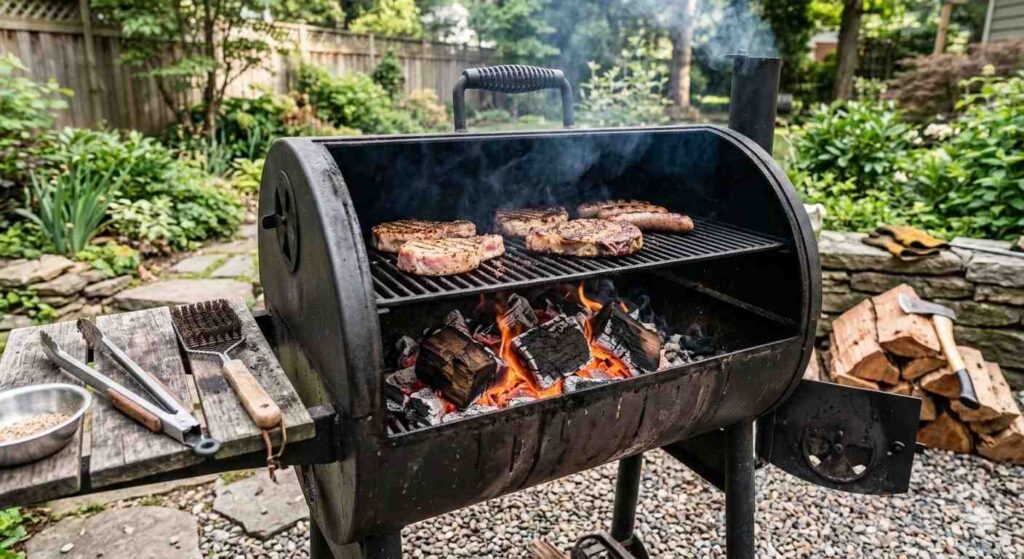
While charcoal works perfectly well, many traditionalists insist that Argentinian Asado reaches its full potential with hardwood fire.
Wood doesn’t just produce heat – it produces aroma, flavor, and character.
In Argentina, common woods include quebracho, algarrobo, and espinillo, each adding a subtle smokiness to the meat. Outside Argentina, you can recreate the experience with oak, hickory, or fruitwoods like apple and cherry.
The trick is moderation. Unlike American smoked barbecue, Argentinian Asado uses gentle smoke, not heavy clouds.
Too much smoke can overwhelm the natural flavor of the beef. A small chunk of wood placed on hot coals is usually enough to give the meat that signature wood-fired aroma.
When the lid lifts and that light smoky scent drifts across the yard, something magical happens.
Neighbors suddenly remember they were meaning to visit you today.
The Social Side of Argentinian Asado
If you try to rush an Argentinian Asado, you’re doing it wrong.
Unlike quick weeknight grilling, asado is an event that unfolds slowly over hours. The fire gets started early, friends arrive gradually, and the grill becomes the center of conversation.
In many Argentine homes, Sunday afternoons are reserved for asado. Families gather, drinks appear, and the grill master tends the fire while everyone else talks, laughs, and waits for the next round of food.
What makes Argentinian Asado special is the pacing. Meat isn’t served all at once. Instead, it arrives in stages – sausages first, then ribs, then steaks.
Every round brings fresh excitement.
By the time the final cuts hit the table, the group has spent hours together. That’s the real point of Argentinian Asado: not just the food, but the time shared around the fire.
Understanding Fire Management Like a Pitmaster
Ask any experienced grill master and they’ll tell you the same thing:
The secret to great Argentinian Asado isn’t the meat—it’s the fire.
Fire management is where beginners struggle most. The goal is steady radiant heat, not roaring flames licking at your steak.
A few tricks help control the fire like a seasoned asador:
First, build the fire early. Coals need time to settle into stable heat.
Second, cook beside the fire rather than directly above it. Argentine grills often place coals to one side, allowing meat to cook slowly with indirect heat.
Finally, always keep extra coals burning nearby so you can add heat gradually.
When you manage fire properly, cooking becomes calm and predictable. When you don’t, things get exciting very quickly.
And excitement is great for fireworks – less great for steak.
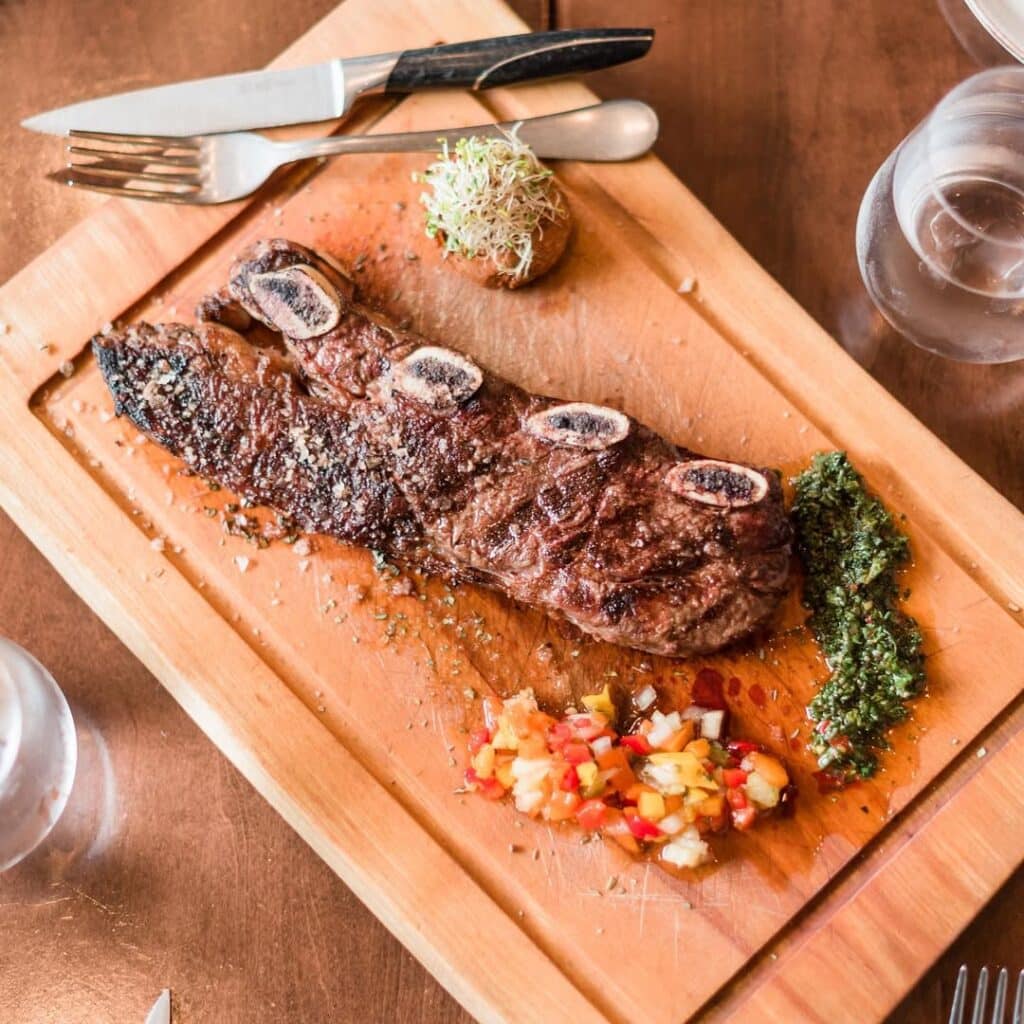
The Art of Cutting and Serving Asado Meat
Cooking the meat is only half the story in Argentinian Asado. How it’s sliced and served matters just as much.
Instead of individual plated steaks, the traditional approach is shared platters of sliced meat placed at the center of the table. Guests help themselves, creating a relaxed, communal atmosphere.
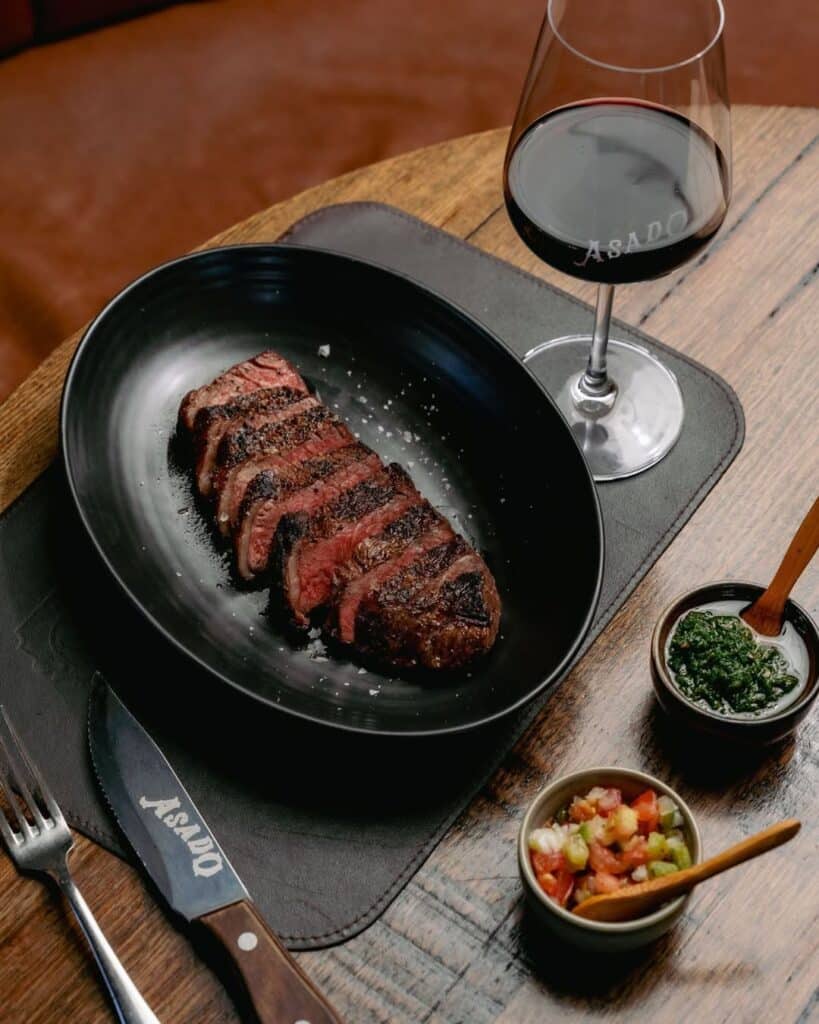
The key technique is cutting against the grain. This shortens muscle fibers and keeps the meat tender. Even tougher cuts like flank steak become delicious when sliced properly.
Another tradition is serving meat in small rounds throughout the meal. When one platter empties, another appears from the grill.
This keeps the energy alive at the table and prevents everything from cooling at once.
If someone asks which piece is the best cut, the classic grill master answer is simple:
“The next one.”
Drinks That Pair Perfectly with Argentinian Asado
Every good Argentinian Asado deserves the right drink.
The traditional choice is Malbec, Argentina’s most famous red wine. Its bold fruit flavor and gentle tannins pair beautifully with grilled beef.
But wine isn’t the only option.
Many gatherings also include Fernet and cola, a surprisingly popular Argentine drink with a bitter herbal kick. Beer, especially lighter lagers, works well too.
What matters most is balance. Rich grilled meat benefits from drinks that refresh the palate and cut through the fat.
As a pitmaster, I’ve noticed something interesting over the years: once the grill is hot and the meat starts sizzling, drinks tend to appear naturally.
Somehow, Argentinian Asado has a magical ability to make everyone thirsty at the exact same moment.
It’s one of the many mysteries of cooking over fire.
The Unwritten Rules of Argentinian Asado
Every cooking tradition has rules, but Argentinian Asado comes with a few especially important ones.
Some are practical, while others are pure culture.
Here are a few classics:
1. Respect the asador.
The grill master makes the decisions.
2. Don’t rush the fire.
Good coals take time.
3. Keep seasoning simple.
Salt is king.
4. Never stab the meat repeatedly.
You’ll lose precious juices.
Another unofficial rule is that guests should bring something – wine, bread, salad, or dessert.
But the most important rule of Argentinian Asado is this:
Relax and enjoy the process.
If everyone is laughing, the fire is glowing, and the meat smells incredible, you’re doing it right.
Why Argentinian Asado Is One of the World’s Great Barbecue Traditions
Every culture has its version of cooking meat over fire, but Argentinian Asado stands out as one of the purest expressions of live-fire cooking.
There are no complicated techniques hiding behind the process. No layers of sauces or secret rubs masking the flavor.
Instead, the focus stays where it belongs:
Great meat, steady fire, and patience.
This simplicity is exactly what makes Argentinian Asado so powerful. It reminds us that cooking doesn’t have to be complicated to be extraordinary.
A grill, glowing coals, and a well-seasoned piece of beef can produce something unforgettable.
And once you’ve hosted your first successful Argentinian Asado at home, you’ll understand why this tradition has lasted for generations.
Because some cooking methods don’t need improvement.
They just need fire – and people willing to gather around it.
Frequently Asked Questions About Argentinian Asado
What is Argentinian Asado?
Argentinian Asado is a traditional Argentine barbecue where meat is cooked slowly over charcoal or wood fire. Unlike many barbecue styles, the focus is on high-quality beef, simple seasoning (usually coarse salt), and careful fire management.
It’s also a social tradition where friends and family gather while the asador (grill master) cooks different cuts of meat in stages throughout the meal.
Do I need a special grill to make Argentinian Asado?
No. While traditional setups use a parrilla grill with adjustable grates, you can absolutely make Argentinian Asado at home using a basic charcoal grill or kettle grill.
The key isn’t the equipment – it’s steady coals, controlled heat, and patience. Even a simple grill grate over a fire pit can produce excellent results.
What meats are traditionally used in Argentinian Asado?
Classic Argentinian Asado meats include:
- Asado de tira (beef short ribs)
- Chorizo sausages
- Flank or skirt steak
- Vacio (flap steak)
If those cuts are hard to find, good substitutes include ribeye, sirloin, beef ribs, or skirt steak.
The most important thing is choosing well-marbled cuts with good fat content for flavor.
Why is salt the main seasoning in Argentinian Asado?
Traditional Argentinian Asado relies on coarse salt because it enhances the natural flavor of the beef without overpowering it.
Argentine barbecue culture emphasizes the quality of the meat and the flavor from wood or charcoal fire, rather than heavy marinades or spice rubs.
What is chimichurri and how is it used?
Chimichurri is a classic Argentine sauce made with parsley, garlic, olive oil, vinegar, and chili flakes. It’s served alongside grilled meat during Argentinian Asado to add freshness and acidity that balances the richness of the beef.
Most people spoon it lightly over sliced meat or serve it as a dipping sauce.
How long does Argentinian Asado usually take?
A typical Argentinian Asado cooking session lasts 1–2 hours, depending on the cuts of meat and the fire setup. The process begins with building and stabilizing the charcoal fire, followed by slow grilling over moderate heat.
Unlike quick grilling, asado is meant to be slow, relaxed, and social.
What’s the biggest mistake people make when cooking Argentinian Asado?
The most common mistake is cooking over direct flames instead of steady coals. Flames can burn the outside of the meat before the inside cooks properly.
Authentic Argentinian Asado uses glowing coals and indirect heat, allowing the meat to cook slowly and develop rich flavor.
What side dishes are typically served with Argentinian Asado?
Traditional sides are simple and meant to complement the meat. Common Argentinian Asado side dishes include:
- Crusty bread
- Simple green salad
- Grilled vegetables
- Roasted potatoes
- Chimichurri sauce
The star of the meal is always the grilled meat, so sides are usually light and straightforward.
What drinks pair best with Argentinian Asado?
The classic pairing is Argentine Malbec wine, which matches well with grilled beef. Beer is also common, especially light lagers that refresh the palate. Some gatherings also serve Fernet with cola, a popular Argentine cocktail often enjoyed during long asado sessions.
Can beginners make a good Argentinian Asado?
Absolutely. One of the best things about Argentinian Asado is its simplicity. With good meat, charcoal, coarse salt, and patience, even beginners can produce great results.
Focus on controlling the fire and cooking slowly, and you’ll be well on your way to mastering this classic barbecue tradition.
Invite Your Family and Friends to Enjoy an Argentinian Asado Backyard Gathering
One of the reasons I love cooking Argentinian Asado is that it reminds us what grilling used to be about: fire, meat, and people gathering around both.
You don’t need a luxury outdoor kitchen. You don’t need complicated marinades.
You need good meat, steady coals, patience, and a few hungry friends.
Master those basics, and you’ll discover what Argentine grill masters have known forever:
The magic of Argentinian Asado comes from simplicity.
And if you happen to cook a little extra chorizo, don’t worry.
That’s called planning ahead.
Featured image credit: Google Gemini
