
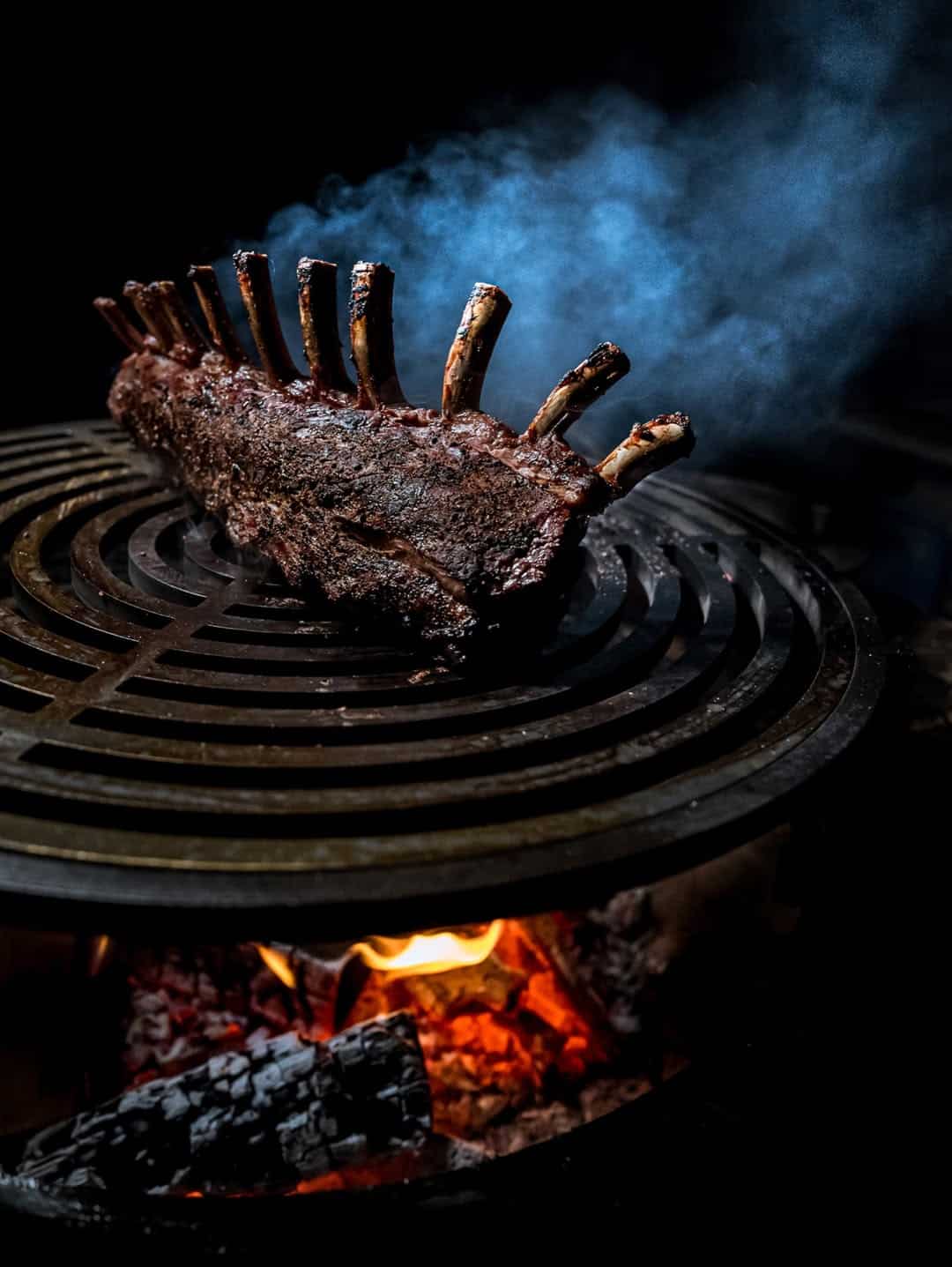
Ever hear someone say deer meat is dry or venison is gamey? I can tell you exactly what went wrong – they cooked it like beef and hoped for the best.
I’ve been there. Early in my grilling days, I turned a beautiful backstrap into something with the texture of hiking boot leather.
Lesson learned.
The truth is, deer meat is one of the most rewarding proteins you can grill – if you understand it. It’s lean, flavorful, and honest. Treat it right, and it’ll outshine most store-bought steaks. Treat it wrong, and it’ll humble you fast.
This is your no-nonsense, pitmaster-approved guide to grillingdeer meat the right way – one dependable recipe, plus the techniques that make it foolproof.
Why Deer Meat Deserves the Grill
Here’s the thing about deer meat: it’s wild, not weak. The flavor is clean and slightly sweet, not “gamey” unless mishandled. What trips people up is the lack of fat. Fat forgives mistakes. Venison does not.
That’s why grilling works so well. High heat, short cook times, and proper prep let the meat shine without drying it out.
When done right, grilled venison is tender, juicy, and bold – like a steak that spent more time outdoors than you did last year.
Why This Recipe Works
This recipe is built on three principles I live by at the grill:
- Respect the cut
- Control the heat
- Stop cooking sooner than you think
We’re not drowning the meat in marinade or hiding it under sauce. We’re enhancing what’s already there. Simple ingredients, clean fire, and a thermometer you trust.
Best Cuts of Deer Meat for Grilling
Not all deer meat is grill-friendly. Pick the right cut and you’re already halfway to success.
Best options:
- Backstrap (loin) – The crown jewel. Tender, even, perfect for grilling.
- Tenderloin – Smaller, cooks fast, insanely tender.
- Leg steaks – Works well if sliced properly and lightly marinated.
Cuts to avoid (unless you know what you’re doing):
- Shoulder
- Shank
- Neck
Those are slow-cook cuts. The grill is not the place for them unless you enjoy disappointment.
How to Know When Deer Meat Is Done
Forget guessing. Use the thermometer. Deer meat cooks fast and punishes hesitation.
Carryover cooking will raise the internal temp while resting. If you wait for “perfect” on the grill, you’ll overshoot it on the plate.
Flavor Variations (Keep It Interesting)
Once you’ve nailed the basics, have some fun:
- Herb-forward: Rosemary, thyme, cracked pepper
- Smoky: Add a chunk of oak or hickory to charcoal
- Garlic-butter finish: Brush lightly after resting
- Wild classic: Juniper, black pepper, bay leaf
The goal is enhancement, not disguise.
What to Serve with Grilled Deer Meat
Keep sides honest and rustic:
- Grilled potatoes or sweet corn
- Charred vegetables
- Simple pan sauce or compound butter
Let the deer meat stay center stage.
The Science of Deer Meat: Why It Behaves Differently on the Grill
Most recipes skip this part, but deer meat is fundamentally different at a cellular level. Wild deer are in constant motion, and that lifestyle shows up on your grill.
Here’s what that means in practical terms:
- Denser muscle fibers from constant movement
- Higher myoglobin content, which boosts flavor and speeds browning
- Almost zero intramuscular fat, leaving little room for error
The translation? Big flavor, small margin for error. Venison browns fast and overcooks even faster. On the grill, heat transfers quicker than with beef, and moisture loss shows up immediately if you miss your temperature window.
Understanding this shifts your mindset from “cook until done” to “cook until perfect.” It also explains why venison shines at rare to medium-rare – those proteins stay relaxed instead of tightening up.
Once you understand how deer meat reacts to heat, grilling becomes repeatable, not lucky.
Field Care to Fire: How Early Handling Affects Grill Results
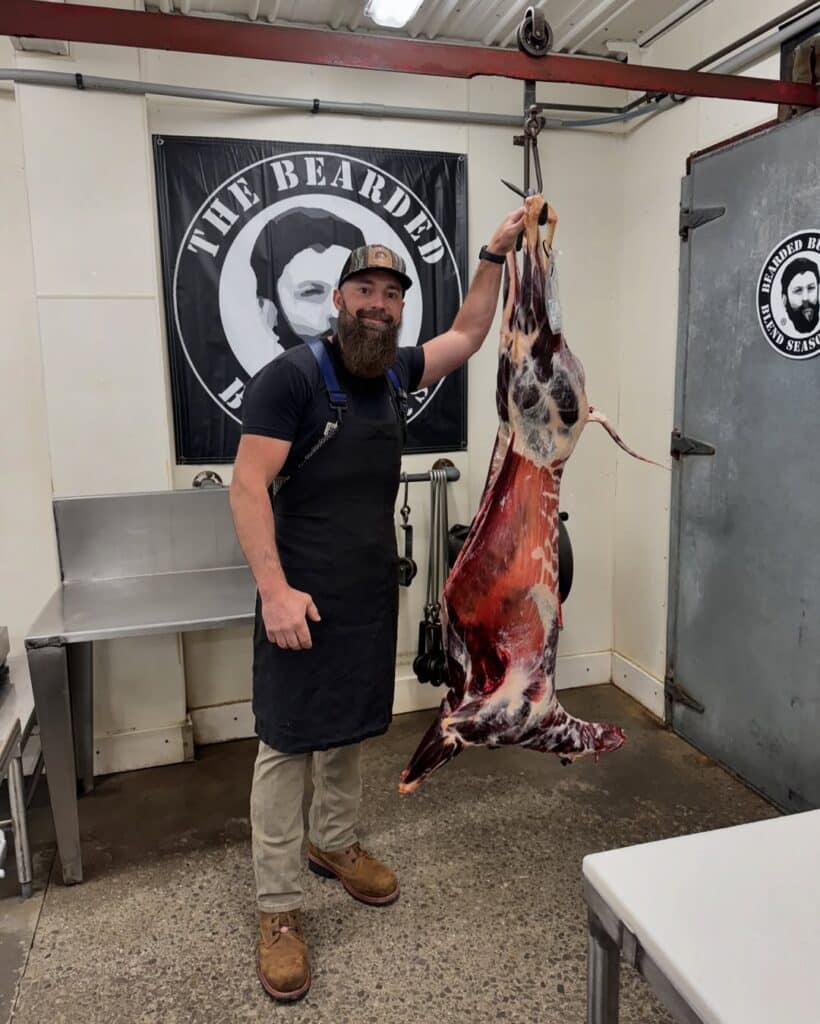
The grill can’t fix what went wrong in the field. Deer meat quality is shaped long before it ever sees a flame, and small early decisions echo all the way to the plate.
The biggest factors?
- Clean, quick field dressing to prevent off-flavors
- Rapid cooling to protect texture and aroma
- Avoiding prolonged warmth, which can lead to tougher muscle fibers and stronger smells
Those stronger aromas often get mislabeled as “gamey,” when the real culprit is poor handling. Proper aging – whether dry-aging or controlled refrigeration – lets enzymes naturally tenderize the meat and deepen flavor.
When well-handled venison hits the grill, the difference is obvious: cleaner aroma, better sear, and more even cooking. Great grilling starts with respecting the entire journey, not just the moment the lid closes.
Choosing Wood Smoke for Deer Meat Without Overpowering It
Smoke is a seasoning, not a cover-up – especially with deer meat. The wrong wood can bulldoze venison’s natural flavor, while the right one quietly elevates it.
Best woods for venison:
- Oak – balanced and neutral
- Cherry – mild with a touch of sweetness
- Maple – clean and subtle
Hickory works, but only in moderation. Mesquite? That’s playing with fire – literally and figuratively. Venison absorbs smoke fast, so even 10–15 minutes of light smoke can add depth without bitterness.
The goal is subtle complexity, not campfire dominance. When someone asks, “What’s that flavor?” instead of “Why does this taste smoky?” you’ve nailed it.
Slicing, Serving, and the Psychology of First Impressions
You can grill deer meat perfectly and still fumble the finish. How you slice and serve venison directly affects how people perceive tenderness and flavor.
Key finishing moves:
- Slice against the grain every time
- Keep portions modest – thick slabs intimidate newcomers
- Fan slices slightly so juices glisten
Presentation matters because many diners approach venison with preconceived doubts. A confident, intentional plate sets expectations before the first bite. Finish with a pinch of flaky salt or a light drizzle of fat, and aroma and mouthfeel instantly improve.
When venison looks intentional, people taste it differently – and that’s half the battle won.
Common Mistakes to Avoid
I’ve made all of these so you don’t have to:
- Overcooking – The #1 sin
- Skipping oil – Lean meat needs lubrication
- Too much acid – Makes meat chalky
- Cutting immediately – Juice on the board, not the plate
Storage and Leftovers
Grilled deer meat keeps 3–4 days refrigerated. Reheat gently, or better yet, slice cold for sandwiches or salads. Microwaves are a last resort and a bad one.
Final Thoughts: A Cut Above
Grilling deer meat isn’t about tricks – it’s about understanding. Respect the leanness, trust your thermometer, and pull it early. Do that, and you’ll serve venison that changes minds and clears plates.
Once you dial it in, deer meat on the grill becomes less of a gamble and more of a flex. And don’t be surprised when friends start asking when that venison thing is going on the grill again.
Once you master this, beef starts feeling… a little boring.
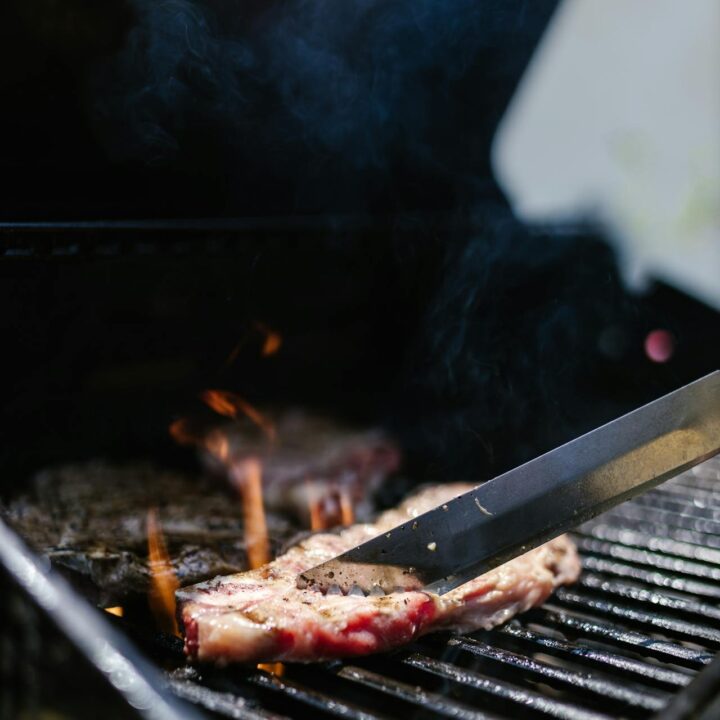
Grilled Deer Meat Recipe
Image credit: RDNE Stock project
Ingredients
For the Deer Meat
- 1½–2 lbs venison backstrap or loin
- Trimmed of all silver skin (non-negotiable)
Simple Marinade (Optional but Recommended)
- 3 tbsp olive oil
- 1 tbsp Worcestershire sauce
- 2 cloves garlic, minced
- 1 tsp fresh rosemary or thyme
- ½ tsp black pepper
- No heavy acids. This isn’t ceviche.
Instructions
Trim Like a Pro
Silver skin is the enemy. It won’t render, won’t soften, and will make your deer meat curl up like it’s scared of the fire. Remove it all.
Marinate – or Don’t
If the cut is pristine, you can skip the marinade and go with oil, salt, and pepper. If you’re introducing venison to skeptics, a light marinade for 2–4 hours helps round the edges.
Anything longer than 6 hours? You’re flirting with mush.
The Ultimate Grilled Deer Meat Recipe
Step 1: Preheat the Grill
You want it hot. Around 450–500°F if you can measure it. Create:
- One direct heat zone
- One cooler zone (insurance policy)
Step 2: Season the Meat
Pull the venison from the fridge 30 minutes before grilling. Pat it dry. Lightly oil it. Season generously with salt and pepper.
Salt right before grilling – not hours ahead.
Step 3: Grill
Place the deer meat over direct heat.
- Grill 2–3 minutes per side
- Rotate once for grill marks
- Don’t press it (you’re not mad at it)
Move to indirect heat if flare-ups start.
Temperature Targets
This is where most people lose the plot.
- Rare: 120–125°F
- Medium-rare (sweet spot): 130–135°F
- Medium: 140°F (borderline)
Anything above that and you’re on borrowed time.
Step 4: Rest
Pull the meat 5 degrees early and let it rest for 5–8 minutes. This isn’t optional. Resting finishes the cook and keeps juices where they belong.
Featured image credit: @fikkenenbikken
