
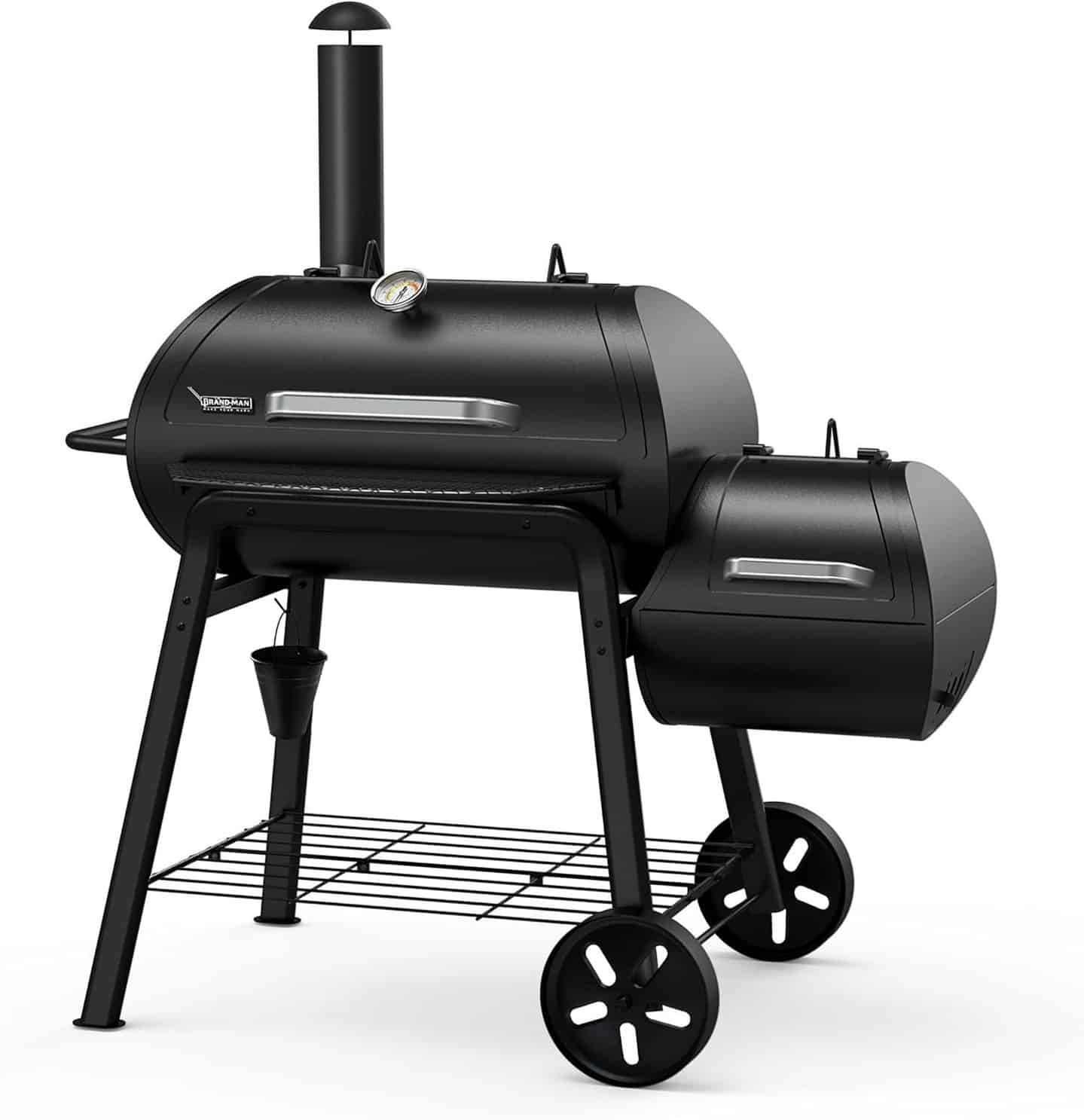
Every great barbecue starts with one thing that many beginners never think about: the quality of the smoke.
You can buy premium brisket, trim it perfectly, season it with your favorite rub, and babysit the fire for twelve hours – but if the smoke is dirty, the final result will still disappoint.
That disappointment usually has a name: creosote.
One bite is often enough to recognize it. Instead of rich, wood-fired flavor, you’re hit with a sharp bitterness that clings to your tongue.
The bark looks almost black instead of beautifully mahogany, and every bite leaves an unpleasant, almost chemical-like aftertaste. It’s the kind of barbecue that makes everyone quietly reach for another drink.
The good news? Creosote control isn’t complicated once you understand what causes it. The trick isn’t producing more smoke – it’s producing better smoke.
Think of your offset smoker like a campfire. A lively fire with dancing flames smells warm and inviting. A pile of damp logs smoldering in the backyard? That smells like an old chimney. Your smoker works exactly the same way.
Let’s break down how to identify dirty smoke, understand why creosote forms, and learn the fire management habits that separate average barbecue from unforgettable barbecue.
What Is Creosote?
At its simplest, creosote is a sticky, tar-like residue created when wood doesn’t burn completely.
Wood contains moisture, natural oils, cellulose, and lignin. When the fire gets enough oxygen and reaches proper combustion temperatures, these materials burn cleanly and produce flavorful smoke.
When they don’t?
They become thick smoke loaded with unburned particles that eventually settle onto your food.
Think of it like cooking bacon. Crispy bacon smells amazing. Burn it until it’s smoking and filling the kitchen with thick gray haze, and suddenly nobody wants breakfast anymore.
The same principle applies inside an offset smoker.
A small amount of creosote naturally builds inside the smoker over time. That’s completely normal. The problem begins when excessive creosote ends up coating your meat.
Key Point: Creosote control is really about controlling combustion – not cleaning your smoker every weekend.
Why Creosote Creates Bitter Smoke
One question comes up constantly:
“Why does my barbecue taste bitter?”
Almost every time, the answer starts with incomplete combustion.
When wood struggles to burn efficiently, it releases:
- Water vapor
- Unburned organic compounds
- Heavy smoke particles
- Soot
- Sticky tar
Instead of floating harmlessly out of the chimney, these compounds settle onto the meat.
The result?
- A bitter aftertaste
- A harsh smoky flavor
- A black, sooty bark
- An acrid smell
- A coating that feels sticky instead of dry
One quick test is surprisingly simple.
Take a bite.
If your tongue feels numb, dry, or coated long after swallowing, excessive creosote may be the culprit.
Good smoke enhances meat.
Dirty smoke overwhelms it.
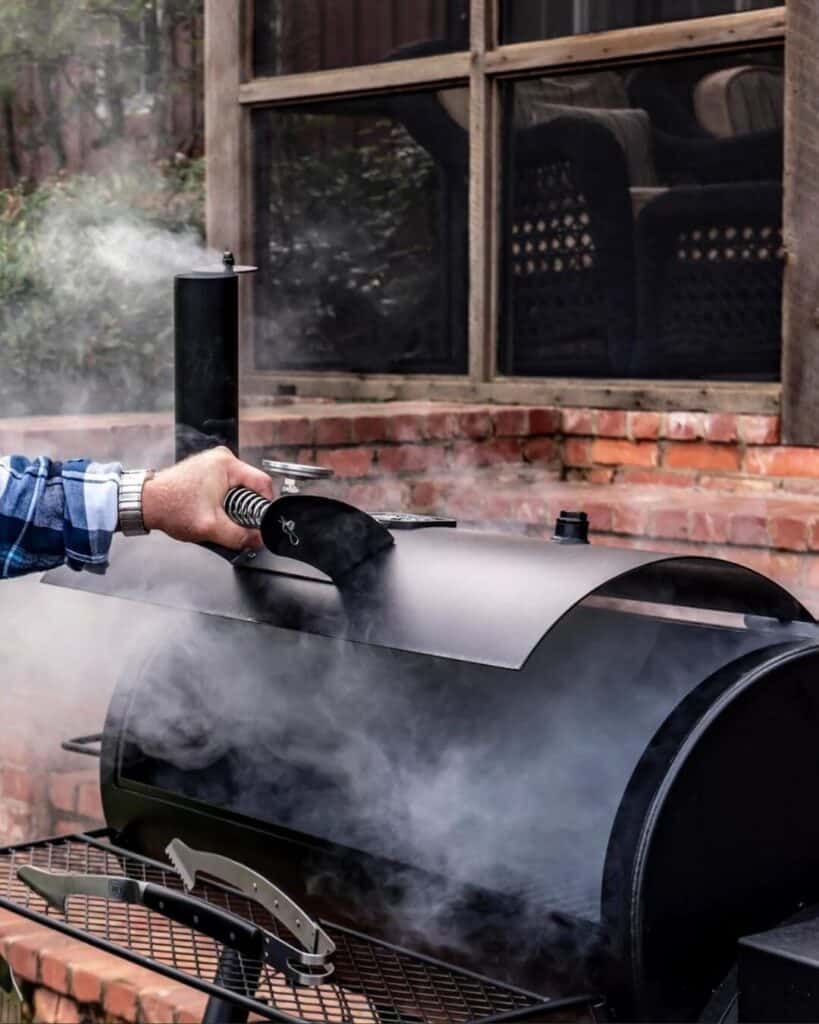
Signs Your Offset Smoker Is Producing Dirty Smoke
Your smoker tells you what’s happening long before the food does. Learning to “read the smoke” is one of the best barbecue skills you’ll ever develop.
Thick White Smoke
This is probably the most common mistake among beginners. Big clouds of white smoke may look dramatic, but they usually mean the fire isn’t burning efficiently.
Fresh wood is still heating up, moisture is evaporating, and combustion hasn’t fully stabilized.
A little white smoke during startup is perfectly normal. Thirty minutes later? Not so much.
Gray Smoke
Gray smoke often points to poor airflow.Maybe the intake vent is too restricted. Maybe ash is blocking airflow under the fire. Maybe the fire simply needs another properly ignited split. Whatever the cause, gray smoke usually means the fire is struggling.
Yellow Smoke
Yellow smoke is a major warning sign. It often indicates excessive moisture, contaminated fuel, or extremely poor combustion. When yellow smoke appears, it’s worth checking your fire before adding more food.
Black Smoke
Black smoke almost always means something is burning that shouldn’t be.
Possible causes include:
- Burning grease
- Excess soot
- Smoldering wood
- Dirty firebox
- Poor oxygen supply
Think of black smoke as your smoker waving a giant red flag.
Thin Blue Smoke
This is the gold standard.
Thin blue smoke is:
- Barely visible
- Light blue in sunlight
- Pleasant smelling
- Clean burning
Some days you’ll barely see any smoke at all. That’s actually a good thing.
One joke around barbecue competitions says:
“The best smoke is the one your neighbors can’t complain about.”
It’s surprisingly accurate.
Common Causes of Creosote in an Offset Smoker
Understanding the causes makes creosote control much easier.
1. Burning Wet or Green Wood
Fresh-cut wood contains significant moisture. Before it can burn, that water has to evaporate.
During this process, the wood smolders instead of combusting efficiently. The result is thick white smoke loaded with unwanted compounds. Use properly seasoned hardwood whenever possible.
2. Poor Airflow
Fire needs oxygen. Starve it, and it starts producing dirty smoke. Many new pitmasters make the mistake of closing vents to lower cooking temperatures.
Unfortunately, choking the fire often creates more creosote than lowering the heat. Temperature should be managed with fuel size and fire timing – not by suffocating the fire.
3. Smoldering Fires
Healthy fires have flames. Weak fires mostly smoke. Visible flames indicate efficient combustion. Don’t be afraid of fire inside your firebox. That’s literally its job.
4. Oversized Wood Splits
Huge logs take longer to ignite. While they slowly heat up, they create thick white smoke.
Smaller splits ignite faster, burn cleaner, and provide steadier heat. Sometimes less wood produces better barbecue.
5. Fire Too Small
This surprises many people. Tiny fires often produce dirtier smoke than larger, well-managed fires. A healthy coal bed keeps new wood burning quickly instead of smoldering. Think of glowing coals as your smoker’s engine. Without them, everything slows down.
6. Choking the Fire
Closing intake vents too much is one of the fastest ways to ruin smoke quality. A starving fire doesn’t become efficient. It becomes smoky. Keep airflow moving. Your smoke – and your brisket – will thank you.
7. Cold Firebox
Adding meat before the smoker stabilizes is another common mistake. During startup, temperatures fluctuate wildly and combustion remains inconsistent. Give the smoker enough time to settle into a clean-burning rhythm before placing food inside. Patience may not be exciting, but it tastes amazing.
How to Identify Creosote on Your Food
Sometimes the smoke looked fine…Until dinner. Watch for these warning signs.
Appearance
- Sticky surface
- Black soot
- Glossy dark coating
- Uneven bark
Good bark should look dry and textured. Not shiny like it was dipped in motor oil.
Taste
The biggest giveaway is flavor.
Creosote tastes:
- Bitter
- Sharp
- Harsh
- Lingering
- Ash-like
Smoke should complement meat. Not compete with it.
Texture
Instead of dry, crusty bark, meat may develop a sticky exterior that clings to your fingers. That’s usually a sign something went wrong during combustion.
How to Prevent Creosote Before You Start Cooking
The easiest creosote control happens before the meat even touches the grate.
Use Properly Seasoned Hardwood
Wood should generally contain around 15–20% moisture.
Good choices include:
- Oak
- Hickory
- Pecan
- Cherry
- Apple
- Maple
Store wood off the ground in a dry, ventilated location.
Preheat Your Wood Splits
Place the next split near the firebox. Warm wood ignites faster. Faster ignition means cleaner smoke. It’s a tiny habit that makes a surprisingly big difference.
Build a Strong Coal Bed
Every clean-burning fire starts with glowing coals. Spend extra time building them before cooking. Those few additional minutes often save hours of frustrating fire management later.
Warm the Entire Smoker
Metal absorbs enormous amounts of heat. Allow the cooking chamber, grates, and chimney to fully warm before cooking begins. Stable temperatures produce stable combustion.
Fire Management Techniques for Clean Smoke
Managing an offset smoker isn’t about fighting the fire. It’s about working with it.
Keep the Exhaust Wide Open
This rule solves countless problems. A fully open chimney keeps smoke flowing instead of lingering around the food. Dirty smoke trapped inside the chamber eventually lands on your barbecue. Fresh smoke should enter. Old smoke should leave.
Adjust Temperature with Fuel
Rather than constantly opening and closing vents:
- Add smaller splits
- Add wood more frequently
- Maintain a healthy coal bed
These techniques create much cleaner combustion.
Add Smaller Splits More Often
Instead of throwing in one giant log every hour, feed the fire smaller pieces at regular intervals.
The fire stays more consistent. The smoke stays cleaner. Your stress level stays lower. Everyone wins.
Maintain Visible Flames
Tiny flames are your friends. They indicate active combustion. Don’t chase a smokeless fire. Chase a clean-burning one.
Don’t Let the Fire Die
Recovering from a dying fire almost always creates a wave of thick white smoke. Consistency beats dramatic recoveries every time.
Choosing the Right Wood for Cleaner Smoke
Different hardwoods burn differently. Some produce stronger flavors, while others burn more gently.
Here’s a quick comparison:
| Wood | Smoke Flavor | Burn Characteristics | Best For |
| Oak | Medium | Long, steady burn | Brisket, beef |
| Hickory | Strong | Hot burn | Pork shoulders, ribs |
| Pecan | Medium-sweet | Smooth burn | Poultry, pork |
| Cherry | Mild-fruity | Moderate burn | Chicken, ham |
| Apple | Sweet | Gentle burn | Pork, turkey |
| Maple | Mild | Even burn | Poultry, vegetables |
Regardless of species, proper seasoning matters more than the wood itself.
How Weather Affects Smoke Quality
Mother Nature likes to join every barbecue. Sometimes she’s invited. Sometimes she’s not.
Humidity
High humidity slows evaporation and can encourage dirtier smoke.
Wind
Strong winds may increase combustion – or rob heat from the firebox. Small vent adjustments usually solve the problem.
Cold Weather
Cold metal absorbs heat faster. Expect to burn slightly more fuel during winter cooks.
Rain
Rain cools the smoker and raises humidity around the fire. Keep wood dry and avoid exposing the firebox whenever possible.
Cleaning Your Offset Smoker to Reduce Creosote
A clean smoker burns more efficiently.
Focus on these areas:
- Remove ash after every cook.
- Scrape heavy grease buildup.
- Clean the chimney regularly.
- Brush soot from the firebox.
- Empty grease trays before they overflow.
You don’t need a spotless smoker. You do need one that breathes properly.
Can You Save Meat with Too Much Creosote?
Sometimes. Sometimes not. Minor bitterness may improve by trimming away heavily coated bark. A sauce can also soften some of the harshness. But severe creosote can’t really be “fixed.”
No amount of barbecue sauce can convince your taste buds that chimney residue is gourmet.
When the meat tastes overwhelmingly bitter from edge to edge, starting over is often the better option.
It’s disappointing. It’s also part of learning fire management.
Every experienced pitmaster has cooked at least one brisket that became an expensive lesson.
The trick is making sure it only happens once.
Key Takeaways
Mastering creosote control isn’t about chasing huge clouds of smoke or constantly adjusting every vent. It’s about understanding how a healthy fire behaves.
Remember these essentials:
- Thin blue smoke beats thick white smoke every time.
- Use seasoned hardwood with low moisture content.
- Keep the exhaust wide open for steady airflow.
- Build and maintain a strong coal bed.
- Feed the fire with smaller wood splits instead of oversized logs.
- Never choke the fire to control temperature.
- Keep your smoker clean so airflow remains unrestricted.
The best barbecue rarely comes from the smokiest fire. It comes from the cleanest-burning one.
Once you learn to read your smoke instead of simply watching your thermometer, you’ll notice a remarkable difference in flavor, bark, and consistency.
Before long, clean combustion becomes second nature – and bitter barbecue becomes nothing more than an old story you laugh about while serving another perfectly smoked brisket.
Frequently Asked Questions
Is white smoke always bad?
No. White smoke is normal during startup or immediately after adding fresh wood. It becomes a problem when it continues for extended periods.
What color smoke is best?
Thin blue smoke is widely considered ideal because it indicates clean combustion.
Why does my smoker smell bitter?
A bitter smell usually points to dirty combustion, poor airflow, wet wood, or excessive creosote buildup.
Can charcoal create creosote?
Yes. Charcoal can contribute if it’s smoldering due to poor airflow, though properly burning charcoal produces much cleaner smoke than damp wood.
Should the chimney stay open?
Yes. Keeping the exhaust fully open helps maintain steady airflow and cleaner smoke.
Can too much wood create dirty smoke?
Absolutely. Adding more wood than the fire can burn efficiently often leads to thick, bitter smoke.
Does creosote make food unsafe?
Small amounts are generally a flavor issue rather than a food safety concern. Heavy creosote deposits, however, can make barbecue unpleasant enough that it’s best not to eat it.
Featured image credit: @rocktopsmoke
