
Before the first perfectly seared steak comes a decision every grill master must make.
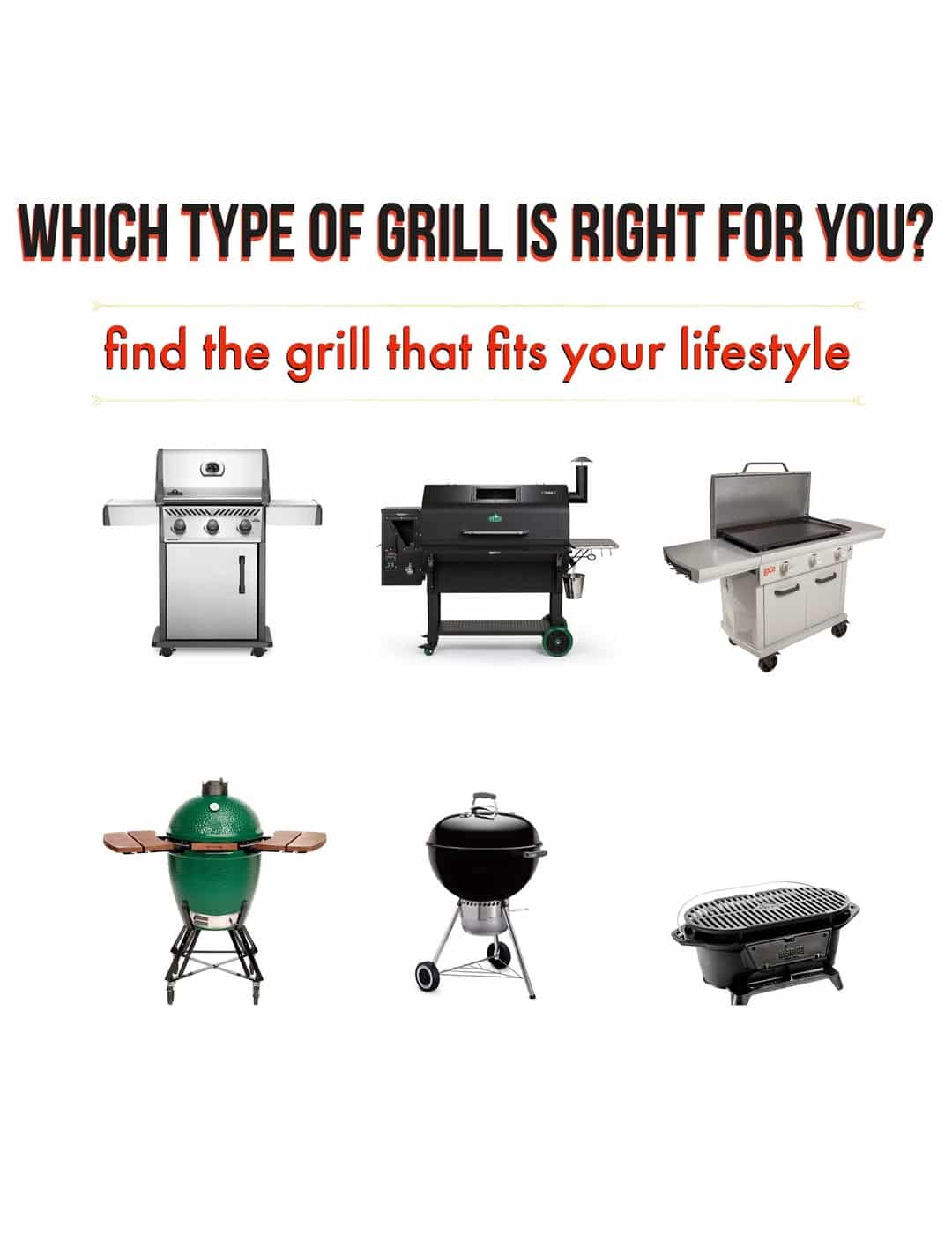
You walk into a store or browse online, ready to buy a new grill. Within minutes, you’re staring at dozens of options. Gas grills. Charcoal grills. Pellet grills. Kamados. Stainless steel everything. Burners. BTUs. Smart controls.
Suddenly, buying a grill feels less like preparing for summer cookouts and more like shopping for a spaceship.
Too many people buy a grill for its looks rather than its functionality. This is a repetitive mistake I have witnessed firsthand over my years of cooking everything from backyard burgers and steaks to slow-smoked briskets and ribs.
That’s exactly why I created this BBQ grill buyer’s blueprint.
The goal isn’t to find the most expensive grill or the flashiest model. It’s to find the grill you’ll still love using years from now.
Let’s fire things up.
Why Choosing the Right BBQ Grill Matters
A grill isn’t just another backyard accessory.
It’s the centerpiece of family gatherings, game-day parties, holiday cookouts, and those random Tuesday evenings when a perfectly grilled burger sounds better than anything else.
Unfortunately, many buyers focus on the wrong things.
I’ve watched people spend a small fortune on a massive six-burner grill only to cook for two people most weekends. I’ve also seen serious barbecue enthusiasts buy budget grills that couldn’t hold steady temperatures for more than fifteen minutes.
Neither scenario ends well.
The wrong grill creates frustration.
The right grill creates memories.
Before you start comparing models, ask yourself a simple question:
What kind of outdoor cook do you want to be?
Are you looking for quick weeknight meals?
Do you enjoy low-and-slow smoking sessions that last all day?
Do you frequently host large gatherings?
Your answers should guide every buying decision that follows.
Understanding the Main Types of BBQ Grills
One of the most important steps in this BBQ grill buyer’s blueprint is understanding the strengths and weaknesses of each grill type.
Gas Grills
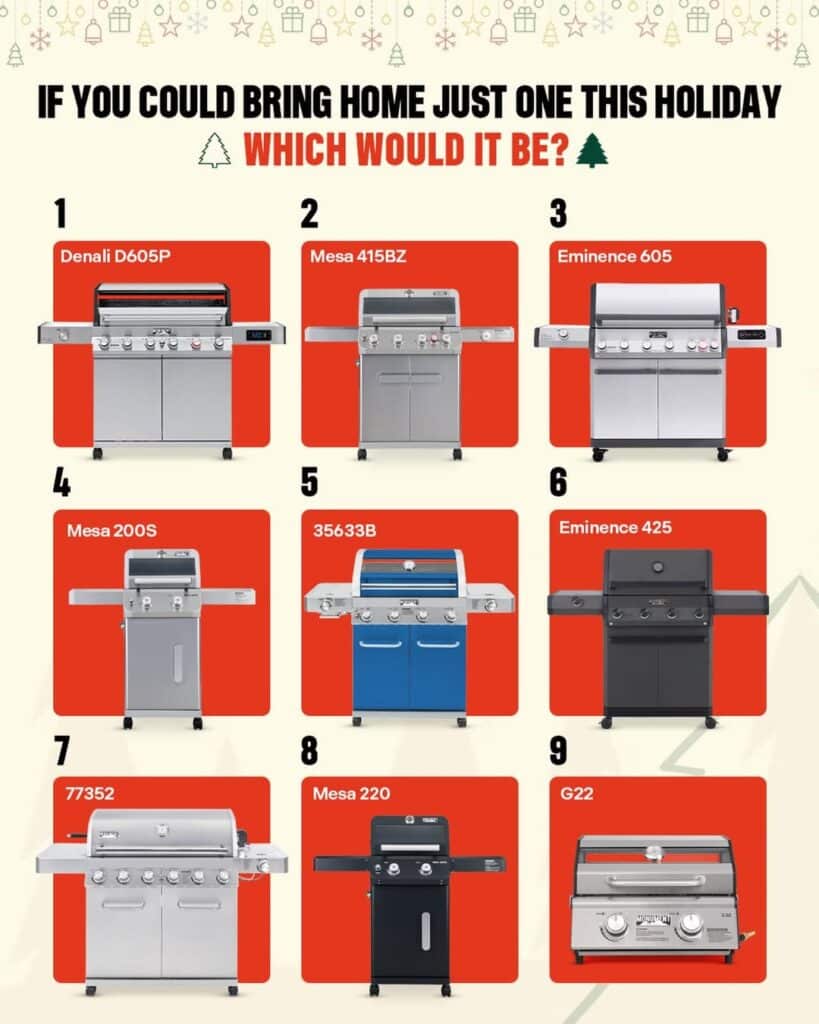
Gas grills are the convenience champions. Turn a knob, press a button, and you’re cooking.
No waiting. No charcoal chimney. No smoke-covered hands. This convenience makes gas grills incredibly popular for busy families and casual grillers.
Advantages:
- Fast startup
- Easy temperature control
- Minimal cleanup
- Great for everyday cooking
Potential drawbacks:
- Less smoky flavor
- Fewer traditional barbecue characteristics
Think of a gas grill as the reliable pickup truck of outdoor cooking. It may not be flashy, but it gets the job done every single time.
Charcoal Grills
Now we’re entering barbecue purist territory. Charcoal grills deliver that unmistakable smoky flavor many pitmasters crave. The aroma alone can make neighbors suddenly become very friendly.
The tradeoff? Charcoal requires patience.
You’ll spend more time preparing, lighting, and managing temperatures. But for many grill enthusiasts, that’s part of the fun.
Advantages:
- Rich flavor
- High heat capability
- Affordable entry price
Potential drawbacks:
- Longer setup time
- More cleanup
- Temperature management requires practice
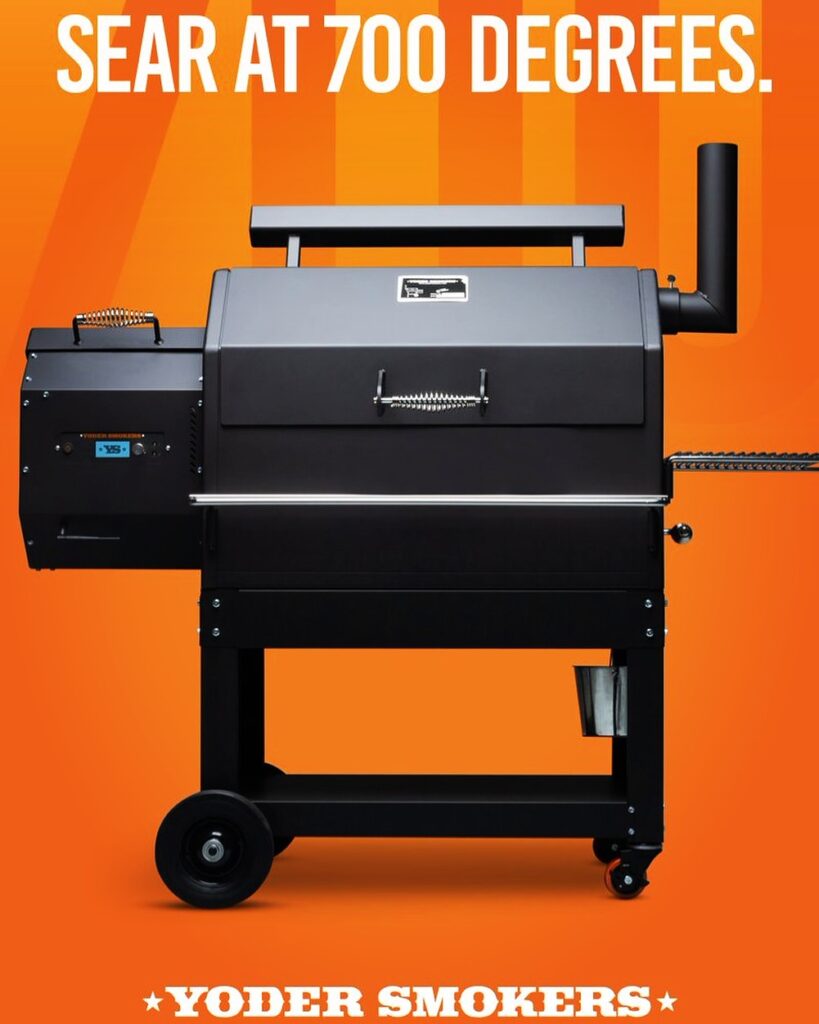
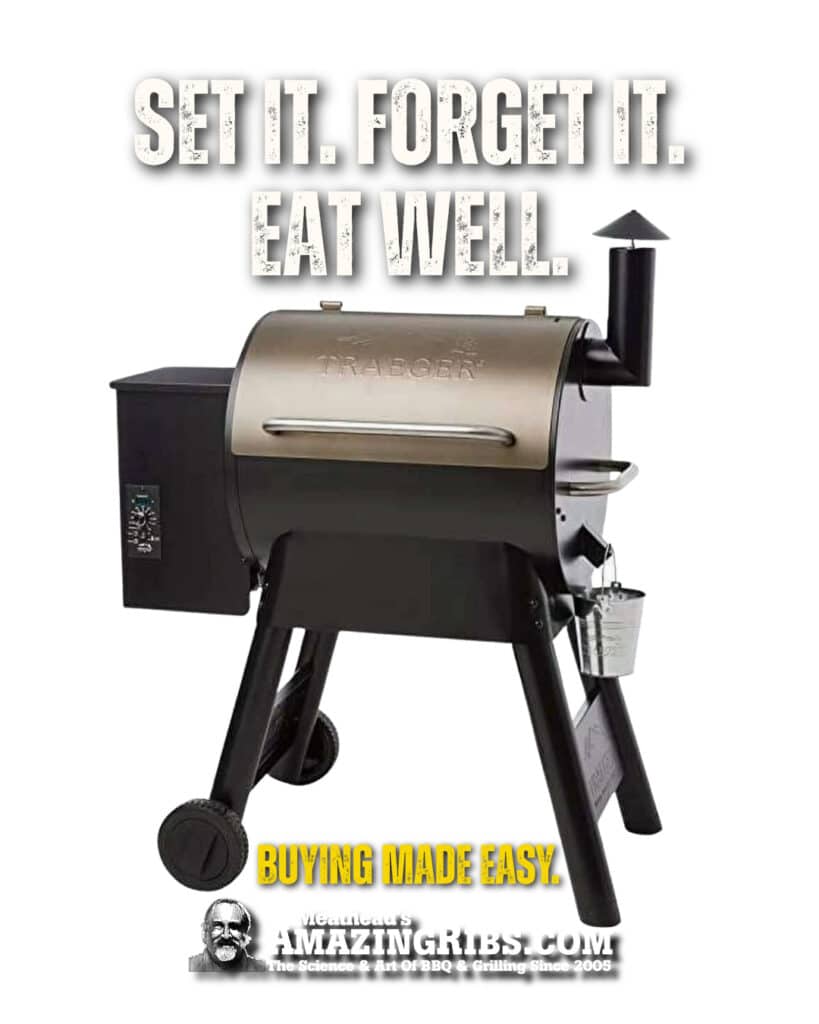
Pellet Grills
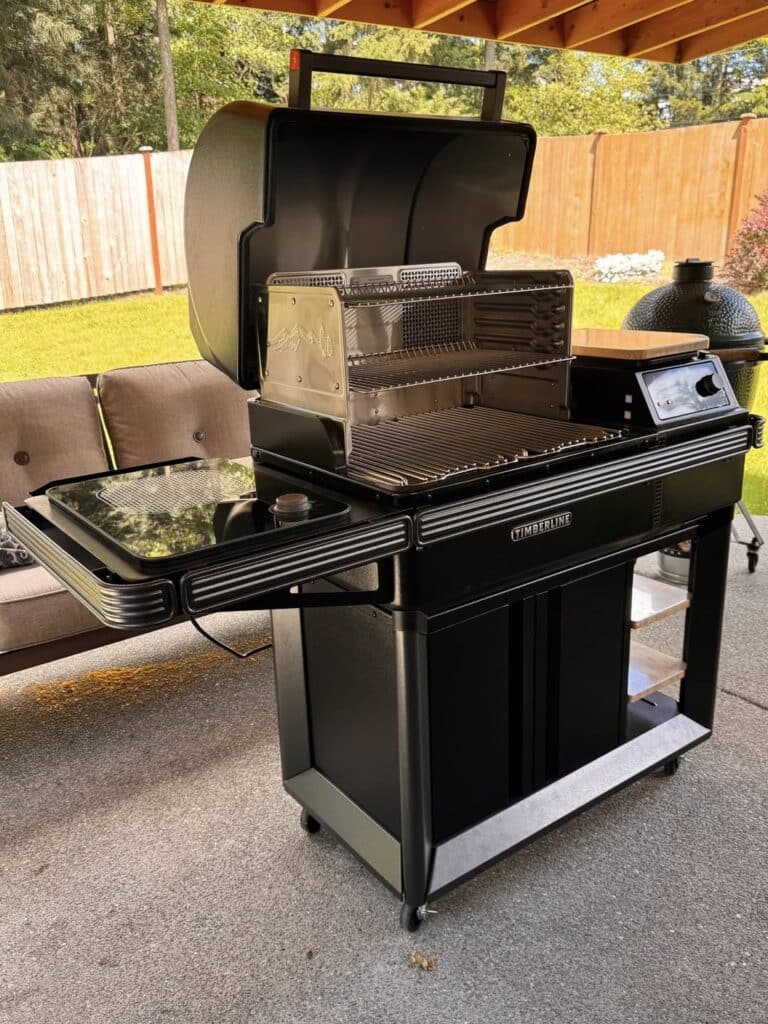
Pellet grills have exploded in popularity for good reason. They combine convenience with authentic wood-fired flavor. Simply load pellets, select a temperature, and let the grill do most of the work. It’s almost like having a barbecue assistant who never complains.
Advantages:
- Excellent flavor
- Precise temperature control
- Smoking and grilling versatility
Potential drawbacks:
- Higher purchase cost
- Requires electricity
- Pellet fuel expenses
Electric Grills
Electric grills are often overlooked. Yet for apartment dwellers and people with limited outdoor space, they’re sometimes the best option available. While they won’t fully replicate traditional barbecue flavor, they offer practicality and accessibility.
Kamado Grills
Kamado grills are the Swiss Army knives of the grilling world. Built from thick ceramic materials, they excel at grilling, smoking, roasting, and baking. These grills retain heat incredibly well.
A properly operated kamado can smoke brisket for hours while using surprisingly little fuel. The downside? They’re heavy enough to make your back file a formal complaint.
How to Determine the Right Grill Size
Bigger isn’t always better. That’s one of the biggest lessons I’ve learned after years of cooking outdoors. A giant grill might look impressive, but if you’re cooking for four people most weekends, much of that cooking space goes unused.
Consider Your Household Size
Small households generally don’t require enormous cooking surfaces. A grill with 300 to 500 square inches of cooking space is often plenty. Families that regularly entertain guests may benefit from larger models.
The key is matching your cooking area to your actual needs – not your backyard fantasies.
Think About Available Space
Measure before you buy. Seriously. I’ve met more than one person who purchased a beautiful grill only to discover it barely fit on their patio. That’s a special kind of disappointment.
Consider:
- Patio dimensions
- Storage requirements
- Clearance around the grill
- Mobility needs

Burners and Cooking Zones
For gas grills, burner count matters. Multiple burners allow you to create different heat zones.
This means you can sear steaks on one side while gently cooking vegetables on the other. That flexibility becomes invaluable as your grilling skills grow.
Key Features Every Buyer Should Evaluate
Marketing departments love fancy features. Some are genuinely useful. Others exist mainly to impress shoppers. Here’s what actually matters.
Build Quality and Materials
A grill should feel solid.
Pay attention to:
- Stainless steel construction
- Weld quality
- Lid thickness
- Hardware durability
A well-built grill can last a decade or longer.
A poorly built grill may struggle after just a few seasons.
Heat Retention
Heat retention affects cooking performance more than many buyers realize. Thicker materials hold temperatures more consistently. Consistent temperatures produce better food. Simple as that.
Cooking Grates
The grates are where the magic happens. Cast iron grates provide excellent heat retention and beautiful sear marks. Stainless steel grates offer durability and easier maintenance. Both can work wonderfully when properly maintained.
Ignition Systems
Nobody wants to spend ten minutes trying to light a grill. Reliable ignition systems improve the entire cooking experience. Sometimes convenience really is worth paying for.
Choosing the Best Fuel Type for Your Needs
The fuel debate can become surprisingly passionate. Mention gas versus charcoal at a barbecue gathering and you may accidentally start a friendly civil war.
Here’s my practical perspective.
Gas vs. Charcoal
Choose gas if:
- Convenience matters most
- You grill frequently
- Quick meals are common
Choose charcoal if:
- Flavor is your top priority
- You enjoy the grilling process
- You don’t mind extra preparation
Pellet vs. Charcoal
Pellet grills bridge the gap beautifully. They deliver smoky flavor while reducing much of the manual work associated with charcoal. Many modern pitmasters appreciate this balance.
Electric vs. Traditional Options
Electric grills aren’t trying to replace traditional barbecue. They’re solving a different problem.
For urban environments and restricted spaces, they’re often the smartest choice available.
Budgeting for a BBQ Grill
Let’s talk money. One mistake many buyers make is focusing solely on the purchase price.
Ownership costs matter too.
Entry-Level Grills
Budget-friendly grills can be excellent for beginners. You’ll find plenty of capable models that produce great food without draining your bank account. The key is prioritizing build quality over flashy extras.
Mid-Range Grills
This is often the sweet spot.
You gain:
- Better materials
- Improved temperature control
- Longer lifespan
- More cooking flexibility
For most households, mid-range grills provide the best value.
Premium Grills
Premium models offer exceptional construction and advanced features. If grilling is your passion and you cook frequently, these investments can absolutely make sense. Just don’t buy one because it looks impressive in the showroom.
Buy it because you’ll actually use what it offers.
Hidden Costs
Many first-time buyers forget about:
- Fuel expenses
- Grill covers
- Cleaning supplies
- Replacement grates
- Thermometers
- Accessories
A realistic budget accounts for the entire ownership experience.
Essential BBQ Grill Accessories Worth Buying
Accessories shouldn’t overshadow the grill itself. However, a few additions genuinely improve results.
Instant-Read Thermometer
If I could recommend only one accessory, this would be it. Guessing doneness is overrated. Accurate temperatures produce consistently great food.
Grill Cover
Weather is relentless. A quality cover helps protect your investment from rain, sun, and debris.
Cleaning Tools
A clean grill performs better and lasts longer. Not exciting advice. Extremely useful advice.
Grill Baskets and Specialty Tools
These tools expand what you can cook. Vegetables, seafood, and delicate foods become much easier to manage.
Common BBQ Grill Buying Mistakes to Avoid
Every pitmaster has made mistakes. The goal is learning from them.
Buying Based on Price Alone
The cheapest grill isn’t always the best value. Neither is the most expensive. Focus on fit, quality, and long-term satisfaction.
Ignoring Maintenance Requirements
Every grill requires maintenance. Some require more than others. Know what you’re signing up for before purchasing.
Choosing Features You’ll Never Use
Side burners.
Rotisserie systems.
Smart connectivity.
Some people love them.
Others use them exactly once.
Be honest about your cooking habits.
Overlooking Warranty Coverage
A strong warranty often reflects manufacturer confidence. It’s worth reviewing before making a final decision.
Questions to Ask Before You Buy
Before pulling out your credit card, answer these five questions:
- How often will I grill?
- How many people do I typically cook for?
- Do I prioritize convenience or flavor?
- What is my realistic budget?
- How much space do I actually have?
Those answers will eliminate many unsuitable options immediately.
The Ultimate BBQ Grill Buying Checklist
Before making your final choice, confirm that your grill:
- Matches your cooking style
- Fits your available space
- Meets your budget
- Uses your preferred fuel source
- Offers quality construction
- Provides sufficient cooking capacity
- Includes a strong warranty
- Has reasonable maintenance requirements
If you can confidently check every box, you’re on the right track.
Final Thoughts
At the end of the day, the best grill isn’t necessarily the biggest, most expensive, or most technologically advanced model on the market. The best grill is the one you’ll actually enjoy using. That’s the heart of this BBQ grill buyer’s blueprint.
Choose a grill that fits your lifestyle, your cooking goals, and your budget.
Ignore the hype.
Focus on quality, practicality, and long-term satisfaction. Because years from now, nobody will remember how many burners your grill had. They’ll remember the incredible food, the laughter around the patio, and the unforgettable memories created around the fire.
And that’s what great barbecue has always been about.
Frequently Asked Questions
What type of BBQ grill is best for beginners?
Gas grills are generally the easiest option for beginners because they offer simple temperature control, quick startup, and straightforward maintenance.
Is a gas grill better than a charcoal grill?
Neither is objectively better. Gas grills excel in convenience, while charcoal grills typically provide deeper smoky flavor.
How much should I spend on a quality BBQ grill?
Most homeowners find excellent value in the mid-range category, where quality construction and useful features balance affordability.
What grill size do I need for a family of four?
A cooking surface between 300 and 500 square inches is usually sufficient for a family of four with occasional guests.
Are pellet grills worth the investment?
For people who enjoy smoking, roasting, and grilling with wood-fired flavor, pellet grills often provide exceptional versatility and convenience.
Featured image credit: @grillgirlrobyn
