
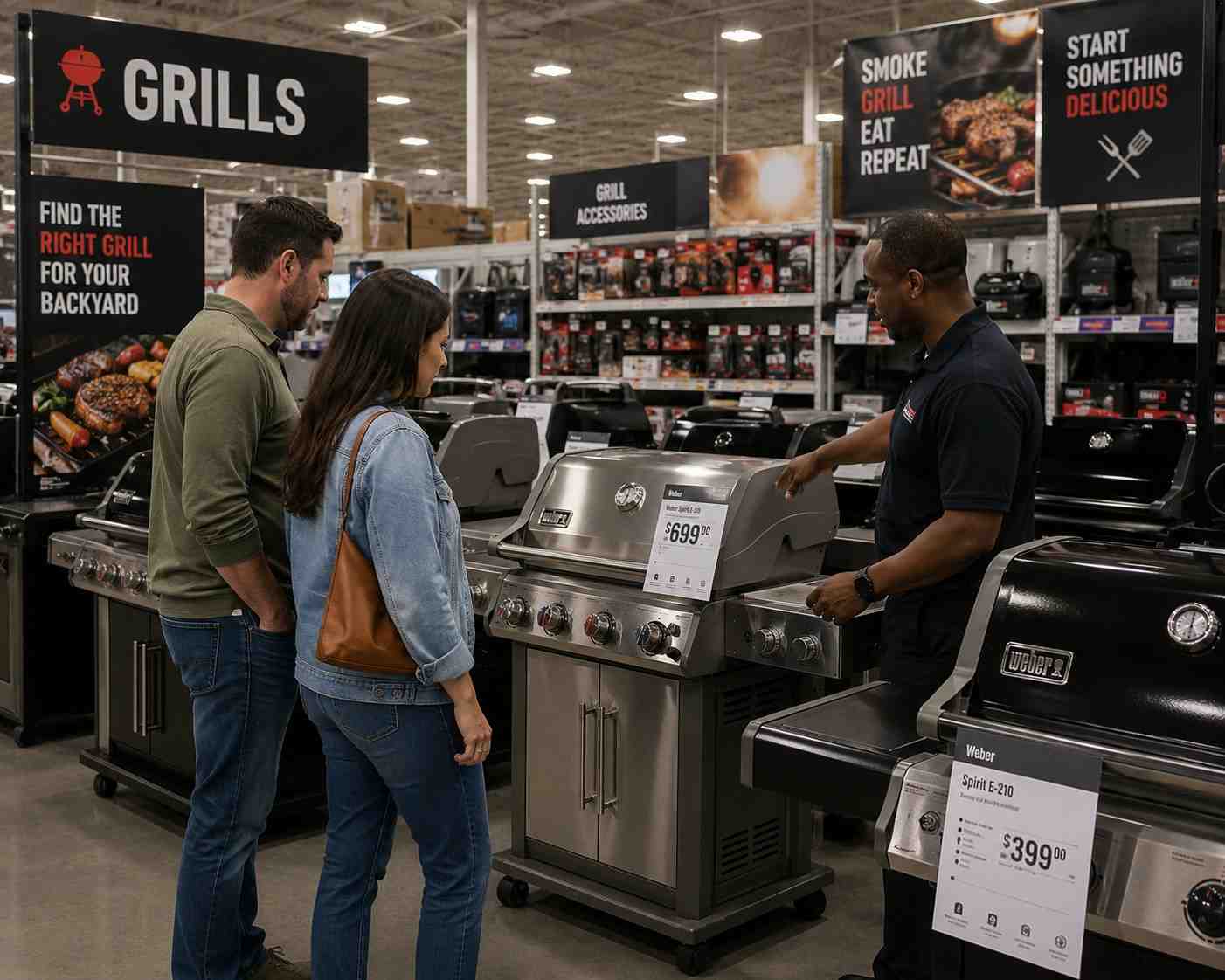
There is a distinct, almost primal magic that happens when the weather warms up, the sun stays out past eight PM, and the scent of hardwood smoke starts drifting over the neighborhood fences.
Outdoor cooking has undergone a massive evolution over the last few years. It is no longer just about burning a few cheap hot dogs on a rusted metal bucket during the Fourth of July.
Backyard cooking has transformed into a legitimate outdoor culinary experience.
Home cooks are tackling overnight beef briskets, reverse-searing thick ribeyes to a perfect edge-to-edge medium-rare, and baking wood-fired artisanal pizzas right on their patios.
If you are still fighting against an old, unevenly heated rig with rusted-out burners and a lid that leaks heat like a screen door, your food is paying the price. Pulling off great barbecue requires control, consistency, and reliability.
This season is the perfect absolute moment for a summer grill upgrade. Manufacturers have brought commercial-grade insulation, heavy-duty metals, and incredibly precise temperature tracking down to consumer-level price points.
Choosing a new cooker can quickly feel overwhelming. The market is flooded with endless acronyms, fuel debates, and feature checklists.
You have gas purists shouting about convenience, charcoal diehards preaching about flavor, and pellet grill enthusiasts praising automation.
It is easy to fall into the trap of overspending on flashy features you will never use, or conversely, buying a flimsy bargain rig that will completely rust out before next spring.
This comprehensive guide strips away the marketing fluff to deliver an honest, practical breakdown of the absolute best cookers available right now.
No matter what your budget looks like, there is a perfect machine waiting to elevate your backyard game.
The Anatomy of a Great Grill: Our Evaluation Criteria
Before we start looking at the top contenders, we need to establish exactly how we evaluate these machines. As someone who has spent decades getting soot under my fingernails and smelling like hickory smoke, I look past the shiny stainless steel exterior.
To find a machine that genuinely earns its spot on your patio, you must look at the core engineering components that dictate real-world performance.
Heat Retention and Thermal Mass
The secret to exceptional outdoor cooking lies entirely in temperature stability. When you drop a massive, cold slab of meat onto a cooking surface, the ambient temperature inside the chamber plummets.
A great machine relies on heavy-gauge steel, thick cast aluminum, or dense ceramic to hold onto heat and bounce it right back into the food.
Thin, cheap metal allows heat to radiate straight out into the open air, forcing your fuel source to work twice as hard and causing wild, unpredictable temperature swings that dry out your meat.
Material Build Quality and Longevity
The outdoor environment is incredibly harsh. Between intense internal cooking heat, dripping acidic fats, and external weather elements, a poorly constructed machine will degrade rapidly.
Look for high-grade 304 stainless steel, heavy powder-coated finishes, and thick porcelain enamel. Pay close attention to the warranty.
A manufacturer offering a ten-year or lifetime guarantee on their burner tubes or cook boxes is telling you exactly how much confidence they have in their engineering.
Cooking Versatility
A truly great investment should be versatile enough to handle a wide variety of cooking styles.
Your cooker needs to be a multi-talented workhorse.
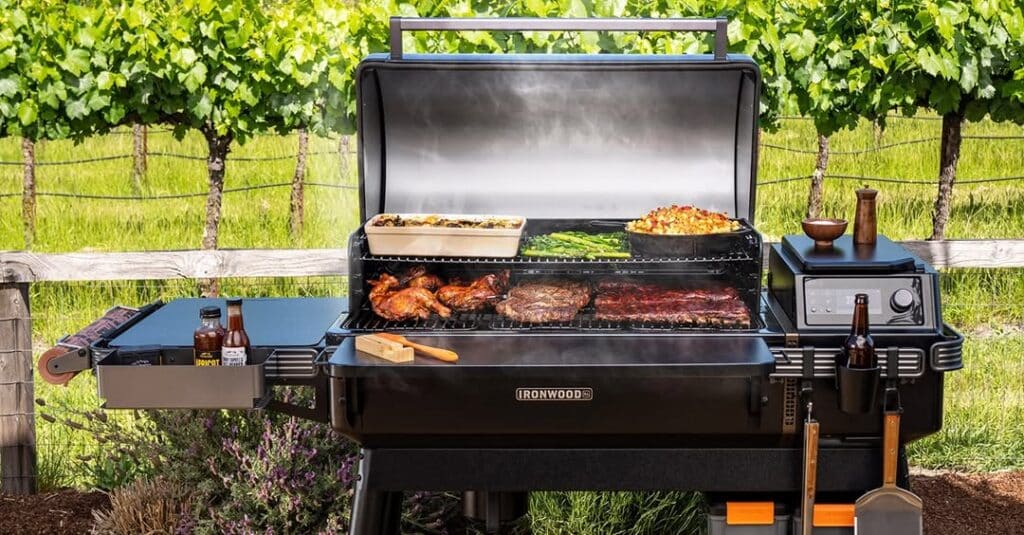
It should effortlessly throttle down to 225ºF for a slow, twelve-hour pork shoulder smoke, while also possessing the capability to crank all the way up past 600ºF to achieve a restaurant-quality, crusty sear on a steak.
Ash, Grease, and Maintenance Management
Nobody looks forward to the cleanup process. If a machine requires you to completely disassemble the internal grates and heat deflectors just to scoop out accumulated ash or empty a grease trap, you will eventually stop using it altogether.
Look for intuitive engineering designs like slide-out ash pans, dedicated grease funnels, and easily accessible clean-out ports that keep maintenance quick and painless.
Tier 1: The Best Budget Grills – Under $300
You absolutely do not need to drop a small fortune to cook world-class barbecue.
If you are just starting out, dealing with a compact patio space, or simply want a reliable weekend cooker, the budget tier offers incredible value if you know what to look for.
The goal here is avoiding cheap plastic components and focusing entirely on raw, functional simplicity.
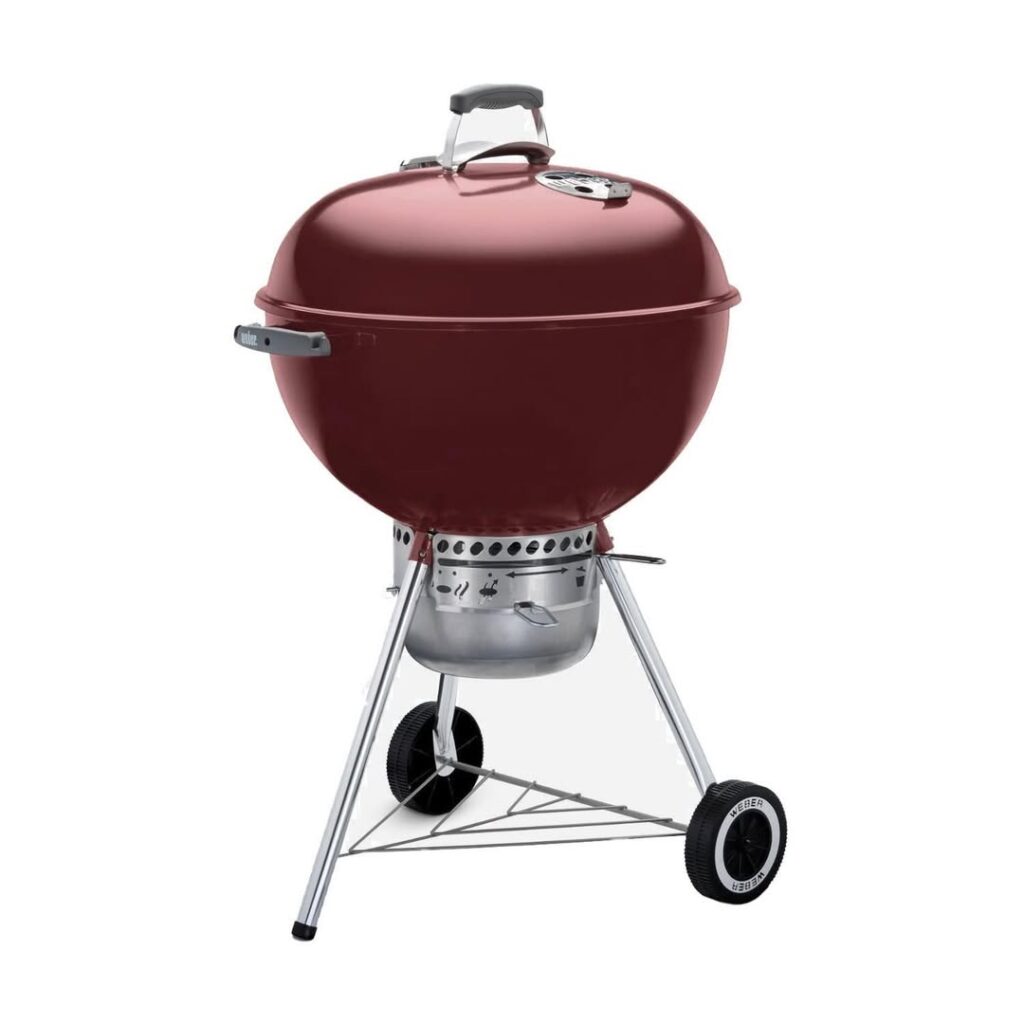
The Charcoal Champion: Weber Original Kettle Premium 22″
There is a reason this iconic silhouette has dominated backyards for generations. It is an absolute masterclass in minimalist design.
The heavy-gauge steel bowl and lid are coated in a porcelain enamel that is practically fused to the metal, providing brilliant heat retention and rust resistance that can easily last for decades if treated right.
- Fuel Type: Charcoal
- Primary Cooking Area: 363 square inches
- Key Feature: One-Touch Cleaning System and Built-in Lid Thermometer
Why It Wins
The Kettle offers an unparalleled level of flavor and versatility for the price.
By simply arranging your charcoal bank to one side, you create two distinct cooking zones: a searing hot direct-heat side for burgers, and an indirect-heat side perfect for roasting whole chickens or smoking racks of ribs.
The Premium iteration includes a deeply satisfying enclosed ash catcher underneath, meaning you will no longer have hot gray ash blowing across your clean deck every time the wind picks up.
The Trade-off
It requires patience and active engagement. There is no instant-on switch here.
You will need to master the art of adjusting top and bottom air dampers to regulate your temperatures, and you must budget an extra twenty minutes for your charcoal chimney starter to get the coals glowing hot before you can even think about cooking.
The Compact Gas Companion: Char-Broil Performance Series 2-Burner
If your idea of a perfect evening involves coming home from work, pressing a button, and cooking up a few perfect chicken breasts in under twenty minutes, this gas companion is your ticket.
It is a highly efficient cabinet-style machine designed to maximize restricted patio footprints without sacrificing raw heat output.
- Fuel Type: Liquid Propane / Natural Gas
- Primary Cooking Area: 300 square inches
- Key Feature: Electronic Ignition and Folding Side Shelves
Why It Wins
The push-button electronic ignition fires up reliably every single time. The porcelain-coated cast-iron grates are excellent at retaining heat and creating distinct, professional-looking sear marks.
The folding side shelves provide plenty of workspace for your prep platters and tool hooks, then tuck away neatly to let the machine park tight against a wall when it is time to wrap up.
The Trade-off
The internal heat tents that shield the burners are constructed from relatively thin stamped steel. Over time, dripping grease and high heat will take their toll, requiring you to replace them every few seasons to prevent uneven heating and unwanted flare-ups.
Tier 2: The Mid-Range Sweet Spot – $300 to $700
This is where the vast majority of backyard cooks find their perfect match. In the mid-range tier, manufacturers throw out the flimsy components and introduce heavy-duty construction alongside cutting-edge convenience features.
This is where automation and rock-solid reliability come together.
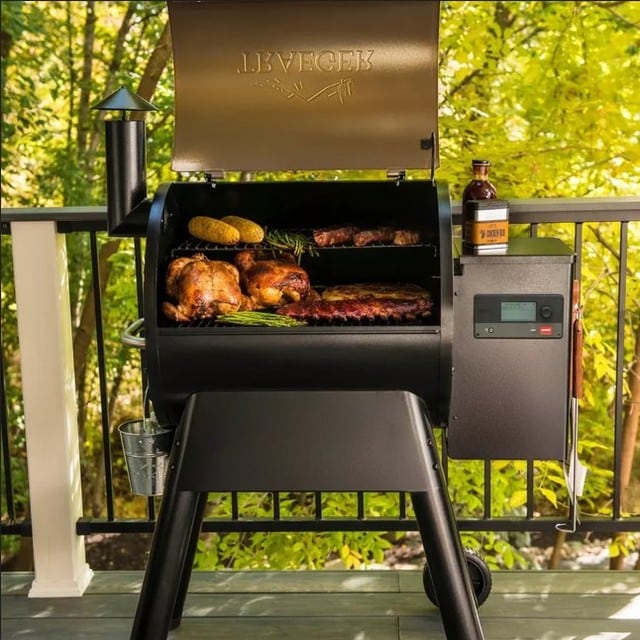
The Smart Pellet Grill: Traeger Pro 575
Pellet cooking completely changed the landscape of backyard barbecue by blending authentic wood smoke with the digital precision of a modern kitchen oven.
The Traeger Pro 575 runs on 100% all-natural hardwood pellets fed from a side hopper into a small internal fire pot via a motorized auger.
- Fuel Type: Wood Pellets
- Primary Cooking Area: 575 square inches
- Key Feature: WiFIRE Digital Controller and Meat Probe Included
Why It Wins
The defining feature here is the incredible convenience.
Thanks to the digital controller, you can set your target temperature to 225ºF and walk away for the day. The onboard technology constantly monitors ambient conditions and automatically adjusts the pellet feed rate to maintain a perfectly steady climate.
With the smartphone app, you can check internal meat temperatures from your couch, or even while running errands down at the local grocery store. It produces a beautifully clean, subtle smoke profile without requiring you to babysit a firebox for hours on end.
The Trade-off
Because it relies entirely on a fan to circulate heat and smoke like a convection oven, it struggles to achieve a true, blisteringly hot direct-fire sear.
While it can reach a maximum temperature of 500ºF, it works far better as a dedicated smoker and roaster than a high-heat steak machine.
The Heavy-Duty 3-Burner Gas Grill: Weber Spirit II E-310
For the cook who wants classic gas performance built to last an eternity, this three-burner workhorse is an absolute benchmark. It strips away useless gadgets to focus entirely on industrial-grade component quality and flawless heat distribution.
- Fuel Type: Liquid Propane
- Primary Cooking Area: 429 square inches
- Key Feature: GS4 Grilling System and iGrill 3 Compatibility
Why It Wins
The heart of this machine is its burner system. Unlike cheap gas options that develop cold spots near the front corners, these heavy-duty tubes provide completely uniform pressure and heat across every single square inch of the cooking surface.
The angled metal bars sitting directly above the burners catch food drippings, vaporizing them instantly to send rich, smoky flavor back up into your food while safely directing excess grease down into a centralized catch pan.
The Trade-off
It is a traditional, no-nonsense gas machine. It features an open-cart design rather than an enclosed storage cabinet, and it does not come standard with a dedicated side burner or integrated digital temperature screens.
Tier 3: The Premium and Luxury Powerhouses – $700+
When you step into the premium tier, you are no longer just buying a tool for cooking meals. You are investing in an engineered centerpiece for an elite outdoor kitchen.
These machines are crafted from massive, thick materials designed to handle heavy, daily use while offering unparalleled temperature control and pure cooking raw power.
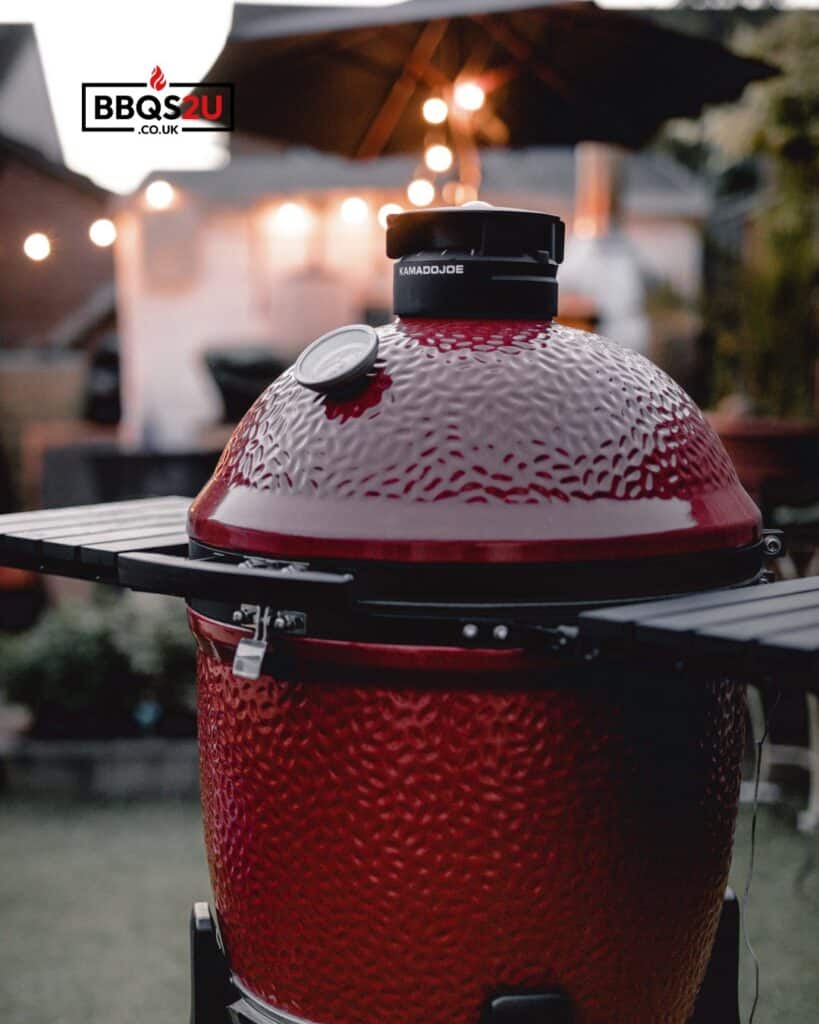
The Ceramic Kamado: Kamado Joe Classic III
Derived from ancient clay cooking vessels, the modern ceramic kamado is a heavy, gorgeous beast. The thick, insulating ceramic walls trap heat, moisture, and smoke with astonishing efficiency, transforming the unit into a highly versatile cooking environment.
- Fuel Type: Lump Charcoal
- Primary Cooking Area: 250 square inches (Expandable to 500)
- Key Feature: 3-Tier Divide and Conquer System and SlōRoller Insert
Why It Wins
The thermal efficiency of this machine is absolutely mind-blowing. A single load of high-quality lump charcoal can easily maintain a steady, low-and-slow smoking temperature for over eighteen continuous hours without requiring a reload.
Conversely, open up the top and bottom vents fully, and the ceramic walls will help guide the chamber past a blazing 800ºF in minutes. This lets you bake wood-fired pizzas with a perfectly crisp crust or char steaks instantly.
The innovative multi-tier rack system allows you to cook different items on separate levels and at completely different temperatures simultaneously.
The Trade-off
The unit is incredibly heavy, tipping the scales at well over two hundred pounds. If you plan on moving your cooker between a deck, a patio, and a garage frequently, the sheer weight of this ceramic giant presents a serious physical challenge.
It also requires careful vent adjustments; if you accidentally let the temperature overshoot your target, the thick ceramic holds heat so efficiently that it takes a long time to cool back down.
The Ultimate Smart Gas and Sear Station: Weber Genesis E-335
This is the absolute flagship of modern gas cooking. It is a massive, incredibly sleek enclosed cabinet system designed to function as a complete, self-contained outdoor cooking center.
- Fuel Type: Liquid Propane / Natural Gas
- Primary Cooking Area: 513 square inches
- Key Feature: High-Heat Sear Zone and Expandable Top Cooking Grate
Why It Wins
The standalone highlight here is the dedicated high-heat sear zone.
This is a concentrated, ultra-high-output extra burner nestled tightly between the main burners. It creates an intense zone of extreme heat designed to give steaks, chops, and burgers a flawless, caramelized crust without overcooking the interior.
The massive side burner is perfect for simmering barbecue sauces or frying up side dishes without needing to constantly run back and forth to your indoor kitchen. The build quality feels completely rock-solid, featuring heavy-gauge stainless steel and a premium enclosed storage cabinet.
The Trade-off
It commands a substantial premium price tag and demands a large physical footprint on your deck or patio. It is a serious investment meant for those who do a lot of large-scale entertaining and want a professional look and feel.
The Ultimate Product Comparison
To help visualize how these top-rated cookers stack up against one another, let us look at their core technical specifications side-by-side.
| Model | Fuel Type | Primary Space | Standout Feature | Best Suited For |
| Weber Kettle Premium | Charcoal | 363 sq. in. | One-Touch Ash Catcher | Traditionalists on a tight budget |
| Char-Broil Performance | Gas | 300 sq. in. | Space-Saving Folding Shelves | Fast, convenient weeknight meals |
| Traeger Pro 575 | Wood Pellets | 575 sq. in. | WiFIRE App Monitoring | Hands-off, foolproof wood smoke |
| Weber Spirit II E-310 | Gas | 429 sq. in. | Flawless Heat Distribution | Bulletproof, everyday reliability |
| Kamado Joe Classic III | Lump Charcoal | 250 sq. in. | Multi-Tier Rack Versatility | Hardcore enthusiasts and bakers |
| Weber Genesis E-335 | Gas / Propane | 513 sq. in. | Intense High-Heat Sear Zone | Ultimate outdoor entertaining |
Maximizing Your Upgrade: Essential Accessories
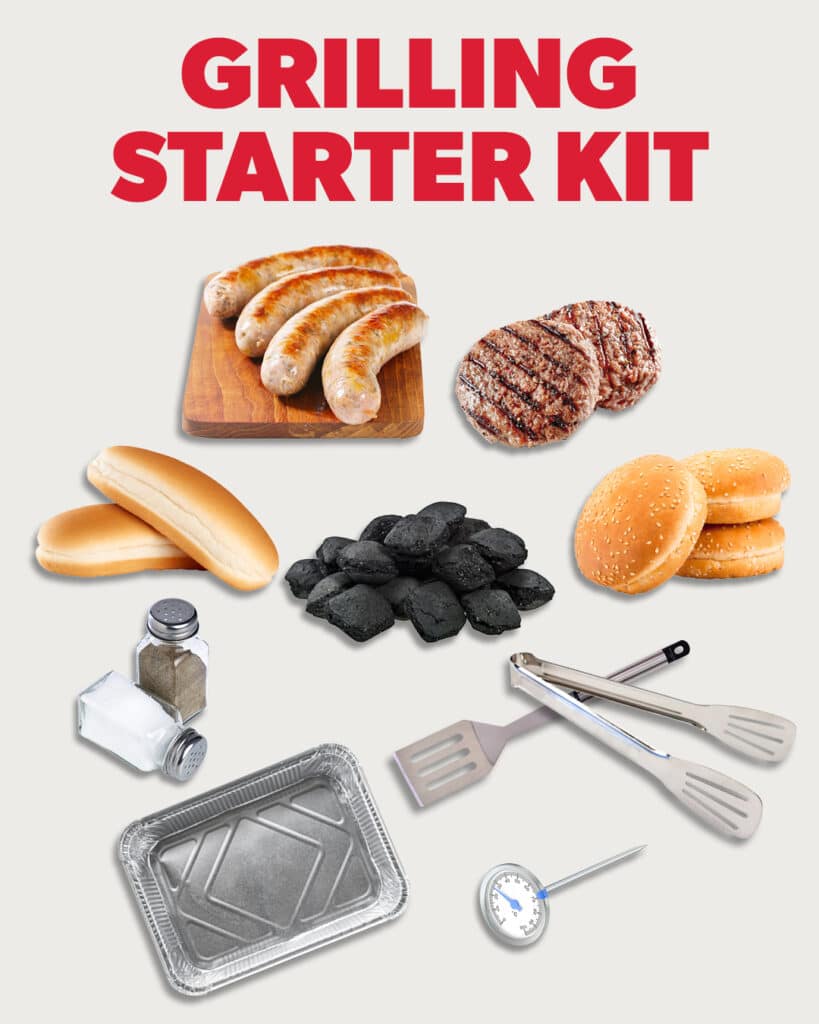
Once you have picked out your dream machine for your summer grill upgrade, do not make the mistake of leaving the store without a few essential supporting tools. Protecting and utilizing your new investment correctly will make all the difference in the world.
- The Heavy-Duty, Weatherproof Cover: A high-quality cover is absolutely non-negotiable. Rain, snow, UV rays, and morning dew will relentlessly attack your cooker. Spending a little bit extra on a thick, breathable, water-resistant cover will easily extend the operational life of your machine by several years.
- A High-Quality Instant-Read Digital Thermometer: Stop cutting into your steaks or squeezing your chicken breasts to check if they are done. Every single time you puncture meat or leave the lid open to guess the doneness, you lose precious juices and heat. A premium digital probe yields a precise internal temperature reading in under two seconds flat, ensuring you pull your food off the fire at the exact moment of perfection.
- Safe, Bristle-Free Cleaning Scrapers: Traditional wire grill brushes pose a genuine safety risk, as loose metal bristles can break off, stick to the grates, and wind up embedded in your food. Switch over to a solid wooden scraper, a coil-based stainless steel brush, or a premium pumice stone to keep your cooking surfaces immaculate and safe.
The Final Verdict
At the end of the day, the absolute “best” machine on the market isn’t the most expensive one sitting on the showroom floor.
It is the specific cooker that aligns perfectly with your personal lifestyle, your budget, and the way you actually love to cook.
If you find genuine joy in the slow, tactile ritual of building a fire and managing coals, embrace the timeless simplicity of the Weber Kettle or step up to the incredible culinary versatility of the ceramic Kamado Joe.
If you are juggling a busy schedule and value pure speed, clean convenience, and effortless execution above all else, let a reliable gas workhorse like the Weber Spirit or the high-powered Genesis handle the heavy lifting.
And if you want to experiment with rich, authentic wood-fire flavor without spending your entire Saturday babysitting a fire box, let the automated technology of the Traeger Pro do the work for you.
Get your budget dialed in, pick the machine that speaks to your inner cook, and get ready to rule the neighborhood block all summer long.
Frequently Asked Questions
Which fuel type is actually the best for flavor?
If you are chasing that classic, deep backyard taste, charcoal and lump wood are the undisputed kings. They produce real wood ash and charcoal smoke that coats the food as it cooks.
Pellet grills provide an incredibly clean, subtle wood flavor using compressed sawdust pellets, while gas grills rely entirely on vaporizing food drippings for flavor. Gas is the cleanest, but it yields the least amount of distinct “smoky” character.
How long should a good backyard grill last?
A well-constructed machine should easily last between 5 to 15 years, depending heavily on how you care for it. Budget options built with thinner metals might start rusting out around year 3 or 4 if left exposed to the elements.
Premium cast-aluminum, heavy-gauge steel, or ceramic units can literally last a lifetime if they are cleaned regularly and kept under a high-quality cover.
Can I use a pellet grill to get a heavy sear on a steak?
Traditional pellet grills excel at roasting and smoking, but they struggle to create a blistering, restaurant-quality crust on a steak.
Because they rely on fan-driven convection heat rather than direct flame, their maximum temperatures usually top out around 500ºF.
If you want a great sear on a pellet grill, your best bet is to use aftermarket cast-iron grates or finish the steak in a scorching hot cast-iron skillet inside.
What is the difference between direct and indirect heat?
Think of direct heat like broiling – your food sits directly over the open flame or glowing coals. It is perfect for fast-cooking items like burgers, hot dogs, and thin steaks.
Indirect heat places the fire off to one side (or uses a deflector plate), turning your cooker into an outdoor oven. This is the secret to cooking large, tough cuts of meat like pork shoulders or ribs without burning the exterior.
Why is my gas grill heating unevenly or producing yellow flames?
Yellow flames and cold spots usually point to a blockage or wear and tear inside your burner tubes or heat tents. Over time, dripping grease, food particles, or even small insects can clog the tiny gas ports.
Turn off your gas, let the machine cool down, remove the grates, and use a stiff brush to clear out the burner holes. If the metal is heavily rusted or flaking away, it is time to order replacement burners.
Is a ceramic kamado worth the steep price tag?
If you love the process of charcoal cooking and want ultimate versatility, absolutely.
The thick ceramic walls offer unmatched insulation, meaning you can easily hold a rock-steady temperature for a 16-hour brisket smoke or crank it past 800ºF to bake a wood-fired pizza.
However, if you prefer fast, push-button convenience after a long day at work, the manual fire management of a kamado might not suit your style.
Featured image credit: ChatGPT
