
The sun is out, the charcoal is white-hot, and you’re standing over a beautiful cut of meat with a choice to make.
It’s the classic backyard fork in the road: do you dunk it in a liquid bath or dust it with a mountain of spices?
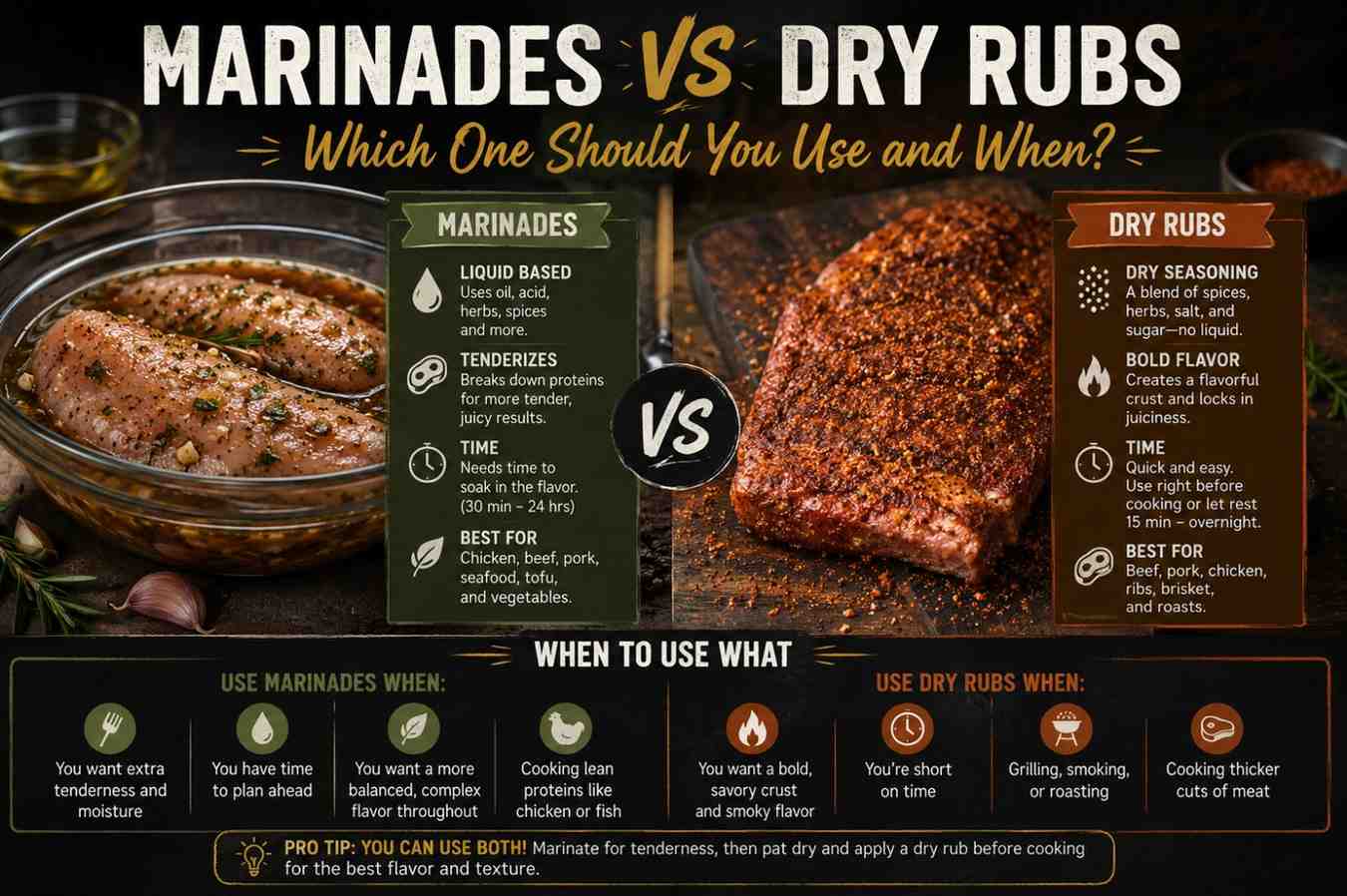
In the world of outdoor cooking, the marinades vs dry rubs debate is older than the rusted drum grill sitting in your neighbor’s garage. Both have their die-hard loyalists.
Some folks won’t touch a rib without a crusty bark, while others swear by the tangy, juice-dripping results of a long soak.
As a pitmaster, I’ve learned that choosing between a marinade and a dry rub isn’t about picking a favorite child. It’s about understanding the mission.
Are you trying to soften up a tough old boot of a flank steak, or are you trying to build a flavorful “armor” on a pork shoulder?
Let’s fire up the knowledge and break down the science, the myths, and the practical secrets of the soak versus the smoke.
The Science of the Marinade: More Than Just a Bath
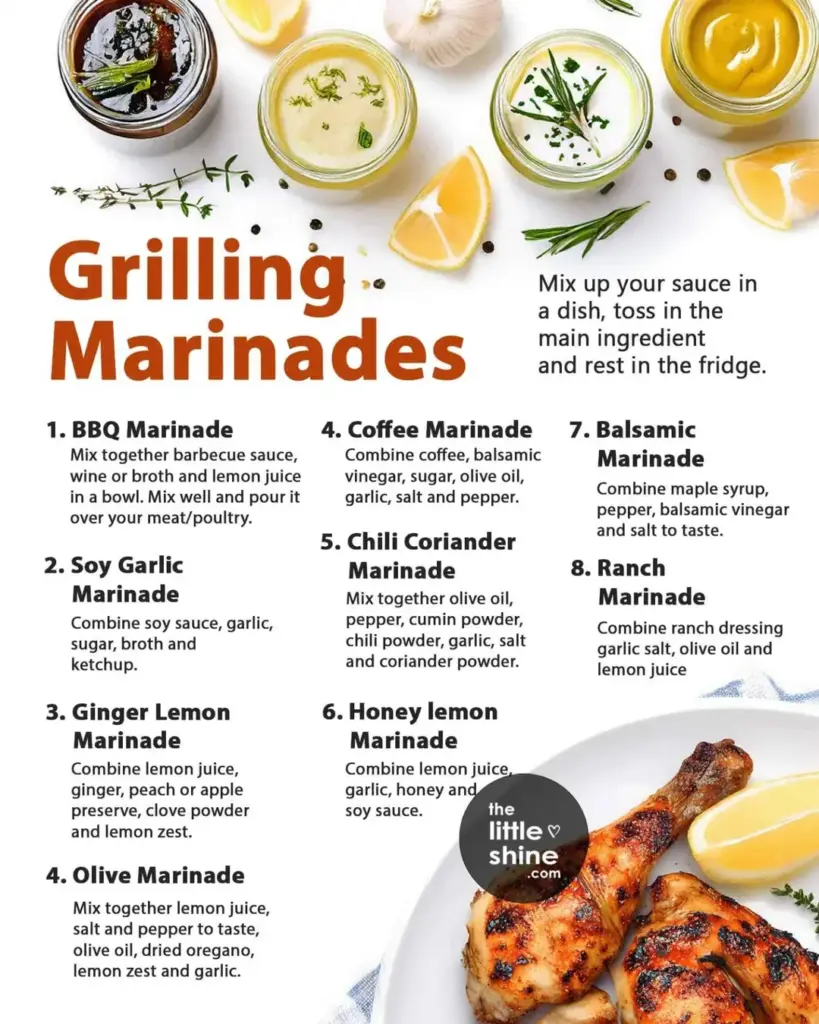
A marinade is essentially a chemistry experiment you can eat. To make it work, you need a balance of three specific components. If you miss one, you’re just making the meat wet.
The Three Pillars of a Liquid Soak
- The Acid: This is your heavy lifter. Whether it’s vinegar, citrus juice, or yogurt, the acid’s job is to break down the tight protein bonds on the surface of the meat. This is what we call chemical tenderization.
- The Fat: Usually an oil. Why? Because flavor is often fat-soluble. The oil acts as a delivery vehicle, carrying the essence of your herbs and spices into the nooks and crannies of the meat. It also protects the meat from the aggressive heat of the grill.
- The Aromatics: This is where you get creative. Garlic, ginger, honey, or rosemary. These don’t penetrate deep, but they create a flavor profile that hits your palate the second you take a bite.
The Myth of Deep Penetration
Here is a “pitmaster truth bomb”: Marinades do not soak into the center of your meat.
Unless you’re marinating a piece of meat for three days (which I don’t recommend unless you like the texture of wet cardboard), the liquid only penetrates about 1/8th of an inch.
Most of the action happens on the surface. That “juiciness” you taste? That’s mostly the acid and salt drawing moisture to the surface and softening the exterior fibers.
The Pros and Cons
- The Good: Perfect for adding “zing,” incredibly effective at tenderizing lean, tough cuts, and keeps meat from drying out under high heat.
- The Bad: If you leave meat in a strong acid for too long, it becomes mushy. Also, liquid is the enemy of a crispy crust. You can’t get a “sear” on a soaking-wet steak.
The Art of the Dry Rub: Building the Armor
If a marinade is a spa treatment, a dry rub is a suit of armor. A rub is a mixture of dry spices, herbs, and seasonings applied to the exterior of the meat before cooking.
The Anatomy of a World-Class Rub
- Salt: The king of the grill. Salt is the only ingredient in your cabinet that actually moves through the meat via osmosis. It seasons the inside while the other spices stay outside.
- Sugar: This is what creates the bark. In low-and-slow cooking, sugar caramelizes and mixes with the smoke and rendered fat to create that dark, sweet, crunchy exterior that people fight over at the table.
- The Color and Kick: Paprika is the secret to that classic mahogany BBQ color. Chili powder, cayenne, or black pepper provide the “bite.”
The “Bark” Factor
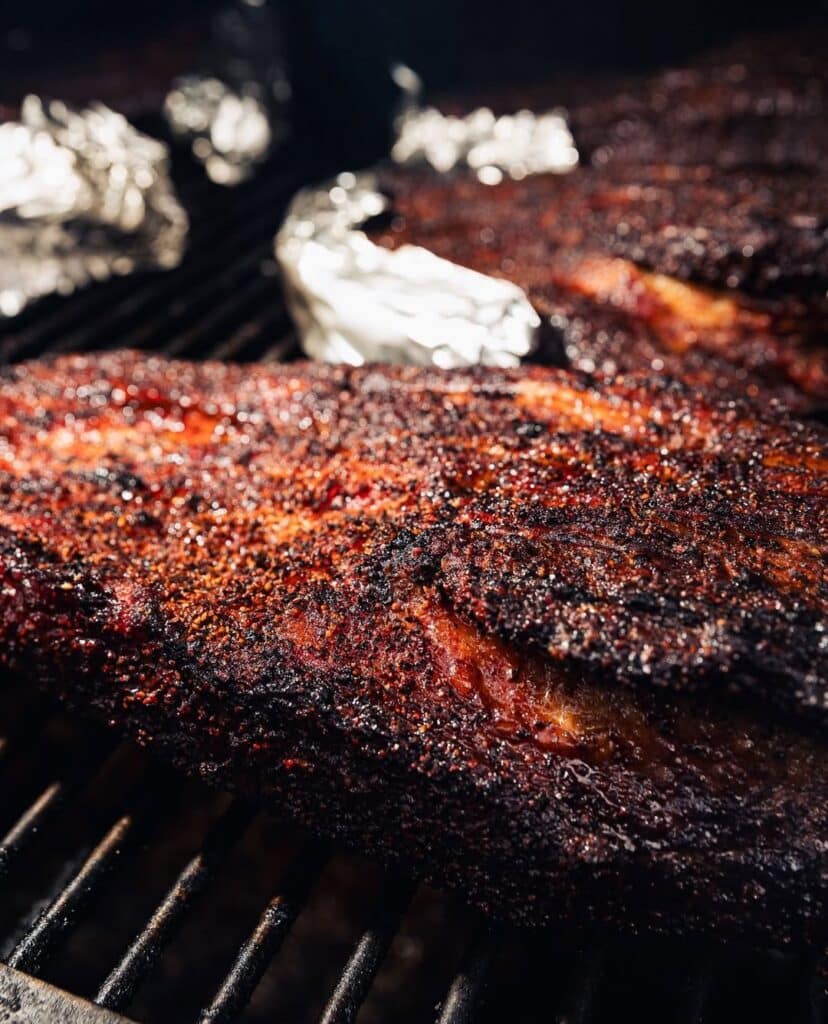
In the world of smoking, “bark” is everything.
You cannot achieve a professional-grade bark with a marinade. A dry rub stays on the surface, dehydrates slightly during the cook, and creates a concentrated layer of flavor that stands up to hours of wood smoke.
The Dry Brining Effect
When you apply a salty dry rub hours before cooking, something magical happens. The salt draws moisture out, dissolves into a slurry, and then is reabsorbed into the meat.
This seasons the meat deeply and helps the proteins hold onto their juices during the cook. Dry rubs actually keep meat juicer than marinades in long cooks.
Marinades vs Dry Rubs: The Head-to-Head Comparison
How do you decide? Use this breakdown to match your method to your meat.
Choosing by Meat Type
- Poultry: Chicken breasts are lean and boring; they need a marinade to stay moist. However, a whole roast chicken or turkey needs a dry rub if you want that skin to be crispy and golden.
- Beef: If it’s a high-end ribeye, just use a dry rub (or just salt and pepper). If it’s a thin, fibrous cut like skirt or flank steak, a marinade will break down those fibers and make it edible.
- Pork: Pork chops love a marinade. A 10-pound pork butt for pulled pork? Dry rub all the way. You need that crust to balance the shred.
- Seafood: Be careful here. Fish is delicate. A marinade should only last 15 to 30 minutes. Any longer and the acid will “cook” the fish (congrats, you made ceviche).
Choosing by Cooking Method
- High-Heat Grilling: Marinades are great, but watch out for flare-ups if your marinade is oily.
- Low-and-Slow Smoking: Dry rubs win every single time. A marinade will just wash away in the smoker, leaving you with gray, unappealing meat.
Timing and Safety: Don’t Make Your Guests Sick
I’ve seen people leave chicken in a marinade on the counter for five hours. Don’t be that person.
The Pitmaster’s Timing Table
- Fish: 15–30 minutes.
- Chicken: 2–6 hours. (Never go over 24).
- Pork/Beef: 6–12 hours.
- Dry Rubs: Can be applied anywhere from 30 minutes to 24 hours before cooking.
Safety First
Rule Number One: Never, ever use leftover marinade as a dipping sauce. It’s been sitting in raw meat juice. If you want to use it as a sauce, you must bring it to a rolling boil for several minutes first.
Personally? Just set aside a clean portion of the marinade before you add the meat. It’s safer and tastes better.
The Hybrid Approach: The Pro’s Secret Sauce
Why choose one when you can have both? Most competition pitmasters use a “layered” approach.
The Binder Technique
If you want your dry rub to stick like glue, use a binder.
A thin coat of yellow mustard or olive oil on the meat before the rub is applied won’t change the flavor, but it will ensure every inch of that meat is covered in spice.
The Injectable Marinade
This is how you get flavor to the center of a thick brisket or turkey. You use a meat syringe to pump a liquid marinade (usually broth, melted butter, and spices) directly into the muscle.
Then, you apply a dry rub to the outside. It’s the best of both worlds: internal moisture and external crust.
The Mop Sauce
While your meat is smoking with its dry rub armor, you can “mop” it with a thin liquid (vinegar, apple juice, or beer) every hour. This adds layers of moisture and tang without ruining the bark you’ve worked so hard to build.
The “Maillard Reaction” Mystery
To truly master the grill, you have to understand the Maillard Reaction. This is the chemical holy grail of cooking where amino acids and reducing sugars transform under heat to create hundreds of flavor compounds.
While both methods invite this reaction, they handle the physics differently:
- Dry Rubs: These encourage a rapid reaction. Because the meat’s surface is dry, temperatures climb quickly above 300°F, triggering that deep browning.
- Marinades: Liquid introduces moisture, which can actually stall the process. Since water boils at 212°F, the meat effectively “steams” until the surface moisture evaporates.
- The Pro Bridge: Professional pitmasters often pat the meat bone-dry after marinating. This ensures you get the deep, internal tang of the soak while still achieving that prized, mahogany-colored crust.
Enzymatic Tenderizers: The “Fruit Punch” Trap
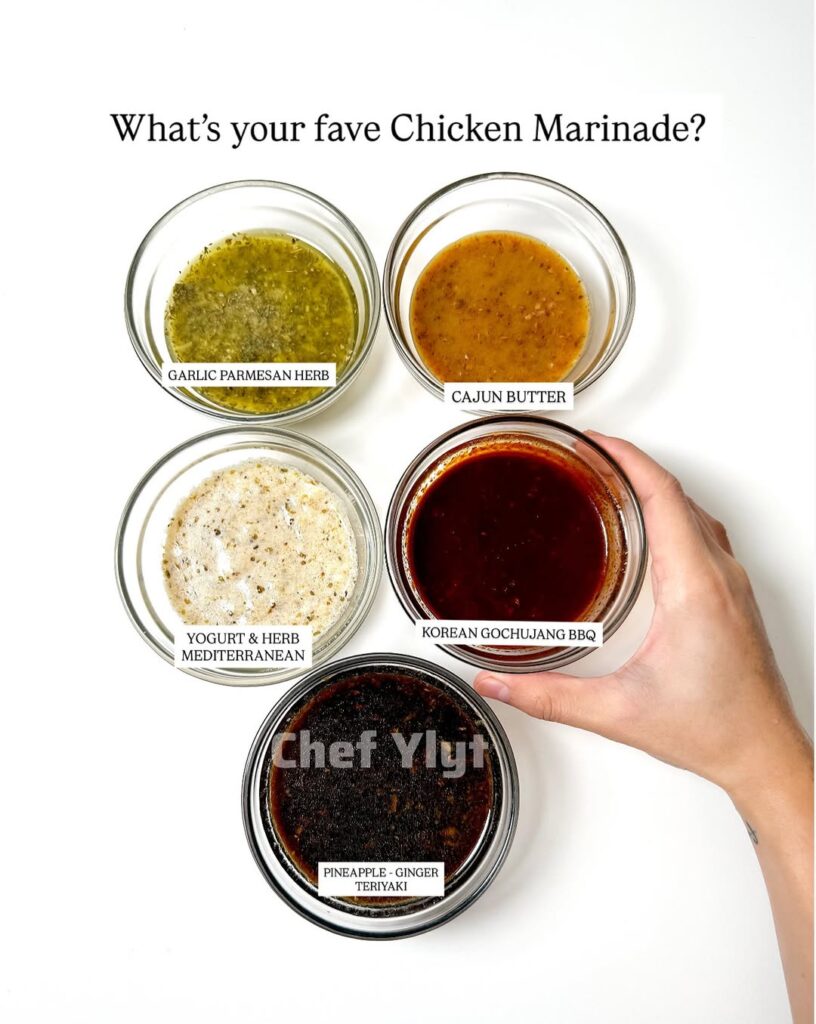
If you want to sound like a scientist in a tactical apron, start talking about proteolytic enzymes. Certain fruits like pineapple, papaya, and kiwi contain enzymes (like bromelain and papain) that don’t just flavor the meat – they digest the protein.
This is a high-stakes game:
- The Risk: Leave a cut in a pineapple marinade too long, and the enzymes turn the exterior into a mushy, unappetizing paste that feels like wet paper.
- The Trick: Use “flash marinating.” When working with high-enzyme fruits, keep your soak time under 60 minutes.
- The Result: You get a narrow window where the meat becomes incredibly tender without losing its structural integrity. In the world of fruit, less time equals better texture.
The “Umami Bomb” Layering Technique
Beyond salt and sugar, the secret weapon of the modern flavor architect is Umami – the savory “fifth taste” that makes food craveable. You can “stack” umami sources to create a profile that tastes meatier than the meat itself:
- For Dry Rubs: Add a tablespoon of finely ground shiitake mushroom powder or a pinch of instant espresso. These act as flavor magnifiers rather than making the meat taste like coffee or fungus.
- For Marinades: Use a splash of fish sauce, Worcestershire, or soy sauce for a massive glutamic acid boost.
- The Psychological Trick: These unconventional ingredients separate the backyard hobbyist from the pro by hitting deep savory notes that salt alone can’t reach.

Altitude and Atmosphere: The Hidden Variables
Most people don’t realize that where you live changes how your meat reacts to heat and seasoning. Your micro-climate dictates whether your prep will succeed or fail:
- High Altitude (e.g., Denver): The air is drier and the boiling point is lower. Dry rubs can work too fast here, pulling out moisture before the bark sets. Use oil-based marinades to create a protective barrier.
- High Humidity (Coastal): A dry rub might stay “tacky” and refuse to form a crust because the moisture in the air prevents the surface from dehydrating.
- The Fix: Adjust your prep by using mop sauces in dry climates to prevent evaporation, ensuring consistent BBQ whether you’re at sea level or a mile high.
The Post-Cook “Dusting” Secret
The battle of marinades vs. dry rubs usually happens before the fire, but the “Finishing Rub” is a game-changer that happens after the meat rests. This is the “perfume” of the BBQ world:
- The Timing: Apply a “dusting” when the meat is fresh off the grill and glistening with rendered fat.
- The Composition: Use a very fine, salt-low version of your dry rub.
- The Science: Because these spices aren’t subjected to intense heat, their volatile oils remain intact. This provides a punch of “bright” flavor and vibrant aroma that high-heat cooking usually kills.
- The Visual: It adds a beautiful matte finish to the meat, hitting the nose with fresh spice notes before the first bite even reaches the mouth.
Pro-Level Tips for the Home Cook
- The Salt Rule: If your dry rub is mostly salt, don’t overdo it. If you want more spice flavor without the saltiness, buy “salt-free” rubs and control the salt yourself.
- Pat it Dry: If you’re using a dry rub, use a paper towel to pat the meat dry first. Moisture on the surface creates steam, and steam prevents a good sear.
- Toast Your Spices: If you’re making your own rub, throw your whole spices (cumin, peppercorns) into a dry pan for two minutes before grinding them. The smell alone will tell you you’ve leveled up.
- Non-Reactive Containers: When marinating, use glass, plastic, or stainless steel. Avoid aluminum – the acid in the marinade can react with the metal and give your steak a lovely “tin foil” aftertaste.
Finding Your Flavor Profile
At the end of the day, the marinades vs dry rubs debate comes down to what you want to experience when you take that first bite.
Do you want a bright, tangy, and tender experience that reminds you of a street taco or a Mediterranean kabob? Reach for the marinade.
Do you want a deeply savory, smoky, and crunchy experience that reminds you of a Texas BBQ joint? Stick with the dry rub.
The most important thing to remember is that you are the boss of your backyard. Don’t be afraid to experiment. Try a dry-rubbed steak one weekend and a marinated one the next. Keep notes on what worked and what didn’t.
Cooking over fire is a journey, not a destination. Now, quit reading, go outside, and start prepping. Your grill is waiting.

Frequently Asked Questions: Settling the Score
Even with a pitmaster’s guide in hand, a few questions always bubble up once the charcoal is lit. Here are the quick-fire answers to the most common head-scratchers in the marinades vs dry rubs debate.
Can I use a dry rub and a marinade at the same time?
Technically, yes, but timing is everything. If you apply a dry rub and then dunk the meat into a marinade, the liquid will simply wash away your spices.
The pro move is to marinate first, pat the meat dry, and then apply the dry rub just before cooking to build that crust.
Should I put salt in my marinade?
Absolutely. While acids tenderize the surface, salt is the only ingredient that can actually penetrate deep into the muscle fibers to season the meat from the inside out.
Just be careful not to over-salt if your dry rub or finishing sauce also has a high sodium content.
Is it better to marinate in a plastic bag or a bowl?
A resealable plastic bag is almost always superior. It allows the liquid to stay in constant contact with every surface of the meat using less marinade.
If you use a bowl, use glass or stainless steel; reactive metals like aluminum can give your food a metallic “twang” when they hit the acid in your soak.
Does a dry rub actually keep meat moist?
It sounds counterintuitive, but yes. Through a process called dry brining, the salt in a rub draws out moisture, dissolves, and is reabsorbed, which actually helps the proteins hold onto their natural juices during the stress of high-heat cooking.
Why did my marinated chicken turn out rubbery?
You likely left it in the “spa” too long. Acid-heavy marinades (vinegar, lemon, or lime) eventually start to cook the meat chemically. For poultry, 2 to 6 hours is the sweet spot.
If you go past 24 hours, you aren’t tenderizing anymore – you’re just ruining the texture.
What is a “binder” and do I really need one?
A binder is a thin layer of liquid – like yellow mustard, olive oil, or hot sauce – applied to the meat to help the dry rub stick.
You don’t need one if the meat is naturally tacky, but it’s a foolproof way to ensure you don’t lose your seasoning when you flip the meat on the grill.
Featured image credit: Google Gemini
