
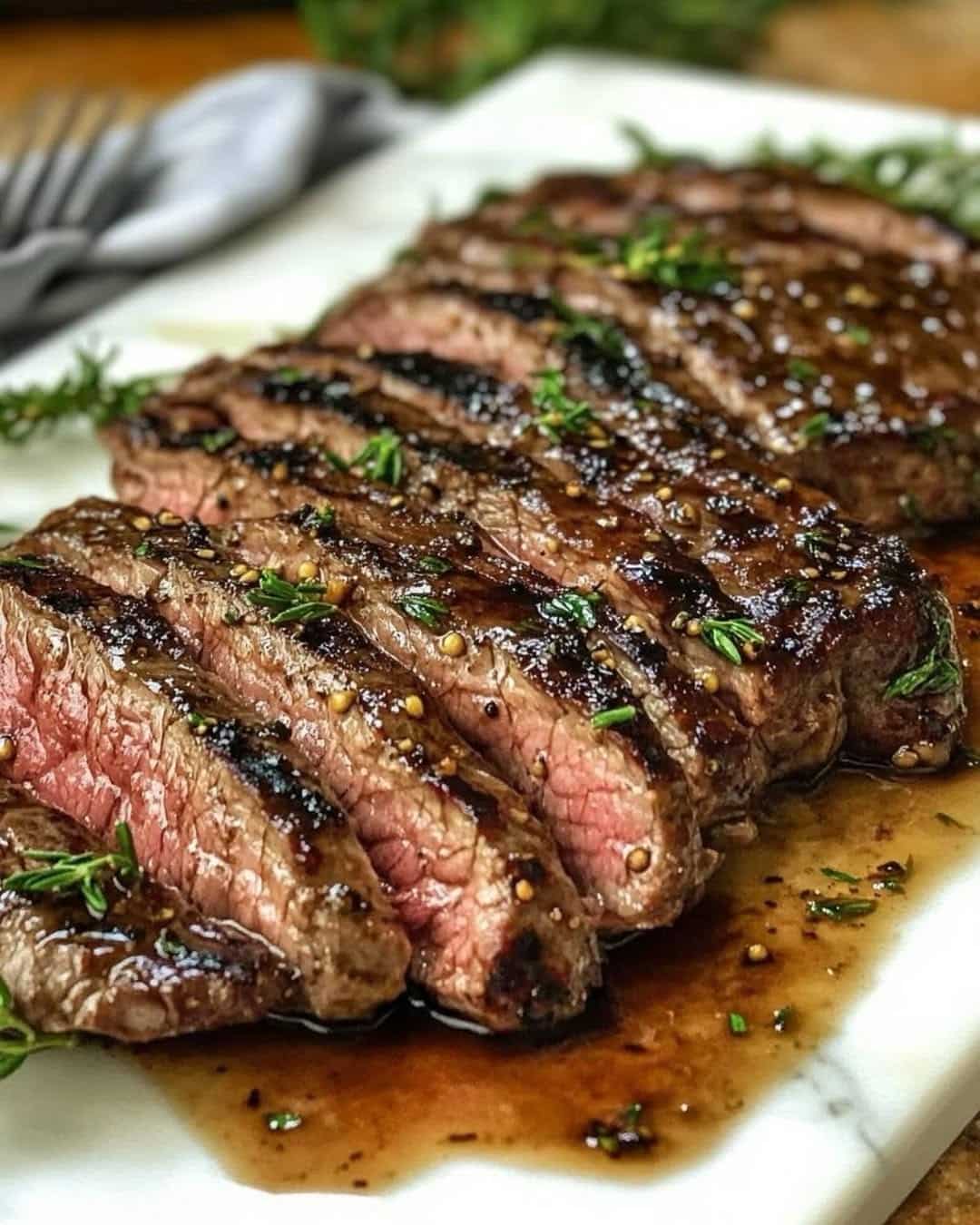
Anyone who has ever glanced at a raw flank steak and suspected it might be tougher than a CrossFit instructor is actually on to something. Without a plan, a flank steak can be about as chewable as a tractor tire.
But with the right technique, this lean, mean, beefy machine transforms into the holy grail of weeknight dinners.
Today, we’re diving into my personal favorite “ace in the hole”: the Garlic Soy Marinated Flank Steak. It’s fast, it’s punchy, and it’s got enough umami to make a mushroom jealous.
As a chef who has spent more time behind a grill than in a bed, I can tell you: this recipe is the perfect marriage of science and soul.
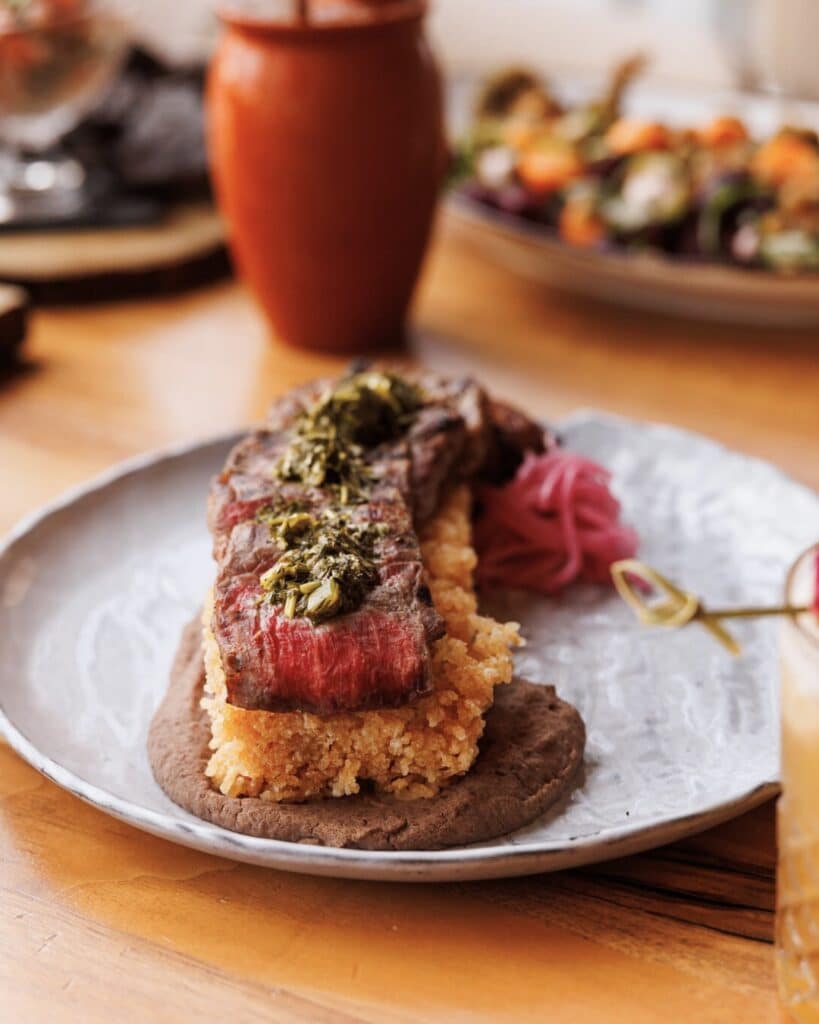
How This Recipe Will Serenade You (and Why You’ll Love It)
We live in a world that’s constantly rushing. Usually, “fast food” means a soggy bag of regret from a drive-thru. This recipe flips the script.
By using a highly concentrated marinade, we’re able to achieve deep flavor penetration in a fraction of the time.
The magic lies in the synergy of ingredients. We aren’t just splashing juice on meat; we are conducting a chemical symphony.
The soy sauce brings the salt, the honey brings the char, and the garlic brings the “get-away-from-me-I-breathed-on-you” pungency that we all secretly crave.
It’s a 30-minute miracle that tastes like you’ve been hovering over a stove for three days.
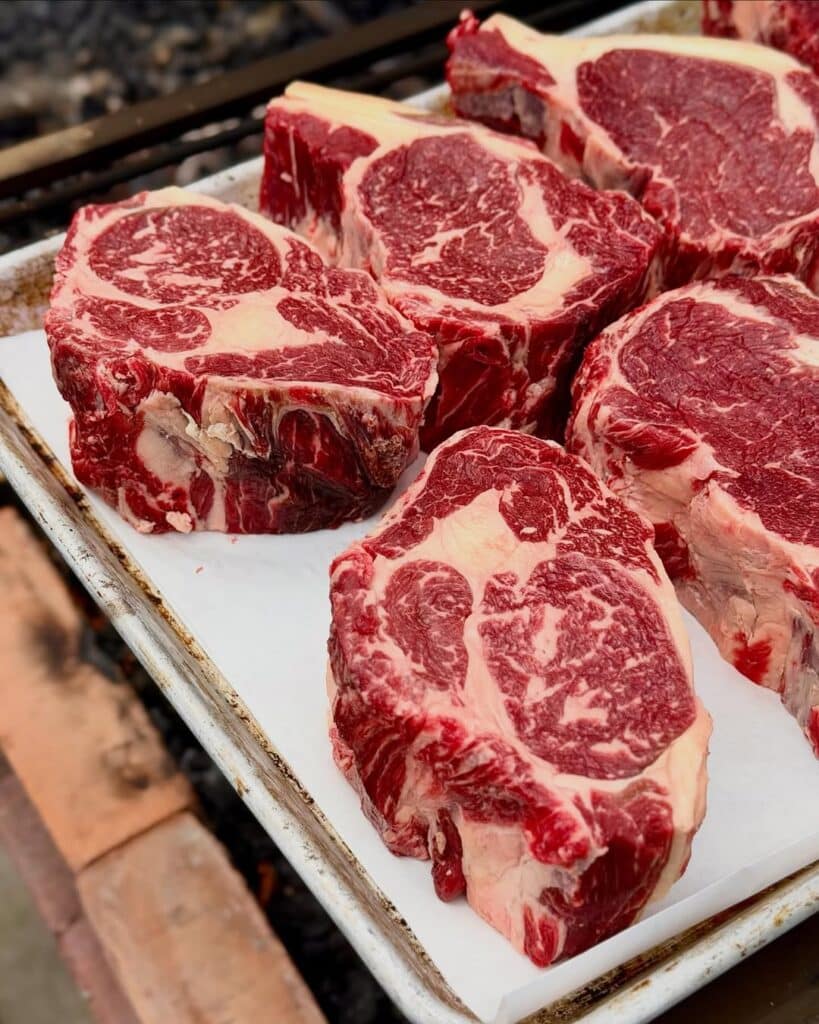
Meet the Cut: Why Flank Steak?
Before we cook, we need to talk about our guest of honor.
The flank steak comes from the lower abdominal muscles of the cow. Think of it as the “abs” of the steer. Because these muscles work hard, they are lean and contain long, stringy fibers.
Why do we love it?
- It’s a Flavor Sponge: Because it’s lean and has a coarse texture, it’s built to soak up marinades.
- Speed: It’s thin, meaning it cooks in minutes.
- Affordability: While prices fluctuate, it’s generally more budget-friendly than a ribeye, making it the “working man’s” gourmet steak.
Chef’s Note: If your butcher is out of flank, don’t panic. You can swap in a skirt steak (more fat, more intense) or a flat iron. Just don’t try this with a brisket unless you have twelve hours and a lot of patience.
The Science of the Marinade
A good marinated flank steak isn’t just about taste; it’s about transformation. Here is the “Fantastic Four” of your marinade:
- The Salty (Soy Sauce): Salt is a natural denaturant. It unwinds the tightly coiled proteins in the meat, allowing them to hold onto moisture. Without soy sauce, you’re just eating salty beef; with it, you’re eating seasoned beef.
- The Sweet (Honey or Brown Sugar): This is your secret weapon for the Maillard Reaction. This is a fancy scientific term for “that delicious brown crust.” Sugar caramelizes under high heat, giving you those bitter-sweet charred edges that define a great steak.
- The Acid (Rice Vinegar or Lime): Acid breaks down surface fibers and balances the richness. It’s the “bright” note in the song.
- The Aromatics (Garlic & Ginger): Use fresh garlic. I mean it. If you use the stuff from a jar that’s been sitting in water since the Clinton administration, I will personally come to your kitchen and take your tongs away. Fresh garlic has oils that provide a “bite” that pre-minced versions lack.
The “Carryover” Factor: Why the Rest is Best
Most home cooks make the fatal error of slicing their marinated flank steak the second it leaves the heat. Here’s the deal: cooking is a violent process for protein.
To keep that moisture where it belongs, you need to understand the physics of the plate:
- Muscle Contraction: High heat causes fibers to tighten, squeezing juices toward the center of the meat.
- The “Flood” Risk: Slicing too early sends those juices onto the cutting board instead of into your mouth.
- Carryover Cooking: Once removed from the heat, the internal temperature will naturally rise by about 5 degrees.
- The 10-Minute Rule: A short rest under a loose foil tent allows the fibers to relax and reabsorb that liquid gold.
It’s the simple difference between a steak that is merely “good” and one that is legendarily juicy.
Upgrading Your Aromatics: The Charred Scallion Infusion
If you want to take that garlic-soy profile into the stratosphere, let’s talk about the power of charred aromatics.
While the steak is searing, throw a bunch of whole scallions directly into the pan or onto the grill grates. This technique adds a professional layer of complexity through several stages:
- Blistered Skins: Aim for “burnt-chic” levels of char to unlock a deep, earthy aroma.
- Flavor Transformation: High heat turns the sharp, raw bite of the onion into a mellow, smoky sweetness.
- Functional Garnish: Chopping these blackened beauties and scattering them over the beef provides a “burnt-ends” vibe.
This quick addition makes your homemade meal feel like it was plated in a high-end gastropub.
The “Boil-Down” Sauce: Waste Not, Want Not
Never throw away your leftover marinade; that liquid is a flavor concentrate waiting for its second act. While your steak is resting, you can transform that bag of juice into a premium glaze with just a few steps:
- The Safety Boil: Simmer the liquid in a saucepan for 3 to 5 minutes to kill any bacteria from the raw beef.
- The Reduction: As the water evaporates, the sugars and soy thicken into a glossy, syrupy glaze.
- The Chef’s Kiss: Whisk in a cold pat of butter at the end for a silky, beurre blanc style finish.
Drizzling this umami reduction over the sliced flank steak provides a final “punch” of flavor that ties the entire plate together with professional-grade intensity.
Serving Suggestions
Your marinated flank steak is the star, but every star needs a supporting cast.
- The “Stay-Healthy” Route: Serve over a bed of baby bok choy that’s been sautéed with a splash of the remaining marinade (boiled first to kill bacteria!).
- The “Comfort” Route: A pile of fluffy Jasmine rice. The rice acts as a sponge for the beef juices.
- The “Next Day” Route: If you have leftovers (unlikely), this steak makes the world’s best cold noodle salad or steak tacos the following day.
Final Thoughts from the Kitchen
Cooking shouldn’t be a chore; it should be an escape. This Garlic Soy Flank Steak is a reminder that you don’t need a hundred ingredients or a degree from a French culinary institute to make something world-class.
You just need a good piece of meat, some fresh garlic, and the courage to turn the heat up high.
Now, get out there, fire up the grill, and remember: if you aren’t making a mess, you aren’t doing it right. Happy cooking!
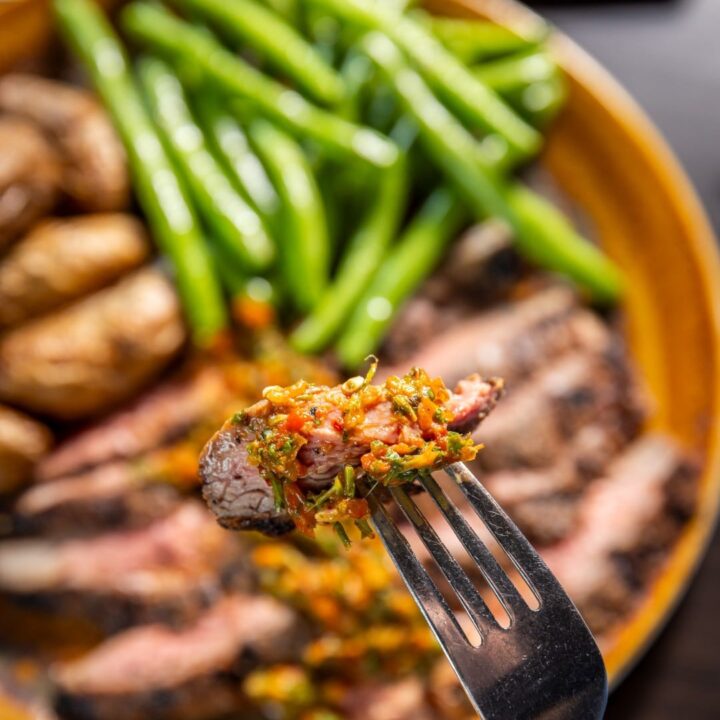
Garlic Soy Marinated Flank Steak
Image credit: @thefoundryrooftop
Ingredients
- 2 lbs Flank Steak
- ½ cup Low-Sodium Soy Sauce (Always go low-sodium; you can add salt, but you can’t take it away.)
- 3 tbsp Honey
- 5 cloves Garlic, smashed and minced
- 1 tbsp Fresh Ginger, grated
- 2 tsp Toasted Sesame Oil (A little goes a long way – it’s potent!)
- 1 tsp Cracked Black Pepper
Instructions
Score the steak lightly in a diamond pattern with a sharp knife. This isn't just for looks; it creates more surface area for the marinade to penetrate.
Place the steak and the marinade in a gallon-sized zip-top bag. Squeeze the air out like you’re trying to save space in a suitcase.
- Let it sit for at least 30 minutes. If you have four hours, even better. If you leave it for 24 hours, the acid might start to turn the meat "mushy," so don't overdo it.
- The Sear: High Heat or Go Home
- When it’s time to cook, you want your pan or grill to be screaming hot. If the meat doesn't "hiss" when it hits the surface, it’s not cooking; it’s just warming up, and that’s how you get gray, sad steak.
- Pat it Dry: Take the steak out of the marinade and pat the surface dry with paper towels. Wet meat steams; dry meat sears.
- The Heat: Use a cast-iron skillet or a charcoal grill. Add a high-smoke-point oil (like avocado or canola).
- The Cook: Lay the steak down. Don't touch it. Let it develop a crust for about 4–5 minutes. Flip it once.
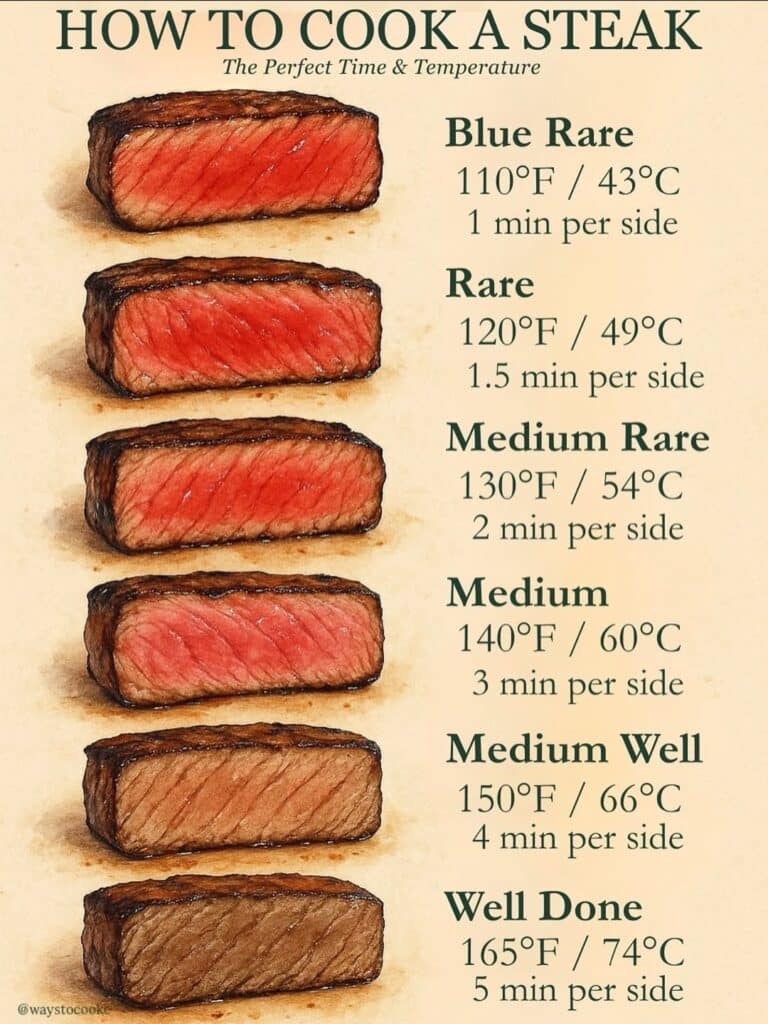
- The Temperature: Use a meat thermometer. We are aiming for Medium-Rare (135°F/57°C). Flank steak is very lean, so if you cook it to "Well Done," you might as well serve it with a side of dental insurance.
The Golden Rule: Slicing Against the Grain
This is the most important part of the article. If you ignore this, the rest of my advice is useless.
Look at your steak. You will see long lines running down the length of the meat.
Those are the muscle fibers. If you cut parallel to those lines, your teeth have to work through those tough fibers. If you cut perpendicular (against) the grain, you shorten those fibers to a few millimeters, making the meat tender.
Pro Tip: Slice at a 45-degree angle (a bias cut). It makes the slices look wider and more professional, and it further increases tenderness.
Featured image credit: @chefmarcelomintz
