
Smoke Makes or Breaks BBQ
Let me tell you something most backyard cooks learn the hard way: more smoke doesn’t mean better barbecue.
I’ve seen briskets ruined by folks who thought they were building flavor but ended up building a campfire inside their smoker. Bitter, harsh, and about as enjoyable as licking an ashtray.
The real secret? Understanding BBQ smoke levels.
Think of smoke like seasoning. You wouldn’t dump a whole jar of salt on a steak (I hope). Same thing here. You want just enough to bring the meat to life – not bury it.
In this guide, we’re walking through the full spectrum:
- A light kiss of smoke
- That perfect middle ground
- And the bold, crusty world of heavy bark
By the end, you won’t just be making BBQ – you’ll be controlling flavor like a pitmaster.
What Are BBQ Smoke Levels?
At its core, BBQ smoke levels describe how much smoke flavor your meat absorbs during cooking.
Simple idea. Big impact.
But here’s where people get tripped up:
Smoke isn’t just “more or less.” It’s about:
- Intensity
- Cleanliness
- Timing
You’ve got three main zones:
- Light smoke → subtle, delicate flavor
- Medium smoke → balanced, classic BBQ taste
- Heavy smoke → bold, deep flavor with bark formation
Now here’s the kicker:
Meat only absorbs smoke efficiently early in the cook.
So if you overload smoke at the wrong time? You’re not adding flavor – you’re stacking bitterness.
Good BBQ isn’t about drowning meat in smoke.
It’s about hitting the right BBQ smoke level at the right time.
The Science Behind Smoke Flavor
Alright, quick pitmaster science lesson – no lab coat required.
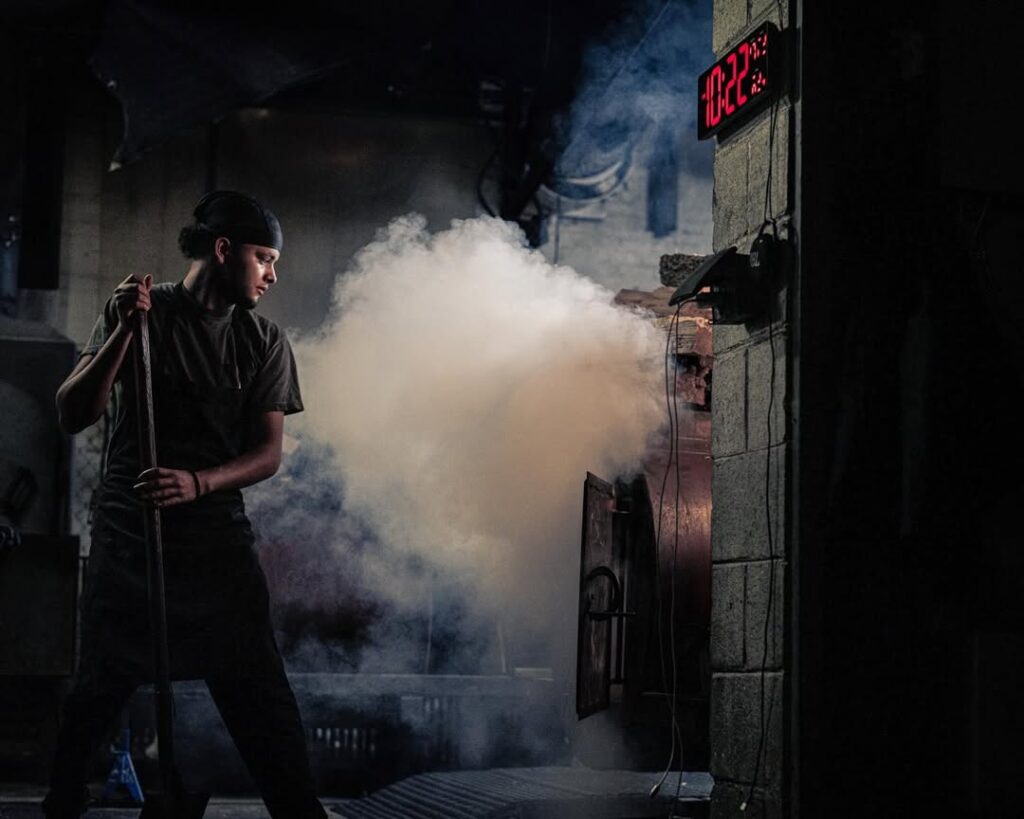
Smoke is made up of tiny particles and gases created when wood burns. Inside that smoke are flavor compounds like:
- Phenols (smoky aroma)
- Carbonyls (color and sweetness)
But not all smoke is created equal.
Clean Smoke vs Dirty Smoke
- Thin blue smoke → this is the gold standard
o Light, almost invisible
o Smells slightly sweet
- Thick white or gray smoke → danger zone
o Heavy, bitter
o Tastes like burnt regret
If your smoke looks like a freight train rolling through your backyard… you’ve already gone too far.
What Controls Smoke Quality?
- Airflow
- Fire temperature
- Type of wood
- How the fire is burning
Here’s the rule I live by:
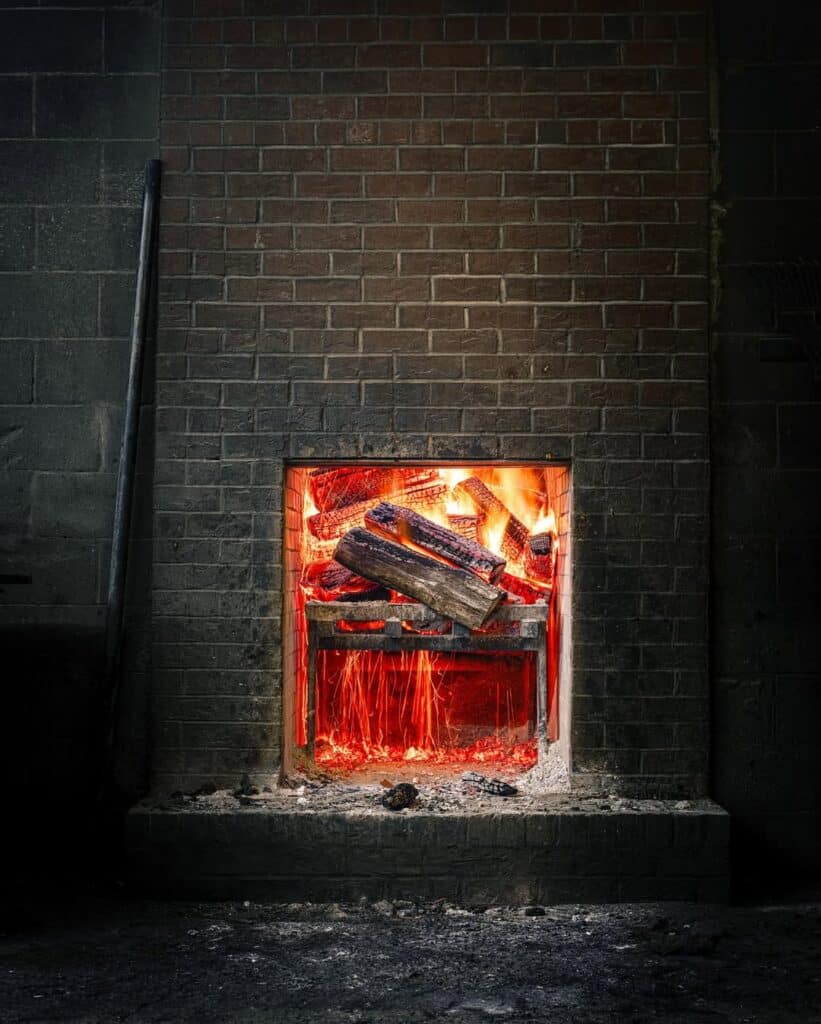
If your fire is clean, your flavor will be clean.
Light Smoke (“The Kiss”): When Less Is More
This is where a lot of cooks either shine… or panic and start adding more wood.
A light smoke level is exactly what it sounds like – a gentle touch. Not a punch. Not a slap. Just a polite handshake.
What It Looks Like
- Barely visible smoke
- Clean-burning fire
- Mild aroma
Flavor Profile
- Subtle
- Clean
- Lets the meat shine
Best For
- Fish
- Chicken breast
- Vegetables
You don’t want to bully delicate foods with heavy smoke. That’s like putting hot sauce on ice cream – technically possible, but deeply questionable.
How to Achieve It
- Use mild woods like fruitwood
- Keep airflow open
- Use small amounts of wood
- Limit smoke exposure time
Pitmaster tip: If you’re wondering “Is this enough smoke?” – it probably is.
Medium Smoke: The Sweet Spot of BBQ
Now we’re talking.
This is where most great barbecue lives. The sweet spot of BBQ smoke levels.
What It Feels Like
- You taste smoke, but it doesn’t dominate
- The meat still has its own identity
- Balanced, crowd-pleasing flavor
Best For
- Pork ribs
- Chicken thighs
- Sausages
How to Dial It In
- Add wood gradually – not all at once
- Maintain steady airflow
- Keep your fire consistent
The trick here is layering. You’re building flavor over time, not dumping it on like a last-minute seasoning.
Common Mistake
People oversmoke early.
They load the firebox like they’re fueling a rocket, thinking more smoke = more flavor.
Nope.
You want a steady stream of clean smoke, not a smoke bomb.
Heavy Smoke & Bark Formation: Going Bold
Now we’re stepping into serious territory.
Heavy BBQ smoke levels are where legends – and mistakes – are made.
What Defines Heavy Smoke
- Strong, noticeable smoke flavor
- Deep, dark exterior
- Formation of that beautiful bark
Let’s Talk Bark
Bark is that crust on the outside of meat. It’s built from:
- Smoke
- Seasoning
- Rendered fat
- Heat over time
It’s flavor gold.
Best For
- Brisket
- Pork shoulder
These cuts can handle the intensity. In fact, they need it.
How to Do It Right
- Use stronger woods
- Keep the fire burning clean (this part never changes)
- Extend smoke exposure early in the cook
The Danger Zone
Heavy smoke can turn on you fast.
Too much dirty smoke =
- Bitter taste
- Harsh aftertaste
- Ruined meat
Think bold, not brutal.
Choosing the Right Wood for Smoke Control
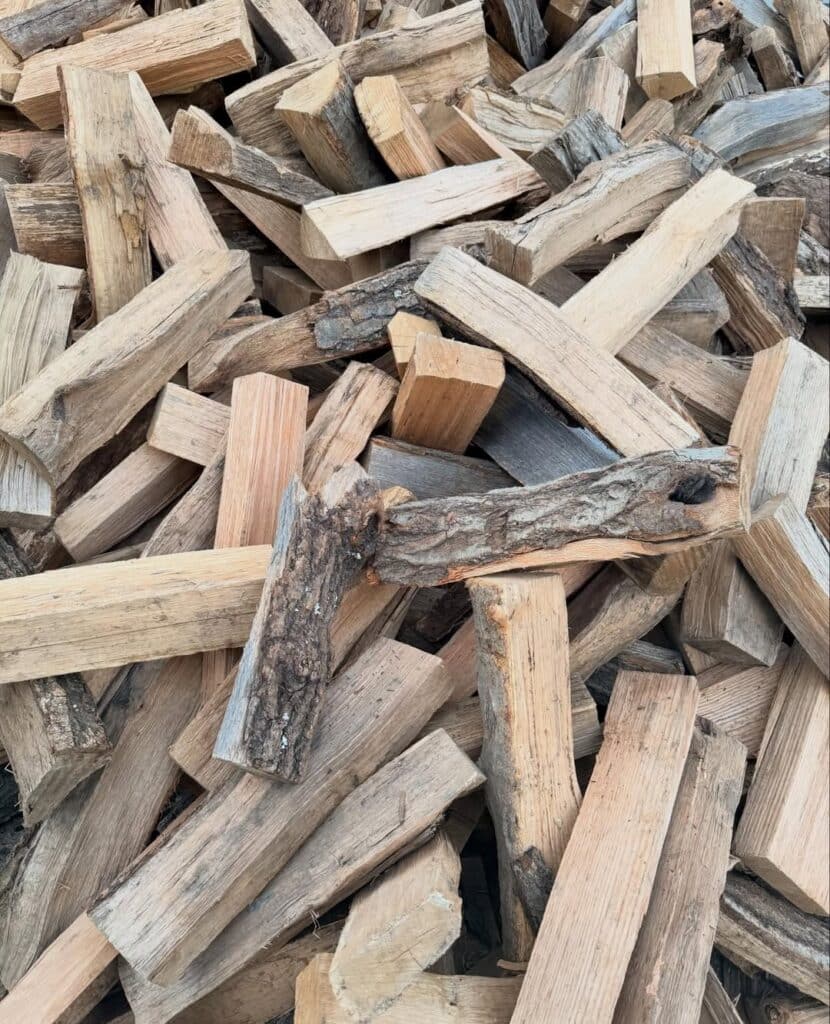
Wood is your flavor dial.
Different woods = different intensities.
Mild Woods
- Fruitwoods
- Slightly sweet, gentle smoke
- Great for light BBQ smoke levels
Medium Woods
- Balanced, versatile
- Works across most meats
Strong Woods
- Bold, aggressive smoke
- Best for long cooks and large cuts
Here’s a move I love: mixing woods.
You can blend mild and strong woods to create layered flavors. It’s like building a spice rub – but with smoke.
How to Control Smoke Levels Like a Pitmaster
This is where skill separates casual cooks from real pitmasters.
Control the Fire, Control the Flavor
Everything comes back to fire management.
- More oxygen = hotter, cleaner burn
- Less oxygen = cooler, dirtier smoke
You don’t want to choke your fire. That’s how you get bad smoke.
Timing Is Everything
Meat absorbs the most smoke at the beginning of the cook.
So:
- Focus your smoke early
- Ease off later
Know Your Equipment
Different cookers behave differently:
- Offset smokers → hands-on control
- Pellet grills → consistent but less intense smoke
- Charcoal grills → flexible but require attention
No matter what you use, the goal stays the same:
Clean fire + controlled smoke = perfect BBQ smoke levels
The Role of Humidity in BBQ Smoke Levels
Humidity is one of those quiet troublemakers that can throw off your BBQ smoke levels without you realizing it.
On dry days, smoke moves fast and can pull moisture out of your meat. But add a little humidity? Now the smoke hangs around longer and sticks better, building deeper flavor without extra wood.
Here’s how it plays out:
- Dry air
o Smoke passes quickly over the meat
o Faster surface drying
o Less smoke adhesion
- Humid air
o Smoke clings to the meat longer
o Better flavor absorption
o More even cooking
Want to control it?
- Use a water pan inside your smoker
- Helps stabilize temperature
- Adds moisture to the cooking chamber
The result: cleaner smoke flavor and better bark development – if balanced right.
Go too far, though, and you’ll soften your bark. And nobody wants soggy bark. That’s a crime in BBQ.
Why Meat Temperature Affects Smoke Absorption
Here’s a small detail that makes a big difference:
cold meat absorbs smoke better than warm meat.
When meat hits the smoker straight from the fridge, that cool surface acts like a magnet for smoke.
Why it matters for BBQ smoke levels:
- Early in the cook:
o Surface is cool
o Smoke sticks easily
o Flavor builds fast
- Later in the cook:
o Meat heats up
o Absorption slows down
o Smoke has less impact
If you want maximum flavor:
- Put meat on the smoker while it’s still slightly chilled
- Focus your smoke early in the cook
- Don’t let meat sit out too long before cooking
Think of it like this:
Early on, the door is wide open for smoke. Later, it’s barely cracked.
Miss that window, and no amount of extra wood will fix it.
The Impact of Fat Content on Smoke Flavor
Fat isn’t just flavor – it’s your safety net when working with BBQ smoke levels.
Cuts with more fat can handle stronger smoke because fat helps absorb and carry flavor deeper into the meat.
Here’s the breakdown:
- High-fat cuts (brisket, pork shoulder)
o Absorb smoke better
o Handle heavier smoke levels
o More forgiving if you go a little over
- Lean cuts (chicken breast, pork loin)
o Absorb smoke quickly
o Can get overpowered fast
o Require lighter smoke
As fat renders, it also helps:
- Build bark
- Blend seasoning and smoke
- Create that rich, deep BBQ flavor
Rule of thumb:
- More fat = more room to push smoke
- Less fat = keep it light and controlled
How Resting Meat Affects Smoke Perception
You might think the job’s done when the meat comes off the smoker – but flavor is still working behind the scenes.
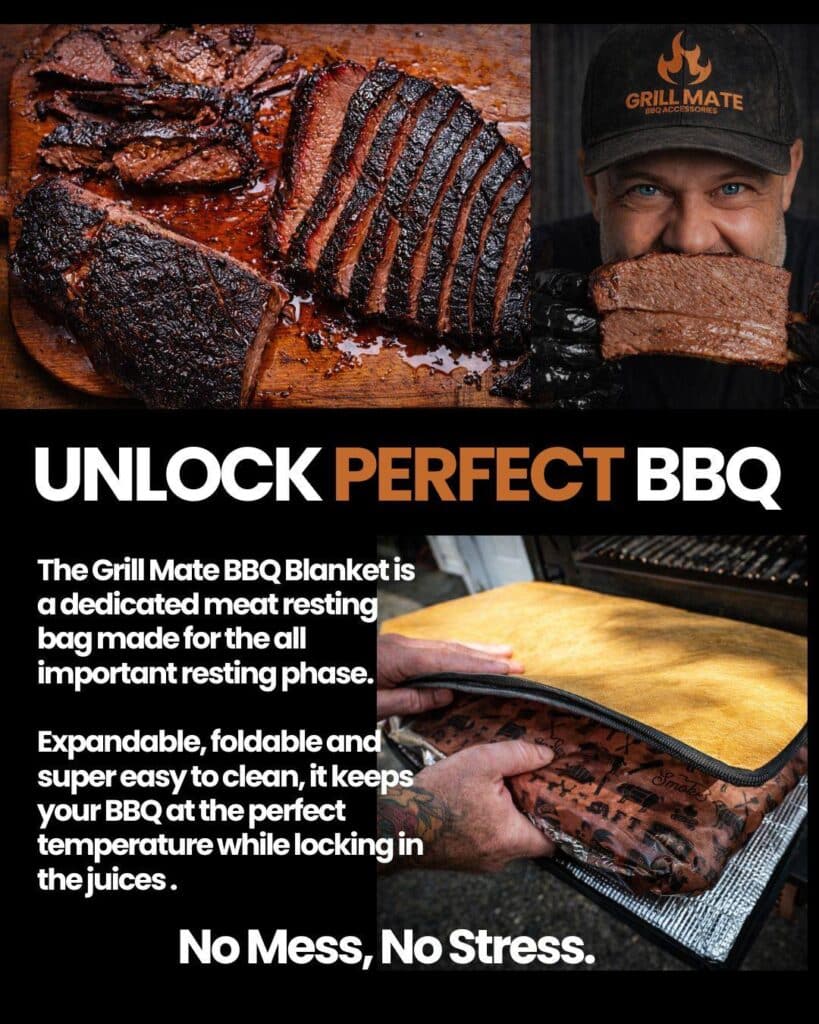
Resting does more than hold juices. It actually balances out your BBQ smoke levels.
Here’s what happens during a proper rest:
- Juices redistribute throughout the meat
- Harsh smoke edges mellow out
- Flavor becomes more rounded and smooth
This is especially important when you’ve gone heavy on smoke.
To get it right:
- Wrap the meat (foil or butcher paper)
- Let it rest in a warm place
- Give it time – don’t rush it
Skip this step, and you risk:
- Sharp, aggressive smoke flavor
- Uneven taste from bite to bite
Good BBQ isn’t rushed. It’s rested.
The Difference Between Smoke Flavor and Char Flavor
Let’s clear the air – literally.
Smoke flavor and char flavor are two completely different things, and confusing them will throw off your BBQ smoke levels.
Here’s the difference:
- Smoke flavor
o Comes from burning wood
o Slow-building and layered
- Char flavor
o Comes from direct heat
o Creates a crisp, slightly bitter crust
o Fast and intense
The goal is balance:
- Too much char → masks smoke flavor
- Too much smoke → overwhelms everything
Think of it like this:
- Smoke = seasoning
- Char = texture
Get both working together, and that’s when BBQ hits another level.
Using Spritzing to Influence Smoke Levels
Spritzing isn’t just for looks – it’s a tool for controlling BBQ smoke levels.
When you add moisture to the surface, you help smoke stick more effectively without adding extra wood.
Here’s what spritzing does:
- Keeps the surface moist
- Helps smoke particles adhere
- Slows down bark drying (in a good way)
Common spritz liquids:
- Apple juice
- Vinegar
- Water
Best approach:
- Light spritz every 30–45 minutes
- Don’t soak the meat
Too much spritzing can:
- Cool the meat
- Slow the cook
- Delay bark formation
Done right, it’s like giving your meat a fresh coat for smoke to grab onto.
The Influence of Rubs on Smoke Absorption
Your rub isn’t just seasoning – it’s part of your smoke strategy.
A good rub helps capture and hold smoke, boosting your overall BBQ smoke levels.
Here’s how:
- Salt
o Draws moisture to the surface
o Helps smoke stick
- Sugar
o Caramelizes
o Aids in bark formation
- Coarse spices
o Add texture
o Give smoke more surface area to cling to
But watch your balance:
- Too much sugar → burns under heavy smoke
- Too fine a rub → less texture for smoke
Think of your rub as a landing pad for flavor. Build it right, and everything sticks better.
How Altitude Changes Smoke Behavior
Cooking at altitude? Your BBQ smoke levels won’t behave the same.
Thinner air means your fire struggles a bit more, which can lead to dirty smoke if not managed properly.
Here’s what changes:
- Less oxygen → weaker combustion
- Higher chance of thick, bitter smoke
- Fire needs more attention
To adjust:
- Open vents wider than usual
- Use slightly more fuel
- Focus on maintaining a clean burn
The goal doesn’t change:
- Thin, clean smoke always wins
Altitude doesn’t ruin BBQ – it just makes you earn it.
The Role of Smoke Rings in BBQ
That pink layer – the smoke ring – gets a lot of hype.
But here’s the truth:
It’s not a direct measure of BBQ smoke levels.
What it actually is:
- A chemical reaction
- Caused by gases in the smoke
- Not purely about flavor
Important points:
- You can have:
o Strong smoke flavor + weak ring
o Mild smoke flavor + strong ring
So don’t chase it blindly.
It’s nice to have. It looks great.
But at the end of the day:
Flavor beats appearance. Every time.
Managing Smoke in Windy Conditions
Wind can either help your fire – or completely mess it up.
When it comes to BBQ smoke levels, wind affects:
- Airflow
- Burn rate
- Smoke movement
Here’s how it behaves:
- Light breeze
o Helps maintain clean combustion
o Keeps smoke moving evenly
- Strong wind
o Spikes temperature
o Pushes smoke too fast
o Reduces flavor absorption
To stay in control:
- Position your smoker out of direct wind
- Use barriers or windbreaks
- Adjust vents as conditions change
BBQ already requires attention. Wind just adds a little chaos to the mix.
The Difference Between Hot Smoking and Cold Smoking
Not all smoke is created equal.
Understanding this helps you better manage BBQ smoke levels.
- Hot smoking
o Cooks and flavors at the same time
o Builds bark
o Produces deeper smoke flavor
- Cold smoking
o Adds smoke without cooking
o Lower temperatures
o More delicate flavor
Most BBQ falls under hot smoking.
Cold smoking is great for:
- Cheese
- Cured meats
Different method, different goal. Know which one you’re using – or you’ll be solving the wrong problem.
Using Charcoal vs Wood for Smoke Control
Fuel choice matters more than people think.
It directly affects your BBQ smoke levels.
- Charcoal
o Steady, consistent heat
o Mild smoke base
- Wood
o Strong, distinct smoke flavor
o Less predictable if overused
Best approach:
- Use charcoal as your foundation
- Add wood as your flavor layer
Too much wood:
- Overpowers meat
- Creates dirty smoke
Too little wood:
- Flat, boring flavor
Think of it like cooking:
Charcoal is the stove. Wood is the seasoning.
The Effect of Lid Opening on Smoke Levels
Every time you lift that lid, you’re undoing your hard work.
Opening the smoker:
- Releases heat
- Dumps smoke
- Disrupts BBQ smoke levels
It also causes:
- Temperature drops
- Longer cooking times
- Inconsistent results
I know the temptation. You want to check.
But here’s the truth:
- If you’re looking, you’re not cooking
Keep the lid closed as much as possible and trust your setup.
Layering Smoke with Different Woods During a Cook
Want to level up your BBQ? Start layering smoke flavors.
Instead of sticking to one wood, build flavor over time.
Example approach:
- Start with a stronger wood early
o When meat absorbs the most smoke
- Switch to a milder wood later
o To avoid overpowering
This gives you:
- More complex flavor
- Better control of BBQ smoke levels
- A more refined final product
Think of it like storytelling.
Each wood adds a new chapter.
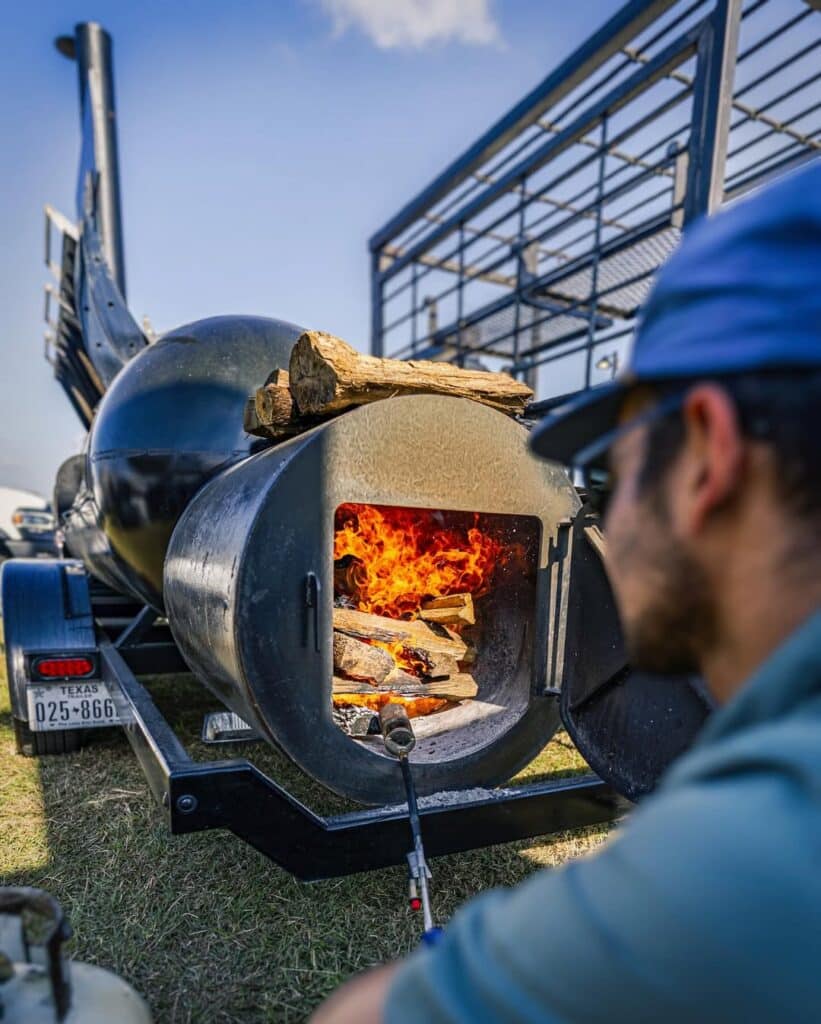
Developing Your Personal Smoke Signature
At some point, you stop following rules – and start developing your own style.
That’s your smoke signature.
It comes from:
- Experience
- Trial and error
- Understanding your pit
Over time, you’ll learn:
- How your smoker behaves
- Which woods you prefer
- What smoke level matches your taste
You might lean:
- Light and clean
- Bold and heavy
Either way, it becomes yours.
And when people taste your BBQ and say,
“Man… that’s different,”
That’s when you know:
You’ve mastered your BBQ smoke levels – and made them your own.
Common Smoke Mistakes (and How to Fix Them)
Let’s save you from some heartbreak.
Mistake #1: Too Much Smoke
Fix: Use less wood. Seriously.
Mistake #2: Dirty Smoke
Fix: Increase airflow. Let your fire breathe.
Mistake #3: Wet or Green Wood
Fix: Always use dry, seasoned wood.
Mistake #4: Overloading the Firebox
Fix: Add fuel gradually.
Mistake #5: Chasing Smoke Instead of Fire
Fix: Focus on a clean burn, not visible smoke.
Remember:
You don’t cook with smoke – you cook with heat. Smoke is just the flavor bonus.
Matching BBQ Smoke Levels to Meat
Here’s a quick way to think about it:
- Light meats → light smoke
- Medium meats → balanced smoke
- Heavy cuts → bold smoke
You’re not trying to overpower the meat. You’re trying to match its strength.
A delicate fish doesn’t need a smoke punch.
A brisket? That thing can take it and ask for more.
Final Thoughts: Master the Smoke, Master the BBQ
If there’s one thing I want you to walk away with, it’s this:
Smoke is a tool – not the goal.
The goal is flavor. Balance. That bite where everything just clicks.
Mastering BBQ smoke levels takes practice. You’ll overshoot. You’ll undershoot. That’s part of the game.
But once you start controlling your smoke instead of guessing?
That’s when people start asking,
“Alright… what’s your secret?”
And you can just smile and say,
“Clean fire. Right smoke. Every time.” 🔥

Frequently Asked Questions
What are BBQ smoke levels?
BBQ smoke levels refer to how much smoke flavor your meat absorbs during cooking. It ranges from a light, subtle “kiss” of smoke to a deep, heavy smoke that builds bark.
The key isn’t using more smoke – it’s using the right amount at the right time.
What is the best smoke level for beginners?
Start with medium BBQ smoke levels. It’s the safest zone:
- Noticeable smoke flavor
- Not overpowering
- Works well with most meats
Think of it as training wheels – you get flavor without risking bitterness.
How do I know if I’m using too much smoke?
Your BBQ will tell you pretty quickly. Signs of too much smoke include:
- Bitter or harsh taste
- Thick white or gray smoke
- Heavy, unpleasant aftertaste
If it smells sharp or stings your eyes, that’s not flavor – that’s a warning.
What color smoke is best for BBQ?
You’re aiming for thin blue smoke:
- Light, almost invisible
- Clean, slightly sweet smell
Avoid thick white smoke – it usually means your fire isn’t burning clean, and it can ruin your BBQ smoke levels.
Can you over-smoke meat?
Absolutely. This is one of the most common mistakes.
Too much smoke can:
- Overpower natural meat flavor
- Create bitterness
- Leave a lingering, unpleasant taste
Remember: smoke is a seasoning, not the main ingredient.
When does meat absorb the most smoke?
Meat absorbs the most smoke during the early stage of cooking when:
- The surface is still cool
- The exterior is moist
After that, smoke absorption slows down. That’s why timing is critical when managing BBQ smoke levels.
Does more smoke mean more flavor?
No – and this is where many people go wrong.
More smoke often means:
- Dirtier combustion
- Stronger but harsher flavor
The goal is clean, controlled smoke, not maximum smoke output.
What’s the best wood for controlling smoke levels?
It depends on how strong you want your smoke:
- Mild woods → great for light smoke (fruitwoods)
- Medium woods → balanced flavor (oak)
- Strong woods → bold smoke (hickory, mesquite)
Match the wood to your desired BBQ smoke levels and the type of meat.
Should I keep adding wood throughout the cook?
Not necessarily.
Best practice:
- Focus smoke early in the cook
- Add wood gradually – not all at once
- Avoid overloading your fire
After a certain point, adding more smoke won’t improve flavor – it’ll just risk overpowering it.
What’s the difference between smoke flavor and bark?
- Smoke flavor comes from the smoke itself
- Bark is the crust formed from smoke, seasoning, fat, and heat
You can have strong smoke flavor without great bark – and vice versa. The magic happens when both are balanced.
Why does my BBQ taste bitter sometimes?
Bitterness usually comes from:
- Dirty smoke (thick white smoke)
- Poor airflow
- Too much wood
Fix it by focusing on a clean-burning fire and proper airflow.
Do pellet grills produce the same smoke levels as offset smokers?
Not quite.
- Pellet grills
o Consistent and easy
o Milder smoke flavor
- Offset smokers
o More hands-on
o Stronger, more traditional smoke
Both can produce great BBQ – you just adjust your expectations and technique.
Should I spritz my meat to improve smoke flavor?
Yes – when done right.
Spritzing:
- Helps smoke stick to the meat
- Keeps the surface moist
- Enhances BBQ smoke levels
Just don’t overdo it, or you’ll slow down cooking and affect bark formation.
Why is my smoke ring weak even with lots of smoke?
Because the smoke ring isn’t directly tied to smoke levels.
It’s caused by a chemical reaction, not just smoke exposure. You can have:
- Strong flavor + weak ring
- Light flavor + strong ring
Focus on taste, not appearance.
What’s the biggest mistake people make with BBQ smoke levels?
Easy: chasing more smoke instead of better smoke.
The real goal is:
- Clean combustion
- Controlled airflow
- Balanced flavor
Master that, and everything else falls into place.
Featured image credit: @smoked_stuff

Thank you very much.
Great article and well written, easy to understand.
I learned a lot..
Still a beginner, but I love smoking.
I live in the North, so the weather adds to some adjustments for me.
I’m keeping this article as a guide to smoking.
Thank you again, and keep up the great work.