
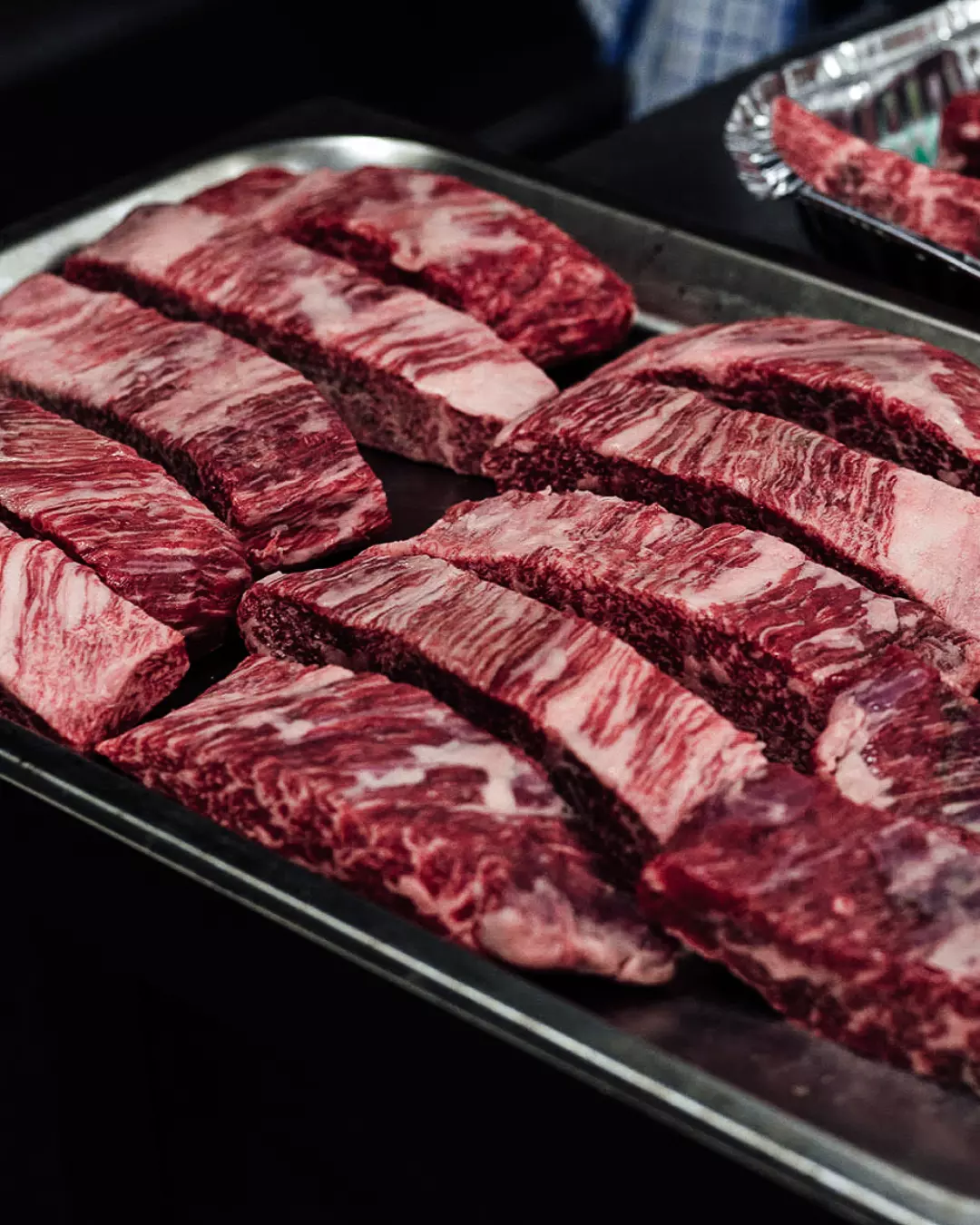
Did you know that M & M’s isn’t the only thing that melts in your mouth and not in your hand?
So, you’ve finally done it. You walked past the “choice” cuts, ignored the “prime” section, and pointed a trembling finger at the marble-laden masterpiece behind the glass. You bought a piece of Wagyu beef.
Now you’re standing in your kitchen, looking at a steak that costs more than your first car’s transmission, and the “what if I mess this up” sweats are starting to kick in. Relax. Take a breath.
Cooking Wagyu isn’t about complex culinary gymnastics; it’s about getting out of the way and letting the genetics do the heavy lifting.
As a pitmaster who has stared down more fire than a stuntman, I’m here to tell you: we are going to treat this steak like royalty, but we aren’t going to be snobs about it.
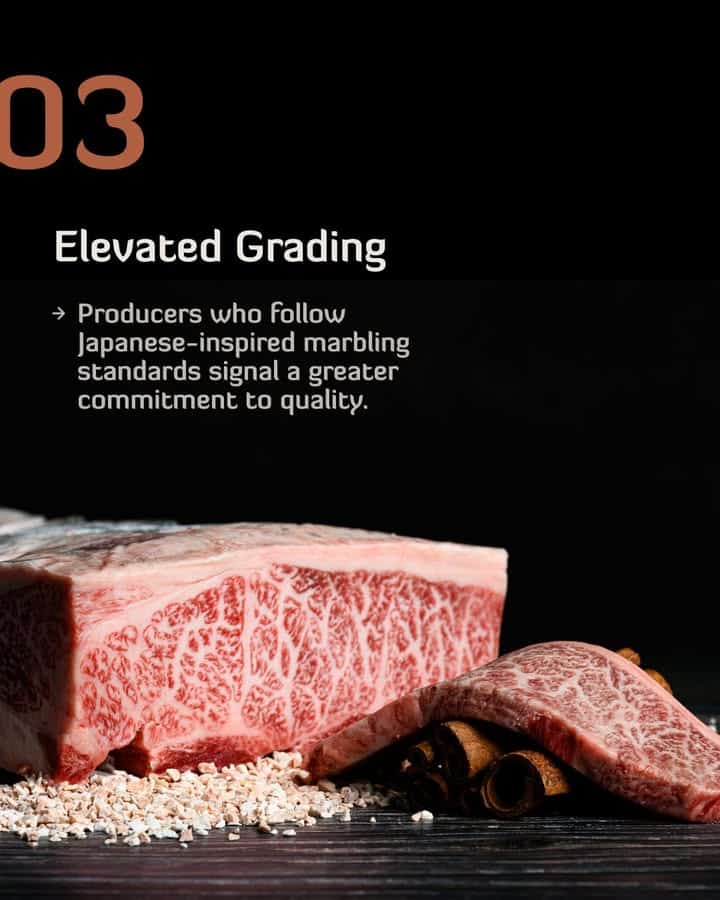
The Legend of Wagyu: Why Your Wallet is Crying
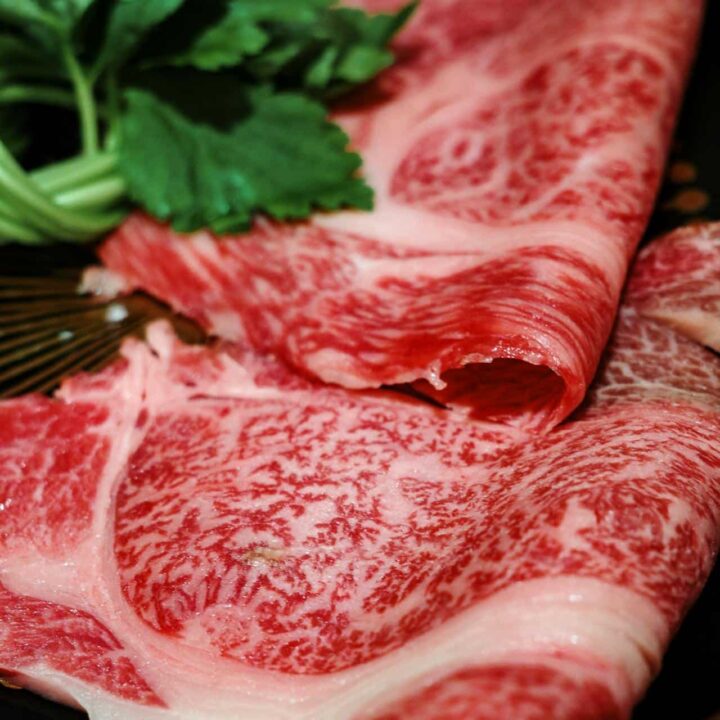
Wagyu literally translates to “Japanese Cow,” but calling it just “beef” is like calling a Ferrari “just a car.” The magic lies in the intramuscular fat, or marbling.
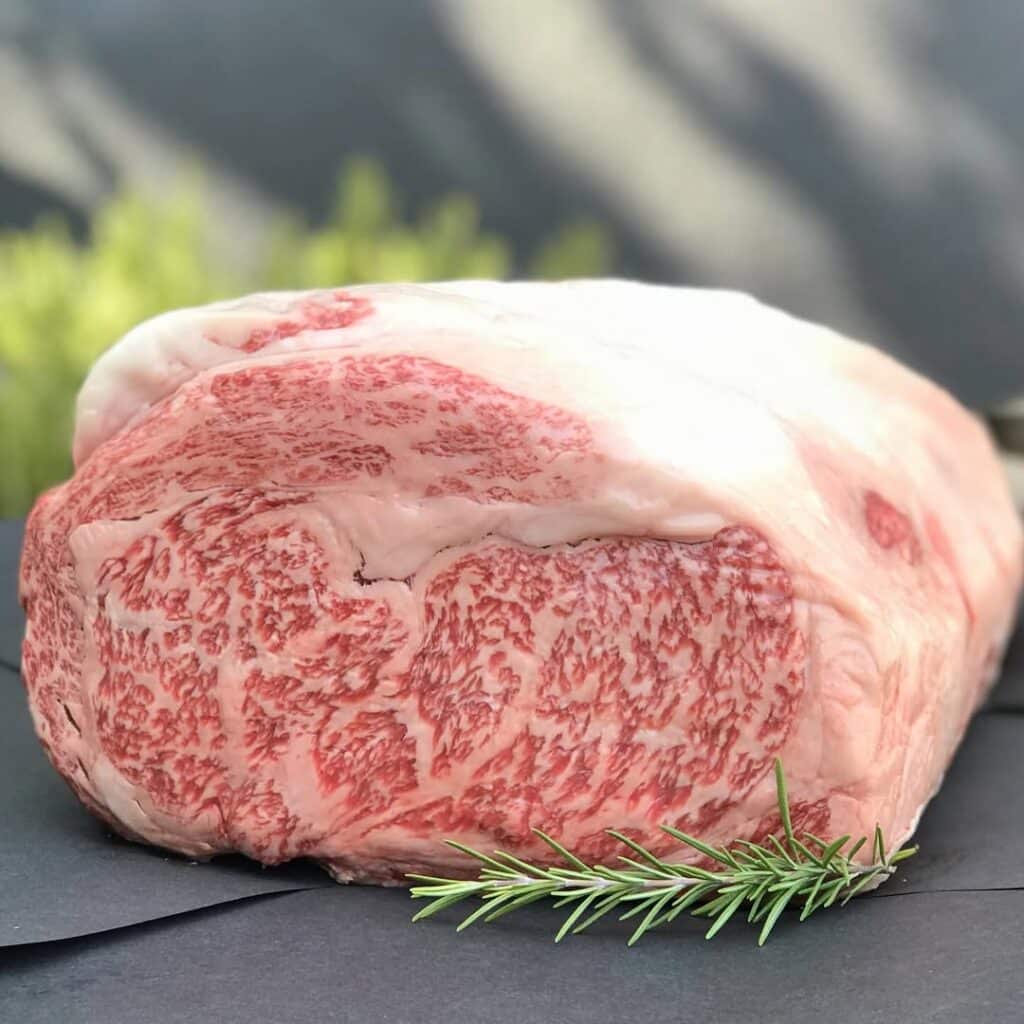
While a standard steak has a rim of fat around the edge, Wagyu weaves that fat into the muscle fibers like a fine silk tapestry.
The scientific punchline? Wagyu fat has a lower melting point than human body temperature. This means the second it hits your tongue, it physically starts to liquefy. That is the literal definition of “melt-in-your-mouth.”
If you’ve ever wondered why people get misty-eyed over a piece of meat, you’re about to find out.
Choosing Your Cut: The A5 vs. The Hybrid
Before we fire up the heat, you need to know what’s on your cutting board.
- Japanese A5: This is the heavyweight champion. It’s so rich that eating a 16-ounce portion is less like dinner and more like a dare. In Japan, they serve this in small, 3-ounce portions. It’s a flavor bomb, not a belly-filler.
- American or Australian Wagyu: Think of this as the “best of both worlds.” You get the robust, beefy flavor of a traditional steak mixed with that incredible Wagyu butteriness.
Pro Tip: Look for the BMS (Beef Marbling Score). If your steak looks like it was caught in a snowstorm of white fat, you’re on the right track.
The Prep: Science Before the Sear
You wouldn’t take a vintage Porsche through a $5 automatic car wash, so don’t throw a cold Wagyu steak into a lukewarm pan.
The Salt Strategy
Dry-brining is your best friend. Season your Wagyu beef liberally with flakey sea salt at least 45 minutes before cooking.
This does two things: it draws moisture out to create a concentrated brine that then gets reabsorbed, seasoning the meat deeply, and it dries out the surface. A dry surface is the only way to achieve a world-class crust.
Temperature Control
Take the steak out of the fridge an hour before you cook.
We want it at room temperature. If the center is icy when it hits the pan, the outside will burn before the fat inside has a chance to render into that buttery nectar we’re chasing.
The “Free” Oil
Do not go reaching for the olive oil or butter. Wagyu is its own lubricant. If your steak has a thick fat cap on the edge, trim a tiny sliver off. You’ll use this to “grease” the pan.
It’s like using a steak to cook a steak. It’s culinary inception, and it’s brilliant.
The Recipe: The Perfect Pan-Sear
Forget the grill for a second. While I love a live fire, a heavy cast-iron skillet is the superior tool here. Why? Because we want 100% surface contact to create a crust that could win awards.
- Get it Screaming: Heat your cast iron over medium-high heat. You’ll know it’s ready when a drop of water dances and evaporates instantly.
- The Lube: Take that little piece of trimmed fat and rub it around the pan. It will melt instantly, coating the surface in liquid gold.
- The Sear: Lay the steak down. Do not touch it. You want to hear a sear that sounds like a standing ovation. For a standard 1-inch cut, you’re looking at about 2 minutes per side.
- The Edges: Use your tongs to stand the steak on its side. Sear that fat cap for 30 seconds until it’s crispy and golden.
A Note on Aromatics: If you want to feel fancy, throw a crushed garlic clove and a sprig of thyme into the pan for the last 30 seconds. Don’t use butter – the Wagyu richness is already at an 11/10.
Adding butter is like putting a hat on a hat.
The “Low and Slow” Internal Finish
Because of the high fat content, Wagyu beef behaves differently than lean grass-fed beef. You actually want to cook it slightly further than you might think. While a “blue” steak is trendy, Wagyu fat needs heat to turn into that silky texture.
Aim for Medium-Rare to Medium (130ºF to 135ºF). At this temperature, the marbling has fully melted, but the meat hasn’t tightened up yet. Use a digital thermometer. This is not the time to “guess” by poking it with your finger.
You’ve invested too much money to play “The Price is Right” with internal temps.
The Resting Period: The Hardest Part
Once the steak comes off the heat, it is going to smell incredible. Your brain will tell you to eat it immediately. Ignore your brain. Place the steak on a warm plate and let it rest for at least 10 minutes.
While it sits, the muscle fibers relax and soak those rendered juices back up. If you cut it too soon, all that expensive liquid fat will run across your cutting board. That’s a tragedy I don’t want on your conscience.
Serving: Keep Your Ego in Check
When it’s time to slice, go against the grain. This shortens the muscle fibers even further, ensuring that every bite is as tender as a summer romance.
Side Dishes
Wagyu is incredibly rich. Serving it with a side of heavy mashed potatoes is like eating a brick. Instead, go for something with acidity and crunch:
- A crisp arugula salad with a lemon vinaigrette.
- Pickled red onions or radishes.
- Grilled asparagus with a squeeze of lime.
The Drink
You need something to cut through the fat. A high-tannin Cabernet Sauvignon works, but if you want to stay true to the steak’s roots, a Japanese Whisky neat or a cold, dry Sake is a pro move.
Conclusion: The Final Bite
Cooking the best Wagyu beef recipe isn’t about fancy sauces or 20-step processes. It’s about respecting the ingredient. You’ve salted it, seared it, and rested it like a pro.
Now, take that first bite. Notice how the crust crunches before the center gives way like butter. That isn’t just dinner; that’s a core memory. Just don’t blame me when you can never go back to “regular” steak again.
Your butcher will be happy, but your bank account might have some questions. Enjoy the masterpiece.
Best Wagyu Beef Recipe
Image credit: Leongsan Tung
Ingredients
- The Grocery List
- 12 oz Wagyu Beef Steak: (Ribeye or New York Strip, at least 1-inch thick)
- 1 tbsp Flaky Sea Salt: (Maldon is the gold standard here)
- ½ tsp Freshly Cracked Black Pepper: (Coarse grind is best)
- Optional Aromatics: 2 cloves of smashed garlic and 1 sprig of fresh thyme
- The Gear
- Cast-Iron Skillet: The heavier, the better.
- Instant-Read Digital Thermometer: Your insurance policy against overcooking.
- Stainless Steel Tongs: No forks! We aren't poking holes in this masterpiece.
Instructions
1. The "Chill" Phase
Remove your Wagyu beef from the refrigerator exactly one hour before you plan to cook. If you sear a cold Wagyu steak, the outside will burn while the center stays solid. We need that fat ready to melt.
2. The Dry Brine
Pat the steak bone-dry with paper towels. Moisture is the enemy of a good crust.
Season liberally on all sides (including the edges!) with the flaky sea salt. Let it sit on a wire rack. As it sits, the salt will dissolve and pull back into the meat, seasoning it to the core.
3. Preheating the Engine
Place your cast-iron skillet over medium-high heat. Do not add oil. Do not add butter. Wait until you see the first wisps of smoke rising from the pan.
4. The Sacrifice (Greasing the Pan)
If your steak has a strip of white fat along the edge, trim a small half-inch cube off.
Toss that cube into the hot pan and move it around with your tongs. It will melt instantly, providing a natural, beefy lubricant for the sear.
5. The Master Sear
Lay the steak into the pan away from you (to avoid splatters).
- Side A: Sear for 2 minutes without moving it. We want a deep, mahogany crust.
- Side B: Flip and sear for another 2 minutes.
- The Edges: Use your tongs to stand the steak up on its fat-cap edge for 30–45 seconds to render that strip of "white gold" into a crispy delight.
6. The Finish
During the last minute of cooking, toss in your garlic and thyme. If you’re using a thermometer (and you should be), pull the steak off the heat when it hits 130ºF for medium-rare. The temperature will rise about $5$ degrees while resting.
7. The Rest (The Hardest Part)
Transfer the steak to a warm plate. Do not tent it with foil (that will soften the crust you just worked so hard for).
Let it rest for 10 full minutes. This allows the juices to redistribute so they stay in the meat, not on your plate.
8. The Slice
Slice against the grain into ½-inch strips. Sprinkle with a tiny pinch of fresh sea salt and a crack of black pepper.
Featured image credit: @2grwagyu
