
In the world of high-end eats, there’s a massive difference between “expensive” and “gourmet.” Price tags are just numbers, but gourmet is a vibration.
To eat like a true foodie in 2026 isn’t about wearing a tuxedo to dinner; it’s about understanding the soul of the ingredient, the science of the sear, and the patience of the prep.
Whether you’re standing over a $5,000 custom offset smoker or a $20 cast iron skillet, the goal is the same: transcendence through flavor.
We’re looking for that perfect Maillard reaction – that magical chemical dance where amino acids and sugars reduce into a crust of pure joy.
If you’re ready to move past basic sustenance and start treating your palate like a high-performance engine, here are 18 gourmet favorites that are absolutely worth the hunt.
The “Low and Slow” Staples
As any pitmaster will tell you, smoke is a seasoning, not a cooking method. These items are the heavyweight champions of the culinary world, requiring equal parts technical mastery and stubborn patience.
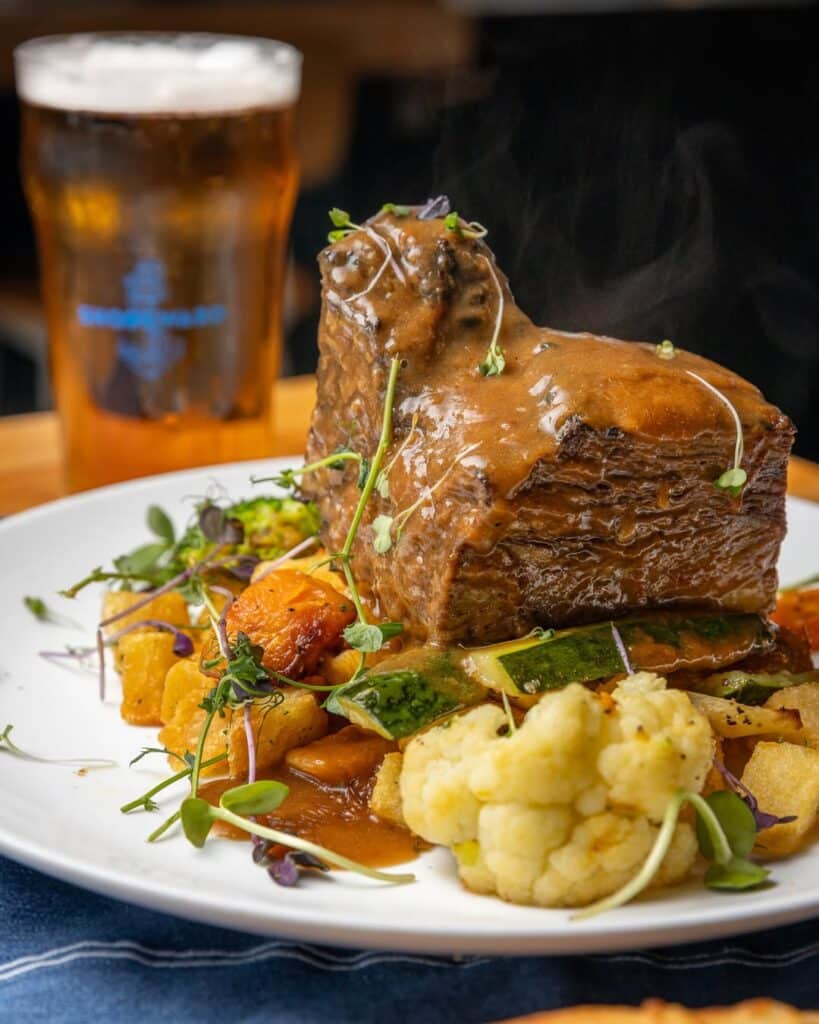
1. Texas-Style Wagyu Brisket
If a standard brisket is a reliable sedan, a Wagyu brisket is a vintage Italian supercar. We’re talking about a cut with so much intramuscular fat it practically shimmers. The key here is the fat rendering.
When you smoke this low and slow, that fat melts into the muscle fibers, creating a texture that doesn’t just “melt in your mouth” – it high-fives your soul on the way down.
Look for that iconic smoke ring; while it doesn’t technically add flavor, it’s the badge of honor that proves you’ve mastered the chemistry of nitrogen dioxide.
Recipe card
- The Prep: Trim the hard fat but leave a $1/4$-inch cap. Rub liberally with “Dalmatian Rub” (equal parts coarse black pepper and kosher salt).
- The Cook: Smoke at 225°F using post oak. Wrap in peach butcher paper once the bark is set (usually around 165°F internal).
- The Finish: Pull at 203°F internal. Crucial: Rest in a warm cooler for at least 3 hours before slicing.
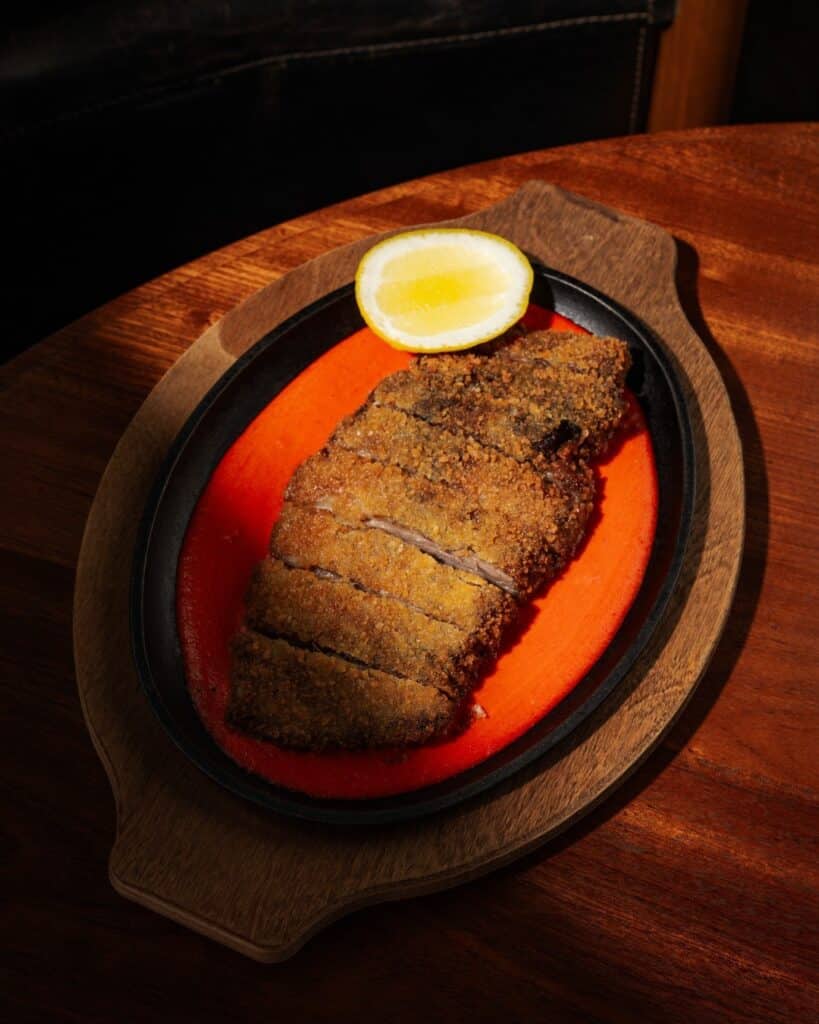
2. Iberico Pork Secreto
Commonly called the “hidden cut,” the Secreto is tucked away behind the shoulder of the Spanish Iberian pig. These pigs spend their lives gorging on acorns, which gives their fat a molecular structure closer to olive oil than lard. It’s the Wagyu of pork.
When you hit it with high heat, the marbling creates a nutty, buttery profile that will make you apologize to every pork chop you’ve ever overcooked in the past.
Recipe card
- The Prep: Pat dry and season only with flake salt.
- The Cook: Sear on a screaming-hot cast iron skillet for 3 minutes per side. You want a deep, mahogany crust.
- The Finish: Rest for 5 minutes. Slice against the grain and top with a fresh parsley and oregano chimichurri to cut through the rich fat.
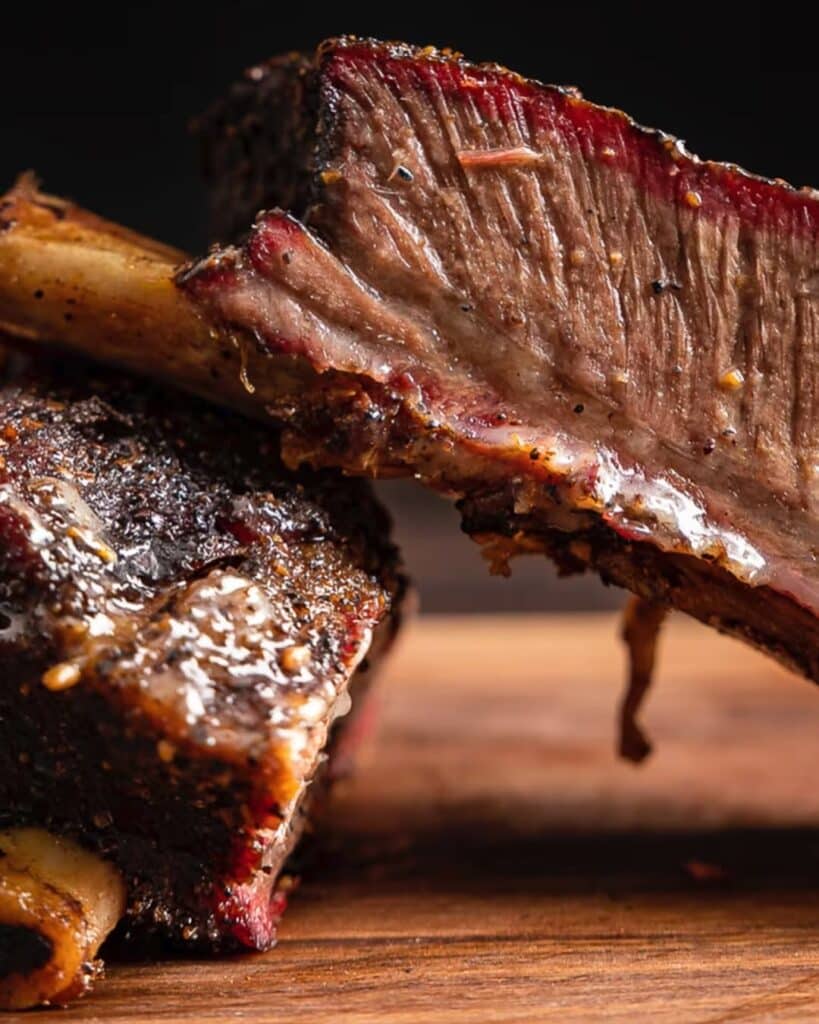
3. Twice-Smoked Bone-In Short Ribs
Affectionately known as “Dino Ribs,” these are a masterclass in connective tissue breakdown. You start with a tough, stubborn piece of meat and, through the magic of 250°F heat, transform collagen into gelatin.
The result is a rich, silky mouthfeel that a steak simply cannot replicate. If the meat doesn’t jiggle like a bowl of Jell-O when you poke it, you aren’t done yet.
Recipe card
- The Prep: Remove the top membrane. Rub with salt, pepper, and a hint of garlic powder.
- The Cook: Smoke at 250°F. Spritz with beef broth every hour after the first 3 hours.
- The Finish: Cook until the meat probes like softened butter (approx. 205°F). Serve on the bone for the visual “wow” factor.
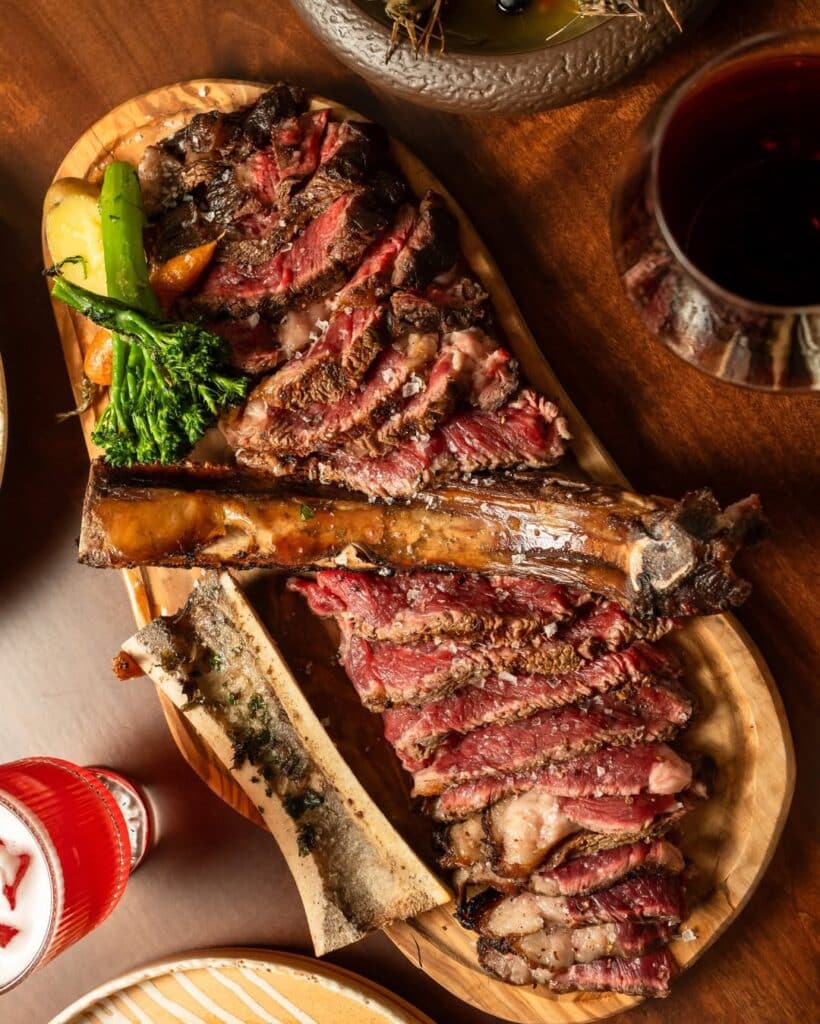
4. Dry-Aged Tomahawk Ribeye
This is as much a science project as it is a meal. Dry-aging for 45+ days allows natural enzymes to break down the muscle fibers while moisture evaporates, concentrating the beefy flavor into something almost “blue-cheesy.”
It’s funky, it’s intense, and with that giant frenched bone sticking out, it makes you look like a sophisticated caveman. Pro tip: Use a high-end WiFi thermometer here. At $100 a pop, “winging it” on the internal temp is a sin.
Recipe card
- The Prep: Salt 24 hours in advance and leave uncovered in the fridge (dry brining).
- The Cook: Reverse sear. Bake at 225°F until the internal temp hits 115°F.
- The Finish: Move to a hot pan with butter, rosemary, and garlic. Baste until the internal temp reaches 130°F (Medium Rare).
Artisanal Seafood & Coastal Gems
The ocean is the ultimate provider, but being a foodie means looking beyond the “catch of the day” chalkboard.
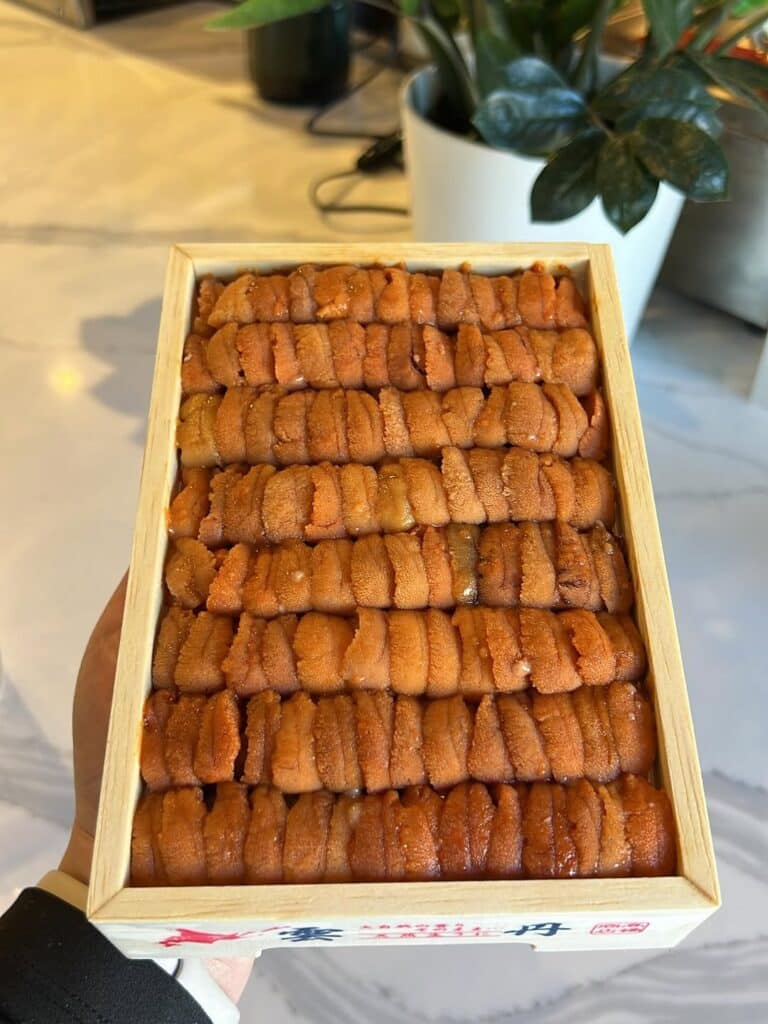
5. Hokkaido Sea Urchin (Uni)
Uni is the ultimate “umami bomb.” Sourced from the cold waters of Northern Japan, Hokkaido uni is prized for its creamy, custard-like texture and a sweetness that tastes like a clean ocean breeze.
It’s polarizing – people either love it or think it looks like something from a sci-fi movie – but for the initiated, it is the pinnacle of luxury.
Recipe card
- The Prep: Boil linguine in salted water.
- The Cook: In a pan, melt butter with minced garlic and a splash of pasta water. Whisk in 3-4 pieces of uni until it creates a creamy orange sauce.
- The Finish: Toss with pasta, top with fresh uni lobes and lemon zest.
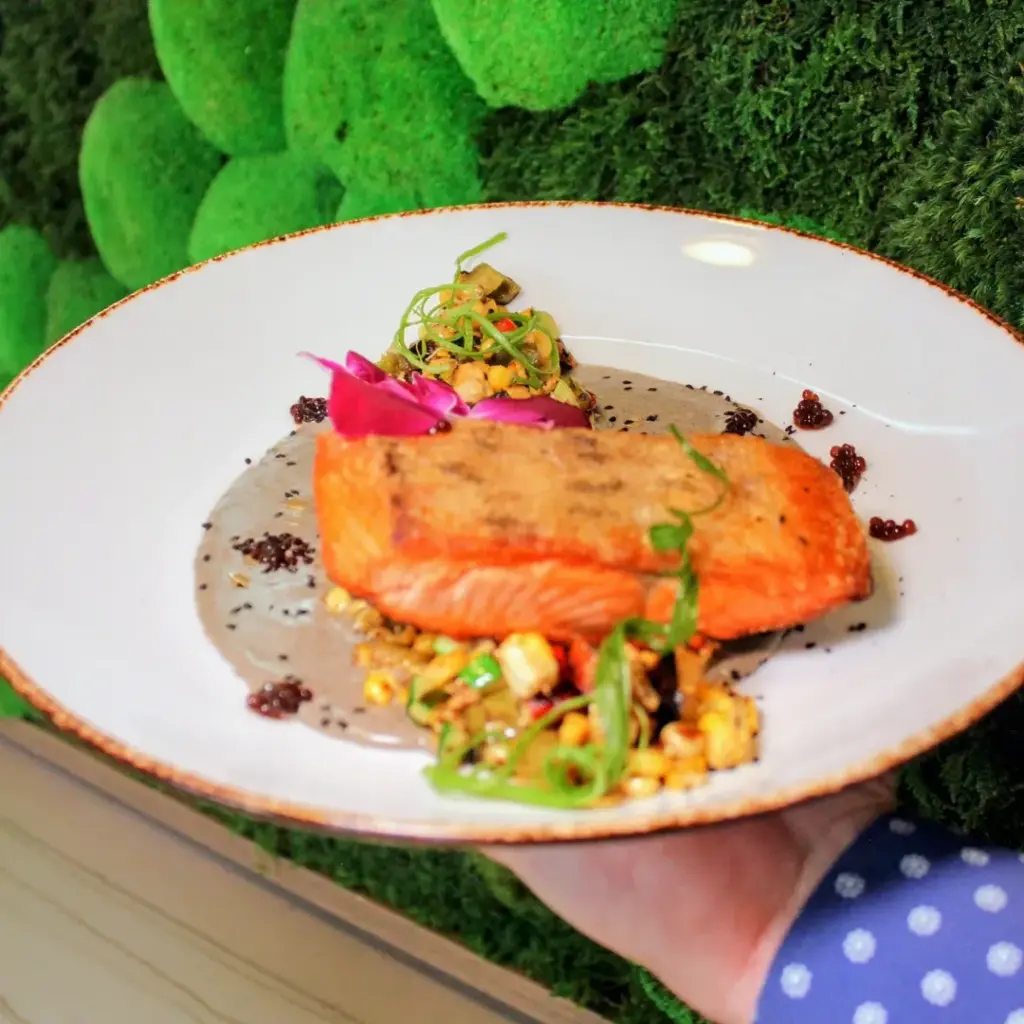
6. Dry-Aged King Salmon
Wait, aging fish? Absolutely. The new frontier of gourmet seafood involves hanging fish in climate-controlled lockers to wick away moisture.
This concentrates the fats and results in skin that crisps up like a potato chip while the flesh stays incredibly succulent. It’s a game-changer for anyone who thinks they’ve “seen it all” with salmon.
Recipe card
- The Prep: Score the skin lightly. Season the flesh side with salt.
- The Cook: Place skin-side down in a cold non-stick pan. Turn heat to medium-high. Press down with a weight for 4 minutes.
- The Finish: Flip for only 30 seconds to kiss the flesh side. The skin should be glass-shattering crisp.
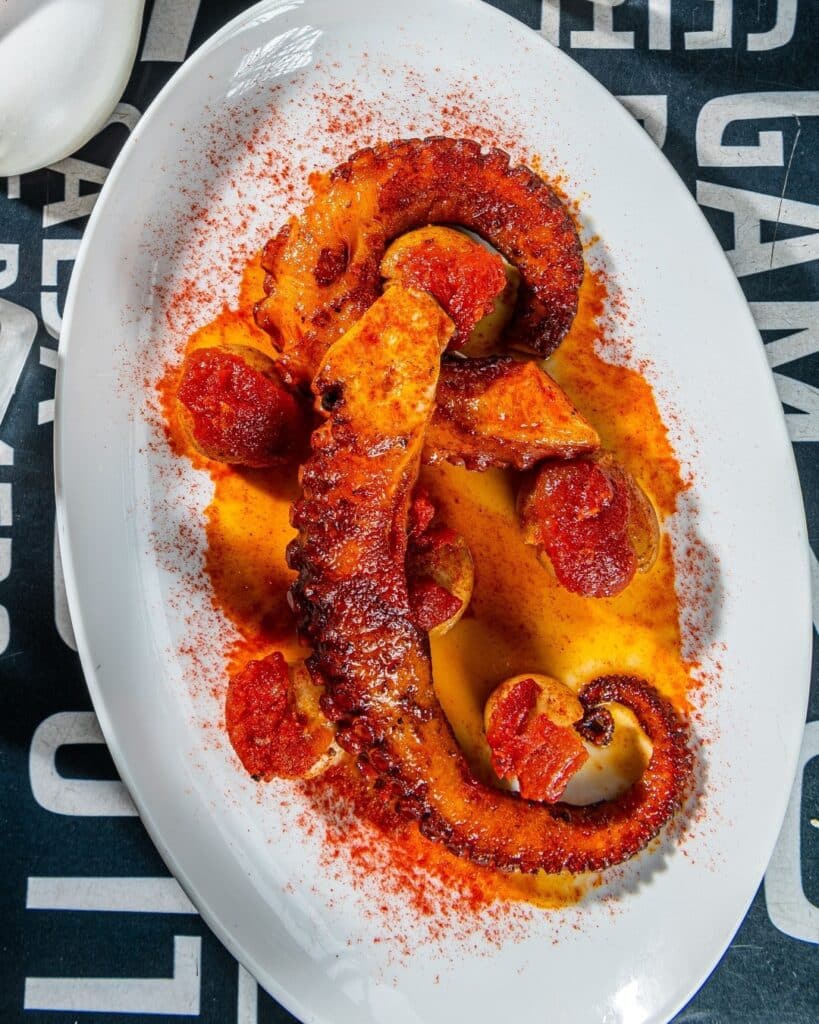
7. Spanish Octopus (Pulpo a la Gallega)
Octopus is notoriously difficult; it’s either a rubber band or a masterpiece. The gourmet approach involves a “scare” technique – dipping the tentacles in boiling water three times to curl them – followed by a gentle braise.
When done right, it should be as tender as a ripe pear. Serve it with smoked paprika and high-quality olive oil, and you’ll understand why Spain treats this like a religion.
Recipe card
- The Prep: Boil a whole octopus with an onion and bay leaf for 45-60 minutes until tender.
- The Cook: Slice the tentacles into coins. Toss in premium EVOO.
- The Finish: Dust heavily with pimentón (smoked Spanish paprika) and coarse sea salt. Serve over boiled potato slices.
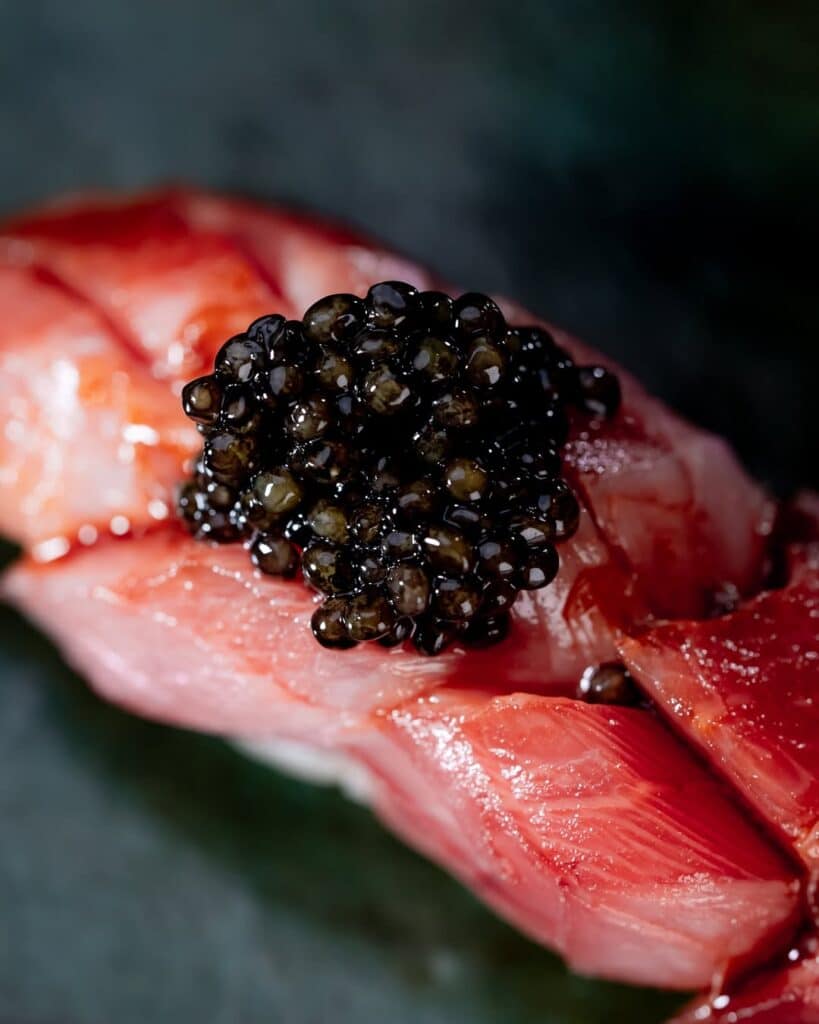
8. Bluefin Tuna Otoro
Otoro is the fattiest part of the tuna belly. It’s so rich that it actually has a lower melting point than human body temperature. This means the second it hits your tongue, it begins to dissolve.
It’s the ultimate expression of “clean” fat and a mandatory experience for any serious sushi enthusiast.
Recipe card
- The Prep: Hand-dice the fatty tuna into $1/4$-inch cubes.
- The Cook: No heat! Mix with a teaspoon of white soy sauce and a micro-dab of fresh wasabi.
- The Finish: Serve on a toasted brioche point with a single chive.
Elevated Plant-Based & Fungi
You don’t need a pulse to have a “meaty” experience. These selections prove that the dirt can produce flavors just as complex as the smokehouse.
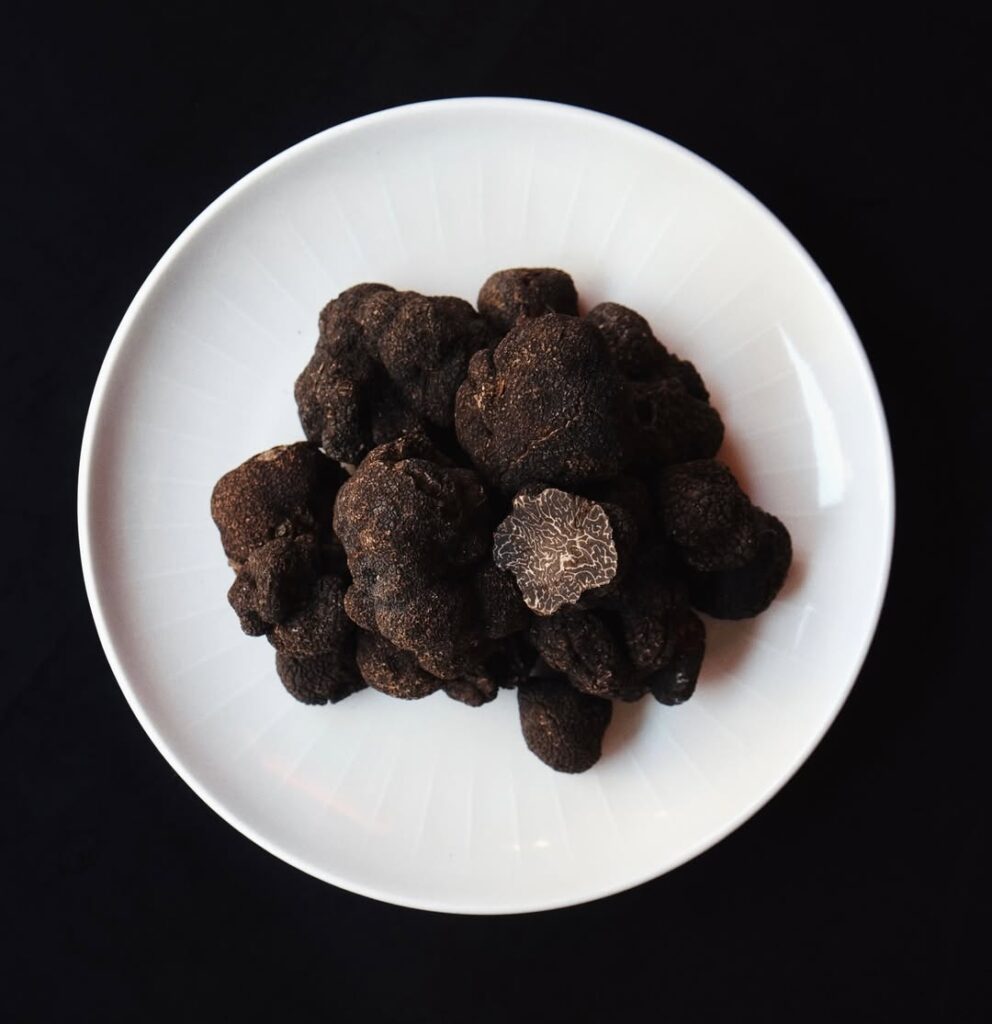
9. Fresh Perigord Black Truffles
Forget truffle oil – that stuff is mostly perfume and chemicals. We’re talking about the real deal, shaved thin over a simple pasta or eggs. The aroma is musky, earthy, and slightly intoxicating.
It’s the kind of ingredient that makes you realize why people use trained pigs to dig them up in the middle of the night.
Recipe card
- The Prep: Toast black peppercorns; grate Pecorino Romano.
- The Cook: Emulsify cheese and pepper with starchy pasta water.
- The Finish: Shave fresh black truffle over the top just before serving. The heat of the pasta will release the aroma.
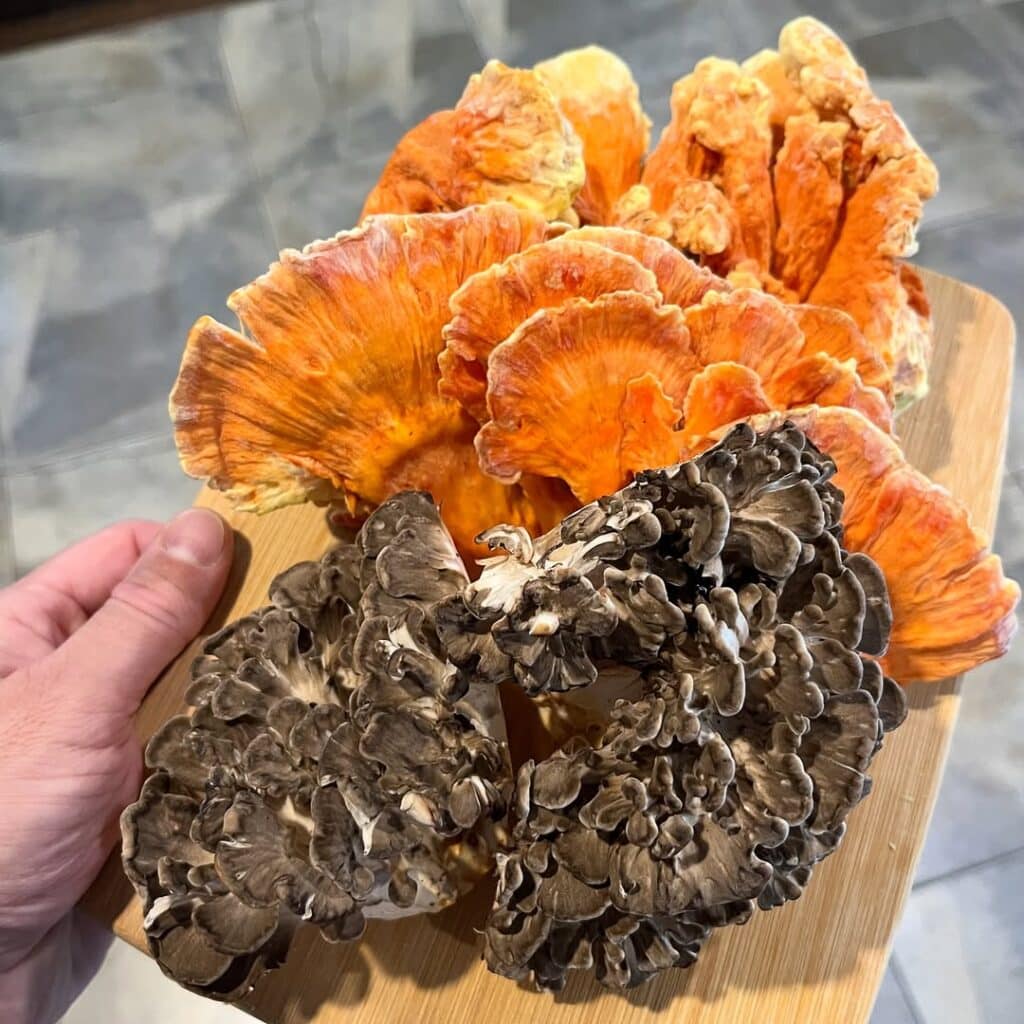
10. Maitake “Hen of the Woods” Steaks
Maitake mushrooms have a wild, feathery structure that creates an incredible amount of surface area. When you press them into a hot cast-iron skillet, you get a massive Maillard reaction on every little leaf.
It’s crunchy, savory, and carries a woody depth that can stand up to any red wine.
Recipe card
- The Prep: Keep the mushroom cluster whole.
- The Cook: Sear in a hot pan with oil. Place a second heavy pan on top to flatten the mushroom.
- The Finish: Once crispy on both sides, deglaze with soy sauce and butter.
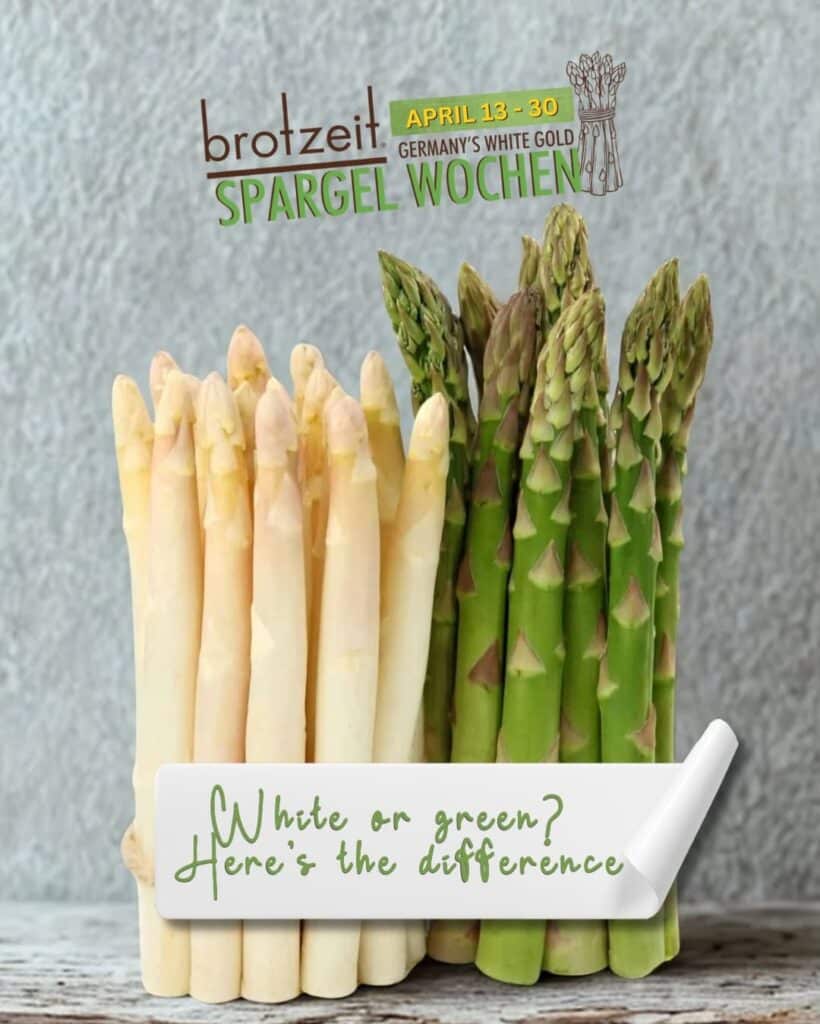
11. White Asparagus
In Europe, “Spargelzeit” (white asparagus season) is a frenzy. Grown underground to prevent chlorophyll development, these stalks are tender, mild, and lack the bitterness of their green cousins.
They are the “ivory” of the vegetable world, usually served with a rich Hollandaise that makes you forget you’re eating something healthy.
Recipe card
- The Prep: Peel the stalks (the skin is woody). Boil in water with a pinch of sugar and lemon.
- The Cook: Simmer for 8-12 minutes until fork-tender.
- The Finish: Drown in a rich, buttery Hollandaise sauce and sprinkle with chervil.
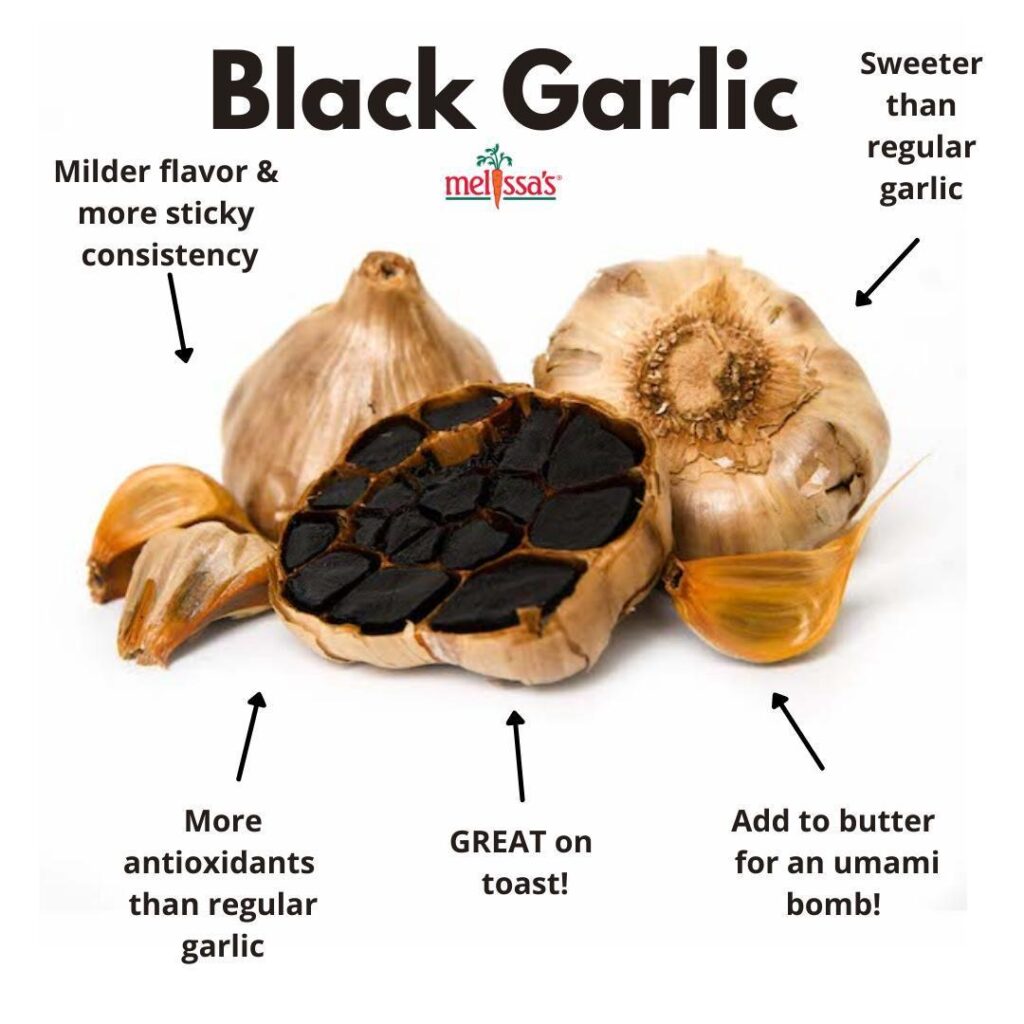
12. Fermented Black Garlic
Black garlic isn’t a specific species; it’s regular garlic that has been aged under low heat for weeks. The cloves turn pitch black and take on the texture of a gummy bear, with a flavor profile of balsamic, tamarind, and licorice.
It’s the “secret sauce” for chefs looking to add a mysterious depth to sauces and rubs.
Recipe card
- The Prep: Mash 4 cloves of black garlic into a paste.
- The Cook: Fold the paste into 1 stick of softened, high-fat salted butter.
- The Finish: Roll into a log using plastic wrap and chill. Slice onto a hot steak or roasted carrots.
Global Delicacies & Ferments
True gourmet food often involves the “controlled rot” of fermentation or the extreme dedication of traditional artisans.
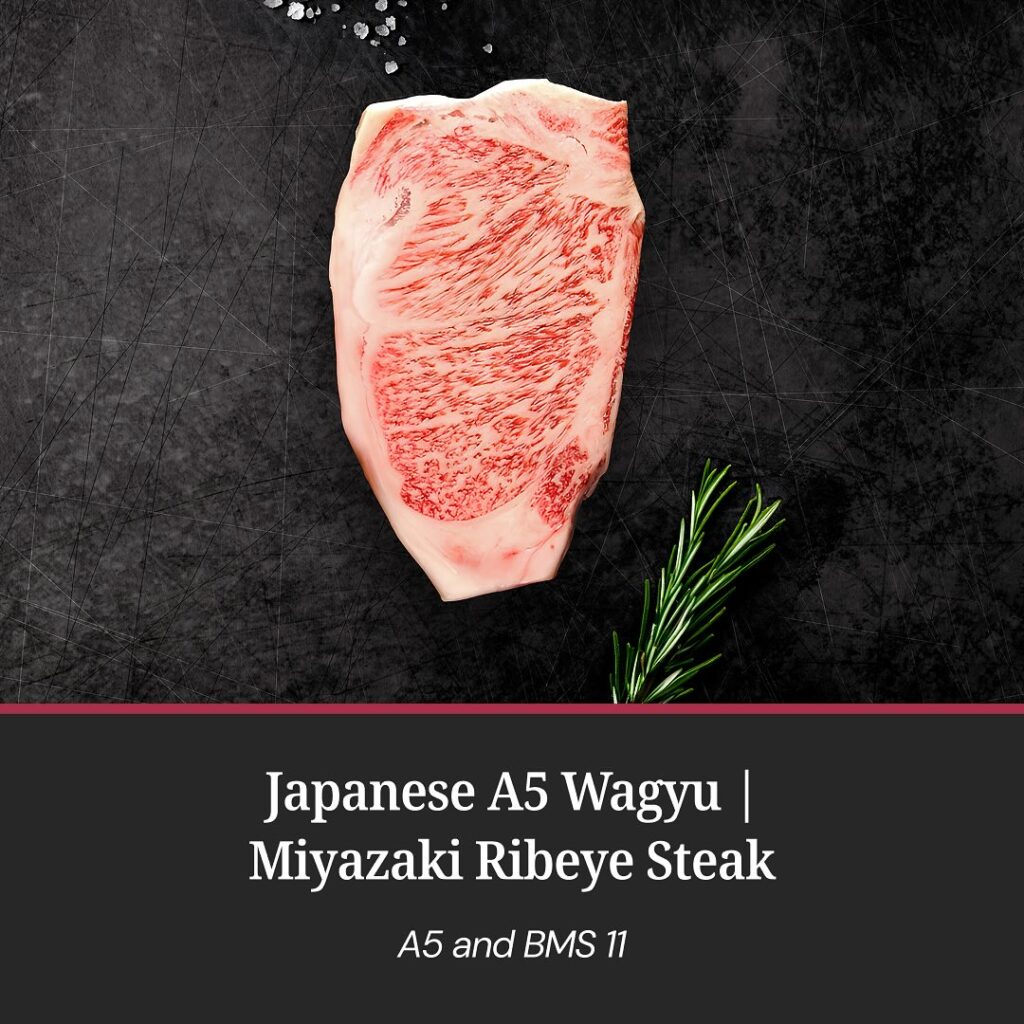
13. A5 Miyazaki Wagyu
The “A5” isn’t just a cool-sounding name; it’s a rigorous grade. Miyazaki beef is famous for its snowflakes of fat. It’s so rich that eating a 12-ounce steak would be like eating a stick of butter – don’t do it.
A true foodie enjoys two or three ounces, seared hard and fast, appreciating the way the fat coats the palate.
Recipe card
- The Prep: Thinly slice A5 Wagyu into rectangles.
- The Cook: Place over a small ball of seasoned sushi rice.
- The Finish: Briefly torch the top of the beef until the fat glistens. Top with a tiny bit of sea salt.
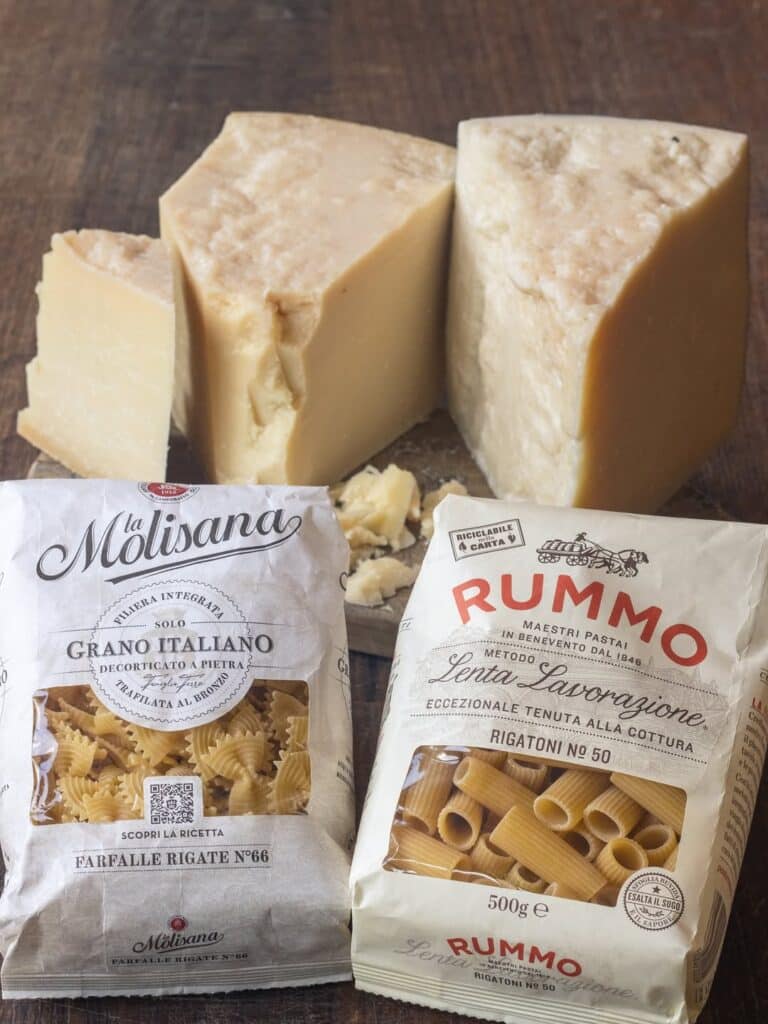
14. 36-Month Aged Parmigiano-Reggiano
Most people know the green shaker can. This is not that. A three-year-old wheel of real Parma develops tyrosine crystals – those little white crunchy bits that explode with salt and umami.
It’s not just cheese; it’s a savory confection.
Recipe card
- The Prep: Break 36-month Parmigiano into rough chunks (don’t slice it!).
- The Cook: Raw assembly.
- The Finish: Drizzle with chestnut honey. The bitterness of the honey balances the salty tyrosine crystals.
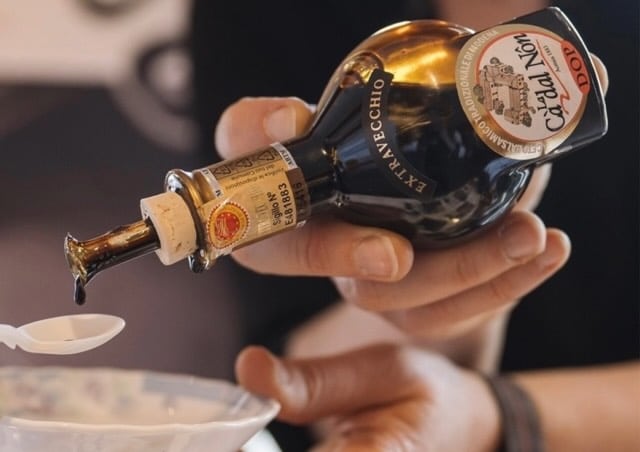
15. Traditional Balsamic Vinegar of Modena (DOP)
Standard balsamic is vinegar with caramel coloring. Traditional balsamic is grape must aged in a series of wooden barrels (oak, chestnut, cherry) for at least 12 years.
It becomes thick, syrupy, and incredibly complex. A single drop on a piece of Parmigiano or a strawberry is enough to change your life.
Recipe card
- The Prep: Scoop high-quality vanilla bean gelato.
- The Cook: Raw assembly.
- The Finish: Drizzle exactly 3-4 drops of DOP Traditional Balsamic. It tastes like dark berries and oak.
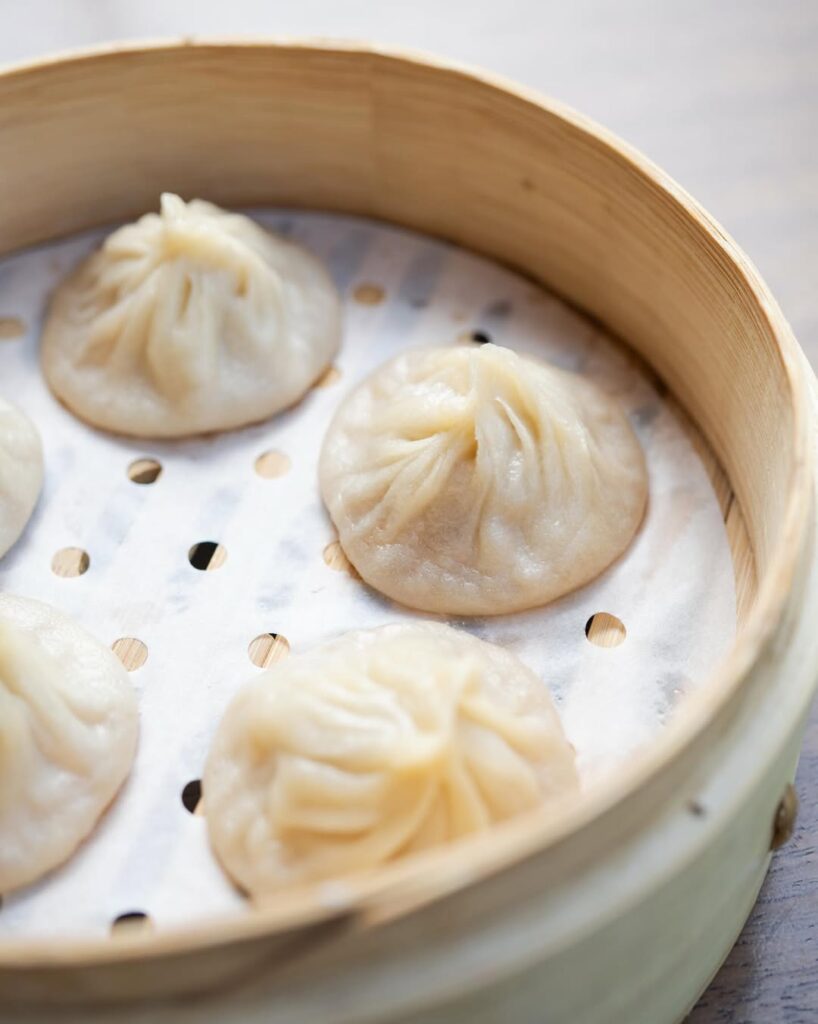
16. Hand-Folded Xiao Long Bao
These soup dumplings are a technical marvel. The “soup” is actually a chilled aspic (collagen-rich broth) folded into the dough. When steamed, the aspic melts, creating a hot, savory bath inside the dumpling. It’s a miracle of physics you can eat.
Recipe card
- The Prep: Use high-quality frozen or fresh soup dumplings.
- The Cook: Place in a non-stick pan with a little oil. Fry until the bottoms are golden.
- The Finish: Add a splash of water, cover, and steam for 6 minutes. Serve with black vinegar and ginger matchsticks.
The “New School” Essentials
Rounding out our list are the modern touches that turn a good meal into a legendary one.
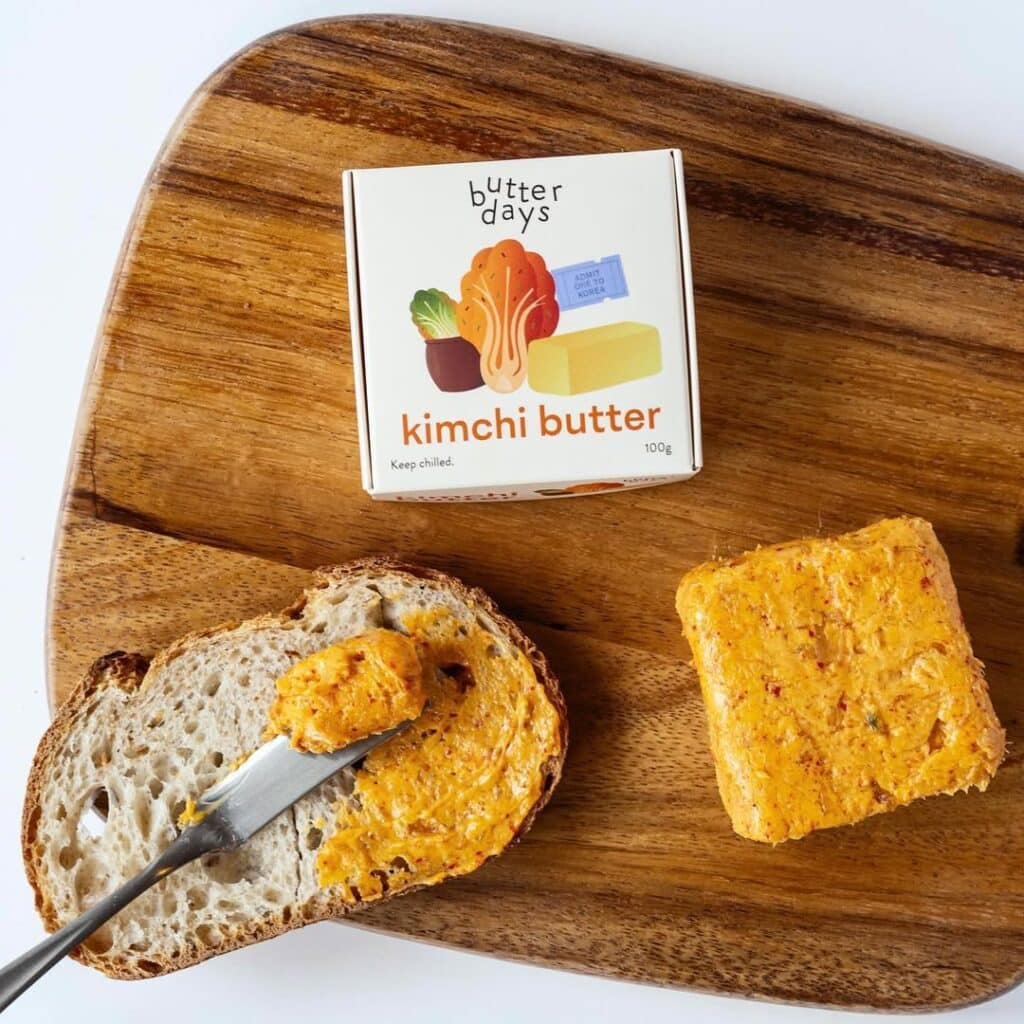
17. Cultured Compound Butters
Butter is great, but cultured butter is fermented with live bacteria before churning. This gives it a tangy, complex “funk” that elevates everything it touches. Whip it with some smoked sea salt and ramps, and you’ve got a condiment that’s better than the main course.
Recipe card
- The Prep: Slice cold French breakfast radishes in half.
- The Cook: Raw assembly.
- The Finish: Slather a thick layer of cultured butter on the radish and dip into flaky Maldon sea salt.
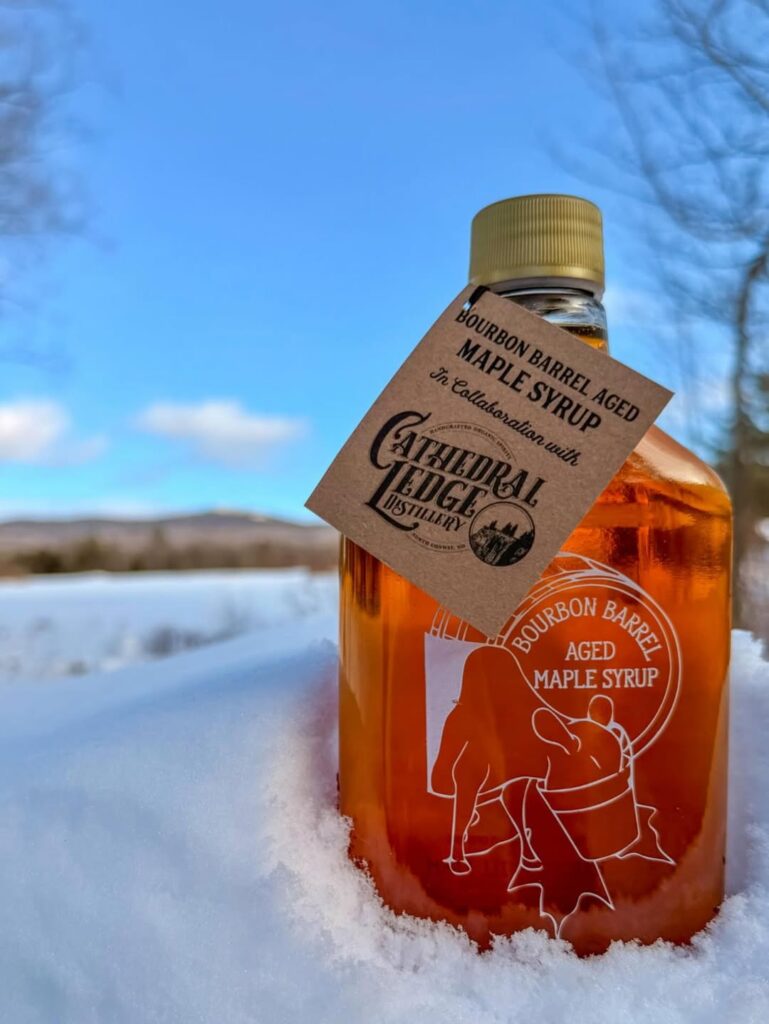
18. Bourbon-Barrel Aged Maple Syrup
Take the best maple syrup in Vermont and stick it in a charred bourbon cask for six months.
You get the sweetness of the maple infused with the vanilla, oak, and smoke notes of the whiskey. It’s the ultimate topping for a thick stack of sourdough pancakes or – if you’re feeling wild – a glaze for that Iberico pork we talked about earlier.
Recipe card
- The Prep: Peel heirloom carrots, leaving an inch of green stem.
- The Cook: Roast at 400°F with oil.
- The Finish: In the last 5 minutes, toss with Bourbon-barrel aged maple syrup and a pinch of cayenne. Roast until sticky and caramelized.
The Verdict: Quality Over Quantity
Eating like a foodie isn’t about being a snob; it’s about being an explorer. It’s about realizing that a perfectly aged piece of cheese has more “story” than a fast-food burger.
Whether you’re upgrading your kitchen kit with a precision Santoku knife or finally pulling the trigger on that high-end smoker, remember that the best ingredient you can bring to the table is curiosity.
Go find a hero ingredient this weekend. Light the fire, check your temps, and don’t be afraid to fail. Even a “bad” Wagyu steak is still a pretty great day at the office.
Sidebar: The Foodie’s Toolkit
If you’re going to invest in these ingredients, don’t disrespect them with dull tools.
- The Blade: A high-performance Santoku knife is your best friend for the precision prep required for mushrooms and fish.
- The Tech: A WiFi thermometer is non-negotiable for low-and-slow meats. If you aren’t monitoring that 203°F internal temp from your phone while you’re prepping the sides, you’re living in the dark ages.
- The Heat: Always aim for a heavy-bottomed pan or a seasoned grate. The better the heat retention, the better the Maillard reaction.
Featured image credit: @urvashirampariya
