
I was in the thick of it for years – tending fires, waiting hours for brisket to reach that perfect point where collagen melts into something unforgettable, a slow transformation that rewards patience and true respect for craft.
I understand patience, the importance of the right seasoning, and the absolute sanctity of a shared meal. But there is one time of year that makes my longest smoke-day look like a quick trip to a fast-food drive-thru.
I’m talking about Ramadan and Iftar.
For over a billion people, this month isn’t just about skipping lunch. It’s a high-stakes, high-reward spiritual marathon. As a pitmaster, I see the parallels everywhere.
You’ve got the preparation, the internal “cook” time, and the glorious “rest” period. It’s about more than just the meat on the bone; it’s about the spirit in the man.
The Crescent Moon Rises: Setting the Stage
Every great cookout starts with a plan. In the Islamic calendar, that plan starts when the thin sliver of the new moon – the hilal – shows its face in the night sky.
There’s an energy that shifts in the air. It’s like the calm before a massive BBQ competition. People start clearing their schedules, stocking their pantries, and mentally preparing for a month of “low and slow” spiritual growth.
Ramadan is the ninth month of the Islamic lunar calendar. It’s not just a tradition; it’s one of the Five Pillars of Islam. Think of it as the foundational dry rub for a life of faith. Without it, things just don’t taste right.
It’s a time of deep “me-time” with the Creator, but it’s performed alongside millions of others.
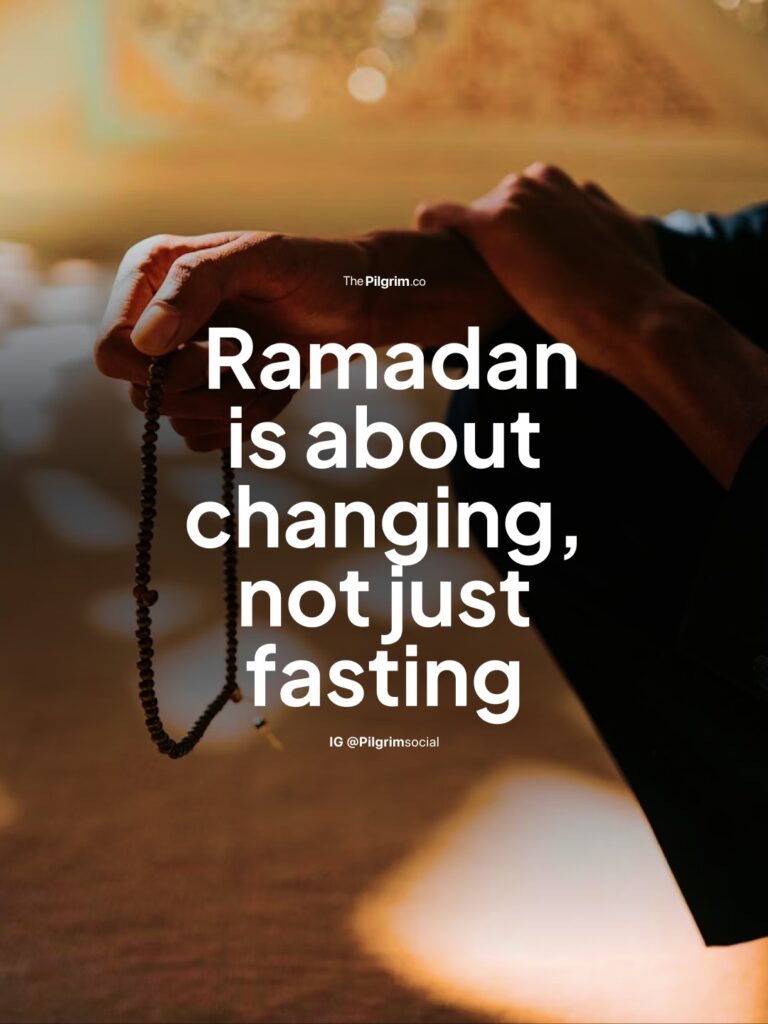
The Spiritual Foundation: Why We Fast
You might be asking, “Boss, why would anyone go from sunrise to sunset without even a sip of water?”
It sounds like a recipe for disaster, right? But here’s the secret sauce: Taqwa.
Taqwa is often translated as “God-consciousness.” In pitmaster terms, it’s like having an internal thermometer for your soul. It’s about being mindful of every action, every word, and every thought.
Key Point: Fasting isn’t a punishment; it’s a recalibration.
When you remove the distraction of food, you start to notice the “off-notes” in your character. Are you losing your temper? Are you gossiping?
Fasting forces you to face yourself. It’s a “fast of the tongue and heart.” If you’re fasting but still acting like a jerk, you’re just a hungry guy – you aren’t really fasting.
It’s also about empathy. You can’t truly understand the hunger of the poor by reading a brochure. You have to feel that rumble in your own gut. It turns “sympathy” into “action.”
The Anatomy of a Ramadan Day: From Suhoor to the Slump
A typical day in Ramadan is a game of two halves.
Suhoor: The Pre-Dawn Fuel-Up Before the sun peeks over the horizon, there’s Suhoor. This is the most important prep work of the day. You want slow-burning fuel. Think complex carbs, proteins, and enough water to keep a camel happy.
- Pitmaster Pro Tip: Oats, eggs, and avocados are your best friends here. Sugary cereal is a rookie mistake – you’ll crash by 10:00 AM.
The Working Day The world doesn’t stop because you’re fasting. You still have to answer emails, fix cars, or – in my case – watch a smoker. The challenge is keeping your cool when your energy is dipping.
The Late Afternoon Slump Around 4:00 PM, things get real. Your brain feels a bit like a piece of overcooked jerky. This is where the mental “low and slow” kicks in. You learn to pace yourself.
You realize that you don’t need that third cup of coffee to be a functional human being. It’s a masterclass in self-discipline.
Iftar: The Moment of Breaking
Now we get to the main event. Iftar is the meal that breaks the fast at sunset.
If you’ve ever waited for a rack of ribs to finish while the smell is driving you crazy, you know 1% of the anticipation of Iftar.
When the Adhan (the call to prayer) rings out at sunset, it’s the most beautiful sound on earth.
The Sunnah of the Date Traditionally, you break the fast with a date and a glass of water.
Why?
- It’s Sunnah: It’s following the practice of the Prophet Muhammad.
- The Science: Dates are like nature’s energy gel. They give you an immediate hit of natural sugar to wake up your system without sending it into shock.
That first sip of water? Important Phrase: It’s the closest thing to a miracle you’ll taste all year. It reminds you that the simplest things in life are the ones we should be most grateful for.
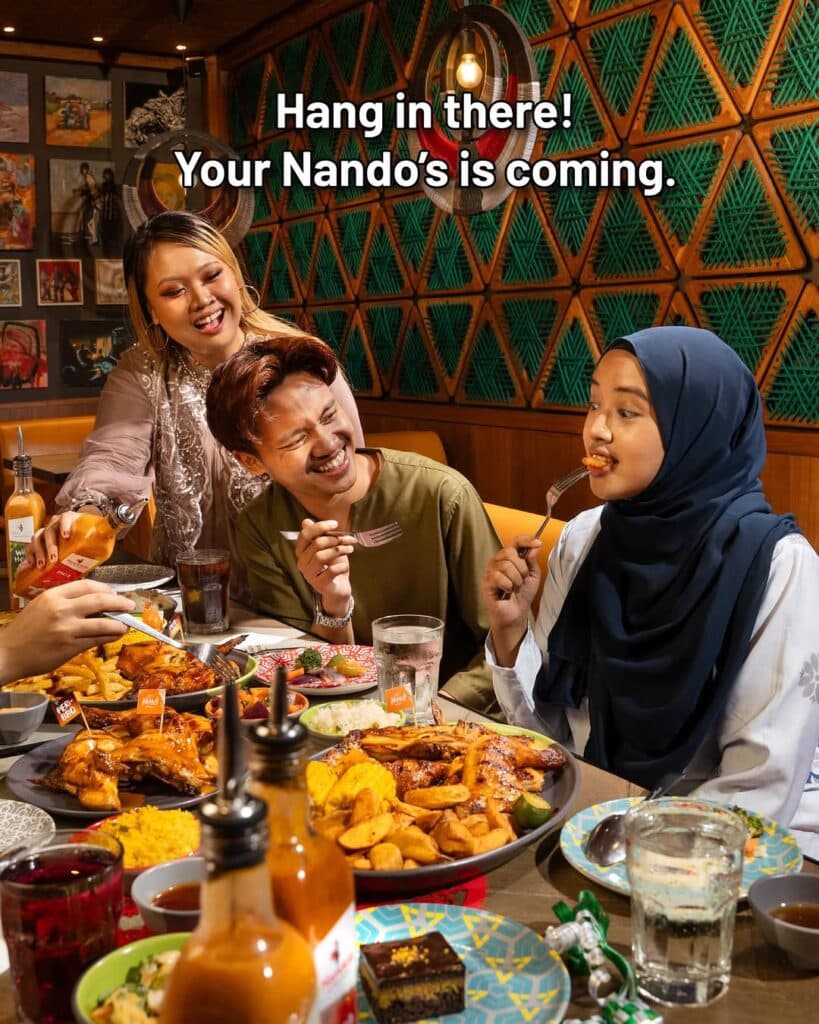
A Global Table: The Culinary Diversity of Iftar
This is where the flavor profile gets interesting. Islam is global, and so is the food.
- The Middle East: You’re looking at lentil soups that could cure a broken heart, followed by Ouzi (lamb and spiced rice) and the legendary Kunafeh – cheese pastry soaked in syrup. It’s rich, it’s heavy, and it’s glorious.
- South Asia: Get ready for the “Fried Olympics.” Samosas, Pakoras, and Fruit Chaat. There’s also Haleem, a slow-cooked stew of meat, lentils, and wheat that’s basically the brisket of the soup world.
- Southeast Asia: In Malaysia and Indonesia, you’ll find Bubur Lambuk, a creamy rice porridge, and colorful layered cakes called Kuih.
- The West: In the US and UK, you see a “fusion Iftar.” I’ve seen brothers breaking their fast with halal smoked brisket and cornbread. That’s my kind of worship.
The Heart of the Home: Family and Community
You can’t have a BBQ alone – well, you can, but it’s a bit sad. The same goes for Iftar.
Ramadan and Iftar are built on the concept of Ummah, or community. The “Iftar Party” is a staple. You invite your cousins, your neighbors, and even that guy from work who always asks “not even water?”
There is a specific kind of “Ramadan Fatigue” that hits the kitchen staff – usually the moms and grandmas. They are the unsung heroes, the pitmasters of the home, turning out massive feasts while fasting themselves.
In the Muslim tradition, the person who feeds a fasting person gets the same reward as the one who fasted.
If you’re the one eating and not the one cooking, you better be doing the dishes for the rest of the year. That’s just common sense theology.
Charity: The Ultimate “Pay It Forward”
In the BBQ world, we share the scraps. In Ramadan, we share the best cuts.
Charity, or Sadaqah, goes into overdrive this month. There’s also Zakat al-Fitr, a mandatory donation given at the end of the month to make sure the poor have enough food to celebrate the upcoming holiday.
Many mosques host “Open Iftars” where anyone – Muslim or not – can walk in and get a free meal. It’s a beautiful sight. It levels the playing field.
The CEO and the guy sleeping on the street sit shoulder-to-shoulder, breaking the same bread. It reminds us that at the end of the day, we’re all just hungry people looking for a little light.
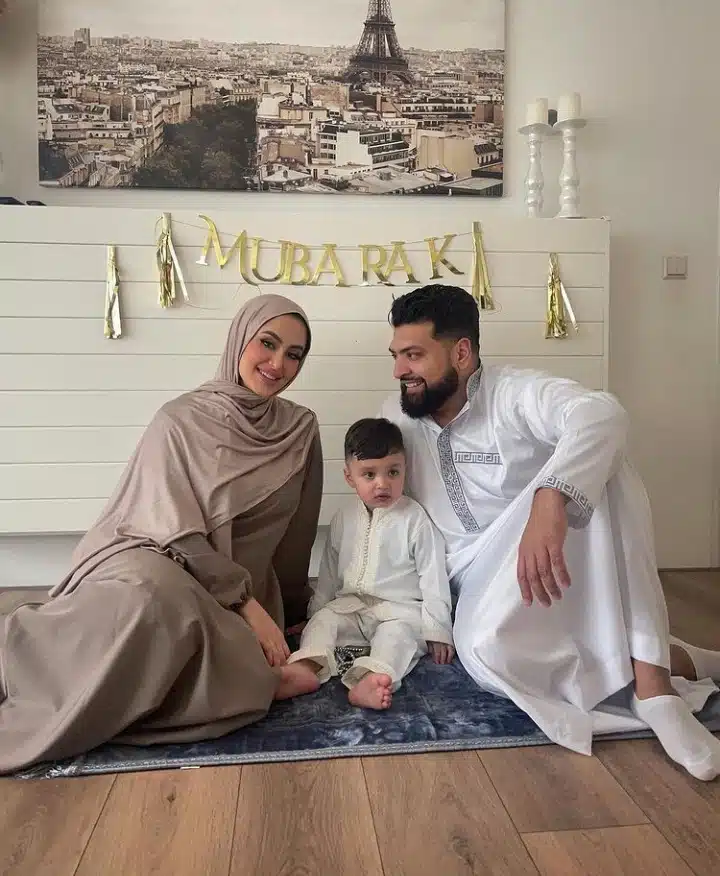
Fasting in 2026 isn’t the same as it was a thousand years ago. We’ve got distractions.
- The “Food Coma” Trap: It’s tempting to eat like a shark at Iftar, but if you do, you’ll be useless for the evening prayers. Pace yourself. Treat your stomach like a smoker – don’t overload the firebox or you’ll choke the flame.
- Workplace Woes: Trying to explain to your boss why you’re a bit slower at 3:00 PM can be tough. But many find that the focus actually increases once the initial hunger pangs pass.
- The Digital Fast: A lot of people use this month to take a break from social media. Less scrolling, more soul-searching.
Taraweeh: The Nightly Vigil
After Iftar, when you’re feeling human again, there’s Taraweeh. These are long, communal prayers held at the mosque every night.
It’s the “resting” phase of the meat.
You’ve done the hard work of the day, you’ve broken the fast, and now you stand in a long line of people, listening to the Quran being recited from start to finish over the course of the month.
There’s a rhythmic, meditative quality to it. Even if you don’t understand every word of Arabic, the vibe is unmistakable. It’s about endurance. It’s about showing up.
The Grand Finale: From the Table to the Heart
As the month winds down, we hit the final ten nights. This is the “crunch time.” Somewhere in these nights is Laylat al-Qadr, the most sacred night of the year. Muslims stay up all night praying, seeking a “reset” for their lives.
And then, just like that, the moon disappears and a new one arrives.
Eid al-Fitr begins.
Eid is the big celebration. It’s the awards ceremony for the marathon. People wear their best clothes, give gifts, and – you guessed it – eat some more. But there’s a bittersweet feeling.
You’ve spent 30 days refining your spirit, and you don’t want to go back to your old, messy ways.
Pitmaster’s Closing Thoughts
Ramadan and Iftar teach us three things:
- Patience is a muscle; you have to work it.
- Gratitude is the best seasoning for any meal.
- Community is the fire that keeps us warm.
Whether you’re a devout Muslim or just someone curious about the culture, there’s a lesson here for everyone. We all need to “fast” from something – maybe it’s our phones, our egos, or our bad habits.
If you want to experience the true spirit of humanity, find a local Iftar. Bring an open heart (and maybe a side dish, if it’s a potluck). You’ll find that when we strip away the excess, what’s left is pretty darn good.
FAQs
1. “Wait, you really don’t drink water? Not even a little sip?”
The Short Answer: Nope. Not a drop.
The Pitmaster Perspective: From the moment the sun peeks out until it dips below the horizon, it’s a total dry fast. Think of it like a “system flush.” It sounds tough – and it is – but your body is incredibly adaptable.
By day three, your brain stops screaming for a latte and starts focusing on the spiritual task at hand. However, there are “safety valves”: children, the elderly, pregnant women, and anyone who is ill or traveling are exempt.
God isn’t looking for heatstroke; He’s looking for a sincere heart.
2. “What happens if you accidentally eat something?”
The Short Answer: You keep going.
The Pitmaster Perspective: If you forget you’re fasting and smash a handful of peanuts, you don’t lose the “competition.” In Islamic tradition, that’s considered a “gift from God.”
You just stop as soon as you realize, rinse your mouth, and keep the fast going. It’s about intent, not perfection.
3. “Why does the date of Ramadan change every year?”
The Short Answer: It follows the moon, not the sun.
The Pitmaster Perspective: The Islamic calendar is lunar, which is about 10 to 11 days shorter than the Gregorian (solar) calendar. This means Ramadan “rotates” through the seasons.
One decade you’re fasting in the dead of winter (short days, easy mode), and the next you’re doing it in the blistering July heat (long days, legendary mode).
This ensures that over a lifetime, every believer experiences the fast in every climate.
4. “Is Iftar just one big cheat meal?”
The Short Answer: It shouldn’t be, but sometimes it is.
The Pitmaster Perspective: If you treat Iftar like an all-you-can-eat buffet every night, you’re going to feel like a soggy rack of ribs by morning. The goal is to nourish, not punish.
The smartest “eaters” break their fast with dates and water, pray, and then eat a balanced meal. If you overstuff the firebox, you’ll be too tired for the nightly Taraweeh prayers.
5. “How can I be a good friend to someone fasting?”
The Short Answer: Don’t be weird about it.
The Pitmaster Perspective: You don’t have to hide your lunch in the closet! Most Muslims don’t mind if you eat around them. The best thing you can do is avoid asking “Are you hungry?” (Spoiler: They are).
Instead, wish them a “Ramadan Mubarak” (Blessed Ramadan) or join them for an Iftar. Bringing a dessert to an Iftar dinner is the ultimate “good neighbor” move.
6. “What is the ‘Night of Power’?”
The Short Answer: The Super Bowl of the soul.
The Pitmaster Perspective: Known as Laylat al-Qadr, it falls within the last ten nights of the month. It’s believed to be the night the Quran was first revealed.
Muslims believe prayers on this single night are worth more than a thousand months of worship. It’s when everyone “turns up the heat” on their devotion.
The Final Rub
Ramadan is a marathon, not a sprint. Whether you’re fasting or just watching from the sidelines, it’s a masterclass in what humans can achieve when they trade physical comfort for spiritual clarity.
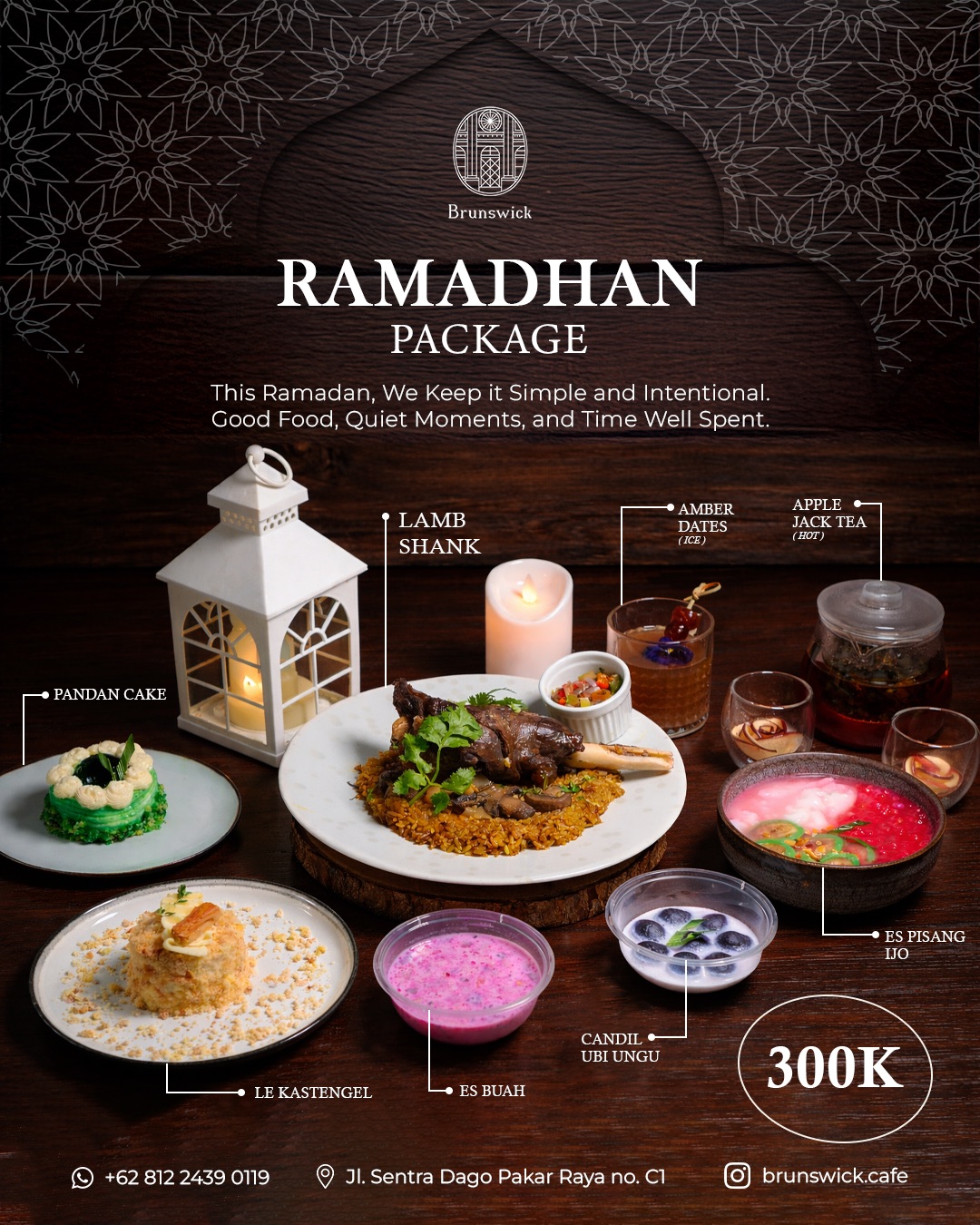
Featured image credit: @brunswick.cafe
