
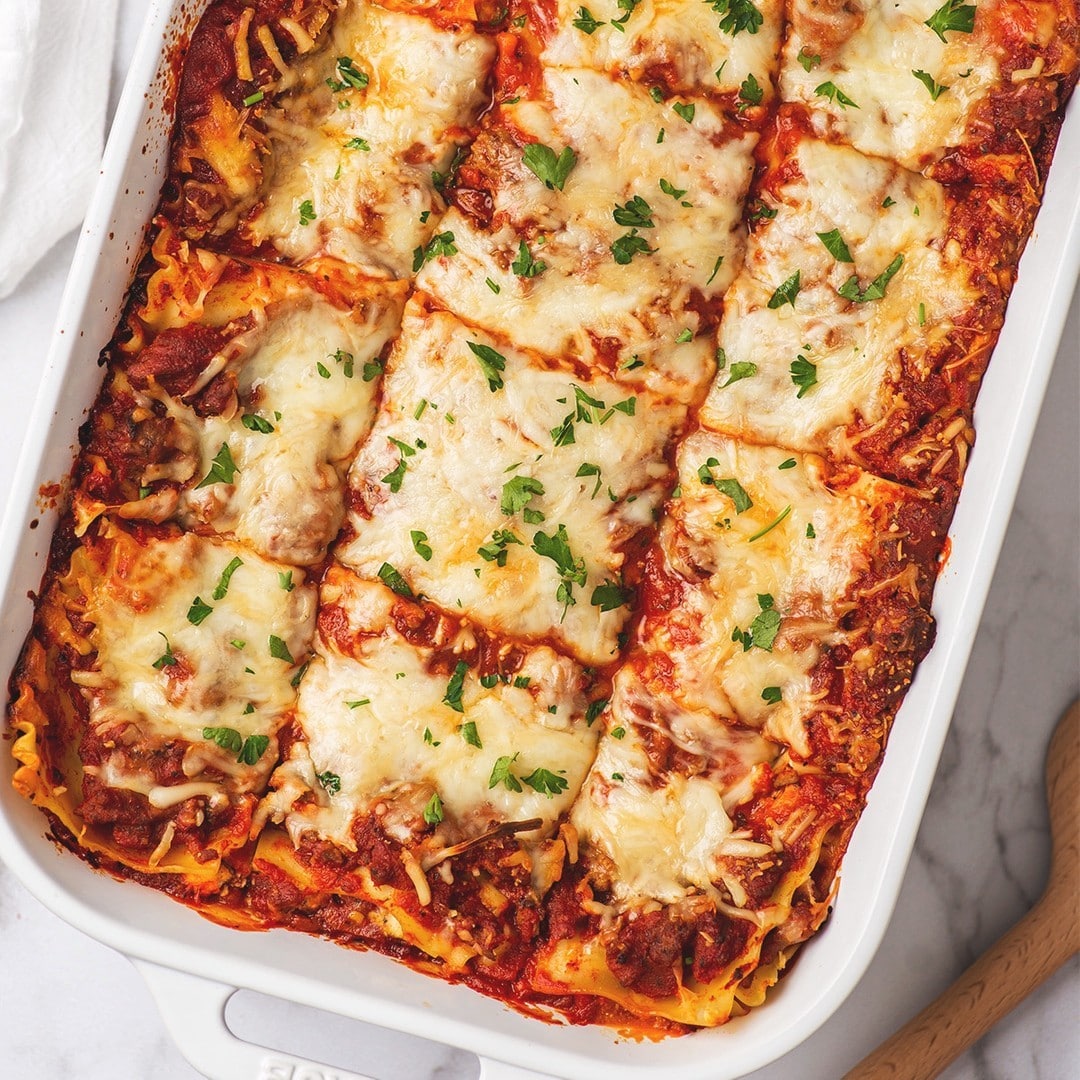
Break your fast with something that actually loves you back.
We’ve all been there: the fast ends, the hunger is a roaring engine, and suddenly you’re standing in the kitchen considering if eating a sleeve of crackers and a block of cheddar constitutes a “meal.”
Stop. You’ve worked too hard to settle for a sad snack. You deserve the heavy hitter, the ultimate trophy at the end of the race: Creamy One-Pot Lasagna.
We’re talking about all the soul-soothing glory of a traditional lasagna – the molten cheese, the savory meat, the tender pasta – but without the structural engineering degree required to layer it, or the sink full of dishes that usually follows.
This is high-level comfort food with a low-effort footprint.

The Anatomy of the Perfect Recovery Meal
When you haven’t eaten for a window of time, your palate is essentially a clean slate.
Your first bite shouldn’t just be fuel; it should be an event. This one-pot lasagna works because it hits the “Holy Trinity” of post-fast cravings: Salt, Fat, and Heat.
Traditional lasagna can be a bit of a diva. It demands you boil the noodles, simmer the red sauce, mix the ricotta, and then – like a high-stakes game of edible Tetris – layer it all together for an hour in the oven.
By the time it’s done, you’re so hungry you’re ready to eat the oven mitts.
The one-pot method flips the script. By cooking the noodles directly in the sauce, we’re harnessing the power of pasta starch.
Instead of that starch disappearing down the kitchen sink drain with the pasta water, it stays in the pot, acting as a natural thickener that turns a basic meat sauce into a velvety, luxurious coating.
The Gear and the Goods
You don’t need a culinary school diploma for this, but you do need a heavy-bottomed pot or a deep cast-iron skillet.
If your pot is too thin, the dairy will scorch at the bottom, and “burnt milk” is a flavor profile precisely nobody is craving.
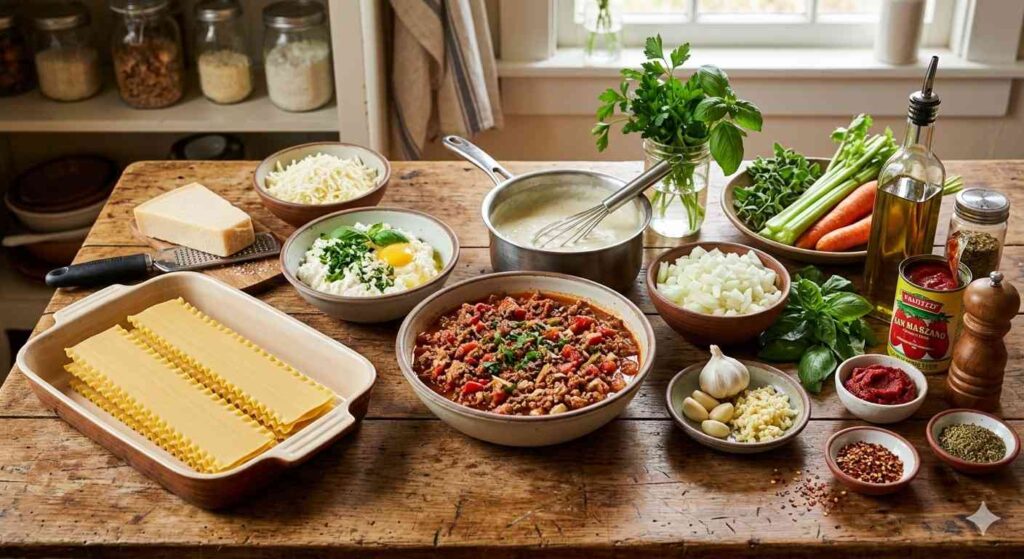
The Cast of Characters:
- The Protein: Use a mix of lean ground beef and spicy Italian sausage. The beef provides the bulk, while the sausage brings the built-in seasoning (fennel seeds are the secret weapon here).
- The Aromatics: Don’t skimp on the onion and garlic. We want enough garlic to keep a vampire at a comfortable three-mile radius.
- The Pasta: Grab standard lasagna noodles and break them into jagged, 2-inch shards. It feels chaotic and a little rebellious, which makes it taste better.
- The Dairy: This is where the “creamy” happens. We’re using a combination of heavy cream and whole-milk ricotta.
The Science of the “Fond”: Your Flavor Insurance Policy
Before you drown your meat in marinara, you need to understand the Fond.
Those little brown, caramelized bits stuck to the bottom of your pot aren’t a cleaning nightmare; they are flavor grenades. In the culinary world, we call this the Maillard reaction.
When you sear your beef and sausage, proteins and sugars transform into complex savory compounds.
- The Searing Rule: High heat is your friend. If the heat is too low, you’re just boiling meat in its own grey juices – a true culinary tragedy.
- The Deglaze: Use a splash of beef broth or dry red wine to lift that crusty gold off the bottom.
- The Result: This integrates a deep, roasted soul into the sauce that simple table salt can’t replicate.
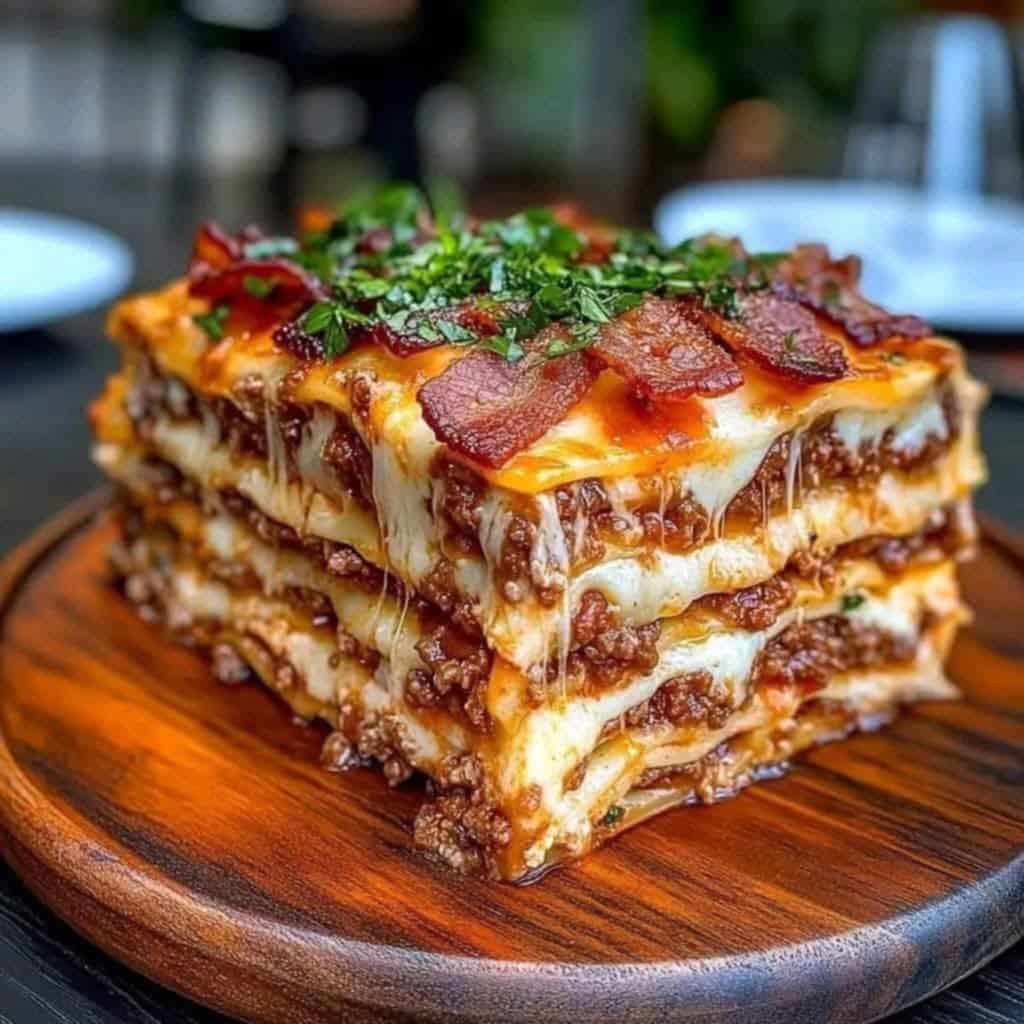
Breaking the Fast: The “Gentle Entry” Strategy
When you’ve been fasting, your digestive system is essentially in “sleep mode.” Jumping head-first into a bowl of heavy pasta can feel like dropping a brick in your stomach.
The trick to enjoying this one-pot lasagna without the post-meal regret is a bit of strategic preparation.
- The 15-Minute Wake-Up: Sip a small cup of warm bone broth or water before the main event to activate your digestive enzymes.
- The Tomato Advantage: The natural acidity of the tomatoes stimulates gastric juices, making the rich cheese much easier to process.
- The Analogy: Think of this as a warm-up stretch before a marathon; your stomach will thank you for the heads-up.
The “Al Dente” Audit: Avoiding the Mush Factor
The biggest risk with a one-pot lasagna is ending up with a pot of savory porridge. Because the noodles stay in the sauce from start to finish, they are under constant thermal attack even after you turn off the flame.
- Carryover Cooking: The residual heat trapped in the thick sauce is a powerful force that continues to soften the pasta.
- The Two-Minute Rule: Pull the pot off the heat two minutes before you think it’s done.
- The Texture Test: Aim for a bit of a “snap” or “tooth” when testing a shard. By the time you sit down, it will have reached absolute perfection.
Acidity as a Secret Weapon: The Vinegar Trick
Heavy cream and ricotta are luxurious, but they can be “tongue-coating,” which eventually mutes your taste buds and makes the meal feel “heavy.” To keep your palate excited, you need a bright counterpoint.
- Acid Over Salt: Most home cooks reach for more salt when a dish tastes “flat,” but what they usually need is acid.
- The Finishing Touch: Stir in a teaspoon of balsamic glaze or a squeeze of fresh lemon just before serving.
- The “Contrast” Effect: Acid cuts through the fat, making the savory meat notes pop. It’s like turning up the saturation on a photo – everything becomes sharper and more defined.
The Aesthetic of the “Rustic Shard”
Traditional lasagna is a grid – it’s rigid, square, and predictable. This one-pot version embraces “Rustic Chaos,” which actually changes the psychological experience of the meal. After a fast, your eyes eat first; give them a show.
- Surface Area: Jagged, irregular shards of pasta provide more “nooks and crannies” for the sauce to cling to.
- Architectural Eating: Every forkful is a different combination of pasta, sauce, and cheese, keeping the experience artisanal.
- Visual Contrast: Dolloping white ricotta over red sauce creates a high-quality visual signal to your brain that a world-class feast is about to begin.
Why This Hits Different After Fasting
Fasting resets your appreciation for texture.
This one-pot lasagna offers a “mouthfeel” that a standard lasagna can’t touch. Because the cheese is folded in and melted on top simultaneously, you get a variety of bites: some are sharp and saucy, others are rich and creamy.
It’s also incredibly forgiving. If you’ve been fasting and your brain is a little foggy, you can’t really “break” this recipe. If it looks too thick, add a splash of water.
If it’s too thin, let it simmer a minute longer. It’s a low-stress, high-reward situation.
The Pitmaster’s Finishing Touches
If you want to take this from “great weeknight dinner” to “legendary status,” finish the dish with freshly torn basil and a massive crack of black pepper.
The brightness of the basil cuts through the richness of the cream, waking up your taste buds for the next bite.
And for the love of all things holy, let it sit for five minutes.
I know you’re hungry. I know the smell is currently driving you insane. But letting it rest allows the sauce to thicken and the flavors to marry. Think of it as a brief meditation before the feast.
The Takeaway
This dish proves that you don’t need to spend four hours in the kitchen to eat like royalty. It’s bold, it’s rustic, and it’s specifically engineered to satisfy that deep, post-fast hunger that only carbs and cheese can fix.
The best part? You only have one pot to wash before you can collapse onto the couch in a well-earned food coma. Enjoy the feast – you’ve earned it.
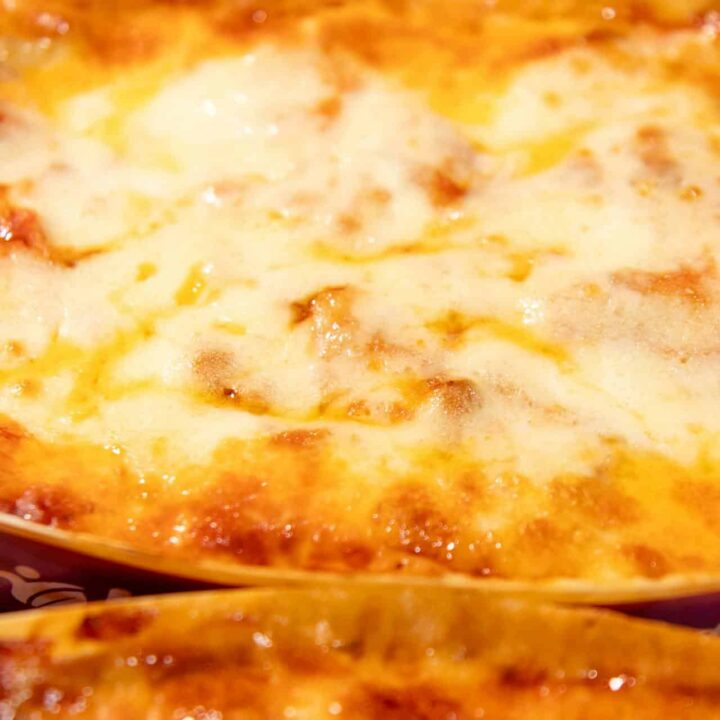
Creamy One-Pot Lasagna Recipe
Image credit: Laura oliveira
Ingredients
- 1 lb Ground meat (Beef/Sausage mix)
- 1 Small white onion, diced
- 4 Cloves garlic, minced
- 24 oz Marinara sauce
- 2 cups Beef broth
- 10 Lasagna noodles, broken
- 1/2 cup Heavy cream
- 1 cup Ricotta cheese
- 1.5 cups Shredded mozzarella
- Fresh basil for garnish
Instructions
1. Build the Foundation
Start by browning your meat over medium-high heat. You’re looking for Maillard reaction gold – those crispy, brown bits at the bottom of the pan. That’s not burnt; that’s concentrated flavor.
Toss in your diced onions and cook until they’re translucent and starting to pick up the color of the meat. Add the garlic last; garlic burns faster than a cheap candle, so give it just 60 seconds until it smells like heaven.
2. The Deglaze and Simmer
Pour in your marinara and a bit of beef stock. Now, use your wooden spoon to scrape those brown bits off the bottom of the pot. That is your flavor base. Once the liquid is bubbling, drop in your broken lasagna noodles.
Pro Cook Tip: Don't just dump them in a pile, or they’ll stick together like pages in a wet book. Scatter them in, stirring gently to ensure every piece is submerged.
3. The Magic Moment
Cover the pot and turn the heat down to a simmer. You’re looking for a gentle bubble, not a volcanic eruption. After about 10–12 minutes, the noodles will be al dente. This is when you stir in the heavy cream. The sauce will transform from a bright red to a deep, sunset orange.
4. The Cheese Blanket
Dollop the ricotta over the top like little clouds of joy. Sprinkle a generous amount of mozzarella and parmesan over the whole thing. Put the lid back on for two minutes – just long enough to turn that cheese into a molten lava field of deliciousness.
Featured image credit: @bakingmischief
