

Let’s address the elephant in the backyard: the electric grill.
For some “purists,” using a plug-in cooker is about as close to real BBQ as a microwave is to a campfire. They’ll tell you that without a charcoal chimney or a stack of seasoned hickory, you’re just making “outdoor kitchen stove-top food.”
I’m here to tell those folks they’re wrong.
Whether you’re living in a condo with strict fire codes or you just value the “set it and forget it” magic of a heating element, you shouldn’t be denied that deep, soul-satisfying smoke profile.
Knowing how to fake smoke flavor on an electric grill isn’t about cheating; it’s about culinary engineering.
Grab your extension cord. We’re going to turn that heating element into a flavor factory.
The “Clean Heat” Conundrum
The biggest hurdle with an electric grill is that it’s too efficient. In a traditional offset smoker, flavor comes from the “incomplete combustion” of wood.
Basically, wood gets hot, breaks down, and releases a complex cocktail of gases and particles that stick to your meat.
Electric grills, however, provide clean heat. There’s no fire, no glowing embers, and – critically – no smoke. If you throw a steak on there, it’ll sear beautifully, but it won’t taste like the woods.
To bridge this gap, we have to manually introduce the three pillars of BBQ: Aroma, Color, and Chemistry.
Method 1: The Hardware Hack (Bringing the Wood to the Wire)
If you want real smoke, you need real wood. You just have to trick the electric element into burning it.
The Foil Pouch Strategy
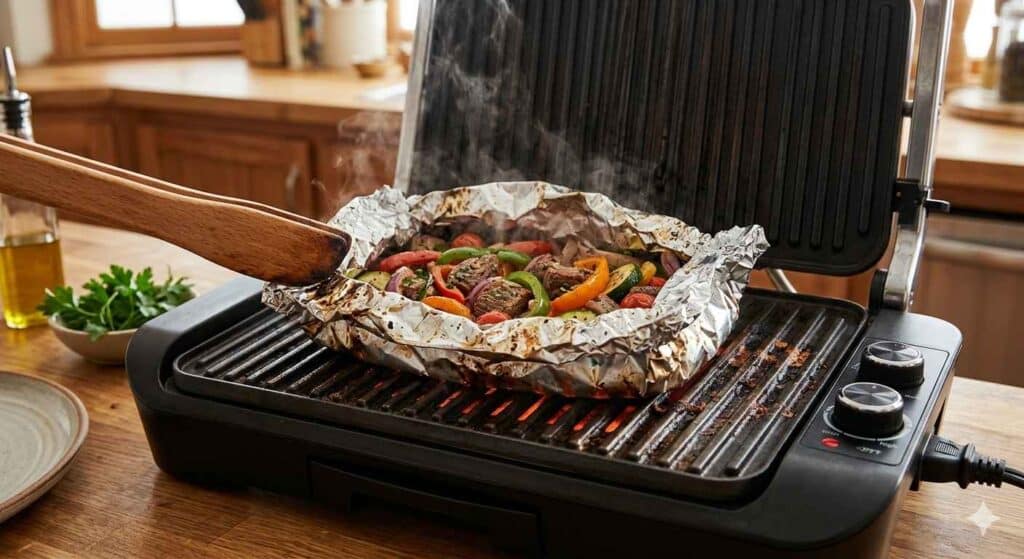
This is the “Old Reliable” of the electric world. It’s cheap, effective, and requires nothing more than a roll of heavy-duty aluminum foil and a handful of wood chips.
- The Build: Take a handful of dry wood chips (don’t soak them – we want smoke, not steam) and wrap them in a double layer of foil like a burrito.
- The Vent: Poke five or six small holes in the top with a fork.
- The Placement: Place this pouch directly on or just above the heating element.
As the coil glows, it will roast the wood inside the foil. Since oxygen is limited, the wood won’t catch fire; it will smolder. This is the “low and slow” secret for short-cook items like salmon or pork chops.
The Smoker Tube Revolution
If you’re serious about this, stop using foil and buy a stainless steel pellet tube. These are 6-to-12-inch perforated tubes that you fill with food-grade wood pellets.
You light one end with a torch, let it flame for a minute, blow it out, and it will produce a steady stream of “thin blue smoke” for up to four hours. It’s essentially an external hard drive for your grill’s flavor.
Pitmaster Note: On an electric grill, the fan or ventilation is usually minimal. This means the smoke stays trapped longer, so you don’t need nearly as much wood as you’d think.
Start small – nobody wants a brisket that tastes like a campfire’s gym sock.
Method 2: Liquid Gold (Mastering Liquid Smoke)
There is a massive stigma around liquid smoke. People think it’s a lab-created chemical concoction. In reality, high-quality liquid smoke is just condensed wood smoke. They literally burn wood, capture the smoke in a condenser, and bottle the liquid. It’s “distilled BBQ.”
How to Apply It Without Overdoing It
The mistake people make is pouring it on like BBQ sauce. Don’t do that. Liquid smoke is potent.
- The Dilution Method: Mix a teaspoon of liquid smoke into your marinade or your apple juice spritz.
- The Binder Trick: Before you apply your dry rub, brush a very thin layer of liquid smoke over the meat. It acts as a “glue” for your spices and ensures every bite has a whisper of the forest.
Method 3: The Smoky Pantry (Culinary Illusions)
When you can’t get enough smoke from the air, you put it in the seasoning. This is where you play with the diner’s expectations.
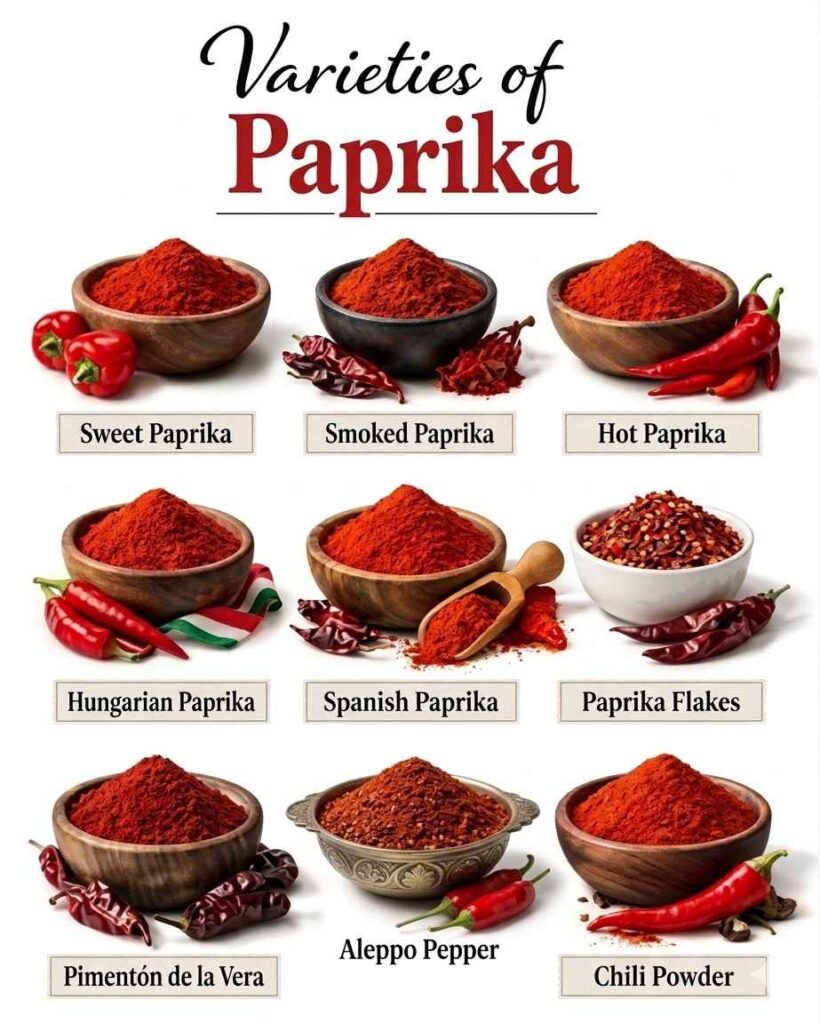
Smoked Paprika: The MVP
If your spice cabinet doesn’t have a tin of Spanish Smoked Paprika (Pimentón), stop reading and go to the store.
Unlike regular paprika, which is mostly for color, the smoked variety is dried over oak fires. It provides a deep, earthy red color and a flavor that screams “I spent all day over a pit.”
Smoked Salts and Sugars
Traditional salt is just salty. Smoked salt (like Hickory or Applewood) adds a finishing touch that hits the tongue immediately.
If you’re grilling something with a crust – like a thick ribeye – a sprinkle of smoked salt right before it hits the grates creates an instant smoky “crust” that mimics a charcoal sear.
The Cold-Start Condensation Hack
In the high-stakes world of BBQ, the smoke ring is the holy grail.
While an electric unit won’t give you that chemical neon-pink ring, you can maximize flavor adhesion by ignoring traditional advice to “bring meat to room temperature.”
Instead, go straight from the fridge to the grates.
- The Science: Smoke particles are attracted to cold, moist surfaces through thermophoresis.
- The Magnetic Effect: A chilled brisket creates a physical pull for the vapor produced by your foil pouch.
- The Window of Opportunity: This temperature gap allows the smoky essence to “stick” and penetrate before the meat’s surface sears shut.
- The Result: It’s the simplest way to ensure your electric-grilled proteins don’t just taste like they were “baked” in a kitchen oven.
Infusing the “Fat Cap” with Smoke Oils
Fat isn’t just flavor; it’s a sponge. On an electric grill, the lack of a constant wood fire means your meat’s fat doesn’t naturally render with that rugged, campfire profile. We’re going to fix that manually.
- Create the Liquid Gold: Melt a small amount of beef tallow or lard.
- The Infusion: Stir in a drop of high-quality hickory concentrate.
- The Hourly Ritual: Paint this “smoke oil” onto the fat cap of your meat every hour.
- The Deep Dive: As the heating element renders the fat, it carries that faked smoke flavor deep into the muscle fibers.
- The Payoff: Every bite – especially the succulent fatty bits – will taste like it spent twelve hours in a humid Texas smokehouse.
The “Burnt End” Sugar Caramelization Trick
Authentic BBQ has a tacky, dark bark that is notoriously hard to achieve without real combustion. To “fake” this aesthetic and hit those deep flavor notes, you need to swap out your standard pantry staples for something with more “kick.”
- Upgrade Your Rub: Use dark muscovado sugar or molasses instead of white or light brown sugar.
- Lower Burn Point: These ingredients have a deeper, “scorched” profile that thrives in dry, electric heat.
- The Maillard Masterclass: This creates a chemical reaction that looks and tastes remarkably like a long-term smoke crust.
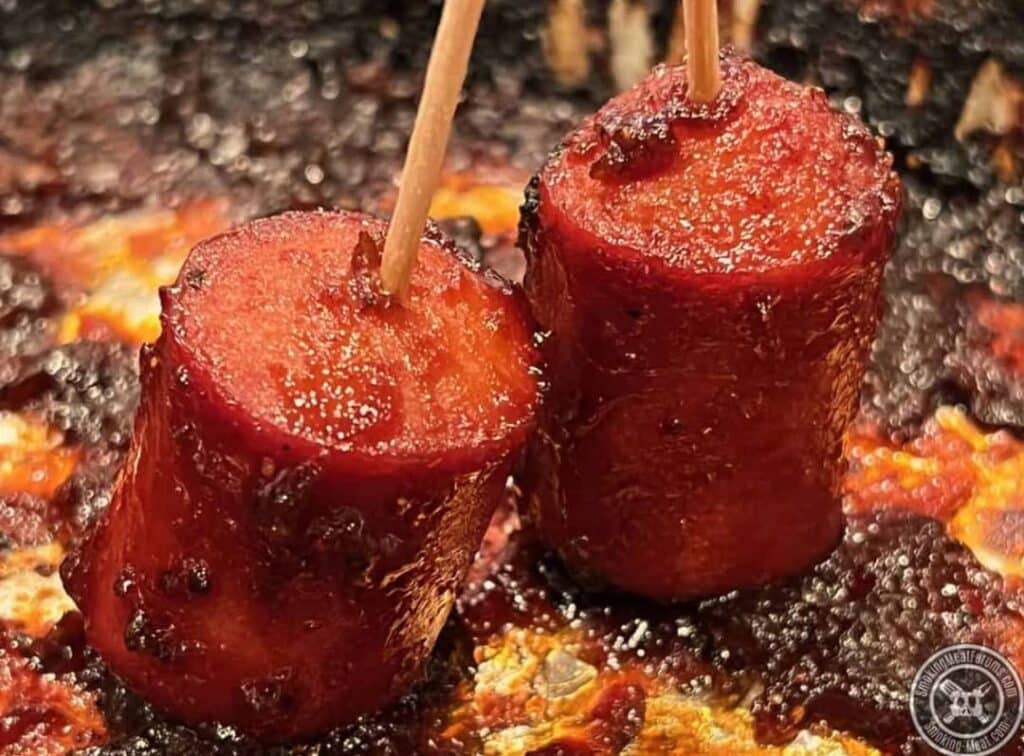
- The Finisher: For the ultimate trick, toss meat cubes in a mixture of molasses and smoked black pepper during the final 30 minutes.
- The Vibe: You’ll create “electric burnt ends” with the sticky, carbonized soul of a Kansas City classic.
Utilizing Smoked Dehydrated Aromatics
Sometimes the best way to get smoke flavor isn’t through the air, but through dehydrated aromatics. This is the “stealth mode” of BBQ – incorporating smoke directly into the cellular structure of your rub.
- The Grind: Pulverize dried chipotle peppers or smoked garlic cloves into a fine powder.
- Time-Release Flavor: These concentrated compounds release slowly as the meat juices hydrate them during the cook.
- The Bloom: As the electric grill maintains its steady temp, these aromatics “bloom” within the crust.
- The Profile: This provides a nuanced, layered wood-fired taste that hits the back of the palate.
- The Shift: It moves your dish beyond the one-dimensional flavor of liquid additives and into the realm of complex pitmaster profiles.
The “Steam-Smoke” Humidity Chamber
The pros know that a dry grill is a flavorless grill. Because electric elements tend to zap the moisture out of the air, you need to turn your grill into a flavor-infused sauna.
- The Setup: Place a small water pan directly on the grate or near the element.
- The Mixture: Fill it with water, cider vinegar, and a few drops of liquid smoke.
- Surface Tension: The smoky steam keeps the meat’s surface “tacky,” acting as a trap for any wood particles.
- Succulence Factor: Humidity prevents the dreaded “leather effect” on your bark.
- The Conclusion: This humidity-driven infusion builds a deep, authentic flavor profile that dry, “clean” heat simply cannot produce on its own.
Harnessing the Power of Smoked Tea (Lapsang Souchong)
If you want a sophisticated smoke flavor that doesn’t scream “I used a bottle of stuff from the grocery store,” look to the tea aisle. Lapsang Souchong is a black tea that is dried over pinewood fires.
- The Preparation: Grind the dry tea leaves into a fine flour.
- The Application: Incorporate the tea-flour directly into your dry rub.
- The Aroma: It provides a resinous, authentic smoke scent that is nearly indistinguishable from a wood-fired pit.
- The Pairing: This “secret weapon” offers a clean, piney note that is absolute magic on poultry and fish.
- The Advantage: It’s an organic way to bypass the electric element’s limitations using ancient, fire-based preservation techniques.
Post-Cook “Smoke Bath” Resting Technique
The flavor doesn’t have to stop when the “on” light goes out. The resting period is actually the most vulnerable time for your meat – which makes it the perfect time for a final flavor ambush.
- The Environment: Use a heavy-duty cooler or a tight foil wrap for the rest.
- The Scent Generator: Place a cotton ball soaked in smoke extract (or a small glowing “smoke coin”) inside the container.
- The Vacuum Effect: As the meat cools and the muscle fibers relax, they actually pull the surrounding air inward.
- The First Impression: By surrounding the meat with concentrated aroma during the rest, you ensure a massive “smoke bloom” when you slice.
- The Result: The very first thing your guests smell is a burst of authentic, wood-fired perfume that masks the “electric” origin.
Science of the Surface: Making “Smoke” Stick
Smoke flavor is picky. It doesn’t like to stick to dry, warm surfaces. It loves cold, tacky, and moist surfaces.
- Start Cold: Take your meat straight from the fridge to the grill. The temperature differential helps the smoky particles (whether from a foil pouch or a pellet tube) condense onto the meat.
- Keep it Tacky: Use a “binder” like mustard or a light coating of oil. This creates a surface that traps flavor molecules.
- The “Lid-Down” Law: On an electric grill, your lid is your best friend. Every time you peek, you lose 100% of the smoky atmosphere you’ve built up. If you’re lookin’, you ain’t cookin’ – and you definitely aren’t smokin’.
Is it “Fake” if it Tastes Real?
At the end of the day, your taste buds don’t have a GPS. They don’t know if the phenol compounds they’re enjoying came from a $5,000 rig in Central Texas or a 120-volt outlet on your balcony.
By combining hardware hacks (the smoker tube), chemical boosters (liquid smoke), and smoky ingredients (smoked salts and paprika), you can produce a meal that would fool most backyard enthusiasts.
Electric grilling is about precision and convenience. By mastering how to fake smoke flavor on an electric grill, you’re simply adding “soul” to the machine.
Electric Grilling: The Smokin’ FAQ
Q: Will adding wood chips or a smoker tube void my electric grill’s warranty?
A: Generally, no – as long as you aren’t placing the wood directly on the electrical heating element itself. Most warranties cover “normal use,” but melting a hole in your element with a foil packet is a quick way to get a “claim denied” letter.
Always place your wood accessories on the flavorizer bars or the grill grate. When in doubt, check your manual for “incidental combustible” rules.
Q: Does “faking” the smoke change the actual cooking time of the meat?
A: Not directly, but the methods might. If you’re using the “Steam-Smoke” Humidity Chamber, the extra moisture in the air can actually speed up the cook by transferring heat more efficiently.
Conversely, using the Cold-Start Hack means your meat starts at 38°F instead of 70°F, which might add 15–20 minutes to a long cook like a pork butt. Always cook to internal temperature, not the clock!
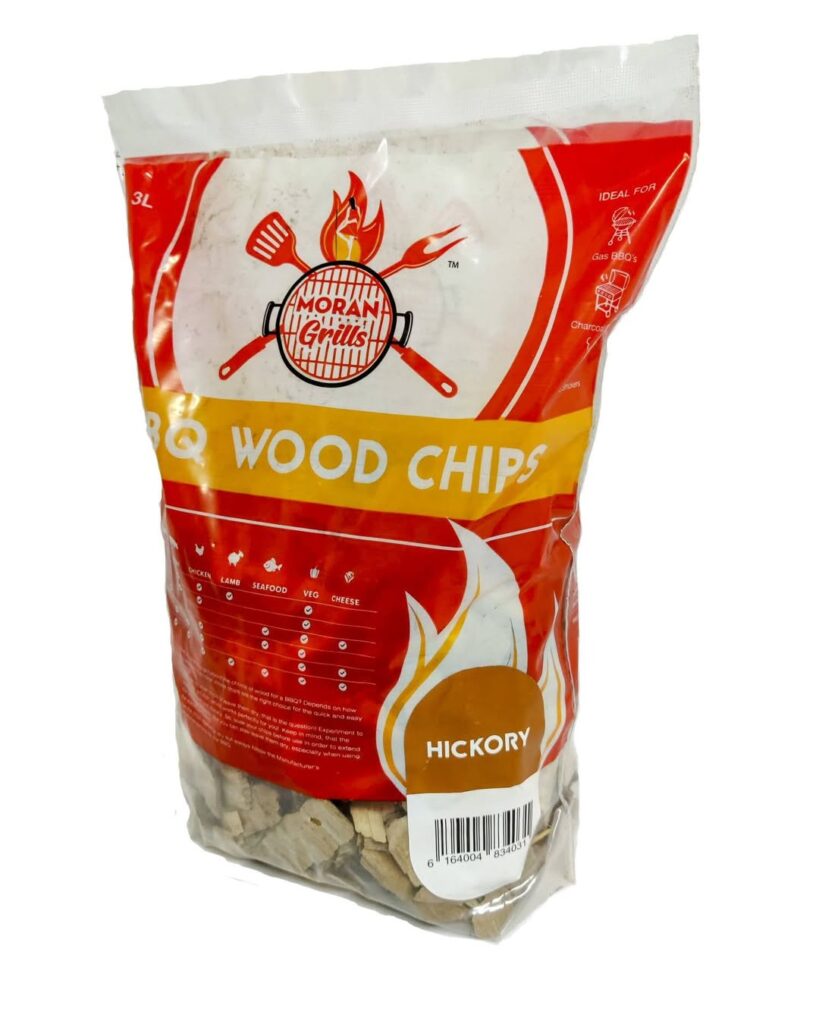
Q: Can I use wood chunks, or am I stuck with chips and pellets?
A: Stick to chips or pellets. Electric grills don’t produce enough ambient heat to ignite a large wood chunk without a flame.
A chunk will just sit there looking sad and un-burnt. Chips and pellets have more surface area, meaning they’ll smolder at the lower temperatures an electric coil provides.
Q: Is liquid smoke “cheating”?
A: Only if you’re entering a sanctioned BBQ competition with strict “wood-only” rules.
For your backyard? It’s just distilled wood flavor. As long as you buy a brand where the only ingredients are “water” and “smoke flavor,” you’re using a natural product. The only “cheat” is using too much – keep it subtle.
Q: My electric grill has a fan; will that blow the smoke away?
A: High-end electric grills often have convection fans. If yours does, place your smoker tube or foil pouch as far away from the exhaust vent as possible. You want the smoke to “travel” across the meat before it gets sucked out of the unit.
Q: Why isn’t my meat getting a “smoke ring”?
A: The smoke ring is a chemical reaction between nitrogen dioxide (NO2) and meat protein. Electric grills don’t produce NO2 because there’s no combustion.
You can “fake” the look by using a curing salt (like Pink Salt #1) in your rub, but remember: the ring is just for photos.
The flavor is in the bark and the moisture, which you’ve already mastered!
Q: How do I clean up the “smoke mess” on an electric unit?
A: Smoke creates creosote, a sticky black residue. Since electric grills don’t “burn off” residue like a 700°F charcoal pit, you’ll need to wipe down the inside of the lid and the grates more often.
A simple mix of vinegar and water usually does the trick to keep your “clean heat” machine from smelling like a stale ashtray.
Featured image credit: @daewoo.appliances
