
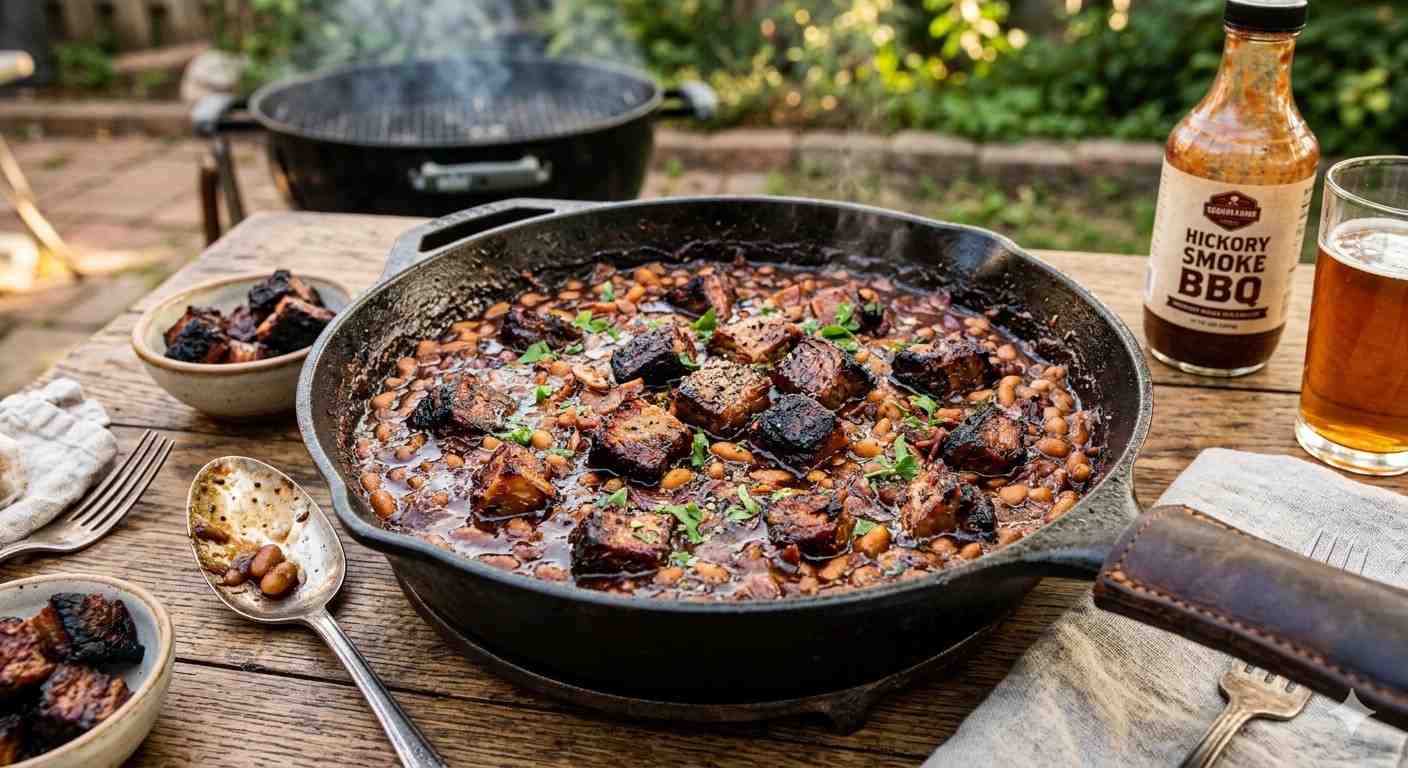
If there’s one dish that quietly steals the spotlight at a barbecue, it’s a pan of Cast-Iron BBQ Baked Beans with Burnt Ends. Not the ribs. Not the brisket. The beans.
I’ve seen it happen more times than I can count – folks pile their plates with meat, take one bite of these beans, and suddenly they’re circling back like it’s the main event.
Why? Because this dish hits every note: smoky, sweet, savory, and just a little sticky in the best way possible. Cooking it in cast iron seals the deal, giving you that deep, slow-developed flavor you just can’t fake.
And those burnt ends? That’s not an ingredient – that’s a power move.
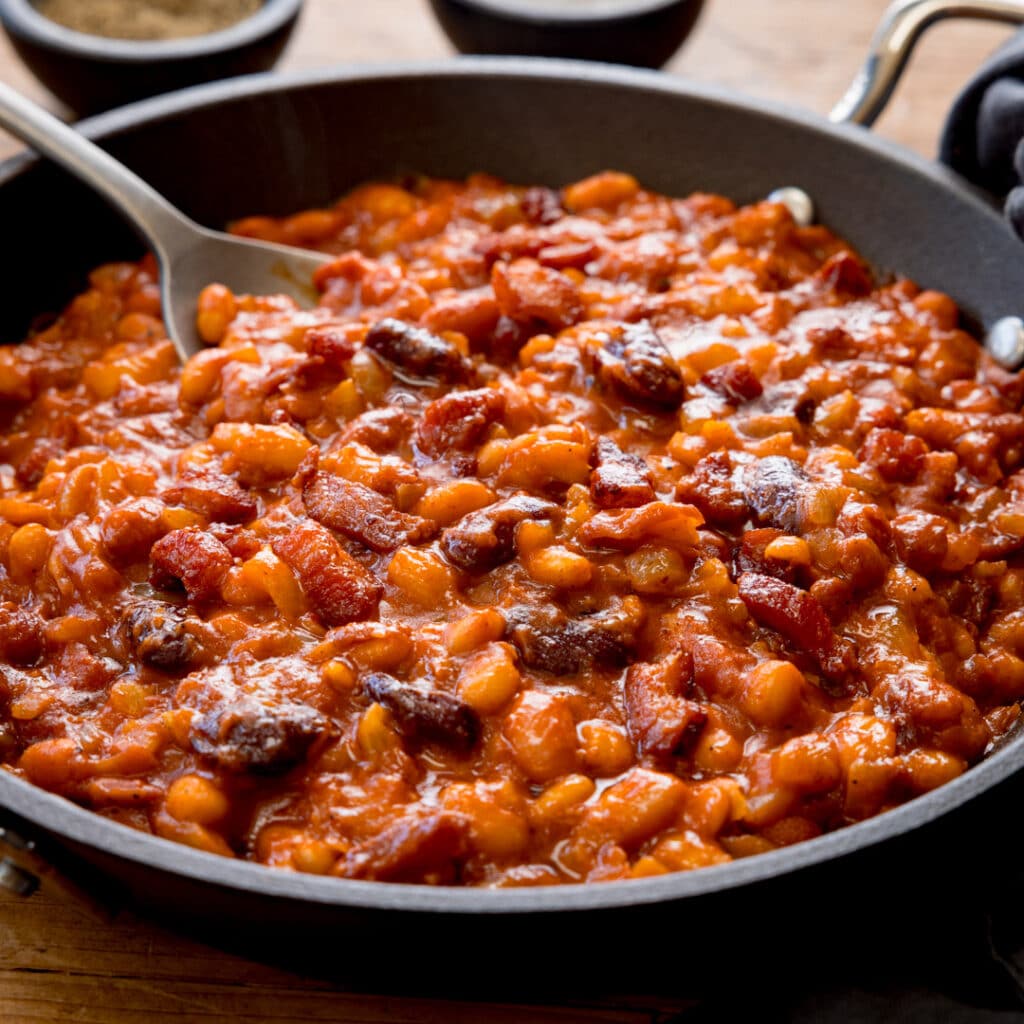
Why You’ll Love This Recipe
Let’s keep it simple. These beans aren’t just a side dish – they’re a statement.
- Big BBQ flavor in every bite thanks to smoky burnt ends
- One-pan magic using cast iron (less cleanup, more flavor)
- Flexible enough for a weeknight dinner or a full-blown cookout
- Easily adjustable – sweeter, tangier, or spicier, your call
I like to say: if your BBQ spread doesn’t include a dish like this, you’re leaving flavor on the table.
What Are Burnt Ends?
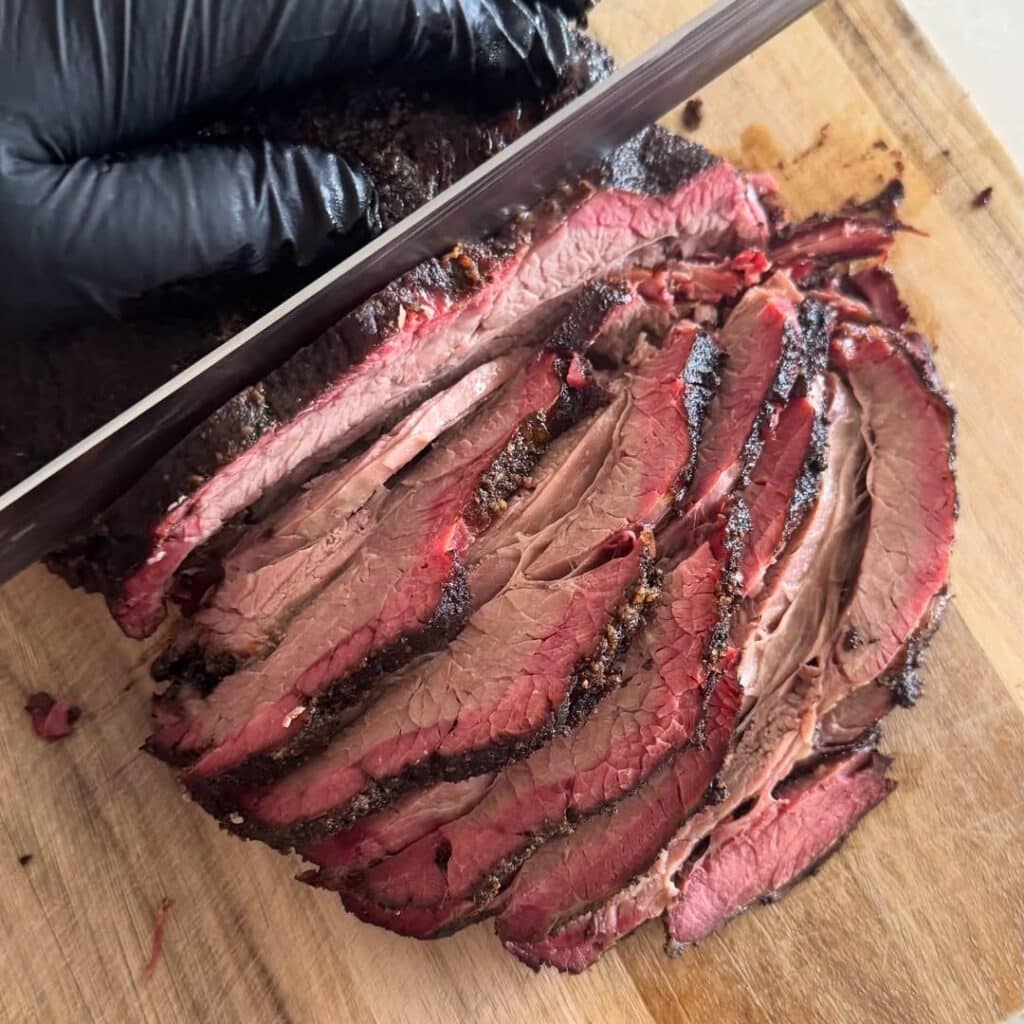
Burnt ends are the crispy, caramelized edges of smoked brisket, usually cut from the point.
They’re smoky, rich, slightly crunchy outside, and melt-in-your-mouth tender inside.
In pitmaster circles, they’re known as “meat candy” – and for good reason.
Now imagine folding that into a pot of slow-baked beans. The fat renders, the bark softens just enough, and all that smoky goodness seeps into the sauce.
That’s how you turn a humble bean dish into something unforgettable.
The Magic of the Cast-Iron Maillard Reaction
When you swap a standard pot for a cast-iron skillet, you aren’t just changing the vessel; you’re engaging in high-level culinary science.
Cast iron is a master of heat retention, providing a radiating warmth that an aluminum pan simply can’t match. This steady, even heat coaxes the collagen out of the brisket tips, turning a liquid sauce into a velvety, bone-sticking glaze.
- The Maillard Reaction: Sugars from the molasses and BBQ sauce interact with the proteins in the burnt ends, creating deep, savory flavors.
- Signature Glaze: This chemical transformation is what produces that stunning dark mahogany finish.
- Bottom-Up Caramelization: The porous nature of the iron allows the beans at the base to become as flavorful and “jammy” as the ones on top.
Layering the “Liquid Gold” Sauce
A great BBQ bean isn’t just “wet” – it’s layered.
To achieve that award-winning consistency, you need to balance four pillars: acid, sweetness, heat, and smoke.
While the burnt ends provide the smoke, the sauce needs a “bright” note to cut through the heavy fat, ensuring the flavor lingers long after the first bite.
- The Bright Note: Use apple cider vinegar or Dijon mustard to provide a necessary tang that cuts through the richness.
- Deep Sweetness: Move beyond white sugar; use dark brown sugar or blackstrap molasses for an iron-rich depth.
- The Liquid Base: If the mixture is too thick, skip the water and reach for beef bone broth or a dark stout beer to keep the flavor profile high.
Choosing the Right Bean Base
While the meat gets the glory, the beans are the literal foundation of the dish.
The key is the starch release. As the beans simmer in the cast iron, they release natural starches that act as a thickening agent, marrying the fats from the brisket to the sugars in the sauce for a perfect mouthfeel.
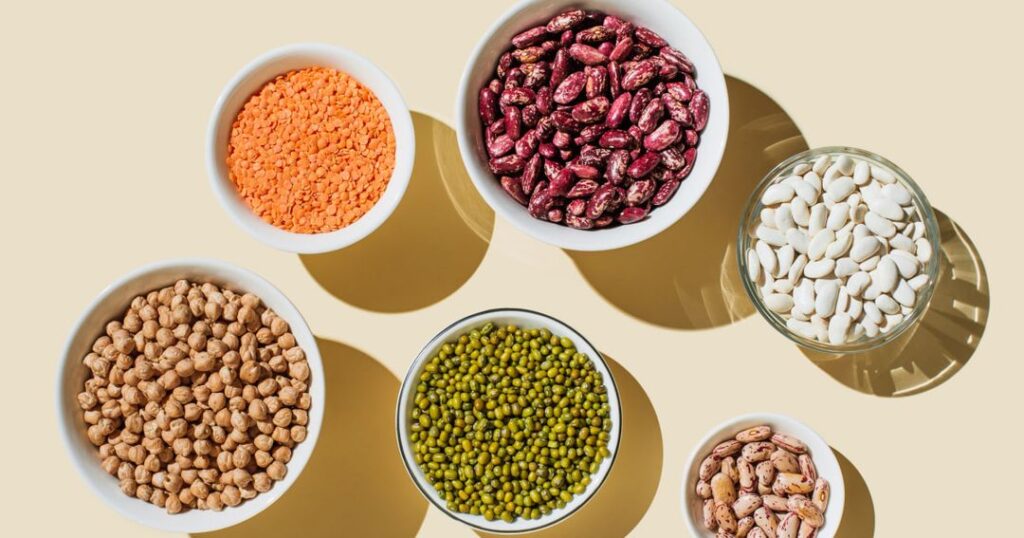
- Navy Beans: The classic choice; small and excellent at absorbing flavors without falling apart.
- Great Northern or Pinto: Sturdier options that stand up better to the chunky texture of burnt ends.
- The Blank Canvas: Always rinse canned beans thoroughly to remove metallic-tasting liquid before adding your own spices.
- Multi-Bean Blend: A mix of varieties provides a rustic look and excellent textural contrast.
The “Low and Slow” Smoke Infusion
If you really want to level up, take the cast iron back to the pellet grill or smoker. By leaving the lid off the skillet for the first hour of cooking, the beans act like a sponge for blue smoke.
This creates a layer of authenticity you simply can’t get from a bottle of liquid smoke.
- Wood Choice: Use hickory for a punchy profile or applewood for a subtle, fruity sweetness.
- Developing the Bark: Much like a brisket, the top layer develops a slightly tacky, caramelized crust.
- Folding the Bark: Periodically stir the beans to incorporate those concentrated flavor pockets back into the center of the dish.
- Wood-Fired Essence: This ensures every spoonful has a hit of that concentrated smoke.
The Art of the “Day Two” Transformation
There is a reason why veteran BBQ cooks always make their beans 24 hours in advance. This dish undergoes retrogradation, a process where the starches and flavors “set” as they cool.
This “second bake” turns the leftovers into a concentrated flavor bomb that often outshines the freshly smoked meats on the table.
- Flavor Integration: Overnight, fat-soluble compounds from the spices and burnt ends fully merge into the beans.
- Mellowing Out: The harsh edges of the vinegar soften, and the smoky aromatics become more rounded and pleasant.
- The Syrupy Finish: Reheating in cast iron creates a glossy, syrupy glaze that is nearly impossible to achieve on day one.
- Pro Tip: When reheating, add a small knob of butter or a drizzle of maple syrup to wake the flavors back up.
Tips for the Best BBQ Baked Beans
A few hard-earned lessons from the pit:
- Use good burnt ends – this isn’t the place for shortcuts
- Don’t rush the bake – low and steady builds flavor
- Taste before baking and adjust seasoning early
- If it gets too thick, add a splash of water or broth
- Let the edges caramelize slightly – that’s where the magic lives
And here’s a truth bomb: the beans taste even better the next day. If they last that long.
Variations and Substitutions
This recipe plays well with others.
- Swap in kidney or black beans for a different texture
- Skip the meat and add smoked paprika or liquid smoke for a vegetarian version
- Add hot sauce or chili flakes for heat
- Try pulled pork or sausage if burnt ends aren’t available
Key idea: Keep the balance of flavors intact, no matter what you swap.
Serving Suggestions
These beans are built for BBQ plates:
- Serve alongside ribs, brisket, or grilled chicken
- Pair with cornbread to soak up that sauce
- Or just grab a bowl and call it dinner – I won’t judge
I’ve done that more times than I’d like to admit.
Storage and Reheating
If you somehow have leftovers:
- Store in an airtight container in the fridge for up to 4 days
- Reheat on the stovetop or oven with a splash of liquid
- Freeze for longer storage
Just know this: the flavors deepen overnight. Day-two beans are elite.
Cook Cast-Iron BBQ Baked Beans with Burnt Ends Twice a Month for Savory Satisfaction
Cast-Iron BBQ Baked Beans with Burnt Ends isn’t just a side dish – it’s the kind of recipe that earns repeat requests.
It’s smoky, rich, and layered with flavor in a way that feels both classic and a little indulgent. Whether you’re cooking for a crowd or just feeding yourself something great, this dish delivers every single time.
It’s the kind of comforting, slow-cooked favorite that turns any meal into something memorable and worth savoring.
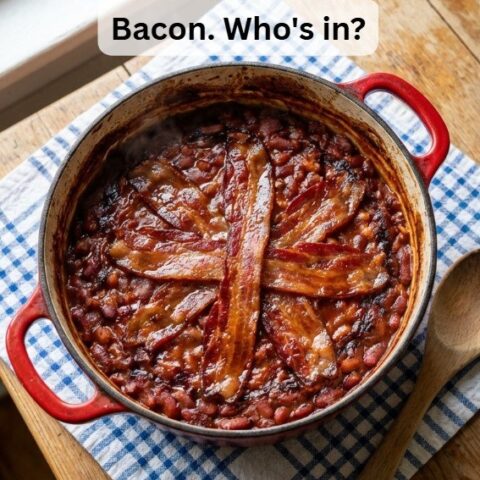
Cast-Iron BBQ Baked Beans with Burnt Ends
Image credit: @yummy_stuff1
Ingredients
- You don’t need anything fancy here – just solid ingredients that know how to work together.
- Main Ingredients
- Beans: 3 cans (15 oz each) navy or pinto beans, rinsed and drained.
- Burnt Ends: 1 lb (roughly 3–4 cups) chopped into bite-sized cubes.
- Bacon: 6 strips, thick-cut, chopped into 1/2-inch pieces.
- Onion: 1 medium yellow onion, finely diced.
- Garlic: 4 cloves, minced.
- Sauce Builders
- BBQ Sauce: 1 ½ cups (your favorite base).
- Brown Sugar: ½ cup, packed (light or dark).
- Molasses: 2 tbsp (don't overdo it—it’s potent).
- Mustard: 1 tbsp (yellow or Dijon).
- Apple Cider Vinegar: 2 tbsp (adds necessary brightness).
- Smoked Paprika: 1 tsp.
- Salt & Pepper: ½ tsp salt and 1 tsp black pepper (adjust to taste after mixing).
- Optional Add-Ins
- Jalapeños: 1 to 2, seeded and minced (keep seeds for extra heat).
- Bell Pepper: 1 medium (any color), diced.
- Worcestershire Sauce: 1 tbsp.
- Key point: This dish is all about layering flavors, not just dumping ingredients together.
- Equipment Needed
- Nothing complicated:
- A cast-iron skillet or Dutch oven
- Oven or grill (bonus points for using a smoker)
- Basic prep tools
- Cast iron matters here – it holds heat, distributes it evenly, and helps create that thick, rich, slightly caramelized finish.
Notes
Step 1: Prep Like a Pro
Chop your onions, mince the garlic, and cut your burnt ends into bite-sized chunks.
Pro tip: Don’t make them too small – you want those meaty bites to stand out.
Step 2: Cook the Bacon
Heat your cast iron and cook the bacon until crispy.
You’re not just cooking bacon – you’re building a flavor foundation. That rendered fat? Liquid gold.
Set the bacon aside but leave a bit of that fat in the pan.
Step 3: Sauté the Aromatics
Toss in your onions and let them soften. Add garlic and cook until fragrant.
At this point, your kitchen should smell like you know exactly what you’re doing.
Step 4: Build the Sauce
Add:
- BBQ sauce
- Brown sugar
- Molasses
- Mustard
- Apple cider vinegar
Stir and let it simmer briefly.
This is where balance matters. You’re aiming for sweet, tangy, and smoky – not one overpowering the other.
Step 5: Add Beans and Burnt Ends
Fold in the beans, bacon, and burnt ends.
Make sure everything is coated evenly. You want every spoonful to deliver full flavor, not just beans hiding under sauce.
Step 6: Bake or Smoke
Place the skillet in a 350°F (175°C) oven for 45–60 minutes.
If you’ve got a grill or smoker going, even better. That extra smoke layer takes this dish from great to “who made this?” territory.
Let it cook until the sauce thickens and starts to cling to the beans.
Step 7: Rest and Serve
Pull it out and let it rest for a few minutes.
Important: The sauce will continue to thicken as it cools. That’s exactly what you want – rich, glossy, and spoon-coating.
Featured image credit: Google Gemini
