
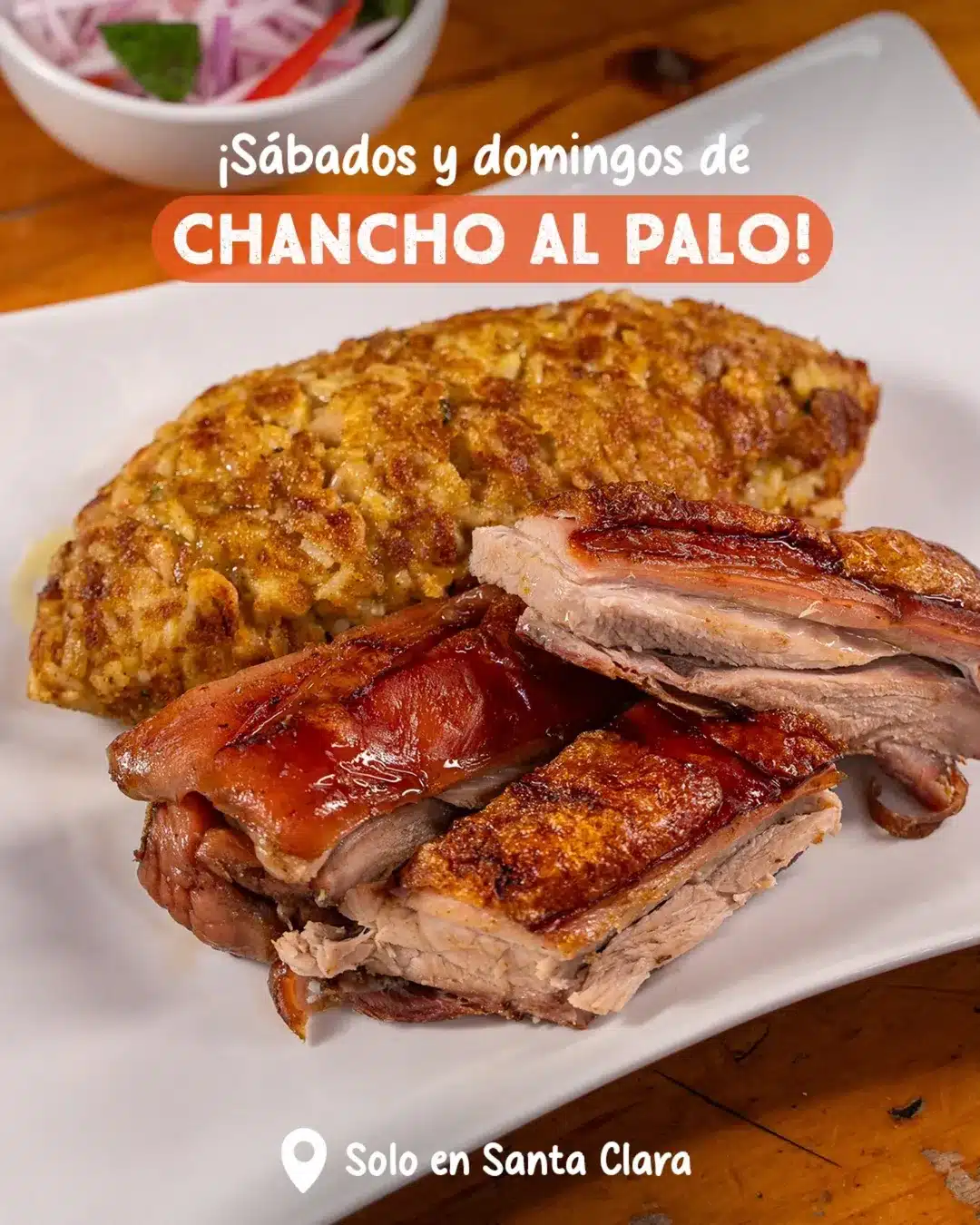
There are pork recipes… and then there’s Chancho al Palo – the kind of dish that stops people mid-conversation because something incredible just came off the fire.
If you’ve ever walked through a food festival in Peru, you’ve probably seen it: a large slab of pork roasting beside a blazing wood fire, slowly turning golden while fat crackles and drips onto the coals.
The smell alone could convince a vegetarian to reconsider their life choices.
As a pitmaster, I can tell you this – great fire-roasted pork isn’t about fancy techniques. It’s about patience, heat control, and respect for the meat. That’s exactly what makes Chancho al Palo special.
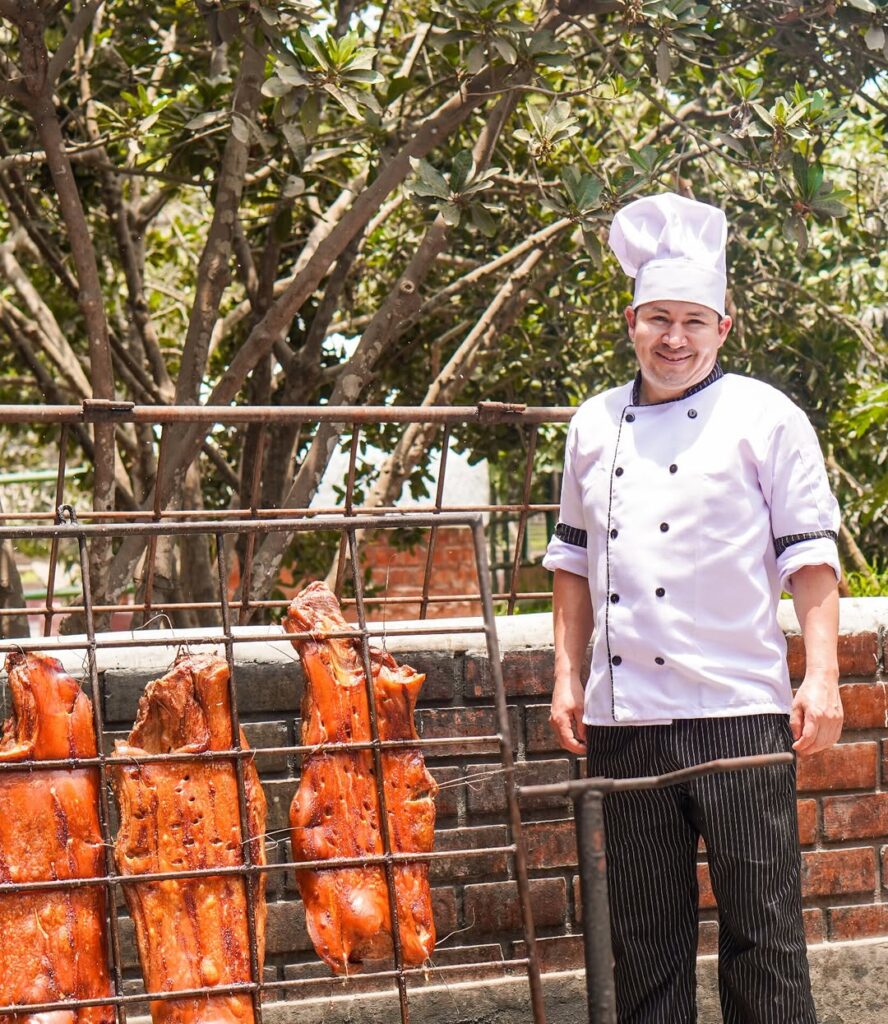
Traditionally, the pork is cooked vertically on a metal cross beside a wood fire, not directly over it. That indirect heat slowly renders the fat and crisps the skin while the meat stays juicy and tender.
The good news? You don’t need a Peruvian street stall or a giant fire pit to enjoy it. With a grill, some patience, and the right marinade, you can recreate authentic Chancho al Palo at home.
Let’s fire it up.
What is Chancho al Palo?
At its core, Chancho al Palo means “pork on a stick” – but don’t let the simple name fool you. This dish is one of the most beloved traditional pork barbecue styles in Peru.
The method is beautifully straightforward.
A large cut of pork – often pork belly or ribs – is mounted on a metal frame or spit and placed beside a wood fire. The pork cooks slowly for hours, soaking up wood smoke and gentle radiant heat.
What makes Chancho al Palo different from typical barbecue is the cooking angle. Instead of sitting over flames, the pork stands next to the fire, which helps achieve two things pitmasters obsess over:
- Crispy, blistered pork skin
- Juicy, slow-roasted meat
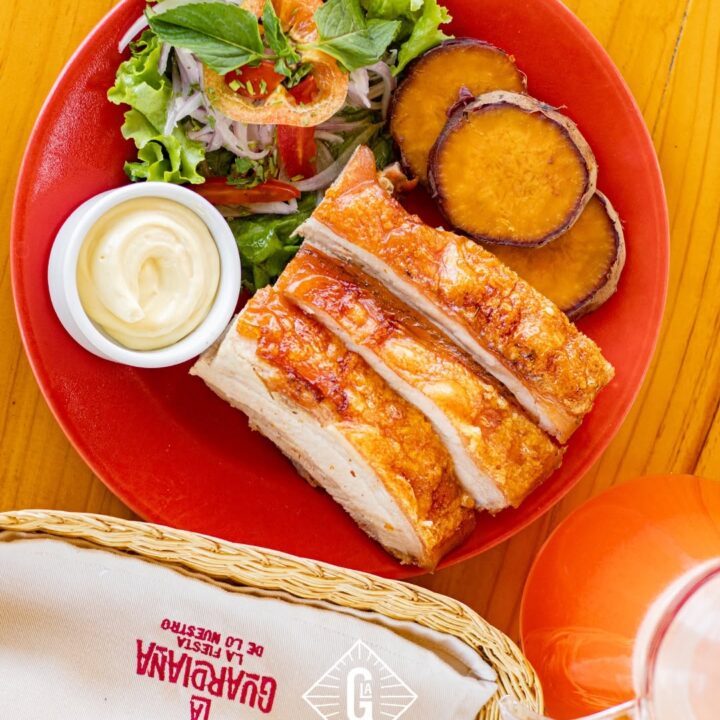
Street vendors and festival cooks across Peru serve it sliced thick and piled onto plates with simple sides like sweet potatoes, corn, and fresh salsa criolla.
It’s rustic. It’s bold. And honestly, it’s one of the best ways pork has ever met fire.
Why You’ll Love This Recipe
Let me put it this way: if you enjoy crispy pork skin and smoky barbecue, this recipe will ruin regular roast pork for you.
Here’s why this dish keeps people coming back for seconds:
- Incredible crispy pork skin that crackles when sliced
- Deep smoky flavor from slow roasting
- A simple marinade that lets the pork shine
- Perfect centerpiece for BBQs, gatherings, and weekend cooks
And the best part? Once the pork hits the grill, the fire does most of the work.
The Secret Behind the Legendary Crispy Skin
If there’s one thing that separates good pork from great Chancho al Palo, it’s the crispy, blistered pork skin. In Peru, people actually judge the entire dish by the quality of the crackling.
If the skin doesn’t crunch when you bite it, something went wrong.
The secret starts long before the pork hits the fire.
Dry skin is the foundation of crispy skin. Moisture is the enemy here.
Pat the pork completely dry and, if you have time, let it sit uncovered in the fridge for several hours. This helps the skin dehydrate slightly, which is exactly what you want.
Another key trick is scoring the skin lightly without cutting into the meat. Those shallow cuts allow fat to render out slowly during roasting.
Finally, the magic happens at the end of the cook. A blast of higher heat crisps the skin into golden crackling, creating the signature texture that makes Chancho al Palo unforgettable.
Choosing the Best Cut of Pork for Chancho al Palo
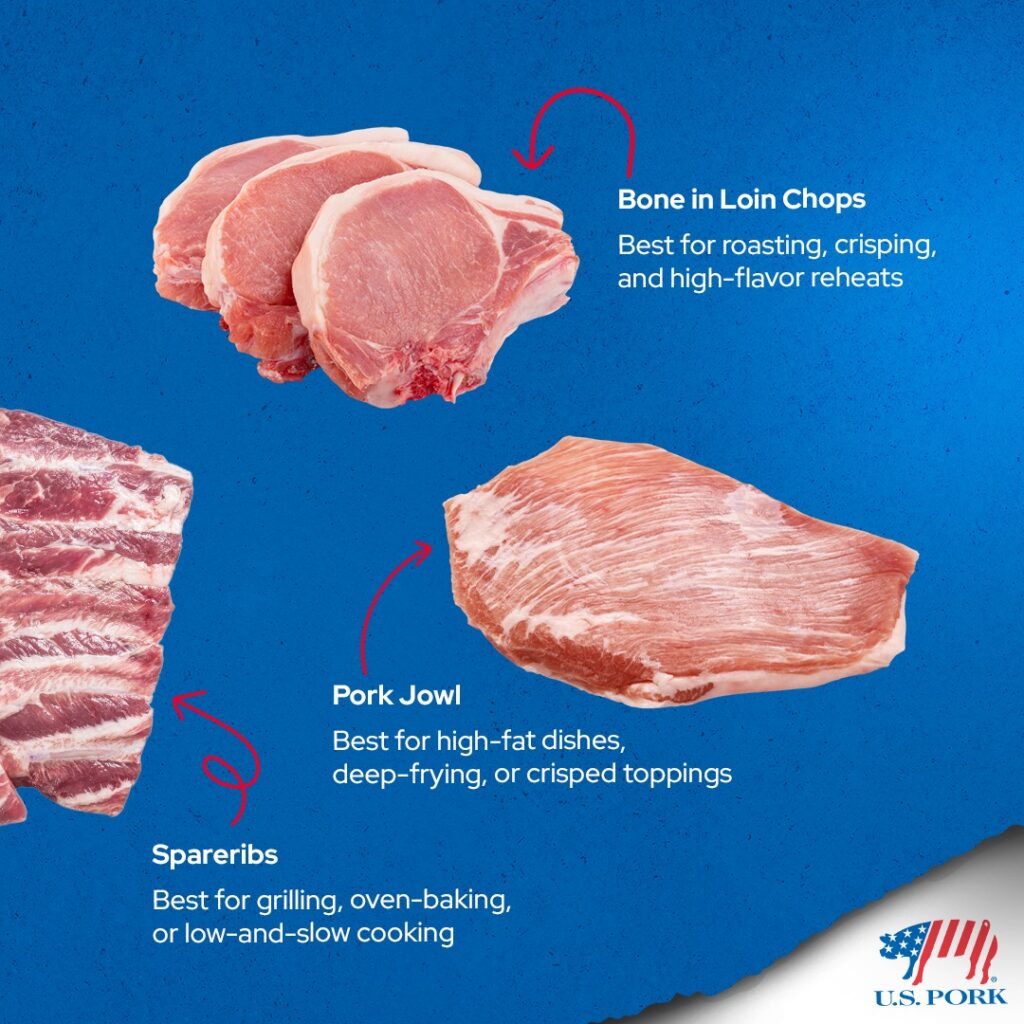
Ask three pitmasters what cut of pork is best for Chancho al Palo, and you’ll probably get three passionate answers. But most cooks agree on one thing: fat equals flavor.
The most traditional cut is pork belly, and for good reason.
It has the perfect balance of fat, meat, and skin, which allows it to roast slowly while staying juicy. As the fat renders, it bastes the meat naturally and helps the skin turn into crispy crackling.
Another excellent option is pork ribs with the skin attached. These cuts cook beautifully over indirect heat and develop a deep smoky flavor.
If you want a leaner option, pork shoulder slices can also work, though they won’t produce quite the same crispy skin effect.
No matter which cut you choose, look for pork with good marbling and thick skin. In fire cooking, fat isn’t a flaw – it’s the secret ingredient.
The Street Food Culture Behind Chancho al Palo
To really understand Chancho al Palo, you have to picture where it comes from: busy Peruvian street markets and weekend food festivals.
Across cities like Lima, vendors set up large metal frames holding slabs of pork beside roaring wood fires.
The sight alone draws crowds, but the real magnet is the smell. Wood smoke, garlic marinade, and roasting pork fat drifting through the air is a combination that stops people in their tracks.
These stalls often start cooking early in the morning, letting the pork roast slowly for hours. By lunchtime, the skin is perfectly crisp and the meat is meltingly tender.
Customers gather around while the cook slices thick portions straight from the fire. The pork is served with sweet potatoes, corn, and fresh salsa criolla, often eaten standing up with friends.
In many ways, Chancho al Palo isn’t just food – it’s a social experience built around fire, flavor, and community.
Tips for Perfect Chancho al Palo
After cooking a lot of pork over fire, a few lessons always stand out.
1. Dry skin equals crispy skin
Pat the pork dry before cooking.
2. Score the skin properly
Those small cuts make all the difference.
3. Cook low and slow
High heat too early will toughen the meat.
4. Add wood smoke
Hardwood chunks bring authentic flavor.
5. Finish with heat
That final blast creates perfect crackling.
Trust me – these little details separate good pork from legendary fire-roasted pork.
What to Serve With Chancho al Palo
In Peru, this dish is served with sides that keep things fresh and balanced.
The most classic pairing is salsa criolla, a bright mix of onions, lime juice, and chili peppers.
The acidity cuts through the rich pork beautifully.
Other traditional sides include:
- roasted sweet potatoes
- boiled corn
- white rice
- fresh lime wedges
- spicy chili sauces
Together, they turn Chancho al Palo into a full feast.
Storage and Reheating Tips
If you somehow end up with leftovers – congratulations on your self-control.
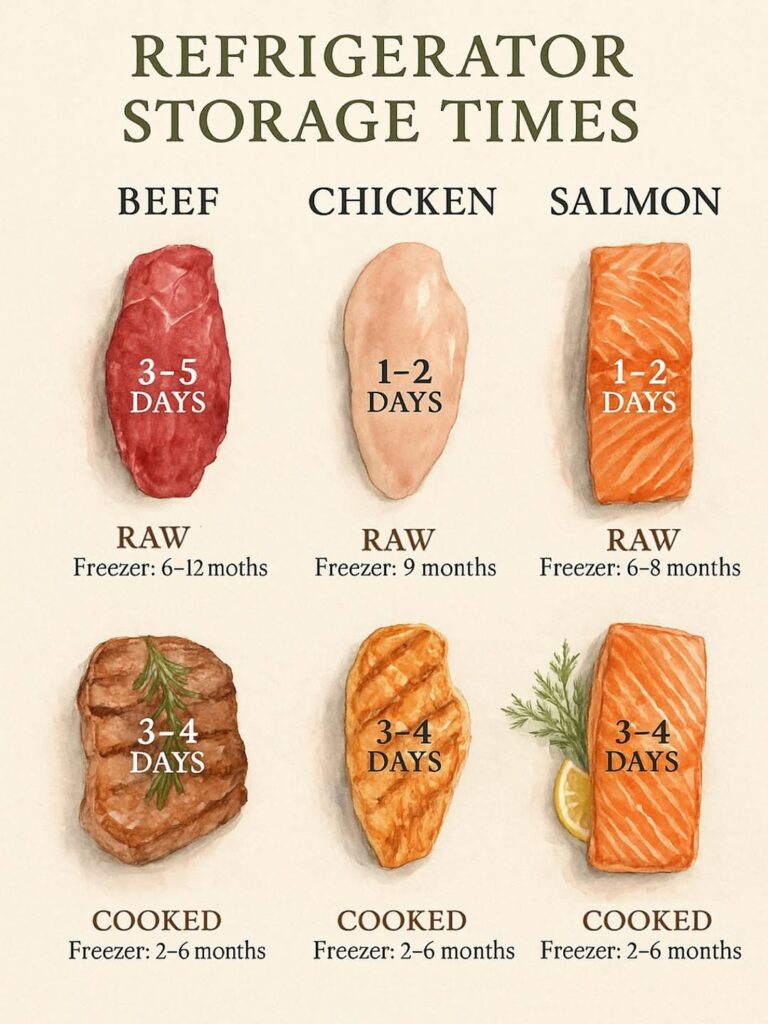
Store cooked pork in an airtight container in the refrigerator for up to 3 days.
To reheat, use the oven at 350°F (175°C) until warmed through. This helps keep the skin crisp.
Avoid microwaving if possible. Microwaves and crispy pork skin are… not friends.
Cooked pork can also be frozen for up to two months.
Final Thoughts
There’s something timeless about cooking meat over fire. It’s primitive, simple, and incredibly satisfying.
That’s why Chancho al Palo continues to be one of Peru’s most loved pork dishes. It combines slow fire cooking, bold seasoning, and irresistible crispy skin into one unforgettable meal.
Whether you’re cooking for family, hosting a backyard barbecue, or just craving incredible pork, this recipe delivers.
Fire up the grill, take your time, and enjoy the process.
Because when it comes to Chancho al Palo, patience doesn’t just pay off – it tastes amazing.
Chancho al Palo Recipe
Image credit: @laguardianaperu
Ingredients
- For the Pork
- • 3–4 pounds pork belly or pork ribs
- • 2 teaspoons salt
- • 1 teaspoon black pepper
- • 1 teaspoon cumin
- • 1 teaspoon paprika
- For the Marinade
- • 3 tablespoons soy sauce
- • 2 tablespoons vinegar
- • Juice of 1 lime
- • 4 garlic cloves, minced
- • 1 teaspoon dried oregano
- • 1 tablespoon vegetable oil
- • 1 teaspoon chili paste (optional)
- Optional Sides
- In Peru, Chancho al Palo is rarely served alone. Popular sides include:
- • roasted sweet potatoes
- • boiled corn (choclo)
- • salsa criolla (fresh onion salad)
- Those bright flavors help cut through the richness of the pork.
Instructions
Cooking great pork is a lot like good storytelling – it takes time, attention, and the right pacing.
Here’s how to do it.
Step 1: Prepare the Marinade
In a bowl, mix:
- garlic
- soy sauce
- vinegar
- lime juice
- oregano
- cumin
- paprika
- vegetable oil
Stir until everything blends into a rich, fragrant marinade. If it smells amazing already, you’re on the right track.
Step 2: Season the Pork
Take your pork belly or ribs and score the skin with shallow cuts. This is one of those pitmaster tricks that makes a big difference.
Why?
Because scoring allows the fat to render and helps create crispy crackling skin.
Rub the pork with salt and pepper, then coat it generously with the marinade. Let it sit in the refrigerator for at least 2 hours, though overnight is even better.
As I always tell people: marinades need time to do their magic.
Step 3: Prepare the Fire
Fire management is where good cooks become great ones.
Light your charcoal and set up the grill for indirect heat. That means placing the coals to one side rather than directly under the pork.
The goal is slow roasting, not scorching.
If you’re using wood chunks, toss a couple onto the coals for extra smoke.
Step 4: Roast the Pork
Place the pork on the grill or secure it onto skewers.
Cook it slowly for 1½ to 2 hours, turning occasionally so the heat cooks the meat evenly.
During this time, the fat will render and the pork will slowly develop a deep golden crust.
And yes, this is the point where your neighbors might start wandering over “just to say hi.”
Step 5: Crisp the Skin
This is the grand finale.
Move the pork slightly closer to the heat and let the skin blister and crisp. You’ll hear the signature crackling sound that every pitmaster loves.
Don’t rush this step – crispy skin is the crown jewel of Chancho al Palo.
Step 6: Rest and Slice
Remove the pork from the grill and let it rest for about 10 minutes.
Resting allows the juices to settle so every slice stays tender and flavorful.
Then slice thick pieces and serve while the skin is still gloriously crisp.
Featured image credit: @dondewalter.pe
