

If you’ve ever dreamed of living past 100 while still enjoying rich flavors, hearty meals, and an occasional glass of wine, Sardinia might just be your blueprint.
This rugged Italian island isn’t famous only for its landscapes – it’s a longevity hotspot, one of the world’s celebrated Blue Zones, where centenarians are more common than you’d think. And the secret? It’s not just luck.
It’s the food, the lifestyle, and a sprinkle of Sardinian magic.
Let’s dig into how you can eat like a Sardinian and harness the power of Mediterranean foods to live a longer, healthier life.
Why Sardinians Live Longer
Sardinians are masters of longevity. Studies show that men and women here regularly reach 100 years, outpacing most Western countries. But living longer isn’t only about what they put on their plates. It’s a full lifestyle cocktail.
- Movement is daily, not optional. From shepherding sheep on mountain trails to tending home gardens, Sardinians get constant, gentle exercise without even realizing it. Think of it as nature’s version of a gym membership.
- Community and family are central. Meals aren’t eaten alone. Longevity thrives alongside social bonds, laughter, and storytelling.
- Low stress, high life satisfaction. Time moves slower here, and the pressure of modern life doesn’t dominate daily routines.
And at the heart of it all? Mediterranean foods. These ingredients aren’t just tasty – they’re a daily, delicious prescription for health.
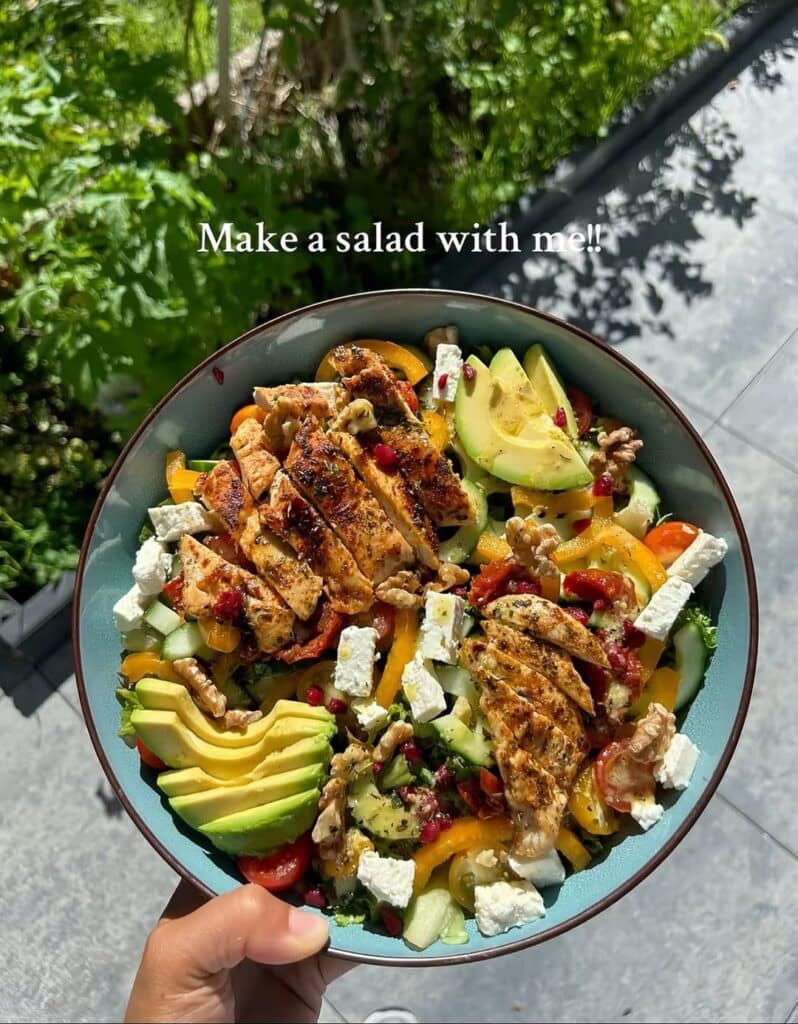
Mediterranean Diet Basics
Before we go full Sardinian, let’s understand the Mediterranean diet, the foundation for longevity across Italy, Greece, and Spain.
- Plant-first approach: Vegetables, fruits, legumes, and whole grains dominate every meal.
- Healthy fats over bad fats: Olive oil rules. Nuts and seeds provide crunch, flavor, and anti-inflammatory benefits.
- Protein with purpose: Fish, eggs, and modest portions of cheese or yogurt. Red meat? Rarely.
- Flavor from herbs, not salt: Rosemary, thyme, and wild greens are more than seasoning – they’re antioxidants in disguise.
Compared to a typical Western diet heavy on processed foods, sugar, and red meat, this approach keeps hearts healthy, minds sharp, and waistlines in check.
Sardinian Superfoods for Longevity
Here’s where things get delicious. Sardinian meals are simple but packed with nutrients. Each bite is a longevity booster.
- Olive oil: The golden elixir. Rich in monounsaturated fats and antioxidants, it supports heart health and keeps your arteries happy. Think of it as the first secret in Sardinian longevity.
- Legumes: Chickpeas, lentils, and fava beans are everyday heroes. Packed with fiber and plant-based protein, they stabilize blood sugar and keep you full.
- Whole grains: Barley, traditional bread, and pastas are consumed daily, providing slow-burning energy without the sugar spike.
- Cheeses in moderation: Pecorino, made from sheep’s milk, is a protein-rich treat, eaten in small doses. Think flavor, not guilt.
- Wild greens and herbs: From dandelion leaves to oregano, these are potent antioxidants hiding in your salad.
- Red wine (yes, really): A small glass with lunch isn’t indulgence—it’s heart-smart polyphenols at work.
- Seafood: Sardines, anchovies, and fresh-caught fish provide omega-3s critical for brain and heart health.
Fun fact: Sardinian shepherds often eat simple meals of beans, greens, and a slice of pecorino. No fancy seasoning. No processed shortcuts. And they live to tell the tale – 100 years or more.
Sardinian Bread: More Than Just a Staple
Sardinian bread isn’t ordinary – it’s a longevity secret. Known as carasau, this thin, crispy flatbread has been baked for centuries from whole grains like barley and durum wheat.
Its long shelf-life made it a shepherd’s ideal companion, but its nutritional benefits make it just as valuable today.
Why it matters for longevity:
- Rich in fiber and complex carbohydrates – keeps blood sugar steady and provides long-lasting energy.
- Typically paired with olive oil, legumes, or fresh greens, turning simple bread into a nutrient-dense meal.
- Eating slowly encourages mindful eating habits, improving digestion and preventing overeating.
Takeaway: Incorporating Sardinian bread into your rotation of Mediterranean foods is an easy, delicious way to embrace the island’s centuries-old secrets for a long, healthy life.
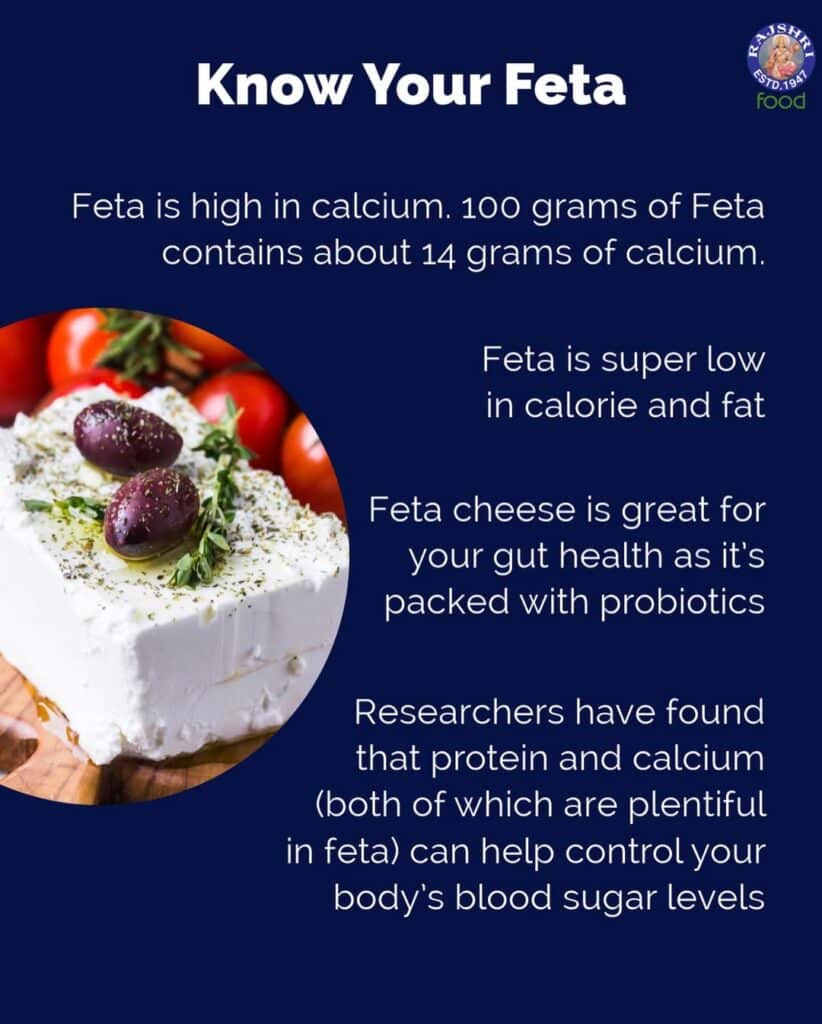
The Role of Goat and Sheep Dairy
Sardinians rely on sheep and goat dairy for longevity rather than cow’s milk. Pecorino cheese and fresh goat yogurt are nutrient-packed, providing:
- Calcium, protein, and healthy fats
- Beneficial enzymes and probiotics in raw or lightly aged products
- Moderation-focused consumption, usually as a flavorful accent
This approach:
- Prevents overconsumption of saturated fat
- Enhances bone health, immunity, and digestion
- Supports the principles of Mediterranean foods, which focus on balance and quality rather than restriction
Tip: Swap processed cheese for traditional sheep or goat varieties to increase nutrient density while enjoying the flavors of Sardinian tradition.
Wild Herbs: Nature’s Medicine Cabinet
Sardinians have mastered the art of foraging. Wild herbs such as oregano, rosemary, sage, and dandelion greens are more than flavor – they’re packed with antioxidants and anti-inflammatories.
Benefits of wild herbs:
- Improve heart and digestive health
- Regulate blood sugar
- Provide micronutrients often missing in modern diets
How to use them:
- Fresh in salads or cooked with beans and pasta
- Sourced from farmers’ markets to boost flavor and nutrition
Why it works: A handful of oregano or a sprig of rosemary is like a secret Sardinian pharmacy, enhancing Mediterranean foods and contributing to longevity and vitality without calories or chemicals.
Sardinian Wine: The Science of Moderate Indulgence
Sardinia is home to Cannonau wine, celebrated for resveratrol, an antioxidant linked to heart health and longevity.
Sardinian approach to wine:
- Consumed in moderation, usually with meals
- Allows polyphenols to aid digestion and support cardiovascular health
- Complements other Mediterranean foods like legumes, olive oil, and vegetables
Lifestyle benefits:
- Encourages mindfulness and social connection
- Lowers rates of heart disease and metabolic disorders when enjoyed responsibly
Key insight: A glass of Cannonau at dinner isn’t indulgence – it’s a centenarian-approved ritual combining pleasure, nutrition, and bonding.
Sardinian Seafood: Small Fish, Big Benefits
Fresh seafood is a daily staple in Sardinia, especially sardines, anchovies, and mackerel, which are rich in omega-3 fatty acids.
Health benefits:
- Support heart, brain, and joint health
- Eating small fish whole provides calcium and vitamin D for bone density
- Simple preparations like grilled, roasted, or baked dishes highlight natural flavors
Practical tips:
- Incorporate seafood 2–3 times per week
- Replace red meat with small, fatty fish to reduce inflammation and support longevity
Takeaway: Even the tiniest fish can carry big health benefits, embodying the heart of Mediterranean foods.
Seasonal Eating: Tuning Into Nature
Sardinians eat with the rhythm of the seasons, ensuring meals are fresh, local, and nutrient-rich.
Seasonal highlights:
- Spring: wild greens and herbs
- Summer: tomatoes and peppers
- Autumn: grapes and chestnuts
- Winter: root vegetables and preserved legumes
Why it works:
- Maximizes flavor and nutrition
- Reduces reliance on processed ingredients
- Encourages variety, boosting gut microbiome diversity
Mindset: Seasonal eating fosters connection to nature, turning meals into a colorful, nutrient-packed ritual like Sardinians have done for generations.
The Power of Fermented Foods
Fermentation is a Sardinian superpower. Foods like yogurt, kefir, and pickled vegetables are rich in probiotics, supporting:
- Gut health
- Immunity and digestion
- Healthy metabolism and reduced inflammation
How Sardinians consume them:
- Small, regular amounts to enhance meals without overpowering
- Combined with other Mediterranean foods for flavor and function
Takeaway: Fermented foods turn everyday meals into functional medicine, boosting longevity without sacrificing enjoyment.
Celebrating Food as a Lifestyle, Not a Chore
Sardinian longevity is as much about experience as nutrition. Meals are:
- Slow and social
- Centered on conversation, laughter, and presence
- Mindful, reducing stress and improving digestion
Benefits:
- Elevates Mediterranean foods beyond calories
- Supports emotional and mental well-being
- Makes even simple meals meaningful and satisfying
Key insight: Eating like a Sardinian transforms meals into a joyful ritual, making longevity feel accessible, flavorful, and enjoyable.
Typical Sardinian Meals & Eating Patterns
Sardinians don’t just eat well – they eat mindfully. Here’s a peek at their everyday meals:
- Breakfast: A small pastry or bread with honey, sometimes cheese, plus espresso. Simple, light, functional.
- Lunch: Beans or pasta with vegetables, a drizzle of olive oil, and fish if available. Accompanied by laughter, conversation, and often wine.
- Dinner: Heavier on vegetables and legumes, light on meat. Often, they’ll finish with fresh fruit or yogurt.
Portion sizes are moderate. Snacking is minimal. And every meal celebrates seasonality and freshness. Sardinians let their food shine naturally, never overcomplicating it.
Lifestyle Habits That Complement the Diet
Food is only half the story. Sardinians pair Mediterranean foods with lifestyle habits that make longevity inevitable:
- Daily movement: Walking, tending gardens, and outdoor work keep the body active.
- Family and social connections: Mealtimes double as social rituals, reducing stress and boosting mental health.
- Rest and rhythm: Naps and unhurried schedules prevent burnout. Life isn’t a sprint, it’s a marathon – just like longevity.
It’s this combination of diet and lifestyle that produces real results.
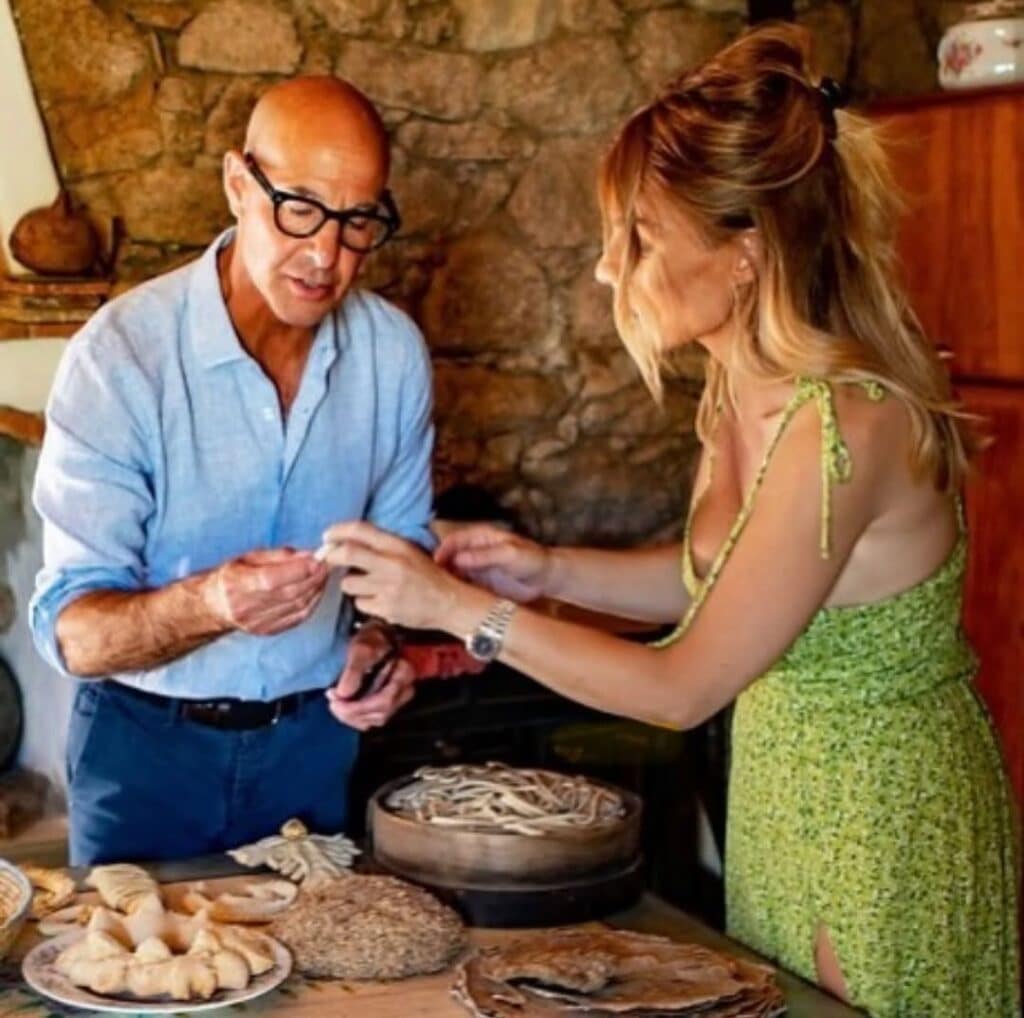
How to “Eat Like a Sardinian” at Home
Here’s where you can translate the magic of Sardinian Mediterranean foods into your kitchen:
- Cook with olive oil liberally. Skip margarine. Drizzle generously on vegetables.
- Legumes are non-negotiable. Add lentils or beans to soups, stews, or salads.
- Moderate fish and dairy. Aim for fish twice a week, cheese in small amounts.
- Use herbs over salt. Rosemary, thyme, sage – they boost flavor and health.
- Sample 1-day meal plan:
o Breakfast: Greek yogurt with walnuts and berries.
o Lunch: Lentil soup with olive oil drizzle, whole-grain bread, a small glass of red wine.
o Dinner: Grilled sardines with roasted vegetables and a mixed green salad.
The key is simplicity, seasonality, and flavor. You don’t need exotic ingredients. You need a Mediterranean mindset.
Science Behind Longevity & Mediterranean Foods
It’s not folklore – science backs it up. Research consistently links Mediterranean foods with:
- Reduced heart disease risk.
- Lower inflammation.
- Improved gut microbiome diversity.
- Better brain health and cognitive longevity.
Compounds in olive oil, legumes, vegetables, and wine – polyphenols, fiber, antioxidants – work synergistically to slow aging and protect organs. Sardinian meals are a delicious daily dose of longevity medicine.
Common Mistakes & Myths
Even the best diet can be misapplied:
- Thinking longevity comes only from food – Sardinians combine diet with lifestyle.
- Overindulging in cheese or wine – moderation matters.
- Expecting instant results – longevity is cumulative.
Patience is part of the recipe. So is consistency.
FAQs
Q1: What makes Sardinians live longer than most people?
A: Sardinians combine Mediterranean foods with an active lifestyle, strong social bonds, and low-stress living. Their diet – rich in olive oil, legumes, whole grains, seafood, and herbs – paired with daily movement and mindful eating, supports heart, brain, and digestive health.
Q2: What are the key Mediterranean foods for longevity?
A: Focus on:
- Olive oil – healthy fats and antioxidants
- Legumes – beans, lentils, chickpeas
- Whole grains – barley, whole wheat bread, pasta
- Seafood – sardines, anchovies, fresh fish
- Wild herbs – rosemary, oregano, dandelion greens
- Sheep and goat dairy – pecorino cheese, goat yogurt
- Seasonal fruits and vegetables
Q3: How can I eat Sardinian-style at home?
A: Keep it simple and fresh:
- Cook with olive oil
- Pair legumes with vegetables
- Eat small portions of seafood a few times a week
- Flavor meals with fresh herbs instead of salt
- Enjoy wine in moderation
Q4: Is wine really good for longevity?
A: Yes, when consumed in moderation. Sardinians enjoy Cannonau wine with meals. Its resveratrol content supports heart health, aids digestion, and strengthens social rituals – all contributing to longevity.
Q5: Are fermented foods important for longevity?
A: Absolutely. Fermented Mediterranean foods like yogurt, kefir, and pickled vegetables provide probiotics that enhance gut health, improve digestion, and reduce inflammation – key elements of a long, healthy life.

Q6: Do I need to eat exactly like a Sardinian to benefit?
A: No. You can adapt Mediterranean foods to your lifestyle. Focus on whole, seasonal ingredients, moderate portions, and mindful eating habits, and pair them with daily activity and social connection for lasting benefits.
Q7: What are common mistakes people make when trying to follow the Sardinian diet?
A: Common pitfalls include:
- Overemphasizing wine or cheese
- Ignoring physical activity and social connection
- Relying on processed foods instead of fresh, seasonal ingredients
Q8: Can I adopt Sardinian longevity habits outside of Italy?
A: Yes! Most Mediterranean foods are widely available, and simple lifestyle principles – walk more, eat slowly, enjoy meals with others – can be applied anywhere. Focus on quality, seasonal ingredients and moderation for best results.
Κάντε Κάθε Πιάτο να Μετράει (Make Every Platter Count)!
Living like a Sardinian isn’t about chasing extremes – it’s about balance, flavor, and connection. Embrace Mediterranean foods, move daily, nurture social bonds, and savor life’s pace.
Start small. Add a few legumes this week. Cook with olive oil. Enjoy a walk after lunch. Over time, you might just find yourself joining the ranks of Sardinian centenarians – living long, eating well, and enjoying every bite of it.
Featured image credit: @sons_of_italy
