
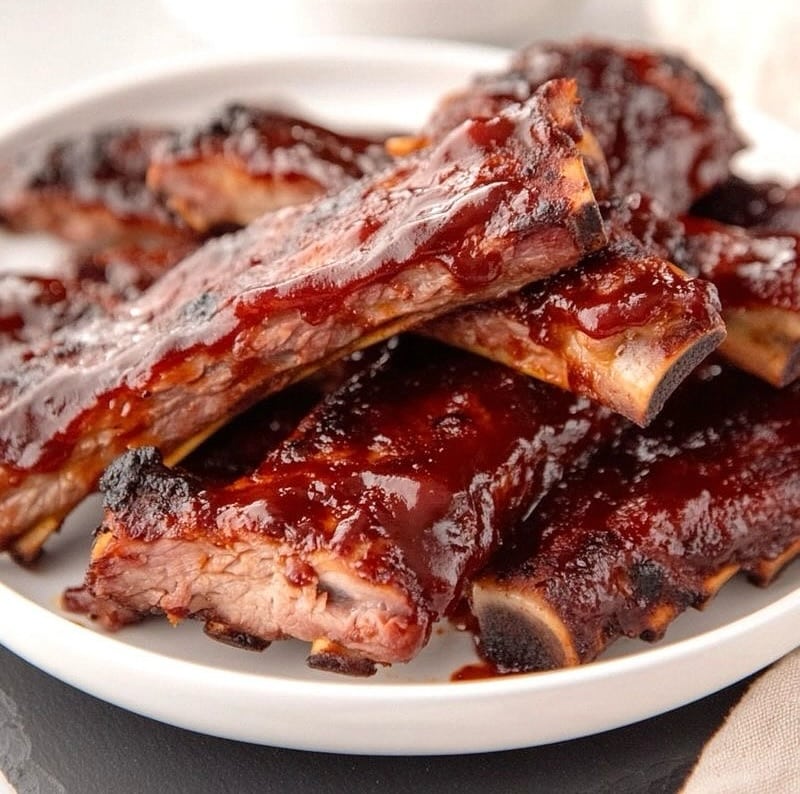
Louisiana-style Cajun ribs deliver the kind of bold, smoky heat that makes people stop talking mid-bite.
Cajun style grilling has this strange but satisfying kind of feeling to anyone who samples the grilled food, whether for the first or the 99th time.
I could use all the science to explain it but honestly – I think it borders the supernatural where no explanation will suffice.
Down in Louisiana, food isn’t just dinner. It’s a celebration, a story, and sometimes a friendly argument about who makes it better. Cajun cooking is rustic, fiery, and deeply rooted in tradition.
When that spirit meets low-and-slow barbecue, magic happens.
These ribs are smoky, spicy, slightly sweet, and unapologetically bold. They’re the kind of ribs that make your neighbors suddenly “just happen” to stop by.
Let’s get into it.
What Makes Louisiana-Style Cajun Ribs Different?
A lot of people think Cajun just means “spicy.” That’s only half the story.
Louisiana-style Cajun ribs are about balance. Yes, there’s heat from cayenne. But there’s also:
- Smoky paprika
- Earthy thyme
- Savory garlic and onion
- A touch of sweetness to round it out
The result? Layered flavor, not just fire.
Cajun seasoning traditionally comes from French-speaking Acadian settlers who adapted their cooking to local ingredients. That means bold spices, simple techniques, and food designed to feed a crowd.
And that’s exactly what ribs are meant to do.
Choosing the Right Cut: Baby Back vs. St. Louis-Style
Not all ribs cook the same, and choosing the right cut can change your entire Louisiana-style Cajun ribs experience.
Baby back ribs are leaner, slightly sweeter, and cook a bit faster. They’re great for backyard cooks who want tenderness without waiting all afternoon.
St. Louis-style ribs, on the other hand, are meatier, flatter, and richer. They handle bold Cajun seasoning beautifully because there’s more fat to balance the spice.
Here’s the pitmaster truth: fat equals flavor. If you love deep, smoky richness, go St. Louis-style. If you want a slightly lighter bite with quicker cook time, baby backs win.
Either way, the key is even thickness. Avoid racks with “shiners” – bones showing through the meat – because they’ll dry out fast.
Great ribs start at the butcher counter.
Building a Better Bark
Let’s talk about bark – that dark, crusty exterior that makes people hover near the grill.
Bark forms when spices, smoke, fat, and heat work together. Cajun seasoning is perfect for bark because paprika and sugar caramelize beautifully.
The mistake most beginners make? Wrapping too early. If you wrap before the bark sets, you steam the surface instead of developing texture.
Give your ribs time. Let the surface darken. You’re looking for a deep mahogany color – not black, not pale.
Another trick: avoid sauce too soon. Sauce has sugar, and sugar burns. Build bark first, glaze later.
A proper bark adds texture, visual appeal, and concentrated flavor.
And when someone runs a finger across the crust and smiles? That’s when you know you nailed it.
Controlling the Heat Without Killing the Flavor
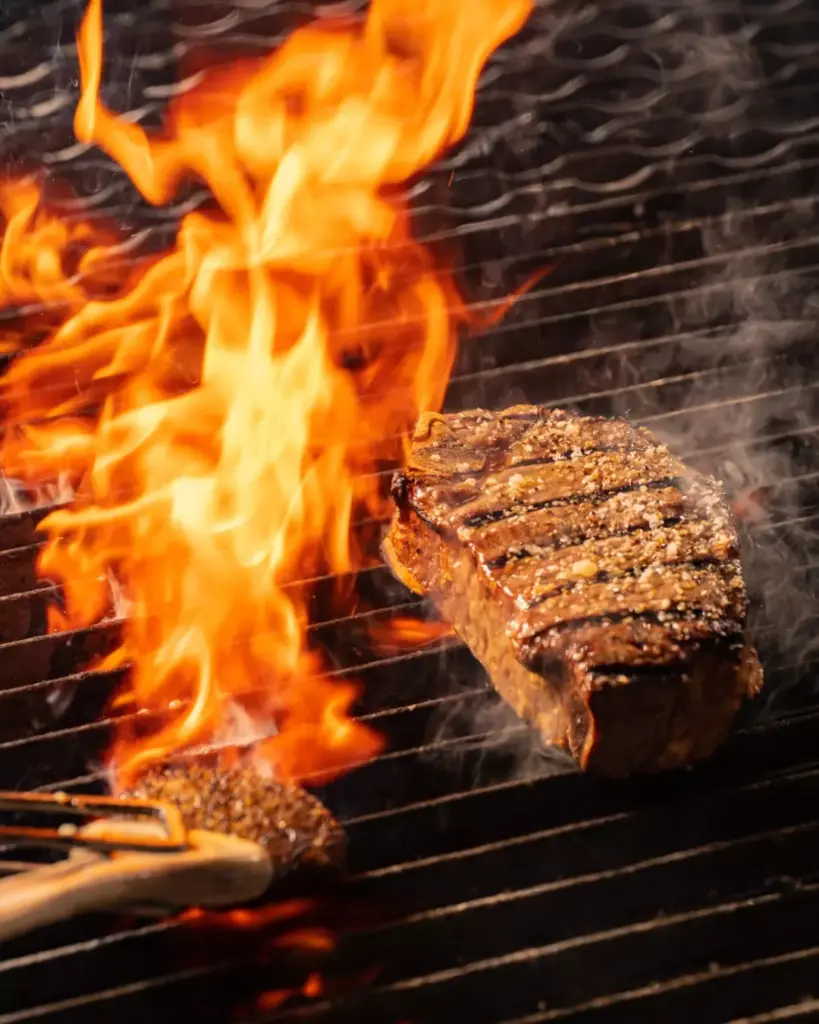
Cajun food is bold, but it shouldn’t be painful. Heat control is a skill, not a dare.
Cayenne is the main driver of spice in Louisiana-style Cajun ribs. Adjust it based on your audience. Cooking for kids or heat-sensitive guests? Dial it back.
Want controlled heat instead of sharp burn? Blend cayenne with smoked paprika and black pepper. You’ll get warmth without overwhelming fire.
Another pro move: serve hot sauce on the side. Let guests customize their experience.
Remember, spice should enhance flavor, not mask it.
When someone says, “That’s got a kick,” followed by “but I can’t stop eating it,” you’ve hit the sweet spot.
Balance beats bravado every time.
The Science of Tender Ribs
Tender ribs aren’t magic – they’re chemistry.
Ribs are full of connective tissue and collagen. When cooked low and slow, collagen breaks down into gelatin. That’s what gives you that luscious, juicy texture.
Cook too hot and fast? The meat tightens before the collagen melts. Result: tough ribs.
The magic temperature window for breakdown happens between 190°F and 203°F internal temperature. That’s why thermometers matter.
And here’s a myth-buster: fall-off-the-bone isn’t always ideal. In competition barbecue, ribs should have a slight bite – clean pull, not mush.
Tender doesn’t mean soft like pot roast.
It means juicy, structured, and satisfying.
Understanding the science behind it turns you from backyard griller into true pitmaster.
Adding Louisiana Flair Beyond the Rub
Want to push your Louisiana-style Cajun ribs even further? Add layers beyond the seasoning.
Try brushing the ribs with a thin coat of Creole mustard before applying the rub. It adds tang and depth.
Add a splash of bourbon to your glaze for smoky sweetness.
Finish with a light squeeze of fresh lemon just before serving – acidity brightens the richness.
You could even sprinkle chopped green onions on top for color and freshness.
Cajun cooking thrives on personality. It’s rustic, yes – but it’s also bold and creative.
The goal isn’t to complicate things. It’s to build dimension and contrast.
When flavors pop from multiple angles, that’s when ribs become unforgettable.
Turning Backyard BBQ Into a Full Experience
Great Louisiana-style Cajun ribs deserve more than paper plates and folding chairs – though I’ve used plenty of both.
Create atmosphere. Play some Zydeco or blues music while the ribs smoke. The vibe matters.
Cook outdoors where guests can smell the wood and spices. Anticipation is part of flavor.
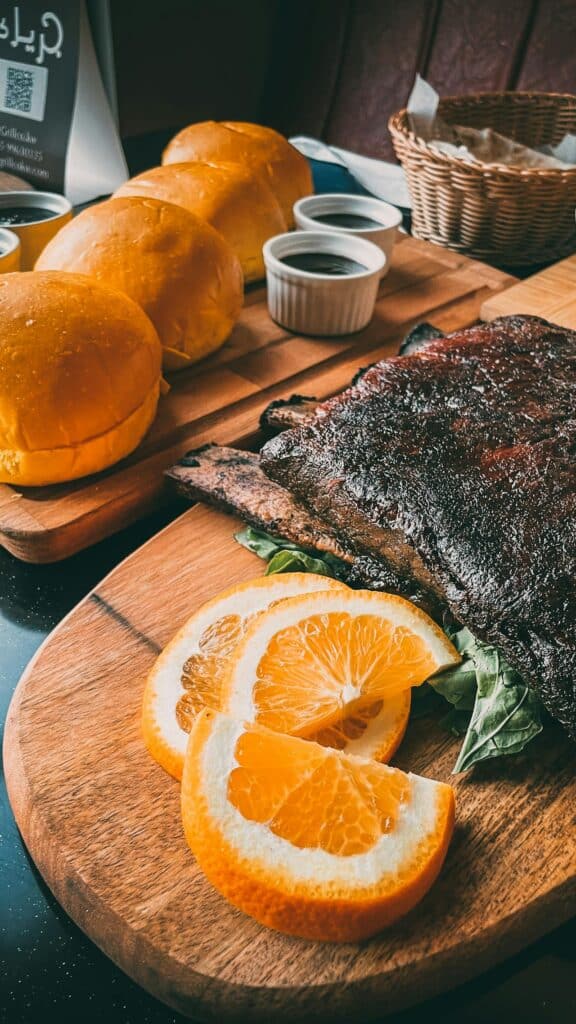
Serve ribs on a big wooden board for dramatic presentation. Let people see that bark shine.
Food is emotional. When you combine smoke, spice, sound, and laughter, you’re not just feeding people – you’re hosting an experience.
And here’s the secret:
People rarely remember exact spice ratios.
They remember how the food made them feel.
Make it bold. Make it warm. Make it memorable.
What to Serve with Louisiana-Style Cajun Ribs
You want sides that cool the heat and complement the smoke.
Great pairings:
- Creamy coleslaw
- Cornbread
- Dirty rice
- Grilled corn
- Baked beans
Sweet tea or lemonade works beautifully. If you’re reaching for beer, keep it light and crisp.
Pro tip: Something creamy balances spice. Always.

Pitmaster Tips You’ll Appreciate
After years of cooking ribs, here’s what separates good from unforgettable:
- Don’t rush tenderness. Time equals texture.
- Use a thermometer, not guesswork.
- Keep cayenne adjustable – spice tolerance isn’t a competition.
- Rest before slicing. Always.
And here’s my favorite rule:
If the ribs don’t make someone close their eyes on the first bite, you pulled them too early.
Final Thoughts
Backyard BBQs should be fun, bold, and just a little messy.
Louisiana-style Cajun ribs bring energy to the table. They’re smoky, spicy, sticky, and loaded with personality – kind of like the best pitmasters I know.
What I love most about this recipe is how adaptable it is. Dial up the heat. Add more smoke. Tweak the glaze. Make it yours.
That’s the spirit of Cajun cooking. It’s confident. It’s generous. It’s meant to be shared.
Now fire up that grill – your backyard just got a whole lot more interesting.
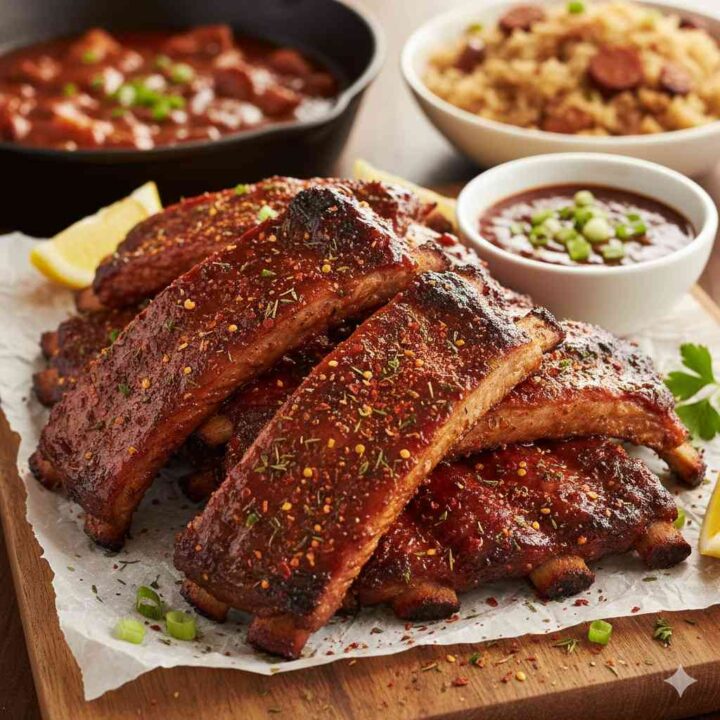
Louisiana-Style Cajun Ribs Recipe
Image credit: Google Gemini
Ingredients
For the Ribs
- 2 racks baby back ribs (or St. Louis-style if you want meatier cuts)
- Yellow mustard or olive oil (acts as a binder)
Cajun Dry Rub
- 2 tbsp smoked paprika
- 1–2 tsp cayenne pepper (adjust to taste)
- 1 tbsp garlic powder
- 1 tbsp onion powder
- 1 tsp dried thyme
- 1 tsp dried oregano
- 2 tbsp brown sugar
- 1½ tsp salt
- 1 tsp black pepper
Optional Cajun BBQ Glaze
- 1 cup BBQ sauce
- 1 tbsp hot sauce
- 1 tbsp Worcestershire sauce
- 1 tbsp butter
- 1 tbsp honey
- Key point: The brown sugar doesn’t make the ribs sweet – it balances the heat and helps create that sticky, caramelized finish.
Instructions
- Remove the membrane from the back of the ribs. If you skip this step, you’ll chew more than you should. Slide a butter knife under it, grab with a paper towel, and pull.
- Pat ribs dry.
- Lightly coat with mustard or oil.
- Apply the Cajun rub generously – and I mean generously.
Prep Like a Pitmaster
Massage it in like you mean it.
Let the ribs sit at room temp for 30–60 minutes. If you’ve got time, refrigerate overnight. The longer rest builds deeper flavor.
Setting Up the Grill
Low and slow wins this race.
You want:
- 275–300°F
- Indirect heat (two-zone setup)
- A touch of smoke from hickory or pecan wood
If you’re using charcoal, bank coals to one side. If you’re on gas, leave one burner off and cook over that zone.
Add soaked wood chips for that subtle smokiness. Not a forest fire – just a kiss of smoke.
Cooking Louisiana-Style Cajun Ribs
Place ribs bone-side down over indirect heat. Close the lid.
Now we wait.
Cook for about 2 to 2½ hours, maintaining steady temperature. Resist the urge to constantly peek. Every time you open the lid, you lose heat and smoke.
After the bark (that flavorful crust) develops, wrap the ribs tightly in foil with a splash of apple juice or a small pat of butter. This step tenderizes and keeps everything juicy.
Return to the grill for another 45–60 minutes.
When the ribs bend easily and the internal temp hits 195–203°F, they’re ready for the final act.
The Glaze Finish
Unwrap the ribs carefully – there will be juices, and those juices are gold.
Brush on your Cajun BBQ glaze and return ribs to the grill uncovered for 15–20 minutes.
This is where Louisiana-style Cajun ribs turn into sticky, glossy showstoppers.
The sugars caramelize. The spices bloom. The edges get slightly charred in the best possible way.
Let the ribs rest 10–15 minutes before slicing. This keeps juices where they belong – inside the meat.
Slice between the bones and serve.
Then stand back.
Oven Option (Because Weather Happens)
No grill? No problem.
- Preheat oven to 300°F.
- Season ribs as directed.
- Wrap tightly in foil.
- Bake 2½–3 hours.
- Uncover, glaze, and broil until caramelized.
You won’t get heavy smoke, but you’ll still get bold Cajun flavor.
And honestly? Most guests won’t know the difference.
Featured image credit: @cowboychrisdorrah
