
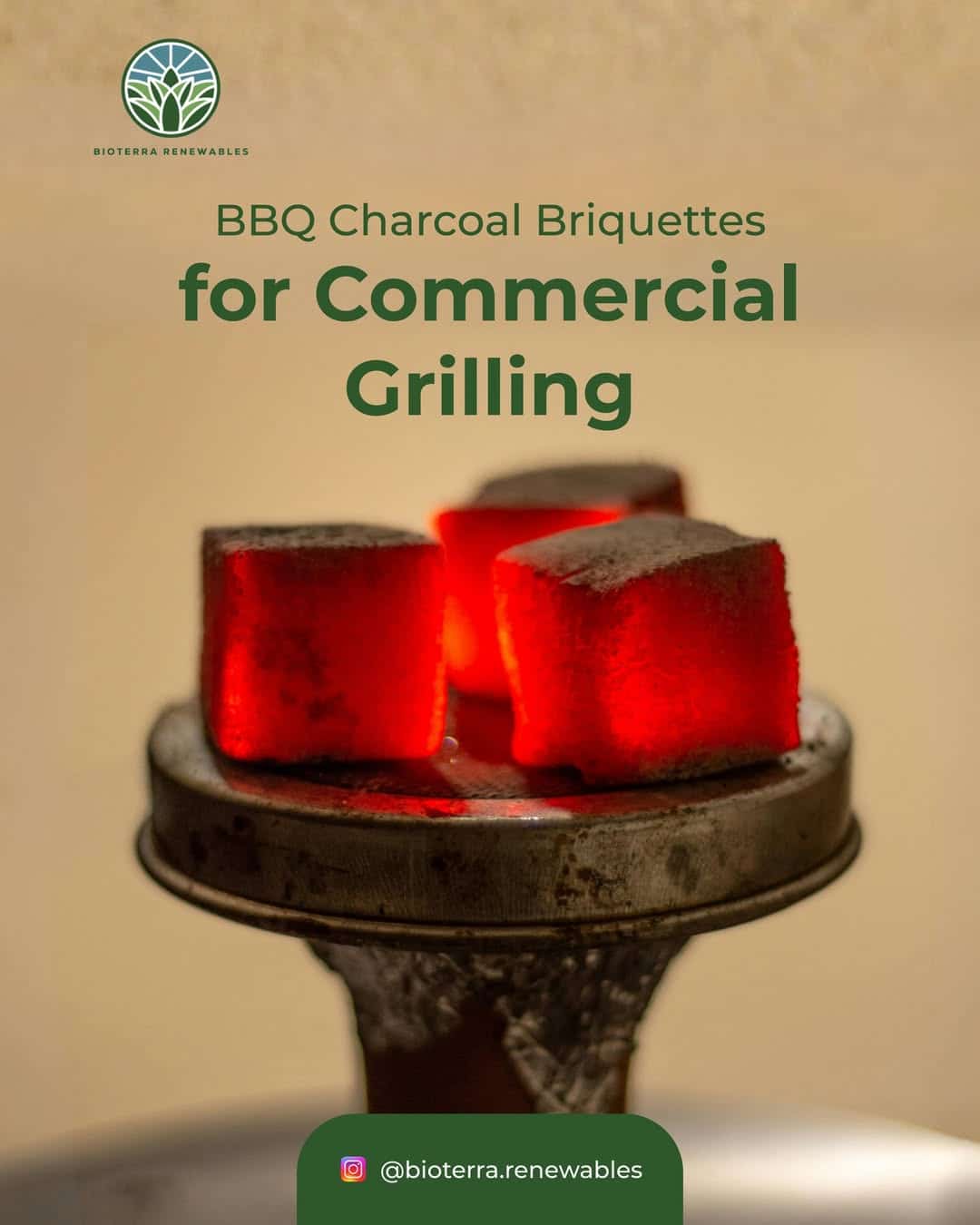
Ever notice how two identical steaks can taste worlds apart on different grills? The secret isn’t the grill – it’s the charcoal.
I’ve cooked on everything from bargain briquettes that smell like a tire fire to premium hardwood lump that burns so clean it feels like cheating. Some charcoal burns hot but dies fast.
Others last forever but never get screaming hot. And a few – the best charcoal brands – manage to do both while adding real flavor to your food.
This guide breaks down 10 of the best charcoal brands, comparing them where it actually counts:
- Burn time
- Heat output and consistency
- Flavor contribution
No marketing fluff. No “this one’s great for everything” nonsense. Just honest pitmaster-level insight.
How We Compared These Charcoal Brands
I judge charcoal the same way I judge knives or smokers – how it performs when things go wrong.
Here’s what matters in the real world:
- Burn Time: Does it hold temp for long cooks or quit halfway through?
- Heat Output: Can it hit 600–700°F without begging?
- Consistency: Does it spike and crash, or stay steady?
- Flavor: Clean smoke or backyard bonfire vibes?
- Ash Production: Ash kills airflow. Less is more.
This list includes both lump charcoal and briquettes, because each has a place depending on how you cook.
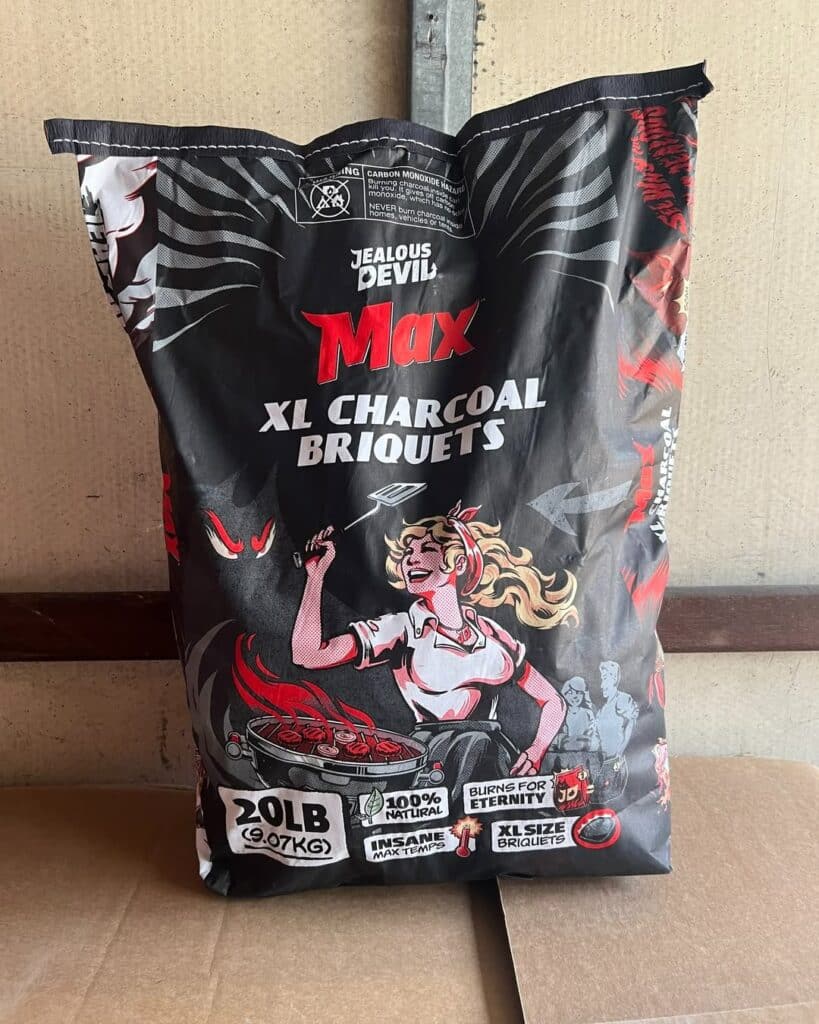
1. Jealous Devil Lump Charcoal
Best Overall Charcoal
If charcoal had a luxury watch category, Jealous Devil would be it.
- Burn Time: Outstanding – long, steady, predictable
- Heat: Easily hits steakhouse temps
- Flavor: Clean, subtle hardwood smoke
- Ash: Minimal
The chunks are massive, dense, and clearly well-made. Once lit, it behaves like it has a job and plans to keep it. I’ve run overnight cooks on this stuff without refueling, which still feels illegal.
Why it wins:
✔ Long burn + high heat + clean flavor
✖ Premium price (but worth it)
Best for: Kamado grills, long cooks, serious grilling sessions
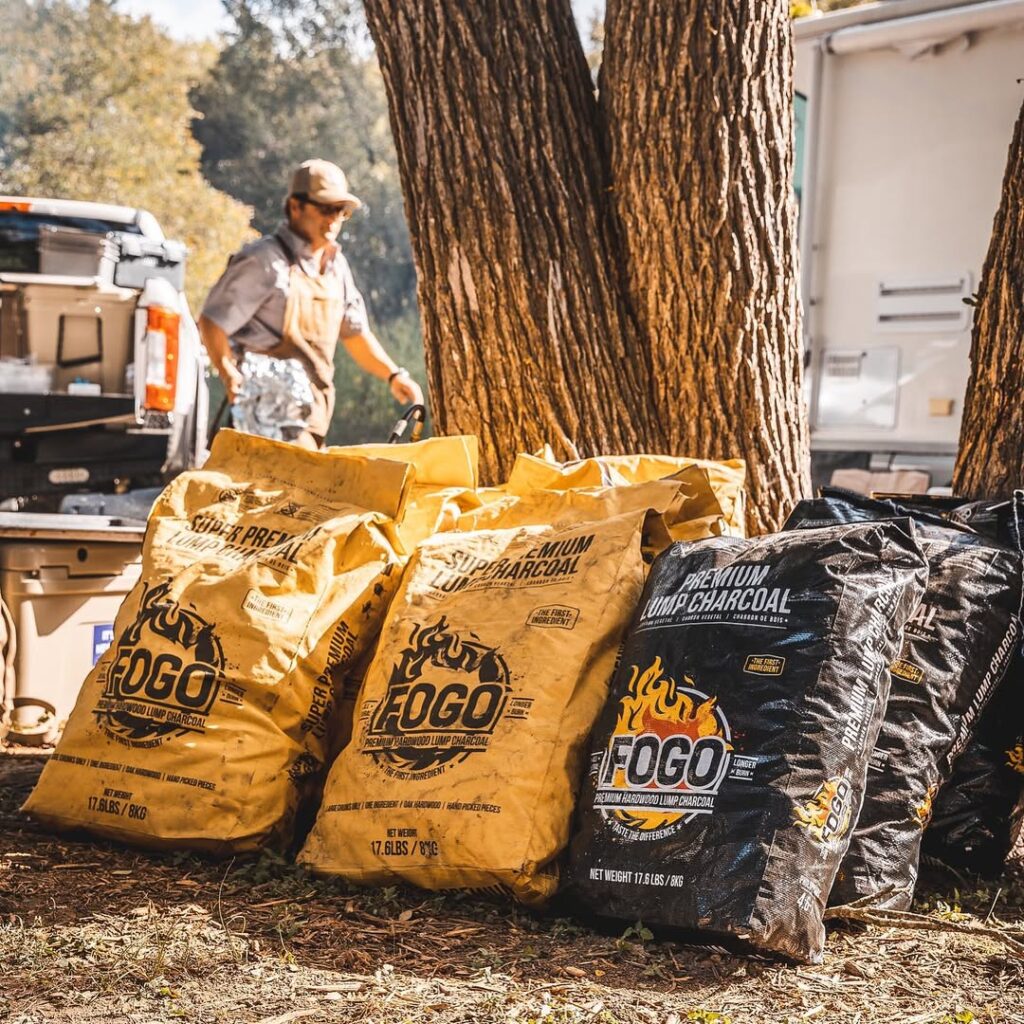
2. FOGO Super Premium Lump
Best for Clean Flavor
FOGO is what I reach for when food flavor matters more than brute force heat.
- Burn Time: Very good
- Heat: Strong but controlled
- Flavor: Neutral to lightly smoky
- Ash: Low
This charcoal doesn’t overpower delicate meats. Chicken tastes like chicken. Fish still tastes like fish. That’s not a small thing.
Why pitmasters love it:
✔ Clean-burning, no weird aromas
✖ Slightly inconsistent chunk sizing
Best for: Low-and-slow, poultry, seafood, kamado grills
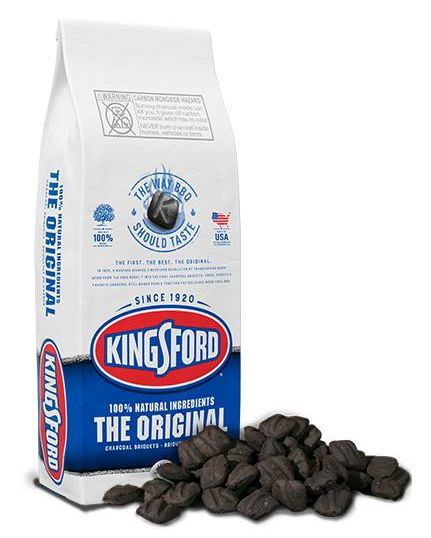
3. Kingsford Original Briquettes
Best Budget Briquette
Say what you want – Kingsford Original is the reason half the world learned to grill.
- Burn Time: Consistent and predictable
- Heat: Moderate, steady
- Flavor: Neutral
- Ash: High (this is the tradeoff)
It won’t win flavor awards, but it’s stable, affordable, and everywhere. I still use it for long cooks when I want control over drama.
Why it’s still relevant:
✔ Cheap, consistent, easy to manage
✖ Produces a lot of ash
Best for: Beginners, long cooks, kettle grills
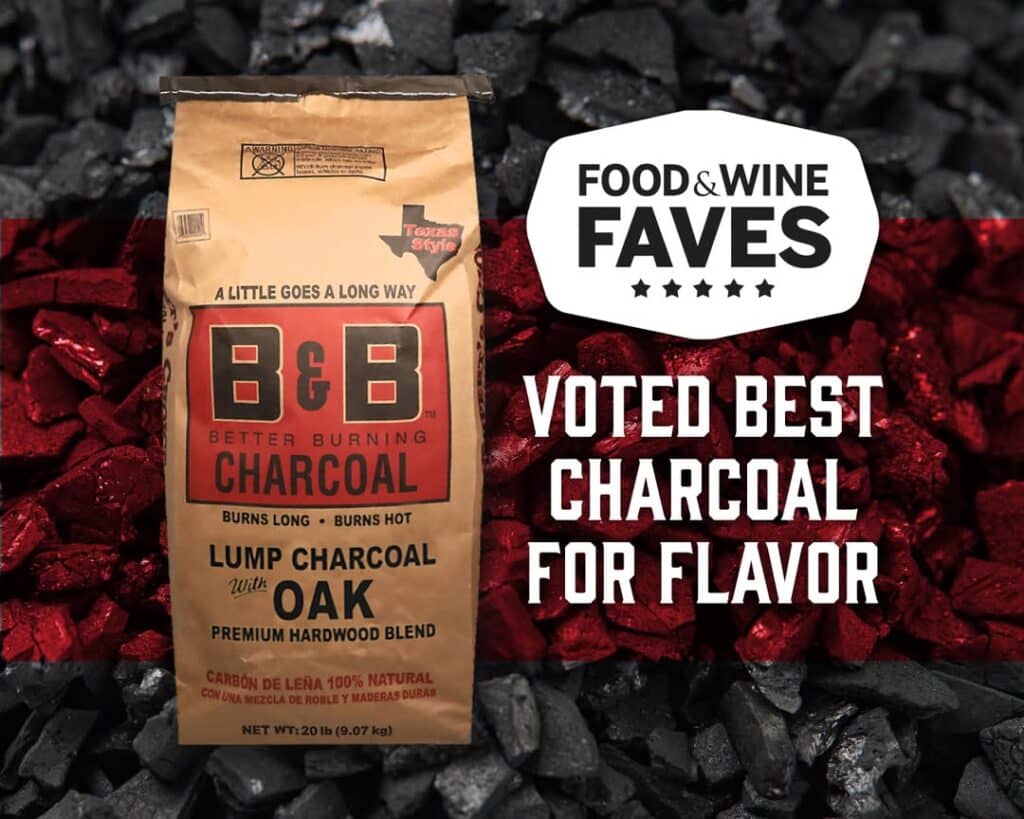
4. B&B Oak Lump Charcoal
Best Oak-Based Charcoal
If you cook Texas-style BBQ and don’t use oak, someone might revoke your tongs.
- Burn Time: Long
- Heat: Strong and steady
- Flavor: Classic oak smoke
- Ash: Moderate
B&B burns hotter and longer than most lump charcoal, and the oak flavor shines without getting bitter.
Why it stands out:
✔ Great smoke flavor
✖ Heavier ash than ultra-premium lumps
Best for: Brisket, ribs, offset smokers
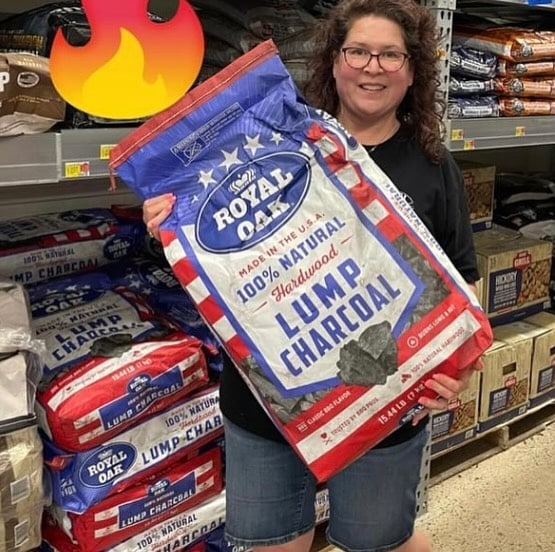
5. Royal Oak Lump Charcoal
Best Widely Available Lump
Royal Oak is like the pickup truck of charcoal – not fancy, but it works.
- Burn Time: Good
- Heat: High
- Flavor: Mild hardwood
- Ash: Moderate
You’ll sometimes find smaller pieces than advertised, but it’s easy to find and performs reliably.
Why people keep buying it:
✔ Easy to find, decent performance
✖ Occasional inconsistency
Best for: Everyday grilling, big-box store shoppers
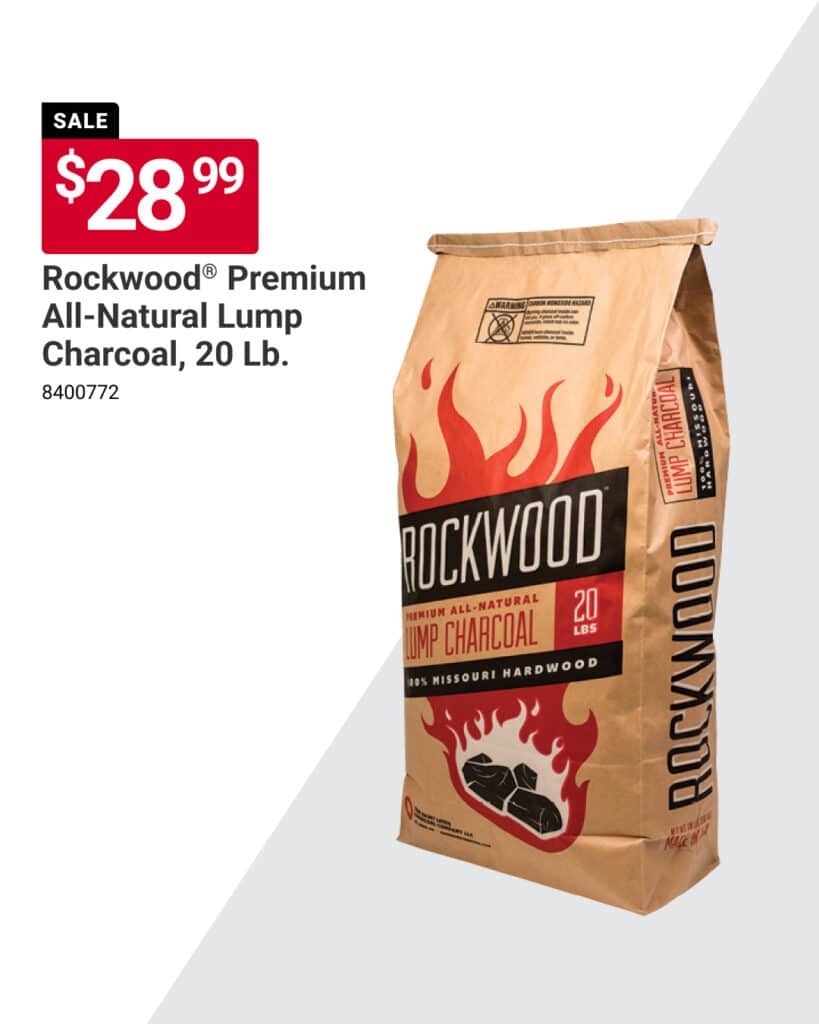
6. Rockwood Lump Charcoal
Best Hardwood Blend
Rockwood feels like it was designed by someone who actually grills.
- Burn Time: Excellent
- Heat: Strong and controlled
- Flavor: Balanced hardwood blend
- Ash: Low
Everything about it feels intentional – from chunk size to burn behavior.
Why it impresses:
✔ Consistency and quality
✖ Harder to find locally
Best for: Experienced grillers, precision cooks
7. Weber Briquettes
Best Briquettes for Consistent Heat
These don’t get enough credit.
- Burn Time: Long
- Heat: Very consistent
- Flavor: Neutral
- Ash: Less than Kingsford
They burn slower and cleaner than most briquettes, which makes temperature control easier.
Why they’re underrated:
✔ Cleaner burn for a briquette
✖ Not as hot as lump
Best for: Kettle grills, controlled cooks
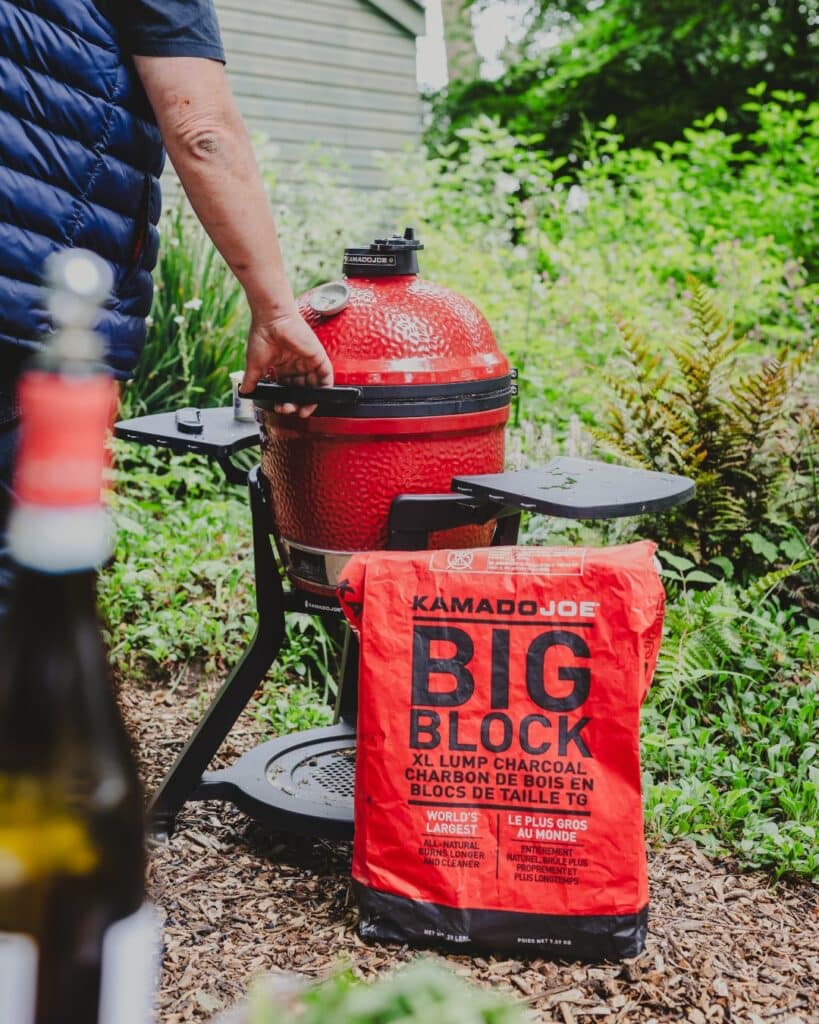
8. Kamado Joe Big Block Charcoal
Best for Kamado Grills
Big chunks. Long burns. Serious heat.
- Burn Time: Exceptional
- Heat: Extremely high
- Flavor: Mild hardwood
- Ash: Minimal
This charcoal is made for ceramic grills. It locks in heat like it’s hoarding it.
Why it’s special:
✔ Designed specifically for kamados
✖ Overkill for small grills
Best for: Kamado Joe, Big Green Egg users
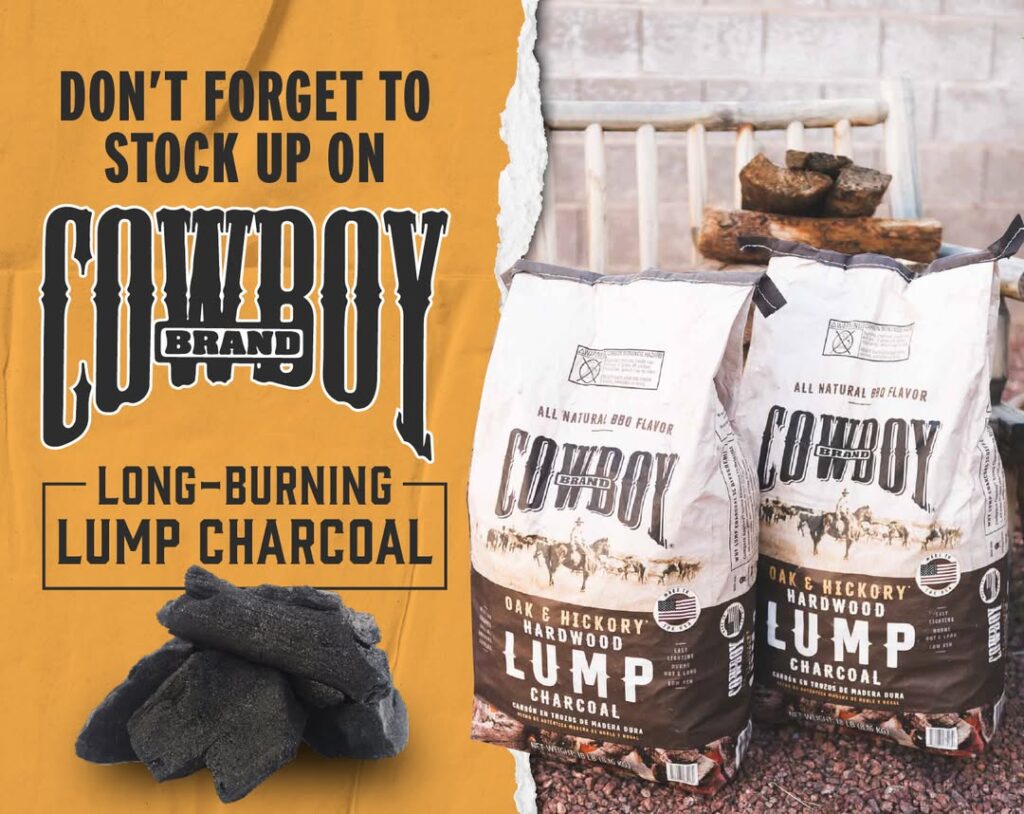
9. Cowboy Brand Lump Charcoal
Best Fast-Lighting Lump
Need fire now? Cowboy’s your guy.
- Burn Time: Shorter
- Heat: Quick and hot
- Flavor: Wood-forward
- Ash: Moderate
It lights fast and burns hot – but doesn’t last as long as premium brands.
Why it exists:
✔ Quick ignition
✖ Shorter burn time
Best for: Weeknight grilling, quick cooks
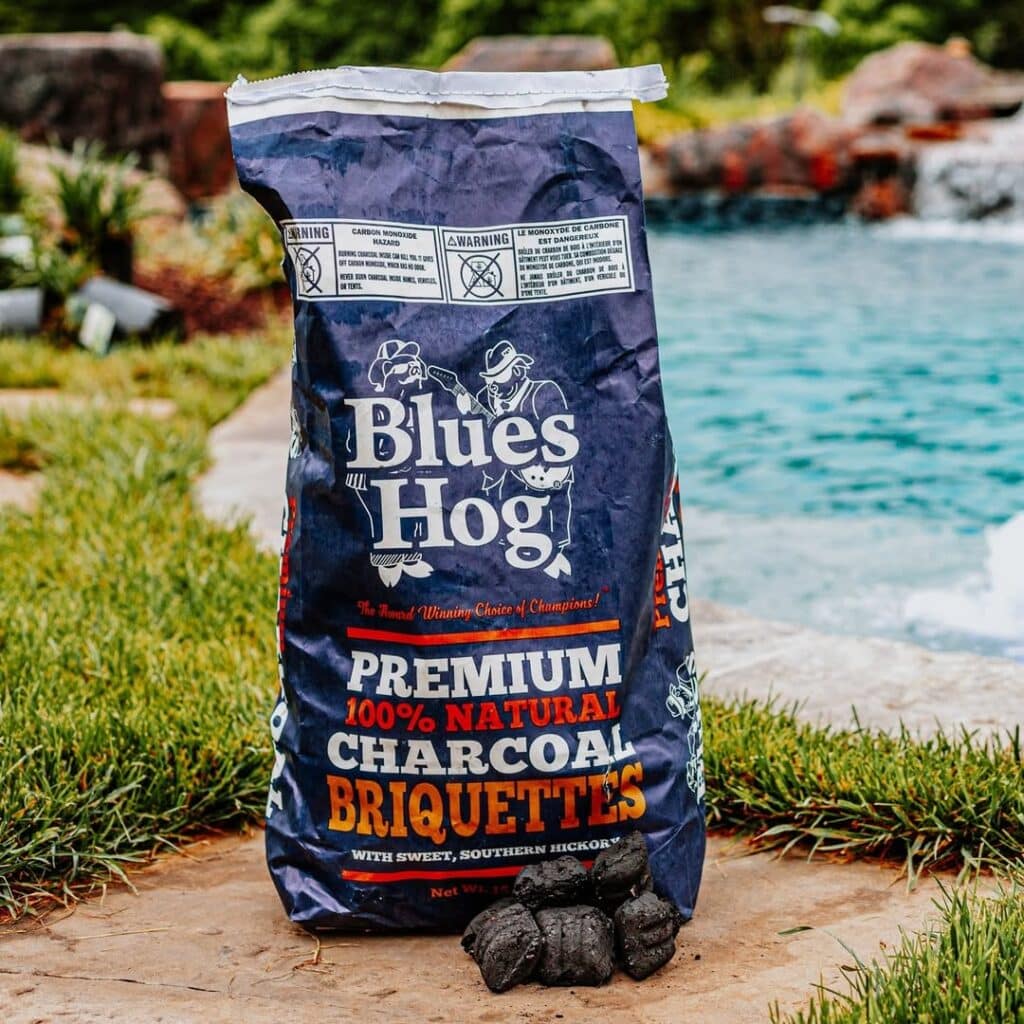
10. Blues Hog / Competition-Style Charcoal
Best Specialty Charcoal
Designed for people who chase trophies – or at least bragging rights.
- Burn Time: Long
- Heat: Controlled
- Flavor: Designed to enhance smoke wood
- Ash: Low
It’s engineered, refined, and excellent – but pricey.
Why competitors love it:
✔ Precision performance
✖ Cost
Best for: Competition BBQ, serious smoking
Lump vs Briquettes: Which Should You Choose?
Here’s the blunt truth:
- Lump charcoal
o Burns hotter
o Adds more flavor
o Less ash
o Less consistent
- Briquettes
o Burn longer
o Easier temperature control
o More ash
o Less flavor
I use both. Lump for grilling and flavor. Briquettes for long, steady cooks.
How to Choose the Right Charcoal for Your Grill
- Kettle grills: Lump or briquettes both work
- Kamado grills: Large-chunk lump charcoal
- Offset smokers: Briquettes or oak-based lump
- Quick cooks: Fast-lighting lump
- Overnight cooks: Dense briquettes or premium lump
Why Chunk Size Changes Everything (and Why Most People Ignore It)
One of the most overlooked details in the best charcoal brands is chunk size, and it quietly controls how your entire cook behaves.
- Large chunks
o Burn slower
o Hold heat longer
o Allow better airflow (especially in kamado and kettle grills)
- Small fragments
o Ignite fast
o Spike temperatures
o Burn out quickly – like a bad opening act
Ever dumped a bag of lump charcoal into your grill only to find half of it is crumbs? That’s not just annoying. It leads to:
- Unstable heat
- Constant vent fiddling
- Shorter burn times
Big, dense chunks give you predictable combustion, which means fewer temperature swings and less babysitting. Competition pitmasters obsess over chunk size because consistency equals control.
When charcoal burns evenly, smoke flows cleanly – and clean smoke means better flavor. It’s not glamorous, but once you notice it, you can’t unsee it.
The Hidden Role of Moisture in Charcoal Performance
Charcoal isn’t supposed to be wet – but moisture content can make or break your cook. Even premium charcoal can absorb humidity during shipping or storage, and damp charcoal struggles in all the wrong ways.
When charcoal contains excess moisture:
- Energy gets wasted evaporating water instead of producing heat
- Lighting takes longer
- Full temperature is harder to reach
The result?
- More white smoke
- Slower heat recovery
- That acrid smell nobody invited
The best charcoal brands work hard to minimize moisture during production, but once it’s in your garage, it’s on you. Airtight containers, sealed bins, or even heavy-duty contractor bags go a long way.
Dry charcoal burns hotter, cleaner, and more efficiently – no extra skill required.
Why Some Charcoal Smells “Wrong” (and How to Avoid It)
You’ve probably smelled it before – that chemical, sharp, eye-watering odor that makes you question dinner plans. That smell usually comes from poor-quality charcoal made with fillers, binders, or improperly carbonized wood.
Here’s the simple rule:
- Good charcoal smells faintly woody or neutral
- Bad charcoal smells like a factory fire
Low-end brands often rush the carbonization process, trapping resins and impurities that burn off as nasty smoke. And yes – your food absorbs that.
This is why experienced cooks trust brands with transparent sourcing and clean burn reputations. Your grill is basically a convection oven for smoke. Feed it garbage fuel, and you’ll taste it.
Clean charcoal equals clean smoke, and clean smoke equals food that tastes like food – not regret.
Airflow + Charcoal: The Power Couple of Temperature Control
Most people blame their grill when temperatures spike or stall – but airflow and charcoal compatibility are the real drivers. Different charcoal burns differently depending on how air moves through it.
- Dense lump charcoal
o Needs space
o Benefits from airflow gaps
- Briquettes
o Prefer tighter packing
o Burn more uniformly when airflow is controlled
Ignore this, and your grill fights you all cook long.
Large chunks stacked with airflow gaps allow oxygen to circulate evenly, producing stable heat. Overpacked charcoal restricts airflow, leading to smoldering, bitter smoke. Underpacked fuel burns too fast and runs hot.
This is where the best charcoal brands shine: uniform size and density make airflow predictable. Pair good charcoal with smart vent control, and temperature management becomes almost boring – in the best way possible.
Why Restaurant Steaks Taste Better (Charcoal Edition)
Ever wonder why restaurant steaks hit different? It’s not just seasoning or skill – it’s often high-heat charcoal cooking done right.
Many steakhouses use dense, premium charcoal because it:
- Burns extremely hot
- Stays clean under intense heat
- Produces powerful radiant energy
High-quality charcoal creates that aggressive sear without prolonged smoke exposure. The result is a deep crust, juicy interior, and zero bitterness.
Cheap charcoal can’t pull this off. It:
- Burns cooler
- Produces more ash
- Struggles to maintain searing temperatures
This is one area where upgrading charcoal delivers an immediate, obvious payoff – no technique changes required.
The Real Cost of Cheap Charcoal (It’s Not the Price Tag)
Cheap charcoal feels like a win at checkout, but it usually costs more where it hurts.
Shorter burn times mean:
- More refueling
- More fuel used overall
Inconsistent heat leads to:
- Ruined food
- Longer cook times
Excess ash causes:
- Restricted airflow
- Wasted fuel
The best charcoal brands burn longer, cleaner, and more efficiently, which means you actually use less charcoal per cook. One bag of premium fuel often outlasts two bags of bargain charcoal – and saves your sanity in the process.
There’s also the flavor tax. Cheap charcoal can flatten taste or add off-notes no sauce can fix. Paying more upfront isn’t indulgent – it’s practical. Your food tastes better, your grill behaves better, and your cooks get easier.
Frequently Asked Questions
1. What are the best charcoal brands for grilling and smoking?
The best charcoal brands burn cleaner, longer, and more consistently. Premium lump charcoal brands like Jealous Devil, FOGO, and Kamado Joe Big Block excel at heat and flavor, while briquettes like Kingsford and Weber offer steady, predictable burns for longer cooks.
2. Is lump charcoal better than briquettes?
Lump charcoal burns hotter and cleaner, produces less ash, and adds more natural flavor. Briquettes burn longer and more evenly, making them easier to control for low-and-slow cooking. The better choice depends on your grill type and cooking style.
3. Does charcoal really affect flavor that much?
Yes—charcoal directly affects smoke quality, and smoke is a seasoning. Poor-quality charcoal can add bitter or chemical flavors, while high-quality charcoal produces clean smoke that enhances, not masks, the taste of food.
4. Why does my charcoal burn too fast or unevenly?
This usually comes down to chunk size, airflow, or moisture. Small or crumbly charcoal burns quickly, restricted airflow causes smoldering, and damp charcoal wastes heat evaporating water instead of cooking food.
5. How should charcoal be stored to keep it performing well?
Store charcoal in a dry, airtight container away from humidity. Sealed bins or heavy-duty bags prevent moisture absorption, helping charcoal light faster, burn hotter, and produce cleaner smoke.
Final Verdict: Which Charcoal Is Right for You?
If you want the safest, best-performing option overall, Jealous Devil takes the crown.
- Best overall: Jealous Devil
- Best clean flavor: FOGO
- Best budget: Kingsford Original
- Best kamado charcoal: Kamado Joe Big Block
At the end of the day, the best charcoal brands don’t just burn – they behave. They hold heat, respect your food, and don’t fight you when guests are watching.
And that’s the kind of charcoal worth buying.
Featured image credit: @bioterra.renewables
