
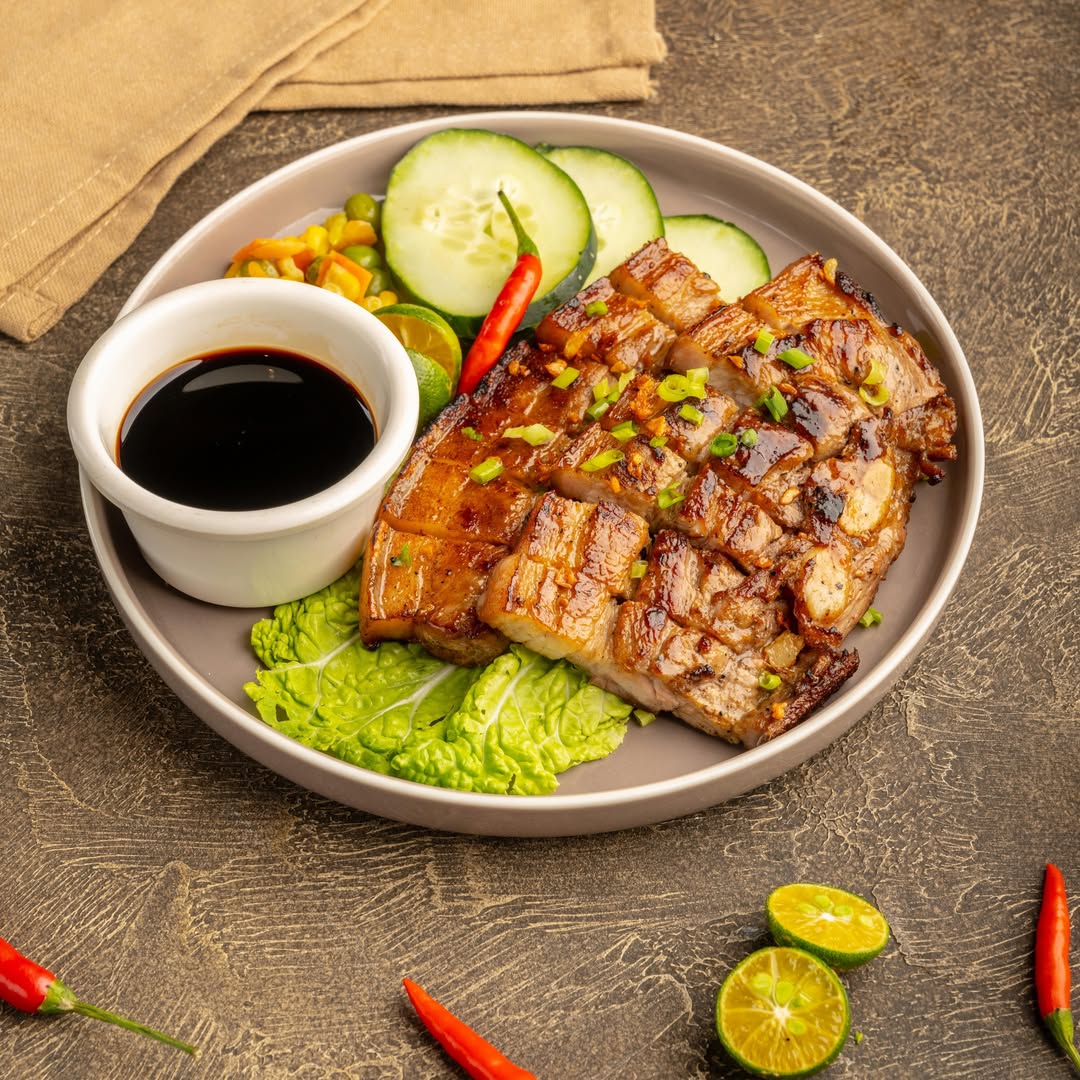
When pork belly starts dripping fat onto glowing coals, you’re already speaking the language of liempo.
Liempo isn’t just another way to cook pork belly – it’s a mindset. It’s about patience, balance, fire control, and letting fat do what fat does best: carry flavor like a champ.
I’ve cooked pork belly a dozen different ways over the years – low and slow, hot and fast, wrapped, unwrapped, smoked, grilled. But liempo sits in a sweet spot.
It’s bold without being complicated, forgiving without being sloppy, and it rewards cooks who pay attention without demanding culinary gymnastics.
This is a single, dialed-in liempo BBQ recipe, explained the way pitmasters actually talk when no one’s filming.
What Is Liempo, Really?
At its core, liempo is Filipino-style BBQ pork belly, usually sliced into grill-friendly slabs and marinated in a savory-sweet blend that caramelizes beautifully over fire.
What makes liempo different from “regular” pork belly?
- It’s cut thinner, so it grills instead of braises
- It’s marinade-driven, not rub-heavy
- It’s meant to be smoky, sticky, and eaten with your hands
Think backyard BBQ meets street food energy. If ribs are a weekend project, liempo is a Tuesday night flex.
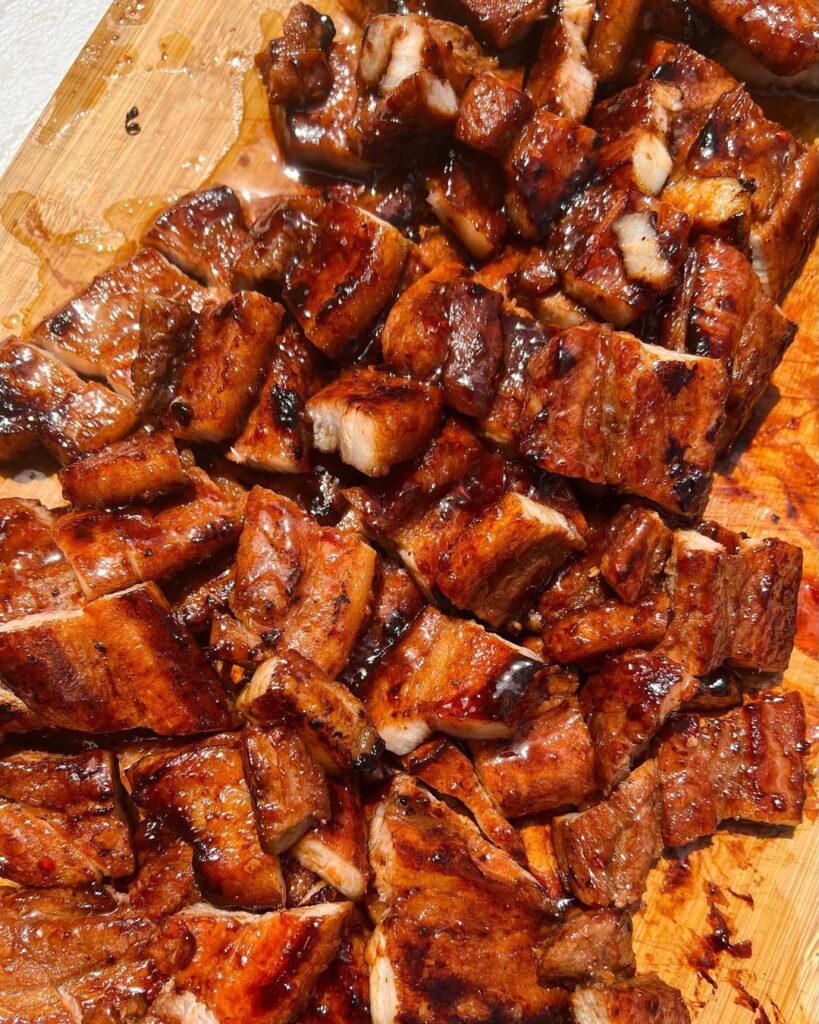
Why Pork Belly Is BBQ Royalty
Pork belly is basically cheat code meat. You’ve got:
- Fat for flavor
- Meat for bite
- Skin (optional) for texture
When grilled properly, pork belly hits all the notes: crispy edges, juicy center, and that unmistakable pork richness that makes people hover near the grill “just checking on things.”
Liempo works because pork belly forgives small mistakes. A flare-up here, a few extra minutes there – it’s hard to completely ruin it. That’s a gift when you’re cooking over live fire.
Choosing the Right Pork Belly: Not All Liempo Starts Equal
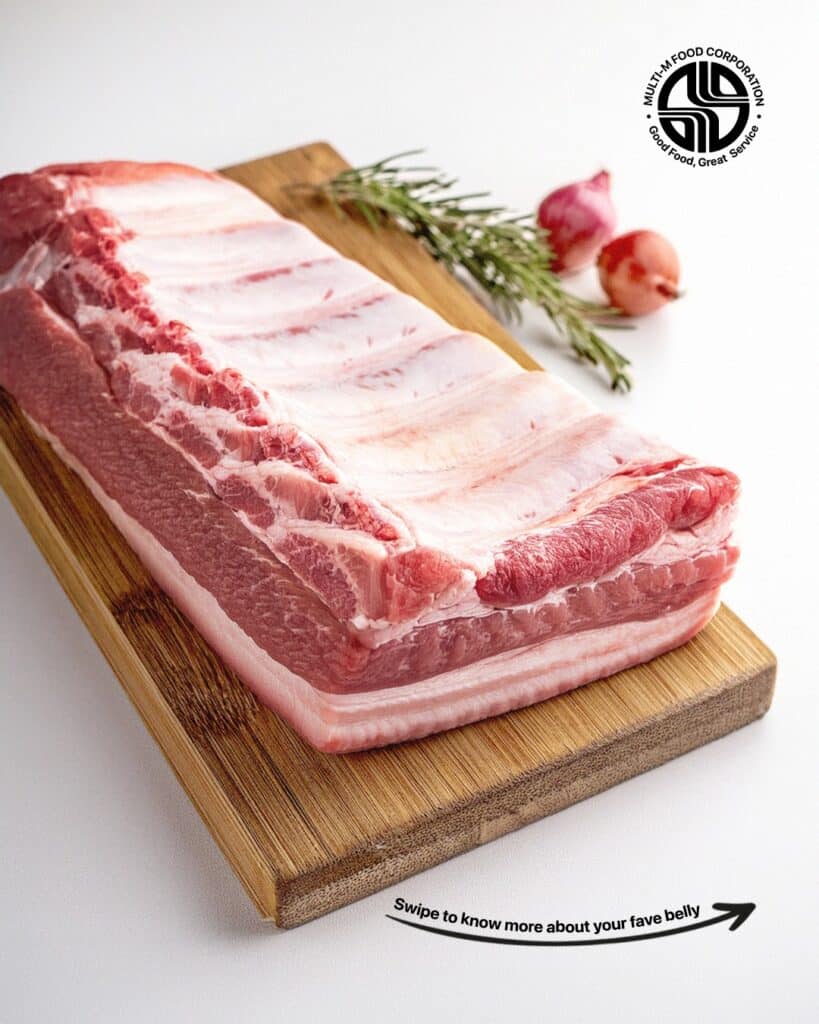
Great liempo doesn’t start at the grill – it starts at the butcher. Pork belly varies wildly in quality, and the difference shows up fast once fire hits fat. What you’re looking for is balance.
Key things to watch for:
- Even meat-to-fat ratio – too lean dries out, too fatty turns greasy
- Consistent thickness – uneven slabs cook unevenly
- Firm, pale fat – soft or yellow fat is a red flag
Thickness matters more than most people think. Thin pork belly cooks quickly but leaves little room for error. Thicker slabs give you time to render fat properly, which is where liempo really shines.
Skin-on pork belly adds protection and crunch potential, but it demands better fire control. Skin-off is simpler and more forgiving, especially for first-timers.
Freshness seals the deal. Pork belly should:
- Smell clean (never sweet or sour)
- Be pale pink with firm fat
Good liempo starts with respecting the cut, not trying to fix problems later with sauce or heat.
Smoke Flavor: How Much Is Too Much for Liempo?
Here’s a truth some pitmasters won’t admit: liempo doesn’t want heavy smoke. Pork belly absorbs smoke fast, and too much turns rich into bitter in a hurry.
The goal is light, supportive smoke, not domination. Think background vocals, not a guitar solo.
Best practices for smoke:
- Use fruit woods like apple or cherry for mild sweetness
- Skip aggressive woods unless you’re barely using them
- Let lump charcoal do most of the work
Charcoal purists should note that lump alone often provides enough smoke for liempo. Adding wood chunks should be intentional, not automatic. You’re seasoning with smoke – not burying the pork in it.
Watch the smoke itself:
- Thin and blue = perfect
- Thick and white = back off
Liempo should taste smoky, not campfire-adjacent. When done right, smoke lifts the pork instead of stealing the spotlight.
Fire Management: The Hidden Skill Behind Great Liempo
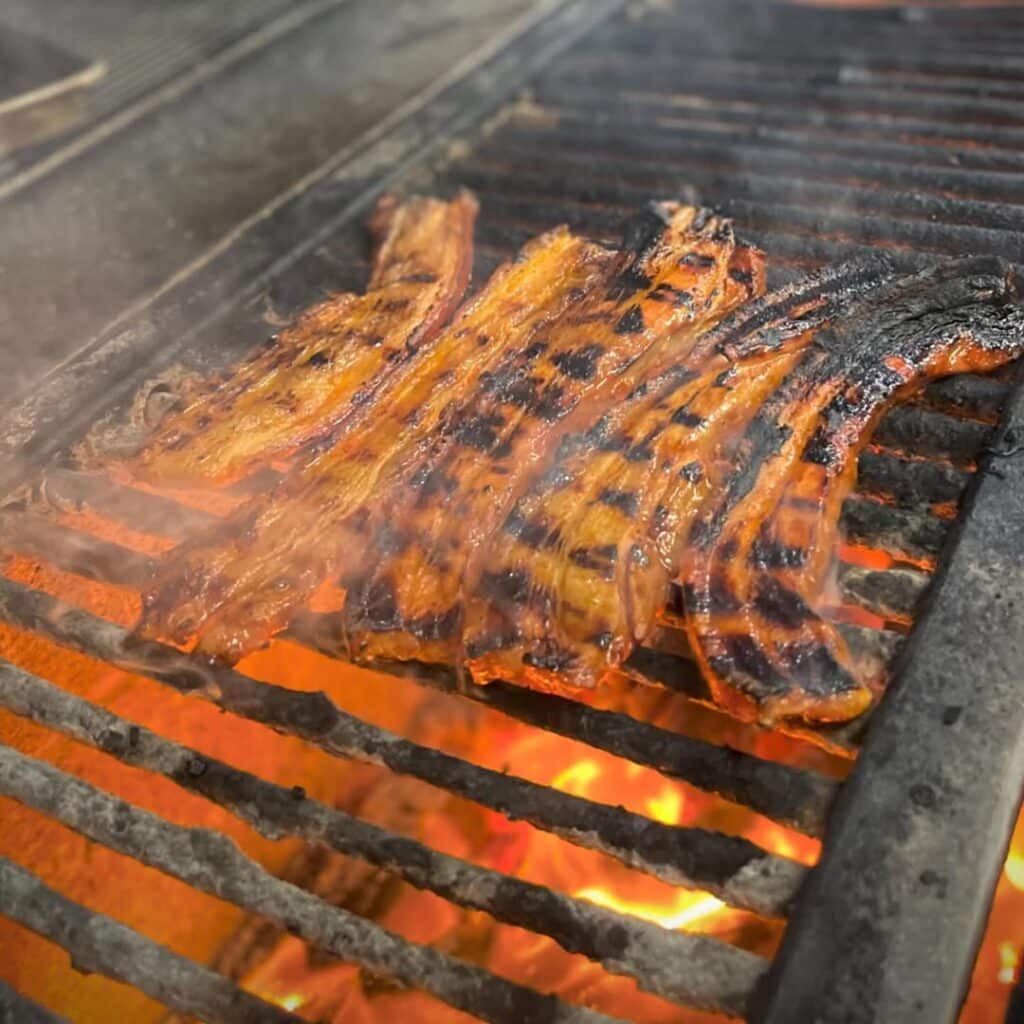
Anyone can light a grill. Running a fire is where cooks earn respect. Liempo demands attention because dripping fat creates chaos fast. This is not a set-it-and-forget-it cook.
Two-zone cooking is non-negotiable:
- Hot zone for caramelization
- Cooler zone for control and recovery
When flare-ups show up uninvited:
- Move the pork
- Close the lid
- Choke the oxygen
- Stay calm
Panic flipping only feeds the flames.
Wind matters more than people admit. A breeze can turn a controlled grill into a runaway torch. Position the grill wisely and stay aware – fire behaves differently outdoors, and liempo exposes that fast.
A clean fire gives clean flavor. Ash-covered coals and dirty burners mute caramelization. Keep things tidy. Mastering liempo teaches you how to cook fire, not just meat, and that skill carries everywhere.
Sauce vs. No Sauce: The Great Liempo Debate
This debate splits backyards. Some cooks glaze liempo hard. Others swear sauce ruins it. The truth? Both camps are right – when they know why they’re doing it.
One rule stands firm:
- Saucing early is a rookie move
Sugar burns fast, and once it goes bitter, there’s no fixing it. Sauce belongs at the very end – brushed lightly, just enough to shine and tack up.
Unsauced liempo:
- Lets the marinade and pork speak louder
- Tastes cleaner and meatier
- Is more forgiving
Sauced liempo:
- Looks flashier
- Turns sticky and crowd-pleasing
- Requires restraint
The smart move? Cook most of the batch naked. Sauce a few pieces late and let people choose. Confidence in liempo comes from knowing you don’t need sauce – but you can use it.
Timing the Cook: Why Liempo Teaches Patience Fast
Liempo punishes rushing. Push the heat too hard early, and the outside burns before the fat renders. Go too slow without intention, and you miss the magic window where fat turns silky.
Rendering fat is about:
- Time
- Moderate heat
- Restraint
It’s not brute force. You’re waiting for transformation, not just doneness. This is where cooks get antsy and start poking, flipping, and pressing – none of which helps.
Watch the surface instead. When fat starts bubbling and the meat relaxes, you’re close. That’s your signal to finish strong, not speed up blindly.
Liempo rewards cooks who trust the process. Patience shows up in the bite, and once you taste properly rendered pork belly, rushing never feels worth it again.
The Social Side of Liempo: Why It Owns the Grill Party
Liempo isn’t just food – it’s a grill magnet. People hover. They ask questions. They “just want a little piece” before it’s done. That’s part of its charm.
Unlike big cuts that disappear into smokers, liempo cooks in plain sight:
- Flames
- Sizzling fat
- Caramelizing edges
It’s interactive cooking, and that energy pulls people in.
Liempo is also scalable. You can cook a little or a lot without changing technique. Slice it smaller for sharing or leave slabs big for drama – either way, liempo gets talked about.
There’s a reason liempo shows up at celebrations. It’s communal food, meant to be eaten hot, fast, and together. When liempo’s on the grill, the party naturally gathers around the fire.
How Do You Know Liempo Is Done?
Forget strict timelines. Watch the meat.
Perfect liempo looks like:
- Deep mahogany color
- Slight charring on the edges
- Fat visibly rendered and bubbling
- Flexible, not stiff, when lifted with tongs
Internal temp around 180–190°F is the sweet spot. That’s where pork belly goes from “cooked” to luxurious.
Let it rest 5 minutes. Yes, even pork belly needs a breather.
How to Serve Liempo Without Overthinking It
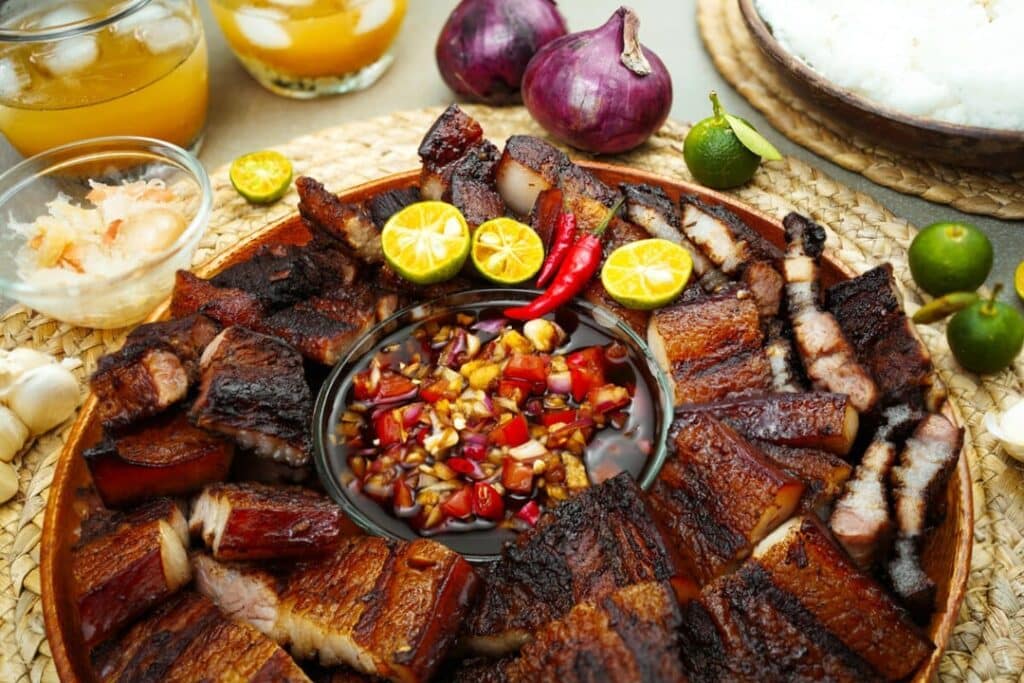
Liempo doesn’t need fancy plating.
Classic wins:
- Steamed rice
- Atchara or pickled vegetables
- Simple dipping sauce (soy sauce + citrus + chili)
Hosting a crowd? Slice it up, pile it high, and step back. Liempo disappears fast.
Leftovers – if they exist – are unreal in fried rice, sandwiches, or chopped into tacos.
Why Liempo Always Wins
Here’s the thing: liempo is honest food. It doesn’t pretend to be delicate. It’s rich, smoky, a little messy, and deeply satisfying. It rewards cooks who respect the fire and trust their senses more than timers.
Every time I grill liempo, someone asks for the recipe. And every time, I tell them the same thing:
“It’s not the ingredients. It’s paying attention.”
That’s liempo love. Fire it up. Let the fat drip. And enjoy the magic.
Liempo Magic Recipe
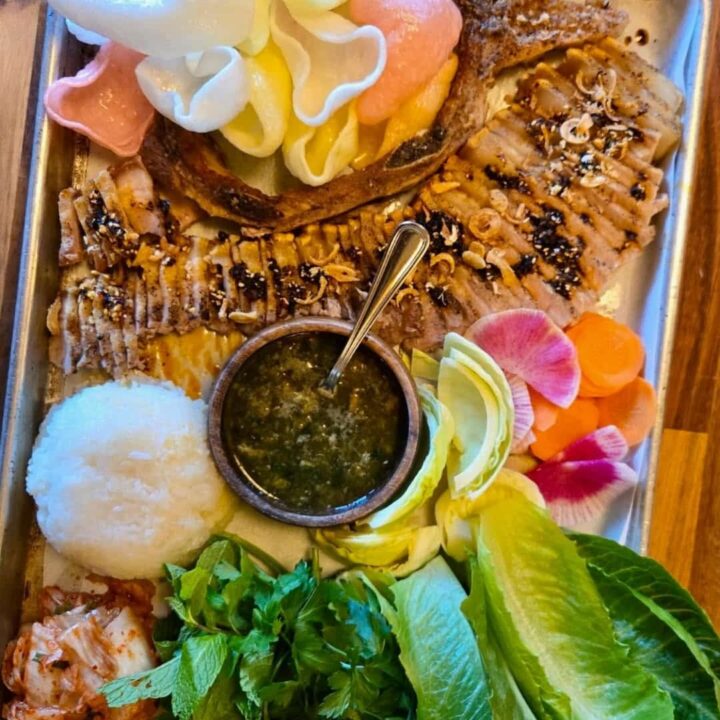
Image credit: @kulturacharleston
Ingredients
- Pork belly (skin-on or skin-off)
- Soy sauce
- Garlic (lots – don’t be shy)
- Brown sugar
- Calamansi (or lemon + a splash of orange juice)
- Black pepper
Optional Boosters (Choose Your Adventure)
- Banana ketchup for sweetness and color
- Chili flakes or fresh chilies for heat
- Pineapple juice for extra tenderizing
- Oyster sauce for deeper umami
- Pro tip: If your marinade tastes great straight from the bowl, it’ll taste even better after fire and smoke get involved.
Instructions
The Marinade: Where Liempo Love Starts
If there’s one place people rush liempo, it’s the marinade. Don’t.
- Minimum marination: 4 hours
- Ideal marination: Overnight (12–24 hours)
Why? Pork belly is dense. It needs time for flavor to move past the surface. Sugar, salt, and acid work together here – salt seasons, sugar caramelizes, acid brightens and softens.
A quick safety note from the pit:
If you want to baste while grilling, set aside clean marinade before adding raw pork. No one wants BBQ with a side of food poisoning.
Prepping Pork Belly for the Grill
Before the meat hits the fire:
Slice pork belly into ½–¾ inch thick slabs
Remove excess marinade and let it drip off
Let the pork sit at room temperature for 20–30 minutes
Cold pork on a hot grill equals uneven cooking. Warm meat cooks cleaner and renders fat more predictably.
Skewers are optional. I like them for control, but laying liempo flat on the grate gives you better surface contact and better caramelization.
How to Grill Liempo Like You Know What You’re Doing
This is where pitmasters separate luck from skill.
Fire Setup Matters
Whether you’re running charcoal or gas, set up a two-zone grill:
- Hot side for searing
- Cooler side for rendering and control
Liempo isn’t a sprint – it’s a controlled burn.
The Process
- Start on medium heat, not blazing hot
- Let the fat begin to render slowly
- Flip often—every 2–3 minutes
- Move to the hot zone only when you’re ready to caramelize
If sugar starts burning, pull back. Black is not the same as caramelized, no matter how confident someone sounds arguing otherwise.
Watch for Flare-Ups
Fat will drip. Flames will rise. Stay calm. Slide the pork, don’t panic-flip it like it insulted your family.
Featured image credit: @enrouteqc
