
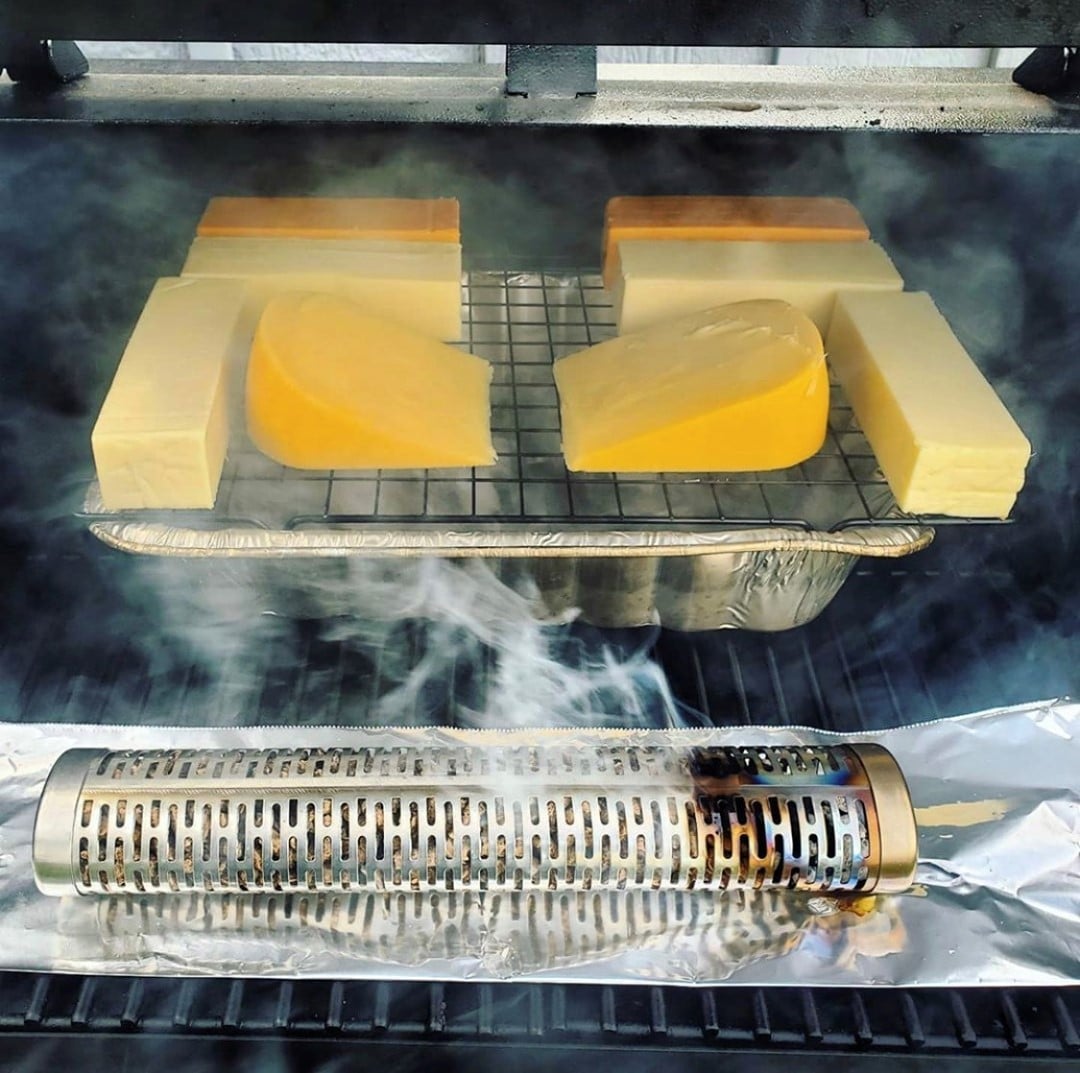
Bite into a slice of smoked cheese, and your taste buds do a little happy dance – that’s the magic of artisan smoke. That delicate, woody flavor isn’t just a happy accident – it’s a craft.
And the real trick? Cold smoking, where flavor comes without cooking.
I’m going to walk you through the why, the how, and the wow of cold smoking cheese, oils, and finishing salt. You’ll learn techniques that make your kitchen smell like a pitmaster’s paradise – and produce flavors that’ll have guests asking for your “secret.”
Understanding Cold Smoking
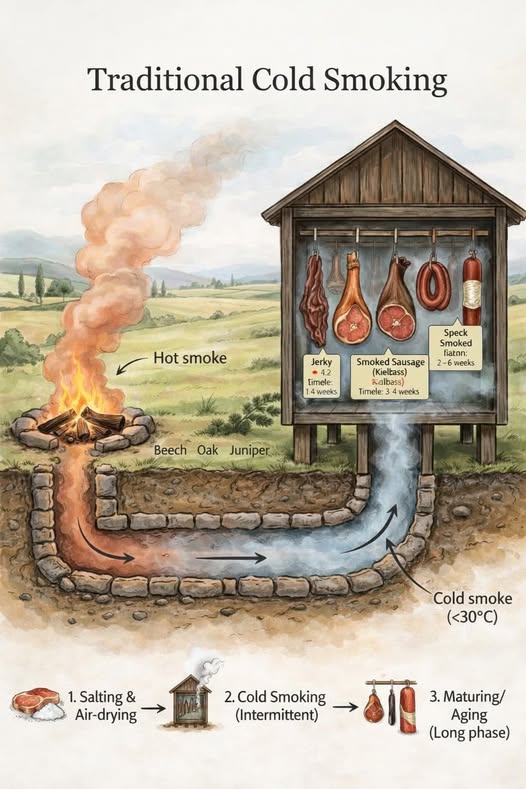
Cold smoking is all about gentle flavor. Unlike hot smoking, which cooks your food, cold smoking lets smoke soak into your ingredients without heat, preserving texture and integrity. Think of it like whispering a smoky secret into your food rather than shouting it.
Key points:
- Temperature range: Cold smoking usually stays below 90°F (32°C). If it gets hotter, cheese melts, oils degrade, and salt…well, salt won’t complain, but it won’t taste the same.
- Flavor absorption: Slow, steady smoke penetrates without cooking.
- Time + smoke + airflow: The holy trinity of cold smoking. More smoke doesn’t always equal better flavor – too much can overwhelm delicate ingredients.
Cold smoking vs. hot smoking:
- Hot smoking = cooks and flavors. Great for ribs, brisket, and whole chickens.
- Cold smoking = flavors only. Perfect for cheese, oils, and finishing salts.
Fun fact: Cold smoking was originally a way to preserve foods before refrigeration. Now? It’s all about taste – thank goodness!
Essential Equipment for Artisan Cold Smoking
Before you even think about lighting up, let’s talk gear. You don’t need a backyard smoker the size of a car, but a few tools make life easier.
Cold Smoke Generators and Smokers
- Maze-style cold smoke generators: Cheap, effective, perfect for beginners.
- Pellet tubes: You can toss them in a grill, and they burn for hours.
- DIY setups: Some pitmasters rig a standard smoker with a smoke box. Works like a charm, but watch airflow.
Wood Selection for Subtle Smoke
- Apple, cherry, maple, oak – these are my go-tos. Apple and cherry give a sweet, gentle smoke; oak adds earthy depth.
- Rule of thumb: delicate foods = lighter woods, robust foods = heavier woods. Cheese doesn’t need hickory unless you want to flirt with bold flavors.
Temperature and Humidity Control
- Use a thermometer to avoid melting your cheese or turning oils bitter.
- Keep airflow gentle; you’re flavoring, not creating a campfire.
- Too dry? Smoke won’t stick. Too humid? Cheese sweats, oils go funky.
Cold Smoking Cheese: Techniques and Best Practices
Ah, cheese – the canvas for artisan smoke. Cold smoking turns your cheddar or gouda into something magical.
Best Cheeses for Cold Smoking
- Hard and semi-hard cheeses: Cheddar, gouda, mozzarella, provolone.
- Avoid: Soft cheeses like brie or cream cheese – they melt faster than you can say “smoked mozzarella.”
Preparing Cheese for Cold Smoking
- Portioning: Slice into manageable blocks; smaller pieces absorb smoke better.
- Drying: Pat dry and let it rest. A light pellicle forms – a slightly tacky surface that grabs smoke. Think of it as the cheese putting on a flavor “sweater.”
Smoking Process
- Duration: 1–4 hours depending on strength of smoke.
- Keep it low and slow; patience pays off.
- Rotate blocks to ensure even smoke coverage.
Aging and Storage
- Let smoked cheese rest in the fridge for 24–48 hours to mellow the smoke.
- Wrap in parchment or vacuum seal to preserve flavor.
- Pro tip: Smoked cheese tastes even better after a week – the smoke blends with the cheese body.
Pitmaster tip: Don’t overthink it. Even a light smoke can transform cheese from good to showstopper.
Cold Smoking Oils: Infusing Liquid Gold
Cold smoking oils is a game-changer. It’s subtle, versatile, and adds an artisan smoke layer to salads, roasted veggies, and even cocktails.
Why Cold Smoke Oils?
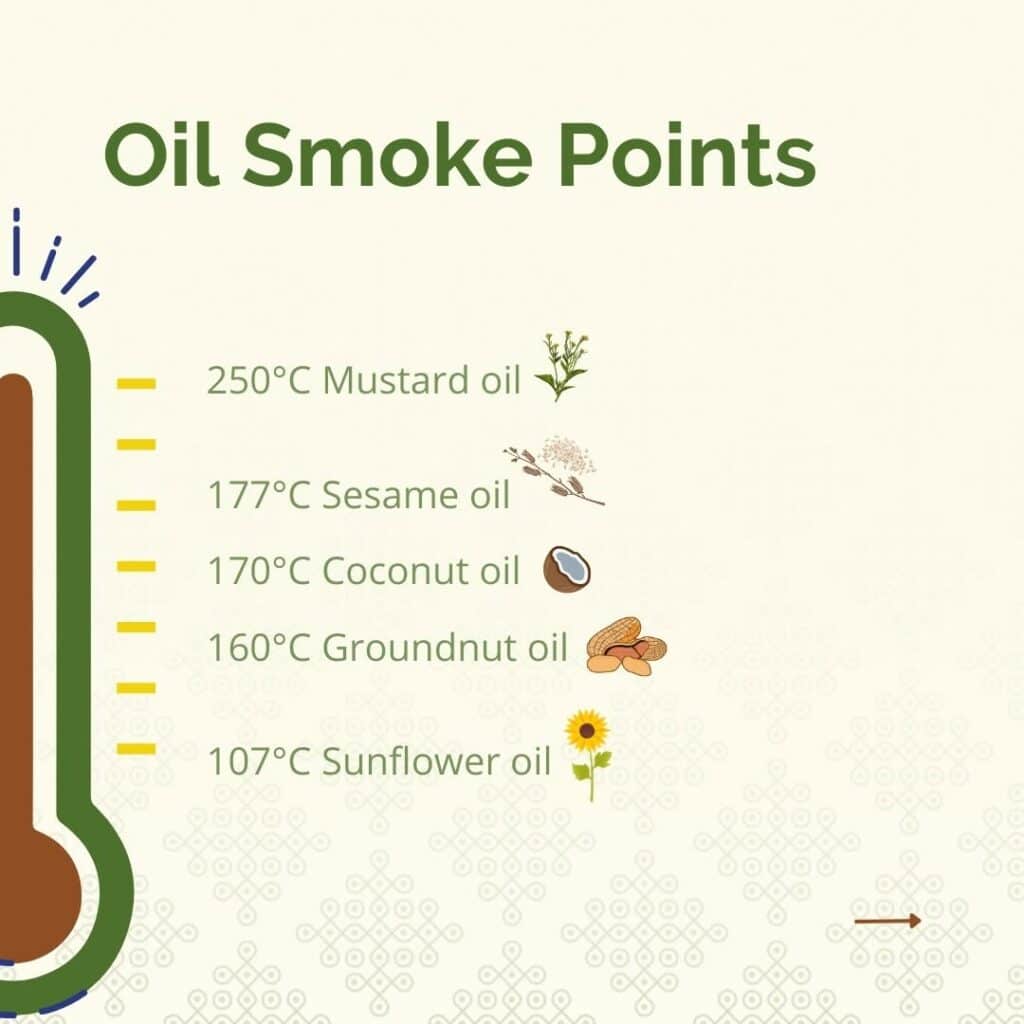
- Heat damages delicate oils, creating bitterness. Cold smoke = flavor without breaking the oil down.
Best Oils for Cold Smoking
- Olive oil, avocado oil, grapeseed oil.
- Lighter oils absorb smoke more easily. Strongly flavored oils can sometimes fight the smoke.
Methods
- Open container: Simply place oil in a small, shallow dish and let smoke swirl above.
- Sealed infusion: Trap smoke in a jar for 30–60 minutes for a more intense flavor.
Storage
- Keep smoked oils in a dark, cool place.
- Consume within 1–2 weeks for peak freshness.
- Safety tip: Never leave oil exposed to heat or sunlight after smoking – it oxidizes fast.
Cold Smoking Finishing Salt: Small Ingredient, Big Impact
You might not think salt can carry smoke, but finishing salt is a flavor bomb waiting for artisan smoke.
Why Salt Works Well
- Porous, crystalline structure grabs and holds smoke.
- The smoke lingers, even after sprinkling.
Best Salts for Smoking
- Flake salt (Maldon), sea salt, kosher salt.
- Grain size matters: flakes absorb smoke faster, coarse crystals need more time.
Smoking Process
- Spread salt in a thin layer.
- Smoke 30–60 minutes for a gentle flavor boost.
- Keep it light; over-smoking salt can taste bitter.
Culinary Uses
- Sprinkle over grilled meats, roasted vegetables, even desserts.
- Makes a plain avocado toast epically gourmet.
Flavor Pairing and Creative Uses
Here’s where the fun begins. Artisan smoke opens doors to flavor combinations you never imagined.
Pairings That Work
- Smoked cheddar + apple slices + roasted nuts = party platter gold.
- Smoked oils in vinaigrettes = instant “chef-level” salads.
- Smoked salt on chocolate or caramel = dessert magician move.
Home Applications
- Charcuterie boards get next-level wow factor.
- Spruce up simple dishes: popcorn, roasted potatoes, or even cocktails.
- Smoke is like seasoning with personality – it adds story and drama to each bite.
Pairing Artisan Smoke with Spirits
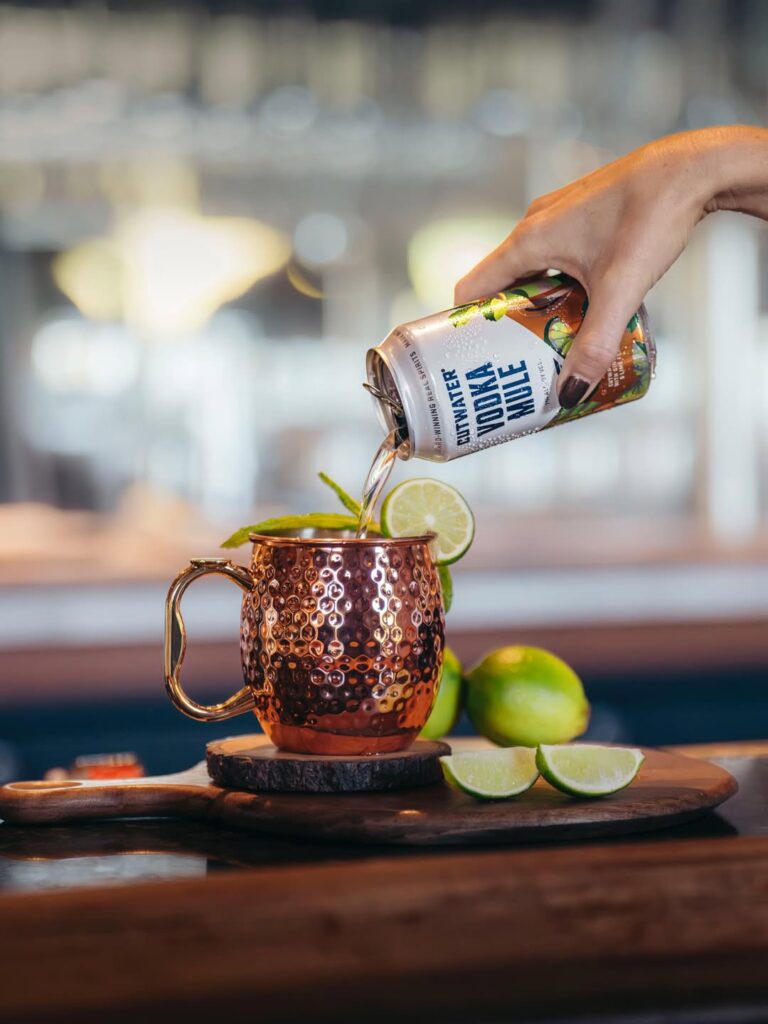
Ever thought about pairing cold-smoked cheese or oils with your favorite drinks? Artisan smoke isn’t just for the plate – it can transform cocktails, whiskey flights, and craft beers.
- Cheese pairings: Lightly smoked cheddar pairs beautifully with a crisp lager; smoked gouda complements a peaty Scotch.
- Oils in cocktails: Drizzle smoked olive oil over a citrus garnish or finish a smoky Old Fashioned for subtle complexity.
- Smoked salts: Sprinkle on cocktail rims to add aroma and flavor.
- Experimentation tips:
o Start light, taste often, and adjust.
o Aim for balance – smoke should enhance, not fight, the drink.
Pro tip: The right artisan smoke accentuates aromas, sparks conversation, and shows off your flavor-savvy side. Suddenly, your home bar feels like an artisan playground.
Smoke Rings and Presentation Tricks
Cold smoking isn’t just about taste – it’s also about visual flair. Even without a classic pink smoke ring, you can wow guests.
- Cheese: Lightly smoked blocks develop a subtle golden edge.
- Salt: Smoked finishing salts glimmer over roasted vegetables.
- Oils: Drizzle smoked oils for a glossy, appetizing sheen.
- Serving theatrics:
o Smoke a cheese board table-side.
o Use a cloche to trap smoke before lifting with flair.
Presentation signals craftsmanship and care. People eat first with their eyes – pairing artisan smoke flavor with thoughtful visuals doubles the wow factor.
A little smoke, a little drama – guests will remember the meal before the first bite.
Infusing Herbs and Spices with Smoke
Why stop at cheese, oils, or salt? Cold smoking herbs and spices adds a new dimension to your kitchen.
- Herbs to try: Rosemary, thyme, basil. Smoked herbs gain complex, nuanced flavor.
- Spices to try: Whole peppercorns, cumin, paprika for subtle smoky aroma.
- Timing:
o Delicate herbs: 15–20 minutes
o Sturdier spices: up to 60 minutes
- Storage: Airtight jars preserve flavor.
- Pairing: Combine with smoked oils or salts for multi-dimensional dishes.
Even a simple salad can taste five-star when you add smoked herbs. This is artisan smoke at its most versatile and fun.
Cold Smoking Vegetables and Fruits
Artisan smoke isn’t just for proteins and condiments – it transforms produce too.
- Vegetables: Carrots, peppers, zucchini absorb smoke beautifully, adding depth and umami.
- Fruits: Apples, pears, peaches, and plums develop aromatic, complex flavors, perfect for desserts or charcuterie boards.
- Tips:
o Lightly dry ingredients before smoking to help smoke cling and prevent sogginess.
o Preserve texture while layering flavor – cold smoking, unlike roasting, won’t overwhelm delicate notes.
Incorporating smoked produce introduces unexpected flair to meals, showing the versatility of artisan smoke beyond traditional cheese and meats.
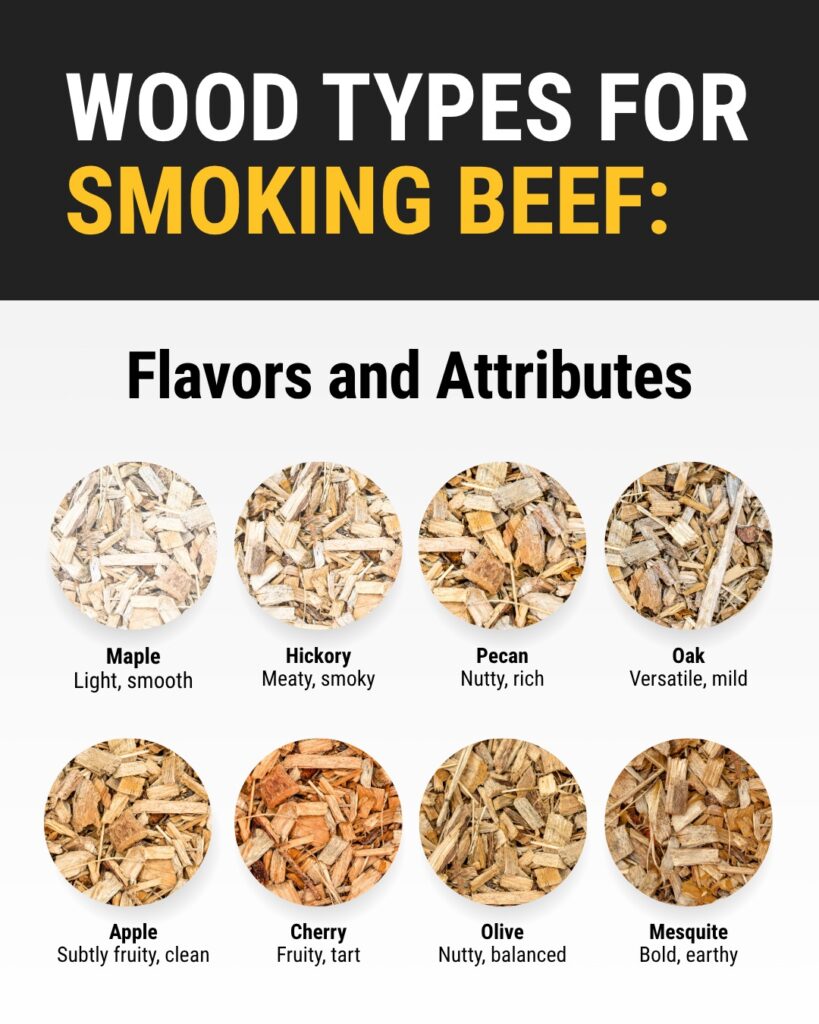
Experimenting with Exotic Woods for Flavor Profiles
The type of wood you use changes everything in artisan smoke flavor.
- Pecan: Sweet, nutty aroma.
- Alder: Soft, subtle smoke ideal for delicate cheeses.
- Hickory: Bold, bacon-like kick (use sparingly).
- Fruit woods: Pear or plum add mild sweetness, perfect for smoked oils or finishing salts.
- Pro tip: Mix woods for layered flavors and create your signature smoke profile.
- Process: Start small, taste often, document combinations.
Cold smoking becomes more than a cooking task – it’s a creative, almost alchemical process that’s as fun as it is flavorful.
Cold Smoking for Meal Prep and Storage
Cold smoking isn’t just gourmet – it’s practical. Prepped smoked ingredients save time and elevate meals all week.
- Cheese: Lasts longer in the fridge while gaining flavor.
- Oils: Enhance multiple dishes with minimal effort.
- Salts: Make seasoning effortless.
- Herbs & spices: Transform leftovers and simple meals.
- Storage tips: Portion into usable containers – grated cheese, small jars of smoked salt, tiny bottles of smoked oil.
Artisan smoke becomes a secret weapon in your pantry – practical, convenient, and flavor-packed for busy home cooks.
What Does Science Say?
Ever wonder why smoke tastes so addictive? Artisan smoke works because of chemistry.
- Flavor compounds: Phenols, aldehydes, acids interact with fats and proteins to create complex, layered flavor.
- Cold smoking advantage: Preserves delicate compounds while adding depth without cooking.
- Wood species:
o Fruit woods: sweeter phenols
o Hardwoods: earthy, bold notes
- Control flavor: Slow, patient smoke allows full penetration, prevents bitterness.
Understanding the science makes cold smoking repeatable and reliable. It’s not just an art – it’s a pitmaster-approved craft you can replicate every time.
Common Mistakes and How to Avoid Them
Even pitmasters have gone down the wrong path. Avoid these rookie errors:
- Over-smoking: More isn’t always better. Smoke slowly.
- Wrong wood: Hickory on delicate cheese = bitter heartbreak.
- Poor airflow: Stale smoke = uneven flavor.
- Skipping rest time: Cheese, oils, and salt need a cool-down to let flavors settle.
Remember: patience is your friend. Cold smoking is a marathon, not a sprint.
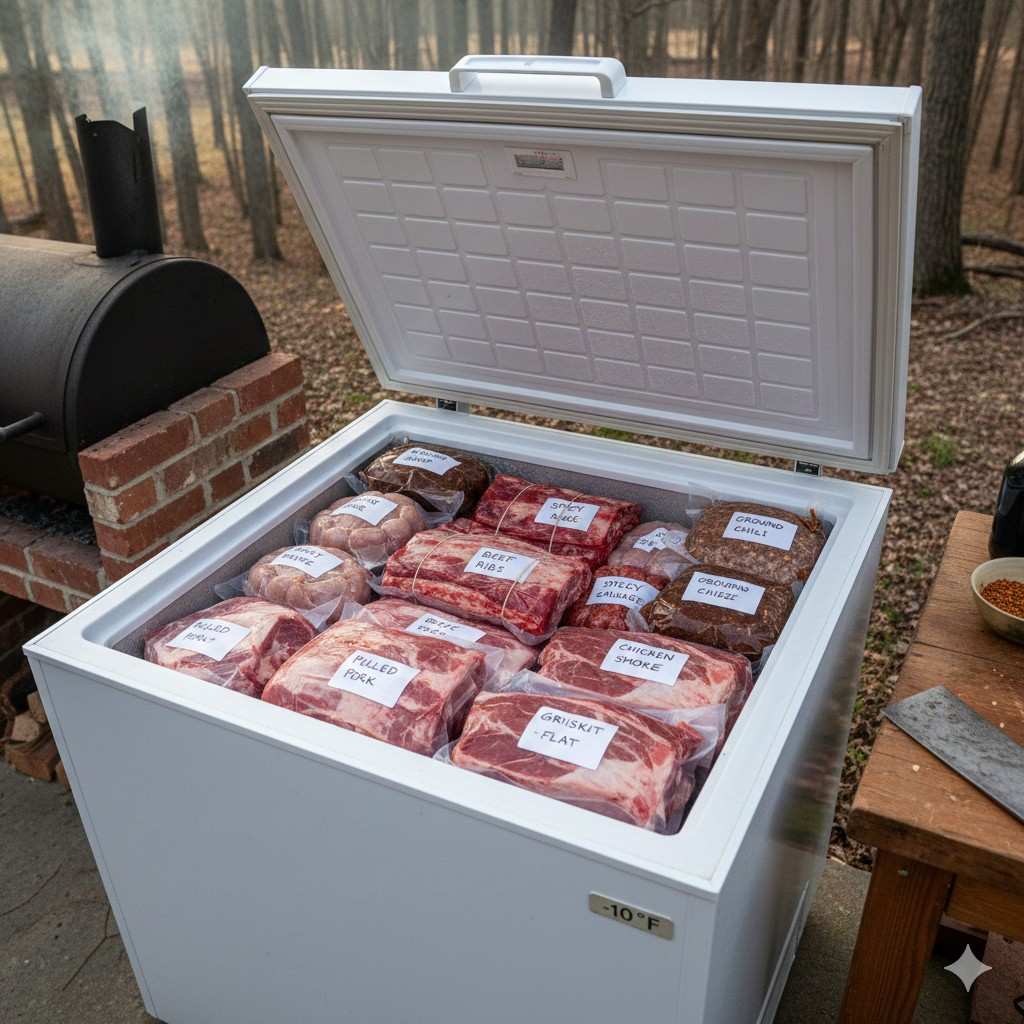
Food Safety Considerations
Cold smoking is safe – but only if you play by the rules.
- Temperature: Keep cheese below 90°F to prevent melting.
- Storage: Refrigerate smoked ingredients promptly.
- Sanitation: Clean containers and tools – smoke flavor won’t save you from bacteria.
Fun tip: Even the fanciest pitmaster keeps a thermometer close. Your nose is great, but science wins every time.
Artisan Smoke FAQs
1. What is cold smoking and how is it different from hot smoking?
Cold smoking uses smoke at temperatures below 90°F (32°C) to flavor food without cooking it. Hot smoking, on the other hand, cooks and flavors simultaneously. Cold smoking is perfect for delicate ingredients like cheese, oils, and salts.
2. Which cheeses are best for cold smoking?
Hard and semi-hard cheeses like cheddar, gouda, mozzarella, and provolone are ideal. Soft cheeses melt too easily and don’t hold smoke well.
3. Can I cold smoke oils and will it change their shelf life?
Yes! Oils like olive, avocado, and grapeseed can absorb subtle smoke flavors. Store smoked oils in a cool, dark place and use within 1–2 weeks for best flavor.
4. How long should I cold smoke finishing salt?
Typically 30–60 minutes, depending on your wood choice and desired intensity. Flake and sea salts absorb smoke faster than coarse crystals.
5. Can I cold smoke fruits and vegetables?
Absolutely! Firm vegetables like carrots, peppers, and zucchini, and fruits like apples, pears, and peaches, absorb smoke beautifully. Lightly dry them first for best results.
6. Which woods work best for cold smoking?
Common woods include apple, cherry, and oak. For unique flavors, experiment with pecan, alder, pear, or plum. Lighter woods are great for delicate ingredients, stronger woods for bold flavors.
7. Is cold smoking safe?
Yes, if done correctly. Keep ingredients below 90°F, maintain clean equipment, and store smoked items properly in the fridge. Avoid prolonged exposure to heat or sunlight.
8. How can I incorporate smoked ingredients into everyday cooking?
Smoked cheeses can be sliced for sandwiches or grated over dishes. Smoked oils and salts can finish salads, roasted vegetables, or even desserts. Smoked herbs and spices add multi-dimensional flavor to marinades, rubs, and sauces.
9. How do I control smoke intensity?
Control smoke duration, wood type, and airflow. Lighter woods and shorter smoke times produce subtle flavor, while longer exposure creates more pronounced smoke notes. Taste often.
10. Can I create my own signature smoke flavor?
Yes! Experiment with wood blends, smoking times, and ingredient combinations. Document your results to develop a personal artisan smoke signature.
Bringing Artisan Smoke Into Your Kitchen
Cold smoking isn’t just for professionals. With a little gear, patience, and creativity, you can elevate home cooking to artisan-level flavor.
- Start small: smoke a block of cheddar or a dish of finishing salt.
- Experiment with different woods and durations.
- Remember, the smoke tells a story. Each ingredient is a blank canvas waiting for your flavor signature.
Cold smoking is fun, educational, and delicious. And if you get it right, your kitchen smells like heaven and your taste buds dance like nobody’s watching.
Featured image credit: @amazensmoke
