
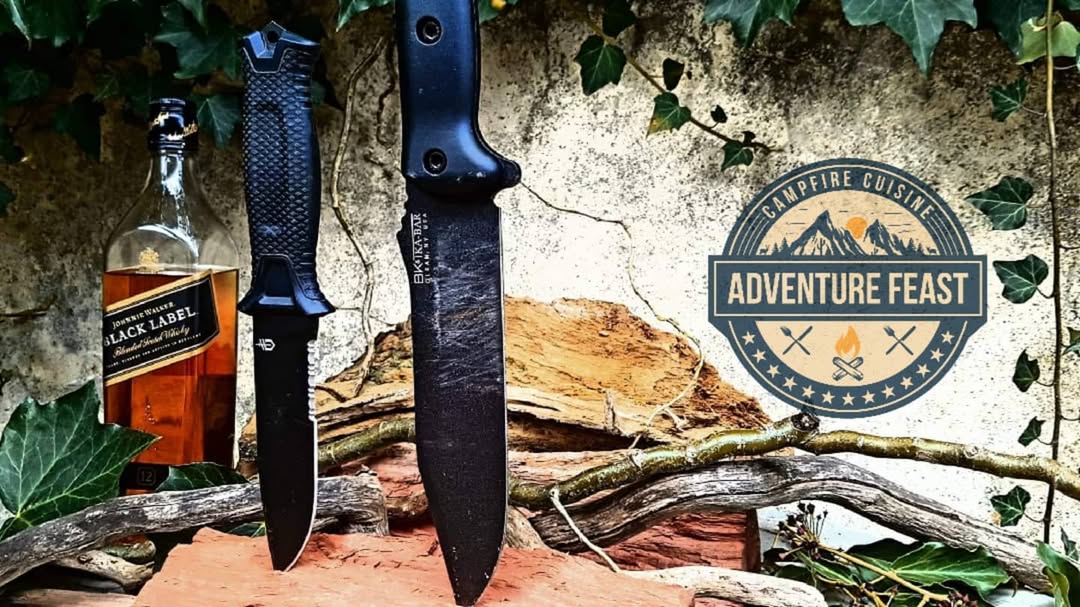
Why a Good Knife Matters More Than You Think
After thirty years of cooking meat over open flame, breaking down whole animals, and camping with nothing but a pack and a bad attitude toward dull blades, I’ve learned one thing: your knife will either save your day or ruin it.
A great outdoor knife isn’t about looking tactical on Instagram. It’s about clean cuts, control, comfort, and confidence – whether you’re field-dressing a deer, slicing onions at camp, or shaving kindling before the sun drops.
I’ve burned steaks and blown edges, so you don’t have to.
This list focuses on outdoor knives that actually perform, not mall-ninja wall hangers. These are tools I’d trust near good meat and cold hands.
How These Outdoor Knives Were Chosen
Before a blade makes my kit – or my cutting board – it has to pass a few non-negotiables:
- Steel that holds an edge, not just marketing hype
- Handles that behave when wet, greasy, or gloved
- Balance that doesn’t fight your wrist
- Real-world versatility—camp, hunt, and cook
- Value (because knives shouldn’t hurt more than your thumb)
If it can survive a weekend in the woods and help prep dinner without swearing, it made the list.
The Knives That Earned Their Spot
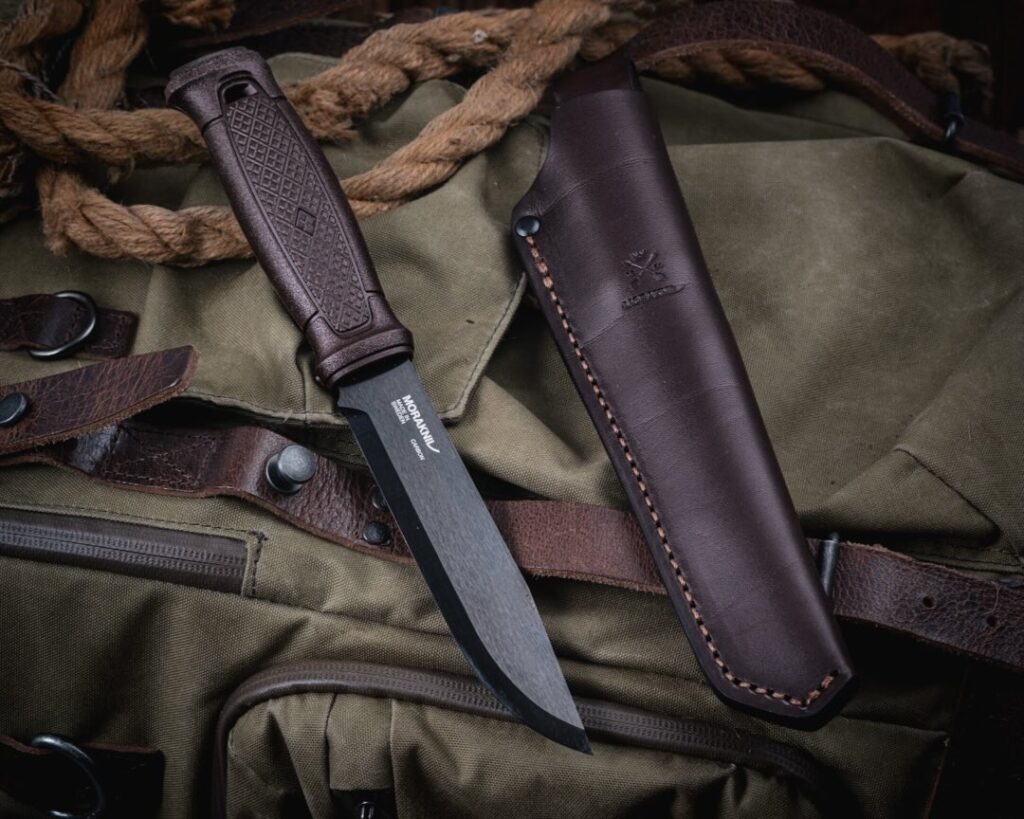
1. Morakniv Companion Outdoor Knife
Best Budget Outdoor Knife That Overdelivers
If knives were pickup trucks, this would be the old Toyota that refuses to die. The Morakniv Companion is cheap, sharp, and embarrassingly capable.
Why it performs
- Scandi grind bites into wood and meat effortlessly
- Lightweight, no-nonsense polymer handle
- Ridiculous cutting efficiency for the price
This is the knife I hand to beginners – and secretly keep as a backup. If you lose it, you’ll be annoyed… not heartbroken.
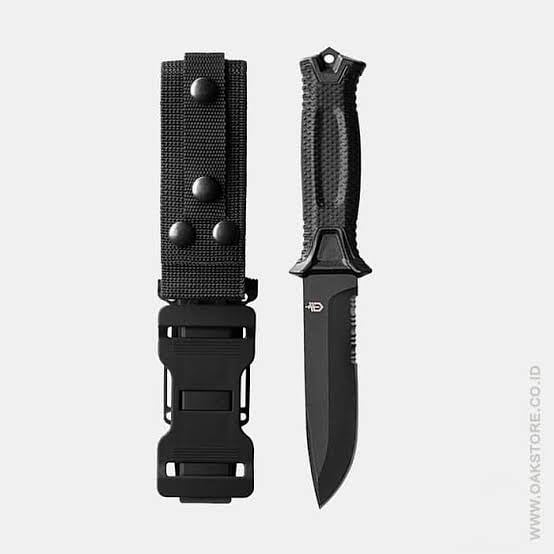
2. Gerber StrongArm Fixed Blade Knife
Best All-Around Outdoor Workhorse
The StrongArm feels like it was built by someone who’s actually dropped a knife off a tailgate. It’s solid, balanced, and confidence-boosting.
Why it performs
- Thick blade stock for batoning and abuse
- Rubberized grip that stays put when wet
- Modular sheath system that actually makes sense
This is a knife you grab when you don’t know what the day’s throwing at you – kind of like wearing boots to the grocery store “just in case.”
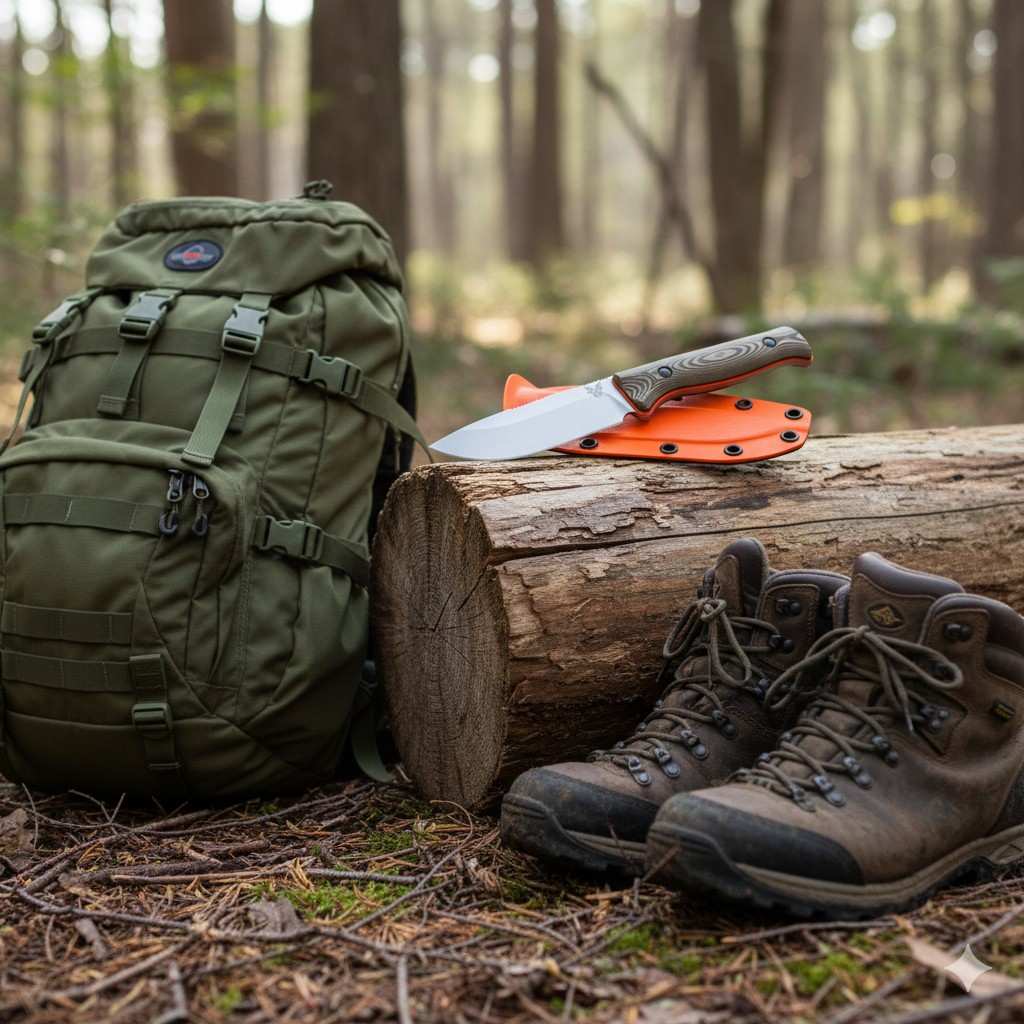
3. Benchmade Saddle Mountain Skinner
Best Outdoor Knife for Game Processing
As a cook, I’m picky about blades near protein. This one feels like a butcher knife that went to wilderness school.
Why it performs
- Blade geometry excels at skinning and slicing
- Premium steel holds a razor edge
- Ergonomic handle reduces fatigue during long cuts
If you hunt, this knife earns its keep fast. Clean work, no wasted motion – like a good line cook.
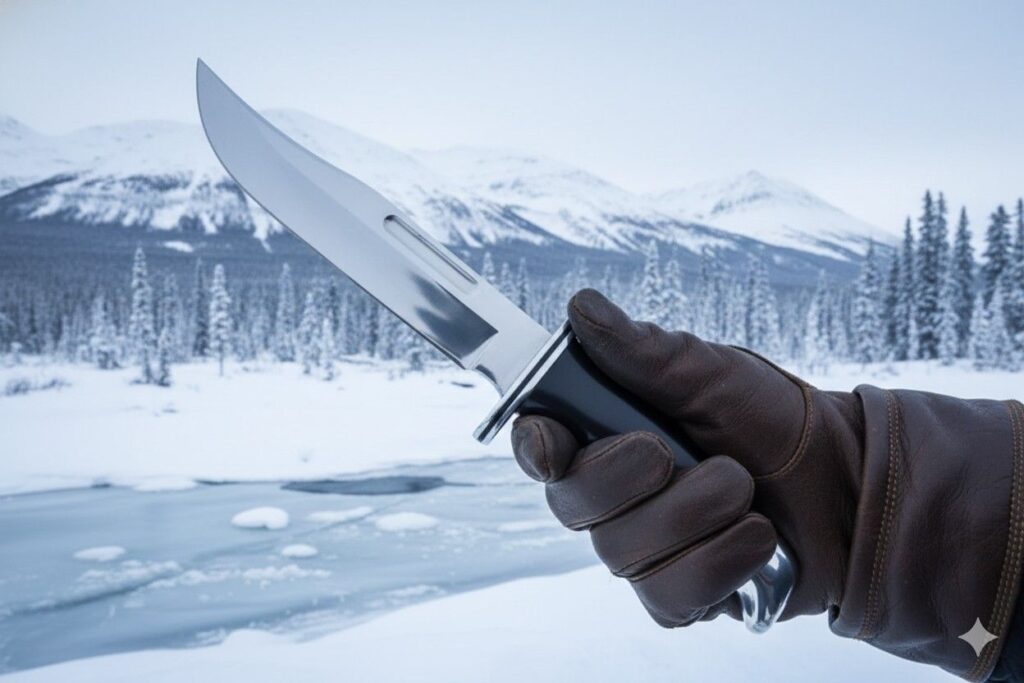
4. Buck Knives 119 Special
Best Classic Hunting Knife
This knife has dressed more deer than most hunters. The Buck 119 is old-school, reliable, and unapologetically traditional.
Why it performs
- Long clip-point blade for precision cuts
- Comfortable phenolic handle
- Heat-treated steel that sharpens easily
Is it flashy? No. Does it work every time? Absolutely. This is the knife equivalent of cast-iron cookware.
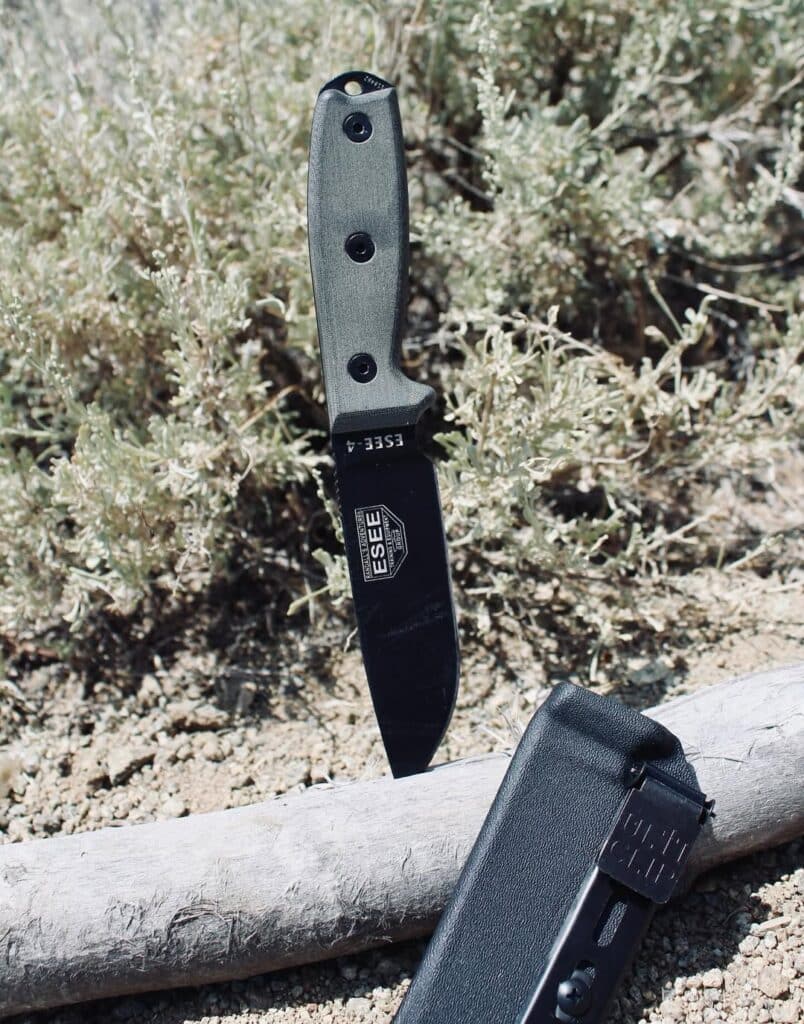
5. ESEE-4 Fixed Blade Knife
Best Survival-Grade Outdoor Knife
ESEE knives are built like they owe you money. The ESEE-4 is tough, compact, and nearly indestructible.
Why it performs
- Thick blade built for abuse
- Excellent grip ergonomics
- Backed by one of the best warranties in the business
This is the knife you want when things go sideways. Not elegant – but neither is surviving.
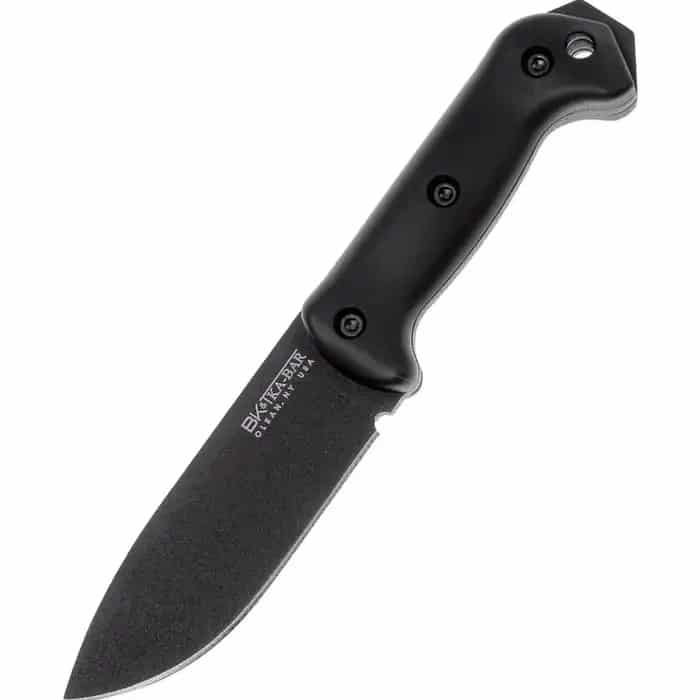
6. KA-BAR Becker BK2 Companion
Best Heavy-Duty Camp Knife
This thing is a crowbar with an edge. If you like overkill, you’ll love it.
Standout traits
- Massive blade thickness
- Excellent for chopping and batoning
- Aftermarket handle options everywhere
Not my first choice for food prep – but when wood needs splitting, it’s game on.
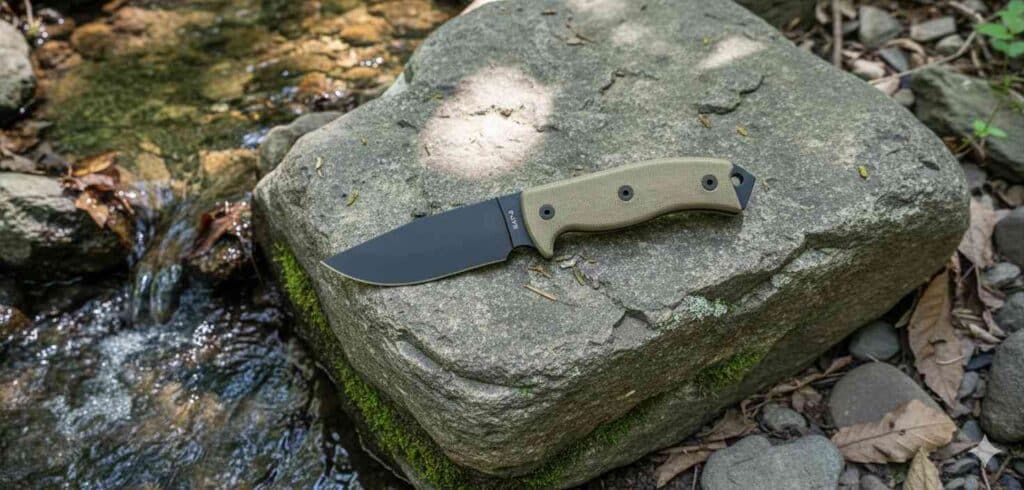
7. Ontario Knife Company RAT 5
Best Balanced Mid-Size Outdoor Knife
The RAT 5 sits in the sweet spot between nimble and tough.
Why it shines
- Manageable blade length
- Comfortable micarta handles
- Great control for camp cooking
This is a “do-everything reasonably well” knife, and those are often the ones you reach for most.
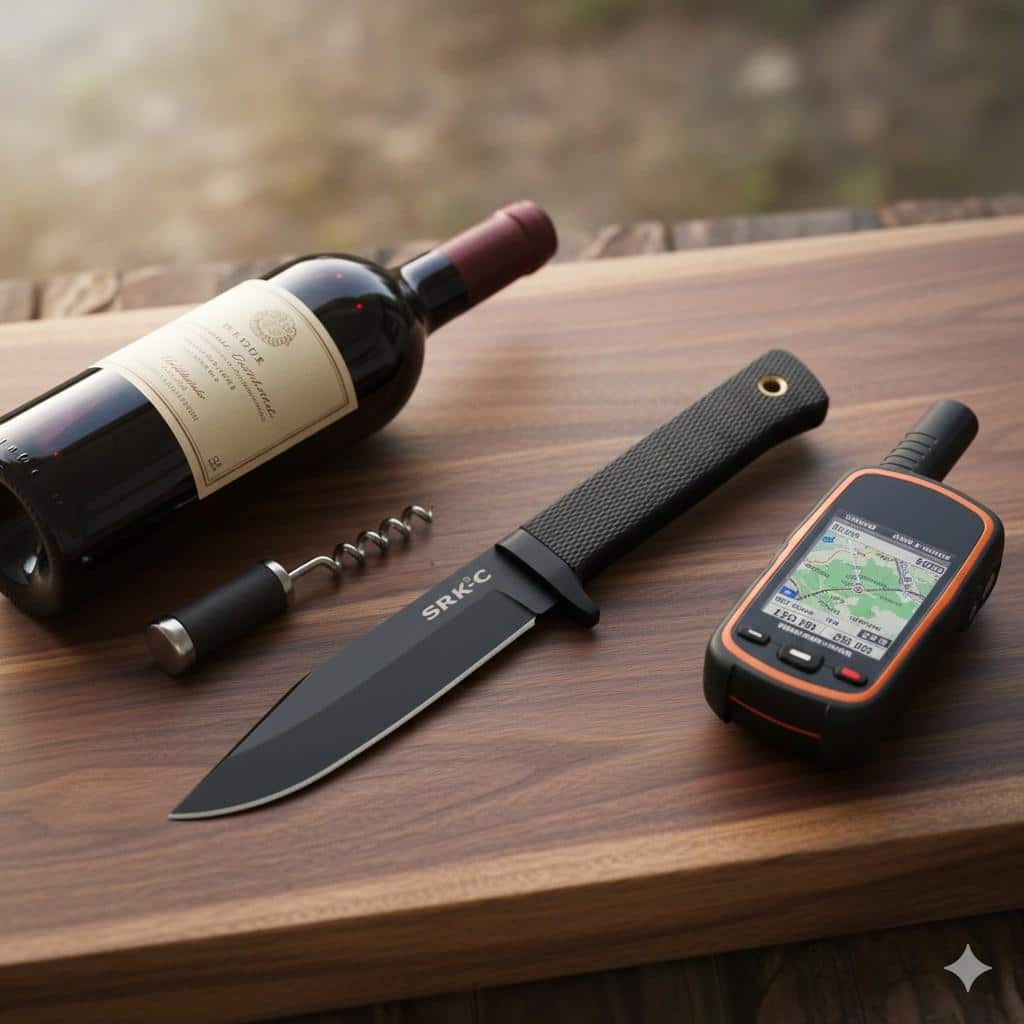
8. Cold Steel SRK
Best Knife for Harsh Conditions
Cold Steel doesn’t believe in subtlety, and the SRK proves it.
Why it performs
- Thick, durable blade
- Secure grip under stress
- Designed for bad weather and worse ideas
It’s not pretty – but neither is freezing rain.
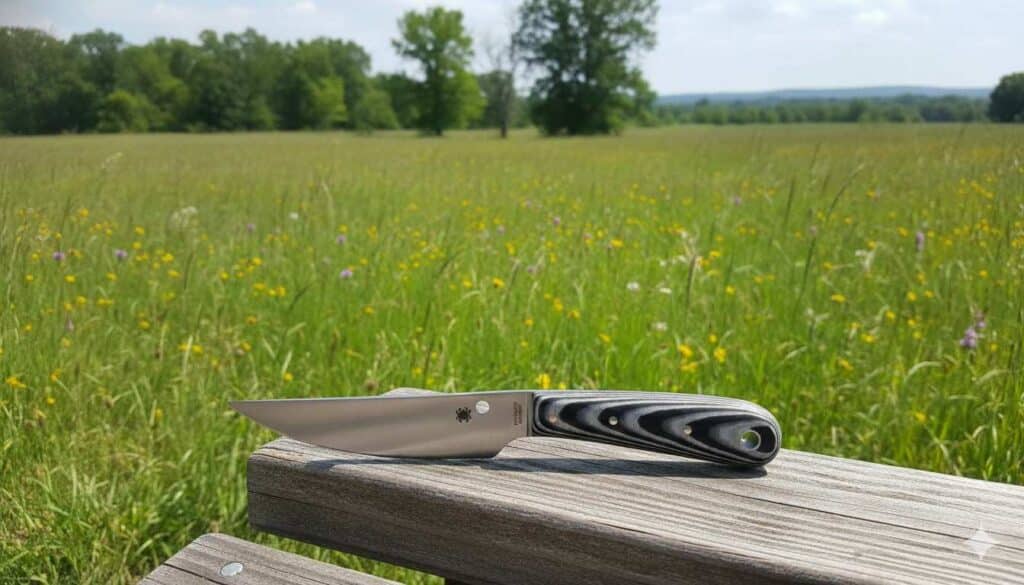
9. Spyderco Bow River
Best Outdoor Knife for Camp Cooking
This one speaks my language. Thin, slicey, and controlled.
Why cooks love it
- Excellent food prep performance
- Lightweight and agile
- Easy to clean and maintain
If your campsite meals matter more than Instagram, this knife belongs in your roll.
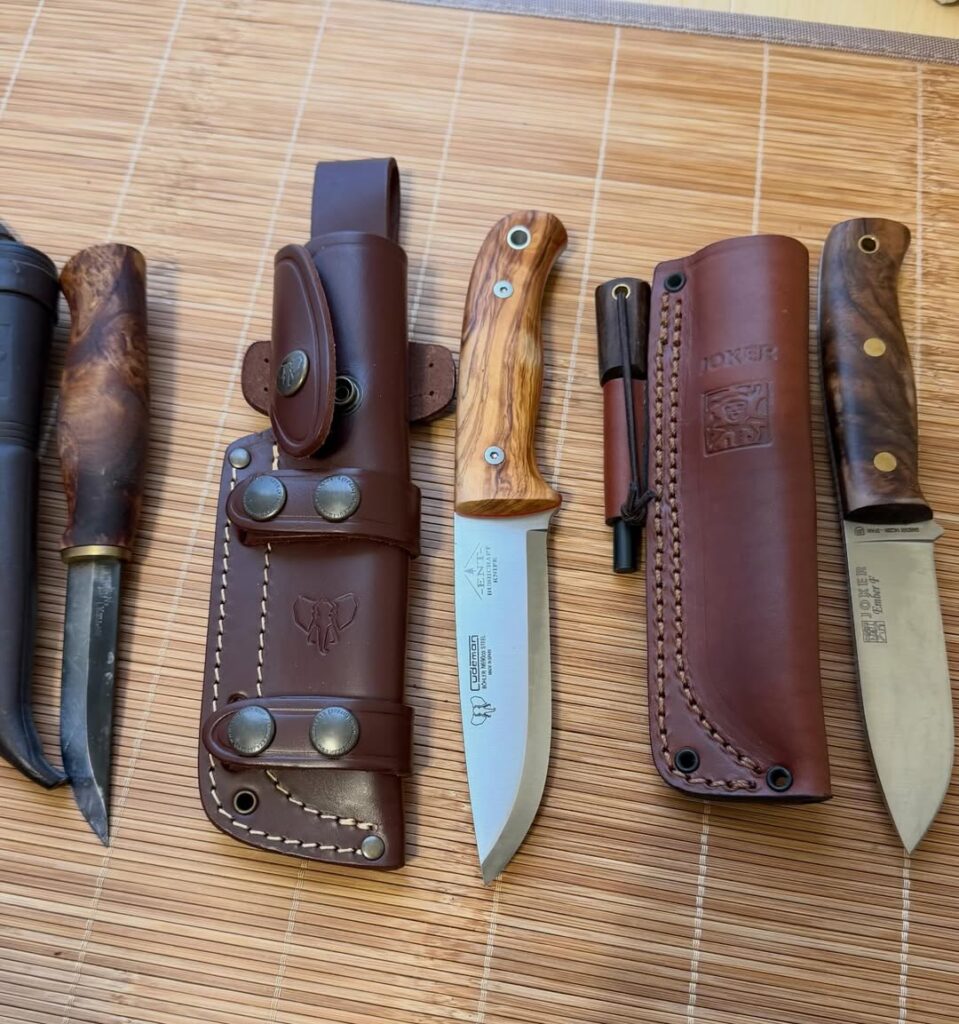
10. Helle Temagami
Best Premium Outdoor Knife with Soul
Hand-crafted, beautiful, and functional.
Why it stands out
- Laminated steel with great edge retention
- Natural wood handle feels alive in hand
- Ideal for traditional bushcraft
This is the knife you keep for life – and pass down if your kids behave.
How Weather Punishes Outdoor Knives (And Which Ones Survive)
Most knives look impressive sitting on a dry table. The real test starts when rain, cold, heat, and humidity show up uninvited. Moisture attacks steel, cold stiffens your hands, and heat exposes weak handle materials fast.
I’ve watched cheap knives turn slick as soap bars in the rain – and once saw a handle crack after sitting a little too close to the fire.
High-performing outdoor knives are built to handle abuse from the elements, not just polite use. They rely on:
- Corrosion-resistant steels that won’t rust overnight
- Textured or rubberized handles that stay grippy when wet
- Materials like micarta or stabilized wood that handle temperature swings
The takeaway is simple: if a knife can’t handle bad weather, it doesn’t belong outdoors. The woods don’t care about your warranty – or your excuses.
Edge Geometry: Why Shape Matters More Than Steel
Knife companies love talking steel like it’s magic. Truth is, edge geometry does most of the work. A thinner edge slices cleaner, bites deeper, and wastes less effort – especially on meat and camp food prep.
That’s why many chefs quietly prefer simpler steels paired with smarter grinds.
When it comes to outdoor knives, blade shape affects everything:
- Drop points offer control and safety
- Clip points add precision for fine cuts
- Flat grinds balance strength with slicing ability
Too thick, and you’re splitting carrots instead of cutting them. Too thin, and you risk damage. The sweet spot feels effortless. If a knife makes you push harder than you should, the problem isn’t your strength – it’s the geometry.
The Psychology of a Trusted Knife
This sounds dramatic until you’ve lived it: confidence matters in the field. A knife you trust changes how you move, cut, and think.
You’re calmer. More precise. Less likely to rush. I’ve seen people panic with bad tools and relax instantly once they borrow a good blade.
Great outdoor knives build trust through predictability:
- They cut the same way every time
- They don’t surprise you mid-stroke
- They respond exactly how your hands expect
Over time, muscle memory kicks in, and the knife becomes an extension of your hand. That’s when accidents drop and efficiency climbs.
You don’t need the fanciest knife – you need the one that behaves exactly how you expect when it counts.
Sheaths: The Most Underrated Part of Any Outdoor Knife
Everyone talks blades. Nobody talks sheaths – until one fails. A bad sheath turns a great knife into a liability. I’ve had knives fall out, poke ribs, and disappear into leaves because someone cheaped out on carry.
A proper sheath for outdoor knives should do three things well:
- Retain the knife securely
- Drain water instead of trapping it
- Allow quiet, safe access
Leather looks great but hates moisture. Kydex locks in tight and laughs at rain. Nylon’s fine – until it isn’t.
A good sheath keeps your knife accessible without announcing your presence or stabbing your thigh every time you bend over. If the sheath’s bad, the knife’s incomplete.

Why Weight Distribution Beats Blade Length
People obsess over blade length like it’s horsepower. In reality, balance beats size every time. A well-balanced knife feels lighter, cuts cleaner, and reduces fatigue – especially during long prep sessions or game processing.
With outdoor knives, poor weight distribution leads to:
- Wrist strain
- Sloppy cuts
- Faster fatigue
A slightly shorter, well-balanced blade often outperforms a longer one that fights you. You notice it most after an hour of use, when your hand’s tired and mistakes creep in.
The best knives disappear in your grip. You stop noticing the tool – and start focusing on the task. That’s the goal.
Maintenance Habits That Extend a Knife’s Life by Years
A knife doesn’t fail overnight – it’s neglected to death. I’ve seen premium blades ruined by laziness. The fix is boring, simple, and incredibly effective: clean, dry, strop, repeat.
Good outdoor knives thrive on basic respect:
- Wipe the blade after use
- Dry it before sheathing
- Touch up the edge often instead of waiting until it’s dull
- Use a strop instead of aggressive sharpening
Think of maintenance like seasoning a cast-iron pan – small habits, massive payoff. Treat your knife right, and it’ll outlive trends, marketing, and probably you.
When One Knife Isn’t Enough (And Why That’s Okay)
There’s a fantasy of the “one-knife solution.” Reality? Different jobs want different blades. I don’t trim brisket with a cleaver, and I don’t baton wood with a slicer.
Serious outdoors folks often carry two outdoor knives:
- A primary work knife for rough tasks
- A lighter secondary blade for food and precision
This setup improves safety, keeps edges sharper longer, and makes camp life smoother. It’s not excess – it’s efficiency. Anyone who’s cooked and camped hard knows this truth: the right tool at the right moment makes everything easier.
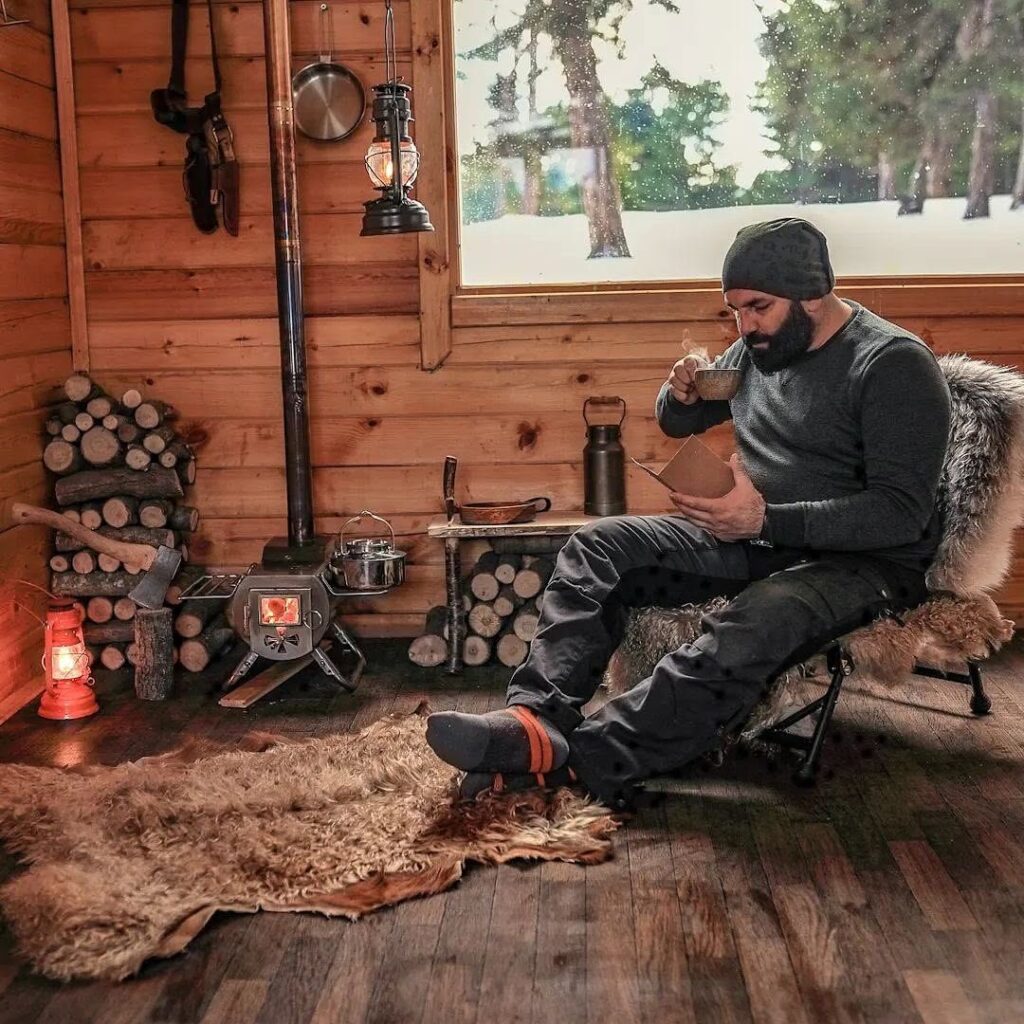
Fixed Blade vs Folding Outdoor Knives
Short version? Fixed blades win outdoors.
- Stronger
- Easier to clean
- No moving parts to fail
Folders are fine for pockets. Fixed blades are for work.
What to Look for in Outdoor Knives
If you remember nothing else, remember this:
- Comfort beats steel hype
- Sharp beats thick
- Control beats size
A knife should feel like an extension of your hand – not a compromise.
Frequently Asked Questions About Outdoor Knives
What makes a good outdoor knife?
A good outdoor knife balances durability, control, and comfort. It should hold an edge well, feel secure in your hand (even when wet or cold), and handle multiple tasks like food prep, wood work, and light survival chores.
Fancy steel helps, but smart design and balance matter more in real-world use.
Are fixed blade knives better than folding knives outdoors?
In most outdoor situations, yes. Fixed blade outdoor knives are stronger, easier to clean, and less likely to fail because they have no moving parts. Folding knives are convenient for pockets and everyday carry, but when reliability matters, fixed blades usually win.
What blade length is best for an outdoor knife?
There’s no one-size-fits-all answer, but most people do best with a blade between 4 and 5 inches. That range offers enough length for camp and hunting tasks without becoming awkward or tiring to use. Balance and weight distribution matter more than raw length.
What’s the best steel for outdoor knives?
The “best” steel depends on how you use your knife. Stainless steels resist rust and need less maintenance, while carbon steels are tougher and easier to sharpen but require more care.
In the field, a steel you can maintain easily often beats one that just looks good on paper.
How often should I sharpen my outdoor knife?
Sharpen less often – touch up more often. Regular stropping or light honing keeps an edge working longer and prevents heavy sharpening later. If you wait until the knife is completely dull, you’re doing more work than necessary and wearing the blade down faster.
Can I use an outdoor knife for camp cooking?
Absolutely. Many outdoor knives handle food prep extremely well, especially those with thinner grinds and good balance. Just keep the blade clean, avoid prying or batoning with your food knife, and treat it like the cooking tool it is.
What handle material is best for outdoor use?
The best handle is one that stays grippy and comfortable in bad conditions. Rubberized handles, micarta, and textured synthetic materials perform well when wet or cold. Smooth handles might look nice, but control matters more than appearance outdoors.
Do I really need a sheath?
Yes – no exceptions. A good sheath protects you, the knife, and your gear. It should retain the knife securely, drain moisture, and allow safe access. A great knife paired with a bad sheath is an accident waiting to happen.
Should I carry more than one outdoor knife?
Often, yes. Many experienced users carry a primary outdoor knife for rough tasks and a secondary knife for food or precision work. It keeps edges sharper, improves safety, and makes camp life smoother.
How do I make my outdoor knife last longer?
Simple habits go a long way:
- Clean and dry it after use
- Store it properly
- Touch up the edge regularly
- Don’t use it as a pry bar
Treat your knife like a tool, not a toy, and it’ll last for years – maybe decades.
Final Verdict: Choose the Knife You’ll Actually Use
The best outdoor knife isn’t the priciest one in the case – it’s the blade you reach for when your hands are cold, the fire’s burning low, and a real meal is on the line.
It’s the knife that feels right without thinking, cuts clean without fighting you, and shows up ready every single time.
Pick smart, keep it sharp, and treat it like the tool it is. And never – ever – bring a dull blade anywhere near good meat or a long night in the woods.
Featured image credit: @adventurefeast_yt
