
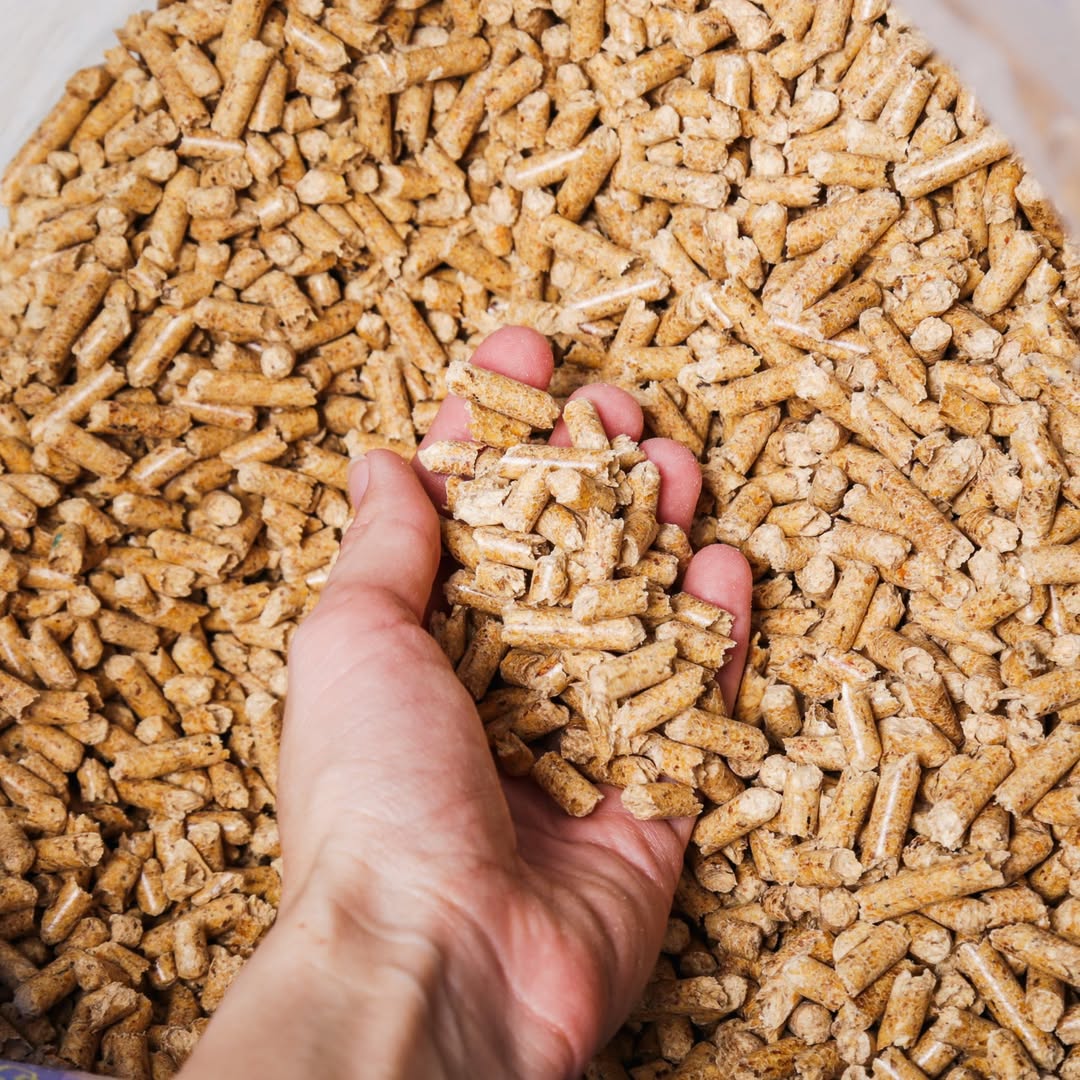
If you’ve ever nailed a brisket cook one weekend and completely whiffed it the next, there’s a good chance your pellet choice was the silent culprit.
As a pitmaster, I learned early that your grill is only as good as what you feed it. Cheap pellets burn fast, smoke weak, and leave ash like a campfire gone wrong.
This guide is about pellet brands that actually deliver – clean burns, real wood flavor, and consistent heat. No mystery fillers. No sawdust masquerading as hardwood.
Just 10 pellet brands worth your money, all easy to grab on Amazon, and all tested in real-world cooks.
Whether you’re smoking low and slow or grilling hot and fast, these pellets bring big smoke energy every time.
How We Chose These Pellet Brands
Every brand on this list earned its spot based on:
- 100% hardwood construction
- Consistent burn and low ash
- Strong, clean smoke flavor
- Reliable performance across long cooks
- Solid value for the price
In short: pellets I’d trust on a competition cook – or at least when the in-laws are watching.
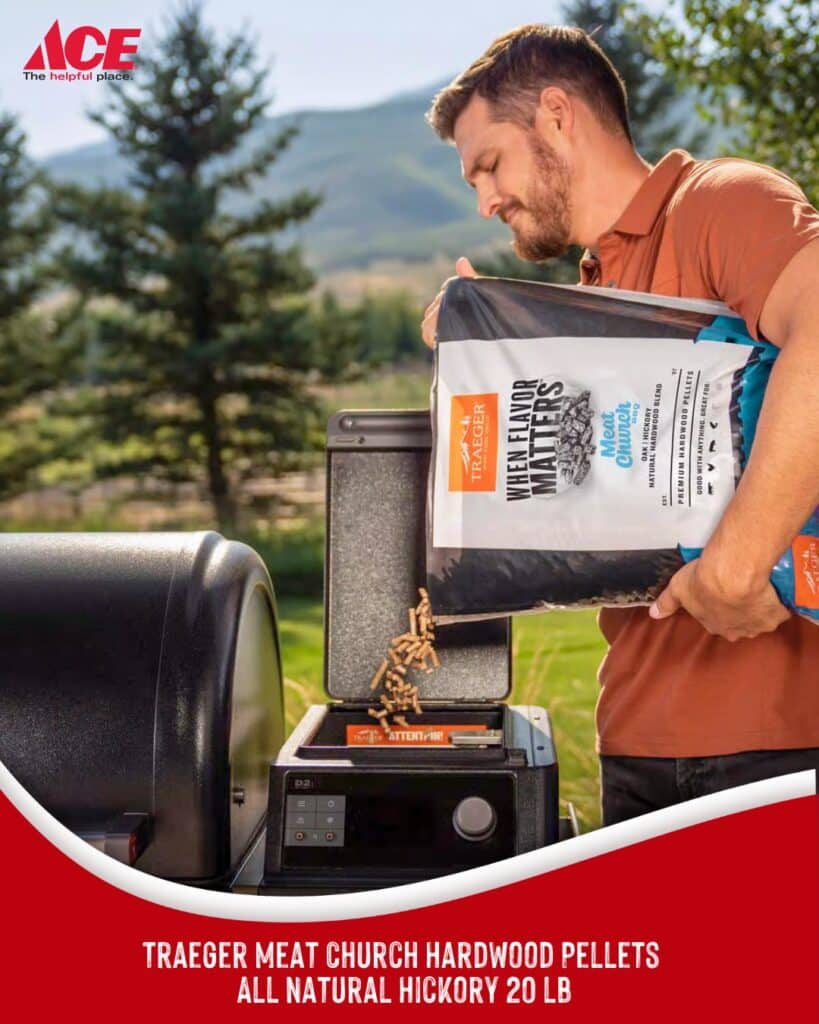
1. Traeger Hardwood Pellets
Traeger is the name everyone knows – and yes, they’ve earned it.
- Reliable burn consistency
- Mild, balanced smoke that won’t overpower food
- Wide flavor lineup: Hickory, Apple, Mesquite, Cherry
These pellets are the training wheels of pellet brands – not flashy, but dependable. Perfect for beginners and anyone who wants predictable results without babysitting the grill.
Best for: Pork, poultry, everyday grilling
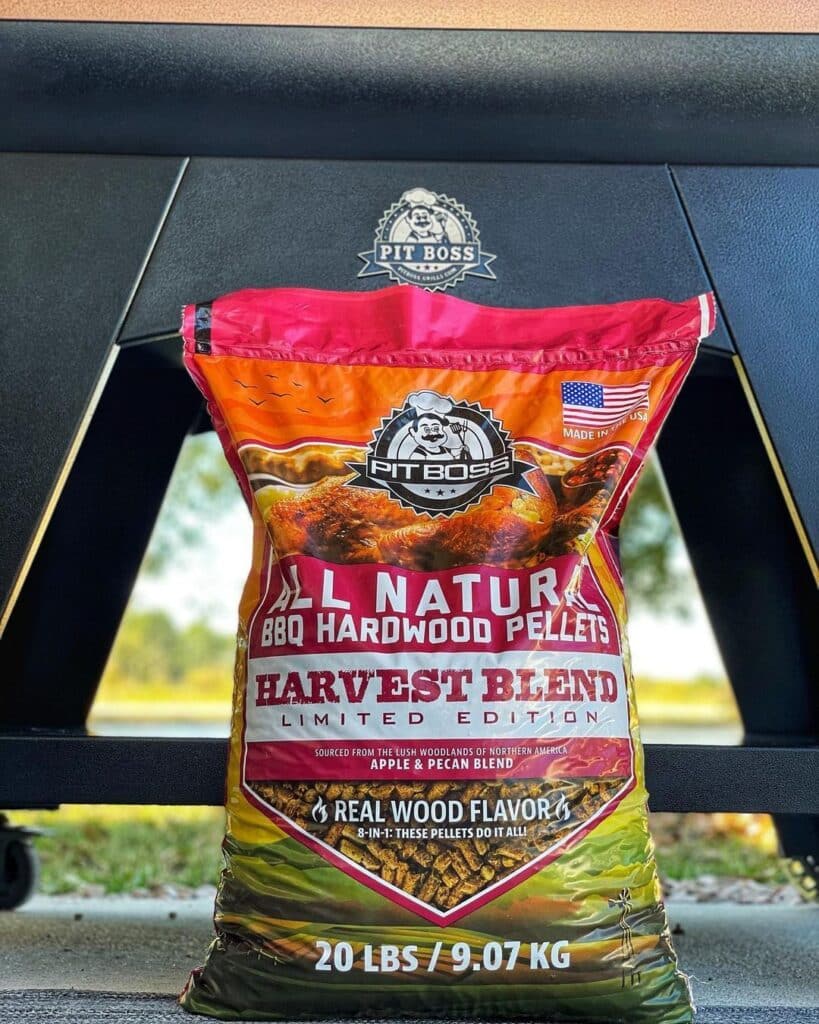
2. Pit Boss Hardwood Pellets
Pit Boss pellets punch way above their price point.
- Strong heat output
- Good smoke production for the cost
- Excellent value for bulk buying
They’re not fancy, but they get the job done – like a cast-iron skillet that refuses to die. If you cook often, this brand saves money without sacrificing performance.
Best for: Ribs, burgers, weeknight cooks
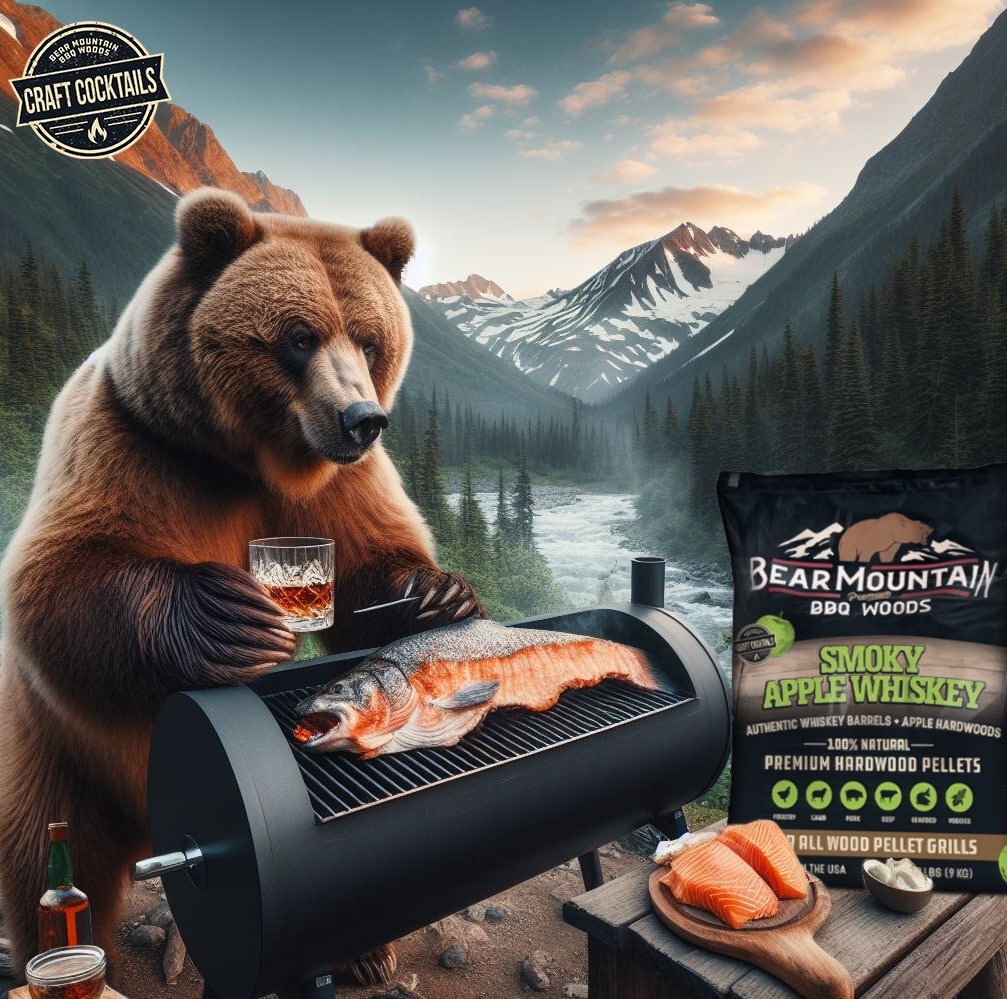
3. Bear Mountain Premium BBQ Pellets
Bear Mountain is where things start getting serious.
- 100% natural hardwood
- No oils, no fillers, no nonsense
- Bold, clean smoke flavor
These pellets burn evenly and produce smoke that actually tastes like wood – not a campfire candle. They’re a go-to when flavor matters.
Best for: Brisket, pork shoulder, competition-style BBQ
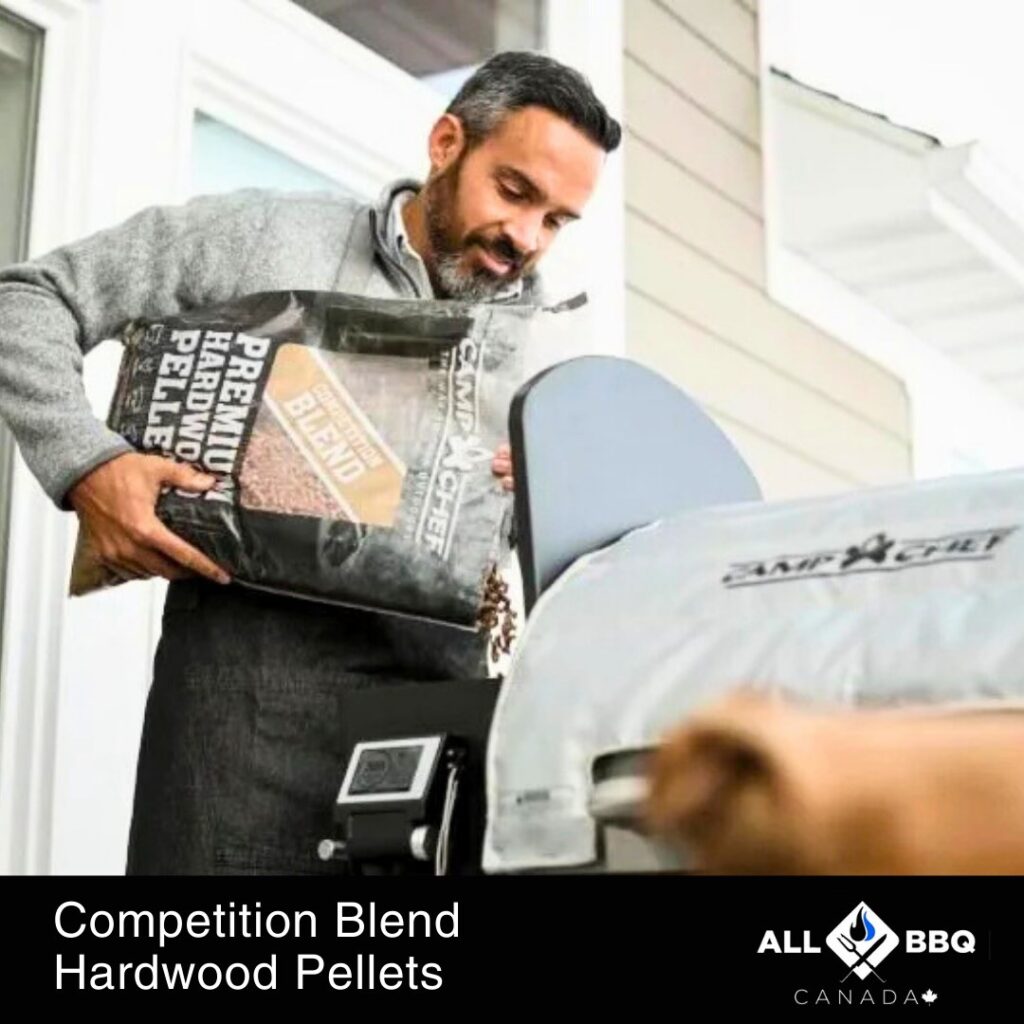
4. Camp Chef Premium Pellets
Camp Chef pellets are built for control.
- Low ash production
- Consistent pellet size for smooth feeding
- Balanced smoke that plays well with most meats
These are the pellets you use when you want to focus on cooking – not troubleshooting flameouts or temp swings.
Best for: Long overnight cooks, set-and-forget sessions
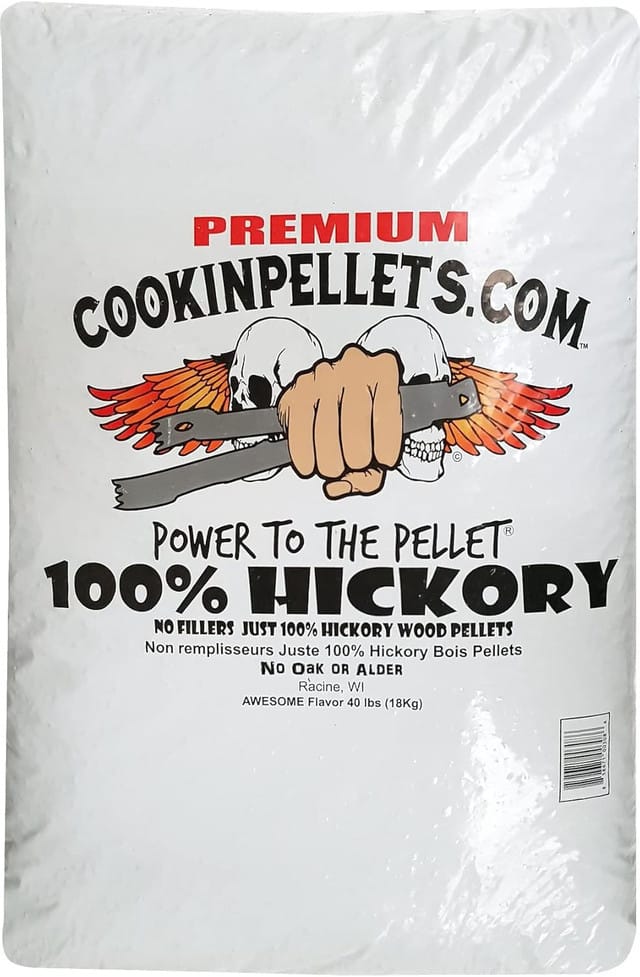
5. CookinPellets Perfect Mix
This brand is a pitmaster favorite for a reason.
- Hickory, Cherry, Hard Maple, Apple blend
- No oak filler (huge win)
- Strong but refined smoke profile
It’s like seasoning your meat before it even hits the grate. The blend adds depth without overpowering the food.
Best for: Brisket, ribs, anything low and slow
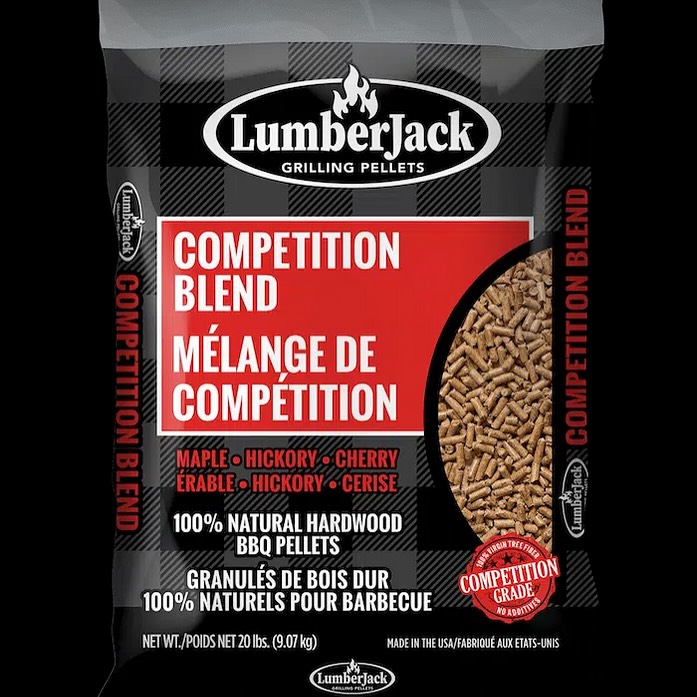
6. Lumber Jack 100% Hardwood Pellets
If you want maximum smoke, Lumber Jack delivers.
- High bark content
- Intense smoke output
- Excellent heat retention
These pellets are not shy. They bring bold flavor and reward cooks who know how to manage smoke levels properly.
Best for: Beef, wild game, serious smoke lovers
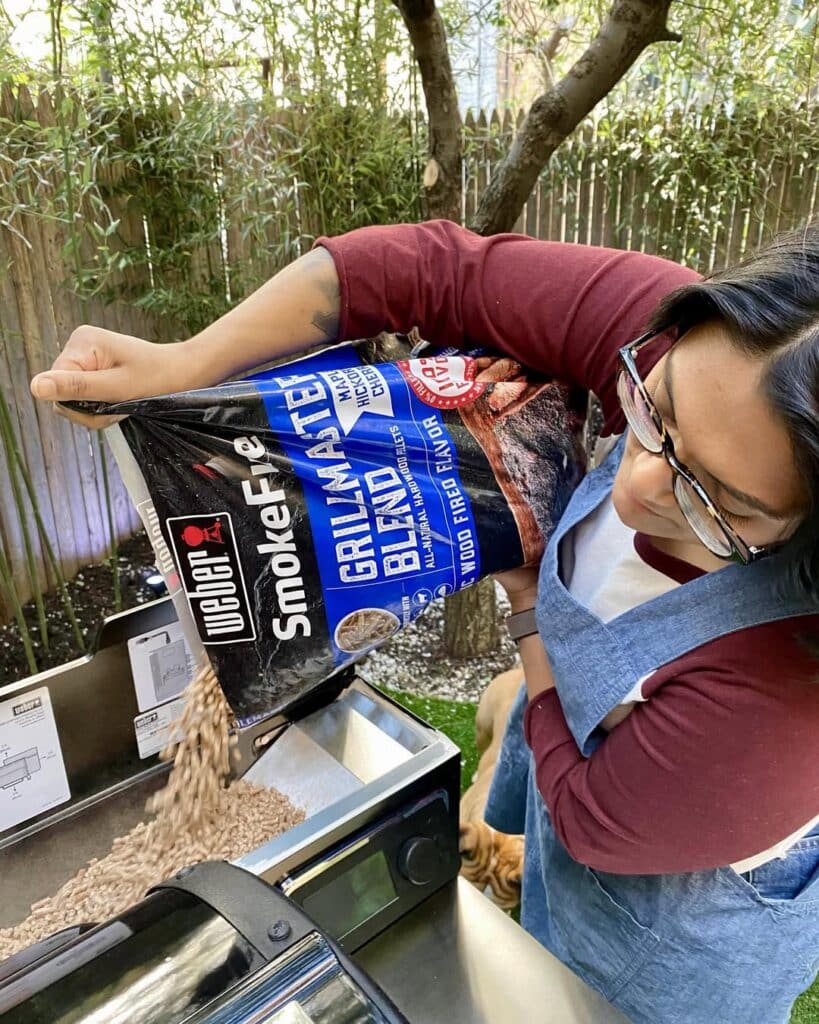
7. Weber SmokeFire Pellets
Weber quietly makes excellent pellets – and more people should notice.
- Designed for high heat grilling
- Clean burn with subtle smoke
- Pairs well with searing and roasting
They don’t overpower food, which makes them great for hybrid cooks who grill as much as they smoke.
Best for: Steaks, chicken, hot-and-fast cooking
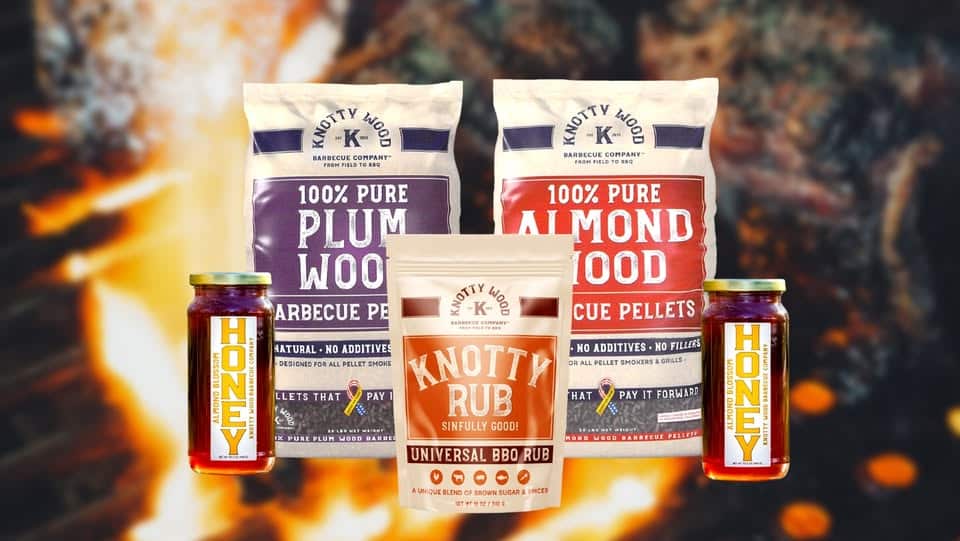
8. Knotty Wood Almond & Plum Pellets
This one’s for flavor nerds (I say that lovingly).
- Unique wood sources
- Naturally sweet smoke
- Extremely low ash
Knotty Wood pellets add character you won’t find in standard blends. They’re fantastic when you want to surprise people with flavor.
Best for: Poultry, seafood, vegetables
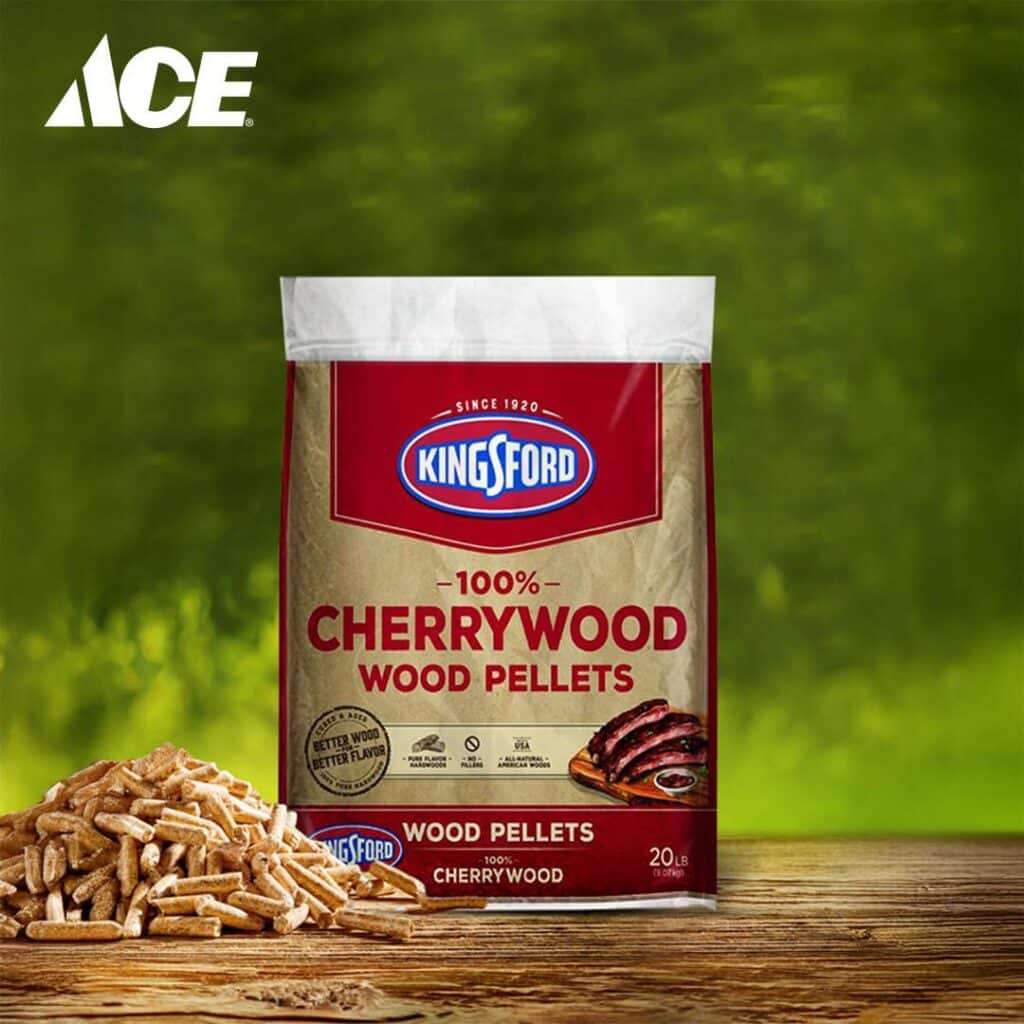
9. Kingsford Hardwood Pellets
Yes, that Kingsford – and they’ve stepped up.
- Made for steady heat
- Familiar, crowd-pleasing smoke
- Reliable availability on Amazon
These pellets won’t steal the show, but they won’t ruin it either. Think of them as a solid rhythm section backing up your cook.
Best for: Family BBQs, mixed grills, beginners
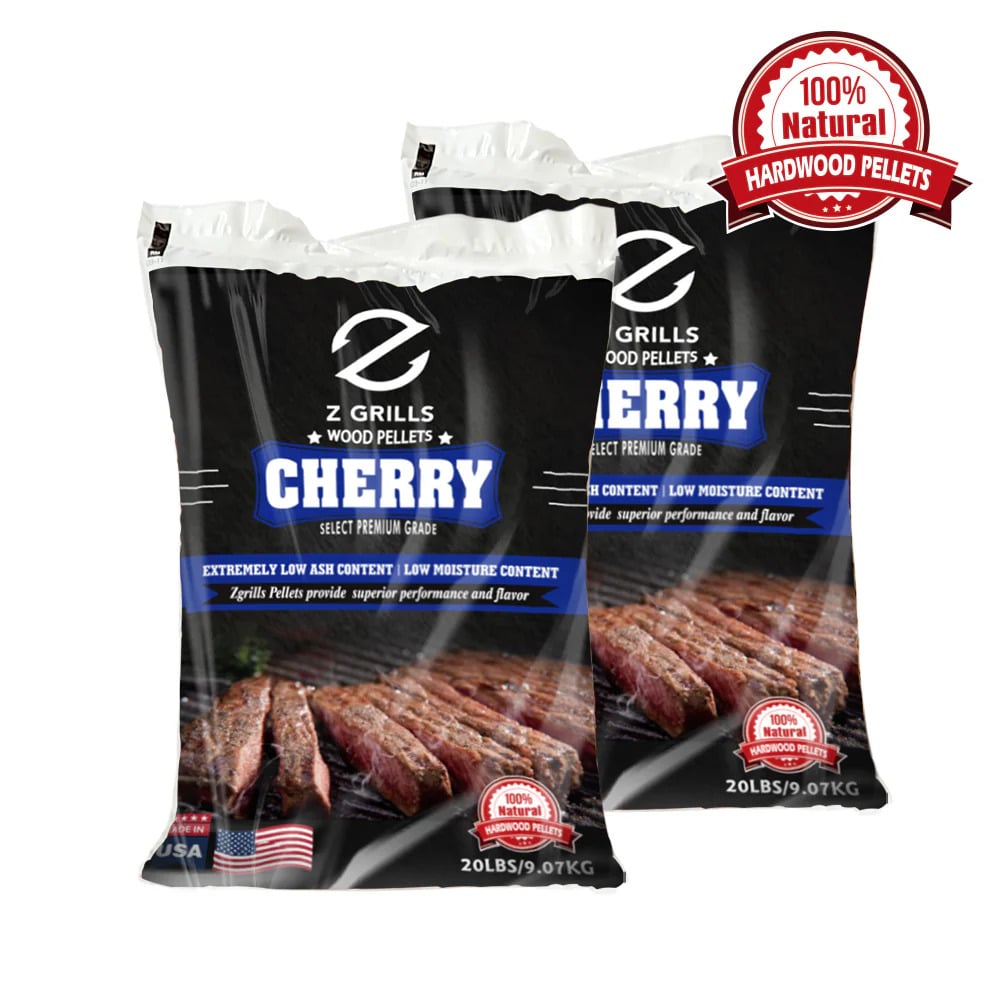
10. Z Grills Hardwood Pellets
Z Grills pellets are the sleeper pick.
- Consistent pellet density
- Smooth burn with minimal ash
- Excellent value for everyday use
They don’t get enough credit, but once you try them, they earn a regular spot in the rotation.
Best for: Meal prep, frequent cooks, value seekers
Pellet Storage Mistakes That Kill Performance (And Flavor)
Let me let you in on a hard-earned truth: most pellet failures don’t happen inside the grill—they happen before the cook even starts. Even the best pellet brands can turn into garbage if they’re stored wrong.
Pellets are compressed sawdust. Sawdust and moisture? Mortal enemies.
Here’s what bad storage leads to:
- Pellets absorbing humidity and swelling
- Pellets crumbling instead of snapping clean
- Weak smoke production
- Auger jams that stop a cook dead in its tracks
- Inconsistent heat and frustrating temp swings
I’ve personally watched premium pellets dissolve into mush because someone left the bag open on a garage floor. That’s a crime against BBQ.
Pitmaster rule: store pellets like seasoning, not fuel.
- Airtight container
- Off the ground
- Cool, dry location
If a pellet snaps clean, you’re good.
If it bends or flakes, toss it. No mercy.
How Pellet Size and Density Affect Your Cook
Here’s something most people overlook: pellet size and density matter almost as much as wood type. Even within trusted pellet brands, quality can vary – and your grill reacts instantly.
What inconsistent pellets cause:
- Faster burn rates
- Temperature overshooting
- Uneven feeding through the auger
- Dirtier, harsher smoke
Dense, well-formed pellets burn slower and steadier. That means:
- Better heat control
- More predictable long cooks
- Cleaner smoke flavor
- Less babysitting the grill
I’ve fixed “problem grills” just by switching pellet brands – same settings, same pit, totally different results. If your food tastes bitter or ashy, don’t blame the rub or the meat.
Odds are the pellets are the weak link.
Good pellets don’t just burn better – they make your grill feel smarter.
When to Mix Pellet Brands (And When Not To)
Mixing pellets can be a power move – or a disaster. The difference comes down to intent and restraint. Think of it like seasoning: balance beats chaos every time.
When mixing pellet brands works:
- Using a neutral base (oak or maple)
- Adding small amounts of stronger woods
- Fine-tuning smoke for long cooks
- Avoiding overpowering meats like poultry or pork
Why pitmasters do it:
- Better flavor control
- More flexibility across different proteins
- Smoother smoke over extended cooks
When not to mix:
- Pellets with wildly different densities
- Cheap pellets mixed with premium ones
- Random “grab bag” blends with no plan
Uneven burn rates can cause temperature swings and feeding issues. Stick with similar-quality pellet brands, mix with purpose, and remember – your grill isn’t a blender. It’s a precision tool.
Buying Tips: How to Choose the Right Pellet Brands
Here’s the truth: no single pellet brand is best for everything.
- Beef loves hickory and oak
- Pork shines with apple or cherry
- Poultry does better with lighter smoke
- Long cooks need dense pellets with low ash
Also: store pellets like they’re espresso beans. Dry, sealed, and away from moisture – unless you enjoy auger jams and regret.
Pellet Brands FAQ
Are all pellet brands safe for pellet grills?
Not exactly. Only use food-grade pellet brands made from 100% hardwood. Heating or industrial pellets can contain binders and chemicals that don’t belong anywhere near your food.
Yes. Higher-quality pellet brands burn cleaner, produce stronger smoke flavor, and create less ash, which helps maintain stable temperatures during long cooks.
Can I mix different pellet brands together?
You can, but do it with intention. Stick to similar-quality pellet brands and compatible wood types. Mixing dense pellets with crumbly ones can cause temp swings and feeding issues.
Why do my pellets crumble or jam the auger?
Moisture is the usual culprit. Even top-tier pellet brands will fail if stored improperly. Always keep pellets sealed, dry, and off the ground.
How long do pellets last if stored correctly?
When stored in an airtight container in a dry space, quality pellet brands can last months – or even over a year – without losing performance.
Final Thoughts: Are Premium Pellet Brands Worth It?
Short answer? Absolutely.
Cheap pellets cost less – but they burn faster, smoke weaker, and make temperature control a headache. The pellet brands on this list burn cleaner, last longer, and make your food taste like it came from someone who knows what they’re doing.
And when someone asks why your brisket tastes better than theirs?
Just smile.
The pellets did the talking.
Featured image credit: @woodpellet_greenenergy
