
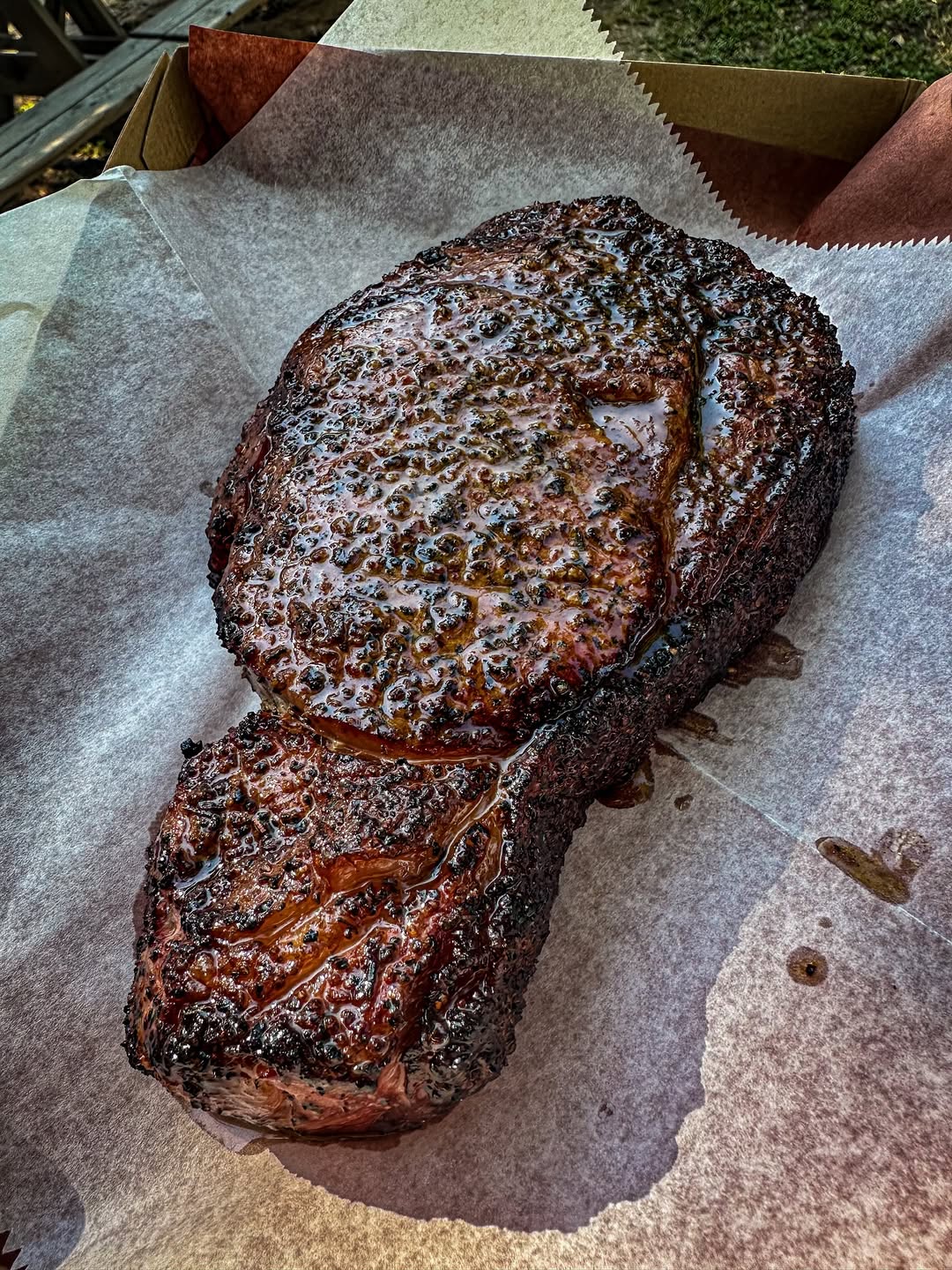
The thrill of low-and-slow pork shoulder barbecue is real – until your meat seems to take a coffee break. You’re staring at your thermometer, confident everything’s going well, and suddenly… the temperature stops climbing.
For hours. That’s the dreaded BBQ stall. Panic sets in, texts to friends are sent, and you start questioning every life choice that brought you to this moment.
Relax. The stall isn’t a problem – it’s meat physics in action, and understanding it can turn frustration into triumph. In this article, we’ll break down exactly why the stall happens, what’s going on inside the meat, and how a pitmaster can use it to their advantage.
By the end, you’ll see the stall not as a hurdle but as a secret ingredient in perfect barbecue.
What is the BBQ Stall?
Simply put, the BBQ stall is when the internal temperature of meat pauses during cooking. For large cuts like brisket or pork shoulder, this usually happens somewhere between 150°F and 170°F.
Your thermometer climbs steadily for a while, then… nothing. Hours can pass, and it feels like the meat is mocking you.
This isn’t a smoker malfunction. It’s not “broken” meat. And it doesn’t mean your brisket will never finish. In fact, the stall is completely normal and predictable, especially for cuts with lots of connective tissue and moisture.
A common pitmaster anecdote: I had a beginner call me in tears at hour five. “My brisket is stuck at 155°F! It’s ruined!” I told him, “Son, your meat is just taking a coffee break – it’ll get back to work soon.”
Understanding the stall starts with embracing it. It’s a pause, not a failure.
The Science Behind Meat Physics
Now, let’s get nerdy – but in plain-English. Meat cooks through heat transfer.
There’s conduction, which moves heat from the outside to the center, and convection, where the air or smoke surrounding the meat delivers energy. Large cuts are like brick houses – they take time for heat to penetrate.
Inside the meat, proteins denature and collagen breaks down into gelatin. This isn’t just science jargon – it’s what makes meat juicy and tender. But here’s the kicker: these chemical changes absorb heat.
So, even though your smoker is cranking along at 225°F, the meat’s internal temperature can stall because energy is being “used up” breaking down proteins.
Fat rendering plays a role too. As fat melts, it transfers heat unevenly and slows the internal rise. Think of it like traffic in the meat: heat wants to move in, but proteins, water, and fat are holding up the flow.
Practical takeaway: understanding meat physics helps you predict when the stall will occur and how long it will last – knowledge that separates confident pitmasters from anxious beginners.
Moisture Loss and Evaporative Cooling
The main culprit behind the BBQ stall is moisture loss. Water inside the meat migrates to the surface and evaporates, creating a cooling effect – much like how sweating cools a human.
This evaporative cooling can counteract the heat coming from your smoker, causing the internal temperature to plateau.
Several factors influence this:
- Surface area and size: Bigger cuts = more evaporation = longer stall.
- Smoker humidity: High humidity slows evaporation, shortening the stall.
- Airflow: Too much fan or open vents can increase moisture loss, prolonging the plateau.
A pitmaster trick is wrapping the meat in foil or butcher paper during the stall. It’s like giving your brisket a raincoat – it traps moisture, reduces evaporation, and lets the temperature climb faster.
Another fun tip: spritzing the meat lightly can slow the stall and keep the surface from drying, but don’t overdo it – too much liquid can cool the meat instead of helping it cook.
Moisture loss isn’t your enemy – it’s the secret that makes low-and-slow cooking work. You just need to manage it.
Temperature Plateaus: Why Meat Stops Rising
The BBQ stall is essentially a temperature plateau. Your meat’s internal heat is being balanced out by evaporative cooling and collagen breakdown, like a bathtub filling while the drain is open.
- Plateau timing: Usually occurs between 150–170°F for large cuts.
- Variability: Size, fat content, and connective tissue levels all affect how long the stall lasts.
- The fun part: “It’s like the meat is teasing you—‘I’ll get tender, but I’ll make you sweat first.’”
Here’s the key pitmaster insight: the stall is where flavor and tenderness are built.
Those long, slow hours at plateau temperatures allow collagen to turn into gelatin, which makes every bite melt in your mouth.
Practical Implications for Cooking
So what do you do when your meat hits the stall? First, adjust expectations. The stall can last 1–3 hours, depending on the cut and cooking conditions. This isn’t wasted time – it’s free tenderizing.
Here are some pitmaster-approved strategies:
- Wrap the meat: Foil or butcher paper reduces evaporation, shortens the stall, and keeps moisture in.
- Control humidity: Spritzing or adding water pans can help maintain a gentle cooking environment.
- Adjust smoker temperature cautiously: A small bump in heat can help, but too much risks drying out the meat.
Sometimes the best move is no move. Let the stall do its magic. Think of it as a spa day for your brisket – hours of relaxing and soaking in flavor.
The Role of Meat Resting After the Stall
Once your meat finally clears the stall and hits the target temperature, the work isn’t done. Resting allows juices to redistribute, preventing dry bites and uneven texture.
Think of it as the finishing touch on a masterpiece. For brisket or pork shoulder, a 30–60 minute rest – loosely tented in foil – is usually enough.
During this time, residual heat continues to finish cooking internally, subtly improving tenderness. Flavors also deepen and mingle, giving every bite a melt-in-your-mouth quality.
For pitmasters, the combination of BBQ stall and proper resting ensures patience pays off in juiciness, flavor, and perfect texture.
Skipping this step is like skipping the frosting on a cake – it works, but it’s not ideal.
How Meat Size and Shape Affect the Stall
Not all cuts stall the same. Geometry matters. A tall brisket point can plateau longer than a flat, thin brisket. Round pork shoulders often stall differently than squared-off ones.
- Larger volume = more evaporative cooling.
- Irregular shapes can create “hot spots,” where some areas cook faster than others.
Pitmasters adjust placement in the smoker or rotate meat to manage heat distribution. Understanding shape and size lets you predict stall length, plan your cook, and avoid surprises.
Remember: BBQ stall timing isn’t universal – it’s unique to every cut.
The Effect of Rubs and Marinades on the Stall
What you put on your meat can subtly change the stall. Salt-based rubs draw moisture to the surface, increasing evaporative cooling and potentially extending the plateau.
Sugar-heavy glazes can form a thin barrier, slowing evaporation and slightly reducing stall time. Marinades with oil or vinegar also impact moisture dynamics.
A pitmaster’s trick: choose rubs and glazes not just for flavor, but to manage the stall. A thin sugar rub may shorten a brisket’s plateau, while a heavily salted pork shoulder might linger longer.
Knowing how ingredients interact with meat physics lets you balance timing and flavor, turning science into art.
The Impact of Smoker Type and Fuel on the Stall
Not all smokers handle the stall the same way. Offset smokers have hot spots and fluctuating airflow, prolonging evaporation. Pellet smokers deliver steady heat but can create dry air.
Charcoal smokers introduce variability depending on vents and coals.
Fuel type also matters: wood chunks release aromatic compounds, slightly insulating meat surfaces. Gas heat tends to be drier, which can extend the stall.
Experienced pitmasters use this knowledge to:
- Predict stall timing.
- Adjust airflow or water pans.
- Strategically place meat for optimal flavor and tenderness.
Understanding your smoker’s quirks makes the BBQ stall a tool, not a setback.
Bark Formation During the Stall
The stall isn’t just a plateau – it’s prime bark-building time. While the interior pauses, the exterior interacts with smoke, heat, and rubs. Sugars caramelize, proteins Maillard, and spices meld.
- Wrapping during the stall softens bark.
- Leaving meat unwrapped preserves a firm, flavorful crust.·
Pitmasters know the stall is bark time, where patience translates into color, texture, and taste. The stall is no longer just science – it’s your chance to sculpt a smoky, savory crust that makes every bite memorable.
How Ambient Temperature and Weather Influence the Stall
Weather affects the stall more than most realize. Cold air and wind force your smoker to work harder, prolonging evaporative cooling.
High winds can increase moisture loss, lengthening the plateau. Warm, humid days may slightly shorten it.
Pitmasters track:
- Ambient temperature
- Wind
- Humidity
Knowing these factors helps predict stall duration and prevents panic. BBQ is both science and art, and weather is one variable you can’t ignore if you want consistent results.
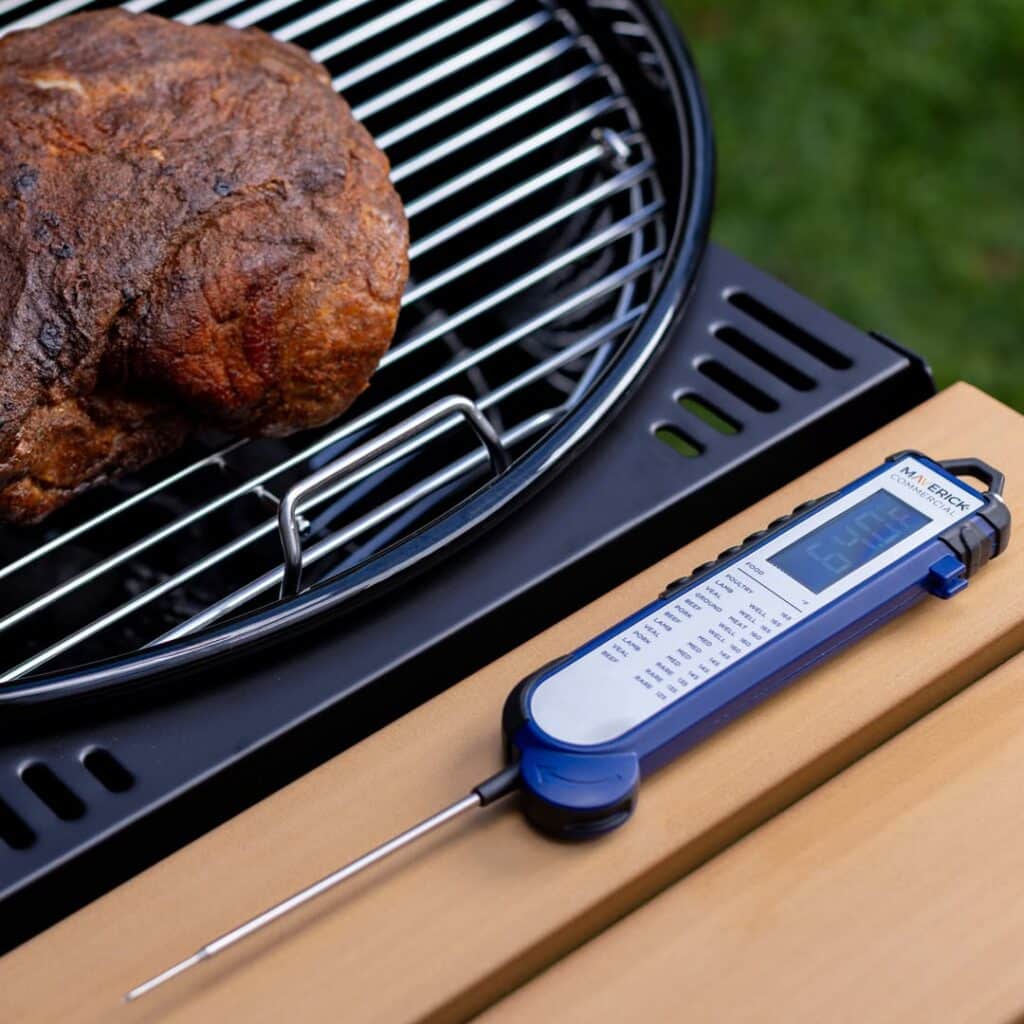
Using Thermometers Smartly During the Stall
Obsessively staring at a thermometer can create unnecessary stress. The meat is still cooking internally, even if readings hover.
- Digital leave-in probes provide continuous feedback.
- Infrared thermometers are good for surface readings but don’t capture the center.
Reading temperatures smartly lets you decide when to wrap, spritz, or adjust airflow. The thermometer is your ally, not your enemy, during the stall. Trust it, but don’t worship it.
The Psychology of Waiting During the Stall
Hours of watching a hovering temperature can test patience. The stall isn’t just physics – it’s mental training.
Pitmasters often use this time to:
- Prep sauces
- Clean tools
- Share stories or jokes with friends
Humor, rituals, and mindful waiting turn the stall into a productive and enjoyable part of the process. Low-and-slow BBQ is as much about mental mastery as it is meat mastery.
Advanced Techniques: Foil vs. Butcher Paper During the Stall
Wrapping meat is a strategic choice:
- Foil: Traps moisture, shortens the stall, produces tender meat, but softens bark.
- Butcher paper: Breathable, keeps a firmer bark, may slightly prolong the plateau.
Pitmasters select based on the desired balance of tenderness and bark.
Wrapping is a tool to manipulate cooking without compromising quality, making the BBQ stall work for you, not against you.
How the Stall Enhances Smoke Flavor
The stall is a secret ally for deep smoke flavor. While internal temperature pauses, the exterior continues absorbing smoke particles.
Long exposure at moderate heat lets wood compounds penetrate meat and bark slowly, producing richer, nuanced flavor.
Wrapping too early can block this absorption. The stall gives meat time to soak in smoke while tenderizing inside, making it a crucial part of crafting taste, texture, and legendary barbecue.
FAQ: Everything You Wanted to Know About the BBQ Stall
1. What exactly is the BBQ stall?
The BBQ stall is the point during low-and-slow cooking where the internal temperature of meat stops rising, usually between 150–170°F.
It happens because evaporative cooling from moisture loss and collagen breakdown inside the meat absorb heat, temporarily balancing the heat coming from your smoker.
It’s completely normal – and even beneficial for flavor and tenderness.
2. Why does my meat stall for hours?
Large cuts like brisket or pork shoulder have more water, fat, and connective tissue, which slow heat transfer. The larger the cut, the longer the stall.
Ambient conditions like humidity, airflow, and temperature also affect stall duration. Essentially, your meat is taking its time to tenderize and soak up flavor.
3. Can I speed up the stall?
Yes, but cautiously. Pitmasters often:
- Wrap meat in foil or butcher paper to reduce moisture loss.
- Adjust smoker humidity using water pans or spritzing.
- Slightly increase smoker temperature, but too much heat risks drying the meat.
The key: don’t rush the stall too aggressively – patience yields juicier, more flavorful results.
4. Does wrapping meat ruin the bark?
Not necessarily – it depends on the material:
- Foil: Traps moisture, shortens the stall, but softens bark.
- Butcher paper: Breathable, preserves firmer bark, may slightly prolong the stall.
Choosing the right wrap helps balance tenderness and exterior crunch.
5. How does the BBQ stall affect smoke flavor?
During the stall, the exterior continues absorbing smoke compounds, enhancing aroma and taste.
Wrapping too early can prevent smoke penetration. The stall gives the meat time to develop deeper, more complex flavor while internal tenderization continues.
6. Is the stall the same for all meats?
Nope. Thinner cuts like chicken breasts or tenderloin usually don’t stall noticeably because they have less moisture and connective tissue.
Big, fatty cuts are the stall champions. Even among briskets or shoulders, size, shape, and fat content can create different stall patterns.
7. How should I read my thermometer during the stall?
Use a leave-in digital probe for consistent readings. Remember, the meat is still cooking internally, even if the temp doesn’t budge.
Infrared thermometers are good for the surface, but the center is where the magic happens. Trust your thermometer, but don’t obsess – read it wisely.
8. Can the stall be avoided?
Not really, and you wouldn’t want to. The stall is part of the low-and-slow process that makes brisket or pork shoulder tender and flavorful.
Trying to skip it completely often results in less juicy, less flavorful meat. Embrace the stall – it’s a pitmaster’s secret friend.
9. How long should I rest meat after the stall?
Resting is crucial. After cooking past the stall, let meat sit 30–60 minutes loosely tented in foil.
This allows juices to redistribute, flavors to deepen, and residual heat to finish tenderizing the interior. Skip resting, and your BBQ may lose that juicy, melt-in-your-mouth quality.
10. How do weather and smoker type affect the stall?
Cold, windy days can prolong the stall, while hot, humid conditions may slightly shorten it.
Smoker type matters too:
- Offset smokers: Hot spots and airflow fluctuations may lengthen the stall.
- Pellet smokers: Steady heat, drier air, moderate stall duration.
- Charcoal smokers: Variable depending on coals and vents.
Understanding your setup and the weather helps predict and manage the BBQ stall like a pro.
No More Missing Out on the BBQ Stall Again
The BBQ stall is a fascinating combination of meat physics, moisture loss, and connective tissue chemistry. Understanding it turns frustration into a strategic advantage.
Next time your brisket hits that plateau, relax. Pour a drink, enjoy the science at work, and remember: the stall is where flavor and tenderness are born. A pitmaster knows that patience here pays off in juicy, melt-in-your-mouth perfection.
So embrace the stall – it’s not a setback; it’s a secret weapon in the art of low-and-slow barbecue.
Featured image credit: @bar_a_bbq
