
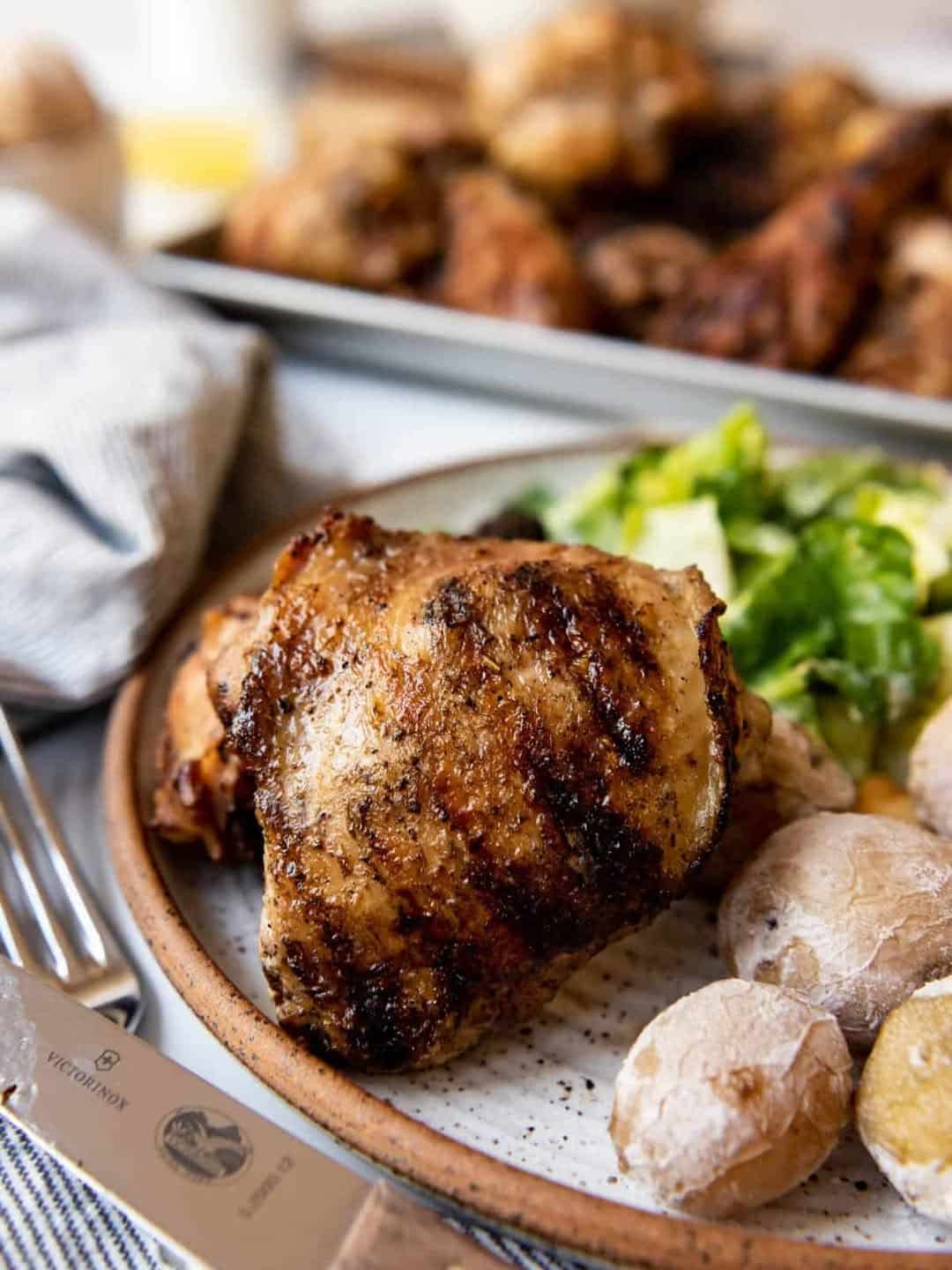
Anyone who grew up around Upstate New York knows this chicken by aroma first, taste second. It drifts across parking lots at fire department fundraisers, county fairs, church picnics, and tailgates.
It’s sharp, savory, and unmistakable. No sweetness. No smoke bomb theatrics. Just honest, grill-kissed chicken bathed in a tangy sauce that means business.
This is Cornell BBQ chicken – a recipe that looks almost too simple on paper and then completely rewires your expectations once you cook it. As a chef, I love recipes like this. They don’t hide behind sugar or sauce thickness.
They reward patience, technique, and a little faith in food science. And yes, there’s actual science involved – but don’t worry, we’ll keep it fun.
The History Behind Cornell BBQ Chicken
The story starts in the 1940s at Cornell University, where Dr. Robert C. Baker, a food science professor (and certified poultry nerd), developed this recipe.
His goal wasn’t to impress food critics – it was to feed large crowds efficiently and consistently. Think fundraisers, fairs, and community cookouts, not white tablecloths.
Baker’s sauce was revolutionary at the time: a vinegar-based BBQ sauce with oil and egg for richness, designed to baste continuously while grilling. The method kept chicken juicy, added flavor layer by layer, and prevented burning.
The recipe spread like wildfire across Upstate New York, becoming a regional staple long before “regional BBQ” was a marketing term.
In short: this isn’t backyard improvisation. Cornell BBQ was engineered – and that’s why it works.
What “Authentic” Cornell BBQ Chicken Really Means
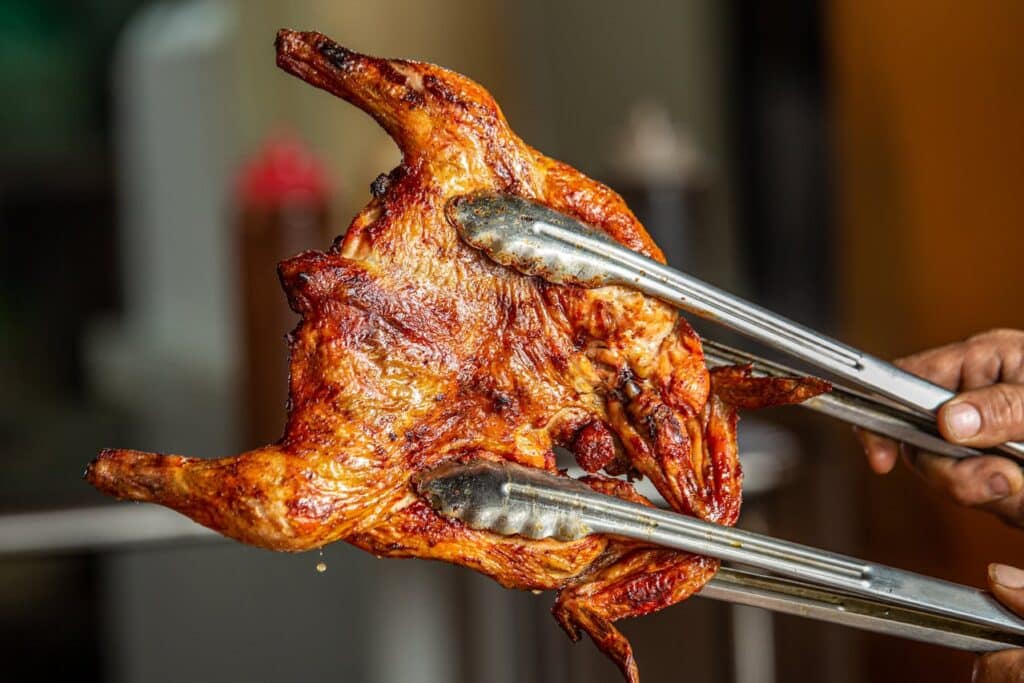
Let’s clear something up right away. Authentic Cornell BBQ chicken is not sweet. At all. If you’re looking for molasses, honey, or ketchup, you’ve taken a wrong turn somewhere near Kansas City.
Here’s what defines the real deal:
- A thin, tangy sauce, not a sticky glaze
- Constant basting during grilling
- Bone-in, skin-on chicken only
- Flavor built gradually over live fire
The sauce doesn’t sit on top of the chicken – it becomes part of it. If that sounds understated, trust me: it’s not boring. It’s bold in a way that sneaks up on you.
The Science Behind the Sauce
One of the reasons Cornell BBQ chicken is so consistently flavorful is the science behind the sauce.
- Egg acts as a natural emulsifier – binds the vinegar and oil so the sauce clings to the chicken instead of sliding off.
- Vinegar denatures proteins – helps the chicken retain moisture during grilling, keeping the meat juicy even over open flames.
- Poultry seasoning and black pepper – release aromatic compounds when heated, creating the unmistakable Cornell aroma.
Understanding the science doesn’t make the recipe complicated; it just explains why a few simple ingredients, applied correctly, produce a flavor that seems almost magical.
So when you whisk, baste, and grill, remember: you’re not just cooking – you’re orchestrating a perfect chemical symphony.
Regional Variations and Local Twists
While the classic Cornell BBQ chicken comes straight from Upstate New York, you’ll find regional variations that add local flair.
Some home cooks incorporate a splash of hot sauce for a subtle kick, while others experiment with smoked paprika or mustard powder to enhance the savory depth.
Certain Upstate counties have their own “secret” ratios of vinegar to oil, and occasionally a touch of fresh herbs like thyme or sage sneaks in.
Even the type of grill – charcoal, gas, or wood – can subtly influence the final flavor, creating a regional signature without straying from the classic technique.
Exploring these variations can make a home cook feel like a local insider, discovering how each town and family interprets this iconic BBQ recipe.
The takeaway? Cornell BBQ is flexible, but the heart of the dish – vinegar-based tang and careful basting – remains untouchable.
Pairing Drinks and Sides with Cornell BBQ
Serving Cornell BBQ chicken isn’t just about the main dish – it’s about creating a full flavor experience.
- Choose traditional sides – Salt potatoes, creamy coleslaw, and sweet corn are classic Upstate New York accompaniments.
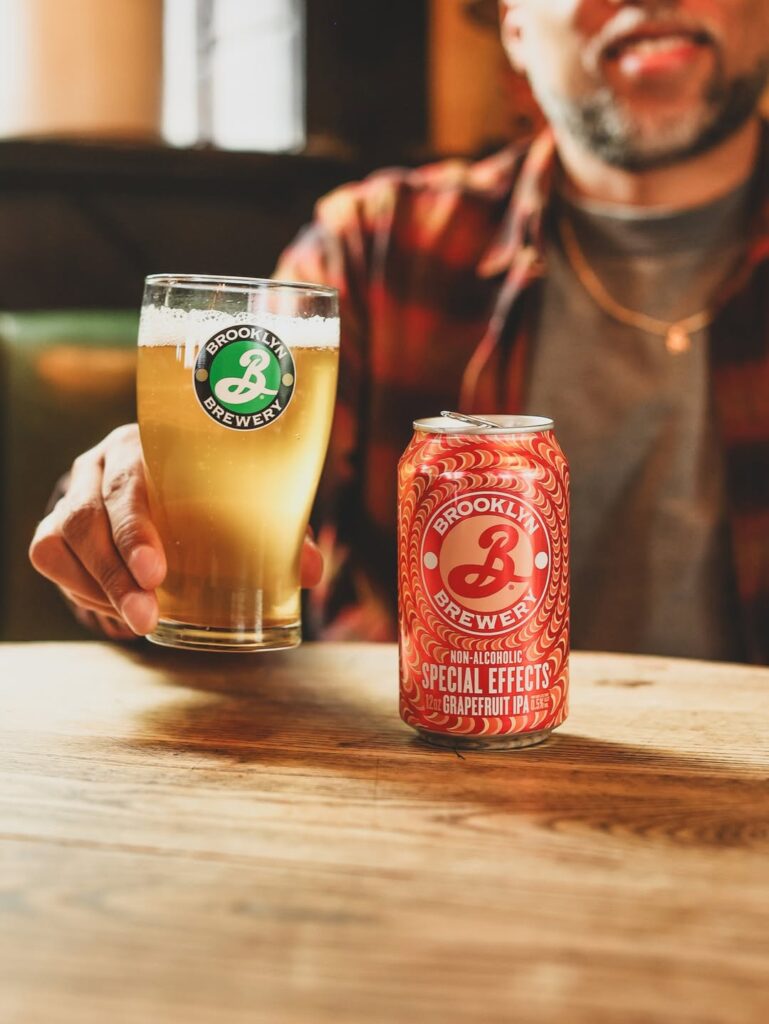
- Select complementary drinks – Crisp lager beers, dry ciders, or sparkling water with lemon cut through the tangy richness of the sauce.
- Offer non-alcoholic options – Ginger lemonade or lightly sweetened iced tea refresh the palate without overwhelming the flavors.
- Balance flavors and textures – Combine acidity, sweetness, and crunchy/creamy elements to make the vinegar-based sauce shine.
- Transform the meal into an experience – Thoughtful pairings elevate a simple fundraiser dish into a satisfying, well-rounded meal, whether at home or a county fair.
Pro Tips for Perfect Cornell BBQ Chicken
- Don’t marinate overnight. This sauce is for basting, not soaking.
- Skip sweet substitutions. Sugar burns and ruins the balance.
- Manage flare-ups with patience, not panic. Move the chicken – don’t douse the fire.
- Rest the chicken before serving so juices redistribute instead of running away.
As a chef, I’ll say this plainly: technique matters more than ingredients here.
Common Mistakes to Avoid
The biggest mistakes I see?
- Using boneless chicken (instant dryness)
- Cooking only over high direct heat
- Treating the sauce like a glaze
- Basting once and calling it a day
This recipe rewards attention. Ignore it, and it will absolutely ignore you back.
How to Serve Cornell BBQ Chicken
Traditionally, Cornell BBQ chicken is served with:
- Salt potatoes
- Creamy coleslaw
- Corn on the cob
No frills. No foam. Just picnic-table perfection. I’ve served this at upscale events and parking-lot cookouts, and it hits every time.
How to Host a Cornell BBQ Chicken Cookout
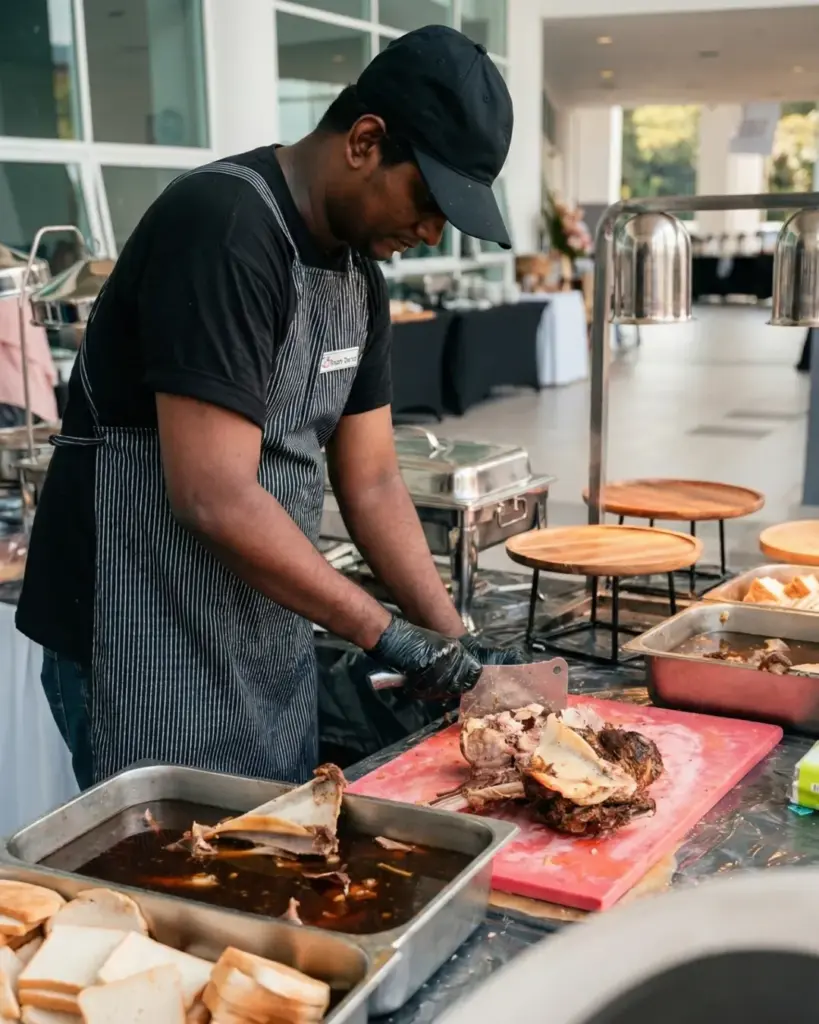
Hosting a cookout around Cornell BBQ chicken turns grilling into an event-worthy experience. Start by planning a two-zone grill setup, keeping raw and cooked areas clearly defined.
Provide plenty of tongs and basting brushes so guests can participate or watch without crowding the grill. Consider creating a small DIY sauce station for basting, giving everyone a chance to taste the tangy magic mid-cook.
Set up picnic tables with classic sides – salt potatoes, coleslaw, and corn on the cob – and add casual touches like checkered napkins or mason jar drinks for that Upstate New York charm. Encourage patience: the magic is in the slow, attentive basting, not rushing.
A Cornell BBQ chicken cookout isn’t just about food; it’s about atmosphere, technique, and shared enjoyment. And the best part? Smelling the chicken before anyone even sits down – classic Upstate NY moment.
Storage, Reheating, and Make-Ahead Tips
Leftovers keep well for up to three days refrigerated. Reheat gently in the oven or back on the grill over indirect heat. Microwaves work, but let’s not pretend they’re ideal.
The sauce can be made a day ahead – just whisk before using.
Why Cornell BBQ Still Works Today
In a world obsessed with extremes, Cornell BBQ stays relevant by being balanced, practical, and deeply flavorful. It’s proof that great barbecue doesn’t need to shout.
Sometimes it just needs vinegar, fire, and someone willing to stand by the grill and do the work.
And honestly? That’s half the fun.
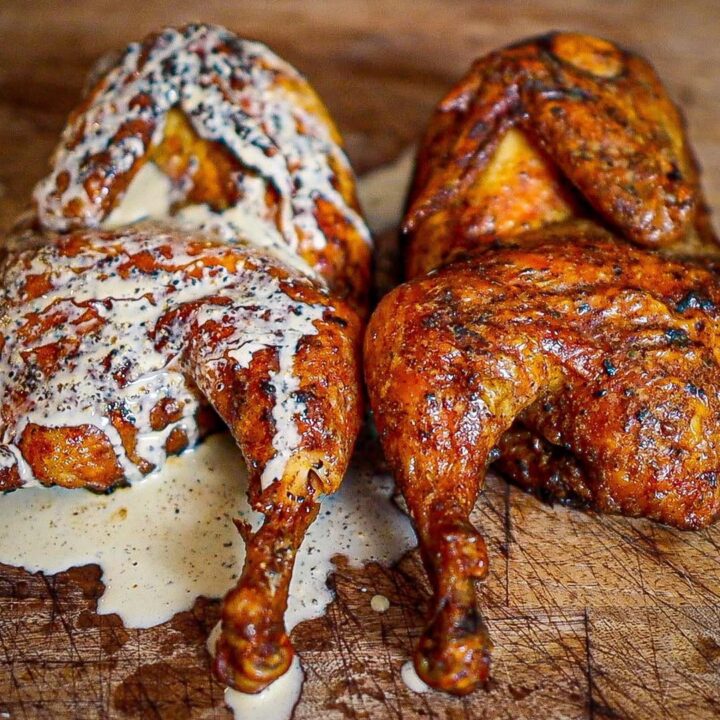
Cornell BBQ Chicken Recipe (Upstate New York Style)
Image credit: @chudsbbq
Ingredients
Chicken
- Bone-in, skin-on chicken halves or quarters
- That skin is non-negotiable. It protects the meat, crisps beautifully, and carries flavor like a champ.
Cornell BBQ Sauce
- Apple cider vinegar
- Vegetable oil
- Whole egg
- Salt
- Poultry seasoning
- Black pepper
- That egg might raise an eyebrow. Don’t panic. It emulsifies the sauce, giving it body without heaviness. Think vinaigrette with a PhD.
Instructions
1. Make the Cornell BBQ Sauce
In a bowl, whisk together the vinegar, oil, egg, salt, poultry seasoning, and black pepper until fully emulsified. The sauce should look slightly creamy but still pourable.
Taste it. It should be sharp and savory, not polite. If it makes you blink a little, you’re on the right track.
2. Prep the Chicken
Pat the chicken dry. No heavy seasoning needed – the sauce handles that. If you must, a light sprinkle of salt is fine.
Room-temperature chicken cooks more evenly, so don’t pull it straight from the fridge and throw it on the grill like a maniac.
3. Set Up the Grill
Preheat your grill and stabilize it around medium heat. You’re aiming for control, not chaos. This is not a burger situation.
4. Grill and Baste
Place the chicken skin-side down over direct heat. Once it starts to render and crisp, begin basting generously with the Cornell BBQ sauce.
Flip every few minutes. Baste every flip. Move the chicken between direct and indirect heat as needed to prevent flare-ups. This is an active process – go grab a drink, but don’t wander off.
5. Check for Doneness
You’re looking for an internal temperature of 165°F in the thickest part. The skin should be golden and lightly crisp, not charred.
Pull the chicken and let it rest. Yes, even grilled chicken needs a breather.
Featured image credit: @houseofnasheats
