
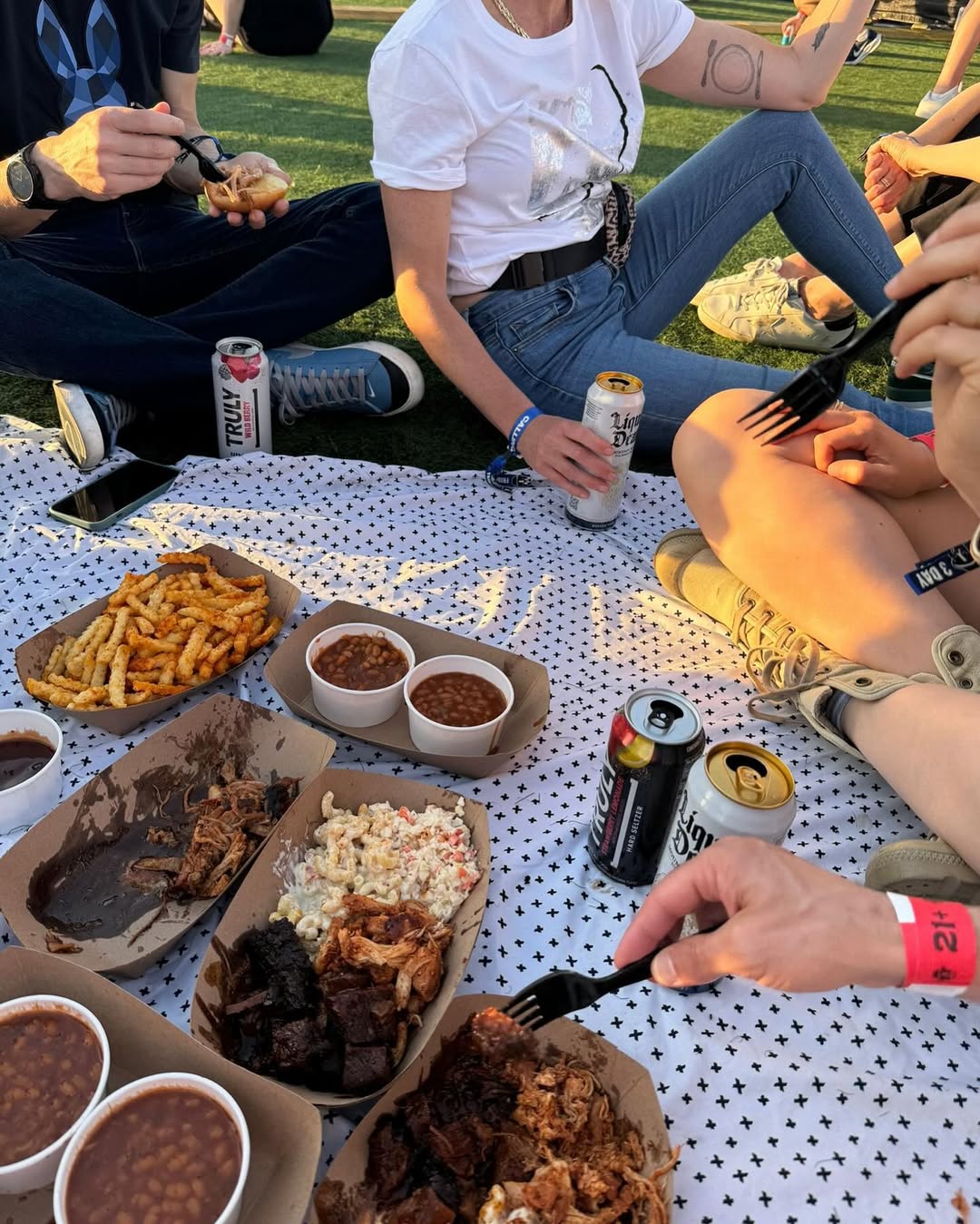
If you told me ten years ago that I’d be standing over a smoker in Boston, trimming chicken thighs and talking bark, smoke, and vinegar balance, I would’ve laughed and handed you a lobster roll.
BBQ? In Boston? That’s like asking for sweet tea at a clam shack.
And yet – here we are.
I’ve cooked BBQ across regions that argue about BBQ for sport. Texas, the Carolinas, the Midwest. What I’ve learned cooking in Boston is this: Boston BBQ exists – but it plays by different rules.
It’s quieter. More restrained. Less about flag-waving tradition and more about making good food work where you are.
Today, I’m walking you through what Boston BBQ actually looks like, and I’ll show you with a single, practical recipe that fits the city’s cooking reality.
What “Boston BBQ” Actually Means
Let’s get one thing straight: Boston doesn’t have a centuries-old BBQ lineage. There’s no generational pit gospel here.
No holy wars over sauce viscosity.
What Boston does have is chefs, home cooks, and pitmasters who moved here, adapted, and made BBQ work in tight spaces, unpredictable weather, and neighborhoods where open flames sometimes raise eyebrows.
Boston BBQ is defined by adaptation.
That means:
- Smaller smokers and grills
- Cuts of meat that cook faster and forgive mistakes
- Flavor balance over brute-force smoke
- Sauce that supports, not smothers
Think of it less like a regional style and more like a mindset: “How do I make great BBQ here?”
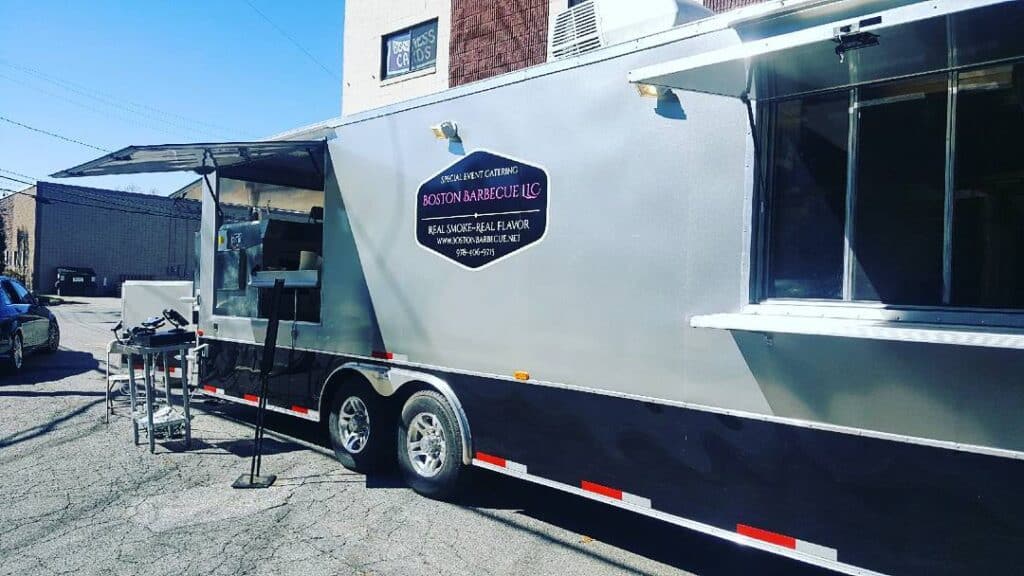
The Boston-Style BBQ Philosophy
If I had to boil Boston BBQ down into a few ideas, it’d be this:
- Clean smoke beats heavy smoke
- Savory first, sweet second
- Sauce is optional – but if it’s there, it better behave
You’ll see apple wood more than hickory. Vinegar more than molasses. And meat that’s cooked with intention, not just tradition.
It’s BBQ that fits an apartment-friendly smoker, a snowy March afternoon, and a dinner table where half the guests grew up thinking paprika was exotic.
The Recipe: Boston-Style Smoked Chicken Thighs
I could’ve chosen brisket. But brisket in Boston is a commitment – time, money, and weather cooperation. Chicken thighs are the unsung hero of Boston BBQ.
Affordable. Flavorful. Hard to mess up. And they love smoke without demanding your entire weekend.
Why This Recipe Represents Boston BBQ
- Works on a smoker, grill, or oven
- Takes 2–3 hours, not 12
- Balanced flavor that won’t scare non-BBQ people
- Juicy enough to survive New England winter dryness
Why Boston Weather Shapes the Way BBQ Is Cooked
You can’t talk about Boston BBQ without talking about the weather. Down South, BBQ season is most of the year. In Boston, it’s more like a series of short windows between snow, rain, and wind that feels personal.
That reality changes how people cook.
Long, overnight cooks are risky when the temperature drops fast or the wind decides to bully your fire. That’s why Boston pitmasters favor shorter cooks, tighter temperature control, and forgiving cuts of meat.
Chicken thighs, pork collars, sausages – things that don’t panic when conditions aren’t perfect.
Cold air also pulls heat and moisture from meat faster. That’s why Boston BBQ leans juicy, not aggressive, and why sauces and spritzes skew vinegar-forward instead of sugary. Sugar burns faster in cold, unstable fires.
In Boston, BBQ isn’t about domination. It’s about survival and consistency.
The Unspoken Influence of Boston’s Food Culture on BBQ
Boston BBQ doesn’t live in a vacuum – it borrows manners from the city’s broader food scene. This is a place built on seafood restraint, Italian balance, and pub food practicality.
Loud, sticky, ultra-sweet BBQ would feel out of place here, like blasting country music in a symphony hall.
That’s why Boston BBQ tastes cleaner and more composed. Sauces are thinner. Smoke is lighter. Rubs avoid extremes. The goal isn’t to overwhelm – it’s to earn a second bite.
You’ll also notice Boston cooks are less precious about “authenticity.”
They’ll pair BBQ with good bread instead of cornbread. Slaw gets lighter. Sides behave. It’s BBQ that understands it might be sharing the table with oysters, pasta, or roast chicken.
Boston BBQ doesn’t try to replace the city’s food identity. It adapts to it.
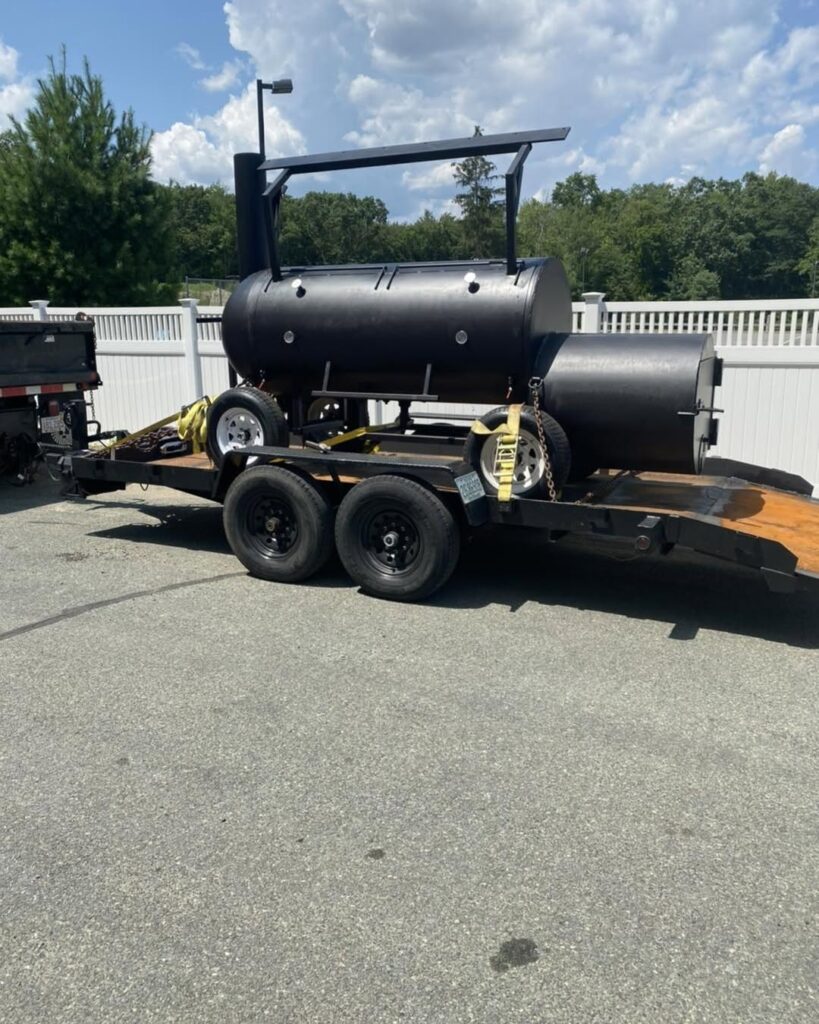
Why Boston BBQ Is Built for Home Cooks, Not Big Pits
Here’s the truth no one advertises: Boston BBQ thrives at home more than in restaurants. High rent, tight spaces, and strict fire codes make massive offset smokers rare. Instead, Boston’s BBQ culture lives in backyards, balconies, and garages.
That’s why Boston BBQ techniques are practical by necessity. Electric smokers. Kettle grills. Hybrid grill-oven finishes. Temperature probes instead of intuition passed down through generations. And honestly? That’s not a weakness – it’s a strength.
Boston cooks talk about repeatability, not romance. “Can I make this again next weekend?” matters more than tradition. Recipes evolve fast because they have to work in real conditions, not ideal ones.
If Southern BBQ is cathedral-building, Boston BBQ is apartment engineering – and it’s smarter than it looks.
The Quiet Confidence of Boston BBQ
What surprises people most about Boston BBQ isn’t the flavor – it’s the attitude. There’s no chest-thumping. No “best in the world” claims. No rivalry banners. Just cooks doing solid work and letting the food speak.
That quiet confidence shows up everywhere:
- Sauces served on the side
- Smoke used with restraint
- Meat cooked for texture, not theatrics
Boston BBQ doesn’t ask for permission, and it doesn’t demand validation. It knows it’s borrowing traditions – and it respects them without being trapped by them.
In a city known for understatement and skepticism, BBQ had to earn its place. It did so by being adaptable, thoughtful, and good enough to stand on its own.
That might not make headlines – but it makes damn good food.
What It Looks Like When It’s Done
This is where people expect drama – and Boston BBQ delivers something subtler.
You’ll see:
- Mahogany skin, not candy-red gloss
- Light bark, not crusty armor
- Clean smoke aroma, not ash
The thighs should feel tender but structured. Bite through, not fall apart. This is BBQ that respects texture.
How Boston BBQ Tastes Compared to Southern BBQ
Let’s be honest – this isn’t trying to out-Texas Texas.
Compared to classic styles:
- Less sweet than Kansas City
- Less sharp than Carolina
- Lighter than Central Texas
Boston BBQ tastes clean, balanced, and intentional. You can eat more than one piece without palate fatigue. That’s not an accident – it’s survival in a city where BBQ is a guest, not the landlord.
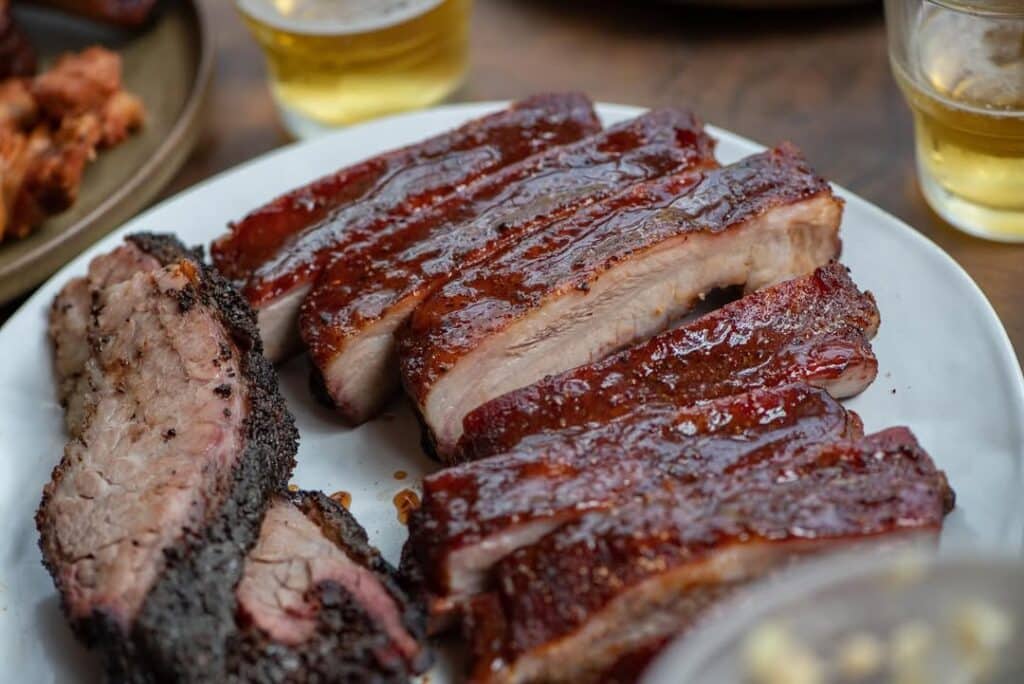
Serving It the Boston Way
Skip the picnic table clichés.
Serve with:
- Vinegar slaw (no mayo bombs)
- Light baked beans
- Grilled bread or rolls
Eat it indoors if it’s cold. Because it probably is.
Final Thoughts: So… Does Boston Have BBQ?
Yes. Boston has BBQ. It just doesn’t shout about it.
Boston BBQ is thoughtful. Adaptable. A little stubborn. It’s made by cooks who know tradition but aren’t trapped by it. It’s what happens when BBQ meets reality – and decides to taste good anyway.
If that doesn’t sound like Boston, I don’t know what does.
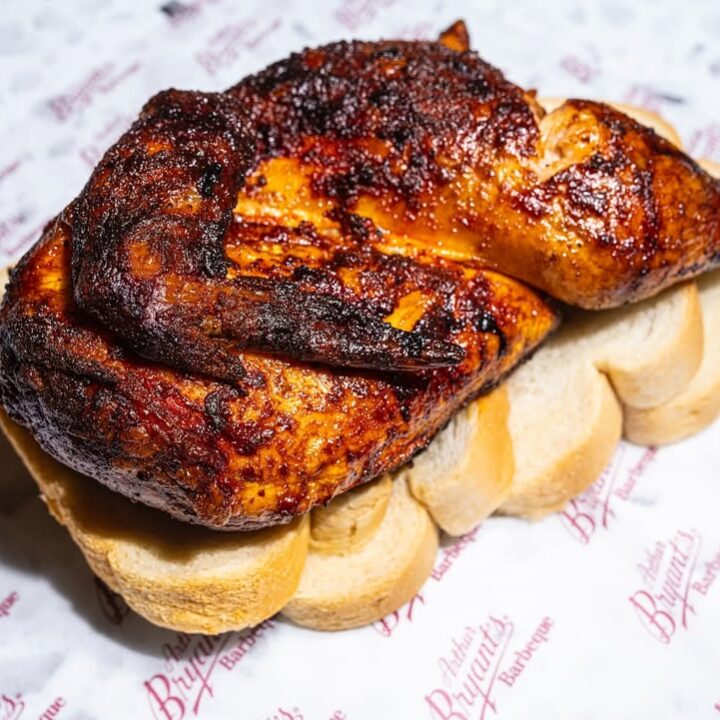
Boston-Style Smoked Chicken Thighs Recipe
Image credit: @arthurbryantskc
Ingredients
For the Dry Rub
- 2 tsp kosher salt
- 2 tsp black pepper
- 1½ tsp smoked paprika
- 1 tsp garlic powder
- 1 tsp onion powder
- ½ tsp mustard powder
- Key idea: This rub is savory and restrained. No sugar bomb. No gimmicks.
For the Boston-Style BBQ Sauce
- ½ cup apple cider vinegar
- ¼ cup ketchup
- 2 tbsp maple syrup (yes – maple, not brown sugar)
- 1 tbsp Dijon mustard
- 1 tsp Worcestershire sauce
- Black pepper to taste
- This is not a dunking sauce. It’s a brush-on, whisper-not-a-shout situation.
The Meat
- 2½–3 lbs bone-in, skin-on chicken thighs
- Skin-on matters. We’re rendering, not frying.
Instructions
Step 1: Prep the Meat
Pat the chicken dry – this matters more than people think. Moisture kills bark. Trim excess skin but don’t go surgical. Rub generously on all sides, then let the thighs sit at room temp for about 30 minutes.
Key point: Good BBQ starts before the fire.
Step 2: Set Up Your Heat
Bring your smoker or grill to 275°F. Add apple wood once the fire is clean – no white smoke, no bitterness. You want thin, blue smoke that smells like autumn, not a campfire gone wrong.
Indirect heat only.
Chicken hates flare-ups.
Step 3: Low and Slow (But Not Forever)
Place the thighs skin-side up and let them ride. No flipping. No poking. After about 90 minutes, start checking internal temp. You’re aiming for 175–185°F in the thigh.
That higher temp renders fat and gives you bite-through skin without frying.
Step 4: Sauce and Finish
Warm your sauce gently – never cold on hot meat. Brush a thin layer during the final 10–15 minutes. Let it tighten, not burn.
Boston BBQ rule: If your sauce caramelizes, great. If it blackens, you went too far.
Featured image credit: @thesmokeshopbbq
