
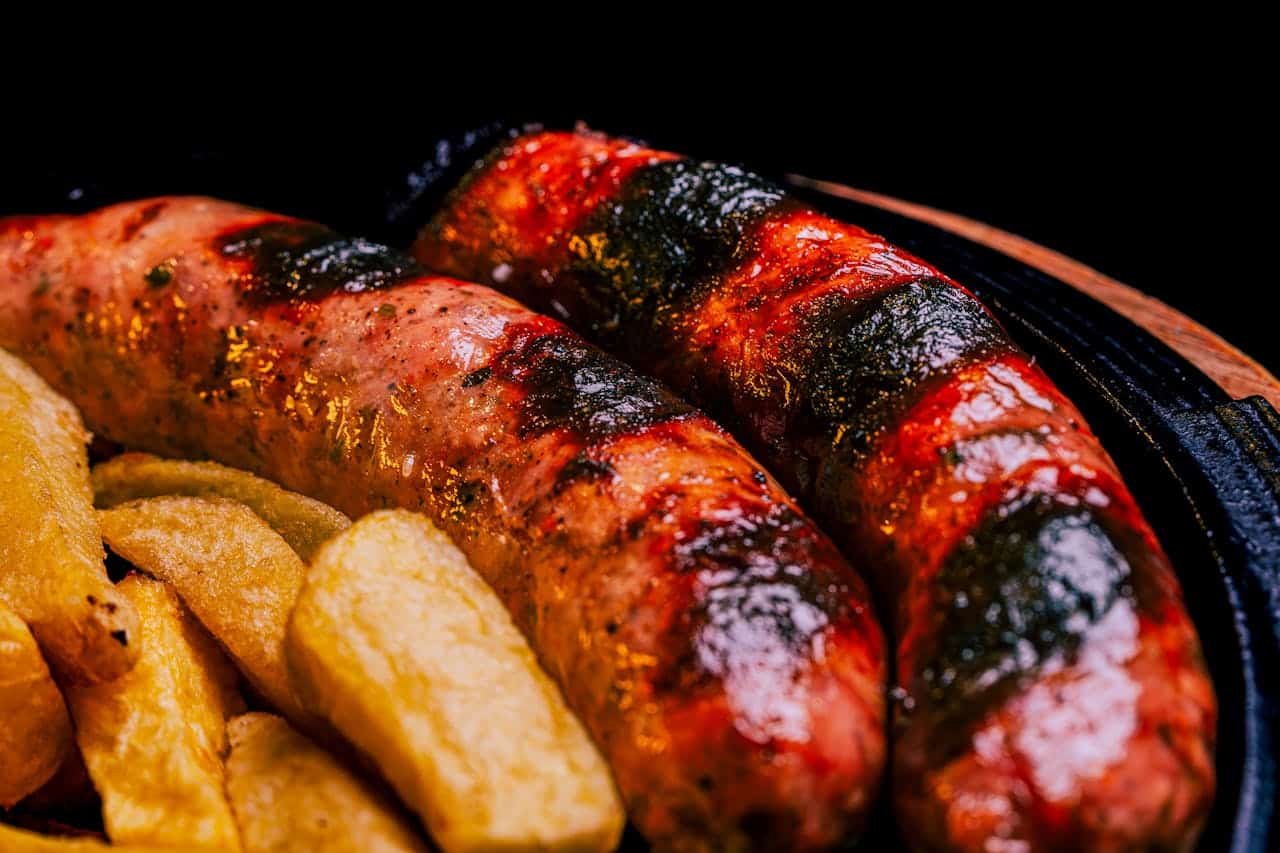
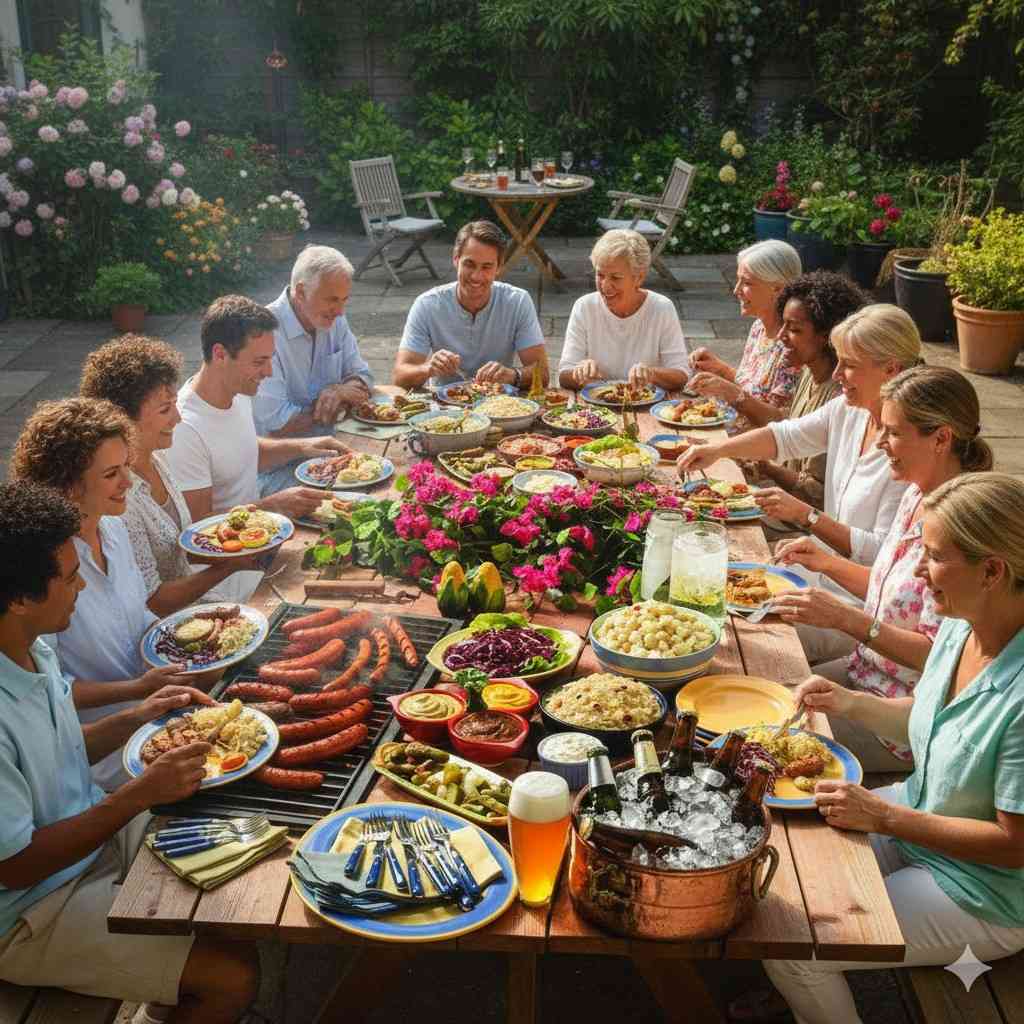
Imagine this: it’s a warm summer evening, smoke curling into the sky from a charcoal grill, neighbors laughing over frosty beers, and the unmistakable sizzle of bratwurst hitting hot coals.
Welcome to German grill culture – a tradition that’s as much about friendship, family, and ritual as it is about perfectly cooked meat.
Grilling in Germany isn’t just a way to make dinner; it’s a social art form. Each sausage, each char mark, even the clink of a beer bottle, tells a story.
And if you’re a grill enthusiast – or even just someone who likes the idea of impressing your friends with meat mastery – there’s a lot to learn from Germany’s backyard fires.
The History of Grilling in Germany
Long before backyard grills became Instagram stars, Germans were masters of open-fire cooking. Picture small villages huddled around communal fires, roasting meats, and swapping stories. Grilling wasn’t just about food; it was about connection.
In the post-WWII era, meat became more accessible, and backyard grilling became a hobby rather than a necessity.
Families would gather in gardens, parks, and patios, turning every grill session into a casual festival. Today, this tradition survives in every Grillparty – a backyard grill party, often informal, but fiercely celebrated.
Regional differences also shaped Germany’s grill culture. Northern Germany favors hearty, smoked sausages, while southern regions prefer delicate bratwurst with fresh herbs.
Understanding these roots gives you insight into why grilling is done a certain way in one region versus another.
As a pitmaster, I can tell you: respect the history. It’s not just about meat; it’s about ritual. And maybe a little bit of neighborly bragging.
The Star of the Grill: Bratwurst
If German grilling were a movie, bratwurst would be the main character. Every region boasts its own variety, each with a distinct flavor profile and loyal fans.
- Thüringer Bratwurst: peppery, slightly garlicky, often grilled over beechwood for that signature smoky taste.
- Nürnberger: tiny, delicate, and perfect for popping two or three into a roll at a time.
- Frankfurter: mild and delicate, sometimes boiled before hitting the grill.
- Bavarian Bratwurst: juicy with a soft casing that bursts with flavor.
Cooking tips:
- Charcoal is king. The smoke flavor is non-negotiable.
- Never pierce the sausage – those juices are liquid gold.
- Turn slowly and gently; impatience is a bratwurst’s worst enemy.
Serve with mustard, maybe a crusty bread roll, and suddenly you’re not just grilling – you’re participating in centuries of culinary tradition.
A little anecdote: once, I got a little too enthusiastic with flipping and sent a bratwurst flying into my neighbor’s garden.
Lesson learned: respect the brat, and always respect your neighbors.
Beer: The Perfect Grilling Companion
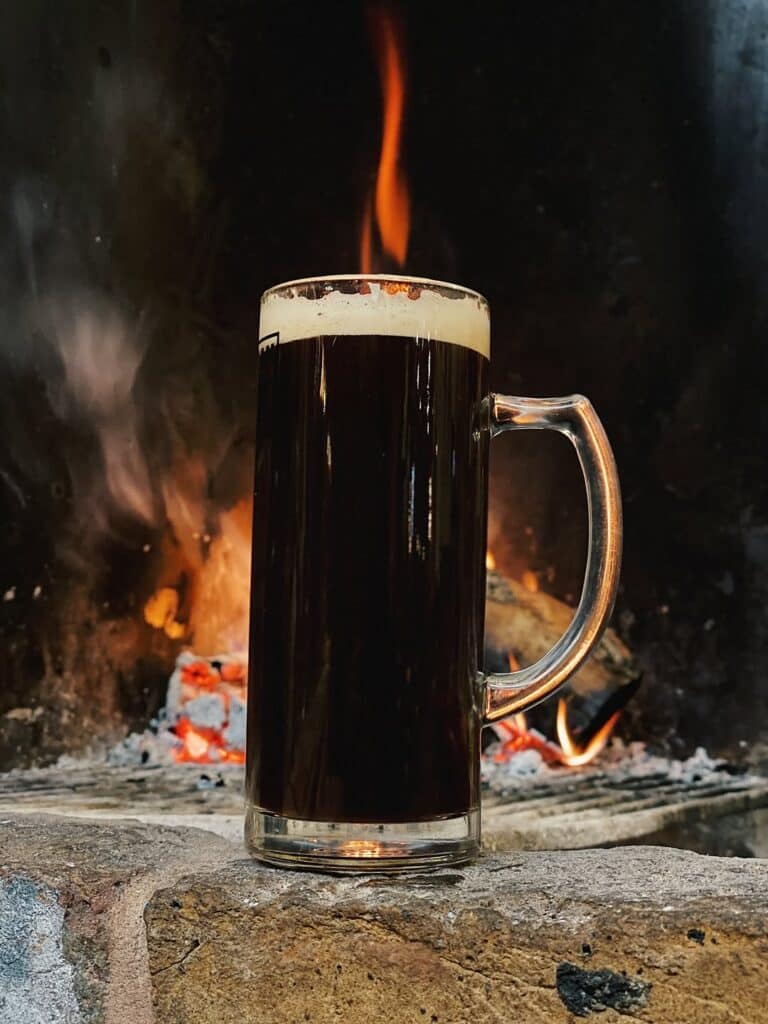
You can’t talk about German grilling without beer. It’s more than a drink – it’s practically an ingredient. A cold lager, pilsner, or Weissbier balances the smoky flavors of grilled meat and keeps spirits high during long sessions at the grill.
- Pilsner: crisp, light, and easy to sip between sausage bites.
- Helles: slightly sweet and malty, perfect with smoky meats.
- Weissbier: fruity notes that cut through richer, heavier dishes.
Fun fact: Germans may have invented the beer-and-brat pairing centuries ago, probably to make even the most inexperienced griller seem like a culinary genius.
Pro tip: keep a beer nearby. Not just for morale – hydration matters, and let’s face it, a little sip now and then makes the slow art of grilling a lot more enjoyable.
Backyard Fires and Social Gatherings
Here’s where German grill culture truly comes alive.
The grill isn’t just a cooking device – it’s a stage. The fire is the spotlight. Friends and family gather around like they’re at a rock concert…only the opening act is bratwurst and potato salad.
The Germans take their Grillpartys seriously, and there’s a certain etiquette to it:
- Everyone pitches in, whether it’s salad, beer, or conversation.
- Charcoal grills are preferred for authenticity, gas grills for convenience, and wood-fired setups for special occasions or regional festivals.
- Seasonal traditions matter: summer is peak grilling season, but Germans also enjoy winter grilling, often on heated patios or near sauna areas.
A pitmaster’s advice: pace yourself. Slow grilling develops flavor and keeps everyone relaxed.
Rushing only leads to burned sausages and bruised egos.
If you’ve never attended a German backyard grill in July, you haven’t experienced grill culture.
Expect sausages, laughter, and a suspiciously large number of beer bottles.
Typical German Grill Foods Beyond Bratwurst
Bratwurst may be the star, but the supporting cast deserves attention.
Meats:
- Pork cuts, steaks, and other regional sausages.
- Marinades vary widely: beer-based, herb-heavy, or just a simple salt-and-pepper approach.
Vegetables and sides:
- Grilled potatoes, peppers, and sauerkraut.
- Potato salad, pretzels, and hearty breads.
Desserts and drinks:
- Fruit skewers and plum tarts.
- Occasionally, beer-infused desserts make an appearance.
Tip for readers: let each ingredient shine. German grilling is about balance – not overcrowding the grill or your taste buds.
Funny moment: I once attempted grilling a dessert over embers. Let’s just say my eyebrows survived, but my pride didn’t. Stick to the meat first. Always the meat first.
Grilling Etiquette and Culture
Grilling in Germany is more than cooking; it’s a ritual with rules, respect, and a healthy dose of humor.
- Community and family: everyone participates. If you bring a side dish or a beer, you earn social points.
- The Grillmeister: the appointed griller commands respect. Mess up, and you’ll be gently demoted to stirring potato salad.
- Safety and environmental awareness: Germans take fire regulations seriously. Backyard fires are controlled, respectful, and eco-conscious.
In Germany, the Grillmeister is basically royalty. One slip with the charcoal, and suddenly you’re banished to the salad station for the rest of the evening.
Practical advice: respect your tools, respect your meat, and respect your guests. Grilling is performance art, and everyone is watching.
Modern Trends and Global Influence
Even a tradition as old as German grilling evolves. Urban dwellers are taking German grill culture to balconies and rooftops with portable grills.
Fusion flavors are popular – think currywurst tacos or smoked bratwurst with international rubs.
- Portable setups bring the tradition into apartments.
- Fusion grilling lets creativity shine without abandoning classic flavors.
- German grilling has inspired chefs worldwide, showing that even simple sausage and charcoal can have global appeal.
Who knew a humble sausage and backyard fire could travel the globe faster than a viral TikTok dance?
German Grill Tools and Gadgets
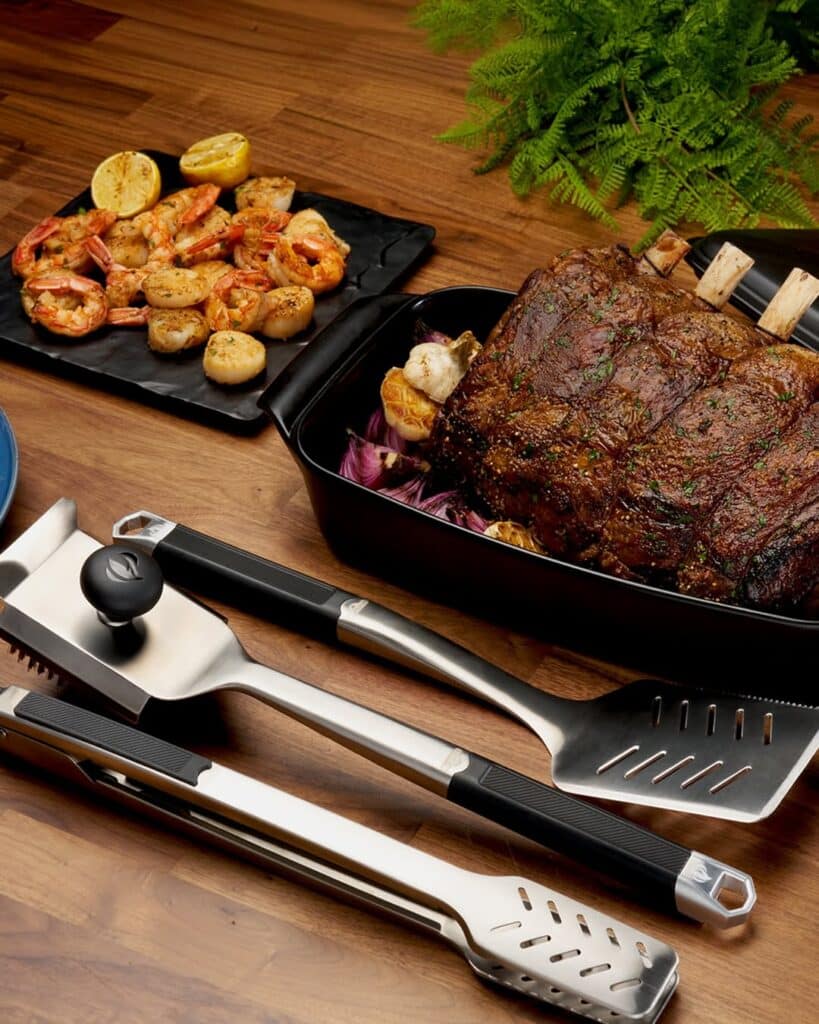
No grillmaster worth their salt shows up empty-handed. German grill culture has its own set of specialized tools that make backyard grilling a ritual:
- Precision tongs and thermometers – essential for handling and monitoring sausages.
- Iconic grill forks – sometimes used for casual showmanship (yes, swords for your sausages).
- Cast-iron grills and smoke boxes – favored for authentic smoky flavor.
- High-tech gadgets – smart thermometers and timers for perfect cooking.
- Chimney starters for charcoal – simple but critical for even heat and smoke control.
For the serious pitmaster, investing in the right grill accessories isn’t just convenience – it’s respecting the craft.
Pro tip: Clean, organized tools aren’t just practical—they earn social points at every Grillparty.
Mustard and Condiments: The Unsung Heroes
Bratwurst might be the star, but condiments are the supporting cast that can make or break your grill experience. Germans take their mustards seriously—there’s sweet Bavarian mustard, spicy Thüringer, and everything in between.
Sauerkraut, pickled onions, and tangy relishes add layers of flavor that turn a simple sausage into a flavor-packed bite. Even ketchup, often frowned upon in traditional circles, has its place for kids or casual gatherings.
The key to mastering German grill culture is pairing meat with the right condiments, balancing smokiness, spice, and acidity.
Fun tip: line up your condiments like a pitmaster at a flavor station – it’s practical, and it makes you look like you know what you’re doing.
After all, great sausages deserve great partners.
Grilled Bread and Pretzels: More Than a Side
In German grill culture, bread is more than a sidekick – it’s a flavor carrier. Here’s why it matters at your Grillparty:
- Texture and flavor: Freshly grilled pretzels or rustic rye rolls soak up bratwurst drippings and complete the meal.
- Regional variations: Some regions toast bread directly on the grill for a smoky twist; others serve warm rolls straight from the bakery.
- Perfect pairings: Bread goes well with mustard, sauerkraut, or even a slab of cold butter.
- Flavor enhancements: Garlic or herb-buttered bread adds richness without overpowering the meat.
- Pro tip: Slice and lightly toast on indirect heat to avoid burning—simple, but effective.
- Guest impact: Nothing impresses faster than perfectly charred rolls; it’s a small trick that makes you look like a seasoned Grillmeister.
Charcoal vs. Wood: Choosing Your Fuel
The choice of fuel defines your grilling style. In German grill culture, charcoal is classic for even heat and ease, while wood-fired grills bring unmatched smoky depth. Beechwood is a favorite for bratwurst, giving subtle aroma without overpowering spices.
Oak, cherry, and hickory are used for steaks and larger cuts. Gas grills exist for convenience, but purists argue they lack the soul of an ember-cooked sausage.
Tip: mix wood chips with charcoal for flexibility – flavor plus control. Anecdote: the first time I tried grilling bratwurst on gas, it cooked fast but felt lifeless.
Adding a few wood chips later brought it back to life, teaching me a core rule of German grill culture: flavor always wins over convenience.

The Role of Music in Grill Parties
Yes, music matters. In German grill culture, the right playlist sets the mood and keeps conversation flowing. From classic Schlager tunes to upbeat pop or jazz, music transforms a simple cookout into a lively gathering.
Many families create seasonal playlists for spring and summer Grillpartys, while regional traditions dictate local folk tunes. Music also coordinates the flow: upbeat tracks for flipping and prep, slower songs for sipping beer and relaxing.
Fun pitmaster insight: mismatched tunes can lead to rushed grilling or distracted guests.
I once paired heavy metal with delicate bratwurst – let’s just say the sausages didn’t enjoy the chaos.
Lesson: pick music that matches your vibe, and your backyard fires become a full sensory experience.
Grilling for Vegetarians: The German Twist
German grill culture isn’t exclusively about meat – vegetarian options have a place on the grill:
- Grilled vegetables: portobello mushrooms, marinated tofu, halloumi, and vegetable skewers.
- Traditional German flavors adapted: smoked cabbage, grilled potatoes, and spiced vegetable sausages satisfy non-meat eaters.
- Grill management tip: use separate zones on the grill to avoid cross-flavor contamination.
- Guest reaction: even skeptical meat-lovers often end up asking for seconds.
The lesson? Inclusivity makes Grillpartys more enjoyable, and even hardcore meat-lovers appreciate the creativity of a well-grilled vegetable.
Grilling Competitions and Community Festivals
Grilling in Germany isn’t always private; some of the best experiences happen at local festivals or amateur competitions. Towns host events where pitmasters show off skills, and regional bratwurst specialties are celebrated.
These competitions emphasize technique, presentation, and flavor, and they reinforce social bonds within communities. Attending or participating offers insight into authentic German grill culture beyond your backyard.
Fun tip: even if you don’t compete, watching these contests teaches timing, seasoning, and heat management secrets.
At a small-town festival, a friend accidentally flipped a sausage onto a judge’s plate – he got a laugh and a tip. These playful mishaps are all part of the culture.
Seasonal Flavors and Spices
Seasonality shapes German grilling. In spring, fresh herbs like parsley and chives highlight lighter bratwurst. Autumn brings smoked meats and pumpkin-spiced sides, while winter grilling incorporates mulled spices and hearty marinades.
Mustard flavors vary with the season, and beers are chosen accordingly – light pilsners in summer, malty Helles in colder months. Tip: match spices to the season for depth and authenticity.
I once tried a winter bratwurst with cinnamon-infused mustard – unexpected, but surprisingly delicious.
Understanding these seasonal adjustments is key to mastering German grill culture: it’s about harmony with the environment, flavor, and the natural rhythm of communal dining.
FAQs
1. What is German grill culture?
Answer: German grill culture is the tradition of cooking and socializing around a grill, often with bratwurst, other sausages, meats, vegetables, and beer.
It’s more than just food – it’s a ritual of family, friends, and community gatherings, typically celebrated in backyards, gardens, and local festivals.
Smoke, fire, and camaraderie are the heart of this cultural pastime.
2. What makes bratwurst special in German grilling?
Answer: Bratwurst is the star of German grills, with regional varieties like Thüringer, Nürnberger, and Bavarian. Each type has unique flavors, textures, and preparation techniques.
Grilling over charcoal or wood, avoiding piercing, and pairing with mustard or crusty bread are essential for an authentic experience. Bratwurst embodies the essence of German grill culture.
3. What role does beer play in German grill culture?
Answer: Beer is the classic companion to grilled food in Germany.
Lagers, Pilsners, and Weissbiers balance smoky flavors, refresh the palate, and enhance social gatherings.
It’s considered almost a ritual to enjoy a cold beer while flipping sausages, reflecting the deep connection between beer and backyard grilling.
4. Can German grilling accommodate vegetarians?
Answer: Absolutely! Modern German grill culture includes vegetarian options like grilled mushrooms, tofu, halloumi, vegetable skewers, and smoked cabbage.
Careful use of separate grill zones ensures no cross-contamination with meats, making it inclusive for all guests without losing traditional flavors.
5. What are some tips for hosting an authentic German grill party?
Answer: Focus on quality sausages, fresh condiments, and proper grilling techniques. Use charcoal or wood for authentic flavor, keep a beer handy, and pace the cooking to enjoy the social aspect.
Incorporate regional sides like sauerkraut, potato salad, and pretzels. Most importantly, treat the grill as a centerpiece for laughter, conversation, and memorable experiences.
Es Lebe Der Grill! (All Hail The Grill!)
At its core, German grill culture isn’t just about bratwurst, beer, or backyard fires – it’s about connection, tradition, and a little bit of culinary showmanship. Respect the meat, master the fire, and keep a beer in hand.
Whether you’re a novice griller or a seasoned Grillmeister, there’s something to learn from Germany: slow down, savor the process, and never underestimate the power of a perfectly grilled sausage to bring people together.
Grilling in Germany is more than a cooking method – it’s a lifestyle. And once you’ve experienced it, you’ll understand why Germans take their bratwurst seriously, their beer with pride, and their backyard fires even more seriously.
Featured image credit: Nano Erdozain
