
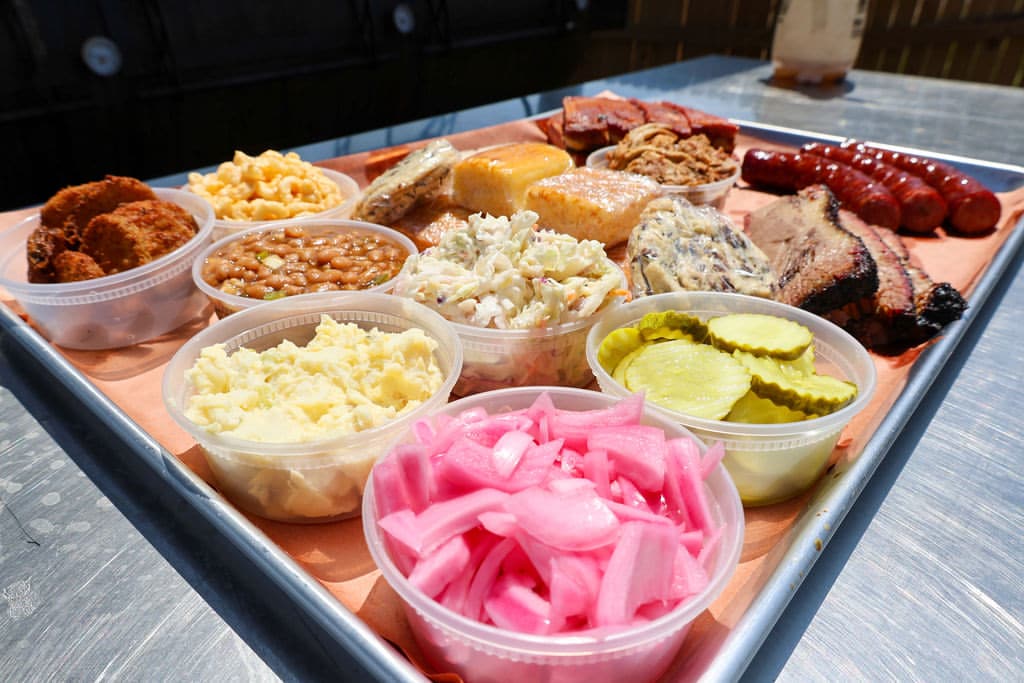
On summer afternoons in Pennsylvania’s coal country, the smoke always comes first – we call it, Pennsylvania BBQ. It drifts low over backyards and volunteer fire halls, clings to the hems of T-shirts, and settles into the memory long before the food ever hits the table.
You don’t need to see the grill to know what’s happening. Somewhere, someone has lit charcoal, cracked a beer, and set out paper plates. Kids run barefoot through the grass. Someone argues about whether the fire’s too hot.
And at the center of it all is meat cooked simply, patiently, and without apology.
This is barbecue the way coal country understands it – not glossy, not competitive, and not obsessed with sauce. It’s working-class food, built around affordable cuts, strong seasoning, and a fire that does the heavy lifting.
It’s the kind of cooking that fed miners after long shifts underground and brought families together on the few days they could afford to rest.
A Taste of Coal Country
The coal regions of eastern and northeastern Pennsylvania – places like Schuylkill, Luzerne, Carbon, and Lackawanna counties – were shaped by extraction and immigration.
Throughout the 19th and early 20th centuries, Polish, Slovak, Irish, German, and Lithuanian families arrived to work the mines, bringing with them food traditions that favored thrift and flavor over refinement.
Barbecue here didn’t grow out of Southern smokehouses or regional rivalries. It evolved in backyards, church picnics, and union halls. Meat was stretched. Seasonings were bold but familiar. Vinegar cut through fat.
Onions showed up everywhere. Sugar was used sparingly, not to impress but to balance.
Coal country cookouts weren’t about showing off technique. They were about feeding people – lots of them – and doing it well enough that nobody complained. If a recipe worked, it stuck. If it didn’t, it disappeared.
Why This Recipe Endures
Bone-in pork chops became a staple for a reason. They were affordable, forgiving, and flavorful. Thick-cut chops could sit over a moderate fire without drying out, and the bone added both flavor and insurance against overcooking.
Combined with a simple vinegar-based baste, they delivered something deeply satisfying: smoky, tangy, savory meat with just enough sweetness to round it out.
This recipe doesn’t rely on marinades that sit overnight or sauces that hide the meat. It’s about layering flavor as you cook, basting repeatedly, letting smoke and heat build character slowly.
It’s the kind of recipe that rarely gets written down because it lives in hands and habits. Measurements are approximate. Timing depends on the fire. Taste decides everything.
The Fire Matters More Than the Recipe
In coal country, people will argue about seasoning – but they’ll argue harder about the fire. This isn’t grilling over high flames or chasing grill marks for show.
The goal is a steady, controlled heat, the kind that lets meat cook slowly while smoke does its quiet work. Old-timers know when the coals are ready by sight alone: glowing, settled, calm.
Too hot and the chops scorch. Too cool and they dry out before they char. That balance – not rushing, not babysitting – is the real technique.
Many cooks swear by adding a handful of hardwood chunks or dampened coal dust-era wood scraps for aroma. It’s not scientific. It’s instinctive. And once you’ve learned it, you never forget.
Serving Pennsylvania BBQ
Remove the chops from the grill and let them rest for five minutes. Spoon some of the softened onions from the baste over the top and serve immediately. No garnish. No extra sauce. Just meat, smoke, and tang.

What to Serve Alongside It
Coal country sides are filling and unfussy. Vinegar-based coleslaw is a natural partner, echoing the tang of the pork without weighing it down.
Buttered noodles or haluski – cabbage and egg noodles cooked with butter and onions – often show up nearby.
Baked beans, white bread, or potato rolls round things out. The goal isn’t variety for variety’s sake; it’s balance and abundance.
Everything should be easy to serve and easier to eat, preferably standing up, plate balanced in one hand.
Paper Plates, Folding Tables, and Unwritten Rules
Coal country cookouts follow a set of unspoken rules, learned early and enforced quietly. Nobody plates food before elders. Nobody takes the last chop without asking.
And nobody complains about what’s served.
The setup is always practical:
- Paper plates, because dishes slow things down
- Folding tables, because they’re easy to move
- Coolers instead of fridges, because the party stays outside
What matters isn’t presentation – it’s flow. Food comes off the grill, gets eaten fast, and makes room for the next batch. People stand, talk, lean, laugh. Sitting too long means missing something.
These cookouts aren’t meals; they’re events, shaped by habit and shared understanding.
Why Coal Country BBQ Refuses to Go “Craft”
Coal country barbecue has quietly resisted trends for decades. No branded rubs. No signature sauces. No social media polish. And that resistance is intentional.
This food comes from a place where efficiency mattered more than flair, and where meals were judged by how well they fed people – not how they photographed.
Turning it into “craft” would miss the point. The charm is in its rough edges: uneven chops, sauce brushed on by feel, timing judged by smell.
Recipes stay flexible because life here always was. You cooked with what you had, when you had time, for whoever showed up.
That’s why coal country BBQ endures – not because it evolved, but because it never needed to.

Cookout Memories and Variations
Ask ten people from coal country how this should taste, and you’ll get ten answers. Some swear by more vinegar. Others add ketchup, though they’ll deny it in public.
- Some add a splash of Worcestershire sauce or switch mustard brands without explanation
- These small variations don’t dilute the tradition — they keep it alive
- The ritual remains the same:
o Someone tending the fire
o Someone else basting the meat
o The smell slowly pulling people in before they realize they’re hungry
- Stories get told
- Old arguments resurface
- Kids sneak extra chops when no one’s looking
This isn’t food meant to impress strangers. It’s food meant to anchor memory.
Keeping the Fire Lit
Coal country barbecue (Pennsylvania BBQ) doesn’t need reinvention. It survives because it works – because it feeds people well, because it tastes like home, and because it asks nothing more than time and attention.
In a world of precision cooking and curated meals, there’s something grounding about standing over a grill with a brush in hand, trusting smoke and instinct.
When the fire finally dies down and the plates stack up, what lingers isn’t just the flavor. It’s the feeling of having shared something honest, made the old way, and worth passing on.
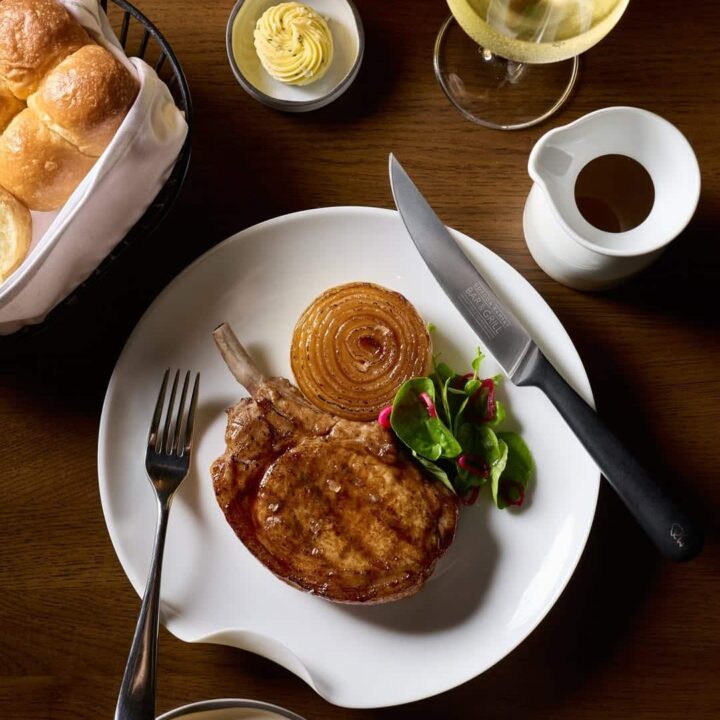
Coal Country Grilled Pork Chops
Image credit: @gordonramsaybarandgrillph
Ingredients
- 6 bone-in pork chops, ¾ to 1 inch thick
- 1 large yellow onion, finely chopped
- 1 cup apple cider vinegar
- ½ cup water
- 2 tablespoons yellow mustard
- 2 tablespoons brown sugar or molasses
- 1 tablespoon paprika
- 1½ teaspoons kosher salt
- 1 teaspoon black pepper
- Optional: ½ teaspoon crushed red pepper flakes
- Optional: 2 cloves garlic, minced
Instructions
- In a medium bowl, combine the chopped onion, apple cider vinegar, water, yellow mustard, brown sugar, paprika, salt, and black pepper. Add crushed red pepper flakes and minced garlic if using. Stir until the sugar dissolves and the mixture tastes tangy, savory, and lightly sweet.
- Pat the pork chops dry with paper towels and season both sides lightly with salt and black pepper. Place them on a tray or platter and let them rest at room temperature for about 20 minutes while you prepare the grill. This helps the meat cook more evenly.
- Prepare a charcoal grill for medium, indirect heat. The fire should be steady and glowing, not roaring. If using wood, allow it to burn down to hot embers before cooking.
- Place the pork chops on the grill away from direct flames. Cover the grill and cook for 6–8 minutes per side, turning occasionally to prevent flare-ups.
After the first turn, begin basting the pork chops generously with the vinegar-onion mixture. Continue basting each time you flip the chops, allowing the liquid to sizzle and steam as it hits the hot meat. - Cook slowly and patiently, maintaining moderate heat. Total cooking time should be about 20–25 minutes, depending on chop thickness and grill temperature, until the exterior is lightly charred and the meat is cooked through but still juicy.
- The pork chops are done when they feel firm but spring back slightly when pressed and the juices run clear. For accuracy, an internal temperature of about 145°F is ideal.
- Remove the pork chops from the grill and let them rest for 5 minutes before serving to allow the juices to redistribute.
Featured image credit: @pa_boys_bbq
