
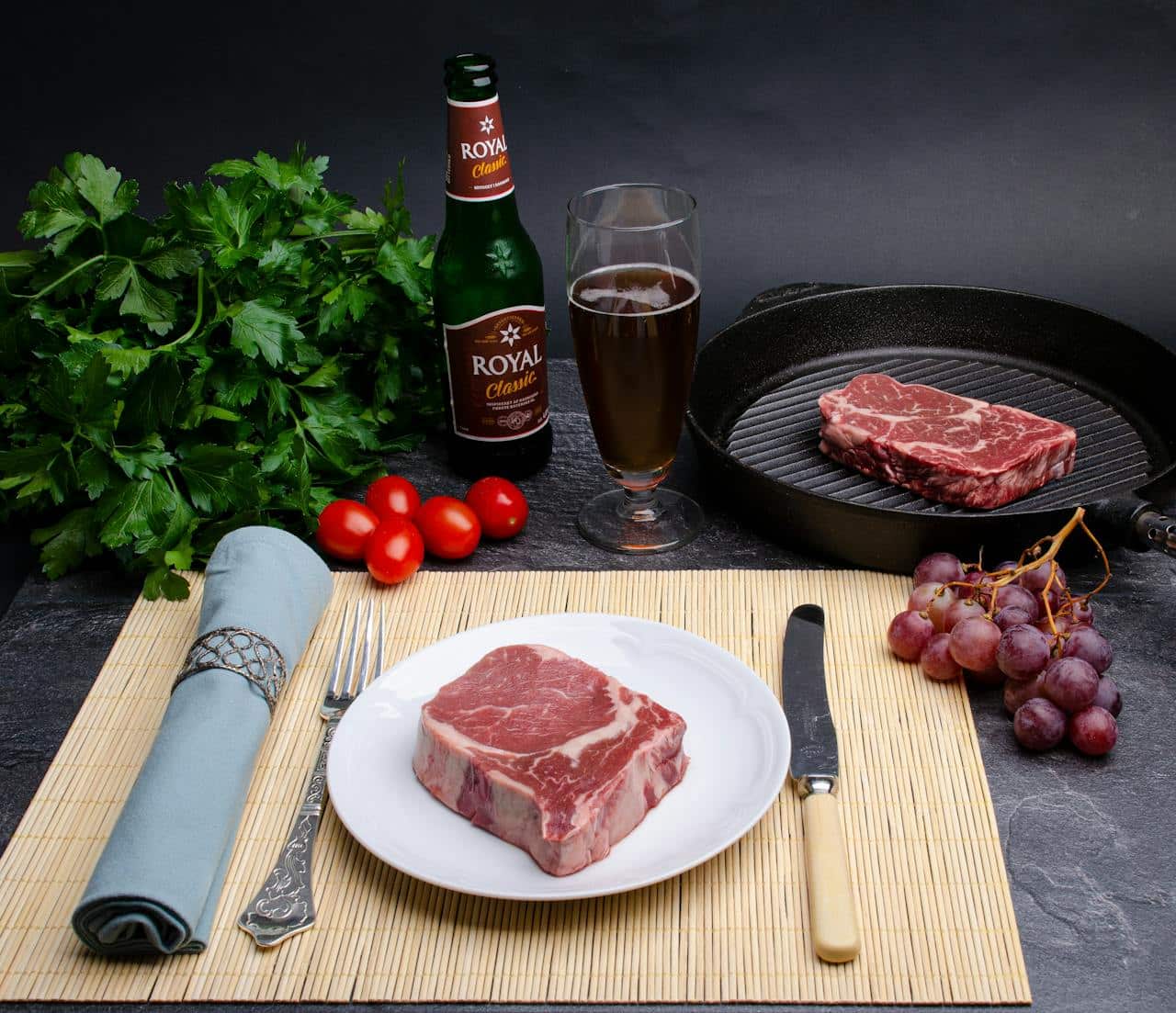
Every pitmaster hits that moment at the grill – wanting bold, steakhouse flavor without paying steakhouse prices – and New York tri tip steak answers the call.
As a pitmaster, I’ve cooked just about every cut that can survive fire – and this one punches way above its weight.
It’s tender, beefy, forgiving, and wildly underrated. Think of it as the cool cousin of New York strip and traditional tri tip that doesn’t brag, but always delivers.
By the end of this recipe, you’ll know exactly how to cook New York tri tip steak so it comes out juicy, tender, and downright addictive – whether you’re using a grill, skillet, or oven.
What Is New York Tri Tip Steak?
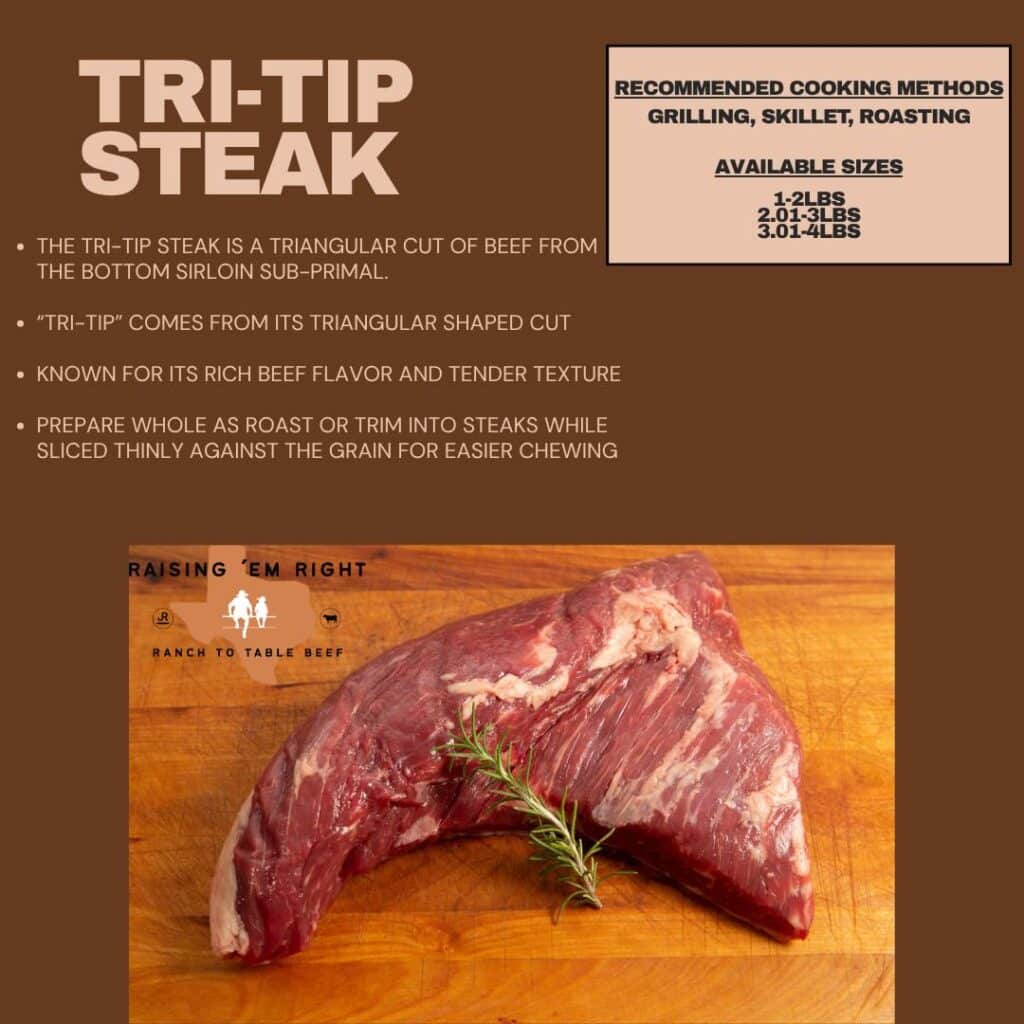
Let’s clear up the confusion first. New York tri tip steak isn’t a gimmick cut – it’s a butcher-style trim that blends qualities of two legends:
- The rich beefiness of New York strip
- The bold grain and versatility of tri tip
It comes from the sirloin region, which means it has great flavor without being overly fatty.
The shape is slightly triangular (hence “tri tip”), but the texture leans more refined than the classic Santa Maria-style tri tip roast.
Key takeaway:
New York tri tip steak is lean but flavorful, with just enough marbling to stay juicy when cooked right.
And yes – when cooked wrong, it can be chewy. But don’t worry. That’s what pitmasters are for.
Why New York Tri Tip Steak Is So Tender (When Done Right)
Tenderness isn’t magic – it’s muscle structure plus technique.
This cut has:
- Long muscle fibers (which means slicing matters)
- Moderate marbling (enough flavor, not greasy)
- Low connective tissue (good news for quick cooking)
Here’s the secret most people miss:
New York tri tip steak MUST be sliced against the grain.
Slice it wrong, and you’ll think I lied to you. Slice it right, and it eats like a much pricier steak.
Pitmaster rule #27:
“The knife finishes what the fire starts.”
Choosing the Right New York Tri Tip Steak at the Butcher Counter
A great cook starts before the fire is lit. Choosing the right New York tri tip steak makes everything that follows easier – and tastier. When I’m at the butcher counter, I’m looking for color, shape, and marbling, in that order.
The meat should be deep red, not pale or gray. That tells you it’s fresh and hasn’t been sitting around regretting its life choices. Shape matters too – look for a compact, even thickness so it cooks evenly.
Avoid pieces that taper too aggressively; thin ends dry out faster than gossip spreads.
Marbling should be moderate, not excessive. This cut isn’t supposed to look like ribeye, but you want enough intramuscular fat to keep things juicy under high heat.
One more pro move:
Ask the butcher how it was trimmed. A well-trimmed New York tri tip steak saves you cleanup and prevents flare-ups later. The fire deserves respect – and good meat.
To Marinate or Not: What This Steak Actually Needs
Let’s settle this gently but firmly: New York tri tip steak does not need a long marinade. It’s already flavorful, and soaking it overnight just masks what makes it special. This isn’t a rescue mission – it’s a showcase.
That said, a short marinade or dry brine can absolutely elevate it. Salt applied early (30–24 hours ahead) works magic, pulling moisture in and seasoning the meat all the way through. That’s science, not superstition.
If you do marinate, keep it:
- Short (2–4 hours max)
- Simple (oil, garlic, herbs, acid)
- Balanced (too much acid turns texture mushy)
Here’s my pitmaster rule:
“Marinades should enhance beef, not hide it.”
Most days, salt, pepper, and fire do the heavy lifting – and this cut thanks you for trusting it.
Fire Control: The Make-or-Break Factor
You can season perfectly and still ruin a New York tri tip steak with bad fire management. Heat control is the silent skill that separates lucky cooks from consistent ones.
This steak loves high heat for searing, followed by gentler heat to finish. Whether you’re grilling or pan-searing, think in zones:
- One hot zone for crust
- One cooler zone for control
Too hot for too long? You’ll scorch the outside and leave the inside confused. Too cool? You’ll cook it through without building flavor – and that’s a crime against beef.
I always say:
“The goal isn’t flames. The goal is intention.”
Watch your heat, trust your thermometer, and remember – fire is a tool, not a dare.

The Role of Resting: Where Juiciness Is Decided
Most people rush this part, then blame the steak. Resting is not optional – it’s where tenderness is locked in or lost forever.
When a New York tri tip steak comes off the heat, the juices are fired up and mobile. Slice too soon, and they run straight onto the cutting board, never to be seen again.
Resting gives those juices time to redistribute back into the meat where they belong.
Ten minutes is the minimum. Bigger cuts? Fifteen doesn’t hurt.
Cover loosely – never tight foil. You’re resting the steak, not putting it to bed.
Pitmaster truth:
“You don’t lose heat by resting – you save moisture.”
This one step turns a good cook into a great one. Skip it, and even perfect doneness won’t save you.
Slicing Like a Pro: The Final Transformation
This is where New York tri tip steak either shines or falls apart – literally. The grain on this cut is bold and visible, which is both a blessing and a warning.
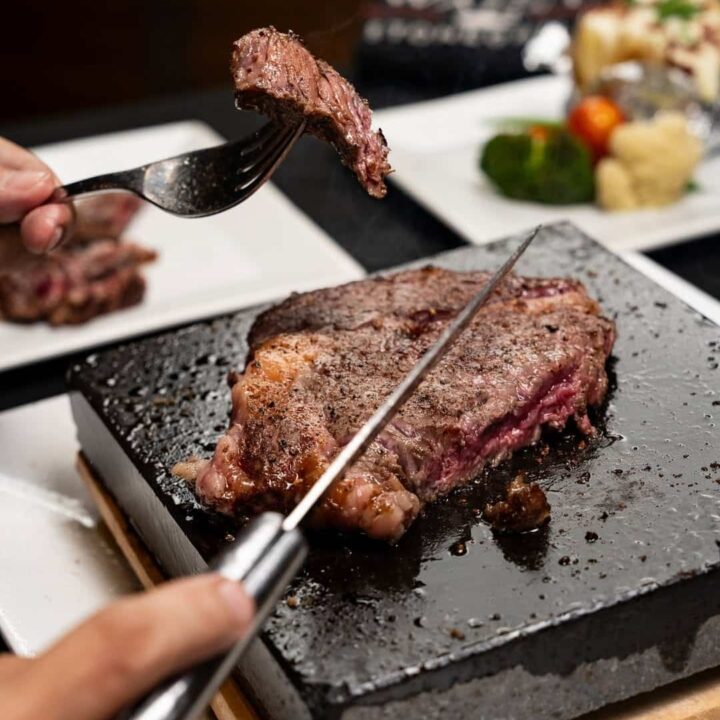
Always identify the grain first. Look for long muscle fibers running in one direction. Then turn your knife perpendicular and slice against them. Thin slices matter here – thick cuts undo all your hard work.
A slight angle helps, too. It increases surface area and gives each bite a tender, steakhouse feel.
One bad slice can undo a perfect cook.
One good slice can save a slightly overdone steak.
Pitmaster rule #27 still stands:
“The knife finishes what the fire starts.”
Treat this step with respect, and the steak rewards you immediately.
Why Pitmasters Love This Cut (And Chefs Should Too)
There’s a reason New York tri tip steak keeps finding its way onto my grill – it’s reliable, versatile, and honest. It doesn’t need tricks, smoke baths, or complicated prep to shine. It just needs attention.
Pitmasters love it because it:
- Handles high heat well
- Forgives minor mistakes
- Delivers bold beef flavor fast
Chefs should love it because it:
- Plates beautifully when sliced right
- Pairs with sauces or stands alone
- Feels premium without premium cost
It’s the kind of steak that makes guests ask, “What cut is this?” – and that’s always a good moment.
In a world of overhyped beef, New York tri tip steak quietly proves that skill still matters more than labels. And that’s a cut worth mastering.
Serving Suggestions
New York tri tip steak plays well with others.
Classic pairings:
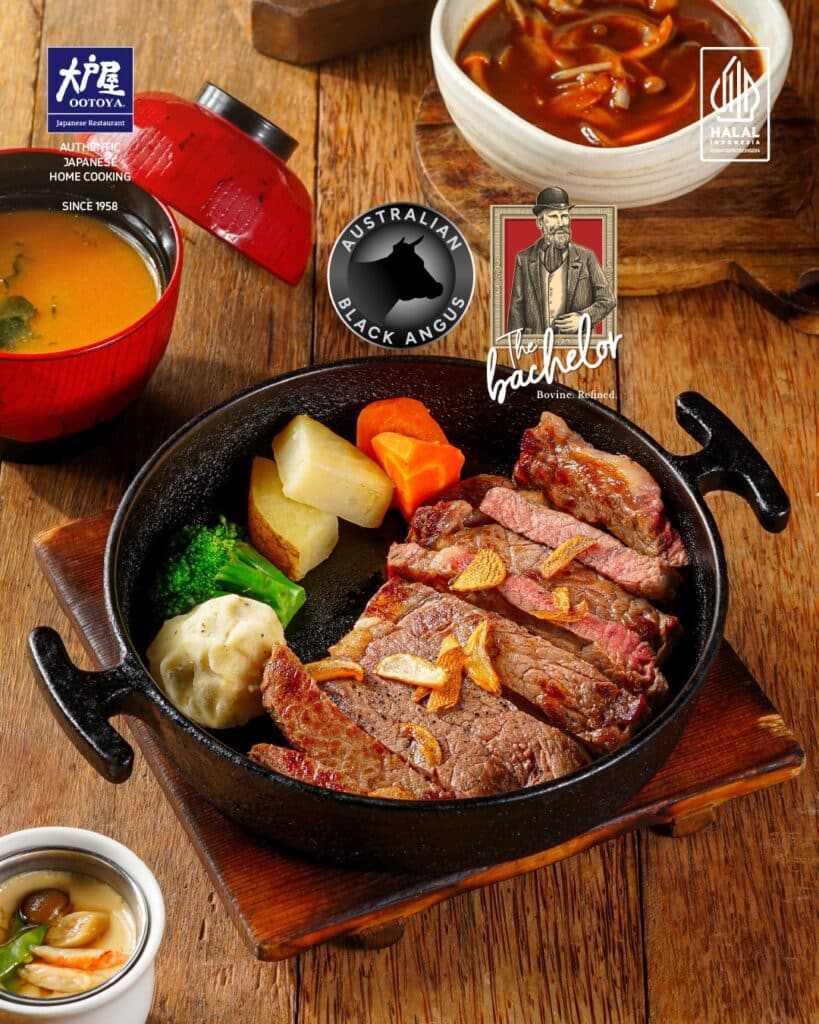
- Garlic mashed potatoes
- Chimichurri or peppercorn sauce
- Roasted vegetables
- Crusty bread for steak juice cleanup
Leftovers?
Slice thin and toss into sandwiches, tacos, or salads. It reheats better than most steaks if you’re gentle.
Pitmaster Pro Tips
- Don’t overcook – this cut hates going past medium.
- Sharp knife only (dull knives ruin texture).
- Salt early, slice late.
- If marinating, keep it short – 2–4 hours max.
And one more truth from the pit:
“If your steak needs sauce to be tender, the problem wasn’t the cow.”
Why New York Tri Tip Steak Is a Must-Try
If you want a steak that’s flavorful, affordable, versatile, and impressive, New York tri tip steak deserves a permanent spot in your rotation.
It’s the kind of cut that rewards attention, respects technique, and makes you look like you know exactly what you’re doing – even if you’re just winging it with confidence.
Fire it up, slice it right, and enjoy the quiet satisfaction of discovering a steak that should’ve been famous all along.
Best New York Tri Tip Steak Recipe
Image credit: @houseofwagyu
Ingredients
- 1½–2 lb New York tri tip steak
- Kosher salt (don’t be shy)
- Fresh cracked black pepper
- Neutral oil (avocado or canola)
- Garlic powder or fresh garlic (optional)
- Butter + fresh herbs (optional, but glorious)
Instructions
- Heat cast iron until it’s just short of smoking.
- Add oil, then lay the steak down away from you (respect the splash zone).
- Sear 3–4 minutes per side until deeply browned.
- Finish in a 375°F oven until internal temp hits 130–135°F.
- Optional but encouraged: baste with butter, garlic, and herbs.
- Set up two-zone heat.
- Sear directly over flames for crust.
- Move to indirect heat to finish gently.
- Pull at 130–135°F.
How to Prepare New York Tri Tip Steak
1. Bring It to Room Temperature
Pull the steak out 30–40 minutes before cooking. Cold meat cooks unevenly, and uneven cooking is the enemy of tenderness.
2. Season Generously
Salt early. Pepper just before cooking. Salt penetrates the meat and helps it retain moisture – yes, science agrees with grandma on this one.
3. Preheat Like You Mean It
Whether it’s a grill or cast-iron skillet, high heat is non-negotiable. You want that aggressive sear that makes neighbors peek over fences.
Best Way to Cook New York Tri Tip Steak
Option 1: Pan-Seared, Oven-Finished (Pitmaster Favorite Indoors)
Option 2: Grilled New York Tri Tip Steak
Internal Temperature Guide (Pull Early):
- Rare: 125°F
- Medium-Rare: 130–135°F (ideal)
- Medium: 140–145°F
Remember: carryover heat is real. The steak keeps cooking even after you stop.
Resting and Slicing (Do NOT Skip This)
Rest the steak 10 minutes minimum.
This lets the juices redistribute instead of spilling onto your cutting board like a crime scene.
Then:
- Identify the grain (look for the muscle lines)
- Slice thin and against the grain
- Slight angle = bonus tenderness
This step alone can turn a “meh” steak into a “holy crap” steak.
Featured image credit: Jacob Moseholt
