
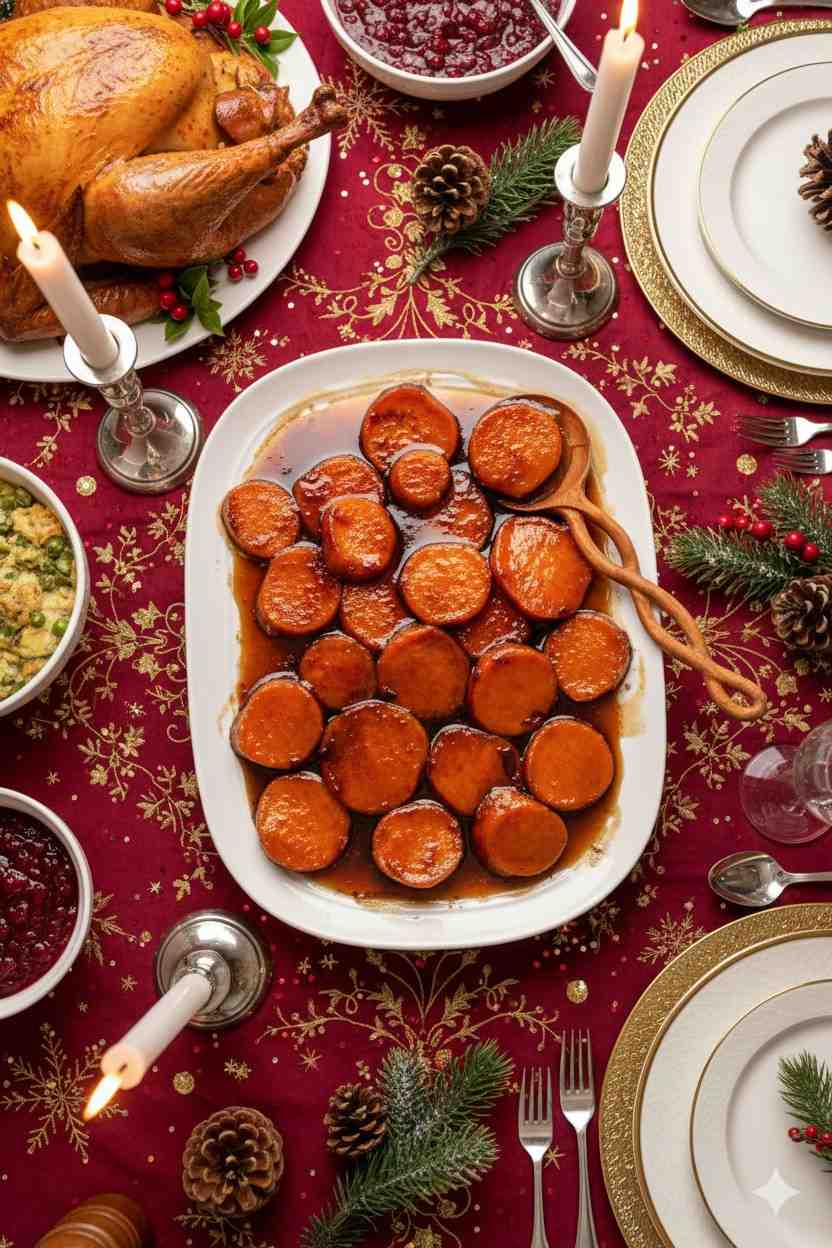
Treat yourself with a yam recipe this New Year’s eve.
Hours over a fire teach one thing fast: great food doesn’t need to be complicated. Yet somehow, the yam keeps getting overlooked, dismissed as boring or reserved for holiday tables. That reputation couldn’t be more wrong.
A proper yam has real character – natural sweetness, earthy depth, and a texture that responds beautifully to heat. Treat it gently and it goes creamy; push it hard and it crisps like a dream. Most people never let yam show what it can do.
This recipe changes that. Built on solid fundamentals, clean flavors, and controlled heat, it delivers big payoff without extra fuss. No sugary overload. No trendy shortcuts. Just a method that works every time.
When cooked with intention, yam stops being a filler and starts becoming the reason the plate works. Call it simple. Call it reliable. Call it yam-azing – because that’s exactly what it is.
What Makes This Yam Recipe Special
Most yam recipes either drown them in sugar or leave them bland and sad. This one doesn’t.
Here’s what sets it apart:
- Minimal ingredients, maximum payoff
- High-heat cooking to unlock caramelization
- Balanced sweet and savory flavor (not dessert, not baby food)
- Works as a side dish or a standalone comfort meal
From a pitmaster’s point of view, this is about managing heat and timing, not babysitting a pot. The yam does the heavy lifting – you just steer it in the right direction.
Understanding Yam Heat: Why Temperature Changes Everything
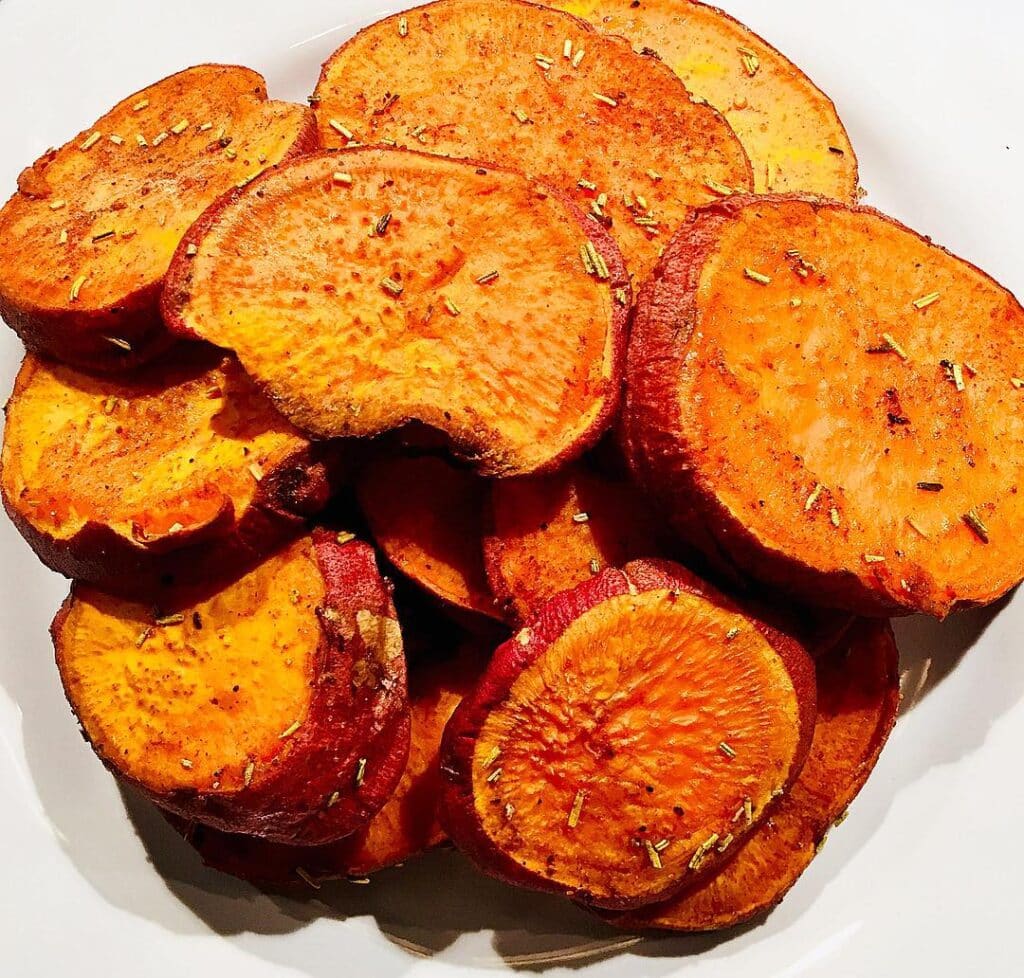
If there’s one thing fire teaches fast, it’s that heat is an ingredient, not just a setting. Yam reacts dramatically to temperature. Low heat makes it soft, starchy, and forgettable.
High heat transforms yam, pulling sugars to the surface and triggering caramelization that delivers depth and bite. This is where most recipes go wrong – they play it safe. Yam doesn’t want safe. It wants decisive heat and space to breathe.
When exposed to proper temperature, the outside firms up while the inside stays creamy, creating contrast that keeps each bite interesting. Think of it like finishing a steak: hesitation ruins the result. Controlled heat doesn’t mean babysitting – it means committing.
Once you understand how yam behaves under fire, cooking it becomes predictable and repeatable. Master the heat, and yam stops being a side dish and starts acting like it belongs at the center of the plate.
The Salt Factor: Why Yam Needs Seasoning Early
Salt doesn’t just season yam – it activates it. Without salt, yam tastes flat, no matter how long it cooks. Add salt at the right time, and suddenly the natural sweetness sharpens, the earthiness deepens, and the texture tightens.
This is where pitmasters win and casual cooks lose.
Season early, not at the end. Salt draws moisture to the surface, helping yam caramelize instead of steam. It’s the same principle used on meat, just applied to vegetables. Under-seasoned yam tastes like a missed opportunity; properly seasoned yam tastes intentional.
The goal isn’t saltiness – it’s balance. When yam hits heat with salt already on board, everything works harder in your favor. This small step is the difference between “pretty good” and “why is this so good?”
Respect the salt, and yam will reward you every time.
Texture Control: Choosing Creamy or Crispy on Purpose
One of yam’s greatest strengths is texture flexibility. Few ingredients can swing between creamy and crispy so easily, but only if you make the call early. Larger cuts favor soft, custard-like interiors, while smaller pieces increase surface area and crisp aggressively.
Neither is better – what matters is intention. Too many recipes land in the mushy middle because nobody decided what the yam was supposed to be. Texture should support the plate.
Creamy yam pairs beautifully with smoky meats; crispy yam holds its own against rich sauces.
Heat and cut size work together here, like fire and airflow in a pit. Decide the end goal first, then cook toward it.
Once you control texture on purpose, yam stops being unpredictable and starts behaving like a pro ingredient that knows its role.
Why Yam Beats Sweet Potato in Savory Cooking
Sweet potatoes get all the attention, but yam plays better with savory flavors. Yam is less sugary, more earthy, and sturdier under high heat. That makes it ideal for garlic, herbs, smoke, and spice without tipping into dessert territory.
Sweet potatoes flirt with candy; yam stays grounded. From a pitmaster’s perspective, yam behaves more like a starch that understands fire. It browns cleanly, holds structure, and doesn’t collapse into syrup.
This makes yam the better partner for grilled meats, roasted poultry, and bold seasonings. If sweet potatoes are a glaze, yam is a backbone. That’s why this recipe leans into yam’s natural strengths instead of covering it up.
When cooked with restraint and respect, yam delivers depth without distraction – and that’s exactly what savory cooking needs.

Turning Leftover Yam into a Second Meal Worth Bragging About
Leftovers shouldn’t feel like punishment, and yam leftovers are pure opportunity. Cooked yam firms up overnight, making it perfect for high-heat reuse. Dice it, throw it in a hot pan with oil, and let it crisp before touching it.
Add onions, garlic, or leftover meat, and suddenly yesterday’s side becomes today’s main. Yam absorbs flavor without losing identity, which is why it shines in hashes, bowls, and wraps. This is efficient cooking – the kind professionals rely on.
Planning for leftovers isn’t lazy; it’s smart. A recipe that only works once isn’t finished yet. Yam proves its value on day two, delivering structure, flavor, and flexibility without extra prep.
If a food gets better after resting and reheating, it earns a permanent spot in the rotation.
Yam does exactly that.
Pro Tips for Perfect Yam
These are lessons learned the hard way – so you don’t have to.
- Don’t under-salt. Yam needs salt to wake up.
- High heat beats low and slow here – this isn’t a stew.
- If you want crispier yam, leave it alone longer before flipping.
- For creamier texture, cut slightly larger chunks.
- Never boil yam unless you enjoy disappointment.
Flavor Variations (Same Yam, Different Attitude)
Once you’ve nailed the base recipe, yam becomes a playground.
Sweet-forward yam
- Cinnamon + nutmeg
- Maple syrup instead of honey
- Finish with butter
Savory pitmaster yam
- Garlic + smoked paprika
- Chili flakes
- Finish with fresh herbs
Spicy comfort yam
- Chili oil or cayenne
- Honey to balance heat
- Black pepper cranked up
Kid-friendly yam
- Butter + pinch of sugar
- No heat, no herbs
- Simple and familiar
Serving Suggestions
This yam recipe plays well with others.
Serve it:
- Next to grilled or smoked meats
- Under roasted chicken or pork
- Tossed into grain bowls
- Straight from the pan (no judgment)
For presentation, a sprinkle of herbs or flaky salt goes a long way. Yam doesn’t need garnish – it needs confidence.
Storage, Reheating & Make-Ahead Tips
Leftover yam is a gift, not a burden.
- Store in an airtight container for up to 4 days
- Reheat in the oven or skillet (microwaves soften the edges)
- Avoid reheating more than once
Pro move: Chop leftovers and fry them into a yam hash the next morning.
Final Thoughts: Respect the Yam
A good yam recipe doesn’t try to impress – it delivers. This one is built on heat, balance, and letting the ingredient shine. Whether you’re feeding a crowd or just yourself after a long day, yam can carry the plate if you let it.
So next time someone calls yam boring, slide them a forkful of this and watch their opinion change. That’s the quiet power of doing simple food the right way.
And yes – it really is yam-azing.
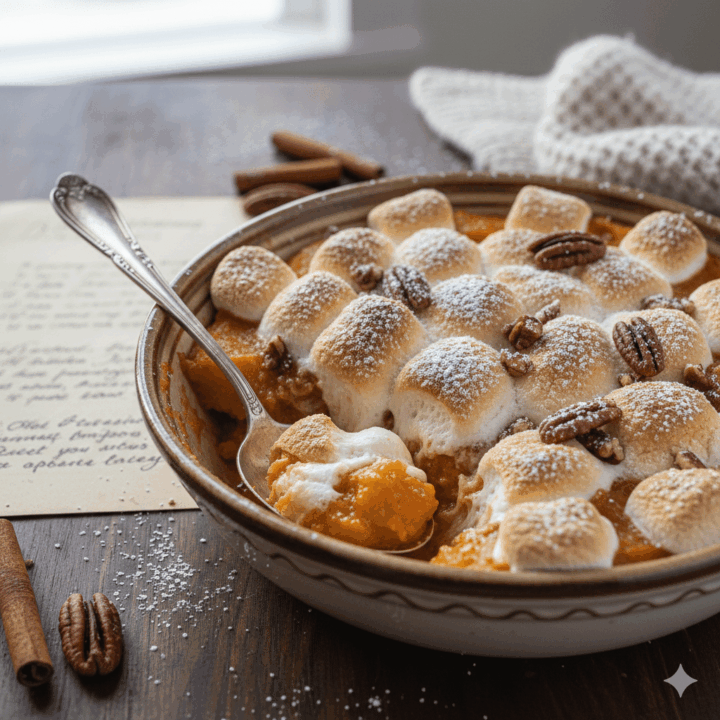
A Tasty Yam-azing Recipe for the Christmas Holiday
Image credit: Google Gemini
Ingredients
Core ingredients:
- Fresh yam (medium to large, firm, no soft spots)
- Neutral oil or butter (both work; butter brings richness)
- Salt (don’t skip it – yam loves salt)
- Black pepper
Optional flavor boosters (choose your lane):
- Garlic (fresh or granulated)
- Smoked paprika or chili flakes
- Honey or brown sugar (light touch only)
- Fresh herbs like thyme or rosemary
- Key point: If your yam tastes good raw (yes, nibble a corner), it’ll taste incredible cooked.
Instructions
How to Choose and Prepare Yam
First, a quick kitchen truth bomb: yams and sweet potatoes are not the same thing, even though grocery stores pretend they are. True yam is starchier, less sweet, and more rugged – like the difference between a ribeye and filet.
When choosing yam:
- Look for firm, heavy yams
- Avoid cracks, wrinkles, or damp spots
- Bigger isn’t always better – medium size cooks more evenly
Prep is straightforward:
- Scrub the skin clean
- Peel (optional, but recommended for this recipe)
- Cut into even chunks – about 1-inch thick
Uniform cuts = even cooking. That’s kitchen physics, not opinion.
Step-by-Step Cooking Instructions
This method borrows from high-heat roasting and cast-iron discipline – the same logic I use when finishing meats.
1. Preheat Like You Mean It
Set your oven to 425°F (220°C). High heat is what turns yam from soft to golden and caramelized.
2. Season the Yam Properly
In a bowl, toss yam chunks with:
- Oil or melted butter
- Salt and black pepper
- Optional spices (go light – you can add later)
Every piece should be lightly coated, not swimming.
3. Spread, Don’t Pile
Lay the yam pieces on a baking tray in a single layer. Overcrowding causes steaming, and steamed yam is how hope dies.
4. Roast and Flip
- Roast for 20 minutes
- Flip each piece (yes, all of them – earn your dinner)
- Roast another 15–20 minutes
You’re looking for:
- Deep golden edges
- Fork-tender centers
- A smell that makes people wander into the kitchen “just to check”
5. Final Touch
Taste. Adjust salt. Add a drizzle of honey or a knob of butter if needed. This is where good cooks become great ones.
Featured image credit: Google Gemini
