
Let me guess.
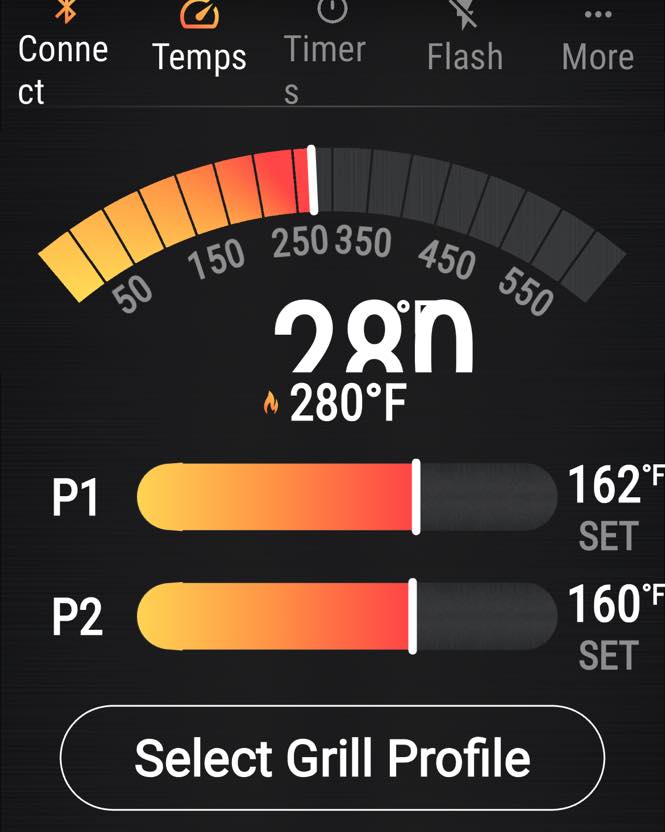
You bought a pellet smoker because it promised set-it-and-forget-it barbecue… and now you’re staring at temperature swings like you’re watching the stock market during a recession.
Welcome to the club.
I’ve been there – pacing the patio at 2 a.m., remote thermometer in hand, wondering why the smoker jumped 40 degrees while my brisket sat there judging me silently. Here’s the truth no manual tells you:
Pellet smoker temperature control isn’t about perfection – it’s about consistency.
Once you understand how your smoker thinks, reacts, and breathes, the stress melts away. And suddenly, your BBQ starts coming out the same way every time.
Let’s break it down, pitmaster to pitmaster.
How Pellet Smoker Temperature Control Works
Before you can control anything, you need to know what’s actually doing the work.
A pellet smoker isn’t magic. It’s a system – and every part affects temperature stability.
The Core Components
At the heart of pellet smoker temperature control are four key players:
- The digital controller
This is the brain. You set the temp, it decides how hard everything else works.
- The auger
This feeds pellets into the fire pot. Faster feed = more heat.
- The fire pot and ignition rod
This is where combustion happens. Clean fire equals stable temps.
- The combustion fan
Controls airflow, which controls how hot and clean the pellets burn.
When these parts work together smoothly, temperature stays steady. When one of them struggles? Hello, temperature swings.

PID vs Non-PID Controllers (Why It Matters)
Not all controllers think the same way, and that difference shows up in how smoothly your pellet smoker holds temperature throughout a long cook.
- Non-PID controllers run on timed cycles.
They feed pellets at fixed intervals, whether the smoker needs them or not.
- PID controllers constantly adjust based on feedback.
They’re smarter, smoother, and far better at pellet smoker temperature control.
Key takeaway:
PID controllers don’t eliminate swings – they shrink them.
Understanding Temperature Swings (And Why They’re Normal)
Here’s something that will immediately lower your blood pressure:
All pellet smokers swing in temperature. All of them.
The difference between good cooks and bad ones isn’t zero movement — it’s how wide the swings are.
What’s Normal?
- ±10–15°F: Totally normal
- ±20°F: Still fine
- 30°F+ repeatedly: Time to investigate
Pellet smokers cycle pellets and airflow. That means temperature rises and falls naturally. BBQ isn’t baking – it breathes.
Hot Spots and Cool Zones
No pellet smoker heats perfectly evenly. Think of your grill like a neighborhood – some spots are always warmer, and once you know where they are, you cook smarter instead of guessing.
- Areas near the chimney often run hotter
- Edges tend to be cooler
- The center over the deflector plate is usually most stable
Smart pitmasters learn their smoker’s personality and place food accordingly.
Pellet Quality: The Most Overlooked Factor
Let me save you some money and frustration: cheap or poorly stored pellets will fight your pellet smoker temperature control every step of the cook. Even the best smoker can’t behave with wet, crumbly fuel.
Bad pellets will sabotage pellet smoker temperature control faster than any other factor.
Why Pellet Quality Matters
Pellet quality matters more than most people expect, especially when temperatures start acting weird for no obvious reason. If the fuel burns inconsistently, your pellet smoker temperature control never stands a chance.
Good pellets:
- Burn evenly
- Produce clean heat
- Create less ash
Bad pellets:
- Smolder
- Create excess ash
- Cause temperature dips and flameouts
Signs of Poor Pellets
- Excess ash after short cooks
- Crumbly or dusty pellets
- Random temperature crashes
Rule of thumb:
If pellets snap cleanly when broken, you’re good. If they crumble, toss them.
Storage Is Half the Battle
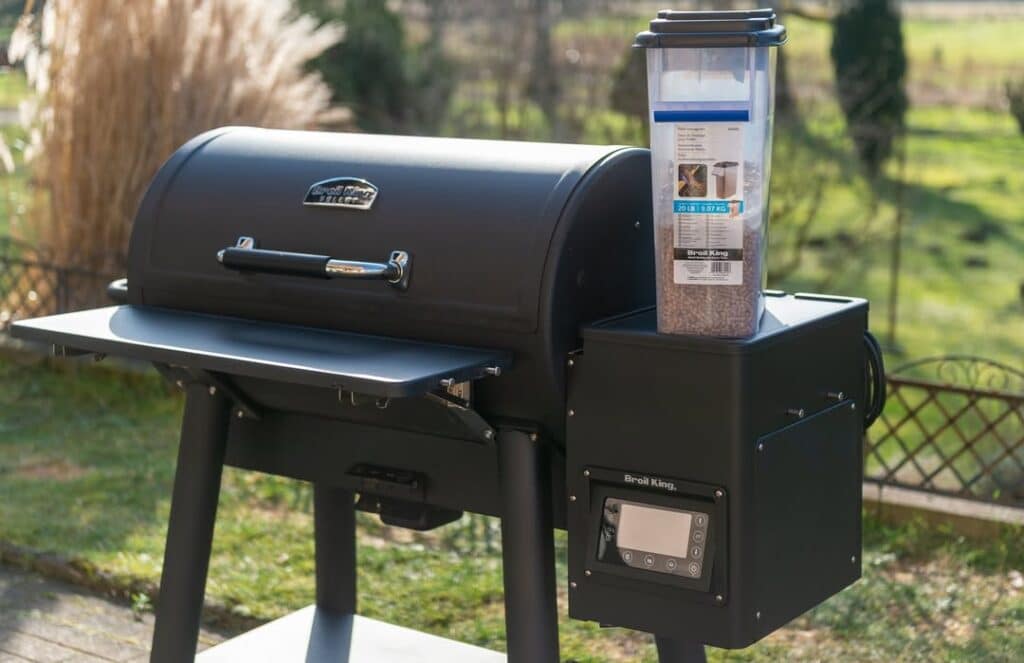
Pellets absorb moisture like a sponge. Leave them exposed too long and your smoker will start acting confused for no reason.
- Always store them in airtight containers
- Never leave them in the hopper long-term
- Humidity = inconsistent burn
Dry pellets = predictable heat.
Weather: The Invisible Temperature Thief
Pellet smokers don’t live in climate-controlled kitchens. They live outside – fighting the elements like BBQ warriors.
Cold Weather Smoking
Cold does three things:
- Increases pellet consumption
- Slows heat recovery
- Exaggerates temperature swings
The smoker isn’t broken – it’s working harder.
Fixes that actually help:
- Thermal blankets
- Longer preheat times
- Avoid opening the lid unless necessary
Wind and Sunlight
- Wind messes with airflow
- Direct sun can artificially raise chamber temps
Position your smoker:
- Out of direct wind
- In shade when possible
Environmental control = better pellet smoker temperature control.
Mastering Your Controller (Without Fighting It)
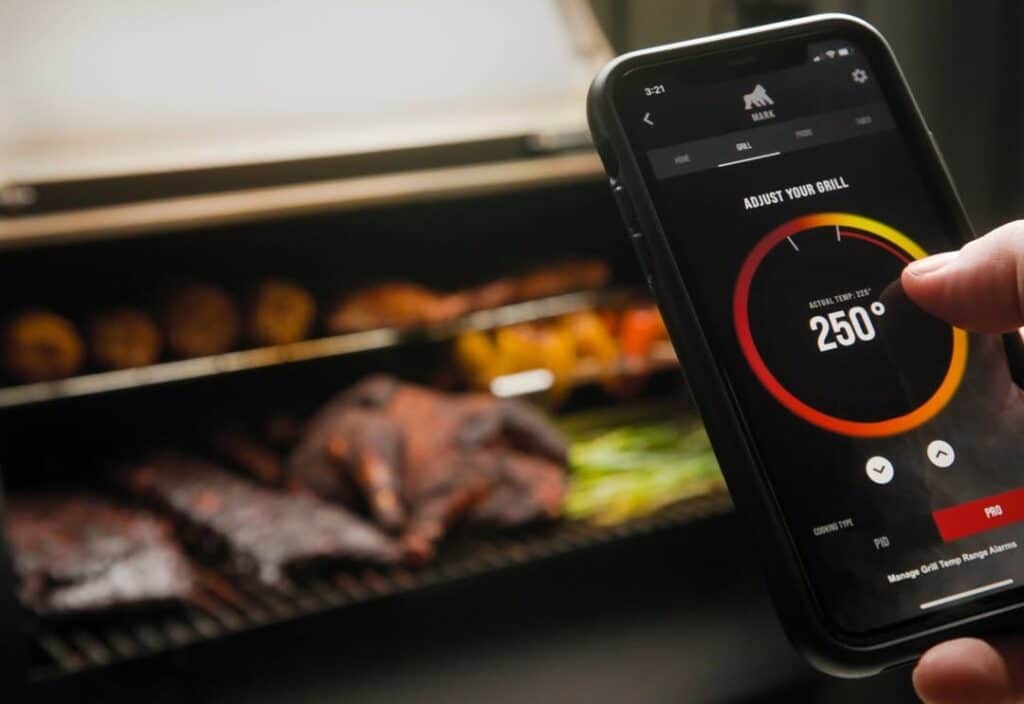
Mastering your controller starts with understanding that it’s designed to help you, not be wrestled into submission. When you stop fighting it and let it do its job, pellet smoker temperature control becomes smoother and far less stressful.
Here’s a lesson learned the hard way:
The more you mess with the controller, the worse things get.
Pellet smokers need time to react.
Setting Target Temperatures
- Low-and-slow: 225–250°F
- Poultry: 275–325°F
- Searing finishes: 400°F+
Pick a temp and let it ride.
Chasing every dip or spike turns small swings into big ones.
Calibration and Accuracy
If temps feel “off”:
- Check your probe placement
- Compare with a trusted thermometer
- Clean grease buildup from sensors
Dirty probes lie. Clean probes behave.
Proven Techniques for Consistent Temperature Control
This is where experience beats manuals. You only learn these lessons after a few long nights, a couple of blown cooks, and a lot of trial and error.
Proper Preheating
Never rush startup.
- Clean fire pot
- Lid open during ignition
- Preheat until temps stabilize for 10–15 minutes
Cold metal causes wild swings. Warm steel behaves.
Lid Discipline
Every lid opening:
- Dumps heat
- Triggers pellet overfeed
- Causes overshoot
Plan your moves. Move fast. Close the lid.
Pitmaster rule:
If you’re lookin’, you ain’t cookin’.
Load Management
Cold meat drops temps. That’s normal.
What’s not normal?
- Cranking heat to “fix” it
- Overcrowding grates
- Blocking airflow
Place thick cuts centrally. Let airflow do its job.
Don’t Chase the Number
This is the biggest mental shift:
BBQ happens in a range, not a single degree.
A brisket doesn’t care if it’s cooked at 240°F or 255°F. It cares about time and consistency.
Watch trends, not moments.
Common Temperature Problems (And Real Fixes)
Pellet smokers aren’t perfect, and neither are we. Identifying common temperature problems and applying straightforward fixes ensures smoother cooks.
Wide Swings
- Dirty fire pot
- Low-quality pellets
- Excess lid opening
Fix: Clean, upgrade pellets, trust the process.
Flameouts
- Ash buildup
- Moist pellets
- Low-temp cooking with poor airflow
Fix: Clean regularly and use dry pellets.
Runaway Temps
- Grease fires
- Excess airflow
- Poor shutdown procedures
Fix: Keep drip trays clean and follow shutdown steps.
Accessories That Actually Help
Not all gadgets are gimmicks. Some tools genuinely solve problems that your smoker’s built-in system can’t handle alone.
Useful Add-Ons
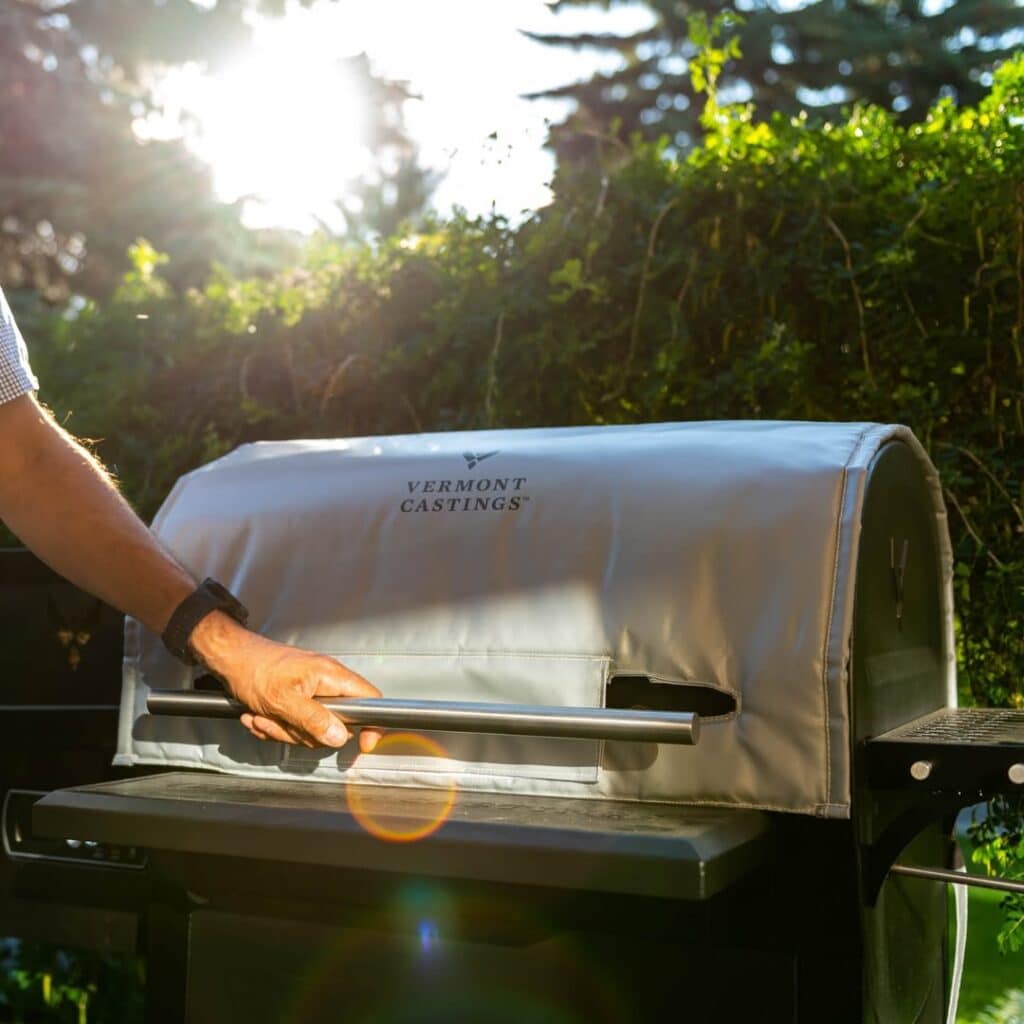
- Thermal blankets
- High-quality probes
- Hopper extensions for long cooks
Situational Tools
- Water pans (stabilize heat, not mandatory)
- Gaskets (seal leaks in thin-walled smokers)
Buy solutions, not toys.
Overnight Cooks Without Losing Sleep
Nothing beats waking up to tender brisket or ribs after a long night, except maybe not pacing the patio nervously all night. With a few tricks, you can sleep while your smoker handles the heavy lifting.
The dream: wake up to perfect bark and steady temps.
Pellet Planning
- Know your burn rate
- Fill the hopper generously
- Use consistent pellet brands
Monitoring
- Remote thermometers
- Alerts instead of constant checking
The smoker should work while you sleep – not the other way around.
Pellet Smoker Temperature Control Myths
Let’s bust a few.
- “Pellet smokers don’t produce real BBQ.”
Tell that to a properly smoked brisket.
- “Perfect temp equals perfect food.”
Consistency beats precision.
- “More pellets means faster heat.”
Airflow controls heat, not dumping fuel.
Understanding Smoke Production and Its Effect on Temperature
Smoke isn’t just flavor — it’s part of the temperature equation.
Different pellet types don’t just taste different; they burn differently. Hardwoods like oak and hickory provide steady, consistent heat, while softer or blended pellets may burn hotter or cooler than expected.
Even the moisture content of pellets affects how cleanly they ignite. Wet or low-quality pellets produce thicker, uneven smoke that can temporarily lower chamber temperature or cause fluctuations.
Pro tip: Watch how your smoker reacts to different pellets. If a pellet type creates thick white smoke that lingers for more than a few minutes, it’s probably hurting pellet smoker temperature control, not helping it.
Another factor is smoke density and airflow. When smoke can’t escape efficiently, it traps heat in pockets and creates minor hot spots or dips. Proper airflow and understanding your smoker’s “smoke behavior” helps you cook more predictably, even during long smokes.
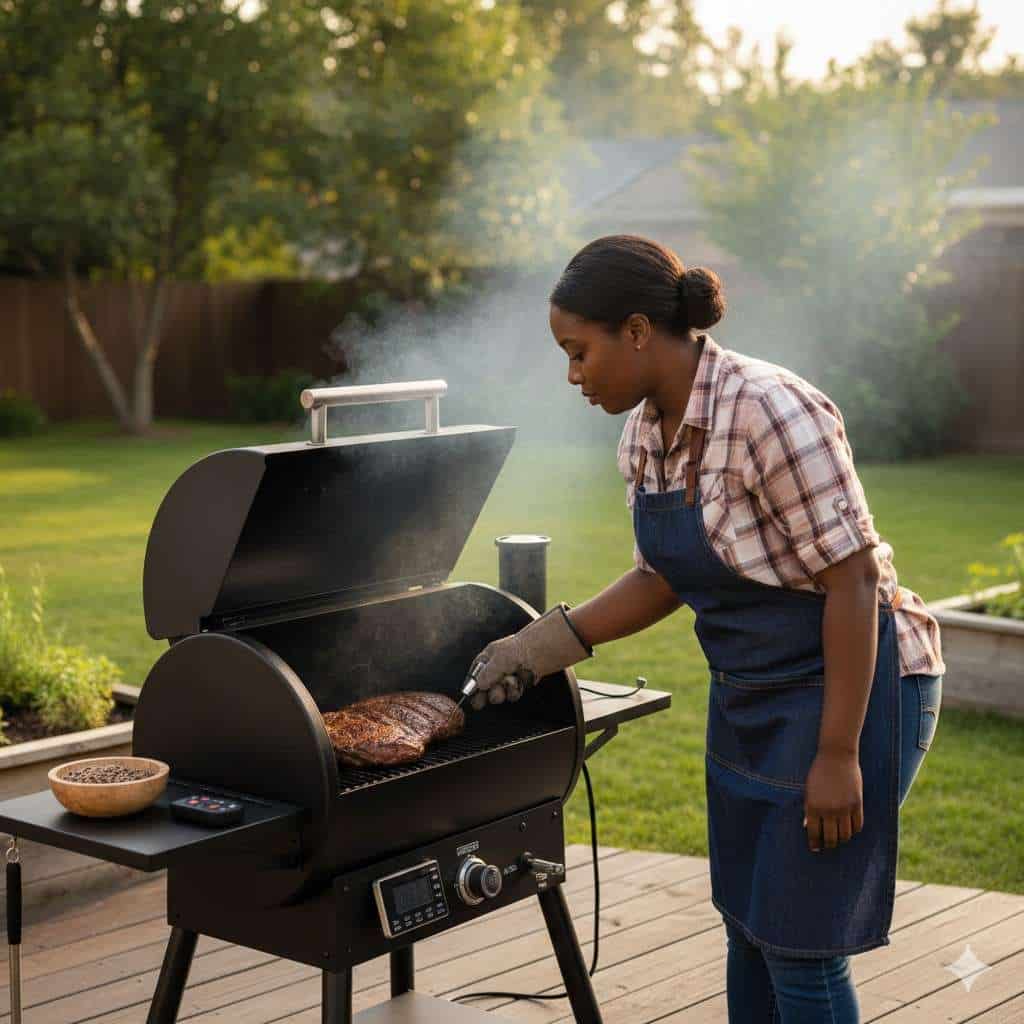
Troubleshooting Pellet Smoker Temperature Issues
Even experienced pitmasters hit a snag now and then. Temperature swings, flameouts, and runaway heat are all part of the game – but most problems are predictable once you know what to look for.
Start by diagnosing the source:
- Fuel issues: Crumbly or damp pellets cause inconsistent combustion.
- Airflow problems: Blocked vents or dirty fans can cause heat dips or spikes.
- Sensor or probe errors: Grease buildup or poor placement misleads your controller.
- Controller quirks: Outdated firmware or PID calibration issues can exaggerate swings.
Once you identify the culprit, fixes are usually straightforward: clean the fire pot, replace pellets, calibrate probes, or adjust airflow. For stubborn cases, track your temperature with a secondary thermometer to confirm the problem isn’t just a faulty reading.
Rule of thumb: Most “uncontrollable” swings have a logical cause. Find it, fix it, and your pellet smoker will behave like the well-trained beast it was designed to be.
Advanced Techniques for Long or Multi-Rack Cooks
Cooking multiple racks or large cuts can expose the weak spots in your smoker’s temperature control. A full load affects airflow, heat distribution, and recovery speed.
Food placement matters more than you think:
- Place thicker cuts in the hotter zones (usually center or over deflectors).
- Thinner cuts go toward cooler edges to avoid overcooking.
Using heat deflectors, drip pans, or water pans can stabilize temperature by spreading heat more evenly. Water pans also add moisture, which prevents meat from drying out during overnight cooks.
For multi-rack cooks:
- Don’t overcrowd. Airflow is critical for consistent temperature.
- Rotate racks if needed, especially if you notice minor hot or cool zones.
- Keep an eye on hopper capacity – running out mid-cook causes sudden temperature drops.
With these advanced techniques, even long, complex cooks become predictable and stress-free. Your smoker stops “acting up” and starts doing exactly what you want – delivering perfectly cooked, flavorful meat across every rack.
Frequently Asked Questions (FAQ)
1. What is the ideal temperature range for pellet smoking?
For low-and-slow BBQ, aim for 225–250°F. Poultry cooks well around 275–325°F, and searing finishes can go 400°F or higher. The key is consistency, not perfection.
2. Why does my pellet smoker temperature fluctuate?
Small swings of ±10–15°F are normal. Fluctuations happen due to pellet feed cycles, airflow, cold meat placement, and even environmental factors like wind or temperature.
3. Should I use PID or non-PID controllers?
PID controllers offer tighter, smoother control because they adjust pellet feed dynamically based on real-time temperature feedback. Non-PID controllers are fine, but they rely on fixed cycles and may produce larger swings.
4. How do pellets affect temperature control?
High-quality, dry hardwood pellets burn evenly, helping maintain stable temperatures. Moist, crumbly, or low-quality pellets can cause flameouts, excess ash, and unpredictable swings.
5. How often should I open the smoker lid?
Open it as little as possible. Every lid opening dumps heat, triggers pellet overfeed, and can cause overshoot. Plan moves ahead and handle food quickly.
6. Can weather really affect pellet smoker temperature control?
Absolutely. Cold weather, wind, rain, and direct sunlight can all impact chamber temperature. Use thermal blankets, proper placement, and preheating to compensate.
7. How do I prevent temperature spikes or drops during overnight cooks?
Fill the hopper with enough quality pellets, preheat properly, and use remote monitoring tools. Avoid constantly adjusting the controller; trust the smoker to self-correct.
8. Are accessories worth it for temperature control?
Yes, but pick wisely. Tools like high-quality probes, thermal blankets, water pans, and gaskets can stabilize heat and airflow, improving overall pellet smoker temperature control.
9. How do I know if my smoker is calibrated correctly?
Check the chamber temperature with a trusted thermometer. If there’s a consistent discrepancy between the controller reading and actual temp, calibrate the probe or adjust placement.
10. What’s the biggest mistake beginners make with temperature control?
Micromanaging the dial and panicking over small swings. Consistency beats perfection, and letting the smoker do its job is the fastest path to reliable BBQ.
Consistency Is the Real Goal
Forget chasing perfection – even a few degrees off won’t ruin your meat. What matters is that every cook comes out reliably delicious, and that’s achieved through consistent techniques.
Pellet smoker temperature control isn’t about fighting your smoker.
It’s about:
- Understanding how it reacts
- Giving it clean fuel
- Letting it do its job
Once you stop chasing perfection and start cooking with confidence, something magical happens.
The food gets better.
The stress disappears.
And the smoker becomes what it was meant to be – your quiet, reliable BBQ partner.
Now go fire it up.
You’ve got this.
Featured image credit: @downsheating
