

I’ve cooked meat over fire for most of my life. I’ve burned it, dried it out, undercooked it, and – on my worst days – served something that made people quietly reach for the sauce bottle. That’s barbecue humility right there.
Then I met sous vide.
At first, I thought it was cheating. Plastic bags? Water baths? Where’s the fire, the smoke, the danger? But once I paired sous vide with a blazing-hot grill, something clicked. This wasn’t cheating. This was engineering texture on purpose.
If you’ve ever nailed flavor but missed tenderness – or hit doneness once and never again – this method is for you. Sous vide + grill is how you get perfect texture every single time, without guesswork, crossed fingers, or sacrificing juiciness to the BBQ gods.
Let’s break it down, pitmaster-style.
What Sous Vide Really Does (And Why Texture Loves It)
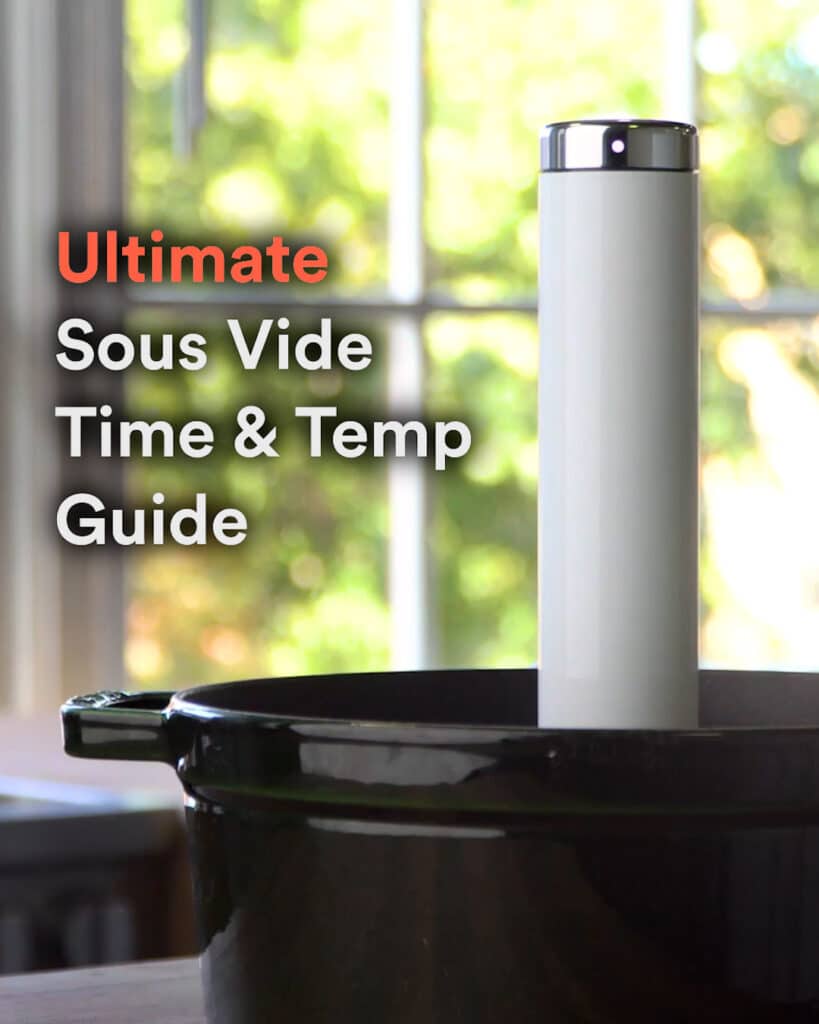
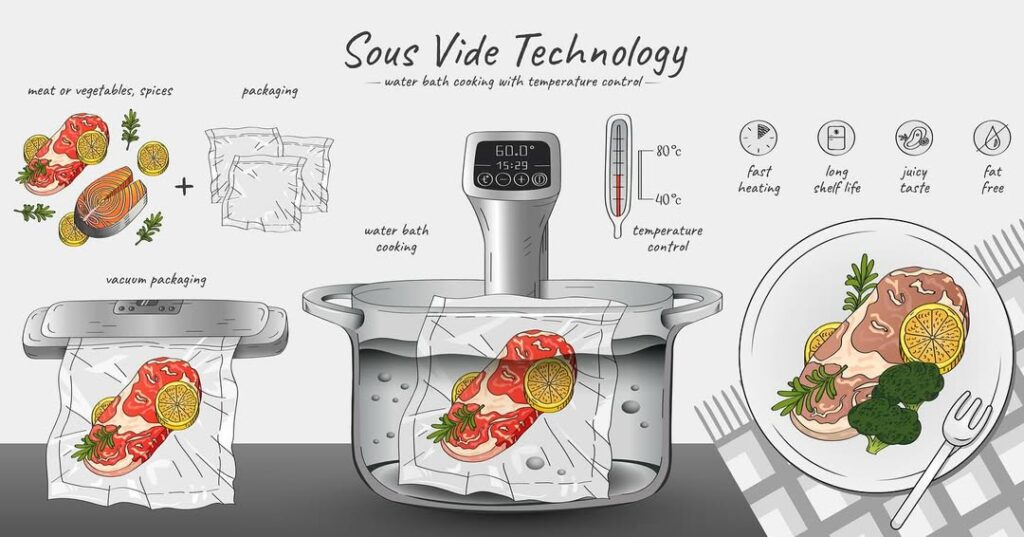
At its core, sous vide just means cooking food in a sealed bag at a precisely controlled temperature. No drama. No mystery. Just physics doing its thing.
But here’s the big idea most people miss:
Sous vide doesn’t cook food “better.” It cooks food exactly.
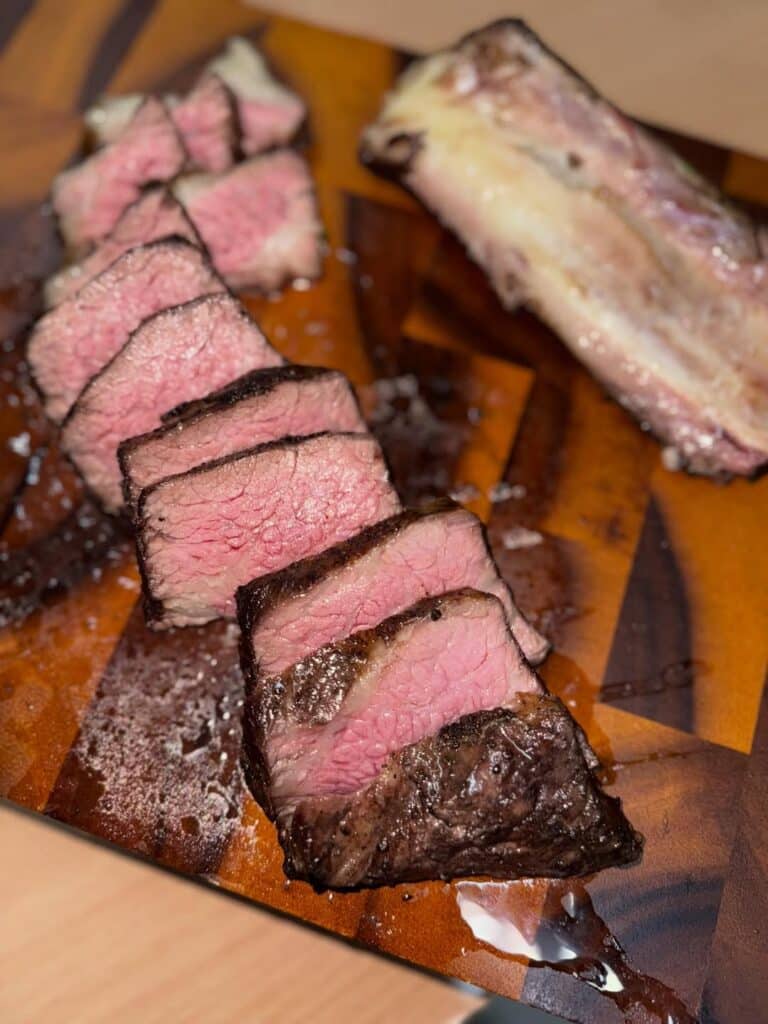
When you grill a steak, heat attacks from the outside in. That’s why you get a bullseye: gray ring, pink ring, red center. With sous vide, the entire cut comes up to the same temperature, edge to edge.
Why That Matters for Texture
Texture is about proteins and moisture, not vibes.
- At specific temperatures, muscle fibers tighten
- At higher temps, they squeeze out juice
- Over time, collagen breaks down into gelatin
Sous vide lets you choose which of those things happens – and which doesn’t.
You’re no longer asking, “Is it done yet?”
You’re saying, “I want medium-rare, juicy, and tender – lock it in.”
That’s power.
The Psychology of Texture: Why Sous Vide Feels “Next-Level”
Here’s something most cooking guides never mention: texture hits the brain before flavor does. Your tongue notices tenderness, resistance, and juiciness before it processes seasoning.
That’s why a perfectly cooked but bland steak still feels impressive – and why a well-seasoned but dry one feels like a disappointment.
Sous vide changes the entire eating experience because it removes randomness. Every bite feels intentional. No surprise toughness. No dry corners. Just consistent resistance followed by an easy chew.
That predictability triggers what chefs call luxury texture – the feeling that something was cooked carefully, not hurriedly.
When you finish on the grill, the contrast seals the deal. Crisp outside, yielding inside creates tension your brain loves. It’s the same reason people obsess over smash burgers or crackly pork skin.
With sous vide + grill, you’re not just cooking meat – you’re designing mouthfeel on purpose.
But Sous Vide Alone Has a Problem
Here’s where I’ll be brutally honest.
Sous vide food looks sad coming out of the bag.
No crust. No char. No smell that makes neighbors peer over the fence. That’s because browning – the Maillard reaction – doesn’t happen until you hit much higher heat than a water bath allows.
Which brings us to the grill.
Why the Grill Is the Perfect Finishing Move
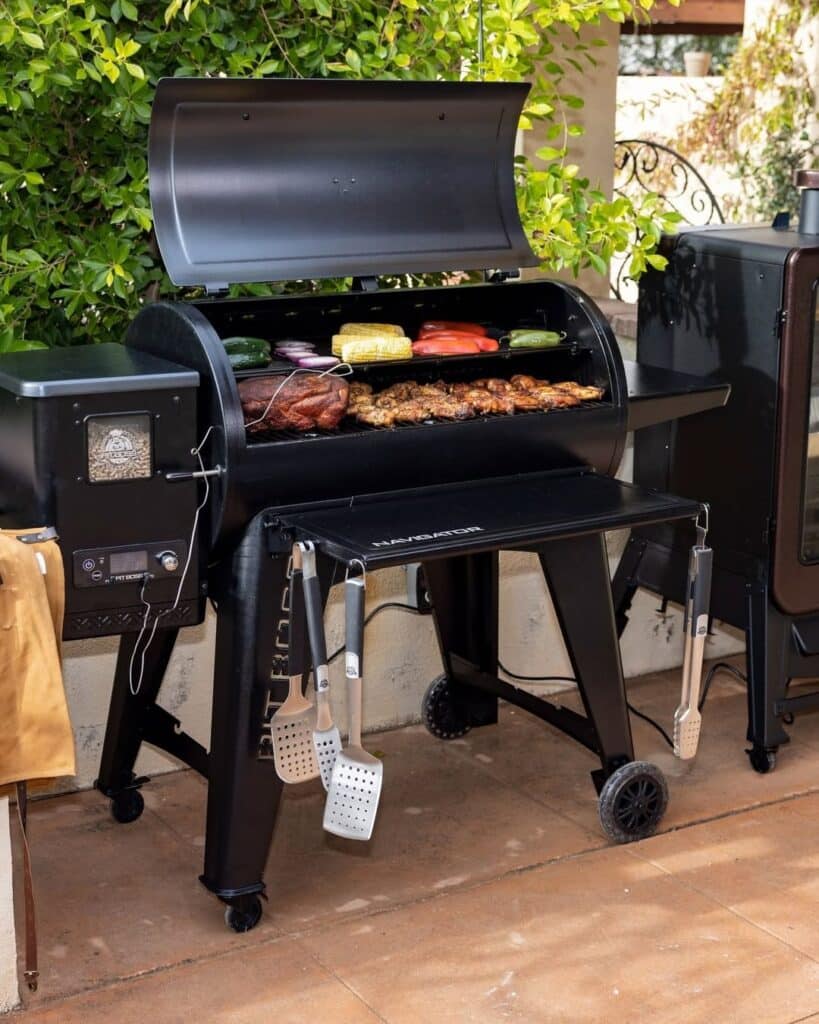
If sous vide is precision, the grill is attitude.
This is where flavor, aroma, and that primal satisfaction kick in.
The Maillard Reaction (AKA: Why Brown Food Tastes Better)
The Maillard reaction happens when proteins and sugars hit high heat. It’s what gives you:
- Steak crust
- Chicken skin snap
- That “holy crap” smell when meat hits fire
Sous vide sets the interior. The grill builds the exterior.
You get contrast: soft inside, aggressive outside.
Why Grill Instead of Pan or Torch?
You can finish sous vide meat in a pan or with a torch. I’ve done both. They work.
But the grill brings extras:
- Real smoke
- More intense heat
- Better surface dehydration
- Room to sear fast without overcrowding
And let’s be honest – grilling feels right.
Choosing the Right Cuts (Because Not All Meat Behaves)
One of the biggest misconceptions is that sous vide is only for fancy steaks. That’s like saying fire is only for candles.
Best Cuts for Sous Vide + Grill
Steaks
- Ribeye
- New York strip
- Filet mignon
These shine because you control doneness perfectly, then add crust without fear.
Tough Cuts
- Chuck
- Brisket flats
- Short ribs
With time, sous vide turns stubborn collagen into silky gelatin, then the grill adds bark-like flavor.
Pork
- Thick chops
- Tenderloin
Pork doesn’t need to be dry. Anyone who says otherwise owes pork an apology.
Chicken
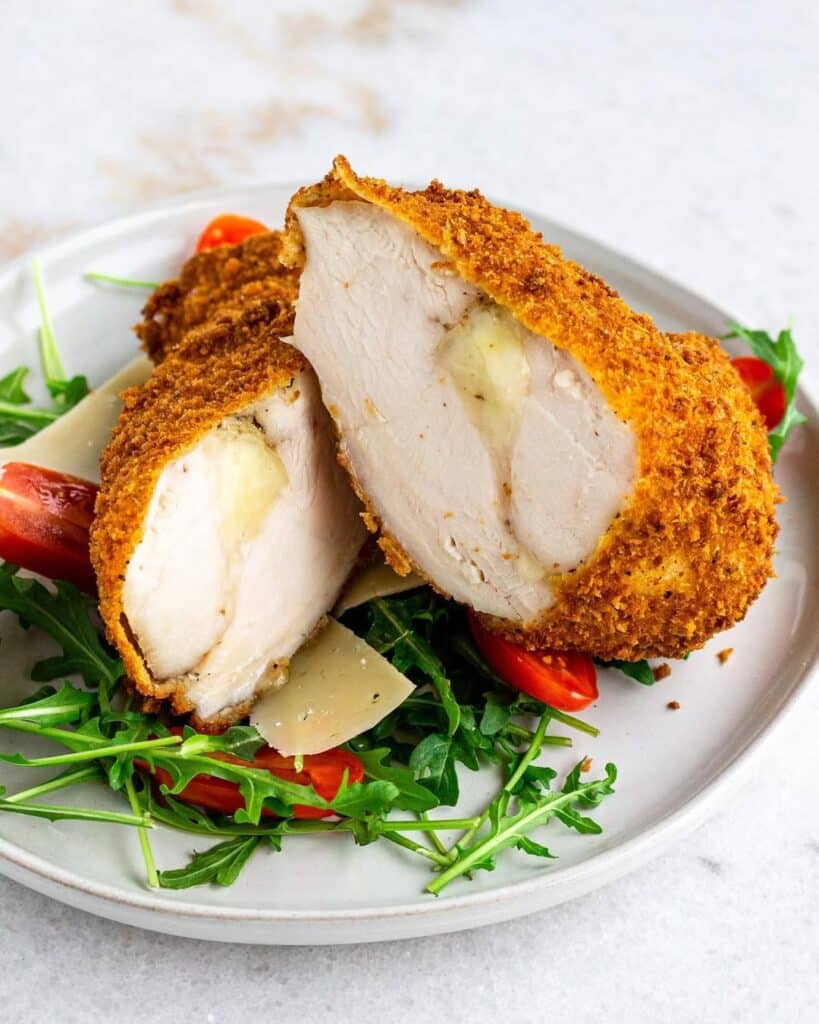
- Thighs for richness
- Breasts for juiciness (yes, really)
Fat Content = Forgiveness
Here’s a pitmaster truth:
Fat forgives mistakes. Lean meat remembers everything.
Marbling helps with mouthfeel, but sous vide makes lean cuts more forgiving by preventing moisture loss.
Thickness Matters
Thin cuts cook too fast on a grill. Thick cuts thrive with sous vide.
Rule of thumb:
- At least 1.25 inches thick for steaks
- Thicker is easier, not harder
Sous Vide Temperatures and Timing (Where Texture Is Born)
This is where people either fall in love with sous vide or ruin dinner.
Beef: Texture by Temperature
- 129°F / 54°C – Medium-rare, buttery, steakhouse vibes
- 135°F / 57°C – Medium, still juicy, firmer bite
- 145°F / 63°C – Medium-well, less juice, more chew
Time matters too:
- 1–2 hours: tender, steak-like
- 3–4 hours: softer, almost spoonable
Too long can make meat mushy. Yes, that’s a thing.
Pork: The Redemption Arc
Modern pork is safe at lower temps.
- 140°F / 60°C – Juicy, slightly pink, insanely tender
- 2–3 hours is plenty
Once you try pork this way, you’ll never go back.
Chicken: White Meat Finally Wins
- 145°F / 63°C for 1.5–2 hours = juicy breast, no chalk
- 165°F / 74°C = traditional texture, faster
Dark meat likes it hotter and longer. Thighs are patient.
Fish: Handle With Respect
Fish is delicate.
- Low temps
- Short times
- Gentle grill finish or ripping-hot quick sear
Blink and you’ll overdo it.
Pre-Grill Prep: Where Most People Screw Up
The bag comes out. You’re excited. This is where discipline matters.
Dry. The. Meat.
Moisture is the enemy of crust.
Pat it dry. Then pat it again. Then let it air-dry for a minute.
Ice Bath – Yes or No?
If your grill isn’t screaming hot yet, chill the meat briefly.
Cooling the exterior gives you more searing time without overcooking inside.
Seasoning Strategy
- Salt before sous vide for penetration
- Finish seasoning after drying
- Sugars burn – use them carefully
Grilling for the Perfect Finish
This part should be fast, violent, and confident.
Grill Setup
Two zones:
- Nuclear hot
- Cool safety zone·
Charcoal is king, but gas works if it’s hot enough.
Sear Timing
Think seconds, not minutes.
- 30–60 seconds per side
- Flip often
- Trust the process
Smoke Without Drying
Add a chunk of wood. Close the lid briefly. Open it again.
Smoke is seasoning, not a bath.
Common Texture-Killing Mistakes
Let me save you some heartbreak.
- Overcooking in sous vide
Too much time = mush
- Cold or weak grill
Gray meat sadness
- Skipping the drying step
You’ll steam instead of sear
- Butter too early
Burnt butter tastes like regret
Why Sous Vide + Grill Beats Other Methods
Traditional grilling is gambling. Reverse sear is close, but still imprecise.
Sous vide + grill is repeatable.
It doesn’t care if you’re tired, distracted, or hosting ten people.
It just works.
Who This Method Is Perfect For
- Home cooks chasing consistency
- Backyard pitmasters leveling up
- People cooking expensive meat (insurance policy)
- Anyone tired of guessing
If you love control and fire, this is your lane.
The “Resting” Myth: Why Sous Vide Changes the Rules
Traditional grilling teaches us to rest meat so juices redistribute. That rule exists because high heat forces moisture outward, and resting lets it settle back in. Fair enough.
But sous vide rewrites that rulebook.
Because the meat never exceeds your target temperature, there’s far less juice migration. The internal pressure just isn’t there. That means long resting times aren’t mandatory anymore – and sometimes they’re counterproductive.
What does matter is surface management. Letting meat cool slightly before grilling protects doneness and improves crust. But once it’s off the grill? You can slice sooner than you think.
This is one of the quiet superpowers of sous vide cooking:
- Less waiting
- More control
- Faster service
When dinner’s ready, it’s actually ready.
Why Sous Vide Is a Game-Changer for Entertaining
If you’ve ever hosted a backyard cookout, you know the stress: different cuts, different doneness requests, everyone hovering near the grill like it’s a spectator sport.
Sous vide turns chaos into calm.
You can cook everything ahead of time – hours or even days earlier – then store it safely until showtime. When guests arrive, the grill becomes a finishing tool, not a juggling act.
That means:
- Every steak hits the grill already perfect inside
- You sear in batches without panic
- No one waits, and no one gets a “sorry” steak
From a pitmaster’s perspective, this is huge. Sous vide lets you host like a pro, even if you’re balancing drinks, sides, and conversation. It’s not less authentic – it’s better planned firepower.
The Hidden Advantage: Saving Bad Days and Cheap Meat
Here’s a truth most cooks won’t admit: not every day is a great grill day.
Wind, weather, distractions, cheap cuts – these things happen. Sous vide is your safety net.
It shines when:
- The cut is lean and unforgiving
- The meat quality is average
- You don’t trust the grill conditions
Time and temperature smooth out flaws that fire alone can’t fix. Tough cuts soften. Lean cuts stay juicy. Inconsistent thickness stops being a problem.
This is why pitmasters quietly love sous vide. It doesn’t replace skill – it backs it up. When conditions aren’t ideal, you still deliver something impressive.
Think of it this way:
Sous vide doesn’t make great days better – it saves bad days from disaster.
Frequently Asked Questions
1. Is sous vide really worth the extra effort?
Short answer: yes – if you care about texture.
Long answer: sous vide removes guesswork. You lock in doneness first, then use the grill purely for flavor and crust. That means:
- No overcooked centers
- No dry edges
- No “close enough” steaks
If you’re cooking cheap cuts, expensive cuts, or food for guests, sous vide is insurance you can taste.
2. Will the meat taste “boiled” if I use sous vide?
Absolutely not – unless you skip the grill.
Sous vide doesn’t add flavor; it preserves moisture and structure. The grill is what brings:
- Browning
- Smoke
- That backyard-BBQ smell that turns heads
Sous vide sets the interior. The grill brings the soul.
3. Do I need a vacuum sealer, or can I use zip-top bags?
A vacuum sealer is nice, but it’s not mandatory.
You can use the water displacement method with heavy-duty zip-top bags:
- Put the food in the bag
- Lower it slowly into the water
- Let the water push the air out
- Seal it before it fully submerges
That said, a real vacuum sealer gives better contact and consistency, especially for long cooks.
4. Should I season before or after sous vide?
Both – but differently.
- Salt before sous vide if you want deep seasoning
- Avoid heavy sugar or spice rubs in the bag
- Finish seasoning after drying, right before grilling
Think of sous vide seasoning as internal flavor, and grill seasoning as surface attitude.
5. Can I overcook meat in sous vide?
Yes – and this surprises people.
While you won’t overcook in temperature, you can overdo it in time.
- Too long = mushy texture
- Especially with steaks and lean meats
Sous vide is precise, not infinite. Time still matters.
6. Do I need to chill the meat before grilling?
Sometimes.
If:
- Your grill isn’t screaming hot yet
- Or you want extra searing time
Then a quick ice bath or fridge rest helps cool the surface so you don’t overshoot doneness.
If your grill is already blazing, you can go straight from bag to fire.
7. How hot should the grill be for finishing?
Hotter than you think.
You want:
- Maximum heat
- Minimal time
- Aggressive sear
We’re talking 30–60 seconds per side, flipping often.
If the meat is sitting there politely, the grill isn’t hot enough.
8. Can I use sous vide for frozen meat?
Yes – and it’s one of its secret superpowers.
You can:
- Go straight from freezer to water bath
- Add about 30–60 extra minutes
- Cook evenly without thawing first
Texture stays solid, and meal prep becomes stupidly easy.
9. What cuts benefit the most from sous vide + grill?
Two categories shine the brightest:
- Thick, high-quality steaks
You protect your investment and guarantee doneness.
- Tough, collagen-heavy cuts
Time + temperature = tenderness you can’t rush on a grill alone.
If the cut scares you on a grill, sous vide will calm it down first.
10. Is sous vide safe?
Yes – when done correctly.
Food safety is about:
- Temperature
- Time
- Clean handling
Sous vide relies on pasteurization over time, not instant high heat. Stick to reputable time-and-temp guidelines and you’re golden.
When in doubt, don’t freestyle with safety.
11. Can I add butter, herbs, or garlic to the bag?
You can – but use restraint.
- Herbs: great
- Butter: fine in moderation
- Raw garlic: use sparingly (or pre-cook it)
Remember, nothing escapes the bag, so flavors intensify fast.
12. Does sous vide replace traditional grilling?
No – and it shouldn’t.
Sous vide doesn’t replace fire. It sets the stage for it.
Think of it like this:
- Sous vide = precision
- Grill = personality
Use both, and you get confidence and flavor.
Texture Is Built, Not Hoped For
After decades of cooking over flame, here’s my honest take:
Sous vide didn’t replace grilling. It made it better.
You still get smoke. You still get crust. You still get that moment when meat hits fire and the world smells right.
But now, the inside is perfect too.
No guessing. No apologies. Just engineered tenderness and earned char.
That’s not cheating.
That’s mastery.
Featured image credit: @horecastore.ae
