
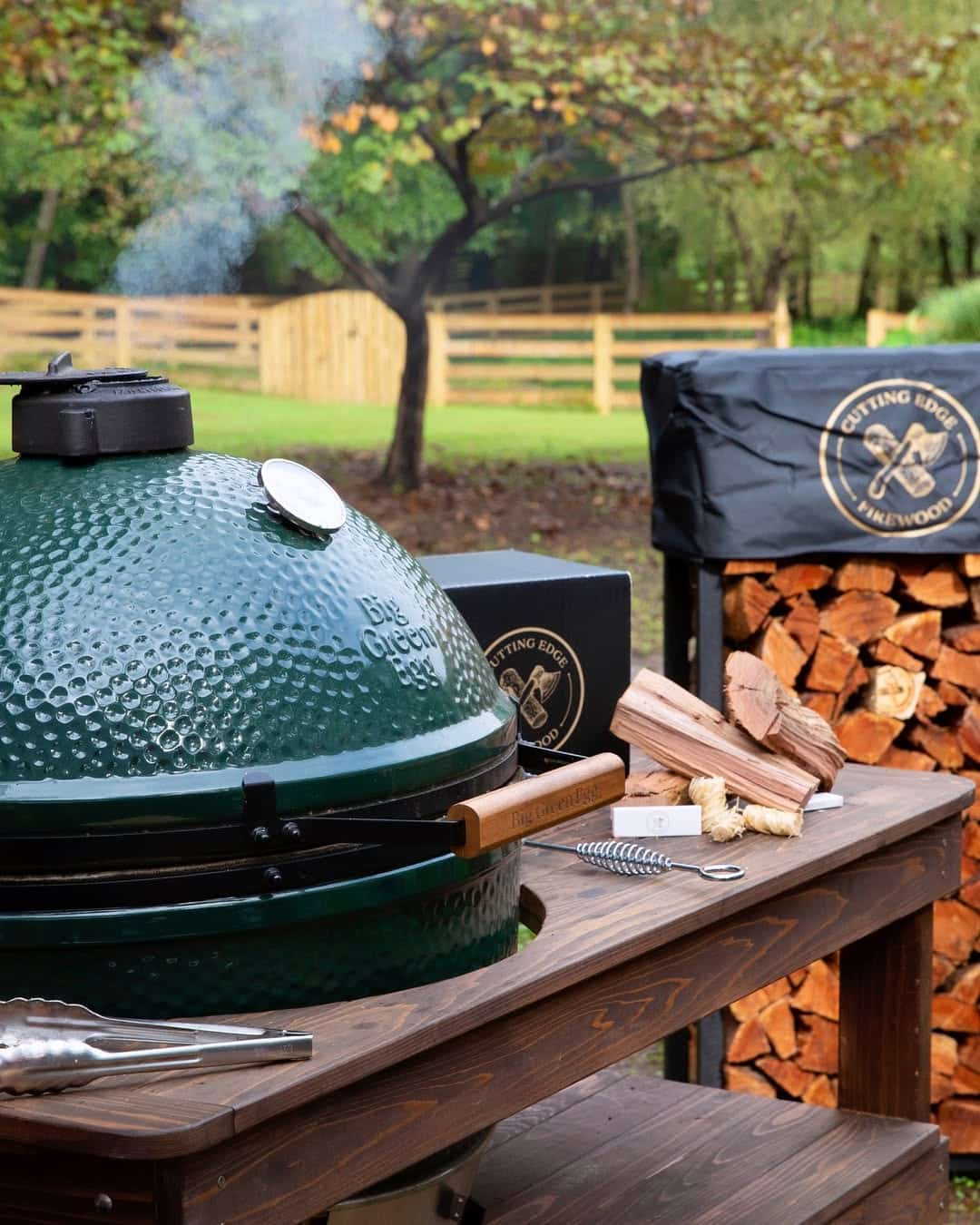
I’ve spent a good chunk of my life staring into fires. Not in a poetic, monk-on-a-mountain way – but in a “Why does this brisket taste incredible and the last one taste like an ashtray?” way.
And here’s the truth most pitmasters learn the hard way:
Great smoke flavor isn’t magic. It’s chemistry.
Smoke is not a seasoning you sprinkle on food. It’s a byproduct of burning wood, and how that wood burns – its wood type, its moisture, and the fire itself – decides whether your food tastes rich and complex… or like Nancy Drew just solved a mystery inside a chimney.
Let’s break it down.
Smoke Isn’t Smoke – It’s a Chemical Cocktail
When people say “smoke flavor,” they usually imagine something vague and mysterious. In reality, smoke is a mix of gases, vapors, and microscopic particles created when wood breaks down under heat.
The big players:
- Phenols – smoky, spicy, campfire notes
- Carbonyls – sweet, caramel, toasted aromas
- Organic acids – tangy, sharp, sometimes sour flavors
When these compounds land on food, they bond to fats, proteins, and moisture. That’s why a fatty brisket loves smoke more than a dry chicken breast.
Key Point:
Smoke flavor is built from dozens of compounds – not just “smokiness.”
If you’ve ever tasted bitter, harsh smoke, that wasn’t “too much smoke.” That was bad smoke.
Clean smoke is subtle. Dirty smoke is loud, rude, and overstays its welcome – like Tin Tin asking follow-up questions while your ribs are burning.
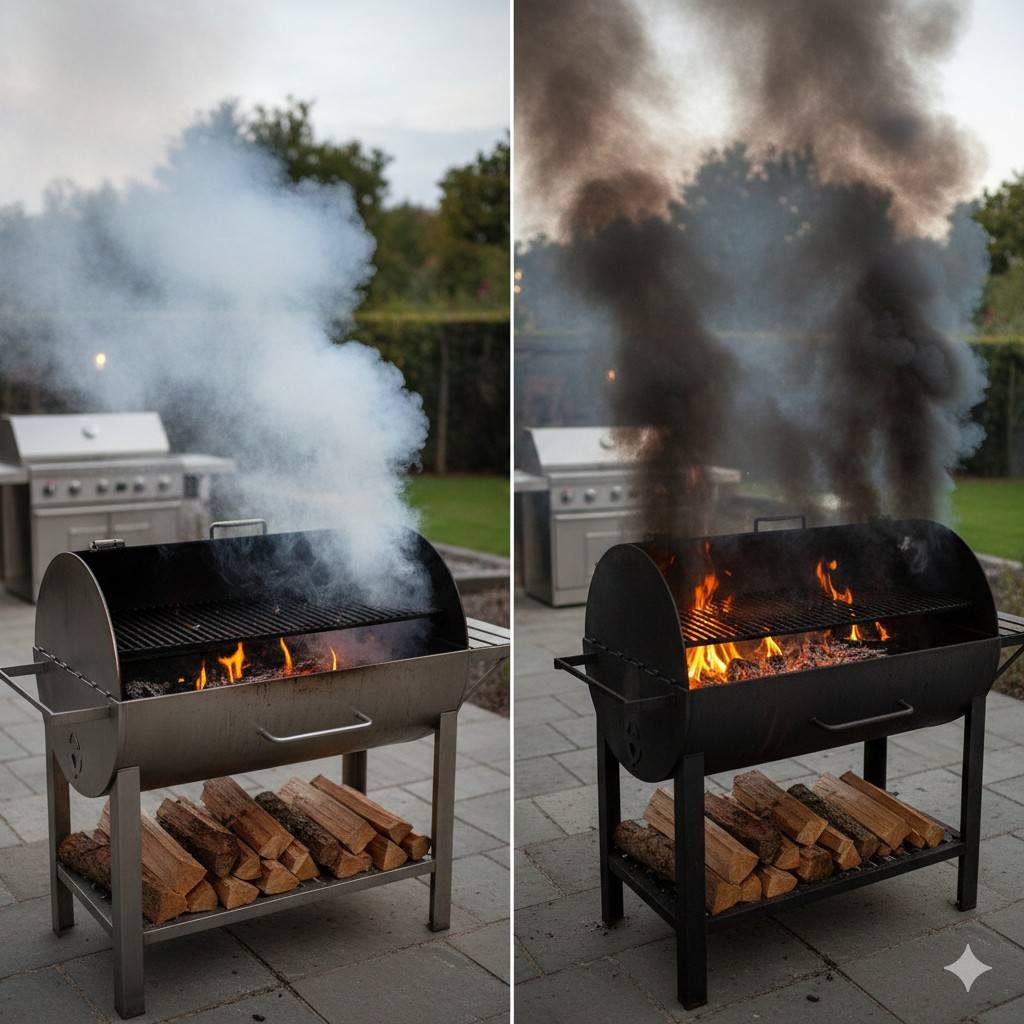
Clean Smoke vs Dirty Smoke (Why Less Is Usually More)
Here’s a pitmaster secret that surprises beginners:
The best smoke is often barely visible.
That thin, blue-ish smoke? That’s the good stuff. It smells sweet, woody, and almost invisible.
Thick white or gray smoke?
That’s where bitterness lives.
Dirty Smoke Happens When:
- The fire is starved of oxygen
- The wood is too wet
- Combustion temperature is too low
- Wood is smoldering instead of burning
When that happens, wood releases unburned compounds like creosote. Creosote sticks to food like gossip at a barbecue – and once it’s there, it doesn’t leave quietly.
Pitmaster Rule:
If the smoke smells bad, the food will taste worse.
No amount of sauce can save it. Sun Tzu never wrote The Art of War for smokers, but if he did, one chapter would be titled: “Know Your Smoke, or Be Defeated.”
Wood Type: The Foundation of Smoke Flavor
Let’s talk about the star of the show: wood type.
Different woods produce different smoke because they’re made of different ratios of lignin, cellulose, and hemicellulose. When heat breaks these down, you get different flavor compounds.
Hardwood vs Softwood (This Is Not Optional)
Only burn hardwoods for cooking.
Softwoods (pine, fir, spruce) contain:
- High resin content
- Sharp terpenes
- Bitter, toxic compounds
They burn fast, smoke ugly, and taste like regret.
Key Point:
If it oozes sap, don’t cook with it.
How Wood Structure Creates Flavor
Here’s the short, pitmaster-friendly version of wood chemistry:
- Cellulose – burns clean, provides heat
- Hemicellulose – creates sweet, toasty aromas
- Lignin – breaks down into smoky, spicy compounds
Different wood types have different lignin structures, which is why:
Common Smoking Woods (And What They Actually Do)
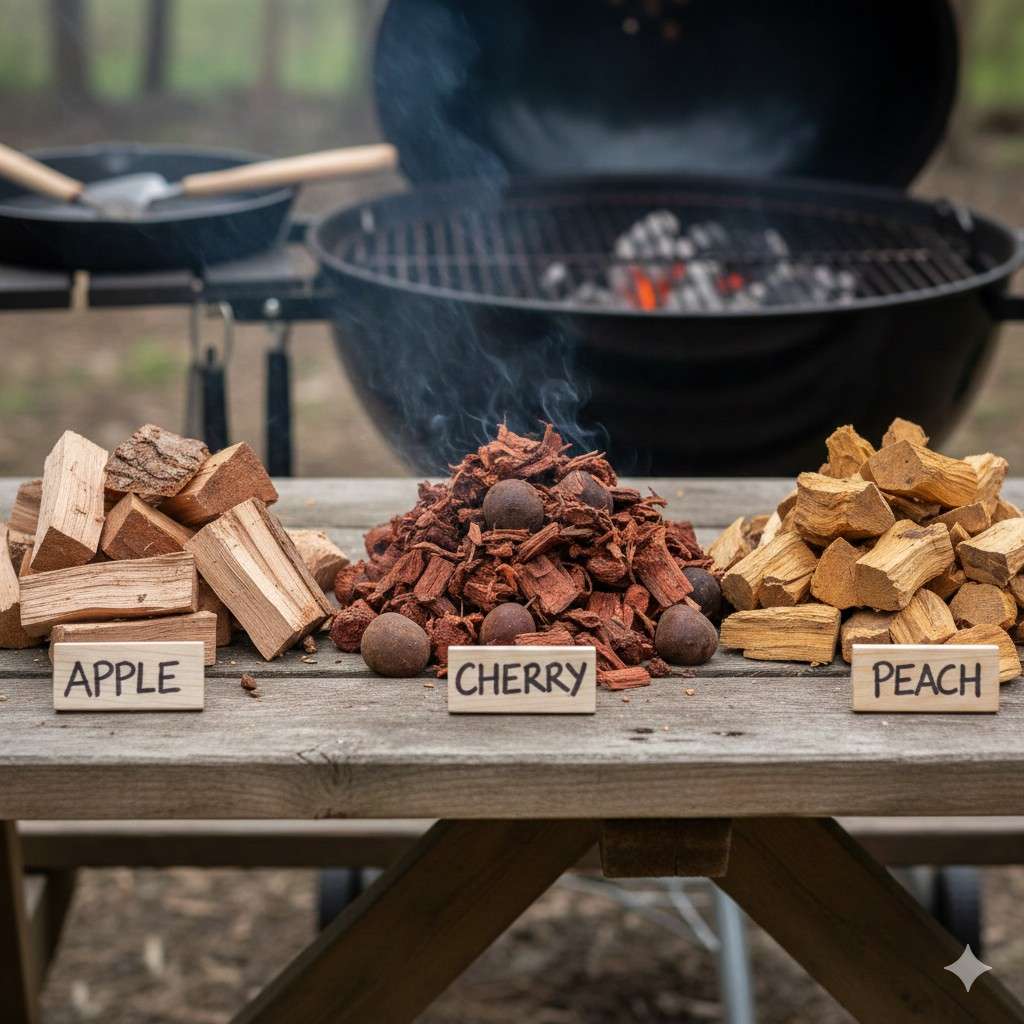
Fruitwoods (Apple, Cherry, Peach)
- Mild, slightly sweet smoke
- Great for poultry, pork, fish
- Hard to overdo
Perfect for beginners – or anyone who doesn’t want their food interrogated by Tin Tin.
Nut Woods (Hickory, Pecan)
- Medium to strong flavor
- Hickory = classic BBQ punch
- Pecan = smoother, nuttier
Excellent for ribs, shoulders, and anything fatty.
Dense Hardwoods (Oak, Mesquite)
- Oak: balanced, versatile, steady burn
- Mesquite: intense, earthy, aggressive
Mesquite is powerful. Use it like hot sauce – sparingly, unless you enjoy chaos.
Key Point:
Wood type should match the meat, not overpower it.
Moisture Content: Why Wet Wood Ruins Flavor
Let’s clear up one of BBQ’s most stubborn myths.
Soaking wood does not create better smoke.
Wood with high moisture content must burn off water before it can combust properly. That steals heat and creates incomplete combustion – which leads to dirty smoke.
What “Seasoned” Wood Means
- Air-dried 6–12 months
- Moisture content around 15–20%
- Burns hot and clean
Green wood? Too wet.
Kiln-dried? Burns fast but clean.
What Wet Wood Does
- Lowers fire temperature
- Creates steam, not flavor
- Increases creosote
Key Point:
Water cools fires. Cool fires make bad smoke.
If soaking worked, pitmasters would be running garden hoses into their fireboxes. We don’t – because we like our food edible.
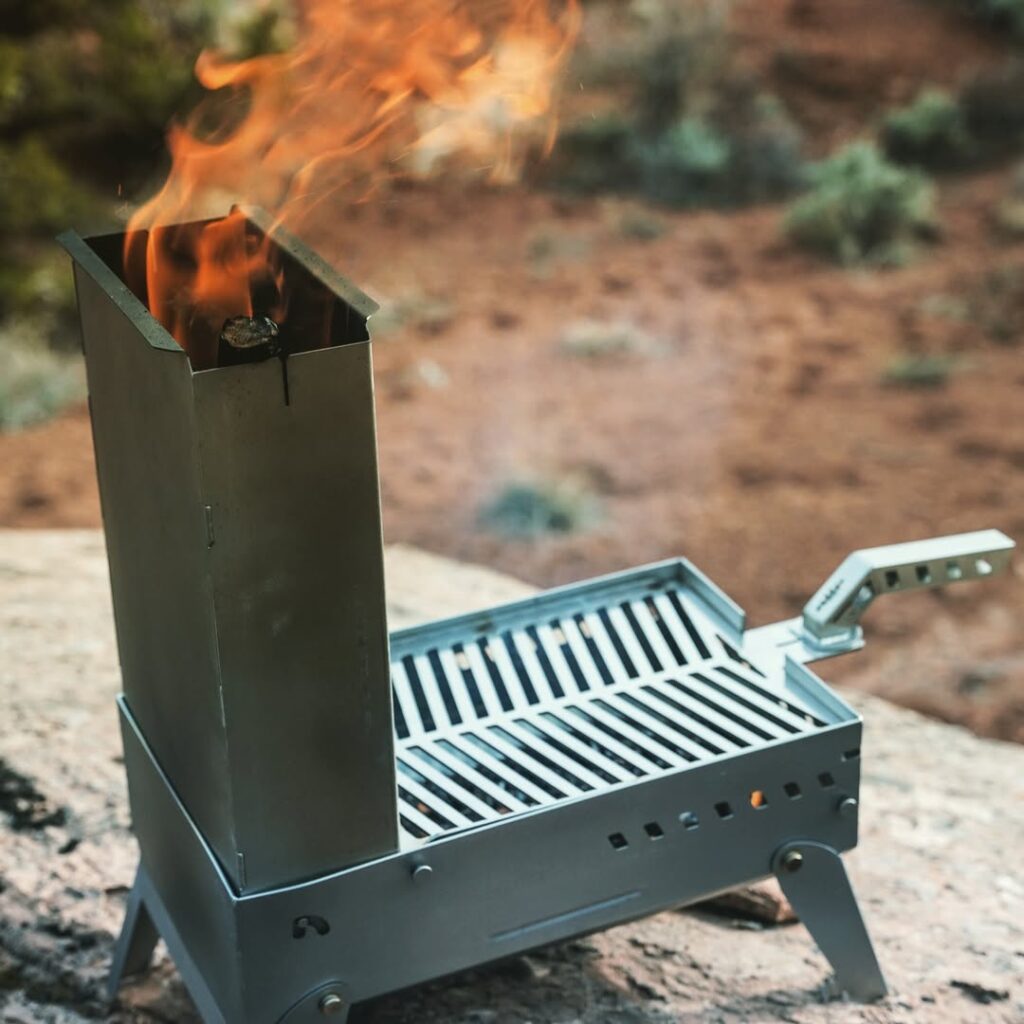
Combustion: The Part Everyone Ignores (But Shouldn’t)
Smoke quality is dictated by how wood burns, not just what burns.
The Four Stages of Combustion
- Drying – moisture evaporates
- Pyrolysis – wood breaks down into gases
- Flaming combustion – clean burning
- Charcoal phase – steady heat
Most bad smoke happens when wood gets stuck between stages 2 and 3.
Oxygen Is Everything
A fire needs:
- Fuel
- Heat
- Oxygen
Starve it of oxygen, and wood smolders instead of burning.
Key Point:
A choking fire produces choking smoke.
Airflow matters more than wood volume. More wood with poor airflow just means more bad smoke.
Temperature and Flavor
Smoke flavor changes with temperature.
- Too cool: sour, bitter smoke
- Too hot: less smoke adherence
- Just right: clean, aromatic compounds
This is why experienced pitmasters manage fire size, not just cooker temperature.
The goal isn’t a roaring inferno – it’s controlled combustion.
How Smoke Actually Interacts With Food
Smoke sticks best to:
- Cool surfaces
- Moist surfaces
- Fatty surfaces
That’s why:
- Smoke absorption happens mostly early
- Cold meat takes smoke better
- Fat carries flavor
Once the surface dries out, smoke uptake drops sharply.
Key Point:
You can’t keep adding smoke forever.
After a certain point, you’re just layering bitterness.

Why Nose > Thermometer When Judging Smoke
Every pitmaster owns a thermometer. The good ones also trust their nose.
Smoke tells you everything if you know how to listen. Clean smoke smells sweet, slightly woody, almost like warm bread crust. Bad smoke smells sharp, chemical, or like something Nancy Drew would investigate with a gas mask.
Here’s the trick: walk away from the pit for 30 seconds, then come back. Fresh nose, fresh judgment. If the smoke makes you wince, your fire is crying for help.
Key insight: Your nose detects bad combustion before your thermometer ever will.
I’ve fixed more bad cooks by opening vents than by checking numbers. Fire speaks in scent – learn the language.
The “Too Much Wood” Problem (Yes, It’s Real)
Beginner instinct: add more wood for more flavor.
Pitmaster reality: too much wood ruins everything.
Wood doesn’t season food – it releases compounds over time. Dumping logs into a firebox creates a smoke surge that overwhelms meat before it can absorb anything pleasant.
Think of smoke like a background singer, not a lead guitarist. When it screams, the song falls apart.
Key phrase: Smoke should whisper, not shout.
I once watched a guy add wood every ten minutes “just to be safe.” His ribs tasted like Tin Tin had smoked them inside a newspaper press. Subtlety wins.
Why Charcoal Alone Tastes Different Than Wood Smoke
Charcoal is wood that’s already had its volatile compounds burned off. That’s why it burns hot, clean, and predictable.
But charcoal alone gives you heat – not complexity.
Wood, on the other hand, still contains lignin and aromatic compounds, which is where smoke flavor lives. This is why most pitmasters use charcoal for the base fire and add wood intentionally for flavor.
Key takeaway: Charcoal controls heat. Wood controls flavor.
It’s not cheating – it’s strategy. Sun Tzu would approve. Probably.
Weather, Wind, and Why Your Best Cook Was on a Calm Day
Ever notice your best cooks happen when the weather behaves?
Wind increases oxygen, speeds combustion, and can turn clean smoke into chaos. Cold air lowers fire efficiency. Humidity affects smoke density and how it sticks to meat.
Key point: Your smoker doesn’t exist in a vacuum.
On windy days, I shield the fire. On cold days, I run slightly larger fires. On perfect days, I don’t touch a thing – and pretend I planned it.
Mastering smoke means adjusting to conditions, not fighting them.
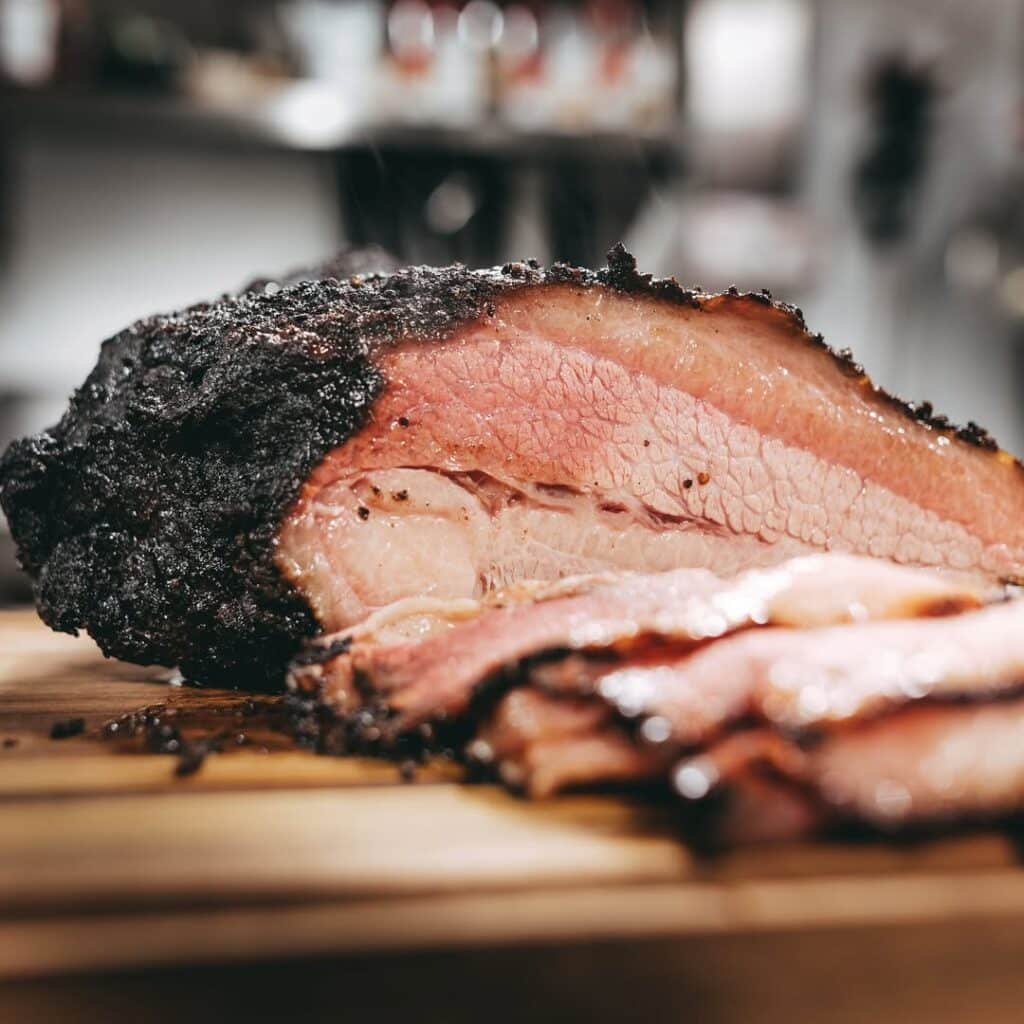
Why Resting Meat Changes Smoke Flavor (Yes, Really)
Smoke doesn’t stop working when the fire goes out.
During the rest, heat redistributes, fats relax, and smoke compounds mellow and integrate. That sharp edge softens. Flavors round out.
Cut too early and smoke tastes harsh. Rest properly and it tastes intentional.
Key phrase: Resting is where smoke finishes its sentence.
I’ve seen impatient cooks ruin perfect briskets because they couldn’t wait 30 minutes. Don’t let excitement sabotage chemistry. Even Nancy Drew waits for the full story.
Practical Pitmaster Takeaways
Let’s turn science into action.
Choose the Right Wood Type
- Start mild, build intensity
- Match wood to protein
- Avoid mixing too many woods
Manage Fire, Not Smoke
- Watch airflow
- Trust your nose
- Chase clean combustion
Common Mistakes
- Oversmoking
- Wet wood
- Choked fires
- Too much wood, too fast
If Nancy Drew were a pitmaster, she’d stop looking for “secret smoke tricks” and start asking better questions about fire behavior.
Frequently Asked Questions (FAQ)
1. What is the best wood type for smoking meat?
There’s no single “best” wood type – only the right wood for the right meat. Mild woods like apple or cherry work well for poultry and fish, while stronger woods like hickory or oak suit pork and beef.
Mesquite is powerful and best used sparingly or blended.
Key takeaway: Match the wood type to the protein, not your ego.
2. Does soaking wood chips actually improve smoke flavor?
Short answer: No.
Soaking wood increases moisture, which lowers combustion temperature and creates dirty smoke. That leads to bitterness, not better flavor.
If soaking really worked, pitmasters would soak logs overnight. We don’t – because we like our food edible.
3. Why does my smoke taste bitter?
Bitter smoke usually comes from:
- Wet or green wood
- Poor airflow
- Low fire temperature
- Smoldering instead of burning
All of these cause incomplete combustion, which produces creosote.
Rule of thumb: If the smoke smells harsh, the food will taste worse.
4. What does “clean smoke” actually look like?
Clean smoke is:
- Thin
- Light blue or nearly invisible
- Sweet-smelling, not sharp
Thick white or gray smoke means the fire is struggling. That’s your cue to fix airflow or reduce fuel, not add more wood.
5. Can you use too much smoke?
Absolutely – and it happens faster than most people think.
Smoke absorption happens early in the cook, when meat is cool and moist. After that, adding more smoke mostly adds bitterness.
More smoke ≠ more flavor. Better smoke = better flavor.
6. Why does wood type matter so much for flavor?
Different wood types contain different ratios of lignin, cellulose, and hemicellulose. When these break down under heat, they create different flavor compounds.
That’s why:
- Apple tastes mild and fruity
- Hickory tastes bold and smoky
- Oak tastes balanced
- Mesquite tastes… aggressive
Wood type isn’t decoration – it’s chemistry.
7. Is bark or wood size important for smoking?
Yes. Smaller pieces ignite faster and release smoke quickly, while larger chunks burn longer and more steadily.
Bark can add flavor, but too much bark – especially on dirty-burning wood – can increase bitterness.
Steady burn beats fast smoke every time.
8. Why does smoke stick better at the start of cooking?
Smoke adheres best to cool, moist surfaces. As meat heats up and dries out, smoke absorption drops sharply.
That’s why the first few hours of a cook matter most. After that, you’re managing heat – not stacking smoke.
9. Is invisible smoke really better than thick smoke?
Yes. And this is where beginners usually don’t believe veterans.
Invisible smoke means complete combustion, which produces cleaner, more flavorful compounds. Thick smoke usually means something’s wrong.
If your cooker looks like a fog machine, Sun Tzu would call that a tactical failure.
10. Can different woods be mixed together?
Yes – but carefully.
Blending woods can add complexity, but mixing too many creates muddled flavor. Start with a neutral base (like oak) and add small amounts of stronger wood.
Two woods = harmony. Five woods = chaos.
11. Why does fat seem to “love” smoke?
Fat acts like a flavor sponge. Smoke compounds dissolve into fat more easily than lean muscle, which is why fatty cuts like brisket and pork shoulder carry smoke so well.
This is also why lean meats need lighter wood types and gentler smoke.
12. What’s the biggest mistake beginners make with smoke?
Trying too hard.
Too much wood. Too much smoke. Too little airflow.
Great smoke flavor comes from control, patience, and clean fire management – not detective work worthy of Nancy Drew.
Fire Is a Skill, Not a Mystery
Mastering smoke flavor isn’t about gadgets, gimmicks, or ancient scrolls from Sun Tzu’s lost BBQ chapter.
It’s about understanding:
- Wood type
- Moisture
- Combustion
Once you respect fire, it rewards you.
And when your food tastes clean, balanced, and unforgettable – that’s not luck. That’s science… with a little pitmaster swagger.
Featured image credit: @cutting.edge.firewood
